Category Archives: Finfinne

Irreechaa in Edmonton: How One Diaspora Community Turned a Sacred Tradition into a Recognized Civic Celebration
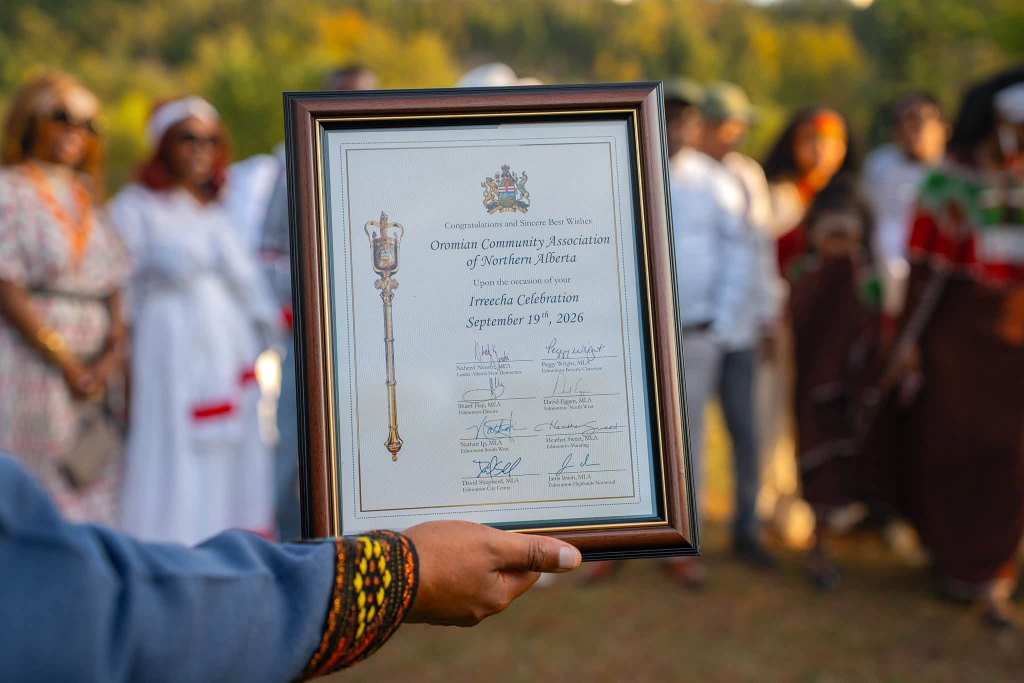
By Daandii Ragabaa
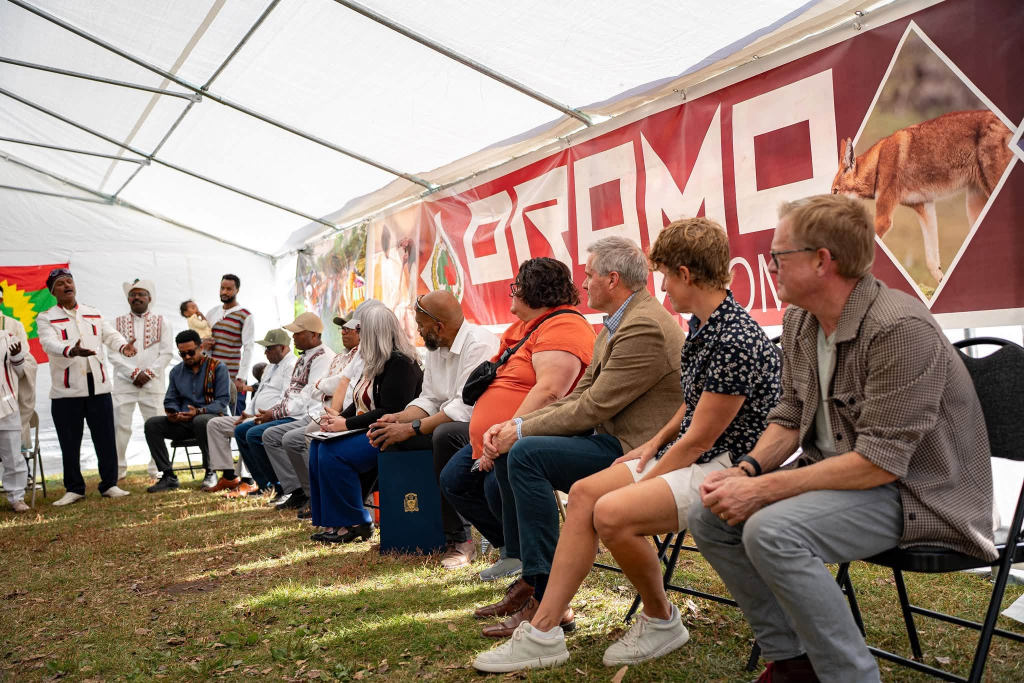
EDMONTON, Alberta — When the Oromo community of Edmonton gathered for Irreechaa Malkaa this year, they were not simply marking a religious holiday. They were making a statement — to themselves, to their children, and to the wider Canadian society — that Oromo culture, identity, and heritage deserve to be seen, respected, and celebrated at the highest levels of public life.
The celebration, held a week ago, was honored with an official Certificate of Recognition from the Government of Alberta, presented by representatives of the city and the provincial and federal governments who stood alongside the Oromo community in celebration. The recognition was not a casual gesture. As the community noted, this acknowledgment did not come easily or by accident. It was the result of years of persistent advocacy and grassroots organizing.
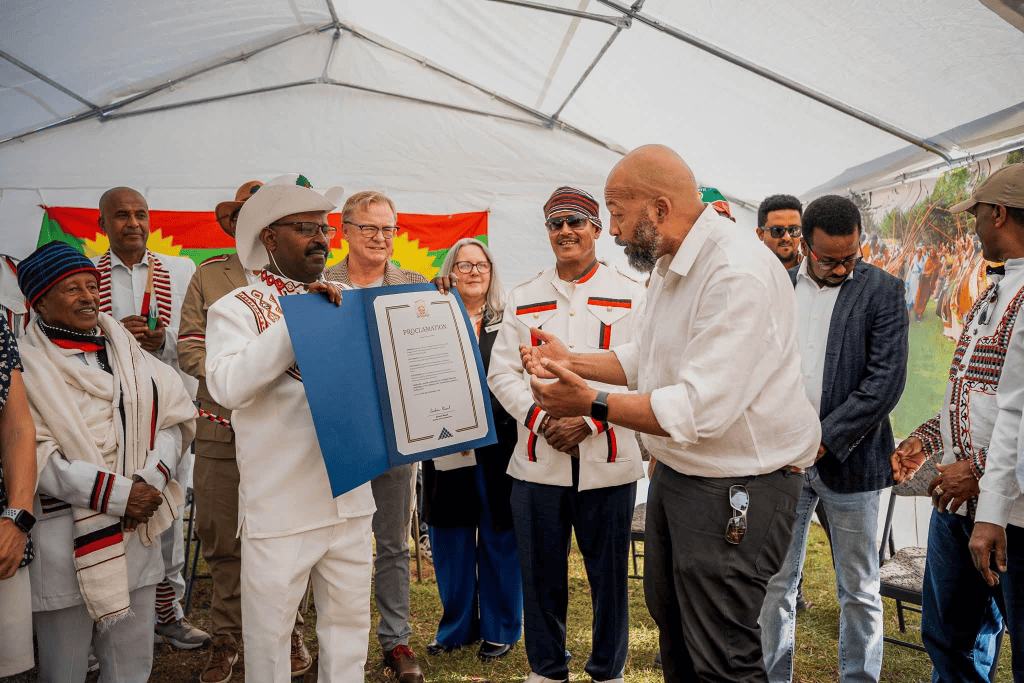
A Celebration That Speaks for Itself
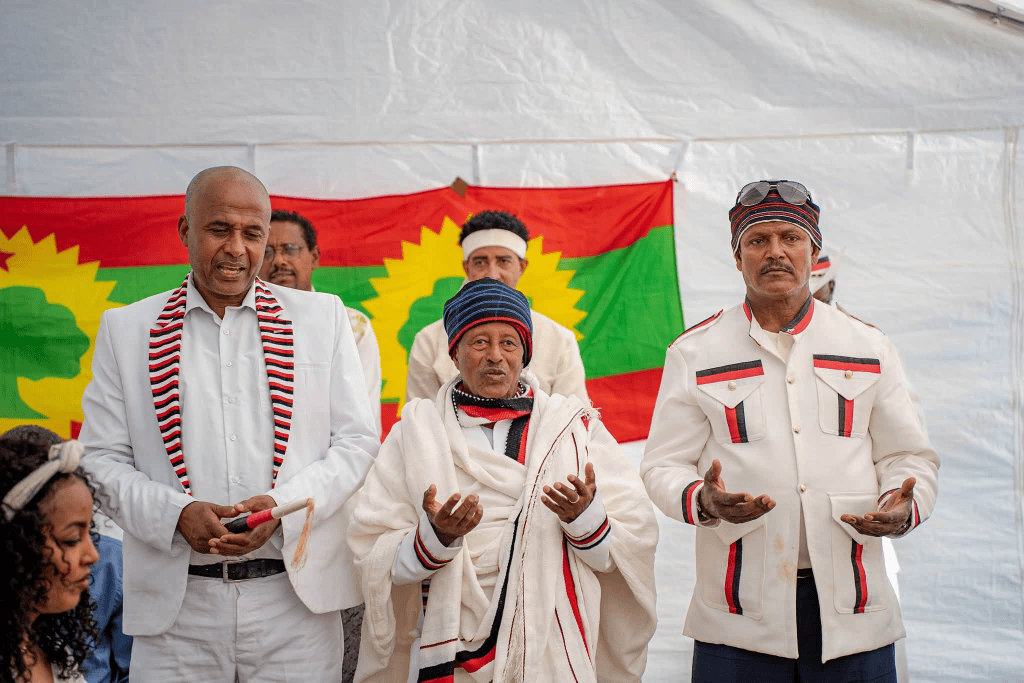
The symbolism of Irreechaa is powerful, and the Edmonton community was intentional about ensuring it was understood. Irreechaa is not simply a “Thanksgiving” festival. It is rooted in Waaqeffannaa, the traditional Oromo belief in one God, and in the Gadaa system — the ancient democratic governance structure that UNESCO has recognized as Intangible Cultural Heritage.
For Oromos in the diaspora, Irreechaa is a spiritual act of gratitude to Waaqa for the blessings of the past year, a moment of reconciliation, and a prayer for peace in the year ahead. It is also a public declaration of identity — a refusal to be invisible.
As the community statement put it, the presence of elected officials and the presentation of the certificate of recognition was not simply an act of kindness by those in power. It was the product of sustained effort and organized advocacy by OCANA (the Oromo Community Association of Northern Alberta) and the broader Oromo community of the region.
The Leadership Behind the Recognition
The statement is clear that this achievement belongs to the community’s leadership and its collective will. “For our culture to flourish, for Oromos to be honored, and for Oromia to be viewed as a nation, the leadership of the Oromo Community Association of Northern Alberta played a lion’s share — and this is where it came from.”
That acknowledgment matters. In diaspora communities, recognition rarely arrives on its own. It must be cultivated — through relationship-building with local governments, through participation in multicultural events, through education, and through the persistence of community organizations.
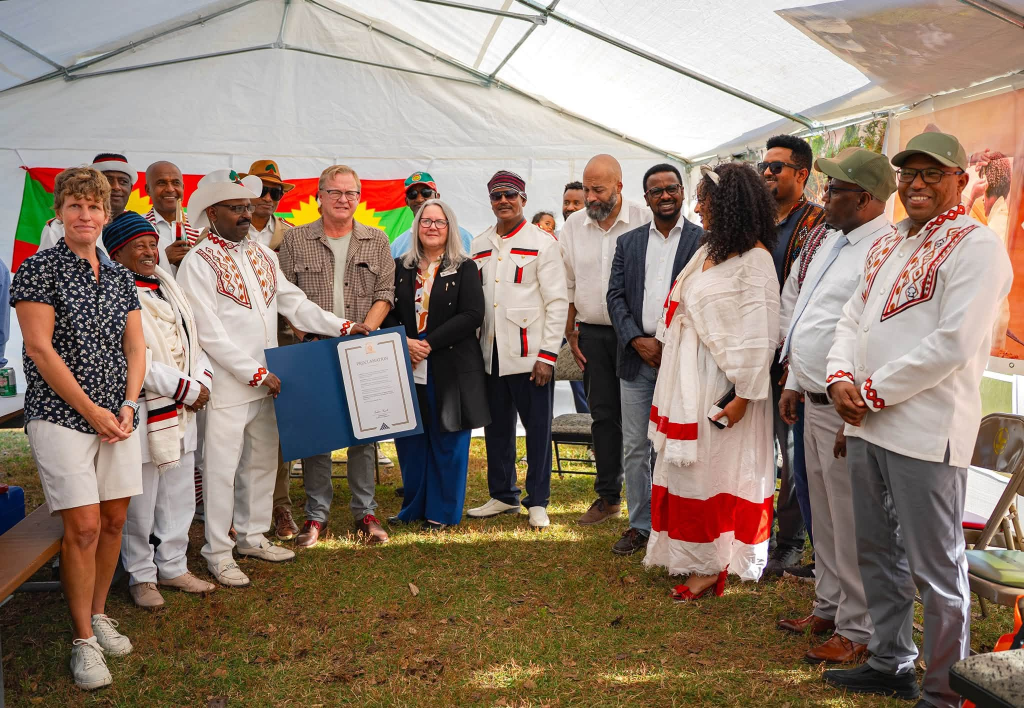
A Model for Others
The Edmonton community also highlighted a striking achievement: at God-Hambaalee Edmonton, one of the city’s major multicultural festivals featuring over 90 countries, Oromia participated as a nation in its own right — complete with its own displays and presentations, which finished among the top ranks of participants.
For a community whose homeland has often been marginalized, denied recognition, and subjected to systemic oppression, this is no small thing. It is a reversal of the invisibility that has too often been imposed on Oromo people.
The statement also noted that many multicultural associations exist across Canada, but none has demonstrated the same strength, diplomatic skill, and ability to articulate the Oromo experience as this one. The community did not celebrate in isolation — it celebrated in public, with recognition, and with dignity.
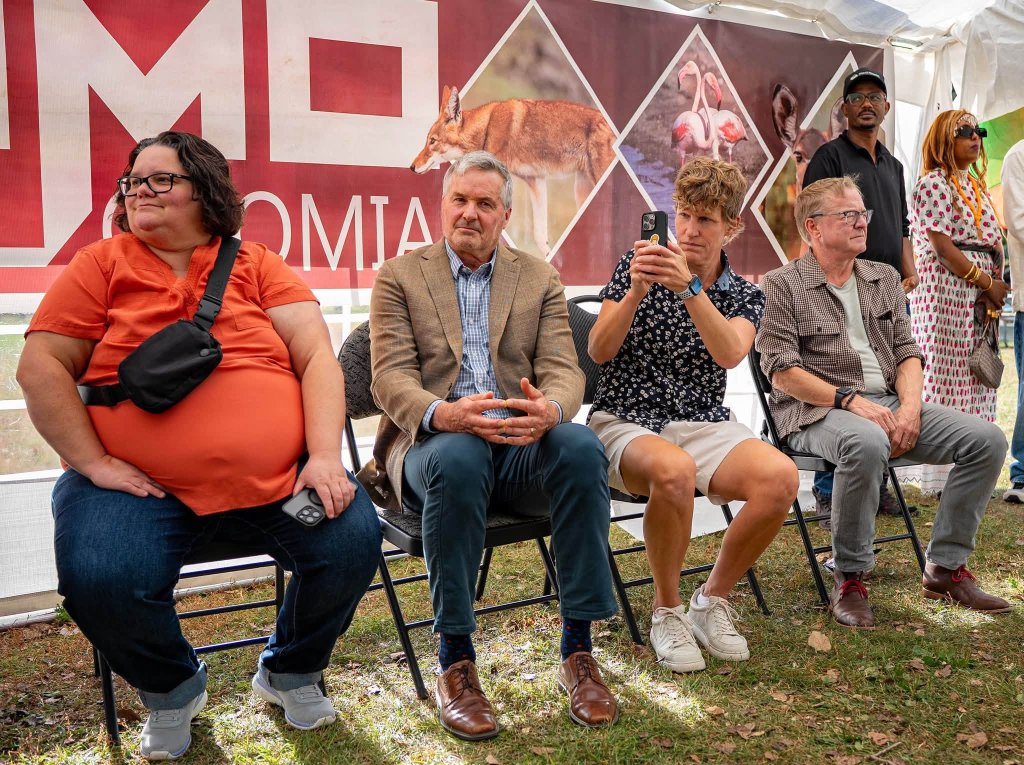
Gratitude and Looking Forward
The message closes with gratitude — to the Oromo community of the region, to OCANA’s leadership, and to everyone who contributed to making Irreechaa 2026 a success. It also issues a challenge to other Oromo communities: learn from this example. The community intends to build on this momentum, and future plans are already taking shape.
To those who are honoring their country and culture, the community offers its blessing: Irreecha milkii — may your Irreechaa be fruitful and blessed.
Why This Matters
Irreechaa in Edmonton is not just a local story. It is a template for how diaspora communities can transform sacred traditions into civic recognition — without compromising the spiritual essence of the festival. It shows that cultural preservation and public engagement are not mutually exclusive. And it demonstrates that when a community organizes, advocates, and speaks with one voice, governments listen.
For Oromos across Australia, North America, Europe, and beyond, the Edmonton example offers both inspiration and a challenge: celebrate proudly, organize strategically, and ensure that Irreechaa is not only a memory carried from home, but a living tradition recognized by the nations in which it is celebrated.
Baga Irreecha milkiin geessan!
#Irreecha_Edmonton #Irreechaa #Oromo #Oromia #OCANA #Edmonton #Alberta #Diaspora #CulturalHeritage #Waaqeffannaa #Oromummaa

What are 10 interesting facts about Irreechaa?
Here are 10 interesting facts about Irreechaa, drawn from its ancient origins, spiritual practices, and growing global reach.
1. It’s Not Just One Festival — It’s Two
Irreechaa is celebrated twice a year, marking two distinct seasonal transitions. The main festival, Irreechaa Malkaa, is held in autumn (September/October) at rivers and lakes to mark the end of the rainy season. The second, Irreechaa Tulluu (or Arfaasaa), is celebrated in spring on hilltops and mountains to welcome the rainy season .
2.  Its Roots Go Back Over 6,000 Years
This is not a recent tradition. Irreechaa is rooted in over 6,000 years of Cushitic civilization, making it one of the oldest continuous thanksgiving traditions in the world. It predates both Christianity and Islam in the region .
3.  It’s Recognized by UNESCO
The festival is intimately tied to the Gadaa system, the traditional Oromo governance structure. The Gadaa system was inscribed by UNESCO as an Intangible Cultural Heritage of Humanity, giving Irreechaa international recognition as a vital part of global cultural heritage .
4.  You Can’t Attend with a Grudge
One of the most striking rules of Irreechaa is that you cannot participate if you are holding resentment or hatred toward others. Disputes must be settled before the festival. It is believed that Waaqa will not accept the prayers and songs of those who come with unresolved conflict .
5. 👩🏾🤝👨🏾 Women Lead the Procession
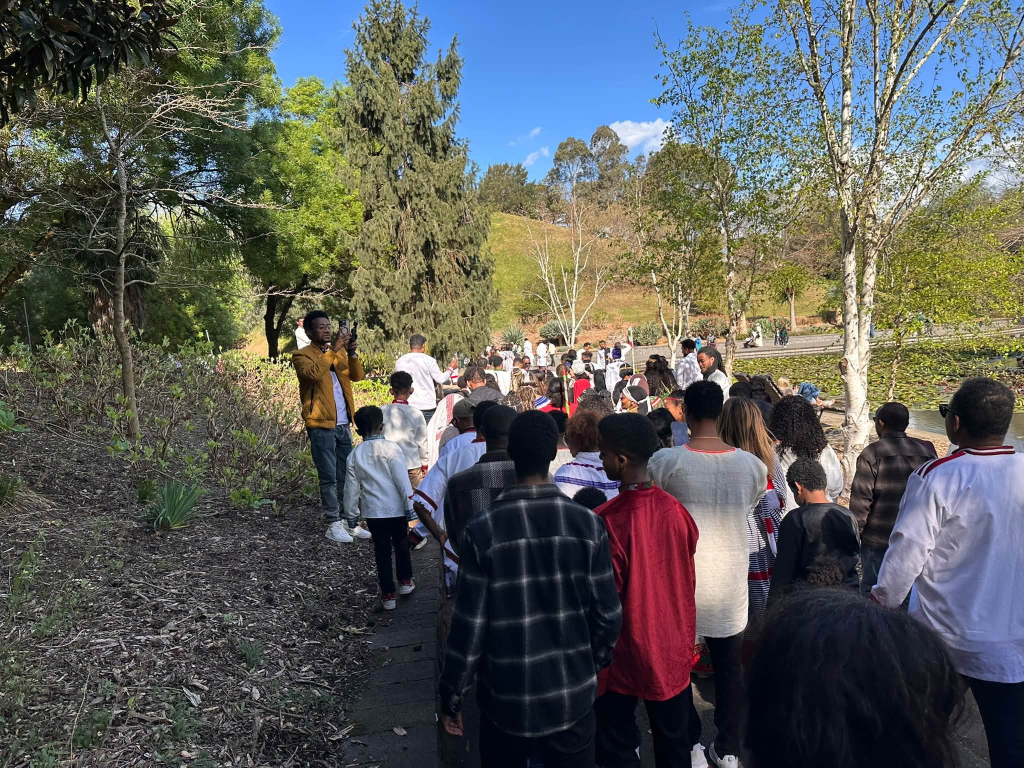
In a powerful cultural tradition, women walk at the front of the Irreechaa procession, ahead of the Abbaa Gadaa (Gadaa leaders) and elders. If the women stop walking, the entire procession stops. Nobody passes before them. This is rooted in the Siinqee institution, which symbolizes women as sacred and as agents of peace .
6.  The Grass and Flowers Are Sacred Symbols
Participants carry fresh green grass and yellow daisies (daraaraa keelloo) to the water’s edge. The grass symbolizes life, fertility, and renewal, while the yellow flowers bloom specifically during the Birraa (spring) season. Dipping them into the water is an act of purification and gratitude .
7.  It’s Africa’s Largest Outdoor Gathering
The main celebration at Hora Arsadi in Bishoftu is one of the largest annual human gatherings in Africa, attracting millions of people. International media like the BBC, Al Jazeera, and CNN have covered the massive scale of the event .
8.  It Returned to Finfinne After 150 Years
In 2019, Irreechaa was celebrated at Hora Finfinne in Addis Ababa for the first time in 150 years. Under previous regimes, public celebrations had been banned. Its return to the capital was seen as a powerful act of cultural reclamation and identity .
9.  It’s a Global Diaspora Tradition
Irreechaa is not confined to Ethiopia. Oromo communities in the United States, Canada, Germany, Australia, the UAE, Saudi Arabia, and the UK organize their own celebrations. In cities like Melbourne, Washington D.C., Toronto, and Berlin, the diaspora gathers in parks and community centers to maintain their traditions and pass them to the next generation .
10.  It’s a Platform for Peace and Unity
Beyond thanksgiving, Irreechaa is a peace-building event. Scholars describe it as a festival that “sermonizes peace, reconciliation, and unity.” It brings together people of all ages, genders, religions, and social statuses, reinforcing the values of equality and social harmony.

My Favourite Festival: Irreechaa
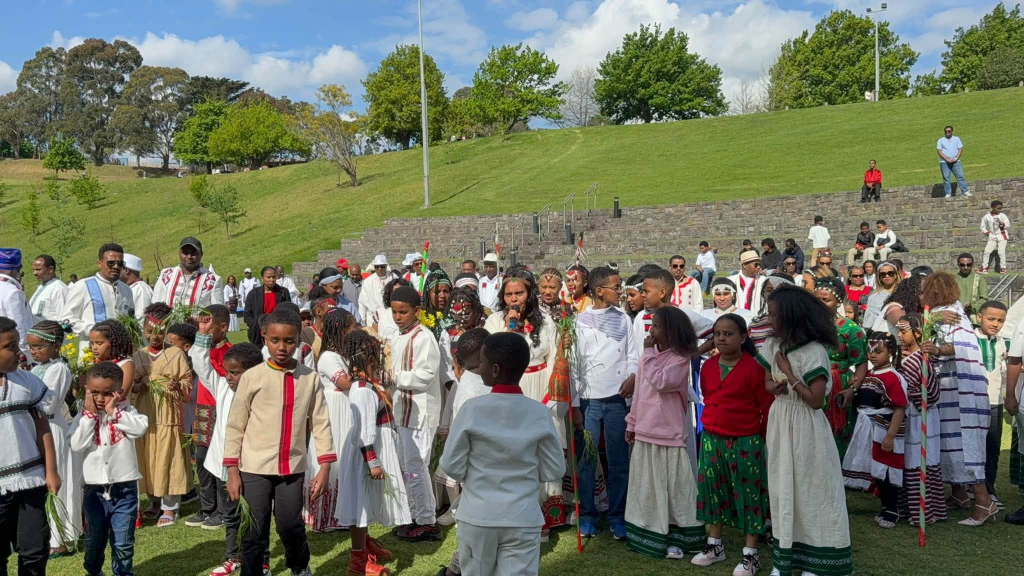
By Dhabessa Wakjira
—
There are festivals that entertain, and there are festivals that transform. Irreechaa belongs to the second category. For me, it is not simply my favourite festival — it is the most meaningful celebration I have ever known.
A Festival That Belongs to Everyone
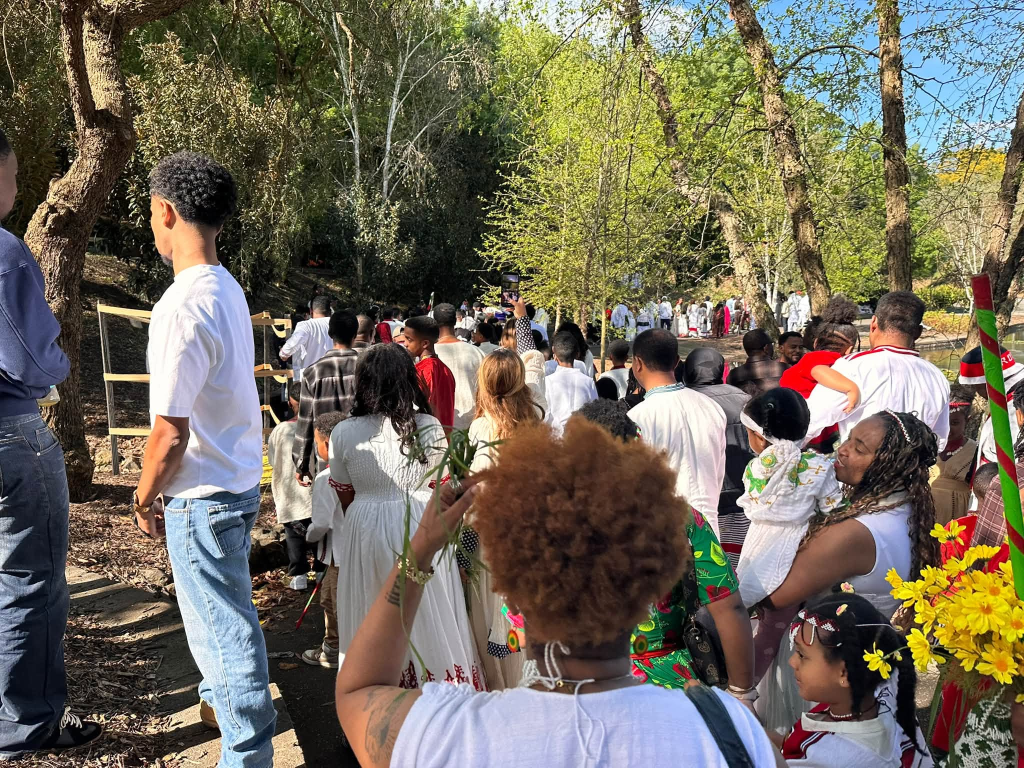
What I love most about Irreechaa is its radical inclusivity. It does not matter who you are, where you come from, or what faith you follow. The festival is described as a “culture of inclusivity” where people of all backgrounds, languages, and religions are welcomed . When you stand at the water’s edge, surrounded by thousands of people carrying fresh green grass and yellow daisies, you realise you are part of something far bigger than yourself.
Gratitude at Its Purest
Irreechaa is, at its heart, an act of thanksgiving. It is a time to give thanks to Waaqa (God) for the rains, the harvest, the gift of life itself. In a world that often rushes past moments of gratitude, Irreechaa forces us to pause. To look back at the year that has passed. To acknowledge the blessings we have received. To welcome the new season with hope.
There is something profoundly grounding about this. The festival reminds us that we are part of nature, not separate from it — that the changing seasons, the flowing water, and the blooming flowers are all gifts worth celebrating.
A Time for Reconciliation
One of the most beautiful aspects of Irreechaa is its emphasis on reconciliation. You cannot fully participate if you are holding resentment or conflict in your heart. Disputes must be settled. Forgiveness must be offered. The festival creates a powerful, community-enforced deadline for healing broken relationships.
In a world so often divided by conflict, Irreechaa offers a different path — one rooted in peace, understanding, and the courage to let go of grievances.
A Living Link to My Heritage
For those of us in the diaspora, Irreechaa is more than a festival. It is a lifeline to our homeland. It connects us to our ancestors, our language, and our traditions. When I celebrate Irreechaa in Australia, I am not just remembering Oromia — I am keeping it alive within me.
The songs, the prayers, the procession, the grass, the flowers, the water — every element carries the weight of generations. And by participating, I become part of that unbroken chain.
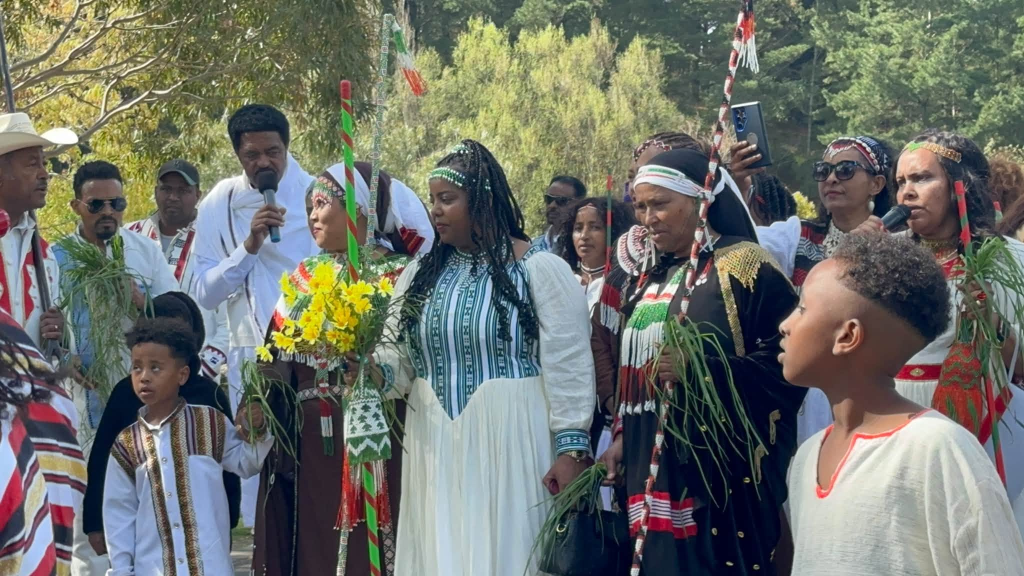
A Festival That Survived
Irreechaa has been celebrated for generations, preserved through years of oppression and systemic subjugation . That it survives today — and thrives — is a testament to the resilience of the Oromo people. Every celebration is a quiet victory. Every song is an act of defiance. Every gathering is a statement that our culture cannot be erased.
The Feeling You Can’t Explain
Ask me to describe what Irreechaa feels like, and I will struggle. It is the sound of thousands of voices singing together. It is the sight of elders leading prayers and children watching with wide eyes. It is the smell of fresh grass and flowers. It is the feeling of belonging — of being part of something ancient, sacred, and unbreakable.
It is joy. It is peace. It is home.
Why It’s My Favourite
Irreechaa is my favourite festival because it is not just a celebration. It is a spiritual homecoming. It is a time to give thanks, to reconcile, to reconnect, and to remember who I am.
In a world that moves too fast, Irreechaa invites us to slow down. To be present. To be grateful. To be together.
And that, to me, is the most beautiful thing a festival can offer.
Baga Irreechaa nagaan geessan! 

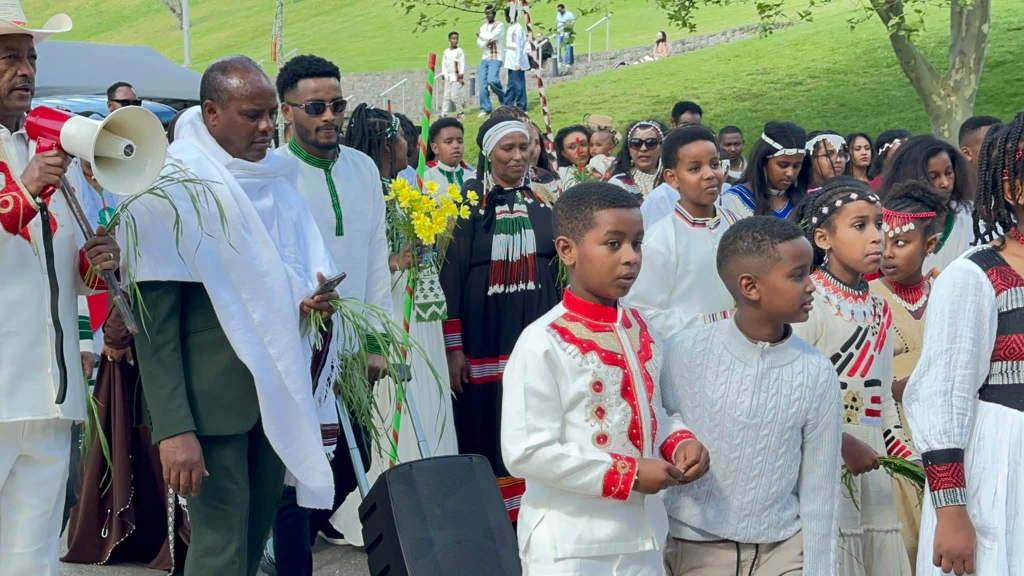

Irreechaa Birraa Celebrated in Amsterdam as Diaspora Reaffirms Identity and Tradition
Where the Oromo Are, There the Oromo Order Thrives
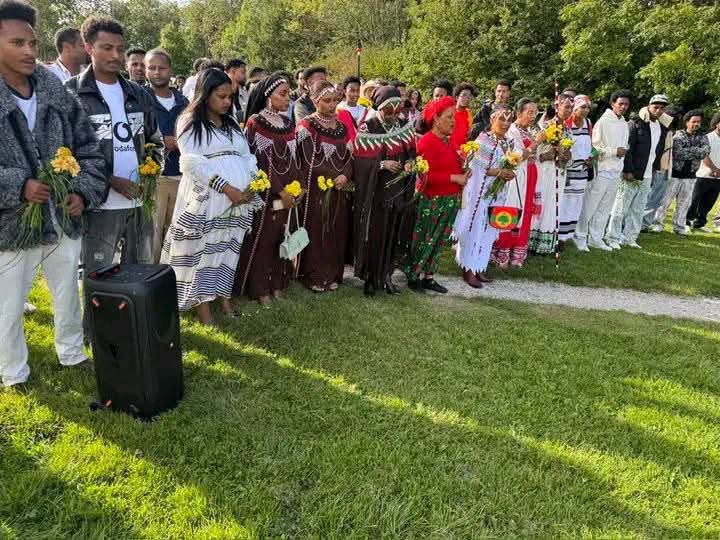
Amsterdam — Under the gray autumn skies of the Dutch capital, a sea of white, green, and yellow transformed Gaasperplas into a sacred Oromo landscape on Saturday, September 26, 2026. The Oromo community of the Netherlands gathered for Irreechaa Birraa, the ancient thanksgiving festival marking the end of the dark rainy season and the arrival of spring, in a powerful display of cultural continuity far from the Horn of Africa .
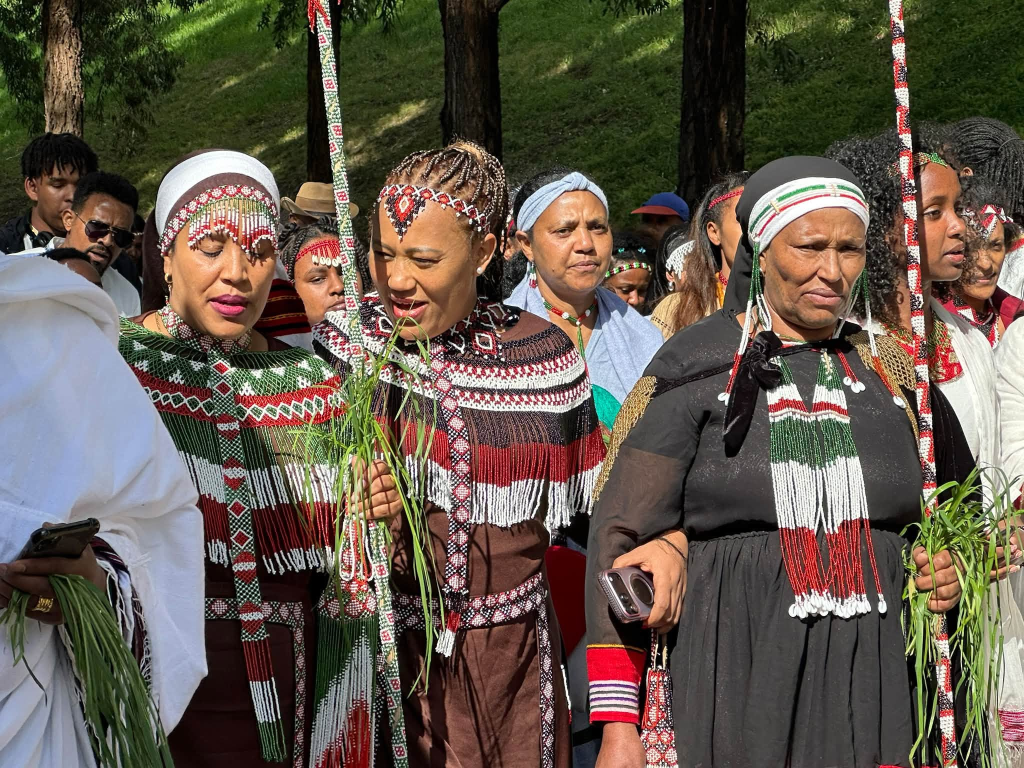
The celebration, organized by Hawaasa Oromo Nederland, drew Oromo families from across the Netherlands and neighboring European countries. Women in traditional dresses carried fresh green grass and yellow daisies; elders led prayers in Afaan Oromoo; and the sound of faaruu—traditional songs of gratitude—echoed across the park grounds .
For the Oromo diaspora, Irreechaa is more than a festival. It is a living declaration that the Oromo system—the sirna Oromoo—endures wherever the Oromo people are.
A Nation of Greatness
The Oromo are the largest ethnic group in Ethiopia and the Horn of Africa, numbering tens of millions and inhabiting a vast territory stretching from the central highlands to the southern lowlands . Their language, Afaan Oromoo, belongs to the Cushitic branch of the Afro-Asiatic family, and their traditional governance system, the Gadaa, was recognized by UNESCO as an Intangible Cultural Heritage of Humanity .
But numbers alone do not capture the depth of Oromo civilization. The Oromo possess a comprehensive philosophical and legal framework—safuu—that governs relations between humans, between humans and the natural world, and between humanity and the divine . Safuu establishes boundaries, rights, and responsibilities; it teaches that every created thing has its proper place and that violating these boundaries invites aadmalee—a profound moral transgression .
Central to this system is the land itself. For the Oromo, the earth is not merely property. She is haadha waan hunda—the mother of all things . Among the Boorana Oromo, the land is called Baattoo, a name that evokes her role as the sustainer who carries all life, both good and evil, upon her back . To farm sacred land—mountain slopes, water sources—without proper ritual is not merely an agricultural decision; it is a spiritual violation.
The Oromo are a people of profound religious tradition. Waaqeffannaa, the Oromo religion, worships one God—Waaqa—through a complex system of ayyaana, spiritual intermediaries who convey human needs to the Creator . The Oromo do not see themselves as a people without faith; they see themselves as a people with a very old faith, one that predates the arrival of Christianity and Islam in their lands.
Irreechaa: The Heartbeat of Oromo Life
No single institution better embodies the Oromo system than Irreechaa. Celebrated at the end of the rainy season (Ganna) and the beginning of spring (Birraa), Irreechaa is a national thanksgiving, a collective prayer of gratitude to Waaqa for protection, harvest, and peace .
The festival is celebrated in two principal forms. Irreechaa Malkaa takes place at the edges of rivers and lakes, where participants dip green grass and flowers into the water, sprinkling themselves as a symbol of purification and renewal . Irreechaa Tulluu is celebrated on hilltops, where the community gathers to pray for rain, fertility, and the well-being of the people . The largest celebrations occur at Hora Finfinne in Addis Ababa and Hora Arsadi in Bishoftu, where millions of Oromo gather each year—making it one of the largest annual human gatherings on the African continent .
The rituals of Irreechaa are rich with symbolism. Green grass represents life and fertility. Yellow daisies represent the joy of survival. Water represents purification and the washing away of hardship. The procession itself—elders leading, women walking in front, youth carrying flowers—is a living map of the Gadaa system’s social order .
Critical to Irreechaa is the requirement of reconciliation. A person carrying a grudge, a dispute, or an unresolved conflict is not permitted to participate fully in the festival . This is not merely a social nicety; it is a profound statement of the Oromo moral order. One cannot approach the sacred with a heavy heart. One cannot give thanks while holding anger. The Oromo system insists that gratitude and grievance cannot coexist.
The Diaspora Embraces the System
In Amsterdam, these traditions were not merely remembered—they were practiced. The Gaasperplas celebration followed the traditional structure: opening prayers led by community elders, a procession toward the water’s edge, the dipping of grass and flowers, and the sharing of food and coffee in a spirit of communal joy .
For diaspora Oromos, Irreechaa serves as a vital cultural anchor. In a world where the pressures of assimilation and the distance of migration threaten cultural continuity, Irreechaa is a reminder that the Oromo system is portable. It travels across oceans. It survives in new climates and new languages. It does not require the soil of Oromia to flourish—only the hearts of Oromo people who refuse to forget .
Community organizers emphasized the importance of the festival for younger generations. For Oromo children born in Europe, Irreechaa may be one of the few spaces where they hear prayers in Afaan Oromoo, see traditional caaccuu and siinqee carried by women, and witness elders acting in their traditional roles as Abbaa Gadaa and Hadhasiinqee .
The siinqee—the ritual stick carried by Oromo women—is itself a powerful symbol of the Oromo system’s treatment of gender. In traditional Oromo society, the siinqee represents the sacred power of women, particularly in their roles as peacemakers and protectors of life . A man who sees the siinqee planted in the ground knows that a woman has claimed her right to be heard, to demand justice, or to stop violence. That this institution survives and is honored in Amsterdam is a testament to the depth of the Oromo system.
A System That Endures
The Oromo say: Irreechi irree keenya—”Irreechaa is our unity” . The festival is not simply a religious observance or a cultural performance. It is a political and social statement: the Oromo system, with its Gadaa governance, its safuu ethics, its ayyaana spirituality, and its seasonal rhythms, is not a relic of the past. It is a living framework that continues to order Oromo life.
In Amsterdam, that framework was visible in every aspect of the celebration. It was visible in the respect shown to elders. It was visible in the equal participation of women, whose siinqee tradition remains one of the most distinctive aspects of Oromo society. It was visible in the focus on reconciliation and peace. It was visible in the integration of prayer and communal meal, ritual and celebration, solemnity and joy.
The Oromo system does not require an army to defend it. It does not require a state to enforce it. It requires only that Oromo people continue to live it. In Amsterdam, they did.
Source: Facebook page Gudisa Barbada

Oromo Community in Melbourne Celebrates Irreechaa with Color and Tradition at Botanical Gardens
By Dhabessa Wakjira
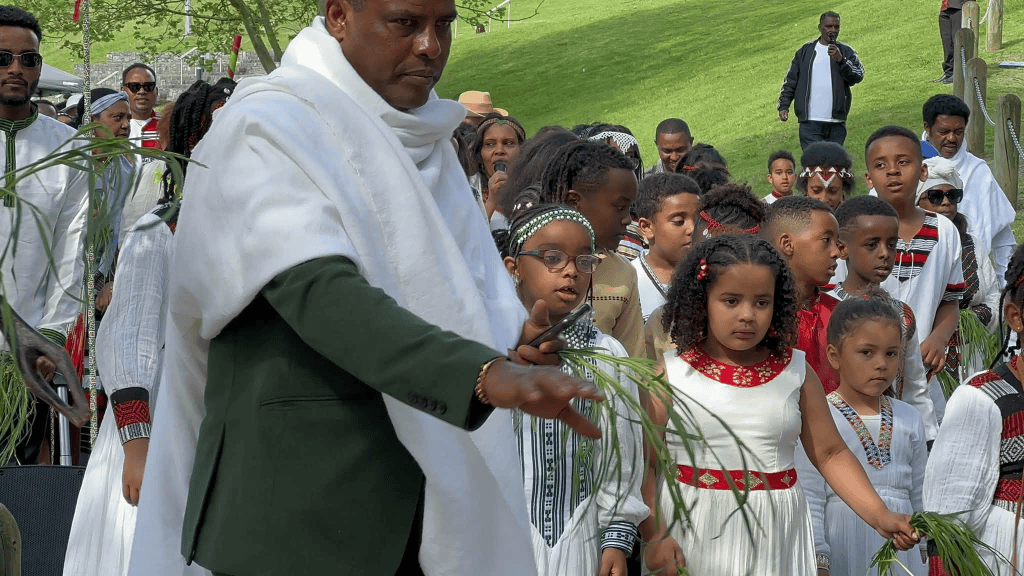
MELBOURNE, 27 September 2026 — The Oromo community in Melbourne today celebrated Irreechaa, the traditional Oromo thanksgiving festival, in a vibrant and beautiful ceremony at the Botanical Gardens, bringing together hundreds of community members in a powerful display of culture, faith, and unity.
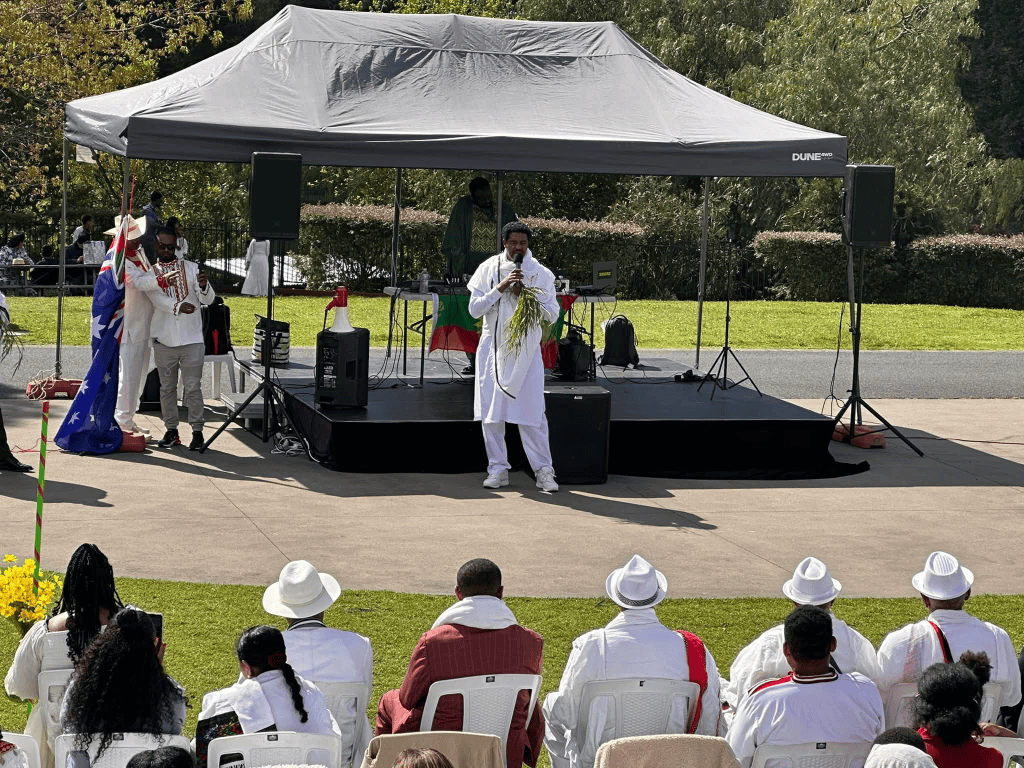
The celebration began with traditional blessings, and members of the community participated in the event in large numbers, dressed in beautiful cultural attire. Mr. Abdeta Homaa, Chairman of the Irreechaa Festival Committee, welcomed the gathered community with a speech of welcome, saying “Baga nagaan dhuftan” — welcome, and may you have arrived in peace.
A Sea of Color and Tradition
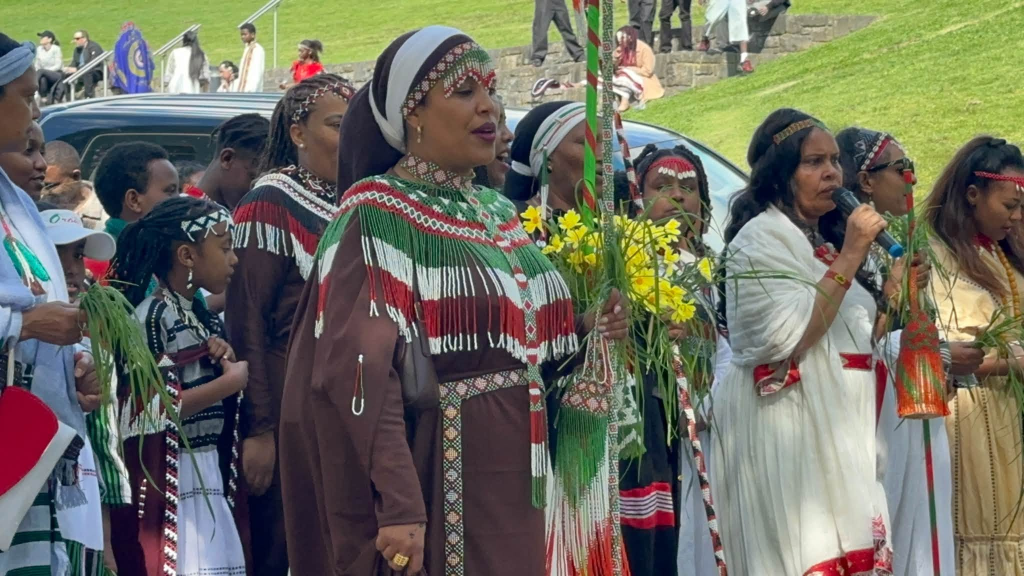
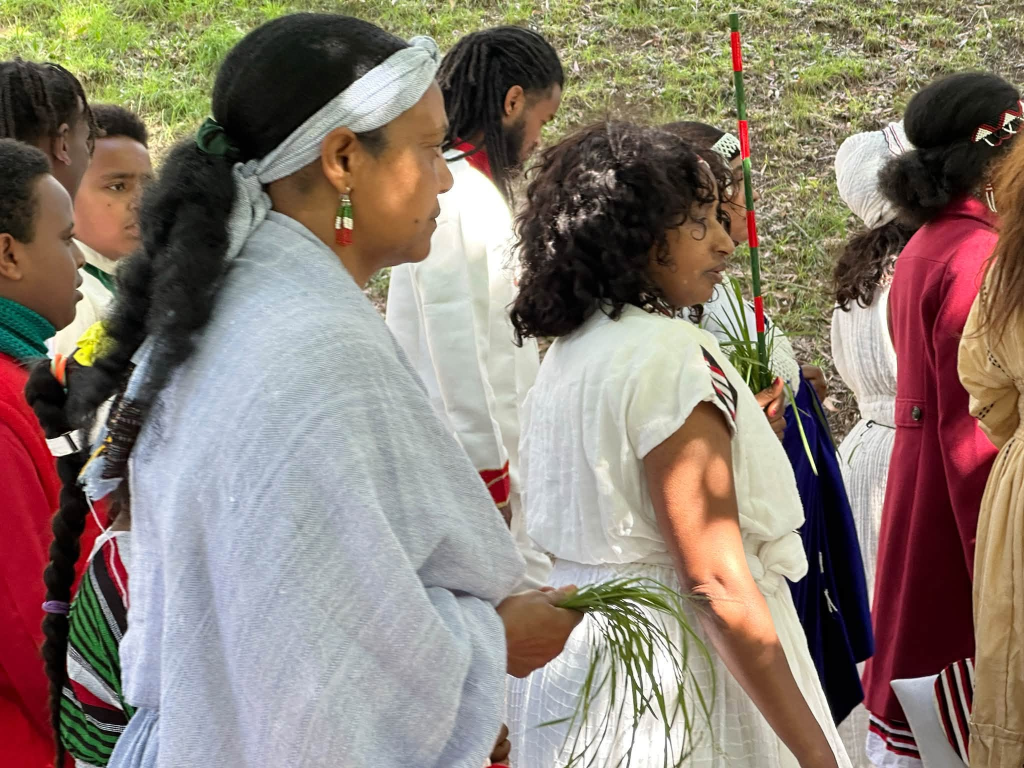
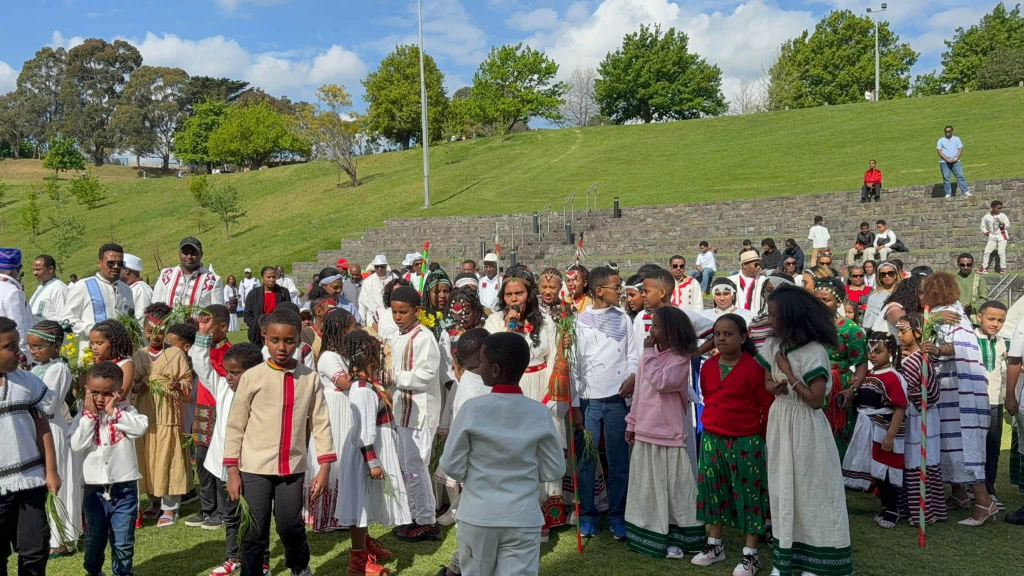
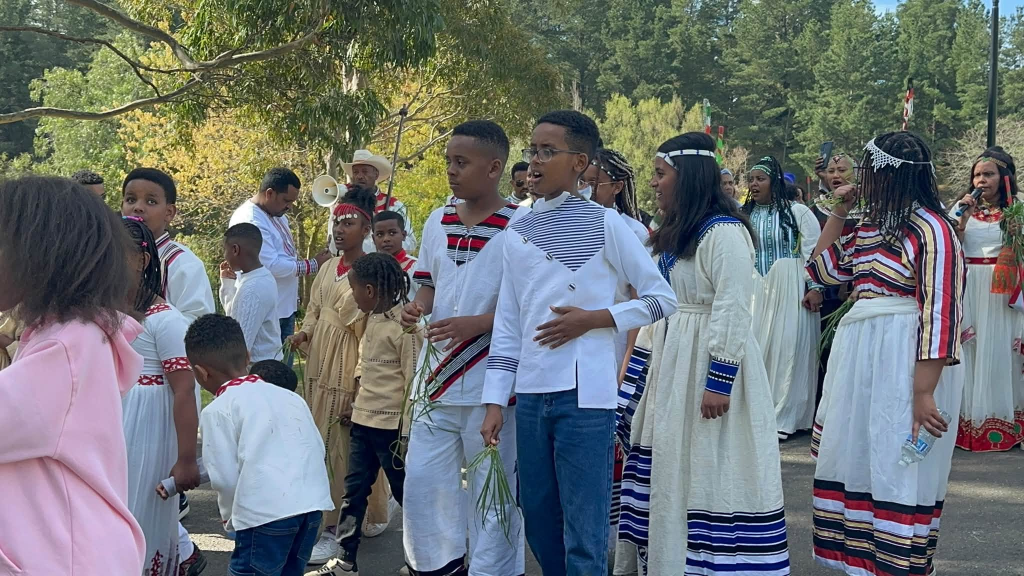
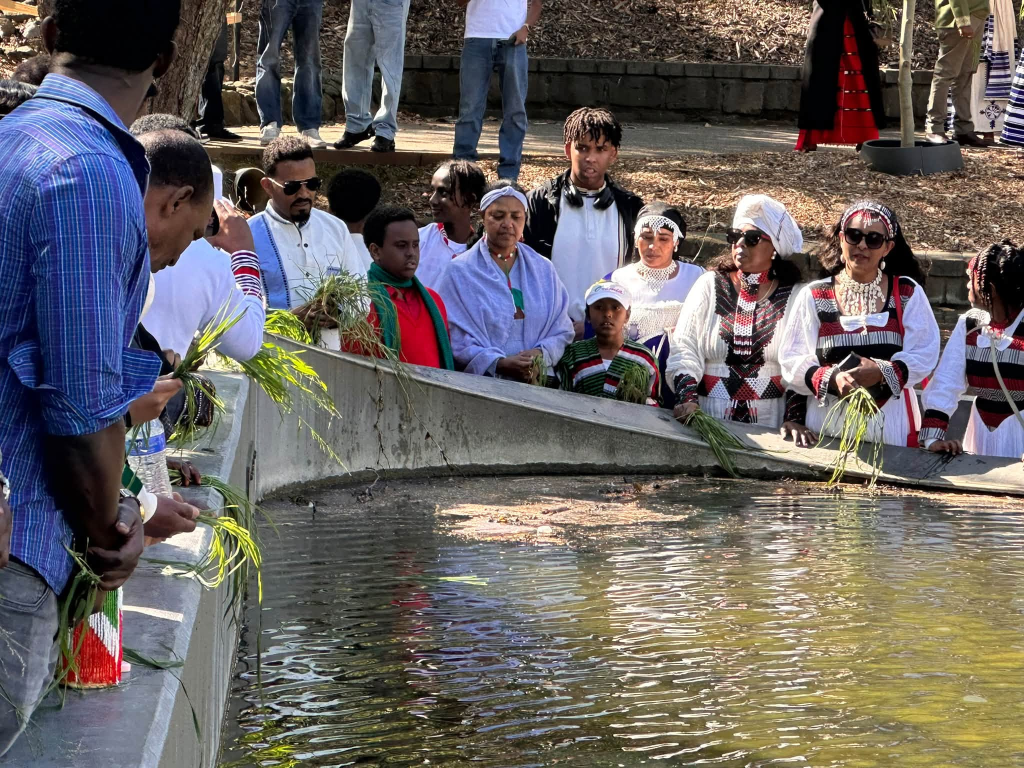
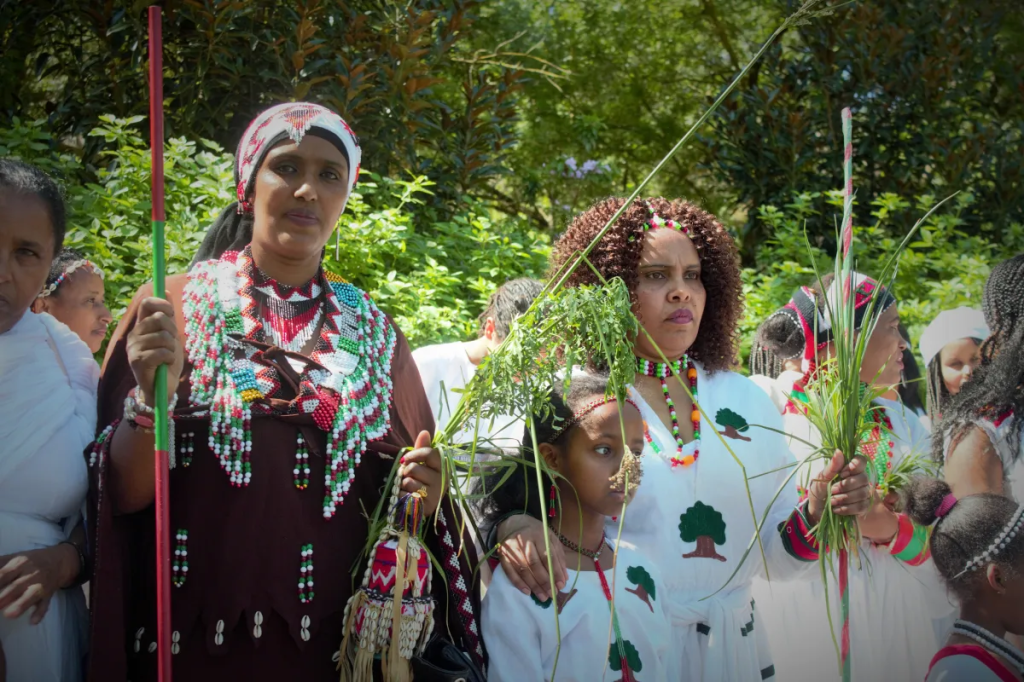
From children to elders, attendees were resplendent in traditional Oromo clothing, the colors and scents of the festival filling the air. Carrying fresh green grass and flowers — the symbols of Irreechaa — community members walked to the water’s edge, dipping the grass into the water in the traditional manner, giving thanks that they had passed through the past year safely and reached the spring season.
The sight of families in their finest cultural dress, the sound of traditional songs, and the shared prayers created an atmosphere of joy and reverence that echoed celebrations back home in Oromia.
A Time for Gratitude and Prayer
Irreechaa is not only a time to give thanks for what has passed, but also a moment to pray to Waaqa (God) for a peaceful passage through what lies ahead. The Oromo people, found across the world, are known for celebrating Irreechaa together in a shared and unified manner.
The festival has been celebrated by the Oromo for generations, preserved through years of oppression and systemic subjugation, and passed down to the present generation. Irreechaa is celebrated as the festival that marks the transition from the rainy season to the spring — from Ganna to Birraa.
Resilience in the Diaspora
The Melbourne celebration stands as a testament to the resilience of Oromo culture and the community’s determination to keep its traditions alive far from home.
Despite the distance from their ancestral homeland, Oromos in Australia have ensured that Irreechaa remains a living, breathing tradition — not merely a memory. The Botanical Gardens became a sacred space where gratitude met hope, and where tradition triumphed over distance.
A Community United
As the Melbourne celebration drew to a close, the message was unmistakable: Irreechaa is more than a festival — it is an expression of identity, a bond of unity, and a living link between generations.
For the Oromo community in Melbourne, the Botanical Gardens became a place where the past and present met — where children learned the songs their grandparents sang, where elders saw their traditions carried forward, and where a people far from home remembered, together, who they are.
Baga Irreechaa nagaan geessan! — May the Irreechaa have arrived in peace.
The Oromo community in Melbourne celebrates Irreechaa annually, welcoming all who wish to share in its traditions of gratitude, reconciliation, and unity.

Irreechaa 2026 celebrations in the global cultural event.
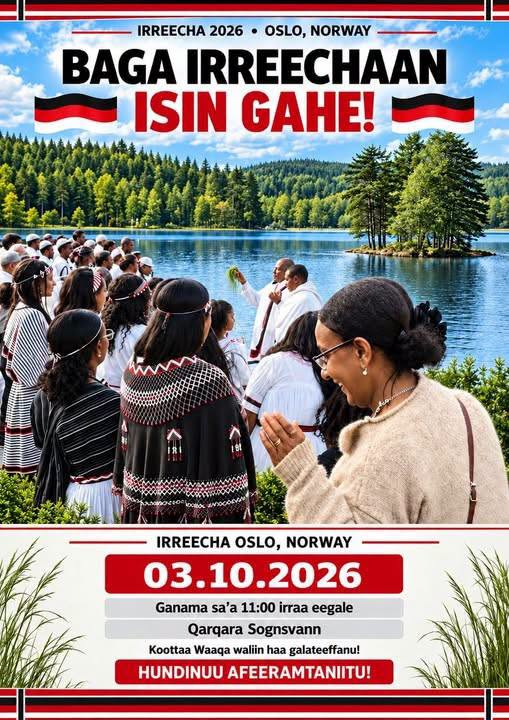
Irreechaa, the Oromo Thanksgiving Festival, is a global celebration of gratitude, unity, and cultural heritage for the Oromo people, with major events scheduled across North America, Europe, and Australia in 2026.
Here is a summary of the major 2026 celebrations:
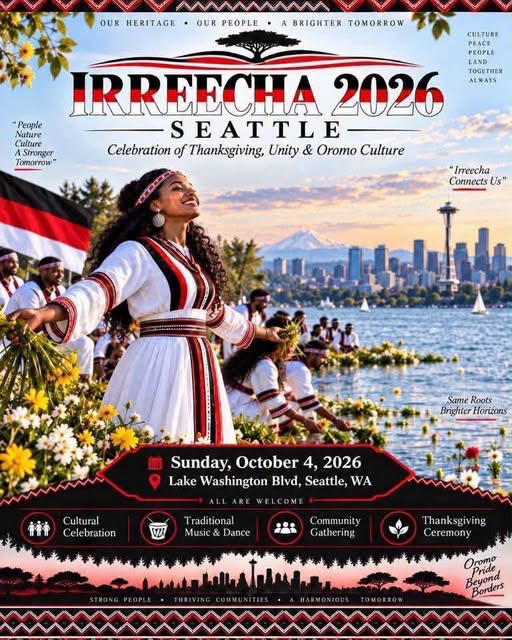
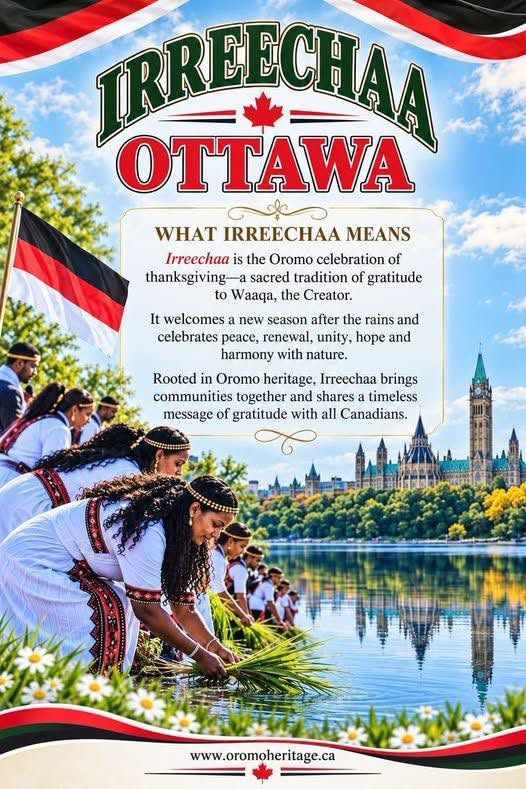
- North America: Seattle (Oct 4), Washington, DC (Oct 2-4), Portland (Oct 3), Winnipeg (Sept 26), Ottawa (Sept 26), Edmonton (Sept 19), Minneapolis (Sept 19), Calgary (Sept 26).
- Europe: Rome, Italy (Oct 10), Oslo, Norway (Oct 3).
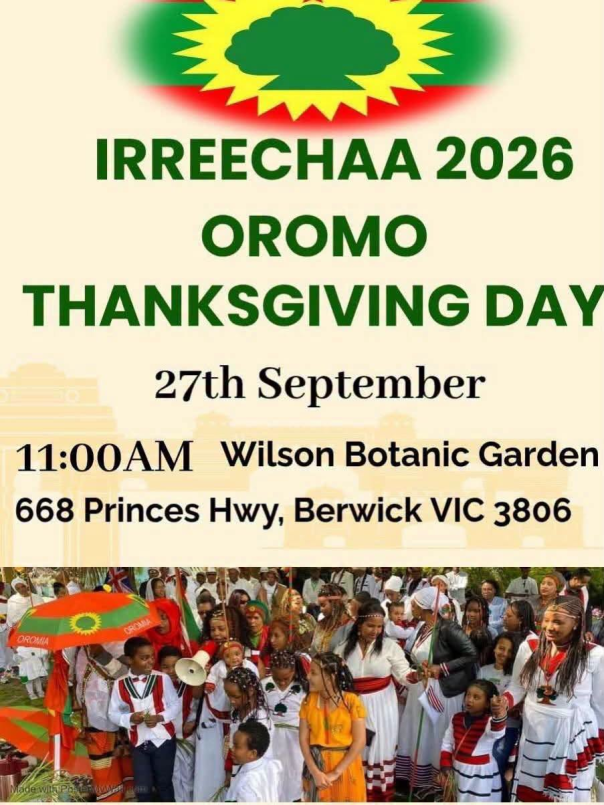
- Australia: Berwick, VIC (Sept 27).
🌳 Themes & Significance
The festival is often described as a “celebration of Thanksgiving, Unity & Oromo Culture”. Its core themes include:
- Gratitude: Giving thanks for blessings and peace (“Galateeffannaa”).
- Unity: Fostering togetherness among the Oromo community and beyond (“Tokkummaa”).
- Culture: Honoring traditional practices, music, dance, and attire (“Aadaa”).
- Symbolism: The Odaa tree plays a central role, symbolizing peace, reconciliation, and the connection between the community and nature.
The Ethio-Canadian Connection
A major related event is the 26th Annual Ethio-Canadian Day in Toronto, scheduled for September 5-6, 2026 at Christie Pits Park. This is a two-day celebration that highlights Ethiopian heritage in Canada, contributing to the broader cultural mosaic of the region.
📅 Planning Your Attendance
If you plan to attend, please double-check the final dates and locations with local organizers, as some schedules may be subject to change.

What is the significance of Irreechaa Celebrations in the global cultural event?
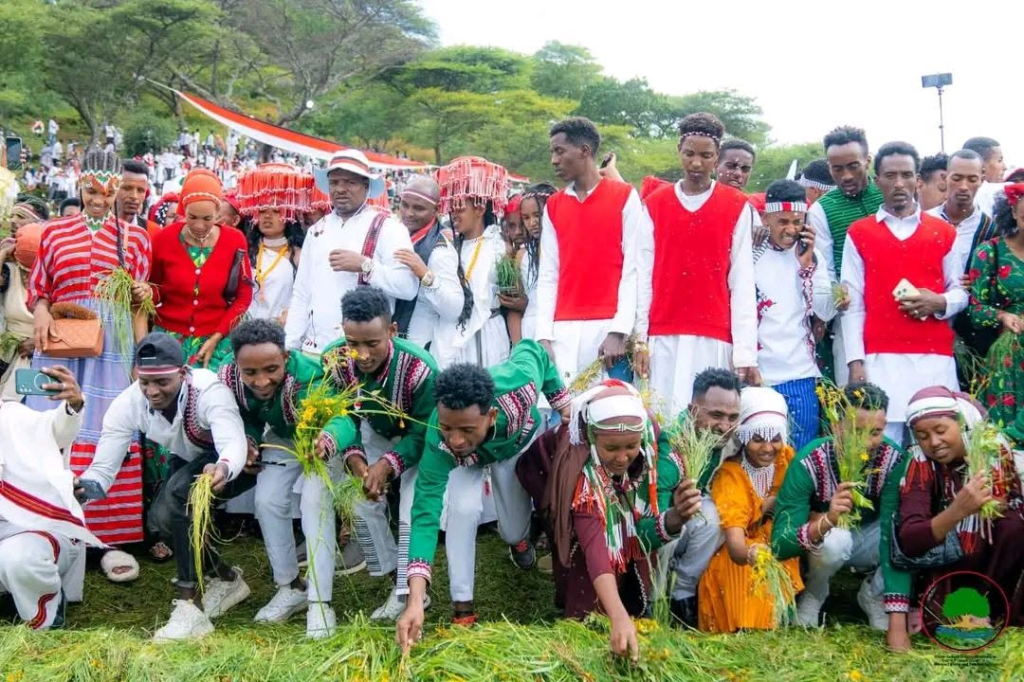
Irreechaa has grown far beyond its origins as a local Oromo thanksgiving festival. It is now a significant global cultural event that serves as a powerful symbol of unity, a major driver of tourism, and a living expression of a heritage recognized by UNESCO.
🕊️ A Global Symbol of Unity and Peace
Irreechaa’s core values of gratitude, reconciliation, and forgiveness resonate universally. It is described as a “culture of inclusivity” where people of all backgrounds, languages, and religions are welcomed. The festival is celebrated as a national treasure that strengthens brotherhood and solidarity, not just for the Oromo people but for all Ethiopians. Its message of peace and harmony has made it a platform for fostering understanding between diverse communities.
🌍 A Growing International Diaspora Tradition
The celebration has firmly taken root across the globe. Oromo communities in countries like the United States, Canada, Germany, the United Arab Emirates, and Australia organize their own Irreechaa events. These gatherings, held in cities like Washington, D.C., Toronto, and Berlin, bring together the diaspora and curious locals to preserve their heritage and pass it on to younger generations. The festival’s international appeal was highlighted in 2024 when visitors from the US and Canada described their experience in Ethiopia as “transformative,” praising the warmth and spiritual depth of the celebration.
🏛️ UNESCO-Recognized Heritage and Tourism Driver
Irreechaa is not just a cultural festival; it is a recognized part of world heritage. It is celebrated as part of the Gada system, which was inscribed by UNESCO as an Intangible Cultural Heritage. This status, combined with its massive scale—gatherings in Bishoftu can attract over 4 million people, making it one of the largest annual gatherings in Africa —has turned Irreechaa into a significant tourism draw. The Ethiopian government actively promotes the festival to attract international visitors, boosting the local economy.
✨ A Global Reminder of Shared Values
Ultimately, Irreechaa’s global significance lies in its universal message. It serves as a reminder of humanity’s connection to nature, the importance of expressing gratitude, and the power of community to heal and unite. Whether celebrated on the shores of Lake Hora in Ethiopia or in a park in Melbourne, Irreechaa embodies values that resonate far beyond Oromia.
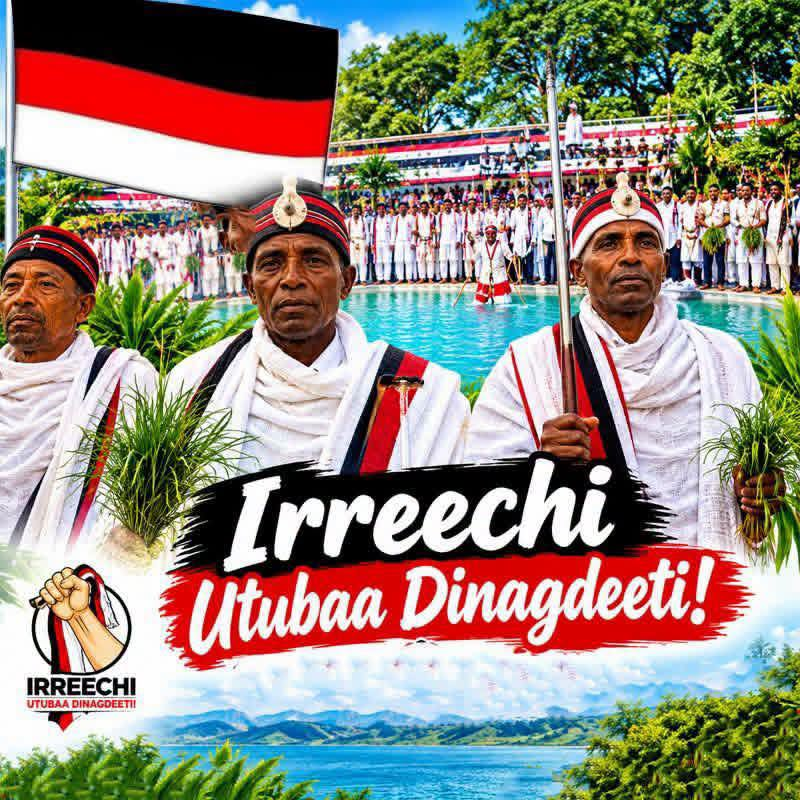

Irreechaa 2026: A Sacred Celebration Across Australia’s Oromo Communities
By Maatii Sabaa
MELBOURNE, 27 September 2026 — For Australia’s Oromo diaspora, this Sunday is far more than a date on the calendar. Irreechaa — the ancient Oromo thanksgiving festival — is being celebrated across the country in a powerful display of culture, faith, and unity. From the banks of Melbourne’s waterways to gatherings in other cities, the tradition that has survived centuries of suppression now thrives on Australian soil.
A Festival of Gratitude and Renewal
Irreechaa marks the end of the rainy season (Ganna) and the beginning of spring (Birraa) — a time of harvest, hope, and renewal. Rooted in Waaqeffannaa, the traditional Oromo belief in one God (Waaqa), the festival predates Christianity and Islam and has been passed down through generations for thousands of years .
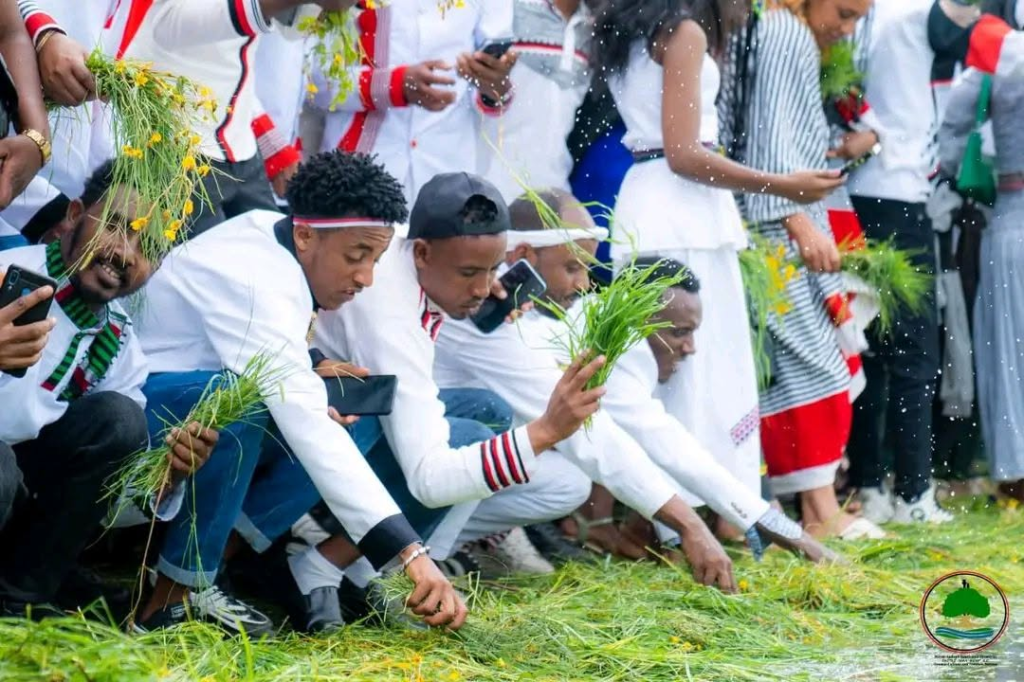
Participants carry fresh green grass and yellow daisies (daraaraa keelloo) to the water’s edge, dipping them into the water as an offering of gratitude. This act symbolizes purification, renewal, and the washing away of the past year’s hardships .
The festival is also a time of reconciliation — disputes are settled before participation, and communities come together in peace .
Melbourne: Irreechaa Malkaa at Wilson Botanic Park
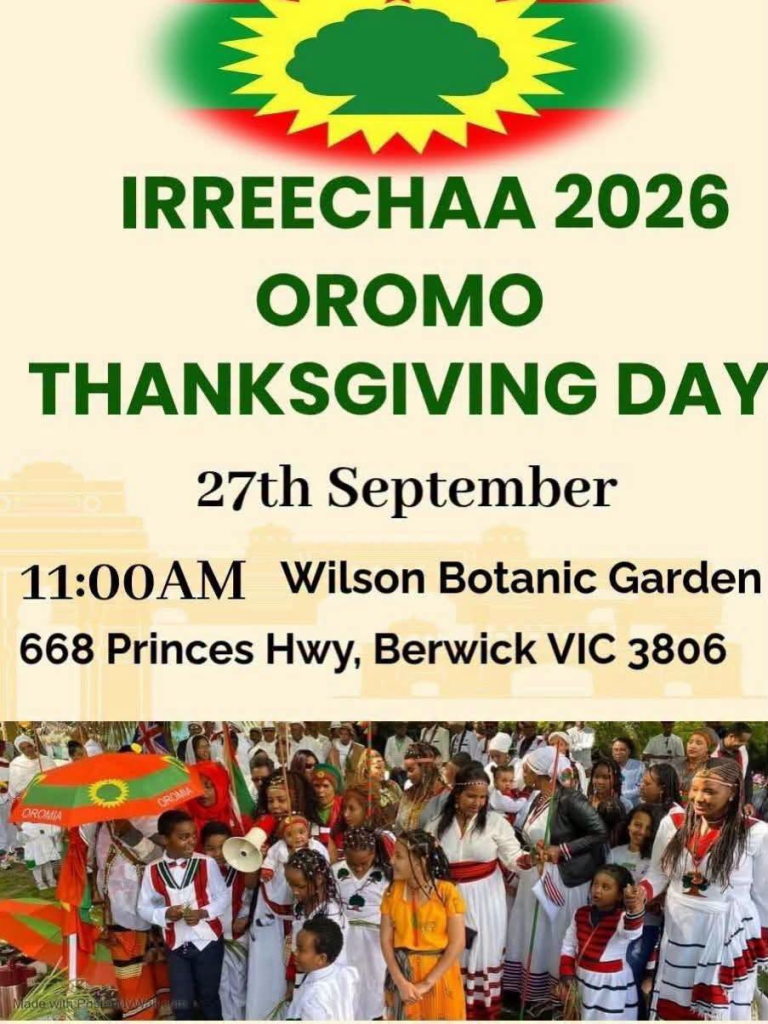
The Melbourne Oromo community is celebrating Irreechaa Malkaa 2026 on Sunday, 27 September at Wilson Botanic Park in Berwick, with festivities beginning at 11:00 AM .
The celebration follows the traditional structure of Irreechaa:
- Blessing of Elders: The event opens with prayers led by community elders (Abbaa Gadaa, Hadhasiinqee) .
- The Procession: Participants walk together toward the water, with women traditionally walking in front — a practice rooted in the Siinqee institution symbolizing women as sacred and as agents of peace .
- Carrying Grass and Flowers: Attendees carry fresh green grass and yellow flowers to the water’s edge, symbols of life, fertility, and connection to the earth .
- Dipping and Sprinkling: The grass and flowers are dipped into the water, and participants sprinkle water on themselves and others as a blessing .
- Songs and Prayers: Traditional Oromo songs (faaruu) fill the air — songs of gratitude, hope, and blessing, including the Marewoo songs sung during the procession .
Community members are encouraged to wear traditional Oromo clothing, bringing water, flowers, and a spirit of gratitude .
Irreechaa Arfaasaa: The Spring Celebration
Earlier in 2026, the Melbourne community gathered for Irreechaa Arfaasaa on Sunday, 26 April at Dandenong Mountain (Tulluu Dandenong) .
Irreechaa Arfaasaa marks the end of the dry season and the beginning of the rainy season — a spring celebration where communities pray to Waaqa for rain and good spirit. It is celebrated at hilltops and mountains, with elders leading blessings and the community gathering in traditional attire .
Organizers emphasized the importance of environmental protection at this year’s Arfaasaa celebration, reminding participants to respect the natural surroundings of Dandenong Mountain and leave no waste behind .
Irrecha Australia: A Growing National Movement
What began as small community gatherings among Oromo families in Australia has blossomed into vibrant national festivals. At the heart of this movement is Irrecha Australia, a registered non-profit organization dedicated to honoring the Oromo people’s cherished thanksgiving tradition .
The organization places particular emphasis on empowering young people, equipping the next generation to carry traditions forward with pride and confidence. Its vision extends beyond the Oromo community itself — envisioning a nation where Oromo culture thrives as an integral part of Australia’s diverse identity .
“Through festivals, education, and community initiatives, we strengthen connections, honour our heritage, and celebrate a way of life rooted in gratitude, resilience, and unity,” the organization states .
Why Irreechaa Matters in Australia
For Oromos living far from their homeland, Irreechaa serves as a vital cultural anchor. It connects the diaspora to their ancestors, their language, and one another .
The festival is also a powerful statement of resilience. Irreechaa has been celebrated by the Oromo for generations, preserved through years of oppression and systemic subjugation. That it now thrives in Australia — thousands of kilometres from Oromia — is a testament to the community’s determination to keep its traditions alive .
As one Oromo community message beautifully expressed: “Irreecha is not a memory. It is a living prayer. And you are the ones who keep it alive” .
A Message for All
Irreechaa is more than a festival. It is an expression of identity, a bond of unity, and a living link between generations. For the Oromo community in Australia, this weekend’s celebrations are a sacred homecoming — a chance to give thanks, to reconnect, and to pass the flame of Oromummaa to the next generation.
Baga Irreechaan nagaan geesse! — May the Irreechaa have arrived in peace.
Irreechaa is celebrated annually at the banks of rivers and lakes across Oromia, and by Oromo communities around the world.

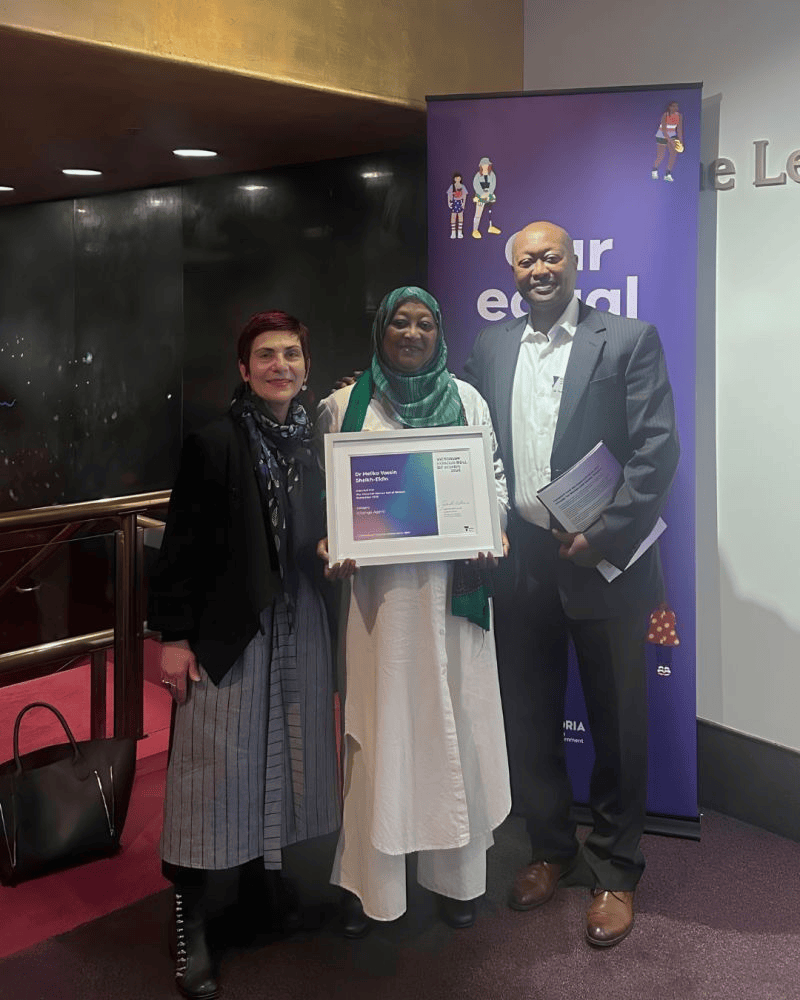
A Trailblazer Honoured: Dr Melika Sheikh-Eldin Inducted into the Victorian Honour Roll of Women
By Dhabessa Wakjira
In a moment that celebrates both personal achievement and the power of lived experience, Dr Melika Sheikh-Eldin — Manager of International and Community Development at AMES Australia — has been inducted into the Victorian Honour Roll of Women, one of the state’s most prestigious recognitions of women’s contributions to their communities and the nation.
The announcement was met with pride and joy across AMES Australia and the broader settlement sector, where Dr Melika has been a guiding force for more than two decades.
“Congratulations to Dr Melika Sheikh-Eldin, our Manager of International and Community Development, on being inducted into the Victorian Honour Roll of Women,” AMES Australia shared in a statement. “This well-deserved recognition celebrates Melika’s outstanding leadership and commitment to creating opportunities for multicultural communities.”
A Journey from Refugee to World-Leading Innovator
Dr Melika’s story is one of remarkable transformation — and of turning personal hardship into a force for systemic change. She fled war in Eritrea in the late 1970s, volunteering in Sudanese refugee camps and in Cairo for organisations including the United Nations High Commissioner for Refugees (UNHCR) , the Red Cross, and Save the Children. She resettled in Australia in 1992.
Since joining AMES Australia in 2001, she has dedicated her career to settlement, community development, capacity building, and advocacy. Her work has helped thousands of new arrivals settle successfully in Australia and has influenced settlement policy and practice both nationally and internationally.
At the Victorian Honour Roll of Women ceremony, it was recognised that Dr Melika Sheikh-Eldin has transformed her lived experience as a refugee into world-leading approaches to community integration and social cohesion.
Three World-Leading Models
Dr Melika’s impact at AMES Australia is perhaps best illustrated by the innovative programs she has led — programs that have become blueprints for others:
1. The Nhill Rural Settlement Project
In western Victoria, the small town of Nhill was facing economic decline. Dr Melika’s project settled Karen refugees in the community, revitalising the town’s economy and creating a model now considered a global blueprint for rural settlement.
2. The Werribee Park Gardening Program
Engaging isolated Karen women in gardening, this program addressed critical issues of isolation and mental wellbeing. Its success was so evident that the model has been adopted by other organisations.
3. The Community Guides Program
Perhaps her most influential innovation, the Community Guides Program recruits former refugees to use their lived experience to assist new arrivals. Dr Melika has travelled to Sweden, New Zealand, and Japan to help international organisations establish programs based on this model.
Challenging Stereotypes, Championing Two-Sided Education
Throughout her career, Dr Melika has disrupted gender stereotypes and challenged the public perception of what refugees can achieve. Central to her philosophy is the concept of “two-sided education” — the idea that both host communities and new arrivals must learn about one another for true integration to occur.
This mutual learning, she explains, helps mitigate the fear of the unknown — the anxiety that so often fuels resistance to newcomers. It is a simple but profound insight: integration is not something done to refugees, but something built with them, and with the communities that receive them.
A Scholar and a Mother
Dr Melika’s achievements are all the more remarkable given the circumstances in which she pursued them. While raising three children as a refugee in a small Australian town, she completed a PhD in aquatic science — a testament to her intellectual rigor and her refusal to be defined by the limitations others might have placed upon her.
Since 2007, she has also sat on the board of the Refugee Council of Australia and represented the nation as a “Refugee Voice” at annual UNHCR consultations in Geneva, advocating for policy shifts that recognise refugees as stakeholders rather than recipients of aid.
A Well-Deserved Recognition
The Victorian Honour Roll of Women celebrates women who have made exceptional contributions to Victoria and beyond. Inductees are recognised for their leadership, courage, and lasting impact on their communities.
Dr Melika’s induction places her among a distinguished group of women who have shaped the state’s social, cultural, and political landscape. For the Oromo community and for refugees and migrants across Australia, her recognition is a moment of immense pride.
“Congratulations, Melika. We are incredibly proud of you,” AMES Australia said. 💙
Learn More
To read Dr Melika Yassin Sheikh-Eldin’s full profile on the Victorian Honour Roll of Women, visit:
🔗 https://www.vic.gov.au/dr-melika-yassin-sheikh-eldin
#AMESAustralia #AMES #Award #VictorianHonourRoll

Melbourne Irreechaa Festival 2026: The Ultimate Guide to Celebrating Oromo Thanksgiving in Australia
By Dhabessa Wakjira
For the Oromo diaspora in Melbourne, Irreechaa is more than a festival. It is a sacred homecoming — a chance to gather by the water, give thanks to Waaqa, and pass the flame of Oromummaa to the next generation. In 2026, the Melbourne Oromo community will once again celebrate this ancient tradition on Australian soil, welcoming all who wish to share in its beauty, meaning, and joy.
This guide covers everything you need to know about the 2026 celebrations, from dates and locations to the rituals, etiquette, and cultural significance of Irreechaa in the diaspora.
What Is Irreechaa?
Irreechaa is the annual Oromo thanksgiving festival, celebrated at the banks of rivers and lakes across Oromia. It marks the end of the rainy season (Ganna) and the beginning of a new year of hope, renewal, and abundance. Rooted in Waaqeffannaa, the traditional Oromo belief in one God (Waaqa), the festival predates Christianity and Islam and has been passed down through generations for thousands of years.
Participants carry fresh green grass and yellow daisies (daraaraa keelloo) to the water’s edge, dip them into the water as an offering of gratitude, and sing ancient songs of praise and blessing. The festival is also a time of reconciliation — disputes are settled before participation, and communities come together in peace.
For the diaspora, Irreechaa is a vital cultural anchor. It connects Oromos in Australia to their homeland, their ancestors, and one another .
2026 Melbourne Irreechaa Events
The Melbourne Oromo community typically celebrates two major Irreechaa festivals each year: Irreechaa Arfaasaa (the spring celebration) and Irreechaa Malkaa (the main thanksgiving at the water’s edge).
Irreechaa Arfaasaa 2026
Date: Sunday, April 26, 2026
Location: Dandenong Mountain (Tulluu Dandenong), Melbourne
Time: Morning (exact time to be announced)
Organizers: Oromo Irreecha Association and Melbourne Oromo community
Irreechaa Arfaasaa marks the end of the dry season and the beginning of the rainy season. It is a spring celebration that follows traditional Oromo customs, beginning with the blessing of elders .
Irreechaa Malkaa 2026
Irreechaa Malkaa, the main thanksgiving festival, is typically celebrated in September or October, corresponding with the end of the rainy season in Ethiopia. Past Melbourne Irreechaa Malkaa celebrations have been held at locations such as Wilson Botanic Park in Berwick.
The 2026 date and location for Melbourne will be announced by community organizers as follows closer to the time.
Date: Sunday, September 27, 2026
Location: Wilson Botanic Park in Berwick, Melbourne
Time: 11:00am
Organizers: Oromo Irreecha Association and Melbourne Oromo community
What to Bring
Organizers have specified the following items for attendees :
| Item | Purpose |
|---|---|
| Water | For personal use and the ritual |
| Flowers | For the Irreechaa tradition (yellow daisies if available) |
| Fresh green grass | Symbol of life, fertility, and gratitude |
| A spirit of gratitude | The heart of Irreechaa |
Wear traditional Oromo clothing if you have it. The vibrant colors and styles are a beautiful expression of cultural pride and identity.
What to Expect: The Rituals and Traditions
Irreechaa follows a structured, reverent sequence of events. Here is what you can expect at a Melbourne celebration:
1. Blessing of Elders
The celebration begins with blessings and prayers led by community elders (Abbaa Gadaa, Hadhasiinqee, and respected community members). These blessings focus on peace, prosperity, and remembering those who sustained the tradition .
2. The Procession
Participants walk together toward the water (or the designated sacred area). In traditional Irreechaa, women walk in front of the elders — a practice rooted in the Siinqee institution that symbolizes women as sacred and as agents of peace.
3. Carrying Grass and Flowers
Attendees carry fresh green grass and yellow flowers to the water’s edge. The grass is a symbol of life, fertility, and the connection between the Oromo people and the earth .
4. Dipping and Sprinkling
Upon reaching the water, participants dip the grass and flowers into the water and sprinkle water on themselves and others as a blessing. This act symbolizes purification, renewal, and the washing away of the past year’s hardships .
5. Songs and Prayers
The air fills with the sounds of traditional Oromo songs (faaruu) — songs of gratitude, hope, and blessing. Women sing “Maariyoo… Maareyoo…” (“your mercy on us”), while men chant the Irreechaa songs alongside them. The communal singing is a powerful expression of unity and shared emotion .
6. Cultural Performances and Food
After the rituals, the celebration continues with traditional music, dances (such as the Siiqqee and Gumii dances), and communal meals featuring Oromo food. It is a time for storytelling, laughter, and strengthening community bonds .
Irreechaa Etiquette: How to Participate Respectfully
Irreechaa is a sacred festival, not merely a cultural event. If you are attending for the first time — whether you are Oromo or from another background — here are important guidelines to ensure your participation is respectful and meaningful:
Do:
- Wear traditional clothing if you have it. It is a sign of respect and pride.
- Follow the lead of elders and community organizers.
- Carry grass and flowers to the water as an offering.
- Sing along if you know the songs — or simply listen and absorb the moment.
- Respect the natural environment. Leave no waste behind. The Oromo value of caring for nature is central to Irreechaa.
- Be present with gratitude. Irreechaa is a time of thanksgiving, reconciliation, and peace.
Don’t:
- Don’t splash water indiscriminately. The water ritual has specific traditional meaning.
- Don’t preach or distribute religious materials of other faiths at the Malkaa (water site). Irreechaa is rooted in Waaqeffannaa, and the sacred space should be respected.
- Don’t make noise or ululate during the solemn moments of the ceremony before the water ritual is complete.
- Don’t block the path with vehicles. Irreechaa is a communal pilgrimage — walk with the community if you are able.
These guidelines are not restrictions on participation. They are invitations to engage more deeply, with the reverence that Irreechaa deserves.
Why Irreechaa Matters in the Diaspora
For Oromos in Melbourne, Irreechaa serves several vital functions:
Cultural preservation. It ensures that younger generations born or raised in Australia learn about their heritage, language, and traditions. The festival is a living classroom for Oromummaa .
Community cohesion. It brings together families and individuals scattered across Victoria, strengthening social bonds and creating a sense of belonging .
Connection to homeland. It bridges the physical distance between Australia and Oromia, allowing the diaspora to maintain a profound spiritual and cultural connection to their ancestral land .
Intercultural exchange. Melbourne Irreechaa events often welcome local government officials, multicultural organizations, and curious residents, fostering mutual respect and understanding between communities.
The Spiritual Meaning of Irreechaa
At its heart, Irreechaa is an act of thanksgiving to Waaqa for the blessings of the past year and a prayer for peace and abundance in the year to come. It is a time of reconciliation — when those in conflict bury the hatchet and communities heal.
The festival is also a celebration of the Gadaa system, which upholds national unity, reconciliation, and solidarity. Irreechaa is one of the mammoth outdoor cultural festivals that showcase Ethiopia’s wealth of cultural heritage .
As one community message beautifully expressed:
“Irreecha is not a memory. It is a living prayer. And you are the ones who keep it alive.”
Practical Information
Getting There: Dandenong Mountain and other past venues are accessible by public transport and car. Check with organizers for specific directions and parking information.
Weather: Melbourne weather is unpredictable. Dress in layers and bring sun protection. April can be cool and changeable.
Accessibility: Contact organizers in advance if you have accessibility needs.
Staying Updated: Follow Advocacy for Oromia and local Oromo community associations on social media for the latest announcements about Irreechaa Malkaa 2026 and any changes to Irreechaa Arfaasaa details.
Baga Irreechaa Nagaan Geessan!
Whether you are Oromo, a friend of the Oromo community, or simply someone who wishes to witness a beautiful and meaningful cultural tradition, you are welcome at Melbourne Irreechaa 2026.
Come with an open heart. Come with gratitude. Come ready to sing, to celebrate, and to honor a tradition that has survived centuries of suppression and continues to thrive in every corner of the world where Oromo people gather.
Irreechaa keessan haa fudhatamu. May your thanksgiving be accepted. 🌿💚
Source information: Advocacy for Oromia, Oromia Communication Bureau, and the Melbourne Oromo community






