Category Archives: Finfinne

Irreecha: The Fountain of Oromo Unity
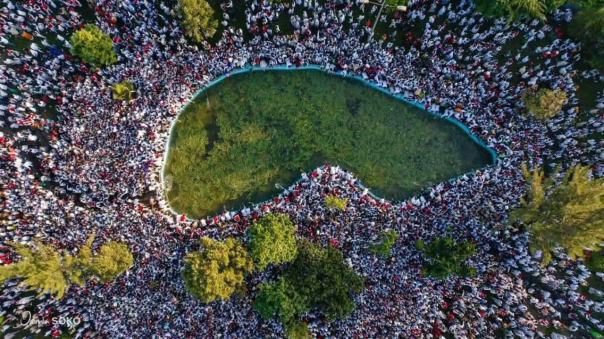
A Celebration of Identity, Brotherhood, and Renewal at the Dawn of a New Era
Finfinne, Ethiopia — As the first rays of sunlight pierce through the morning mist over the waters of Hora Finfinne, thousands upon thousands of Oromo people gather along the shores, their voices rising in unison to chant prayers of gratitude and hope. This is Irreecha — the Thanksgiving festival that has, for centuries, served as the beating heart of Oromo cultural and spiritual life. But this year, under the banner “Irreechi Waliigaltee Biyyooleessaa” (Irreecha: The Covenant of Reconciliation), the celebration carries a weight and meaning unlike any that has come before.
A Festival Rooted in Tradition
Irreecha, celebrated annually at the end of the rainy season when the Oromo people transition from the dark, wet months of Bona to the bright, abundant season of Birraa, is far more than a harvest festival. It is a profound expression of Oromo spirituality, a moment when the community gathers at the water’s edge to offer thanks to Waaqa (God) for protection, fertility, and the blessings of life.
The festival is a living testament to the resilience of Oromo culture. For generations, Irreecha has been a symbol of unity, brotherhood, love, and reconciliation — values that have sustained the Oromo people through centuries of challenge and change. At its core, Irreecha is a celebration of tokkummaa — unity — the fundamental principle that binds the Oromo nation together as one people with one destiny.
Reclaiming Sacred Ground
This year’s celebration holds particular significance as attention turns to the historic restoration of Hora Finfinne (Finfinnee Lake) and Hora Harsadee in Bishoftu, two of the most sacred sites for Irreecha observances. These water bodies, which have witnessed countless generations of Oromo prayer and celebration, have long been central to the spiritual geography of the Oromo people.
The government has been working with focused determination to ensure that Irreecha celebrations at these sacred sites are conducted with the dignity, grandeur, and respect that befit the Oromo nation’s rich heritage. The restoration of Hora Finfinne is particularly symbolic — a lake that had suffered from decades of political manipulation and environmental degradation under successive regimes that sought to erase Oromo presence from the capital’s landscape.
Now, with the lake’s rehabilitation, Finfinne is reclaiming its rightful place as a gathering point for Oromo from all corners of the region. The city, which sits at the heart of Oromia, is once again adorned with the beauty of Irreecha celebrations, welcoming Oromo pilgrims from every district and every walk of life. The sight of tens of thousands of Oromo gathered at the water’s edge, dressed in traditional wandaboo and calanchi, singing faaruu (songs of praise) and ululating in joy, is a testament to the enduring power of Oromo identity.
A New Chapter Under Dr. Abiy Ahmed
The transformation of Irreecha’s public observance cannot be separated from the broader political changes that have swept Ethiopia since 2018. Under the leadership of Prime Minister Dr. Abiy Ahmed, himself an Oromo, the government has undertaken sweeping reforms aimed at correcting historical injustices and creating space for the full expression of Ethiopia’s diverse cultural identities.
For the Oromo people, these reforms have meant the freedom to celebrate Irreecha openly and proudly, without fear of repression. The festival, once a site of state violence and tragedy, has become a beacon of hope and a symbol of what is possible when a nation embraces its diversity rather than suppressing it.
The Prime Minister’s vision of medemer — togetherness — resonates deeply with the spirit of Irreecha. The festival’s message of reconciliation and unity aligns with the broader national project of building a more inclusive Ethiopia, one where all nations and nationalities can thrive while celebrating their unique heritage.
A Cultural Renaissance
The revival of Irreecha has sparked a broader cultural renaissance among the Oromo people. The festival has become a catalyst for the revitalization of Oromo language, music, dance, and traditional arts. Young Oromo, many of whom grew up in urban environments disconnected from their cultural roots, are rediscovering the beauty and depth of their heritage through Irreecha.
The festival has also become a major tourist attraction, drawing visitors from across Ethiopia and around the world. The colorful processions, the haunting melodies of Oromo hymns, the intricate beauty of traditional attire, and the profound spirituality of the ceremonies — all contribute to making Irreecha one of the most captivating cultural experiences in the Horn of Africa.
The Road Ahead
As the sun sets on this year’s Irreecha celebrations and the waters of Hora Finfinne and Hora Harsadee reflect the golden light of evening, the Oromo people look to the future with hope and determination. The festival’s message of unity, brotherhood, love, and reconciliation is not merely a celebration of the past — it is a roadmap for the future.
In a world that often seeks to divide and fragment, Irreecha stands as a powerful reminder that a people united by common purpose, shared history, and collective aspiration can overcome any obstacle. The Oromo nation, with its ancient traditions and vibrant culture, is rising — not in opposition to others, but in celebration of all that makes it unique.
Irreechi Irree Keenya — Irreecha is our collective response — Hundee Tokkummaa Ummata Oromooti — the foundation of Oromo unity.
As the festival concludes for another year, the words of the elders echo across the waters: “Let us come together, let us remember who we are, let us celebrate our oneness. For in our unity lies our strength, and in our culture lies our future.”
The fountain of Oromo unity flows on — ever renewing, ever strengthening, ever reminding the world of the beauty and resilience of a people who have never forgotten their roots.
Irreecha is an annual Oromo thanksgiving festival celebrated at the end of the rainy season. It is the largest gathering of Oromo people, drawing millions of participants to sacred sites across Oromia and beyond.

Karrayyuu: A People of Culture, Heritage, and Enduring Gadaa Tradition
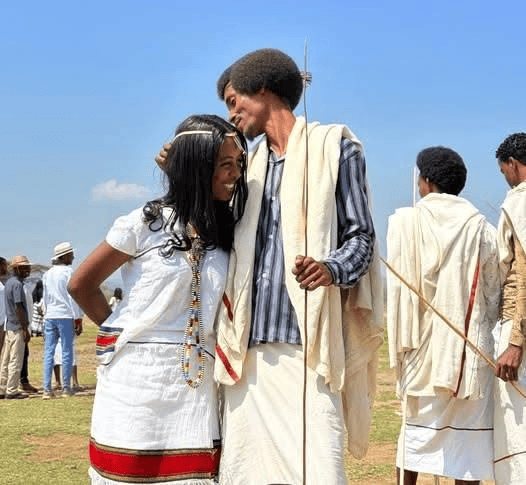
Fantaallee, East Shawa, Oromia — Nestled in Fantaallee District of East Shawa Zone in Oromia, the Karrayyuu people stand as one of the most culturally vibrant and traditionally rooted communities in Ethiopia — a people who love, honor, and proudly preserve their heritage.
A Pastoralist People with Deep Roots
The Karrayyuu community is widely known as a pastoralist people 🐄🐂🐐, renowned for their cattle-rearing way of life. More than that, they are a community of elders who live by their customs, traditions, and the ancient Gadaa system — one of Africa’s oldest democratic governance structures, still actively practiced among the Karrayyuu to this day.
A Culture That Captivates the Heart
There is something deeply moving about the Karrayyuu — particularly the famed Dardarri Karrayyuu Dunfuraa (Goofaree). To watch a Karrayyuu youth prepare and perform the dunfuraa is an experience that captures the heart and refuses to let go.
As the saying goes: “Atiin tiyya marmaartuu qe’ee Fantaallee taatee haftaa” — meaning the love of one’s own land, its hills and valleys, never fades. It is a sentiment that speaks to the unbreakable bond between the Karrayyuu and their homeland.
A Warm and Generous People
The Karrayyuu are famous for their hospitality. Visitors are welcomed with marqaa — traditional porridge prepared with butter — served generously and offered with open hearts. The sweetness of marqaa urgeechaa is something words struggle to capture. 😋
Their warmth, their humor, and their pride in their identity shine through in everyday speech and celebration. The Karrayyuu say with confidence: “Warri warruma hanga himanii san gahuun sin je’a gaa” 👑 — a proud declaration of self-worth and dignity.
Celebrating Strength and Beauty
The Karrayyuu are equally celebrated for their striking cultural expression — from the vibrant bohaartii adornments to the powerful, dignified manner in which they carry themselves. The energy and pride of Karrayyuu youth, especially during cultural celebrations, is a sight to behold. 💪🏽
Traditional songs and verses passed down through generations capture the essence of Karrayyuu identity:
“Wayyaa manoo manoo
Mukanaa sin muruu
Daallee godaa malee
Dhufte lafa galtu hoo
Gaangee gosaa malee”
These verses carry messages of respect, love, and the importance of maintaining one’s heritage — a treasure passed from generation to generation.
A Land Blessed with Natural Beauty
The Karrayyuu homeland is not only rich in culture but also in natural wonders. Geographically, the Karrayyuu are bordered by:
- East: Harargee lowlands
- West: Arsii
- North: Communities of the Afar region and Amhara region communities to the northwest
- South: The Argoobbaa people
The Karrayyuu are located approximately 200 km from Finfinnee (Addis Ababa), Oromia’s great capital, and just 100 km from Adaamaa — making their homeland remarkably accessible despite its rich, distinct cultural character.
A Tourism Destination Waiting to Be Discovered
The Karrayyuu area is home to several stunning tourist attractions, including:
- Hawaas/Awaash Park
- Hara Nogobaa (Basaqaa) Lake
- Gaara Fantaallee (Mount Fantaallee)
- Ardaalee Jiilaa and other breathtaking landscapes
These sites offer visitors a rare blend of natural beauty, cultural richness, and living heritage.
A Living Heritage
The Karrayyuu are more than a community — they are a living testament to the endurance of Oromo culture, tradition, and the Gadaa system. Their way of life, their love for their land, and their unwavering commitment to their heritage make them one of Ethiopia’s most treasured cultural communities.
Cidha milana gaafa gawoo nuun haa gahu. — May we all live to see the day of celebration and peace.
For those who wish to experience authentic Oromo culture, the Karrayyuu homeland in Fantaallee offers a journey into a world where tradition lives on — vibrant, proud, and unbroken.

Multicultural and Multifaith Victoria Officially Launches, Ushering in a New Era of Community Engagement
Melbourne, Victoria — Victoria has entered a new chapter in how it engages with its diverse communities, with the official launch of Multicultural and Multifaith Victoria — a body dedicated to ensuring that communities across the state are heard, engaged, and represented in the decisions that shape their lives.
Announcing the launch, the organisation declared: “The future of multicultural and multifaith engagement in Victoria starts today.”
A New Voice for Victoria’s Diverse Communities
The launch marks a significant step forward in the state’s approach to multicultural and multifaith affairs, creating fresh opportunities for communities to have a genuine say in government decision-making.
In its founding statement, Multicultural and Multifaith Victoria outlined its core mission: to bring people closer to government, strengthen participation, build connections, and help create a more inclusive future for all Victorians.
“We look forward to working alongside communities across Victoria, bringing people closer to government, strengthening participation, building connections, and helping create a more inclusive future for all,” the organisation said.
Bringing People Closer to Government
At the heart of the new body’s vision is a commitment to closing the distance between communities and the institutions that serve them. By fostering stronger participation and meaningful engagement, Multicultural and Multifaith Victoria aims to ensure that the voices of Victoria’s culturally and religiously diverse communities are not only heard but actively reflected in policy and decision-making.
The organisation has signalled its intention to work collaboratively with communities across the state — building partnerships, nurturing connections, and championing an inclusive future that benefits all Victorians.
A Digital Transition
As part of the launch, Multicultural and Multifaith Victoria has announced that its LinkedIn presence will shortly be updated to reflect the new name and identity, ensuring its digital platforms align with its renewed mandate.
Community members, stakeholders, and partners are encouraged to follow the organisation’s journey and stay informed about upcoming initiatives.
More Information
For further details about Multicultural and Multifaith Victoria and its work, visit the official website at https://www.multicultural.vic.gov.au/
The launch of Multicultural and Multifaith Victoria represents a renewed commitment by the Victorian Government to fostering an inclusive, connected, and representative society — one where every community has a place at the table.

የአዲሲቷ የኦሮሚያ ዞኖች ከፍተኛ የመሪነት ኮሚቴ ተሹሟል
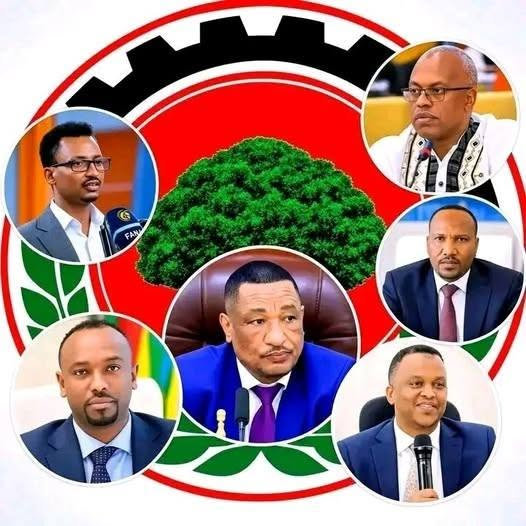
ፊንፊኔ — የኦሮሚያ ክልል መንግሥት የሕዝብ ባለቤትነትን የሚያረጋግጥ ታሪካዊ ውሳኔ ለማስተላለፍ፣ ጠንካራ ሥርዓትና ጠንካራ መንግሥት ለመገንባት የሚያገለግል አዲስ ሪፎርም በማድረግ የኦሮሚያን የዞን መዋቅር ከ21 ወደ 6 ዞኖች በማምጣት አቋቁሟል። በዚህ መሠረት የእነዚህ አዲስ ዞኖች ከፍተኛ የመሪነት ኮሚቴ ተሹሟል።
የኦሮሚያ ኮሙኒኬሽን አገልግሎት ይህንን መረጃ አስታውቋል። ሪፎርሙ የአስተዳደር ሥርዓቱን ለማሻሻልና ለሕዝቡ የሚቀርበውን አገልግሎት ለማፋጠን የተዘጋጀ መሆኑ ተገልጿል።
የምሥራቅ ኦሮሚያ ዞን
መቀመጫው ሐረር የሆነው የምሥራቅ ኦሮሚያ ዞን፣ ኦቦ አብዱራህማን አብደላ በምክትል ፕሬዚዳንትነት ደረጃ የምሥራቅ ኦሮሚያ ዞን አስተዳዳሪ ሆነው ተሹመዋል።
አዴ ሚስኪ ሙሐመድ በቢሮ ኃላፊነት ደረጃ የምሥራቅ ኦሮሚያ ዞን የልማት ጉዳዮች ምክትል ኃላፊ ሆነው፣ መቀመጫቸው ጭሮ ነው። ኦቦ አነስ አሊዪ በቢሮ ኃላፊነት ደረጃ የምሥራቅ ኦሮሚያ ዞን የሰላምና ፍትሕ ጉዳዮች ምክትል ኃላፊ ሆነው፣ መቀመጫቸው ገላምሶ ነው።
ኦቦ ጃርሶ ቦሩ በቢሮ ኃላፊነት ደረጃ የምሥራቅ ኦሮሚያ ዞን አስተዳዳሪ ከፍተኛ አማካሪ ሆነው፣ መቀመጫቸው ጉራዋ ነው። ኦቦ ፊቃዱ ሚሊዮን እና አዴ ሳሚያ አብደላ በቢሮ ኃላፊነት ደረጃ የምሥራቅ ኦሮሚያ ዞን አስተዳዳሪ አማካሪዎች ሆነው ተሹመዋል።
የመካከለኛው ኦሮሚያ ዞን
መቀመጫው ሸገርና አዳማ የሆነው የመካከለኛው ኦሮሚያ ዞን፣ ዶክተር መንግሥቱ በቀላ በምክትል ፕሬዚዳንትነት ደረጃ የመካከለኛው ኦሮሚያ ዞን አስተዳዳሪ ሆነው ተሹመዋል።
ኦቦ አባቡ ዋቆ በቢሮ ኃላፊነት ደረጃ የመካከለኛው ኦሮሚያ ዞን የልማት ጉዳዮች ምክትል ኃላፊ ሆነው፣ መቀመጫቸው ወሊሶ ነው። ኦቦ ክፍለው አዳሬ በቢሮ ኃላፊነት ደረጃ የመካከለኛው ኦሮሚያ ዞን የሰላምና ፍትሕ ጉዳዮች ምክትል ኃላፊ ሆነው፣ መቀመጫቸው ፊቼ ነው።
ኦቦ መኮንን ባይሳ በቢሮ ኃላፊነት ደረጃ የመካከለኛው ኦሮሚያ ዞን አስተዳዳሪ ከፍተኛ አማካሪ ሆነው፣ መቀመጫቸው አምቦ ነው። ኦቦ አሸናፊ አጃማ እና ኦቦ ታደለ ድርሳ በቢሮ ኃላፊነት ደረጃ የመካከለኛው ኦሮሚያ ዞን አስተዳዳሪ አማካሪዎች ሆነው ተሹመዋል።
የደቡብ ምዕራብ ኦሮሚያ ዞን
መቀመጫው ጅማ የሆነው የደቡብ ምዕራብ ኦሮሚያ ዞን፣ ዶክተር ራሻድ ካማል በምክትል ፕሬዚዳንትነት ደረጃ የደቡብ ምዕራብ ኦሮሚያ ዞን አስተዳዳሪ ሆነው ተሹመዋል።
ኦቦ ኢንዳልካቻው ተፈሪ በቢሮ ኃላፊነት ደረጃ የደቡብ ምዕራብ ኦሮሚያ ዞን የልማት ጉዳዮች ምክትል ኃላፊ ሆነው፣ መቀመጫቸው በደሌ ነው። ኦቦ አማን ዳኑ በቢሮ ኃላፊነት ደረጃ የደቡብ ምዕራብ ኦሮሚያ ዞን የሰላምና ፍትሕ ጉዳዮች ምክትል ኃላፊ ሆነው፣ መቀመጫቸው ሊሙ ጋናት ነው።
ኦቦ ድዳ ጉዳታ በቢሮ ኃላፊነት ደረጃ የደቡብ ምዕራብ ኦሮሚያ ዞን አስተዳዳሪ ከፍተኛ አማካሪ ሆነው፣ መቀመጫቸው መቱ ነው። ኦቦ ሙሐመድሻህ አባ ፊሳ እና ኦቦ ሙሴ ለመሳ በቢሮ ኃላፊነት ደረጃ የደቡብ ምዕራብ ኦሮሚያ ዞን አስተዳዳሪ አማካሪዎች ሆነው ተሹመዋል።
የደቡብ ኦሮሚያ ዞን
መቀመጫው ያቤሎ የሆነው የደቡብ ኦሮሚያ ዞን፣ ኦቦ አህመድ ሐጂ በምክትል ፕሬዚዳንትነት ደረጃ የደቡብ ኦሮሚያ ዞን አስተዳዳሪ ሆነው ተሹመዋል።
ኦቦ አዱላ ህርባዬ በቢሮ ኃላፊነት ደረጃ የደቡብ ኦሮሚያ ዞን የልማት ጉዳዮች ምክትል ኃላፊ ሆነው፣ መቀመጫቸው አዶላ ነው። ኦቦ ሊባን አረሮ በቢሮ ኃላፊነት ደረጃ የደቡብ ኦሮሚያ ዞን የሰላምና ፍትሕ ጉዳዮች ምክትል ኃላፊ ሆነው፣ መቀመጫቸው ናጌሌ ቦራና ነው።
ኦቦ ዋንዲሙ ሮቤ በቢሮ ኃላፊነት ደረጃ የደቡብ ኦሮሚያ ዞን አስተዳዳሪ ከፍተኛ አማካሪ ሆነው፣ መቀመጫቸው ቡሌ ሆራ ነው። ኦቦ ኢብራሂም አብዲ እና ኦቦ ኢሳቅ ሻቾ በቢሮ ኃላፊነት ደረጃ የደቡብ ኦሮሚያ ዞን አስተዳዳሪ አማካሪዎች ሆነው ተሹመዋል።
የምዕራብ ኦሮሚያ ዞን
መቀመጫው ነቀምት የሆነው የምዕራብ ኦሮሚያ ዞን፣ ኦቦ መስፍን መላኩ በምክትል ፕሬዚዳንትነት ደረጃ የምዕራብ ኦሮሚያ ዞን አስተዳዳሪ ሆነው ተሹመዋል።
ኦቦ ምረሳ ፊሴ በቢሮ ኃላፊነት ደረጃ የምዕራብ ኦሮሚያ ዞን የልማት ጉዳዮች ምክትል ኃላፊ ሆነው፣ መቀመጫቸው ጊምቢ ነው። ኦቦ ጋማቹ ጉርመሳ በቢሮ ኃላፊነት ደረጃ የምዕራብ ኦሮሚያ ዞን የሰላምና ፍትሕ ጉዳዮች ምክትል ኃላፊ ሆነው፣ መቀመጫቸው ሻምቡ ነው።
ኦቦ ታሊላ ተራፋ በቢሮ ኃላፊነት ደረጃ የምዕራብ ኦሮሚያ ዞን አስተዳዳሪ ከፍተኛ አማካሪ ሆነው፣ መቀመጫቸው ዳምቢ ዶሎ ነው። ኦቦ ባዳሳ ዳባ እና ኦቦ ዳሱ ለሚ በቢሮ ኃላፊነት ደረጃ የምዕራብ ኦሮሚያ ዞን አስተዳዳሪ አማካሪዎች ሆነው ተሹመዋል።
የደቡብ ምሥራቅ ኦሮሚያ ዞን
መቀመጫው ሮቤ የሆነው የደቡብ ምሥራቅ ኦሮሚያ ዞን፣ ኦቦ አህመድ ኢድሪስ በምክትል ፕሬዚዳንትነት ደረጃ የደቡብ ምሥራቅ ኦሮሚያ ዞን አስተዳዳሪ ሆነው ተሹመዋል።
ኦቦ አሳፋ ቶላሳ በቢሮ ኃላፊነት ደረጃ የደቡብ ምሥራቅ ኦሮሚያ ዞን የልማት ጉዳዮች ምክትል ኃላፊ ሆነው፣ መቀመጫቸው ጊንዲር ነው። ኦቦ አብዱረዛቅ ሁሴን በቢሮ ኃላፊነት ደረጃ የደቡብ ምሥራቅ ኦሮሚያ ዞን የሰላምና ፍትሕ ጉዳዮች ምክትል ኃላፊ ሆነው፣ መቀመጫቸው አሳላ ነው።
ኦቦ ኢብራሂም ካድር በቢሮ ኃላፊነት ደረጃ የደቡብ ምሥራቅ ኦሮሚያ ዞን አስተዳዳሪ ከፍተኛ አማካሪ ሆነው፣ መቀመጫቸው ሻሸመኔ ነው። ኦቦ ኢዛዲን አቡበከር እና ኦቦ ብርሃኑ አርፋሳ በቢሮ ኃላፊነት ደረጃ የደቡብ ምሥራቅ ኦሮሚያ ዞን አስተዳዳሪ አማካሪዎች ሆነው ተሹመዋል።
የኦሮሚያን የዞን መዋቅር ከ21 ወደ 6 ዞኖች በማምጣት የተደረገው ሪፎርም የአስተዳደር ሥርዓቱን ለማሻሻልና ለሕዝቡ የሚቀርበውን አገልግሎት ለማፋጠን የተዘጋጀ መሆኑን የኦሮሚያ ኮሙኒኬሽን አገልግሎት ገልጿል። የእነዚህ አዲስ ዞኖች ከፍተኛ የመሪነት ኮሚቴም አሁን ተሹሟል።
High Leadership Committee for the Newly Established Oromia Zones Assigned
Finfinnee — The Oromia Regional Government has established a new reform by restructuring the administrative structure of Oromia from 21 zones to 6 zones, with the aim of building a strong system and government that can ensure the historic decision of people’s ownership. Accordingly, the high leadership committee for these newly established zones has been assigned.
The Oromia Communication Service has announced this information. The reform is said to be prepared to improve the administrative system and expedite services delivered to the people.
East Oromia Zone
For East Oromia Zone, whose seat is Harar, Obbo Abdurrahmaan Abdallaa has been assigned as Chief Administrator of East Oromia Zone at the rank of Deputy President.
Aadde Miski Muhammad has been assigned as Deputy Head of Development Affairs for East Oromia Zone at the rank of Bureau Head, with her seat at Ciroo. Obbo Anas Aliyyii has been assigned as Deputy Head of Peace and Justice Affairs for East Oromia Zone at the rank of Bureau Head, with his seat at Galamsoo.
Obbo Jaarsoo Boruu has been assigned as Senior Advisor to the Administrator of East Oromia Zone at the rank of Bureau Head, with his seat at Gurawaa. Obbo Fiqaaduu Miiliyoon and Aadde Saamiyaa Abdallaa have been assigned as Advisors to the Administrator of East Oromia Zone at the rank of Bureau Head.
Central Oromia Zone
For Central Oromia Zone, whose seat is Shaggar and Adaamaa, Dr. Mangistuu Baqqalaa has been assigned as Chief Administrator of Central Oromia Zone at the rank of Deputy President.
Obbo Abbaabbuu Waaqoo has been assigned as Deputy Head of Development Affairs for Central Oromia Zone at the rank of Bureau Head, with his seat at Waliso. Obbo Kifalaw Adaree has been assigned as Deputy Head of Peace and Justice Affairs for Central Oromia Zone at the rank of Bureau Head, with his seat at Fiichee.
Obbo Makkonnin Baay’isaa has been assigned as Senior Advisor to the Administrator of Central Oromia Zone at the rank of Bureau Head, with his seat at Ambo. Obbo Ashannaafii Ajjamaa and Obbo Taaddalaa Diriirsaa have been assigned as Advisors to the Administrator of Central Oromia Zone at the rank of Bureau Head.
South West Oromia Zone
For South West Oromia Zone, whose seat is Jimma, Dr. Rashaad Kamaal has been assigned as Chief Administrator of South West Oromia Zone at the rank of Deputy President.
Obbo Indaalkaachaw Tafarii has been assigned as Deputy Head of Development Affairs for South West Oromia Zone at the rank of Bureau Head, with his seat at Beddellee. Obbo Amaan Danuu has been assigned as Deputy Head of Peace and Justice Affairs for South West Oromia Zone at the rank of Bureau Head, with his seat at Limmuu Gannat.
Obbo Didhaa Guddataa has been assigned as Senior Advisor to the Administrator of South West Oromia Zone at the rank of Bureau Head, with his seat at Mattuu. Obbo Muhaammadxaahaa Abbaa Fiixaa and Obbo Moosisaa Lammeessaa have been assigned as Advisors to the Administrator of South West Oromia Zone at the rank of Bureau Head.
South Oromia Zone
For South Oromia Zone, whose seat is Yaabeelloo, Obbo Ahmad Haajii has been assigned as Chief Administrator of South Oromia Zone at the rank of Deputy President.
Obbo Adulaa Hirbaayyee has been assigned as Deputy Head of Development Affairs for South Oromia Zone at the rank of Bureau Head, with his seat at Adoolaa. Obbo Liiban Areeroo has been assigned as Deputy Head of Peace and Justice Affairs for South Oromia Zone at the rank of Bureau Head, with his seat at Nageellee Booranaa.
Obbo Wandimmuu Roobee has been assigned as Senior Advisor to the Administrator of South Oromia Zone at the rank of Bureau Head, with his seat at Bulee Horaa. Obbo Ibraahim Abdii and Obbo Isaaq Xaachoo have been assigned as Advisors to the Administrator of South Oromia Zone at the rank of Bureau Head.
West Oromia Zone
For West Oromia Zone, whose seat is Naqamte, Obbo Masfin Malaakuu has been assigned as Chief Administrator of West Oromia Zone at the rank of Deputy President.
Obbo Mirreessaa Fiixee has been assigned as Deputy Head of Development Affairs for West Oromia Zone at the rank of Bureau Head, with his seat at Gimbii. Obbo Gammachuu Gurmeessaa has been assigned as Deputy Head of Peace and Justice Affairs for West Oromia Zone at the rank of Bureau Head, with his seat at Shaambuu.
Obbo Taliilaa Tarrafaa has been assigned as Senior Advisor to the Administrator of West Oromia Zone at the rank of Bureau Head, with his seat at Dambii Doolloo. Obbo Badhaasaa Dhaabaa and Obbo Dassuu Lammii have been assigned as Advisors to the Administrator of West Oromia Zone at the rank of Bureau Head.
South East Oromia Zone
For South East Oromia Zone, whose seat is Roobee, Obbo Ahimad Idriis has been assigned as Chief Administrator of South East Oromia Zone at the rank of Deputy President.
Obbo Asaffaa Tolasaa has been assigned as Deputy Head of Development Affairs for South East Oromia Zone at the rank of Bureau Head, with his seat at Gindhiir. Obbo Abdurrazaaq Huseen has been assigned as Deputy Head of Peace and Justice Affairs for South East Oromia Zone at the rank of Bureau Head, with his seat at Asallaa.
Obbo Ibraahim Kadiir has been assigned as Senior Advisor to the Administrator of South East Oromia Zone at the rank of Bureau Head, with his seat at Shaashamannee. Obbo Izzaddiin Abuubakar and Obbo Birhaanuu Arfaasaa have been assigned as Advisors to the Administrator of South East Oromia Zone at the rank of Bureau Head.
The reform restructuring Oromia’s zones from 21 to 6 has been described by the Oromia Communication Service as being prepared to improve the administrative system and expedite services delivered to the people. The high leadership committee for these newly established zones has now been assigned.

Addis Ababa Security Task Force Finalizes Preparations for Peaceful Irreecha Hora Finfinne Festival
By Deputy Inspector Dawit Ergete
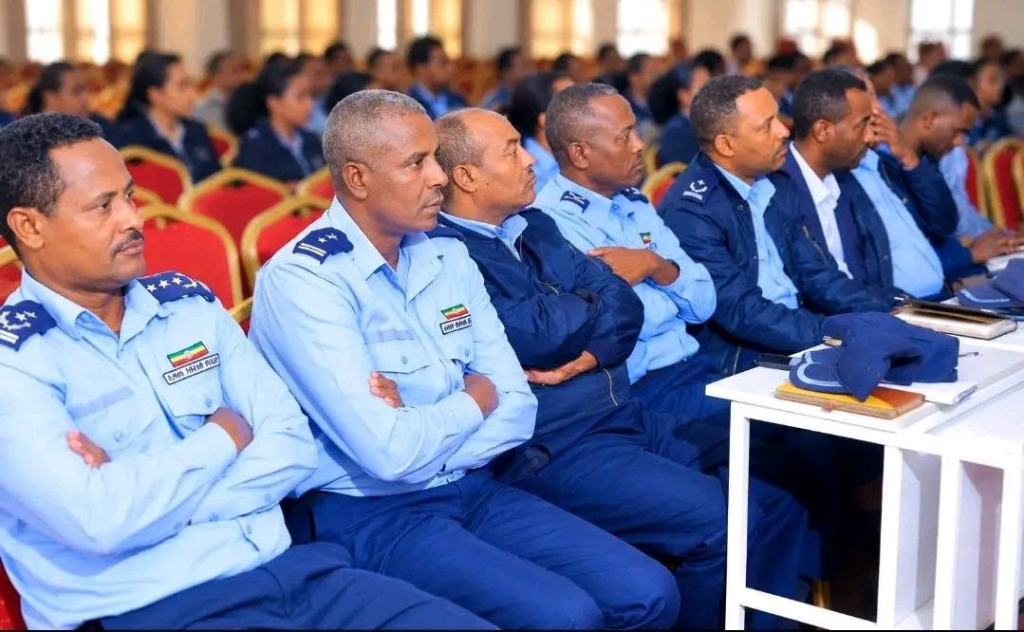
ADDIS ABABA — The Addis Ababa Integrated Security Task Force announced Wednesday that all necessary preparations have been completed to ensure the peaceful conclusion of the upcoming Irreecha Hora Finfinne festival, following a high-level security coordination meeting held at the Addis Ababa Police Headquarters.
The discussion, convened on September 30, 2026, brought together senior leadership from across Ethiopia’s security and safety institutions to finalize a comprehensive security plan for one of the capital’s most significant cultural celebrations.
Senior Leadership in Attendance
The meeting was attended by Lt. Gen. Asrat Denero, Commander of the Addis Ababa Police Headquarters; Ms. Lidiya Girma, Head of the Addis Ababa Peace and Security Administration Bureau; Deputy Commissioner Tofik Meded, Commander for Crime Prevention; Deputy Commissioner Erzik Essa, Commander for Crime Investigation; Major Zerihun Tefera, Director General of the Addis Ababa City Administration Regulation Enforcement Authority; and Assistant Commissioner Dereje Shiferaw, Commander of Sheger City Police.
Also present were senior leadership from central and sub-city police commands, the heroic National Defense Force, Federal Police, National Intelligence and Security Service, Fire and Disaster Risk Management Commission, Sheger City Administration Police, and high-ranking officials from various other security and safety institutions.
24/7 Operations Emphasized
Lt. Gen. Asrat Denero, Commander of the Addis Ababa Police Headquarters, attributed the successful and incident-free conclusion of past events in Addis Ababa to the commitment of security forces at all levels and the city’s peace-loving residents.
He emphasized the need for round-the-clock operations—beyond the usual routine—to ensure the upcoming Irreecha Hora Finfinne festival proceeds peacefully.
“Our security forces should welcome and serve guests arriving in our city for the holiday with a spirit of hospitality, while also noting that our screening procedures must be strict and professional,” Lt. Gen. Asrat stated.
Sustaining Momentum from Meskel-Demera
Ms. Lidiya Girma, Head of the Addis Ababa Peace and Security Administration Bureau, stressed that given the need for exceptional coordination during this period, the rigorous security measures implemented during the Meskel-Demera festival must be sustained and further strengthened for the Irreechaa festival and the government formation assembly.
She called for robust deployment of security forces, urging that it be “consistent and proven effective.”
Vigilance Against Infiltration
Deputy Commissioner Abera Hunde, Head of the Ethiopian Federal Police’s Security Institutions Protection Directorate, warned that strict security checks must be conducted, as individuals intending to cause security disruptions could infiltrate the crowds entering holiday celebration venues.
He further explained that monitoring and control measures would be implemented against individuals selling unauthorized emblems and flags incorporated into decorations and clothing.
Joint Coordination with Oromia Security Structures
Security officials participating in the meeting stated that they are working jointly with the Oromia Sheger City Administration’s police and security structures—including by organizing in shifts—to ensure the festival concludes in complete peace, much like the Meskel Demera celebration.
Public Advisory Issued
The Addis Ababa Police Headquarters has advised that to ensure the event concludes peacefully, the possession of banned or unauthorized flags, as well as T-shirts or materials bearing inflammatory slogans, is prohibited.
The headquarters further urged the public to report any suspicious activity via the “Citizen Engagement Application” (EFPApp) or by calling the toll-free lines 990 and 991, or 0111110111.
The Irreecha Hora Finfinne festival, a vibrant cultural and thanksgiving celebration of the Oromo people, draws hundreds of thousands of attendees to the capital annually. Authorities have expressed confidence that this year’s event will proceed smoothly, building on the successful security outcomes of recent national celebrations.
Galateeffannaa fi Kadhannaa: The Sacred Dialogue Between Humanity and the Divine in Oromo Spirituality
Introduction
In the spiritual landscape of the Oromo people, few concepts carry as much depth and significance as Galateeffannaa fi Kadhannaa — Thanksgiving and Prayer. These twin pillars of Oromo faith represent far more than mere religious rituals; they constitute a profound dialogue between humanity and the divine, a sacred conversation that weaves through every aspect of life, from the heights of joy to the depths of sorrow.
The Essence of Irreecha
At the heart of this spiritual tradition lies Irreecha, the great Oromo festival that serves as the ultimate expression of gratitude and supplication. Irreecha is not merely a celebration — it is a sacred occasion where the community gathers to acknowledge the boundless blessings of Waaqa (God) and to seek divine guidance through life’s uncertainties.
The true essence of Irreecha is beautifully captured in the understanding that it represents:
“A time when people give thanks to Waaqa for what they have received and achieved, and when they pray with pure hearts for what they lack and worry about.”
This dual nature of Irreecha — simultaneously celebrating abundance and seeking provision — reflects the holistic Oromo worldview that recognizes life as an intricate balance of joy and challenge, plenty and want, certainty and doubt.
Irreecha Birraa: The Thanksgiving Festival
The most prominent manifestation of this sacred tradition occurs during Irreecha Birraa, the spring thanksgiving festival celebrated at the transition from the dark, rainy season of Gannaa to the bright, flourishing season of Birraa.
During this sacred time, the Oromo people gather in massive numbers at riversides, lakeshores, and other sacred sites to offer their collective gratitude to Waaqa. The prayers offered during Irreecha Birraa carry a specific and powerful intention:
Thanksgiving for Divine Protection
Participants thank Waaqa for having safely guided them through the arduous months of Gannaa — the heavy rainy season characterized by difficult travel, limited movement, and numerous hardships. The prayer acknowledges that it is only through divine protection that the community has emerged from this challenging period intact.
“Waaqa booruu Gannaa ofkalchee booqaa Birraan gahe galateeffatu.”
This profound statement captures the essence of the thanksgiving: Waaqa, who has cared for His people throughout the difficult journey of Gannaa, is thanked as they arrive at the beautiful season of Birraa. The imagery evokes a traveler who has traversed a long, perilous road and now arrives at a place of rest and beauty — and who pauses to express heartfelt gratitude to the Guide who brought them safely through.
Prayer for Those Still on the Journey
The communal nature of Irreecha means that prayers extend beyond individual concerns to embrace the entire community. Those who have arrived safely at Birraa do not forget their brothers and sisters who remain scattered or who are still navigating difficult circumstances.
“Kan gara fuuladuraafis eegumsi isaa akka itti fufu ni kadhatu.”
The community prays that Waaqa’s protection may continue for those who are still on the path — those who have not yet reached safety, those who are still struggling, those whose journey remains uncertain. This intercessory prayer reflects the deep communal bonds that define Oromo society, where no one is truly free until all are free, and no one truly arrives until all have arrived.
Prayer for Those Who Have Sown
The agricultural rhythms of Oromo life are deeply intertwined with spiritual practice. Many community members have sown seeds — literally in their fields and metaphorically in their endeavors — and now wait anxiously for the harvest.
“Kan faca’ee biqile akka nagaan laatuuf ni kadhatu.”
The community prays that what has been scattered may sprout and grow, and that the harvest may be gathered in peace. This prayer encompasses not only agricultural concerns but all the hopes, efforts, and investments that community members have made throughout the year. It is a prayer for fruition, for success, for the peaceful realization of dreams and labors.
The Pure Heart: Garaa Qulqulluu
Central to the practice of Galateeffannaa fi Kadhannaa is the requirement of garaa qulqulluu — a pure heart. The Oromo understanding of prayer emphasizes that what matters most is not the eloquence of words or the grandeur of ritual, but the sincerity and purity of the heart that offers them.
A pure heart, in Oromo spirituality, means:
- Sincerity — praying without hidden agendas or selfish motives
- Humility — approaching Waaqa with recognition of one’s limitations
- Gratitude — acknowledging blessings even in difficult times
- Compassion — remembering others in prayer, not only oneself
- Trust — believing that Waaqa hears and responds according to divine wisdom
This emphasis on inner purity reflects the broader Oromo ethical framework, where integrity, honesty, and compassion are considered the highest virtues. The one who prays with a pure heart stands in right relationship with Waaqa, with the community, and with the natural world.
The Rhythm of Thanksgiving and Prayer
The genius of Galateeffannaa fi Kadhannaa lies in its recognition that thanksgiving and prayer are not separate activities but interconnected aspects of a single spiritual practice. Gratitude for past blessings naturally flows into prayer for future needs. Acknowledgment of what has been received opens the heart to request what is still needed.
This rhythm mirrors the cycles of nature itself:
- Gannaa (rainy season) → Birraa (spring) → Bona (dry season) → Gannaa (return of rains)
Just as the seasons cycle endlessly, so too does the human journey move through periods of difficulty and ease, scarcity and abundance, sorrow and joy. Through it all, Galateeffannaa fi Kadhannaa provides a constant — a sacred practice that anchors the community in gratitude and hope regardless of circumstances.
Community and Continuity
Irreecha is fundamentally a communal celebration. While individuals may pray privately, the power of this tradition emerges when the community gathers as one — elders and youth, men and women, rich and poor, all standing together before Waaqa.
This communal dimension serves several vital functions:
Social Cohesion
The shared experience of prayer and thanksgiving strengthens bonds between community members, creating a sense of unity and mutual responsibility.
Cultural Transmission
Through participation in Irreecha, younger generations learn the values, beliefs, and practices that have sustained the Oromo people for centuries. The festival becomes a living classroom where cultural identity is forged and reinforced.
Collective Voice
When the community prays together, their unified voice carries a power that individual prayers cannot match. The Oromo believe that Waaqa hears and responds to the collective supplication of His people.
Mutual Support
The prayers offered at Irreecha remind community members of their obligations to one another. Those who have received blessings are called to share with those in need; those who have arrived safely are called to help those still struggling.
Irreecha in the Modern World
In the contemporary era, Galateeffannaa fi Kadhannaa continues to thrive, adapting to new circumstances while maintaining its essential character. Whether celebrated in rural Oromia or in diaspora communities around the world, the spirit of Irreecha remains alive and vital.
Modern celebrations of Irreecha often incorporate:
- Traditional prayers and blessings led by elders and spiritual leaders
- Cultural performances including music, dance, and poetry
- Community gatherings that strengthen social bonds
- Reflection on contemporary challenges facing the Oromo people
- Renewal of commitment to cultural values and communal solidarity
The festival has also become a platform for addressing contemporary issues, including political representation, environmental protection, and cultural preservation. In this way, Irreecha demonstrates its relevance and resilience, speaking to the needs of each generation while honoring the wisdom of those who came before.
Theological Dimensions
The practice of Galateeffannaa fi Kadhannaa reveals profound theological insights within Oromo spirituality:
The Nature of Waaqa
Waaqa is understood as the supreme being, the creator and sustainer of all life. Waaqa is:
- Omniscient — knowing all things, including the hidden intentions of the heart
- Merciful — responding to prayers with compassion and generosity
- Just — rewarding righteousness and calling for accountability
- Present — intimately involved in the affairs of individuals and communities
The Human Condition
Oromo theology recognizes the human condition as one of:
- Dependence — humans rely on Waaqa for all things
- Responsibility — humans are accountable for their choices and actions
- Potential — humans can grow in virtue and wisdom through prayer and gratitude
- Connection — humans exist in relationship with Waaqa, community, and nature
The Purpose of Prayer
Prayer in Oromo spirituality serves multiple purposes:
- Worship — acknowledging the greatness of Waaqa
- Thanksgiving — expressing gratitude for blessings received
- Supplication — requesting divine assistance for needs
- Intercession — praying on behalf of others
- Transformation — being changed through encounter with the divine
Conclusion
Galateeffannaa fi Kadhannaa represents one of the most beautiful and profound expressions of Oromo spirituality. Through Irreecha, the Oromo people maintain a living connection with their ancestors, their community, and their God. They give thanks for what they have received and pray for what they still need. They remember those who have fallen behind and those who struggle. They acknowledge their dependence on Waaqa and their responsibility to one another.
In a world marked by division, materialism, and spiritual hunger, the practice of Galateeffannaa fi Kadhannaa offers a powerful alternative vision — one rooted in gratitude, community, and faith. It reminds us that true fulfillment comes not from accumulating more, but from appreciating what we have; not from independence, but from interdependence; not from self-reliance, but from trust in the divine.
As the Oromo people gather once again at the rivers and sacred sites, raising their voices in prayer and thanksgiving, they embody the timeless truth that in gratitude there is grace, in prayer there is power, and in community there is hope. Waaqa is great, and His blessings endure forever.
“Irreechi bakka waan argataniifi milkaa’aniif itti galateeffataniifi waan dhabaniifi yaadda’aniif garaa qulqulluun Waaqa itti kadhatanidha.”
“Irreecha is the place where people give thanks to Waaqa for what they have found and achieved, and where they pray with pure hearts for what they lack and worry about.”

The Forgotten Treasure: Why Illu Abba Boora Deserves to Be Seen
In southwestern Ethiopia lies a land rich in history, culture, and natural beauty—yet for decades, it has remained on the margins of national attention. Illu Abba Boora Zone is a place that has given so much to its communities, to the Oromia region, and to Ethiopia as a whole, but has received far too little in return.
A Land of Exceptional People
Illu Abba Boora has produced some of the most influential figures in Oromo and Ethiopian history. Among its distinguished sons and daughters are:
- Lifa Abba Jorga (Mettu)
- Onesimos Nasib or Hika Awaj (Hurumu) — also known as “The Father of Oromo Literature”
- Abba Gadaa Chali Shono or Abba Bora (Yayo)
- Writer Baalu Girma (Alge Sachi)
- Colonel Goshu Wolde (Gore)
- Captain Solomon Gizaw (Gore)
- Yasin Mohammed Rufo (Mettu)
- Itefa Gobena Molte (Mettu)
- Dr. Dima Negewo (Gore)
- Professor Jemal Abdulkedir (Gore)
- Kuma Demeksa (Bure)
- Zeleke Gesesse (Gore)
- Dr. Mekonnen Dinko Ejjerso
- Melba Biftu and Fetense Illu, among others
These are not merely names. They are architects of Oromo identity, contributors to Ethiopian letters and politics, and leaders whose impact reverberates far beyond their birthplace.
And yet, we must ask ourselves honestly: What have we done with these legacies? Have we mobilized their stories to shape public opinion and narrative about the Oromo people and Oromia? Have we honored them in ways that inspire new generations? The uncomfortable answer is that we have not done enough.
The Uncelebrated Victory of Sambe
Perhaps the most glaring omission in Ethiopia’s collective memory is the Battle of Sambe—also known as the Victory of Sambe.
When Italian forces, equipped with modern weaponry, attempted to invade Ethiopia through western Ethiopia, Ethiopian patriots made their stand in Illu Abba Boora, around Gore—which briefly served as the temporary capital of Ethiopia. With strategic support from local heroes, the patriots destroyed a 12-meter-high bridge over the Qeber River, cutting off the Italian army’s entry and exit routes. Trapped and defeated at Sambe Mountain, the enemy was routed.
This was a pivotal moment in Ethiopia’s anti-fascist resistance. And yet:
- It is barely known.
- It is rarely spoken of.
- It has not been commercialized.
- It has not been sung about.
- It has not been commemorated.
- It has not received national recognition.
- No monument stands in its honor.
The Victory of Sambe deserves rigorous research, publication, and celebration. It belongs in textbooks, in national commemorations, and in the broader story of Ethiopia’s independence. This is not merely a regional issue—it is a national gap in historical memory.
Natural Wealth Without Development
Illu Abba Boora is endowed with remarkable natural assets:
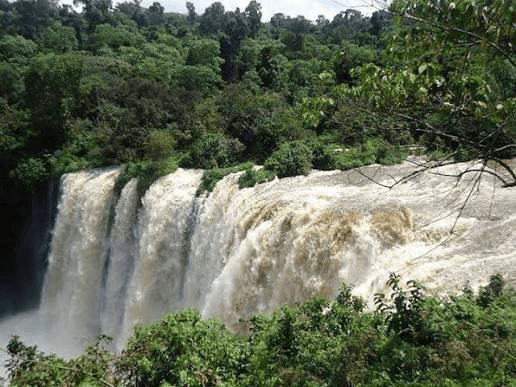
- Soor Waterfall
- Becho Waterfall
- Yayo Forest — a UNESCO Biosphere Reserve and World Heritage Site since 2010
- Wild Arabica coffee forests — a globally significant genetic treasure
- Mineral resources including coal
These are not minor endowments. They represent potential engines of tourism, business, and employment. Yet they remain unknown, unpopular, underdeveloped, and therefore unutilized.
The same is true of the zone’s biodiversity, historical sites, cultural heritage, and human capital. They have not received the attention they merit. They have not been properly studied, managed, or leveraged for the benefit of the people.
A Stable Zone Left Behind
Here is the paradox: Illu Abba Boora is widely regarded as one of the more peaceful and stable zones in Oromia. And yet, stability has not translated into investment. The zone remains, in many ways, a neglected periphery—far from the center of attention, resources, and opportunity.
The people of Illu Abba Boora deserve better. They deserve:
- Coordinated, accountable leadership
- Rapid, comprehensive, and broad-based development
- Partnership from government, investors, regional authorities, zone and district administrations, and city leaders
A Beginning, Not an End
There are encouraging signs. Recent initiatives to promote the zone’s natural, historical, and cultural attractions—including guided tours and infrastructure improvements—are welcome. But they are only a beginning.
This is a call to action:
- Research and publish the history of the Victory of Sambe.
- Commemorate the battle with monuments, annual events, and national recognition.
- Develop and package Illu Abba Boora’s natural and cultural assets into sustainable tourism and business opportunities.
- Honor the zone’s exceptional figures in schools, public narratives, and national memory.
- Invest in a stable region that has waited far too long for its share of development.
Illu Abba Boora does not need to be discovered. Its value has always been there. What it needs is to be seen, respected, and invested in.
As we celebrate Irreecha and Oromia Tourism Week, let us remember the forgotten heroes, the uncelebrated victories, and the untapped beauty of Illu Abba Boora. The time to act is now.

Adanech Abiebie Appointed Mayor of Addis Ababa: A New Chapter for Ethiopia’s Capital
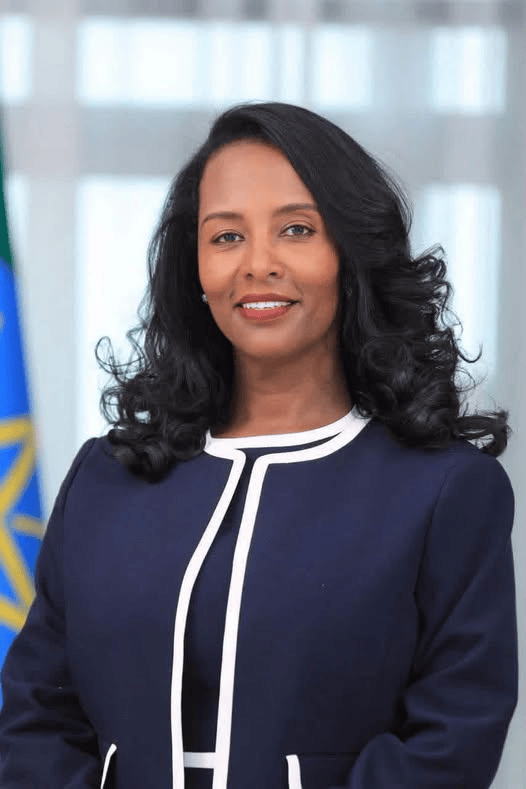
Congratulations pour in as a seasoned leader takes the helm of Africa’s diplomatic hub
(Addis Ababa, 30 September 2026)-In a moment that has captured the attention and hopes of millions, Mrs. Adanech Abiebie has been appointed Mayor of Addis Ababa — a city that stands as both the political heart of Ethiopia and the diplomatic capital of Africa.
The announcement has sparked an outpouring of congratulations and goodwill from citizens, colleagues, and observers across the nation and beyond.
A Leader for a Rising City
Addis Ababa is not just any city. It is home to the African Union headquarters, a growing hub for international diplomacy, and a metropolis undergoing rapid transformation. Its mayor carries a responsibility that extends far beyond municipal boundaries — shaping the experience of residents, visitors, and the global community alike.
With her appointment, Adanech Abiebie steps into a role that demands vision, resilience, and an unwavering commitment to public service. Those who have followed her career describe her as a leader who understands the complexities of urban governance and the aspirations of everyday Ethiopians.
A Wave of Congratulations
The response to her appointment has been swift and heartfelt.
“Congratulations! May you have a blessed term of service, outstanding success, and a fruitful journey ahead!”
These words, echoed across social media and community gatherings, reflect a deep well of hope. For many, this is not simply a political appointment — it is an opportunity to see leadership that listens, delivers, and inspires.
The Weight of the Moment
Addis Ababa faces no shortage of challenges: rapid urbanization, infrastructure demands, housing needs, and the task of ensuring that development benefits all residents, not just a few. Yet within these challenges lie extraordinary opportunities.
The city is emerging as a center of innovation, commerce, and culture. Its streets pulse with the energy of a young population eager for progress. Its markets, universities, and cultural institutions tell a story of a city on the move.
The question that now rests before the new mayor is simple yet profound: How can Addis Ababa become a city that works for everyone?
A Prayer and a Promise
For those who offered their congratulations, the sentiment was clear: this is a moment for prayer as much as celebration.
“May God guide your steps, grant you wisdom, and bless your service to our beloved city and nation.”
Such words carry the weight of a community that understands the gravity of leadership. They are not merely formalities but genuine expressions of hope — that this new chapter will bring not only progress but also fairness, compassion, and lasting change.
Looking Ahead
As Adanech Abiebie takes office, the eyes of the nation — and indeed the continent — are upon her. The road ahead is long, and the expectations are high. But if the enthusiasm surrounding her appointment is any indication, she does not walk it alone.
A city is not built by one leader. It is built by a people united in purpose. And in this moment, there is a palpable sense that Addis Ababa is ready to rise — together.
Congratulations, Mayor Adanech Abiebie. May your term be marked by achievement, may your leadership be a blessing to all, and may the city you serve flourish in the years to come.

What is the significance of Irreechaa Celebrations in Diaspora?
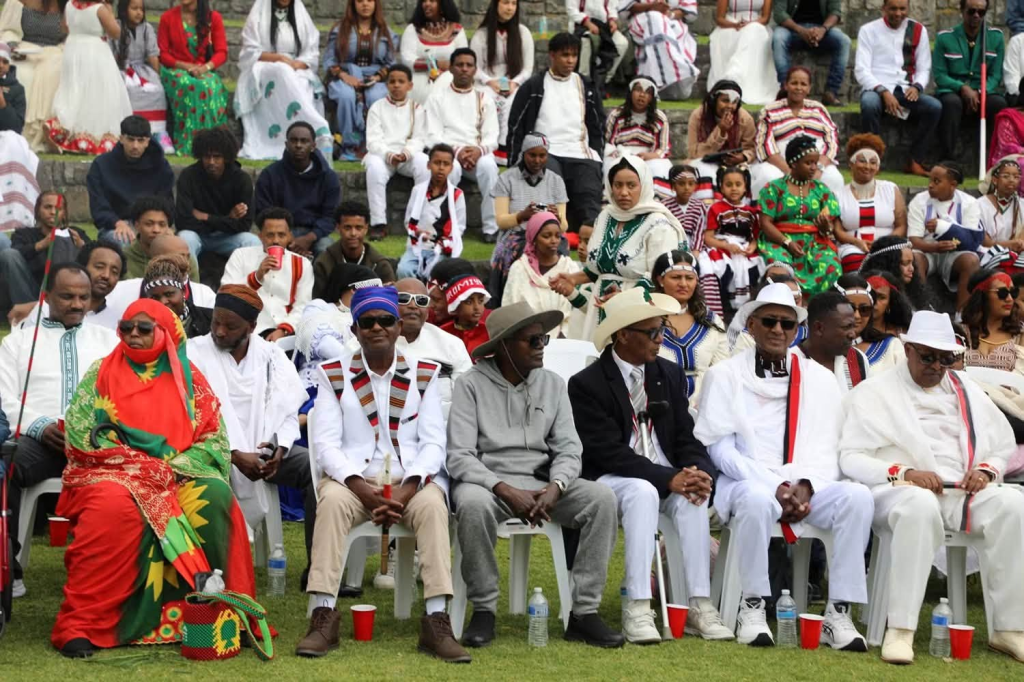
For the Oromo diaspora, Irreechaa serves as a vital cultural anchor—far more than a festival, it is an act of identity preservation, a bridge across generations, and a powerful statement of resilience. It connects Oromos living far from their ancestral homeland to their ancestors, their language, and one another, ensuring that a tradition preserved through centuries of suppression continues to thrive on foreign soil.
🌍 A Home Away from Home
Irreechaa provides a sacred space where the diaspora can recreate the spiritual and communal essence of the homeland. In cities like Melbourne, Toronto, and Minneapolis, the ritual structure remains remarkably intact:
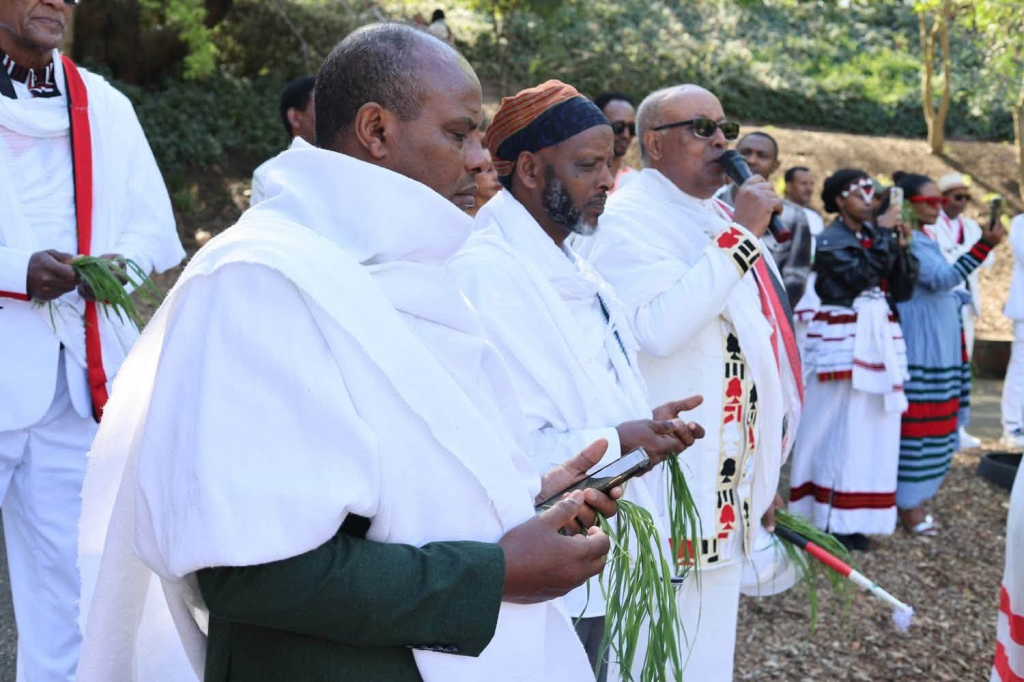
- Traditional Rituals: Participants carry fresh green grass and yellow daisies to the water’s edge, dipping them in as an offering of gratitude—the same act performed by millions at Hora Arsadi and Hora Finfinnee.
- Spiritual Continuity: Elders lead blessings and prayers to Waaqa (God), maintaining the spiritual essence of the festival even in a foreign landscape.
- Processions and Songs: Communities walk together toward water bodies or parks, singing traditional faaruu (songs of praise), with women often walking in front—a practice rooted in the Siinqee institution symbolizing women as sacred agents of peace.
🔗 Forging Unity and Identity
Irreechaa transcends religious and political divisions, functioning as a transreligious symbol of Oromummaa (Oromo identity). As one analysis notes, attendees include Christians, Muslims, non-believers, and Waaqeffatas alike—all united by a shared cultural heritage. This unity is particularly significant for a diaspora that fled political marginalization, as it allows diverse Oromo communities to come together under a single, proud identity.
🛡️ Resilience Through Remembrance
The diaspora celebration carries a profound weight of survival. Irreechaa was historically suppressed and forced underground, making its public, joyful observance abroad an act of cultural resistance. In Minnesota, for instance, the festival is explicitly framed as a symbol of resilience—a tradition that was “looked down upon” for about a century but is now celebrated openly and proudly. For the Melbourne community, it is a “living prayer” that refuses to become a mere memory.
🌱 Passing the Torch to the Next Generation
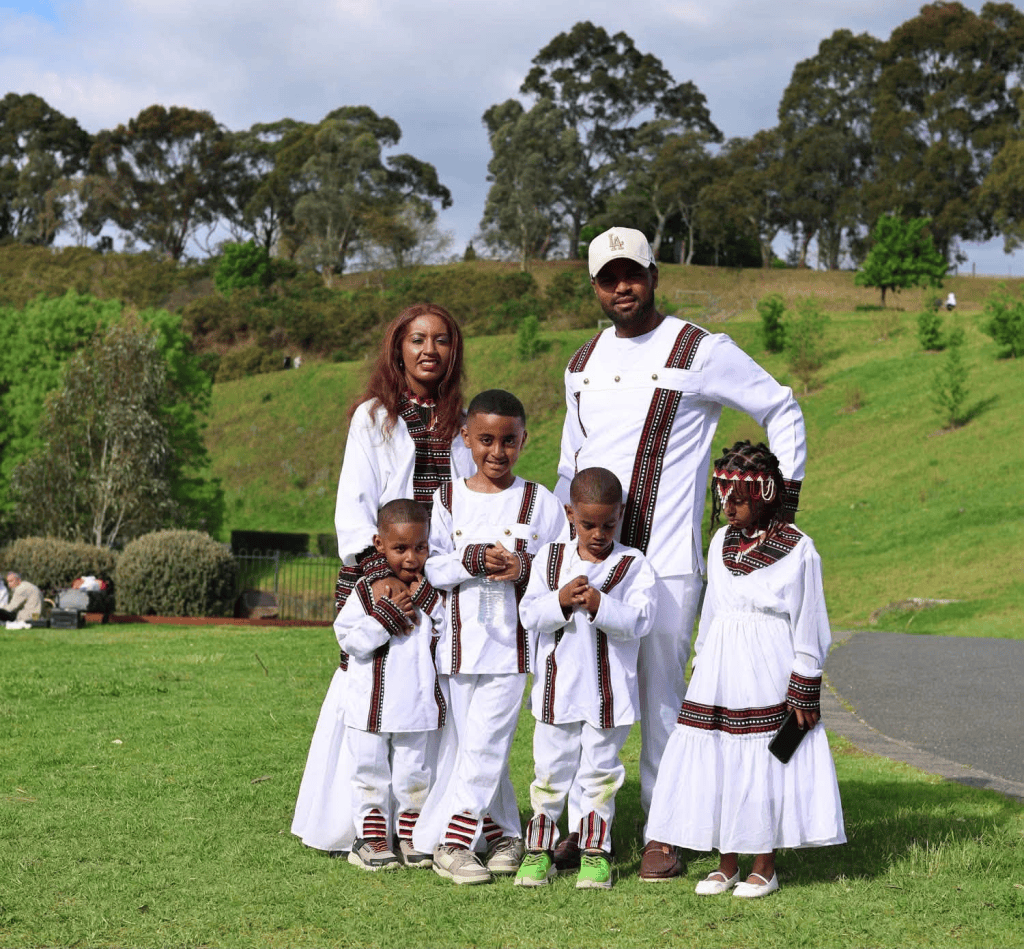
A central mission of diaspora Irreechaa organizations is youth engagement and cultural transmission. In Melbourne, “Irrecha Australia” emphasizes empowering young people to carry traditions forward with pride. In Minnesota, youth are described as a driving force behind the festival’s growing popularity, even teaching non-Oromos about its meaning. By involving children in rituals—from dressing in traditional wandaboo to learning the steps of cultural dances—the diaspora ensures that Irreechaa remains a living tradition, not a distant memory.
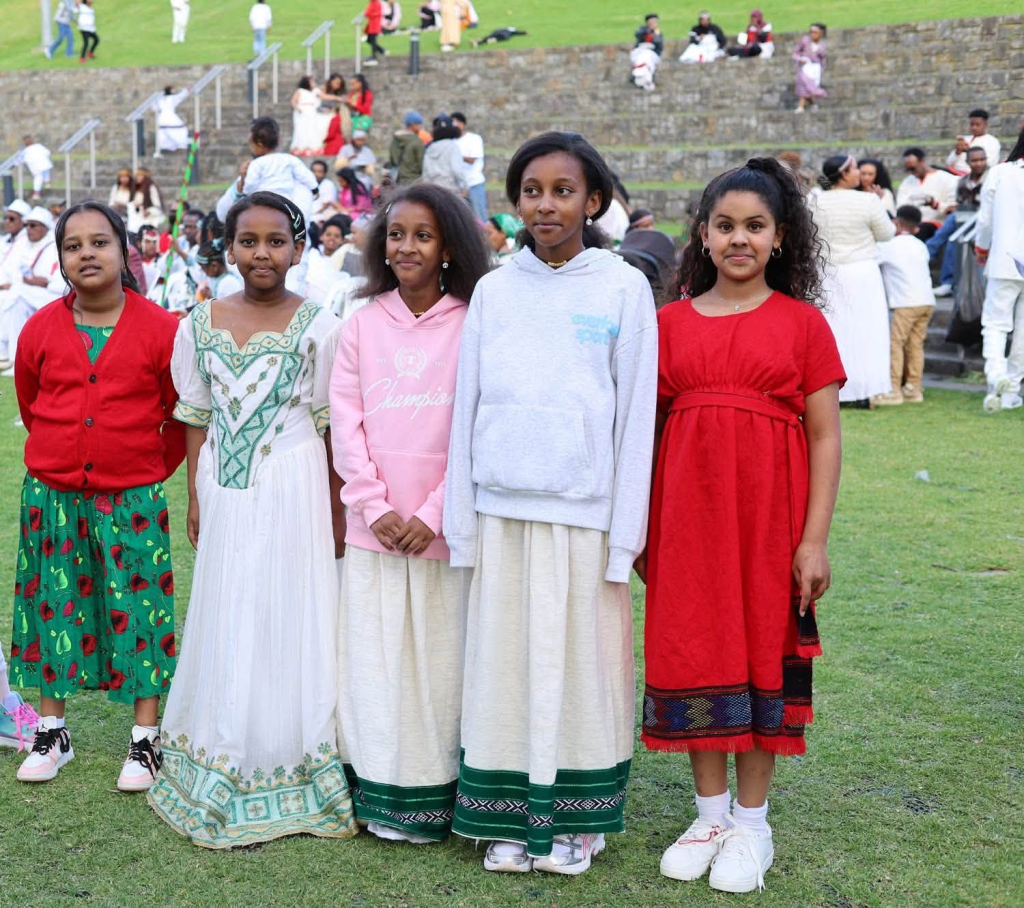
🤝 A Bridge to the Wider World
Beyond the Oromo community, diaspora Irreechaa celebrations serve as an open invitation for intercultural exchange. In Toronto, the festival has attracted visitors from Germany and the United States. In Dubai, celebrations have included local Emiratis and other Ethiopian ethnic groups. These events showcase Oromo values of peace, gratitude, and harmony with nature, fostering understanding within the broader multicultural societies where Oromos now live.
In essence, Irreechaa in the diaspora is not a diminished version of the homeland celebration—it is an amplified testament to a people’s unbreakable connection to their roots. It is where identity is renewed, community is strengthened, and the flame of Oromummaa is passed on, undimmed, to the next generation.






