Category Archives: Kindness

The Psychological Power of Ritual Sound, Fresh Grass, and Water in Irreechaa
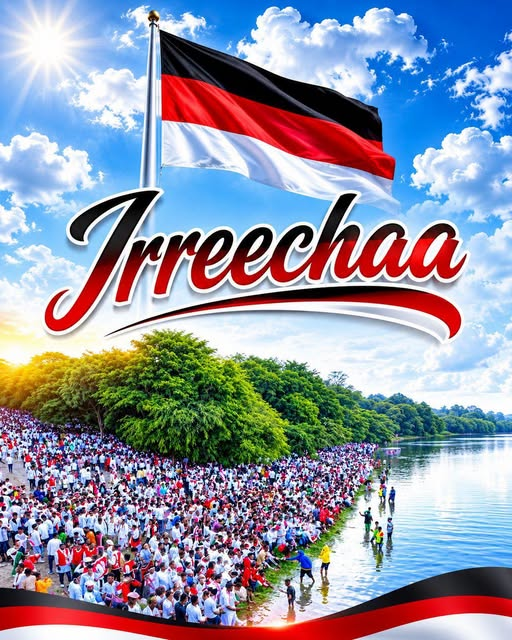
Oromia, Ethiopia — Irreechaa is the annual Oromo thanksgiving festival celebrated at the banks of rivers and lakes across Oromia. Its rituals — communal chanting, the dipping of fresh green grass into water, and the gathering of communities at the water’s edge — are not merely symbolic acts of cultural identity. A growing body of scientific research reveals that these elements engage powerful psychophysiological mechanisms that promote mental well-being, reduce stress, and foster social connection.
The Sound of Chanting: Reducing Stress and Anxiety
Chanting, a central practice in Irreechaa’s riverside ceremonies, has been shown to produce measurable reductions in stress and anxiety. A randomized controlled trial conducted in Australia found that just twelve minutes of group chanting — whether vocal or silent — resulted in significant decreases in cortisol levels and self-reported anxiety . The reduction in cortisol, the body’s primary stress hormone, was similar for both vocal and silent chanting. However, self-reported anxiety decreased more following vocal chanting, suggesting that the act of voicing — singing the Marewoo songs of Irreechaa — amplifies the psychological benefit .
The study also found that altruism scores increased following both vocal and silent chanting, indicating that the ritual practice fosters pro-social tendencies . Group synchronisation, a feature of communal chanting, is thought to promote cooperation and feelings of connection to others . This aligns with the experience of Irreechaa participants, who sing together in a shared expression of gratitude and hope.
Research specifically examining Irreechaa notes that “chanting reduces stress hormones and triggers dopamine, promoting transcendence” . The sonic dimensions of the ritual, combined with its setting at the water’s edge, create what researchers describe as an immersive environment that unites communities and reinforces cultural identity .
The Touch of Fresh Grass: Tactile Contact and Relaxation
The fresh green grass carried by Irreechaa participants — dipped into the water as an offering and symbol of renewal — also carries documented psychological benefits when touched. A 2024 study published in the Journal of Urban Health investigated the effects of tactile interaction with real grass versus artificial grass among older adults. The findings showed that touching real grass produced a heightened sense of relaxation and calmness, increased mean systolic blood pressure reduction, and upward trends in brainwave patterns associated with relaxation .
A separate study involving young adults found that five minutes of tactile stimulation with real landscape grass, applied through the palm of the hand, produced significant reductions in diastolic blood pressure, increased alpha brainwave activity (a marker of relaxed alertness), and alleviation of anxiety compared to a control condition . The researchers concluded that “palming grass — the act of touching grass with one’s hand — has a calming effect on both physiological and psychological responses to stress” .
For Irreechaa participants, the act of holding grass and dipping it into the water is thus not only a spiritual gesture but a tactile experience with measurable calming effects on the nervous system.
The Presence of Water: Blue Space and Restoration
Irreechaa’s setting at rivers and lakes — Irreechaa Malkaa — places participants in what researchers call “blue spaces,” environments featuring water. A systematic evidence map of blue space research confirms that contact with water environments is associated with mental health benefits, including reduced stress and enhanced well-being .
A landmark 19-country study involving over 17,000 participants found that all blue space settings were recalled as restorative, with rural rivers and canals among the most restorative . Perceived safety was the quality most strongly associated with restoration, and actively engaging with the water was associated with greater restoration than remaining on land . The study also found a reciprocal relationship between restoration and nature connectedness — the more restored an individual felt, the more connected to nature they became, and vice versa .
Research specifically examining Irreechaa notes that “water’s acoustic properties (transmitting sound four times faster than air) create immersive ritual environments,” and that the natural water setting “engages biophilia, enhancing mental well-being” . The riverside location of Irreechaa thus amplifies both the sonic and the restorative dimensions of the festival.
The Synergy of Sound, Grass, and Water
What makes Irreechaa psychologically powerful is not any single element in isolation, but their combination. The ritual brings together vocal chanting, tactile contact with fresh grass, and immersion in a water environment — a multisensory experience that engages multiple pathways to well-being simultaneously.
Research on Irreechaa explicitly describes this synergy: “water’s fluidity and reflectivity, paired with the resonance of sound, create multisensory rituals that deepen spiritual engagement” . The study notes that “psychologically, chanting and singing reduce stress and trigger dopamine release, fostering emotional uplift and communal bonding,” while “natural water settings engage biophilia, enhancing mental well-being and aligning with the spiritual clarity sought in rituals” .
The communal dimension is equally important. Group chanting, being a synchronous activity, promotes feelings of social connection and altruistic tendencies . For a community gathering after the isolating rainy season, this reconnection — through shared sound, shared touch of grass, and shared presence at the water — serves as a collective psychological renewal.
A Culturally Rooted Pathway to Well-Being
For the Oromo people, Irreechaa is a spiritual and cultural celebration. The scientific evidence now confirms what generations have experienced intuitively: the ritual’s elements — sound, grass, and water — are also powerful tools for mental health. In a context where formal mental health services are scarce, Irreechaa offers an accessible, culturally meaningful pathway to stress relief, emotional restoration, and social connection.
The psychological power of Irreechaa lies in its integration of body, mind, and community — a holistic approach to well-being that modern research is only beginning to fully understand.

Sons of Maccaa Celebrate Buttaa Ceremony: A Milestone of Generational Passage
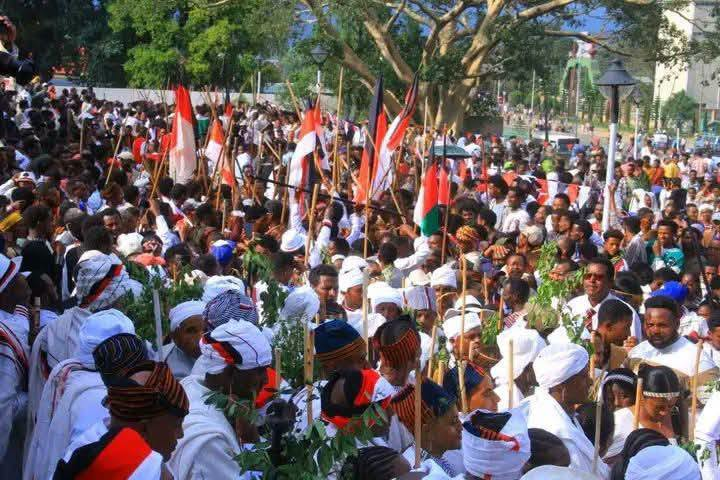
Oromia, Ethiopia — In a powerful display of cultural continuity and ancestral reverence, the Gadaa-Hortee sons of Maccaa — members of the Gadaa Birmajii grade — have successfully completed the sacred Buttaa ceremony, marking a significant milestone in their journey through the ancient Oromo Gadaa system.
The occasion was marked with blessings and congratulations: “Baga 80 akaakayyuu fi 40 abbaa keessanii geessanii sirna buttaa qaluu nagaan oofkaltan!” — Congratulations on safely reaching the Buttaa ceremony, having honored the eighty grandfathers and forty fathers who came before you.
The Significance of Buttaa
The Buttaa ceremony is a pivotal ritual within the Gadaa system, symbolizing the formal transition of power and responsibility from one generation to the next. For the sons of Maccaa in the Birmajii grade, this ceremony represents their readiness to assume leadership roles and carry forward the duties entrusted to them by their ancestors.
The numbers referenced — eighty grandfathers and forty fathers — speak to the deep ancestral lineage that the Gadaa system honors. Each generation stands on the shoulders of those who came before, and the Buttaa ceremony is a moment of connection between past, present, and future.
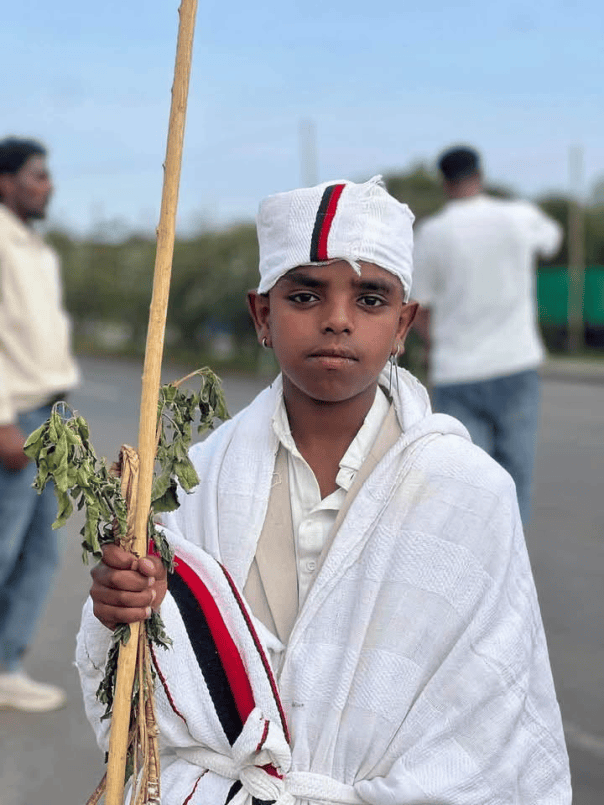
Honoring the Sacred Elements
The congratulatory message continues with a blessing that honors the visible and invisible elements of the ceremony:
“Haaduu kofa keessanii, dhugoo gurra keessanii fi ruufa mataa keessanii hunda baga oofkaltan!”
This translates to: “Congratulations on all — the grass at your door, the grass in your ears, and the grass on your head!”
These elements — haaduu kofa (grass at the door), dhugoo gurra (grass in the ears), and ruufa mataa (grass on the head) — are sacred symbols within the Gadaa system. Fresh green grass represents life, renewal, and the presence of Waaqa (God). Wearing or carrying grass during Gadaa ceremonies signifies that the individual is in a state of peace, purity, and readiness to receive blessings.
The reference to grass at different parts of the body and home also reflects the holistic nature of the Gadaa system — it encompasses every aspect of life, from the threshold of one’s home to the crown of one’s head.
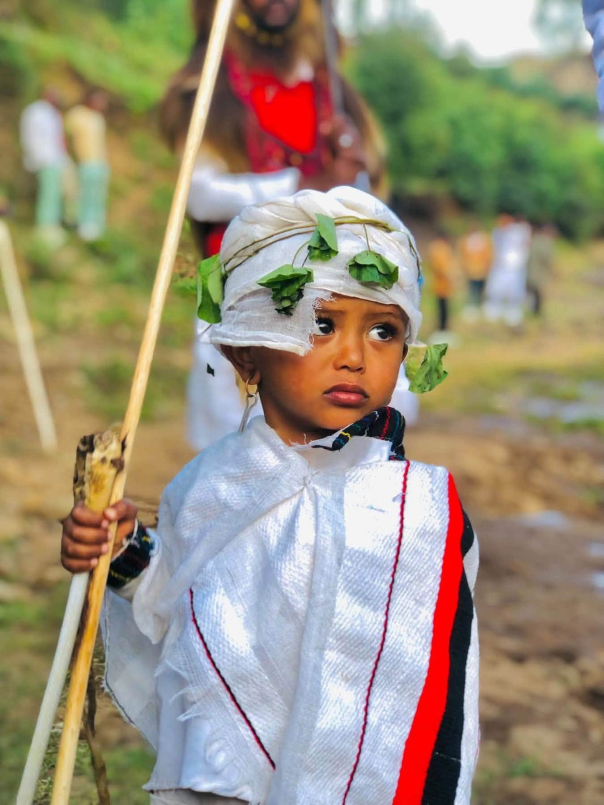
A Community Celebration
The Buttaa ceremony is not merely an individual achievement — it is a communal celebration. The Gadaa-Hortee sons of Maccaa have completed this rite together, reinforcing the bonds of brotherhood and shared responsibility that define the Gadaa system.
The ceremony involved the ritual cutting of the buttaa (a symbolic act of clearing and preparing the way), the enactment of laws that will govern the next eight years, and the formal transfer of authority from the outgoing Gadaa grade to the incoming one.
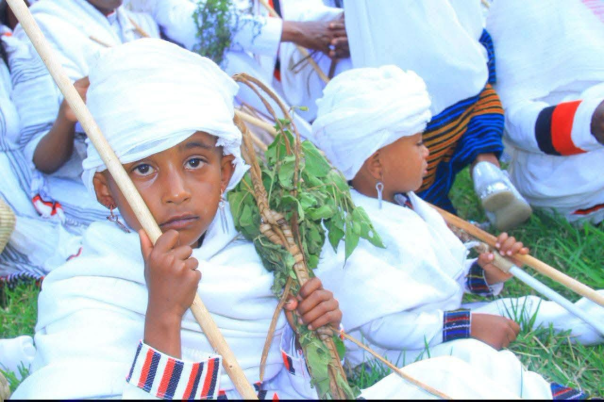
Blessings for Abundance
The message concludes with a powerful blessing:
“Gadaan quufa fi gabbina! Gabbis Waaq!”
“May Gadaa bring fullness and abundance! May Waaq bless!”
This prayer invokes the dual blessings of material prosperity and spiritual completeness. In the Oromo worldview, quufa (fullness) and gabbina (abundance) are not merely economic concepts — they represent a state of harmony in which the community is whole, at peace, and aligned with divine will.
A Living Tradition
The successful completion of the Buttaa ceremony by the Gadaa-Hortee sons of Maccaa is a testament to the resilience and vitality of the Gadaa system. Despite centuries of suppression and the pressures of modernization, the Oromo people continue to pass down this ancient tradition from generation to generation, unbroken and undiminished.
As the sons of Maccaa step into their new roles, they carry with them the blessings of eighty grandfathers and forty fathers — a lineage of wisdom, courage, and commitment that stretches back through time.
Baga oofkaltan! Gadaan quufa fi gabbina! Gabbis Waaq!
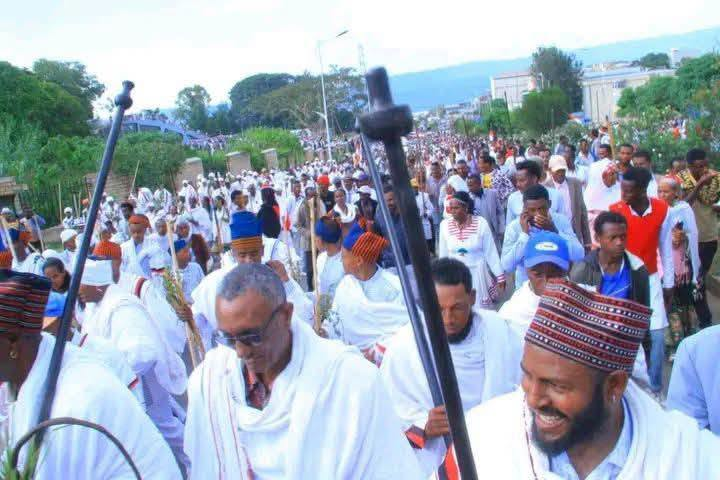
Gadaa: The Living System That Raises Generations Through Word and Deed
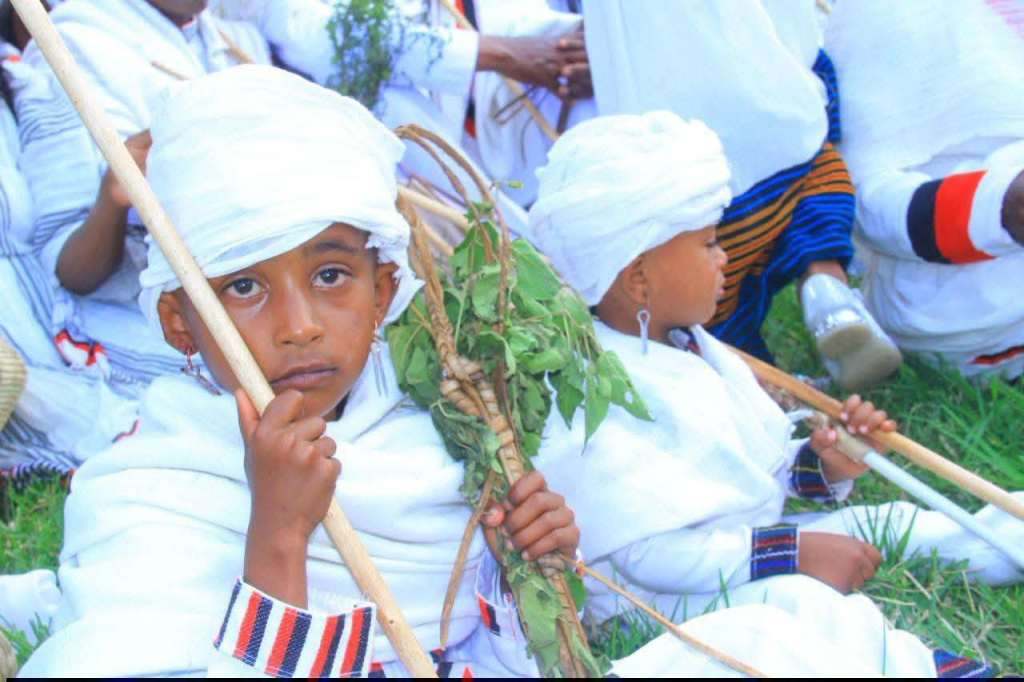
West Shawa, Oromia — In a world where ancient traditions often fade beneath the weight of modernity, the Gadaa system of the Oromo people stands as a testament to endurance, democracy, and cultural resilience. As the Oromo saying goes: “Gadaan sirna ittiin jechaa fi gochaan dhaloota guddisanii dha” — Gadaa is the system through which generations are raised by word and by deed. And today, that system has emerged from the threat of extinction and reached the present generation, unbroken and vibrant.
Sons of Liiban Maccaa Carry the Torch
The sons of Liiban Maccaa — Walisoo, Amayyaa, and Kuttaayee — are actively fulfilling their duties within Gadaa Birmajii, ensuring that the ancient Oromo Gadaa system is passed down from generation to generation, unbroken and undiminished. Their commitment is not merely ceremonial; it is a living covenant with their ancestors and their descendants.
These communities, located across Central Oromia, West Shawa, and Southwest Shawa, have preserved the Gadaa system without interruption. From father to son, from elder to youth, the sacred knowledge and responsibilities of Gadaa are transmitted with reverence and precision.
A Model of Democracy Without Conflict
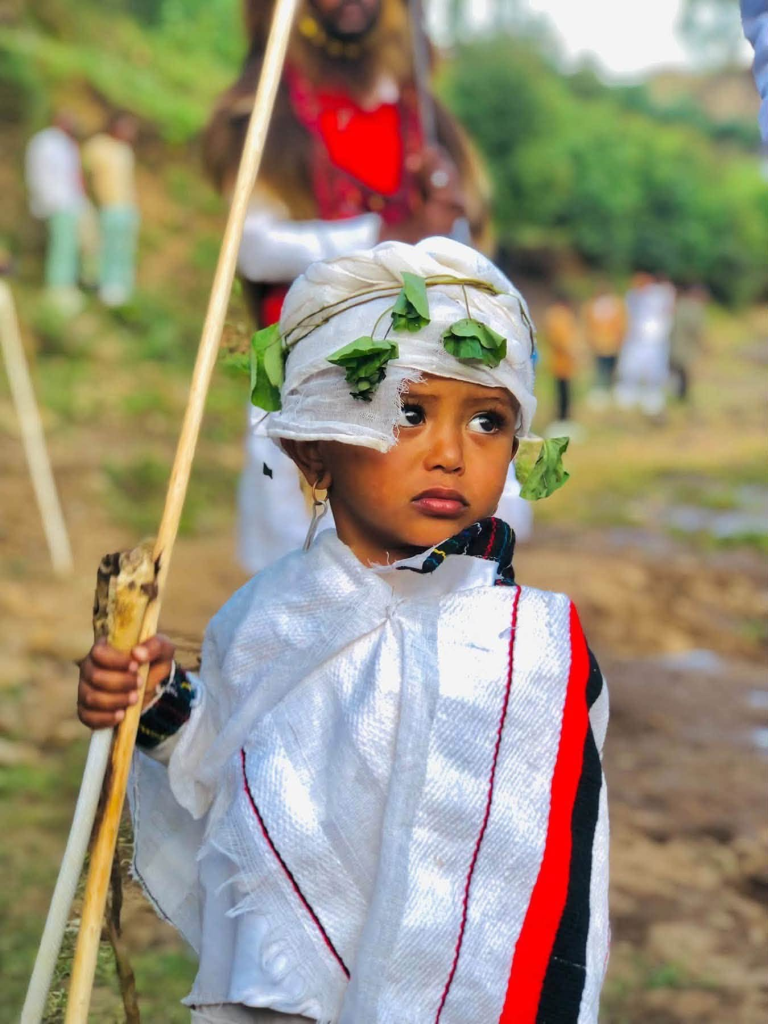
“Gadaan Mallattoo Dimokiraasii Morkii tokko malee Aangoo Waliif dabarsanii kennanidha” — Gadaa is the symbol of democracy, a system in which power is transferred peacefully, without conflict or bloodshed.
This principle lies at the heart of the Gadaa system. Every eight years, leadership transitions from one Gadaa grade to the next — a process rooted in consensus, ritual, and mutual respect. There are no coups, no violence, no contested successions. There is only the orderly, sacred transfer of responsibility from one generation to the next.
It is a democratic tradition that predates many modern political systems, and it continues to function today, guided by the wisdom of elders and the participation of the community.
Preparation for the Transfer of Power
The Sirna Oofkaltii Tumaa Gadaa Birmajii is currently in full preparation across various locations in the West Shawa Zone. Over the coming eight years, those in the Birmajii grade will prepare to receive authority from the Gadaa Roobalee — the outgoing grade — and assume the responsibilities of leadership.
The purpose of this program is clear: “Kaayyoon Sirna Sagantaa Kanaas Gadaan Birmajii Gadaa Roobalee irraa Aangoo fudhachuun Waggoottan 8 itti Aanu Bulchuuf ofkaltii keessa darbaa jiraachuu ibsameera.” The Birmajii Gadaa is preparing to take power from the Roobalee Gadaa and to govern for the next eight years. This preparation is not merely administrative — it is spiritual, cultural, and communal.
The Journey to the River
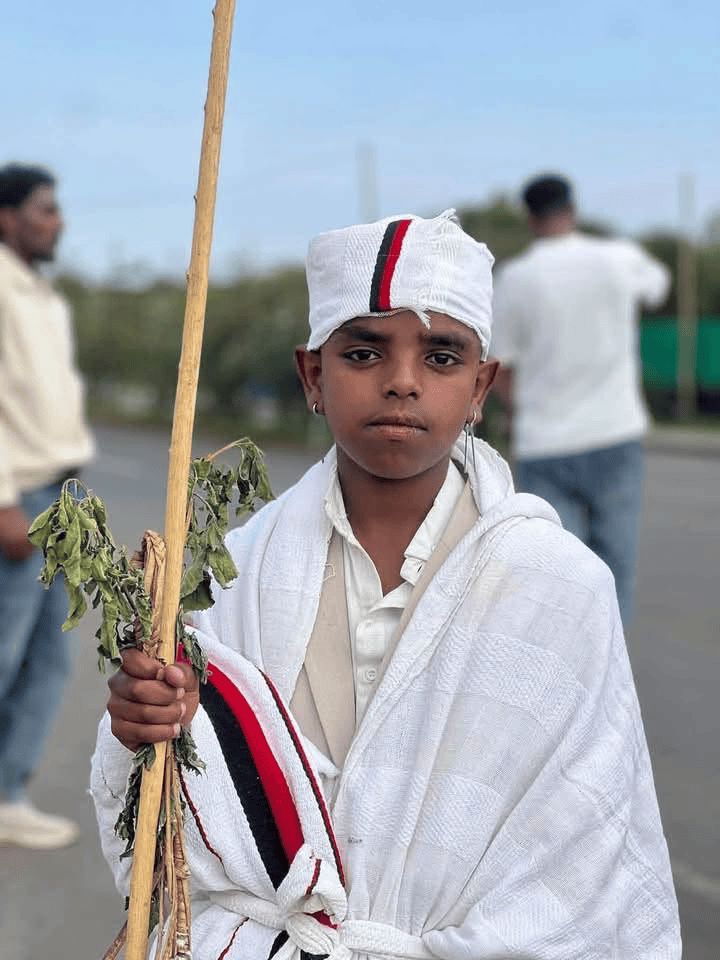
The process has now reached a significant milestone. “Imalli gara malkaa deemuun tumaa ittiin bulmaata waggoota 8 dhufanii adeemsifameera.” The delegation has journeyed to the river, where the laws and rituals that will govern the next eight years have been formally enacted.
The journey to the water — the malkaa — is rich with symbolism. Water represents purification, renewal, and the continuity of life. By enacting the laws at the river’s edge, the community affirms that the Gadaa system is rooted in nature itself, in the eternal rhythms of the earth and the heavens.
A Blessing of Abundance
The message concludes with a powerful blessing: “Gadaan Quufaa Gabbina Oofkalchi Waaq.” May Gadaa bring fullness, abundance, and prosperity. May Waaqa bless the work of those who uphold this sacred tradition.
It is a prayer not only for material prosperity but for spiritual completeness — for a community that is whole, united, and at peace with itself and its Creator.
A Heritage That Endures
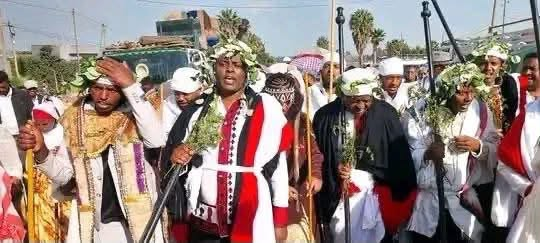
The Gadaa system is more than a cultural relic. It is a living, breathing institution that continues to shape the lives of millions of Oromo people. It teaches democracy, accountability, environmental stewardship, and respect for elders. It binds generations together in a chain of duty and blessing.
The sons of Liiban Maccaa — Walisoo, Amayyaa, and Kuttaayee — are not merely preserving the past. They are building the future, one ritual at a time, one generation at a time.
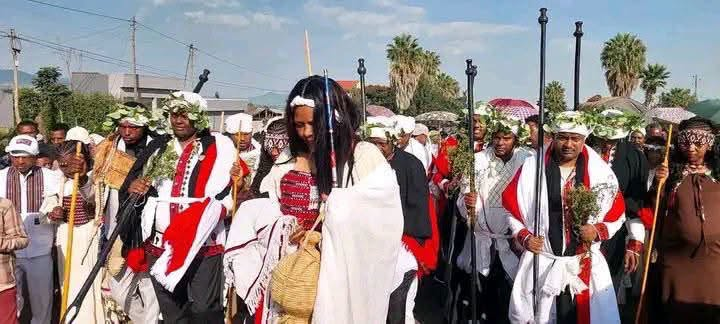
Baga oofkaltan!
Source: Community Report

Gadaa Elders Announce Dates for Irreechaa 2019: A Call for Unity, Gratitude, and Peace
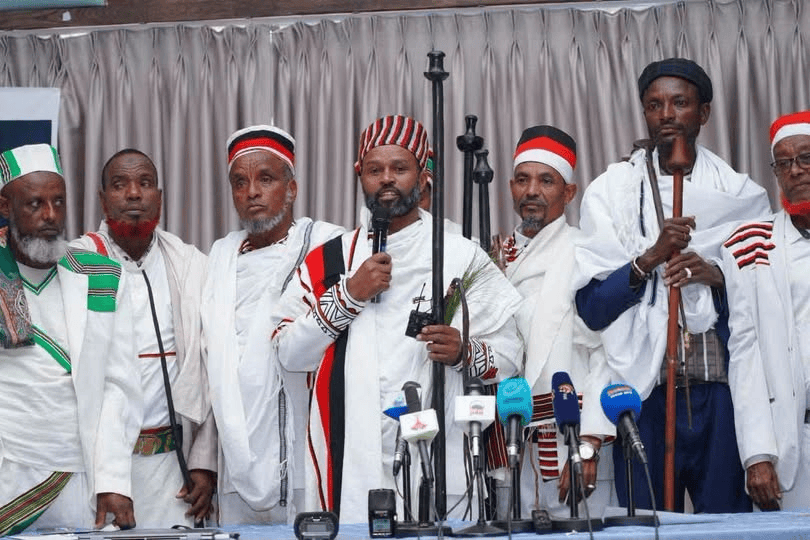
Finfinnee, Oromia — The Assembly of Gadaa Elders of Oromia has officially announced the dates for the celebration of Irreechaa, one of the most sacred and widely observed festivals of the Oromo people. In a statement released to the public, the elders confirmed that Irreechaa at Hora Finfinnee will be celebrated on September 23, while Irreechaa at Hora Harsadee will take place on September 24, 2019.
Irreechaa is a centuries-old thanksgiving festival celebrated at the banks of rivers and lakes, most notably at Hora Finfinnee (Lake Finfinnee) and Hora Harsadee (Lake Harsadee). It marks the end of the rainy season and the beginning of a new year in the Oromo calendar — a time of renewal, reflection, and communal gratitude to Waaqa (God) for blessings received.
A Festival of Thanksgiving and Hope
In their statement, the Gadaa elders emphasized the profound meaning of Irreechaa, describing it as a celebration of thanksgiving, hope, unity, love, reconciliation, and renewal. “Irreechaa is a festival of gratitude, hope, unity, love, reconciliation, and rebirth,” the elders declared. “Therefore, all Oromo people, as well as all nations, nationalities, and peoples of our country and the entire world, are invited to honor Irreechaa together with the Oromo people.”
The invitation extends beyond the Oromo nation itself, reflecting the festival’s universal message of peace and togetherness. Irreechaa has long served as a gathering point for people of all backgrounds — a day when differences are set aside and communities join hands in celebration and prayer.
A Call to Preserve Tradition
The elders also stressed the importance of observing Irreechaa according to its longstanding customs, traditions, and sacred norms (safuu). “Irreechaa at Hora Finfinnee and Hora Harsadee will be celebrated on September 23 and 24, 2019, respectively,” the statement read. “Like other Irreechaa celebrations, it will be observed in accordance with the culture, tradition, and sacred order of Irreechaa.”
The Gadaa system, a traditional democratic governance structure of the Oromo people recognized by UNESCO as intangible cultural heritage, plays a central role in organizing and preserving the festival’s rituals. The elders’ announcement underscores their continued role as custodians of Oromo culture and tradition.
A Warm Invitation to All
In closing, the Assembly of Gadaa Elders extended a heartfelt invitation to all Oromo people to welcome visitors with the warmth and hospitality for which the Oromo are known. “Therefore, we call upon all Oromo people to receive every guest who comes to them with the culture, tradition, and hospitality of our people,” the elders urged.
The message is clear: Irreechaa is not merely a festival — it is a living expression of Oromo identity, faith, and community. As the dates approach, anticipation is building across Oromia and beyond, with preparations underway at Hora Finfinnee and Hora Harsadee.
For the Oromo people, Irreechaa 2019 promises to be a time of collective renewal — a moment to give thanks, seek reconciliation, and reaffirm the bonds that unite them as one people.
Source: Assembly of Gadaa Elders of Oromia

Sons of Liiban Maccaa Carry the Gadaa Birmajii Torch: A Legacy Passed from Generation to Generation
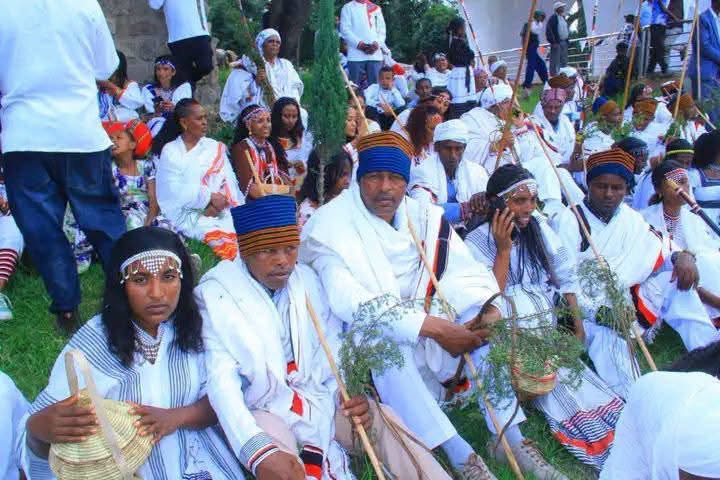
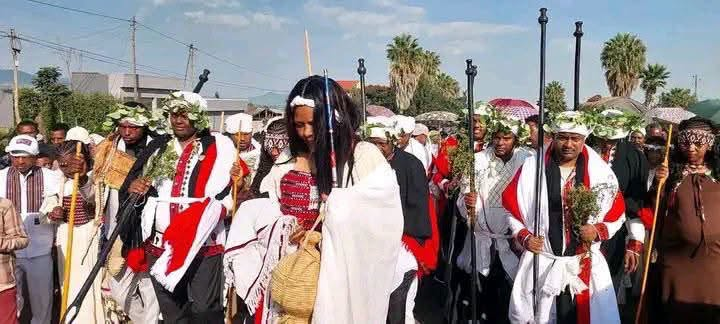
Central Oromia— In the heartlands of Central Oromia, across the highlands of West Shawa and Southwest Shawa, a sacred flame continues to burn. The sons of Liiban Maccaa — Walisoo, Amayyaa and Kuttaayee — are actively fulfilling their duties within Gadaa Birmajii, ensuring that the ancient Oromo Gadaa system is passed down from generation to generation, unbroken and undiminished.
A System That Never Sleeps
The Gadaa system, recognized by UNESCO as an Intangible Cultural Heritage of Humanity, is the traditional democratic, social, and spiritual governance structure of the Oromo people. It organizes society into age sets and generational grades, each with distinct roles, responsibilities, and rights. Among these, the Birmajii grade represents a critical stage — a time when young men prepare for leadership, defend their community, and uphold the sacred norms of Oromo life.
What sets the sons of Liiban Maccaa apart is their unwavering dedication. In Central Oromia, West Shawa, and Southwest Shawa, these communities have preserved the Gadaa system without interruption, carrying it forward across generations with reverence and pride.
The Seven Who Hold the Jila
Among the three sons of Liiban, it is the seven from the Horii lineage of Kuttaayee who hold the Jila Gadaa — the sacred leadership and ritual responsibility of the grade. Their duty is profound and their journey demanding.
The Gadaa group of Roobalee sets out to receive Baallii (Alangee) — the symbolic transfer of power and responsibility that marks the transition into Birmajii. This transfer is not merely ceremonial; it is a covenant. It binds the incoming generation to the duties of leadership, protection, and service to the community.
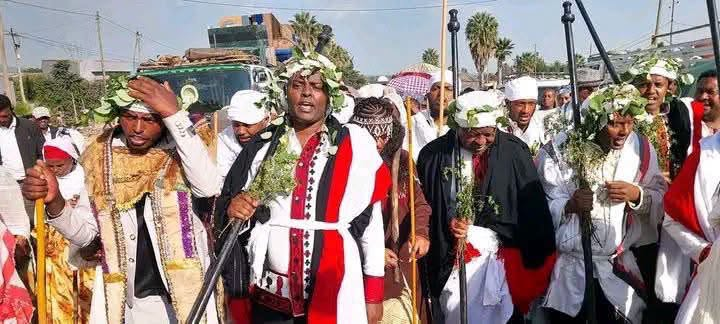
Rain, Blessing, and Endurance
In the Oromo worldview, rain is a sign of blessing — a gift from Waaqa (God) that nourishes the land and its people. Yet even when the rains come, the Roobalee do not rest. They sing in the rain, and they do not allow the abundance of milk and prosperity to distract them from their sacred mission.
“The Roobalee sing along with the rain, and the abundance of milk and success has not made us forget our duty,” the report recounts. “Whether in good times or hard times, they have seen it through.”
The message is clear: Birmajii is not a fair-weather calling. It demands endurance, sacrifice, and faithfulness — in seasons of plenty and in seasons of want.
A Call of Honor and Blessing
The words of the community ring with pride and blessing:
“The Birmajii have taken the Alangee and are preparing to complete their covenant — today they have cut the buttaa. May the news of your deeds reach the ears of those who need to hear it. Congratulations on reaching the fourfold blessing of your fathers and the eightfold blessing of your grandfathers. You have accomplished what was asked of you — and you make us proud.”
The “fourfold blessing of the fathers” and the “eightfold blessing of the grandfathers” speak to the deep ancestral roots of the Gadaa system — a chain of blessing and responsibility that stretches back through time, linking each generation to those who came before.
The closing blessing, “Ginna milkii ciisaa” — a wish for peace, prosperity, and rest — crowns the message with the hope that the labor of the Birmajii will bring abundance and tranquility to the community.
A Living Heritage
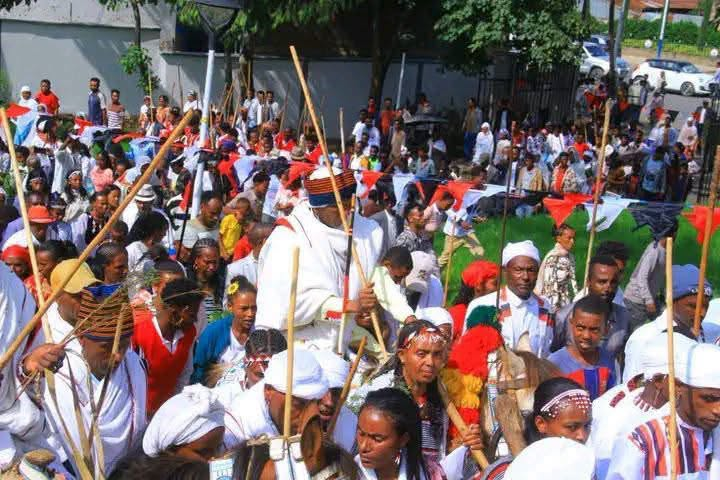
The sons of Liiban Maccaa are not merely preserving a tradition — they are living it. Every ritual, every journey, every song in the rain is an act of cultural survival and spiritual renewal. In a world that often pressures communities to abandon their heritage, these young men stand firm, proving that the Gadaa system remains a vibrant and vital force.
Their story is a reminder that culture is not a museum piece. It is alive — carried in the feet that walk to receive the Alangee, in the voices that sing with the rain, and in the hearts of a generation determined to honor its ancestors.
Baga oofkaltan!

Rejection of the “Ethiopian Peoples’ Forces Alliance for Survival” from an Oromo Nationalist View

Advocacy for Oromia hereby issues this formal statement to articulate its categorical rejection of the so-called “Ethiopian Peoples’ Forces Alliance for Survival.” This rejection is grounded in a thorough analysis of the alliance’s foundational assumptions, its treatment of Oromo historical grievances, and its strategic objectives. Advocacy for Oromia concludes that the aforementioned alliance is not beneficial for the Oromo people, and this statement sets forth the reasons for that conclusion.
I. Failure to Acknowledge the Historical Suffering of the Oromo People
The alliance does not genuinely believe in or acknowledge the harm that has persisted for years against the Oromo people. This harm includes, but is not limited to, land dispossession, political marginalization, cultural suppression, and economic exploitation under successive Ethiopian regimes—the imperial era, the Derg regime, the EPRDF administration, and continuing under the current government.
While the alliance document employs generic language regarding “immense suffering,” “widespread displacement,” and “destruction and death,” it conspicuously avoids naming the Oromo people as a specific victim of systemic oppression. This omission is not accidental; it reflects a deliberate refusal to centre Oromo historical trauma within the alliance’s political framework.
Advocacy for Oromia maintains that any political coalition that does not explicitly acknowledge and centre the specific historical grievances of the Oromo people is inherently suspect and cannot be trusted to advance Oromo national interests.
II. Refusal to Accept the Wounds of Past Systems of Oppression
The alliance refuses to accept the reality of systemic oppression inflicted upon the Oromo people by and current regimes. This refusal manifests in the alliance’s framing of the current crisis as a departure from an otherwise acceptable historical trajectory, rather than as the culmination of centuries of Oromo subjugation.
The alliance positions itself as a broad-based coalition against the current regime, while declining to demand accountability for past systems. This approach reflects a fundamental strategic disagreement within Ethiopian opposition politics: whether to prioritize unity against a common enemy or to insist upon historical justice as a precondition for any alliance.
Advocacy for Oromia unequivocally adopts the latter position. Without acknowledging past wrongs, any coalition risks reproducing the same structural injustices that have historically subjugated the Oromo people. Formal recognition of Oromo rights within a reformed Ethiopian state is insufficient; what is required is transformative justice that addresses the structural legacy of Oromo dispossession and abuses.
III. Political Opportunism Rather Than Genuine Problem-Solving
The alliance is not founded to solve the empire’s problems but rather to play political games. This is the most serious charge against the alliance, and Advocacy for Oromia asserts it without equivocation.
The alliance’s inclusion of multiple national groups, its call for armed struggle, and its specific demands for self-determination for various peoples—Amhara, Oromo, Tigray, Afar, Somali, Benishangul-Gumuz, and Gambella—collectively constitute an ethnic-federal framework that superficially accommodates Oromo demands while failing to address the fundamental historical injustice against the Oromo people. This framework offers only formal recognition, not substantive transformation.
Advocacy for Oromia rejects any pan-Ethiopian initiative that does not recognize Oromo nationalist priorities. The alliance’s refusal to do so exposes it as a vehicle for political opportunism rather than a genuine instrument for liberating the Oromo people.
IV. The Contradiction Within the Alliance’s Logic
The alliance’s stated objective is to remove the current regime—which is itself a product of past systems of Oromo oppression. If the alliance succeeds in dismantling the current order, does that not constitute a form of accountability?
Advocacy for Oromia answers unequivocally: removal without acknowledgment and redress is insufficient. True liberation requires not merely a change of personnel but a reckoning with the structural foundations of Oromo subjugation. The alliance’s failure to commit to such a reckoning renders its objectives inadequate for the Oromo struggle.
V. Conclusion
Advocacy for Oromia articulates a coherent Oromo nationalist position: any political alliance that does not explicitly centre Oromo historical suffering and commit to its redress cannot be trusted.
The critique is strongest in its insistence on historical specificity—generic calls for “survival” and “democracy” can obscure rather than address ethnic-specific oppression. However, the statement is weakest in its lack of concrete evidence for the “political games” charge and in its implicit rejection of broad-based coalition politics.
The underlying question remains unresolved: can Oromo liberation be achieved through alliance with other Ethiopian peoples, or does it require a separate, Oromo-cantered path? Advocacy for Oromia clearly leans toward the latter, but does not fully grapple with the strategic costs of that position.
Therefore, Advocacy for Oromia formally rejects the “Ethiopian Peoples’ Forces Alliance for Survival” as an unsuitable vehicle for the liberation and advancement of the Oromo people.
Advocacy for Oromia
21 September: 2026

Oromo Youth and Elders Rally in The Hague, Protest Killings and Rights Abuses in Ethiopia
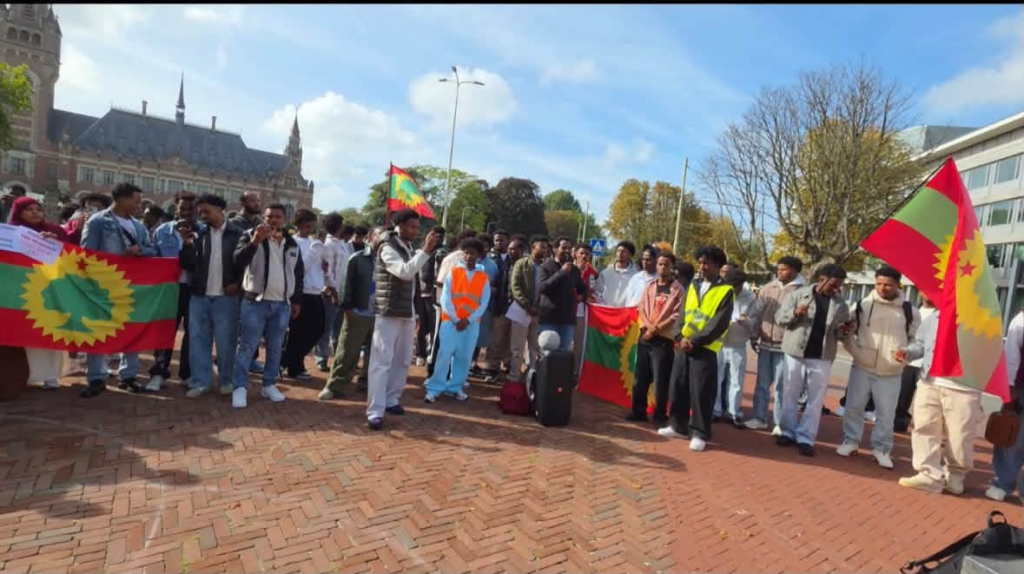
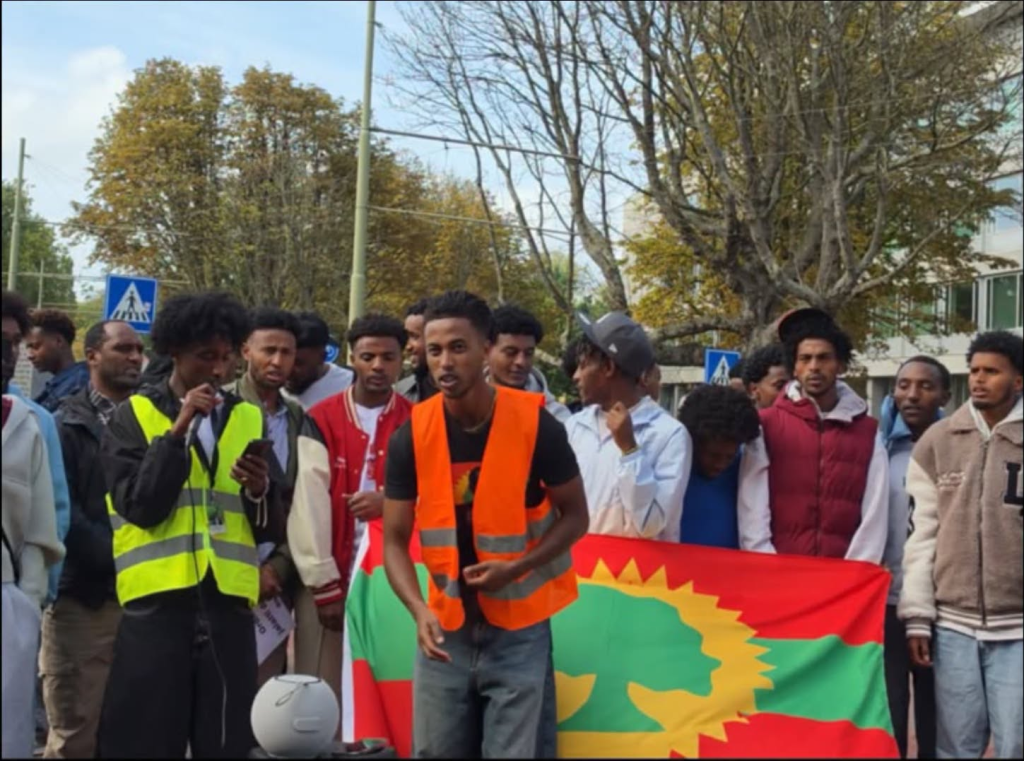
The Hague, Netherlands — Oromo youth and many members of the older generation living in the Netherlands took to the streets yesterday in a powerful demonstration, raising their voices in support of the Oromo people in Ethiopia and protesting against the killings and human rights violations being committed against innocent civilians.
The demonstration, held on 18 September 2026 in The Hague (Den Haag), brought together generations of the Oromo diaspora — young activists standing shoulder to shoulder with elders — united in their demand for justice and an end to the suffering of their people.
A Government Accused
Protesters directed sharp criticism at the government of Prime Minister Abiy Ahmed, accusing it of using the name of the Oromo people while Oromos are being killed and left to suffer. The demonstrators voiced their rejection of what they described as a government that claims to represent the Oromo while failing to protect them.
Among the slogans and demands raised during the demonstration were urgent calls for the government to stop forcing young people into military service and to halt the killing of innocent civilians.
Targeted for Politics
The demonstrators also protested against what they described as the targeting and killing of people for political reasons — a practice they say has claimed the lives of countless innocent Oromos.
The rally was marked by the presence of both the youth and the older generation, a visible sign of the unity and shared commitment of the Oromo diaspora across generations. Their message was clear: the killings must stop, human rights must be respected, and the voices of the Oromo people must be heard.
A Diaspora’s Voice
The Hague demonstration is the latest in a series of protests by the Oromo diaspora across Europe and beyond, as communities abroad continue to speak out against the violence and repression they say their people face at home.
For those who gathered in The Hague, the protest was more than a political statement — it was an act of solidarity with families and communities in Ethiopia, and a declaration that the Oromo people’s struggle for justice, dignity, and freedom will not be silenced.

Gifata Festival Celebrated in Wolaita Sodo with Color, Unity, and Cultural Pride
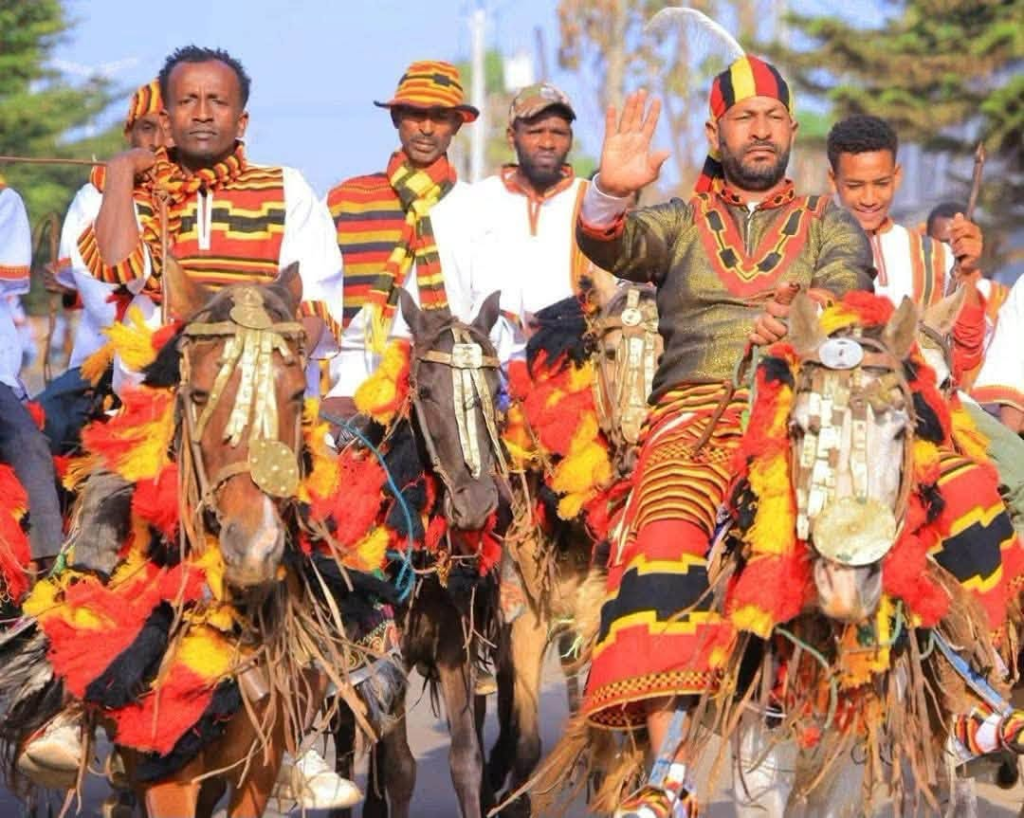
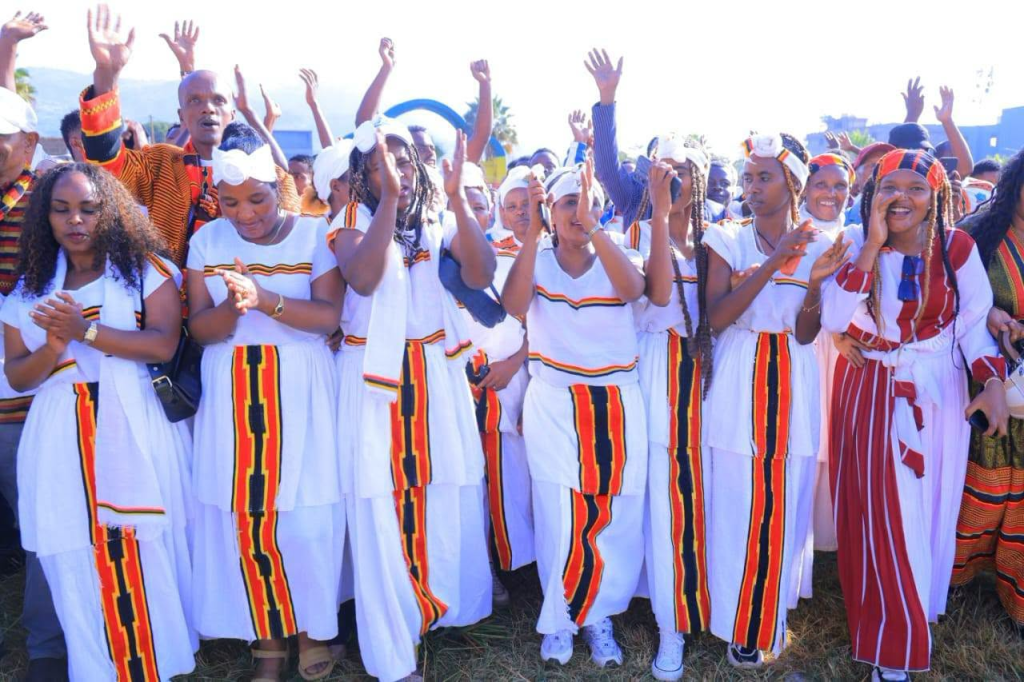
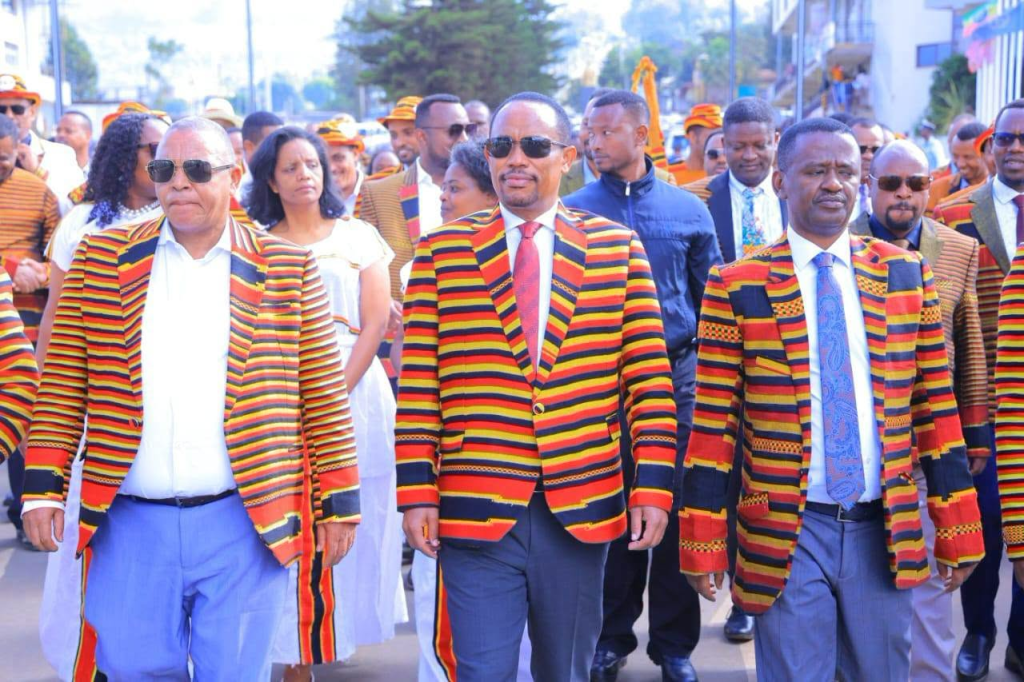
(ENA, Wolaita Sodo, Ethiopia) — The 2019 Ethiopian calendar Gifata festival, marking the Wolaita New Year, is being celebrated in grand style at the Wolaita Sodo Multipurpose Stadium with a series of vibrant events and cultural performances.
The 2026 celebration is being held under the theme: “Let us protect our ancestral heritage; let us continue the legacy of Gifata.”
A Festival of Reconciliation and Unity
Gifata is far more than a New Year celebration. It is a deeply meaningful cultural festival that reflects Ethiopian unity and solidarity — a time when relatives and friends who have been apart come together, when the scattered reunite, and when those who have fallen out reconcile.
It is described as a celebration of peace, love, unity, and joy — a powerful expression of the values that bind communities together across generations.
The festival holds a special place in the hearts of the Wolaita people and serves as a symbol of shared identity, mutual respect, and collective hope for the year ahead.
A UNESCO-Recognised Heritage
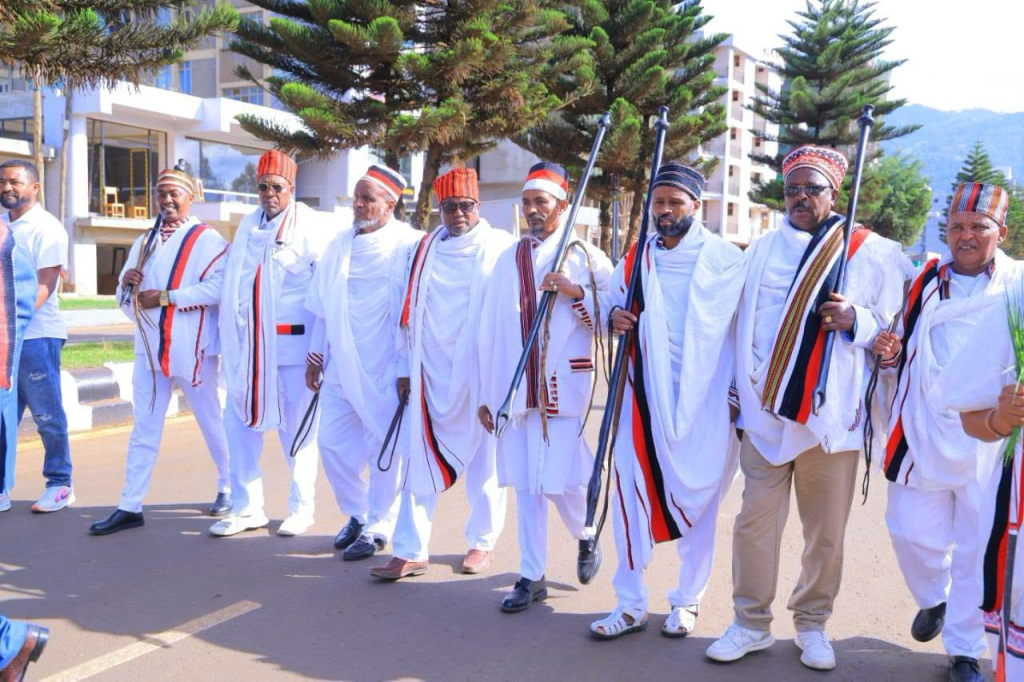
In December 2018, Gifata was inscribed by UNESCO as an Intangible Cultural Heritage of Humanity. This year’s celebration marks the first time the festival has been held on such a grand scale since receiving that prestigious recognition.
The UNESCO listing affirmed Gifata’s significance not only to Ethiopia but to the world — recognising it as a living tradition that embodies cultural diversity, community resilience, and the universal human desire for connection and renewal.
A Gathering of Dignitaries and Communities
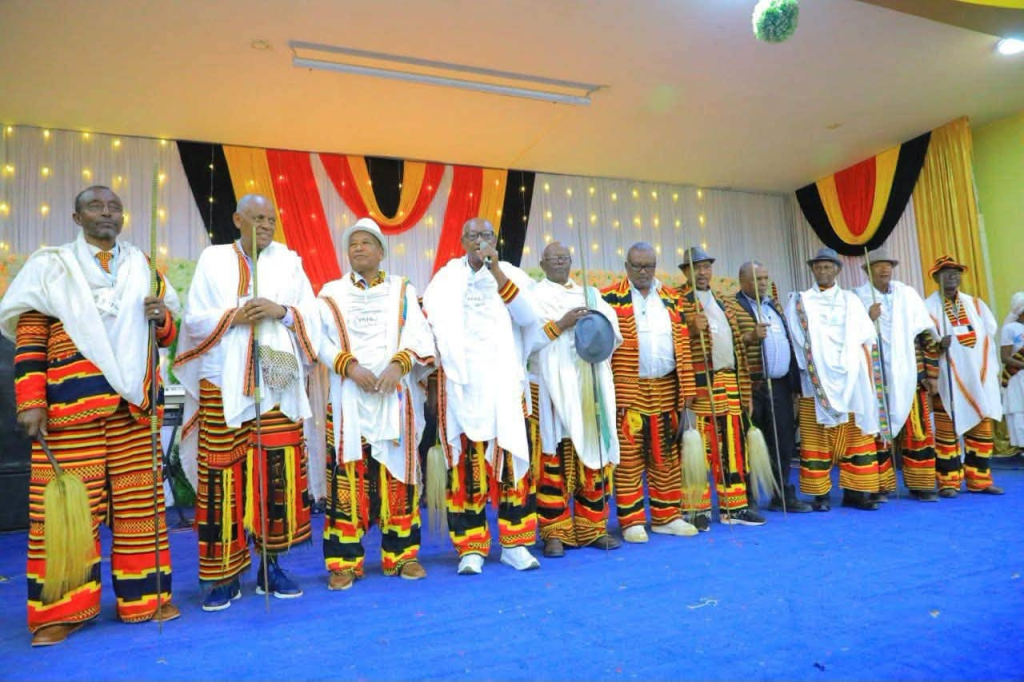
The celebration has drawn a wide cross-section of participants, including:
- Tilahun Kebede, Chief Administrator of the South Ethiopia Regional State
- Federal, regional, zonal, city administration, and district government officials
- Elders and community leaders
- Religious fathers
- Invited delegates from all Ethiopian regions
- Local residents from across the area
Their presence underscores the festival’s role as a unifying force that transcends regional and ethnic boundaries, bringing together people from all walks of life in a shared celebration of culture and heritage.
What Is Gifata?
Gifata is the traditional New Year festival of the Wolaita people, celebrated annually in September. It marks the transition from one year to the next and is a time for:
- Giving thanks for the blessings of the past year
- Strengthening relationships with family and community
- Reconciling differences and seeking forgiveness
- Celebrating cultural identity through music, dance, and traditional attire
- Looking forward with hope to the year ahead
The festival is characterised by colourful processions, traditional songs and dances, communal feasting, and the exchange of blessings among elders and youth.
A Celebration of Heritage and Hope
As the Gifata festival unfolds in Wolaita Sodo, it serves as a powerful reminder of the richness of Ethiopia’s cultural tapestry. In a world where traditions are often under pressure, Gifata stands as a testament to the resilience of community, the importance of heritage, and the enduring power of celebration.
The theme of this year’s festival — protecting ancestral heritage and continuing the legacy of Gifata — speaks directly to the responsibility of each generation to preserve and pass on the cultural treasures entrusted to them.
Looking Ahead
With its UNESCO recognition and growing participation, Gifata continues to shine as a beacon of Ethiopian culture and unity. As communities gather in Wolaita Sodo to welcome the new year, they do so with gratitude for the past and hope for the future.
Happy Gifata! May the new year bring peace, prosperity, and unity to all.
Source: Ethiopian News Agency (EZA)

Edmonton Oromo Community Celebrates Irreecha Malkaa in Vibrant Cultural Splendor
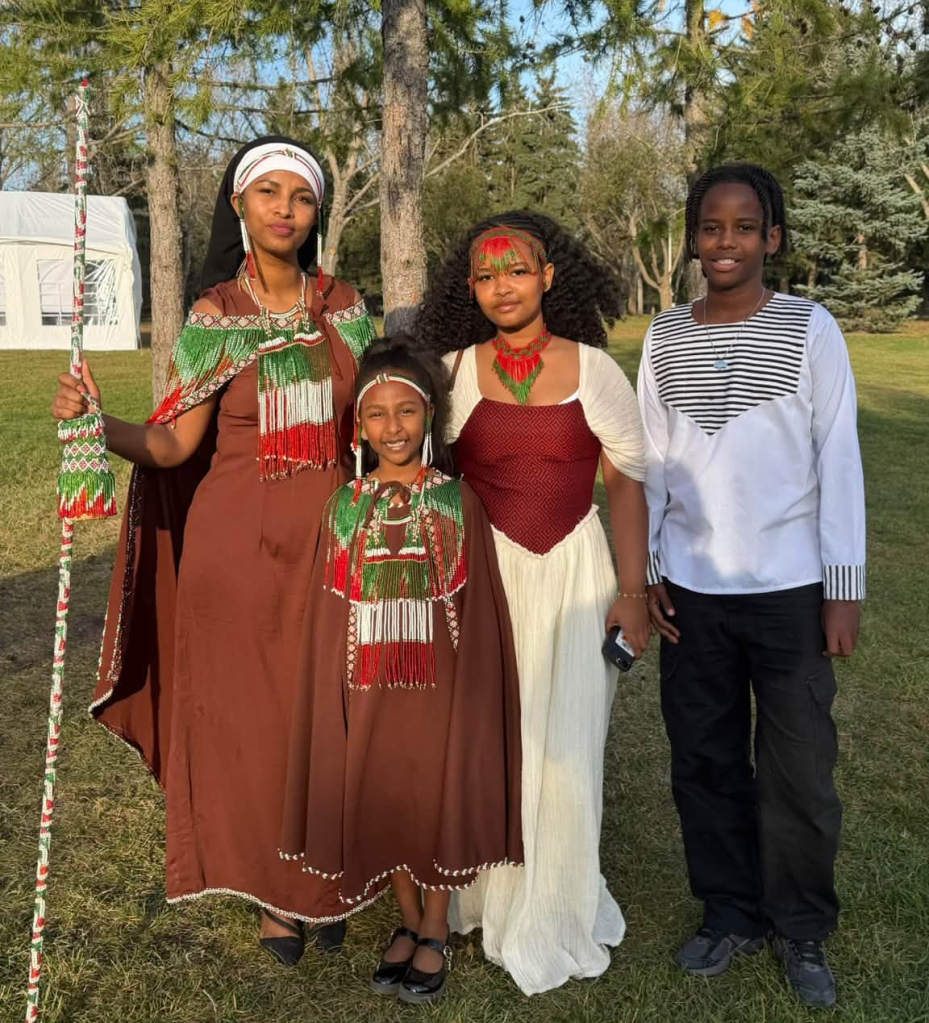
(ONA, Edmonton, 19 September 2026) The Oromo community in Edmonton, Canada, came together in joyous celebration of Irreecha Malkaa – Edmonton, honoring their cherished cultural festival with traditional attire, symbolic greenery, and messages of renewal, peace, and hope.
The celebration, held with great warmth and enthusiasm, saw community members adorned in beautifully decorated traditional Oromo clothing, proudly displaying the cultural heritage that binds them together across generations and continents. Participants carried fresh green grass and blooming flowers — the treasured symbols of Irreecha — bringing the essence of the ancestral festival to life in the heart of Canada.
A Message of Renewal and Growth
At the heart of the gathering was the exchange of heartfelt blessings marking the transition from the rainy season to spring. Community members greeted one another with the beloved Irreecha salutation:
“Baga bacaqii gannaa keessaa baatanii booqaa birraa geessan!” — congratulations on emerging from the rains and reaching the blossoming of spring — a message that carries profound meaning of renewal, resilience, and hope for growth and prosperity in the year ahead.
Prayers for Peace, Unity, and New Hope
Beyond the colorful attire and ceremonial symbols, participants shared prayers and good wishes for the community and the wider world:
“Irreechi nagaa, tokkummaa, galata, jaalalaafi abdii haaraa nuuf haa fidu,” they declared — may Irreecha bring us peace, unity, gratitude, love, and new hope.
The message resonated deeply among those gathered, reinforcing the festival’s enduring role as a source of spiritual strength and communal solidarity.
A Celebration of Oromo Identity in the Diaspora
The Edmonton celebration stands as part of a broader global observance of Irreecha by Oromo communities worldwide. Far from their homeland, diaspora communities continue to preserve and nurture their traditions, passing them to new generations and sharing the beauty of Oromo culture with the wider Canadian society.
The vibrant colors of the Oromo flag — green, red, and white — adorned the celebration, and the sounds of traditional songs and blessings echoed through the gathering, creating a space of belonging and pride for all who attended.
A Blessing for All Oromo People
As the celebration concluded, one message rang out clearly for Oromo people everywhere:
“Baga Ayyaana Irreechaa geessan! Happy Irreecha! May this season bring blessings and joy to all Oromo people.”
The Edmonton Irreecha Malkaa celebration was more than a festival — it was a reaffirmation of identity, a bridge between generations, and a testament to the enduring spirit of the Oromo people, united across borders by culture, faith, and hope.

Multicultural and Multifaith Victoria: A New Independent Voice for Diverse Communities
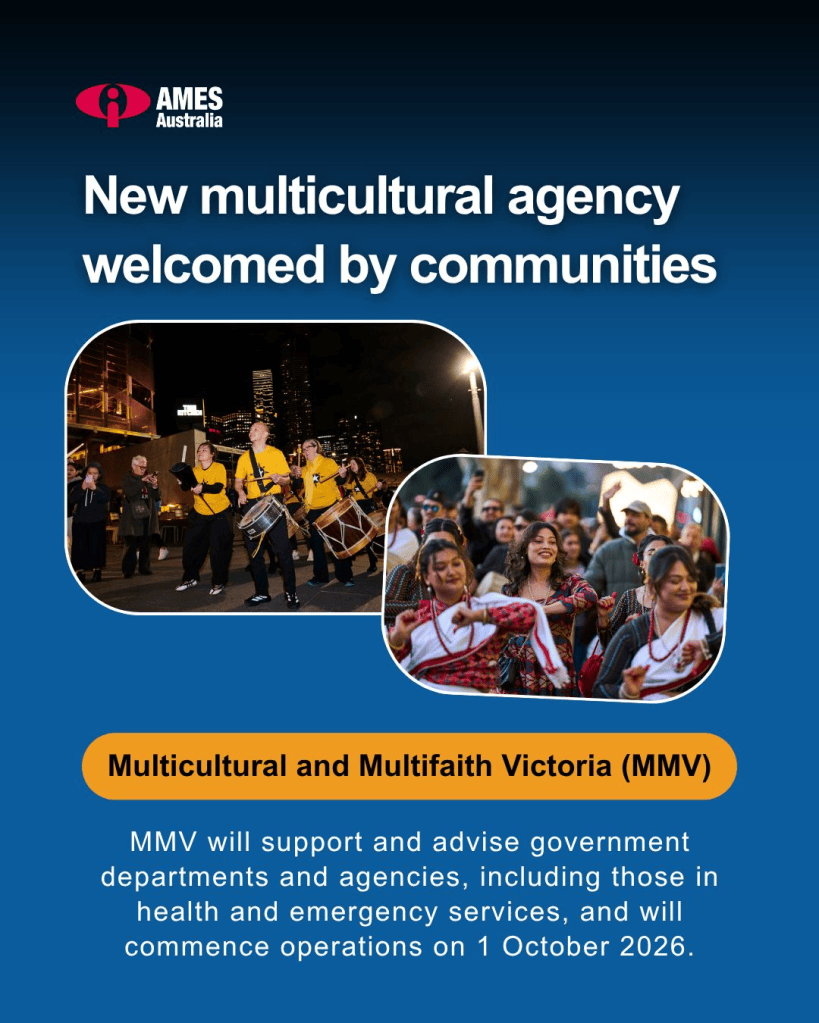
Victoria’s multicultural groups and communities have welcomed the creation of Multicultural and Multifaith Victoria, a new agency aimed at giving diverse communities a stronger voice in government, according to AMES Australia.
The government says the new agency will ensure diverse communities have an independent voice in government to influence policies and programs. Multicultural and Multifaith Victoria will support and advise government departments and agencies, including health and emergency services, and it will commence operations on 1 October 2026.
A Significant Step for Multicultural Victoria
The establishment of Multicultural and Multifaith Victoria marks a major development in how the Victorian Government engages with its diverse communities. For decades, multicultural communities have sought greater representation and a more direct channel to influence the decisions that affect their lives. This new agency is designed to be that channel.
The agency will serve as an independent body, providing advice and support to government departments and agencies across a range of portfolios. Its mandate includes ensuring that the needs and perspectives of multicultural and multifaith communities are considered in the development and delivery of policies and programs — particularly in critical areas such as health and emergency services.
What the Agency Will Do
Multicultural and Multifaith Victoria is expected to play a central role in:
- Advising government on policies and programs affecting diverse communities
- Ensuring independent representation for multicultural and multifaith voices within government
- Supporting government departments and agencies, including health and emergency services, to better serve diverse communities
- Strengthening community engagement and participation in civic life
By embedding these functions within a dedicated agency, the government aims to move beyond consultation toward genuine partnership with the communities it serves.
Commencing 1 October 2026
The agency will officially commence operations on 1 October 2026, a date that marks the beginning of a new chapter in Victoria’s approach to multicultural affairs. Communities and stakeholders are encouraged to stay informed as the agency takes shape and begins its work.
A Welcome Development
The creation of Multicultural and Multifaith Victoria has been welcomed by Victoria’s multicultural groups and communities, who see it as a positive step toward greater inclusion and representation. AMES Australia, a longstanding advocate for multicultural communities, has highlighted the significance of this development.
For communities that have long called for a stronger voice in government, the new agency represents both recognition and opportunity — a chance to shape the policies and programs that impact their daily lives.
Looking Ahead
As Victoria continues to grow as one of the world’s most diverse societies, the establishment of Multicultural and Multifaith Victoria signals a commitment to ensuring that diversity is not only celebrated but actively represented in the corridors of power.
The agency’s success will ultimately be measured by how well it amplifies community voices, influences meaningful change, and helps build a Victoria where every community feels seen, heard, and valued.
To read more about Multicultural and Multifaith Victoria, visit the link shared by AMES Australia.
#AMES #AMESAustralia #Victoria #MMV #VictorianGovernment