Toki Be’a: The Dawro Nation’s Ancient Festival of Reconciliation, Forgiveness, and Hope
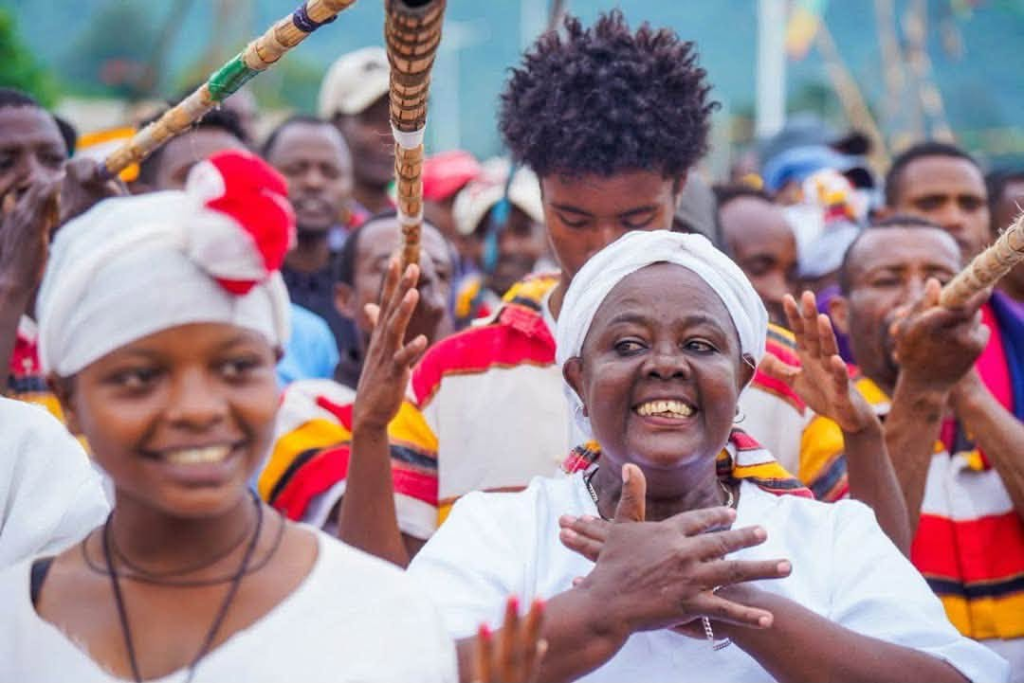
In the southwest of Ethiopia, as the rainy season draws to a close and the constellations begin their silent, celestial dance, a profound transformation occurs. The land, once drenched and dark, prepares for a new dawn. This is the season of renewal, a time when the Dawro people, keepers of an ancient and vibrant heritage, celebrate their most sacred tradition: Toki Be’a.
More than just a new year’s celebration, Toki Be’a is a profound cultural institution—a time for mending broken bonds, offering forgiveness, and embracing a future filled with hope. It is a festival that harmoniously weaves together spirituality, community, and the natural world.
A People of the Stars: The Calendar of the Ancestors
The Dawro nation is a community with a unique history, possessing its own indigenous governance system, complete with a “Kati” (a traditional king or chief) and a distinct calendar. This ancient calendar is not a rigid, mathematically fixed system. Instead, it is a living wisdom passed down through generations.
The date of Toki Be’a is not arbitrarily chosen. It is determined by the “cultural fathers”—wise elders who are master observers of the natural world. They meticulously study the movements of the stars, the moon, and the sun. They read the changing weather patterns and note the subtle transformations in local plant life. This profound understanding of astronomy and ecology allows them to pinpoint the exact day when the old season ends and the new one begins. It is a testament to a sophisticated indigenous knowledge system that has sustained the community for centuries.
When the final harvest is gathered and the fields lie fallow, the community knows it is time to give thanks to their Creator and prepare for the festival.
The Heart of the Festival: Reconciliation and Renewal
The true beauty of Toki Be’a lies in its powerful social values. It is, first and foremost, a festival of peace.
In the days leading up to the celebration, a remarkable process unfolds. Deep-seated grievances, old quarrels, and misunderstandings that have divided families, neighbors, and clans are brought before community elders. In a spirit of justice and compassion, these elders facilitate a process of reconciliation. Grudges are released, apologies are offered, and forgiveness is granted. It is a time when long-estranged family members are reunited at a shared table, and the community is knit back together as one.
This makes Toki Be’a a deeply emotional and transformative experience. It is a time when the weight of the past is lifted, and the community collectively chooses to move forward in unity and hope.
A Feast for All: Culture, Charity, and Nature’s Care
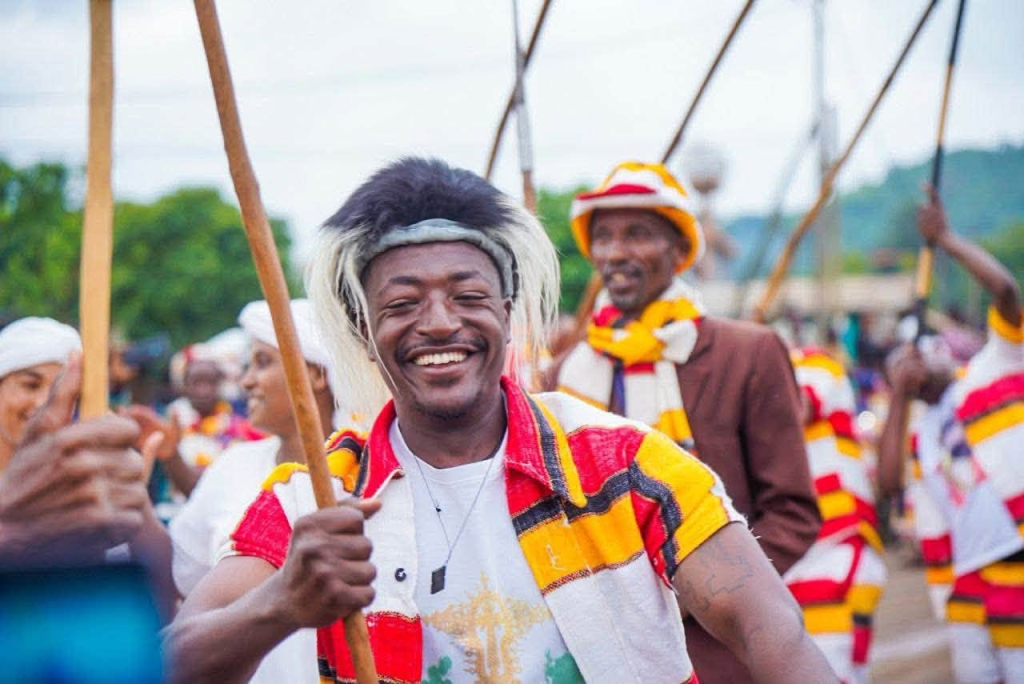
The celebration itself is a vibrant spectacle of Dawro culture. The air fills with the aroma of traditional feasts prepared with bula (false banana), qocho, and butter. People adorn themselves in their most beautiful cotton garments, complemented by intricate hand and neck ornaments. The occasion is brought to life with special Toki Be’a songs, whose melodies have been passed down through the ages, carrying the stories and wisdom of the ancestors.
The spirit of generosity is central to the celebration. Those who have are expected to share with those who have not, reinforcing the community’s strong social bonds.
What makes Toki Be’a truly unique is its deep respect for all living things. On the day of the festival, the community extends its care to animals. Domestic animals are given special, nourishing feed to ensure they are full and content. This act symbolizes the interconnectedness of human well-being with the health of the natural world.

A Beacon for the Future
Toki Be’a is a magnificent testament to the rich cultural tapestry of Ethiopia. It represents a powerful, indigenous model of conflict resolution, social cohesion, and environmental stewardship.
Beyond its profound cultural and spiritual significance, the festival holds immense potential for cultural tourism. It has the power to attract visitors from around the world, eager to witness its unique ceremonies and learn from its ancient wisdom. Moreover, the seasonal gathering stimulates local trade and agricultural activity, providing an economic boost to the community.
In essence, Toki Be’a is the Dawro people’s magnificent connection between humanity, nature, and the cosmos. As the stars align and a new season begins, this ancient festival reminds the world that true renewal comes not just from the changing of the seasons, but from the strength of our communities, the depth of our forgiveness, and the power of our shared hope.

—
About the Author: This article is adapted from a feature by Sisay Debebe, highlighting the invaluable cultural heritage of Ethiopia’s Dawro nation.

Posted on September 1, 2026, in Aadaa, Afaan, Events, freedom, gadaa, health, Kindness, Language, News. Bookmark the permalink. Leave a comment.






Leave a comment
Comments 0