The Forgotten Treasure: Why Illu Abba Boora Deserves to Be Seen
In southwestern Ethiopia lies a land rich in history, culture, and natural beauty—yet for decades, it has remained on the margins of national attention. Illu Abba Boora Zone is a place that has given so much to its communities, to the Oromia region, and to Ethiopia as a whole, but has received far too little in return.
A Land of Exceptional People
Illu Abba Boora has produced some of the most influential figures in Oromo and Ethiopian history. Among its distinguished sons and daughters are:
- Lifa Abba Jorga (Mettu)
- Onesimos Nasib or Hika Awaj (Hurumu) — also known as “The Father of Oromo Literature”
- Abba Gadaa Chali Shono or Abba Bora (Yayo)
- Writer Baalu Girma (Alge Sachi)
- Colonel Goshu Wolde (Gore)
- Captain Solomon Gizaw (Gore)
- Yasin Mohammed Rufo (Mettu)
- Itefa Gobena Molte (Mettu)
- Dr. Dima Negewo (Gore)
- Professor Jemal Abdulkedir (Gore)
- Kuma Demeksa (Bure)
- Zeleke Gesesse (Gore)
- Dr. Mekonnen Dinko Ejjerso
- Melba Biftu and Fetense Illu, among others
These are not merely names. They are architects of Oromo identity, contributors to Ethiopian letters and politics, and leaders whose impact reverberates far beyond their birthplace.
And yet, we must ask ourselves honestly: What have we done with these legacies? Have we mobilized their stories to shape public opinion and narrative about the Oromo people and Oromia? Have we honored them in ways that inspire new generations? The uncomfortable answer is that we have not done enough.
The Uncelebrated Victory of Sambe
Perhaps the most glaring omission in Ethiopia’s collective memory is the Battle of Sambe—also known as the Victory of Sambe.
When Italian forces, equipped with modern weaponry, attempted to invade Ethiopia through western Ethiopia, Ethiopian patriots made their stand in Illu Abba Boora, around Gore—which briefly served as the temporary capital of Ethiopia. With strategic support from local heroes, the patriots destroyed a 12-meter-high bridge over the Qeber River, cutting off the Italian army’s entry and exit routes. Trapped and defeated at Sambe Mountain, the enemy was routed.
This was a pivotal moment in Ethiopia’s anti-fascist resistance. And yet:
- It is barely known.
- It is rarely spoken of.
- It has not been commercialized.
- It has not been sung about.
- It has not been commemorated.
- It has not received national recognition.
- No monument stands in its honor.
The Victory of Sambe deserves rigorous research, publication, and celebration. It belongs in textbooks, in national commemorations, and in the broader story of Ethiopia’s independence. This is not merely a regional issue—it is a national gap in historical memory.
Natural Wealth Without Development
Illu Abba Boora is endowed with remarkable natural assets:
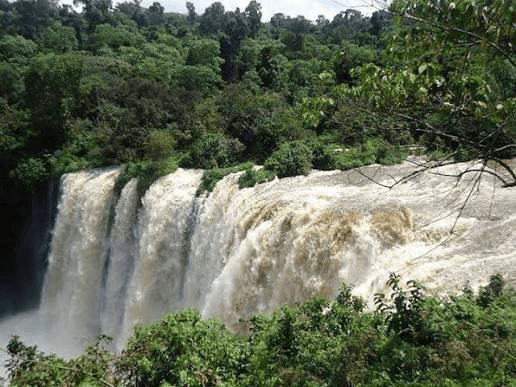
- Soor Waterfall
- Becho Waterfall
- Yayo Forest — a UNESCO Biosphere Reserve and World Heritage Site since 2010
- Wild Arabica coffee forests — a globally significant genetic treasure
- Mineral resources including coal
These are not minor endowments. They represent potential engines of tourism, business, and employment. Yet they remain unknown, unpopular, underdeveloped, and therefore unutilized.
The same is true of the zone’s biodiversity, historical sites, cultural heritage, and human capital. They have not received the attention they merit. They have not been properly studied, managed, or leveraged for the benefit of the people.
A Stable Zone Left Behind
Here is the paradox: Illu Abba Boora is widely regarded as one of the more peaceful and stable zones in Oromia. And yet, stability has not translated into investment. The zone remains, in many ways, a neglected periphery—far from the center of attention, resources, and opportunity.
The people of Illu Abba Boora deserve better. They deserve:
- Coordinated, accountable leadership
- Rapid, comprehensive, and broad-based development
- Partnership from government, investors, regional authorities, zone and district administrations, and city leaders
A Beginning, Not an End
There are encouraging signs. Recent initiatives to promote the zone’s natural, historical, and cultural attractions—including guided tours and infrastructure improvements—are welcome. But they are only a beginning.
This is a call to action:
- Research and publish the history of the Victory of Sambe.
- Commemorate the battle with monuments, annual events, and national recognition.
- Develop and package Illu Abba Boora’s natural and cultural assets into sustainable tourism and business opportunities.
- Honor the zone’s exceptional figures in schools, public narratives, and national memory.
- Invest in a stable region that has waited far too long for its share of development.
Illu Abba Boora does not need to be discovered. Its value has always been there. What it needs is to be seen, respected, and invested in.
As we celebrate Irreecha and Oromia Tourism Week, let us remember the forgotten heroes, the uncelebrated victories, and the untapped beauty of Illu Abba Boora. The time to act is now.

Posted on September 30, 2026, in Aadaa, Afaan, Diaspora, Events, Finfinne, freedom, gadaa, health, Information, Irreechaa, Kindness, Language, Media, News, Oromia, Oromo diaspora. Bookmark the permalink. Leave a comment.






Leave a comment
Comments 0