Category Archives: Election

In the Shadow of Conflict: What Reports Say About Civilian Suffering in Oromia
By Daandii Ragabaa
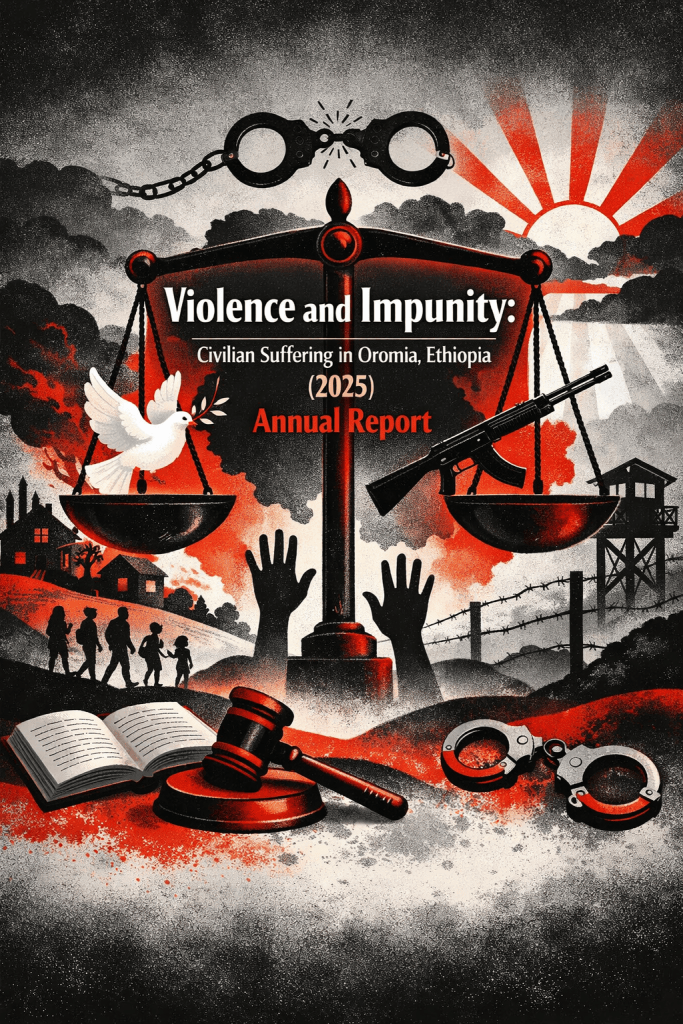
For years, the Oromia region of Ethiopia has been the site of an armed conflict that has largely unfolded outside the international spotlight. While the world’s attention has often focused elsewhere, human rights organizations, UN bodies, and advocacy groups have documented a pattern of violence affecting civilians—perpetrated by both government forces and armed opposition groups.
This is not a story of a single narrative. It is a story of competing accounts, documented abuses, and a civilian population caught in between.
A Conflict With Many Actors
Fighting between the Ethiopian National Defense Forces (ENDF), allied regional security forces, and the Oromo Liberation Army (OLA) erupted in 2019 and continues to take a heavy toll on civilians . Human Rights Watch’s World Report 2026 noted that fighting in parts of Oromia “resulted in civilian casualties and displacement,” with over 11,000 people displaced in late May alone due to violence in border areas .
In February 2026, twenty international and regional human rights organizations warned that Ethiopia was “on the brink” of renewed large-scale conflict, citing reports of extrajudicial killings, mass arrests, property destruction, forced conscription, and collective punishment of civilians in Oromia. They stressed that limited humanitarian access and the absence of independent monitoring have entrenched cycles of violence .
Documented Abuses
By OLA fighters: Amnesty International’s March 2026 briefing documented rape, gang rape, sexual slavery, summary killings, and destruction of civilian property by OLA fighters in Sayo and Anfillo districts of Kellem Wallaga zone between 2020 and 2024. The organization interviewed 10 survivors of gang rape, seven of whom were under 18 at the time. Five had also been subjected to sexual slavery. Amnesty stated these abuses “may amount to war crimes” .
One survivor, identified as Sebontu, described being held for three weeks with her mother, hands tied to a tree: “They used to rape us every day, twice a day… They used to tell me, ‘You will die. You will never return home'” .
By government forces: A written statement submitted to the UN Human Rights Council by the Oromia Support Group in Australia, a NGO in special consultative status, alleged that national defense forces have used drones and heavy artillery in attacks on villages, that villages in areas where the OLA is active have been burned, and that government forces have targeted young men known as the Qerroo generation. The group claimed to have recorded 7,340 Oromo civilian killings since the end of 2018, including 1,064 since the beginning of 2025 . These figures could not be independently verified.
Attacks on religious communities: In October 2026, armed men attacked Orthodox Christian civilians in Oromia, killing at least 60 people and burning homes, according to a synod spokesperson. The regional government blamed the OLA .
A Pattern of Silence
Multiple sources point to a common concern: the conflict in Oromia has received far less international attention than the war in Tigray, despite Oromia being Ethiopia’s largest and most populous region.
Amnesty International’s Regional Director for East and Southern Africa, Tigere Chagutah, stated: “For seven years, under the cover of darkness caused by a communication and media blackout, fighters in the Oromia region have caused immense suffering on civilians” .
The Oromia Support Group’s statement to the UN noted that “poor access and communication hinder data collection,” particularly in Guji and Borana zones . The joint letter from 20 organizations warned that “shrinking civic space, restrictions on independent reporting, and the termination of accountability mechanisms are obscuring the scale of violations” .
Competing Narratives
The Ethiopian government rejects characterizations of the conflict as one-sided oppression. In a November 2026 interview with Oromia Broadcasting Network, Prime Minister Abiy Ahmed described armed groups in Oromia as lacking “any real political vision, operating instead with the sole purpose of killing innocent civilians and looting.” He stated that “thousands of militants are laying down their weapons every day” and reaffirmed that the door for peace remains open .
These competing accounts—of government counterinsurgency and armed resistance, of victims on multiple sides—make independent verification difficult and underscore the complexity of the situation.
What Remains Undeniable
What credible sources agree on is that civilians are suffering. Whether through direct violence, displacement, sexual violence, or the destruction of homes and livelihoods, the people of Oromia bear the heaviest burden of a conflict that shows few signs of resolution.
Amnesty International has called on Ethiopian authorities to investigate atrocities and on the OLA to “immediately issue an order to all its fighters to respect international humanitarian law” . The joint letter from 20 organizations urged the UN Security Council and Human Rights Council to prioritize scrutiny of developments in Ethiopia and to press for independent monitoring and accountability .
For the civilians caught in the middle, these calls have yet to translate into safety.
Note on sources: This article draws on documentation from Amnesty International, Human Rights Watch, a UN Human Rights Council written statement, and reporting from Addis Standard and other outlets. Where claims originate from advocacy organizations, this has been noted. The situation in Oromia is contested, and readers should consult the original sources for full context.

Irreecha Malkaa Soor Celebrated for the 20th Time
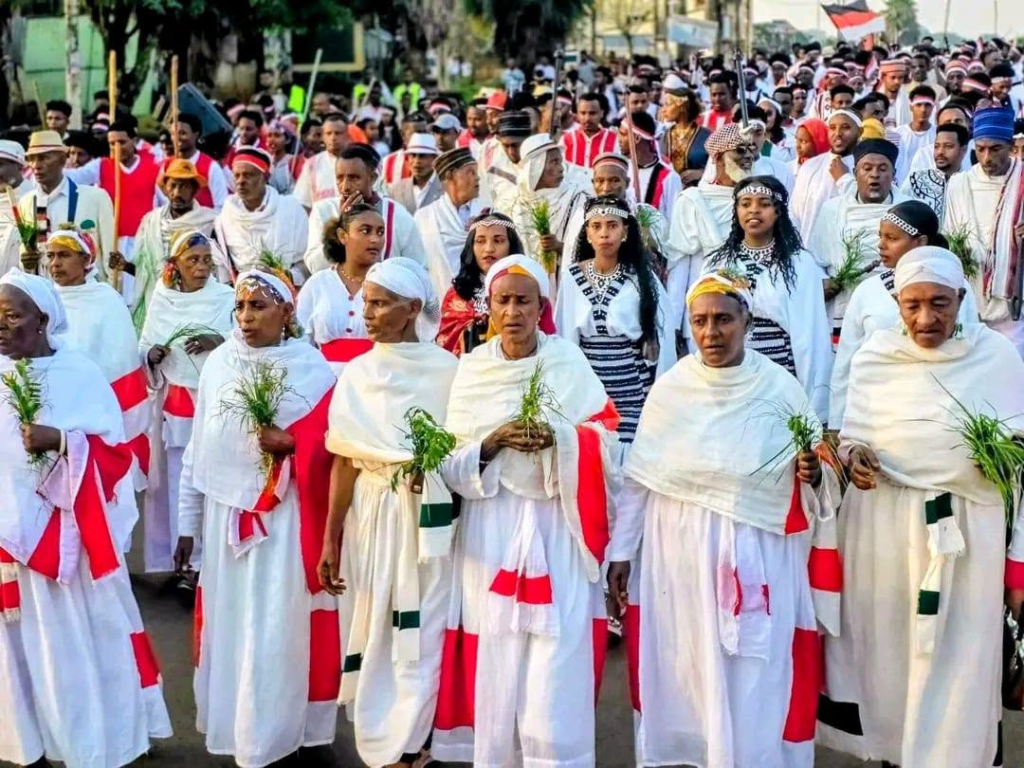
Annual Thanksgiving Festival Brings Together Gadaa Leaders, Haadha Siinqee, Youth, and Community Members
By Dhabessa Wakjira
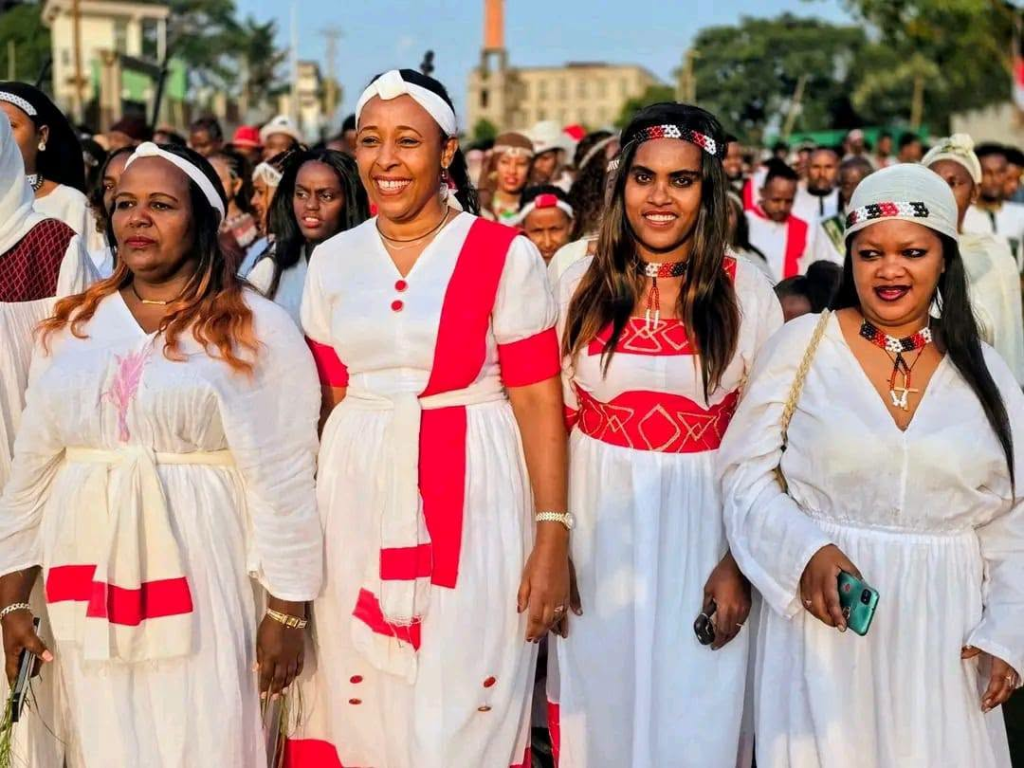
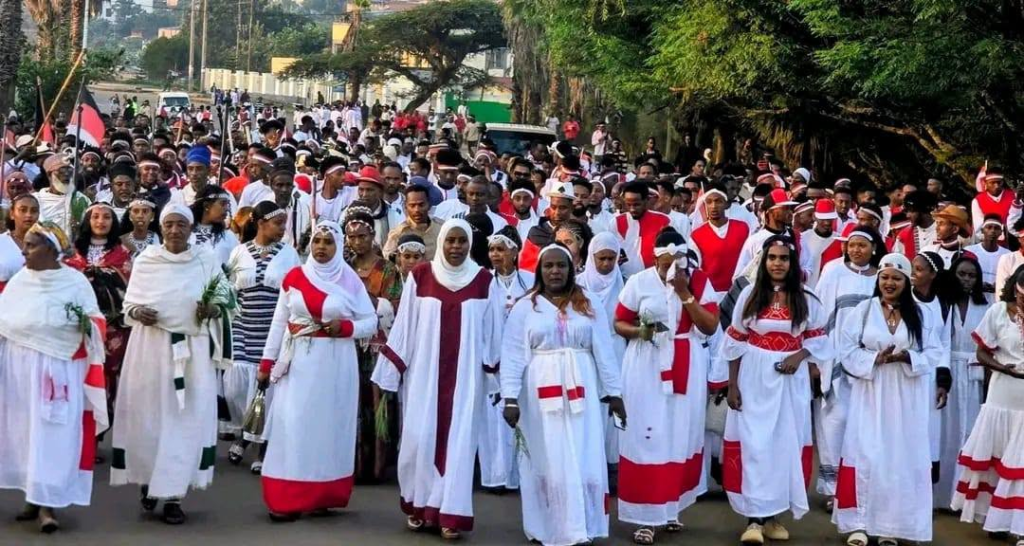
The Irreecha Malkaa Soor festival is being celebrated this year for the 20th time, marking two decades of this cherished annual tradition. The festival, held every year in the month of November, has once again brought together a diverse gathering of community members in a vibrant display of Oromo culture, faith, and unity.
A Festival Rooted in Tradition
Irreecha Malkaa Soor is an annual Thanksgiving celebration that holds deep significance for the Oromo people. Held in the month of November each year, the festival serves as a time for the community to come together, offer thanks, and reaffirm their cultural identity and spiritual heritage.
This year’s celebration carries special meaning as it marks the 20th iteration of the festival — a milestone that speaks to the enduring commitment of the community to preserving and honoring its traditions.
A Gathering of Community Leaders and Members
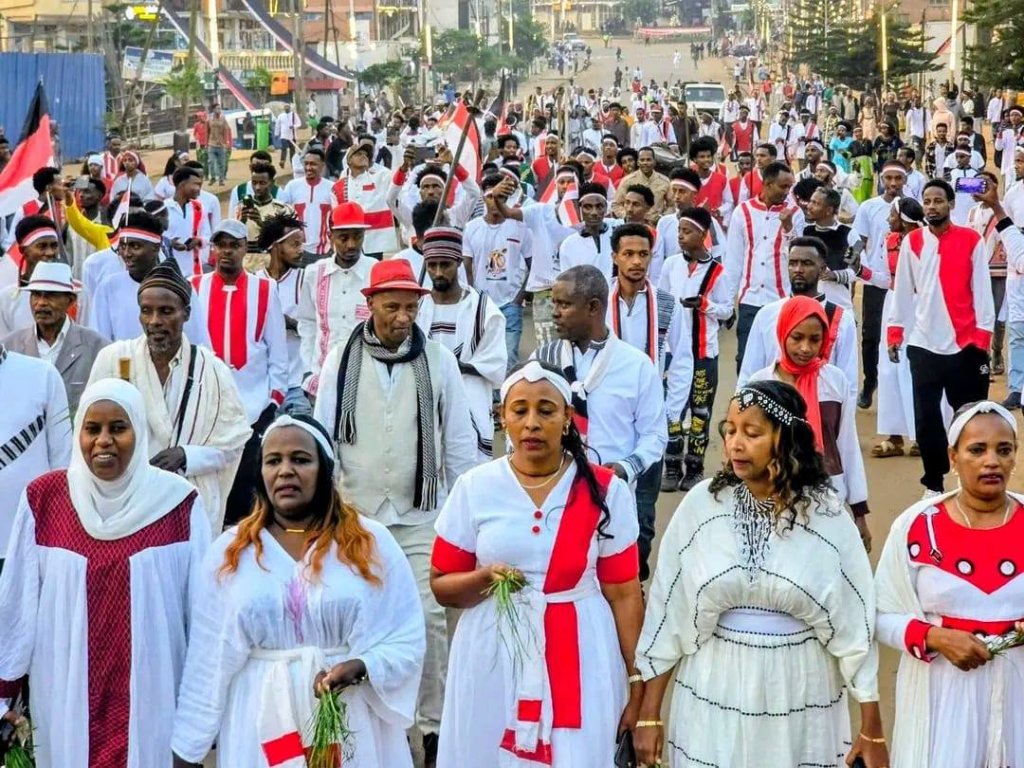
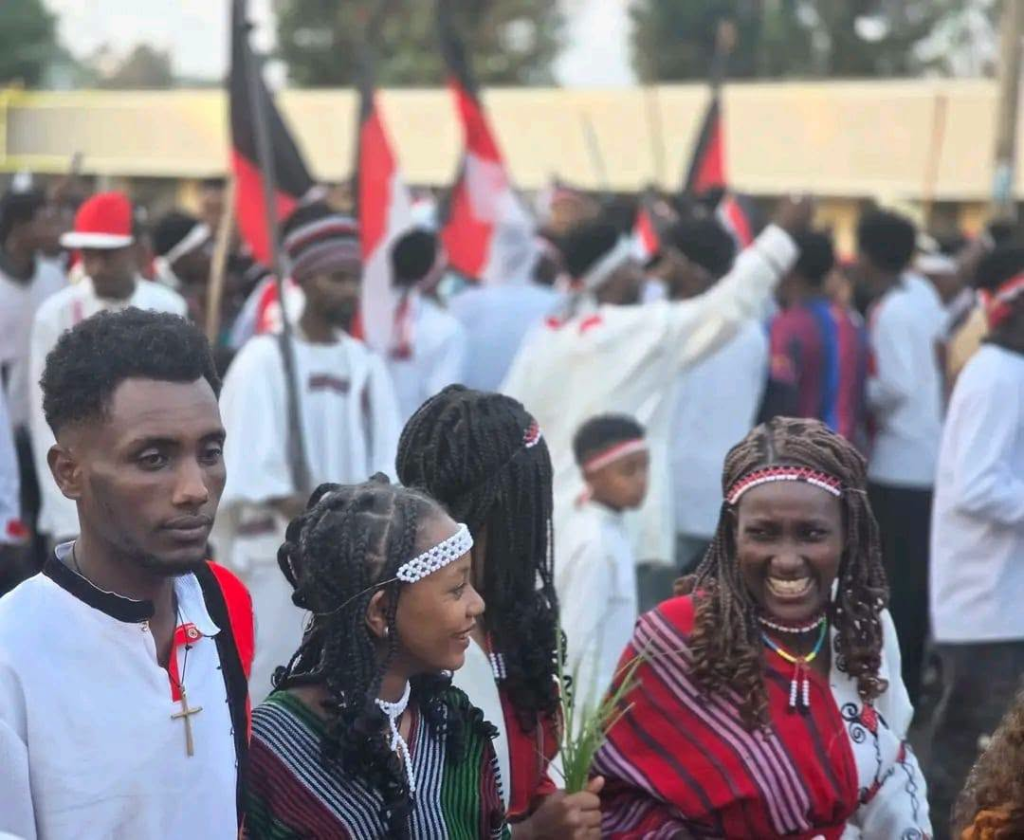
The 20th Irreecha Malkaa Soor celebration has drawn a wide cross-section of the community, with participants including Abootii Gadaa (Gadaa leaders), Haadholii Siinqee (Siinqee women leaders), Dargaggoota (youth), shamarran (young women), and members of various community organizations.
The presence of these diverse groups reflects the inclusive and unifying nature of the festival. From elders who carry the wisdom of generations to young people who represent the future, the celebration brings together all segments of society in a shared expression of gratitude and cultural pride.
A Celebration of Unity and Identity
The gathering of Gadaa leaders, Siinqee women, youth, and community organizations at Irreecha Malkaa Soor highlights the festival’s role in fostering unity and strengthening the social fabric of the community. It is a time when differences are set aside and the shared bonds of culture, faith, and heritage take center stage.
For the Oromo people, Irreecha is more than a festival — it is a living expression of their identity, a time to give thanks to the Creator, and an opportunity to pass on traditions to the next generation.
Marking Two Decades of Celebration
As the community celebrates the 20th Irreecha Malkaa Soor, there is a sense of pride in how the festival has grown and endured over the years. What began as a local tradition has become a significant annual event that draws participants from across the community and beyond.
The milestone serves as a reminder of the importance of preserving cultural heritage and ensuring that traditions continue to thrive for generations to come. It is a testament to the resilience and dedication of the community in keeping its cultural practices alive.
Looking to the Future
As this year’s celebration unfolds, participants are not only giving thanks for the blessings of the past year but also looking forward with hope and determination. The Irreecha Malkaa Soor festival represents a commitment to cultural continuity — a promise that the traditions of the Oromo people will continue to be celebrated, honored, and passed down.
The 20th celebration is both a culmination of two decades of devotion and a foundation for many more years of thanksgiving, unity, and cultural pride.

Karrayyuu Gadaa Council Prepares to Conduct Gur’ura Ceremony
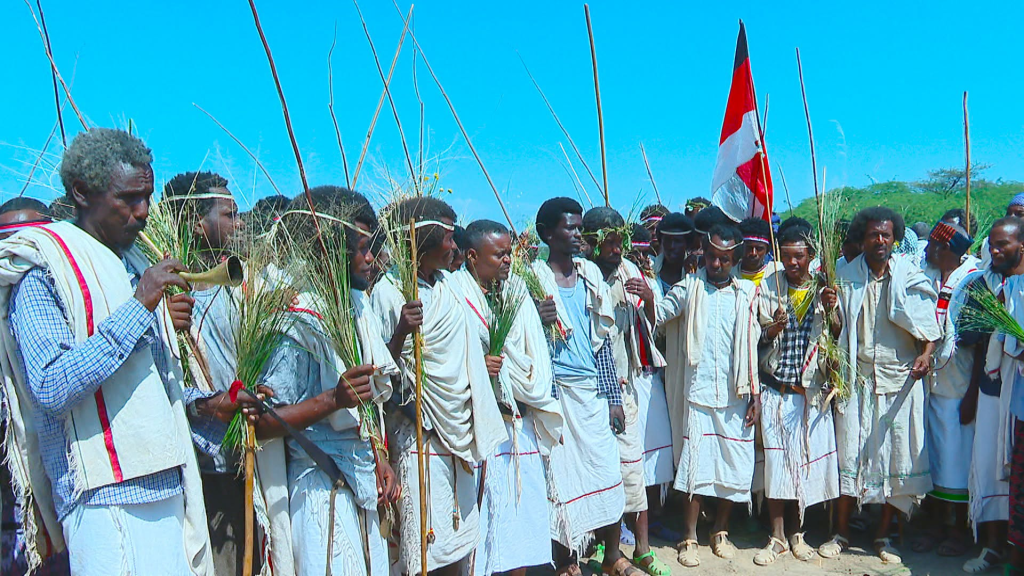
Traditional Power Transition Set to Take Place in Ardaa Jilaa Tarree Daandootti
By OBN Cyber Media | November 19, 2019
The Karrayyuu Gadaa Council has announced that preparations are underway to conduct the Gur’ura ceremony in the Dullachaa district of Ardaa Jilaa Tarree Daandootti, according to a statement released by Gabalaan Gadaa Michillee Dullachaa.
The announcement marks a significant moment in the community’s traditional governance system, as the council prepares to formally hand over authority in accordance with Gadaa customs and traditions.
Two Years of Leadership Training
For the past two years, the Gadaa Council of Michillee has been training members of the Halchiisaa and Buttaa Gadaa classes, providing them with the necessary knowledge and preparation to assume leadership responsibilities. The training, known as “qalee Goobaa,” has equipped the incoming leaders with the skills and understanding required to govern according to the Gadaa system.
Upon completion of their training, the Michillee Gadaa Council will formally transfer authority to the newly trained Halchiisaa class, marking the end of their own term of leadership. This transition of power is a cornerstone of the Gadaa system, ensuring that governance remains fresh, accountable, and grounded in the community’s traditions.
What is Gur’ura?
The ceremony of transferring power from one Gadaa class to another is known as “Gur’ura.” The term “Gur’ura” derives from the Oromo phrase “Gurra Urachuu,” which signifies the act of passing on responsibility and authority. It serves as a powerful symbol of an individual who has successfully fulfilled their leadership role and is now handing over the reins to the next generation of leaders.
The Gur’ura ceremony is more than just a transfer of power — it is a celebration of the community’s commitment to the Gadaa system and its values of democracy, accountability, and collective responsibility. It represents the continuity of a governance tradition that has sustained the Oromo people for centuries.
The Structure of Karrayyuu Gadaa
The Karrayyuu community is organized into two main branches: Dullachaa and Baasoo. The Gabalaan Dullachaa, also known as the Tuuti Gadaa Michillee, is responsible for leading the Gur’ura ceremony for the Dullachaa branch. According to tradition, the Ardaa Jilaa Tarree Dandoo will perform the necessary rituals and ceremonies after a period of seven years and two months.
This structured system of governance ensures that power is shared and rotated among different classes, preventing any single group from holding authority indefinitely. It is a testament to the wisdom of the Gadaa system, which has long been recognized as one of Africa’s oldest democratic governance structures.
A Community Preparing for Transition
As preparations for the Gur’ura ceremony continue, community members are reflecting on the significance of this moment. The transition represents not only a change in leadership but also a renewal of the community’s commitment to its traditions and values.
The incoming Halchiisaa class, having completed their training under the guidance of the Michillee Gadaa Council, is now prepared to take on the responsibilities of leadership. They will be expected to uphold the principles of the Gadaa system, serving the community with integrity, wisdom, and dedication.
Looking Ahead
The Gur’ura ceremony will be a time of celebration, reflection, and renewal for the Karrayyuu community. It will bring together elders, community leaders, and ordinary members to witness the peaceful transfer of power and to reaffirm their commitment to the Gadaa system.
As the community prepares for this important event, there is a sense of pride and anticipation. The Gur’ura ceremony is not just a ritual — it is a living expression of the community’s identity, values, and enduring traditions.
— Reported by Magarsaa Kabbaatii for OBN Cyber Media

“We Came to Ob Hayile’s Home Today and Offered Our Encouragement”: Oromo Community Gathers in Solidarity Under Advocacy for Oromia Program
By Dhabessa Wakjira
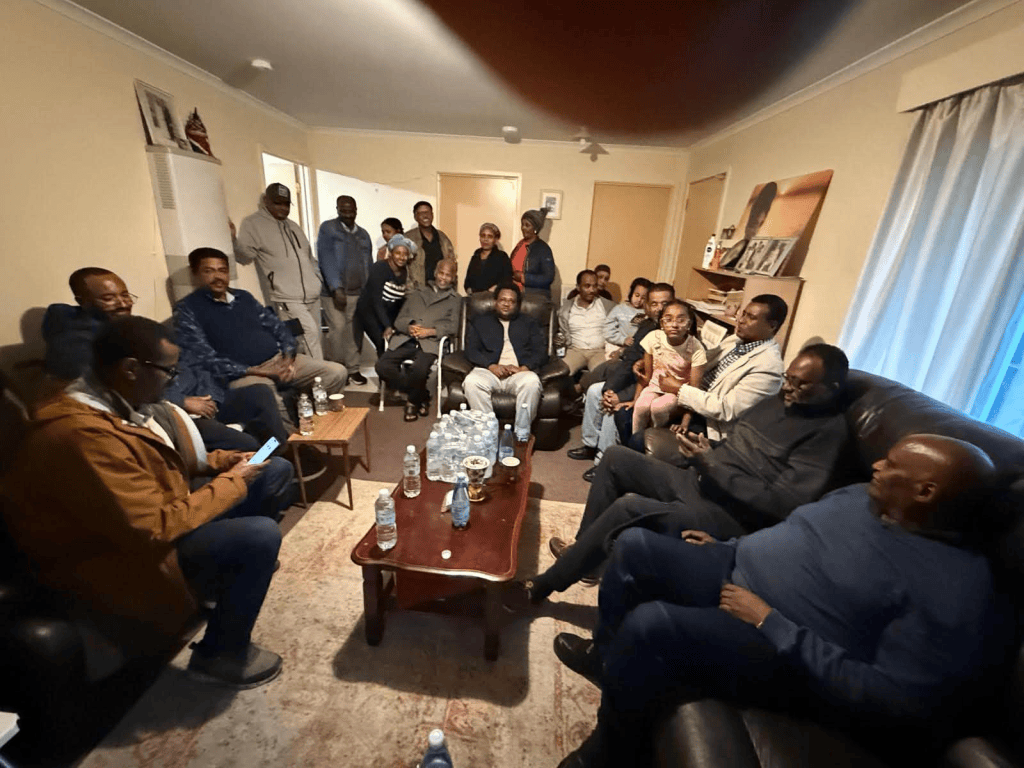
(Melbourne, 28 November 2026)-In a heartfelt show of community spirit, members of the Oromo community came together today at the home of Ob Hayile, where they offered him encouragement, moral support, and a renewed sense of hope. The gathering, organized by Advocacy for Oromia, underscored the importance of unity and mutual upliftment within the community.
The program brought together community members who arrived at Ob Hayile’s residence to stand by his side and demonstrate the strength of collective solidarity. According to participants, the visit was more than a courtesy call — it was a deliberate act of encouragement designed to remind Ob Hayile that he is not alone and that the community stands with him.
“Today we came to Ob Hayile’s home and offered our encouragement,” one attendee said, reflecting on the day’s significance. “Being here together, showing our support, and lifting each other up — that is what community means.”
Organizers from Advocacy for Oromia emphasized that such gatherings are essential for fostering unity and mutual encouragement among community members. The program was structured to create a space where people could connect, share words of support, and reinforce the bonds that hold the community together.
“Programs like this are what make the community stand together and encourage one another,” organizers noted, highlighting the role of shared spaces in building resilience and solidarity. The event was described as part of a broader effort to ensure that community members feel seen, valued, and supported.
A particularly poignant theme of the day was the importance of genuine connection — the kind that leaves a lasting impression. Participants spoke about how such gatherings help create meaningful experiences that resonate long after the event has ended. As one attendee put it, the day was designed to be genuinely uplifting, ensuring that the encouragement offered felt real and heartfelt rather than merely ceremonial.
The visit to Ob Hayile’s home was marked by warmth, conversation, and a shared sense of purpose. Community members expressed optimism about the future, noting that coming together in this way strengthens the fabric of the community and builds a foundation for continued mutual support.
For Ob Hayile, the gathering was a source of renewed hope and encouragement. The presence of so many community members at his home served as a powerful reminder that solidarity is not just an abstract idea but a lived practice — one that shows up at the door, sits together, and says, “We are with you.”
As the event concluded, participants left with a sense of fulfillment and renewed commitment to standing together. The message was clear: when the community unites in genuine support of one another, the result is encouragement that truly matters — the kind that is felt deeply and remembered long after.
— This story was compiled based on community reports.

From Backbencher to History-Maker: Jess Wilson’s Rapid Rise to Victoria’s Top Job
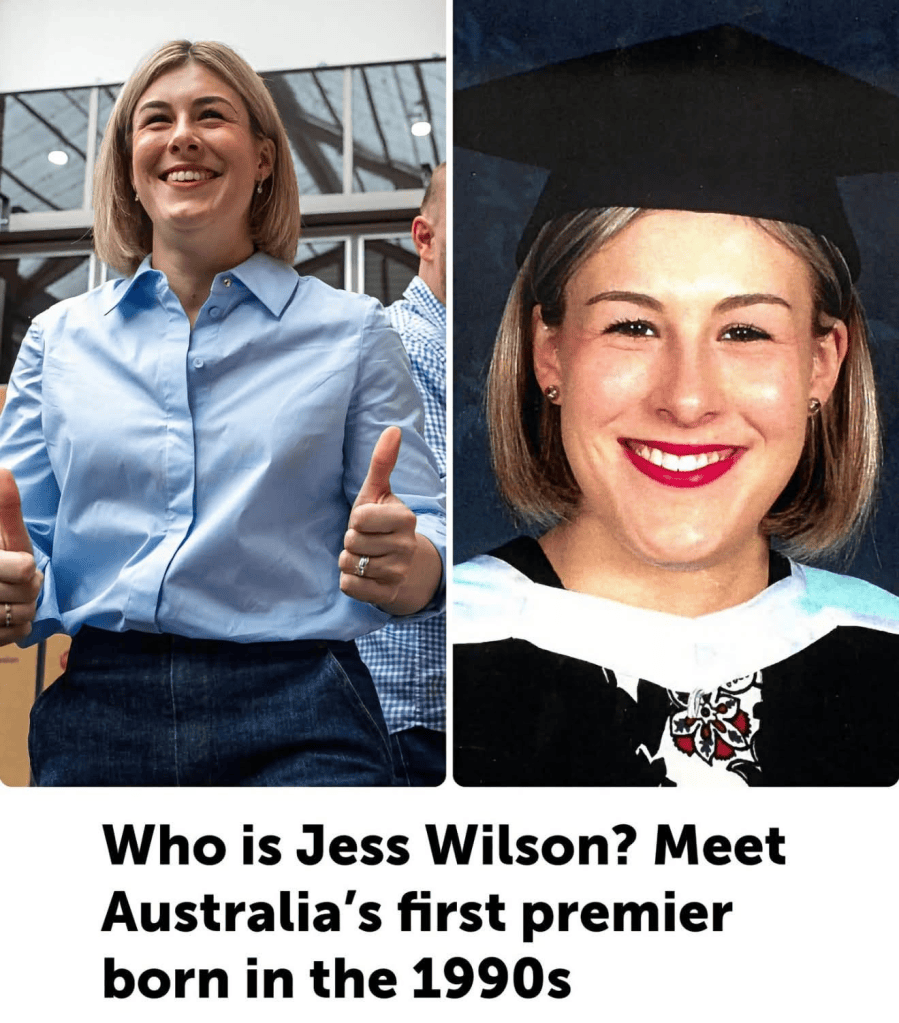
MELBOURNE — A decade ago, Jess Wilson was a young lawyer leading the Victorian Young Liberals, far from the glare of the state’s highest office. Today, she stands as Victoria’s 36-year-old Premier — the youngest leader of the state in more than 150 years and a woman who has rewritten the political record books in a single election night.
Wilson’s victory is a study in both personal achievement and political timing. She is the first woman to lead a party to victory in a Victorian state election as premier, the Victorian Liberal Party’s first-ever female premier, and the leader who ended 12 years of Labor government. For a state that has long prided itself on progressive credentials, the result marks a striking pivot.
A Career Built on Law and Strategy
Wilson’s path to the top was not the product of a single breakthrough moment but of steady, deliberate steps. She studied Law, Politics and History at Monash University before embarking on a legal career. She later worked at KPMG and served as an adviser to former Federal Treasurer Josh Frydenberg — experiences that gave her a grounding in both the private sector and the machinery of government.
In 2016, she was leading the Victorian Young Liberals. A decade later, she is leading Victoria. The trajectory is remarkable not only for its speed but for its breadth: lawyer, corporate adviser, political staffer, party activist, and now premier.
The Personal Behind the Political
Behind the title and the history-making headlines, Wilson is also a wife and a mother to a two-year-old son — a detail that resonates in a state where work-life balance and the cost of raising a family are front-of-mind for many voters.
Her campaign was built around a simple, uncluttered message: “A fresh start for Victoria.”
It was a slogan that tapped into a widespread appetite for change after more than a decade of Labor rule. For voters weary of rising debt, stretched household budgets, and concerns over infrastructure and community safety, the promise of a new direction proved persuasive.
The Business Lens
For business owners and investors, the change of government raises immediate questions. Victoria’s debt levels, housing affordability, infrastructure delivery, business confidence, and cost of living were central issues in the campaign — and they will be the yardsticks by which the new premier is judged.
Winning an election is an achievement. Delivering on promises is the real test of leadership. Victoria needs financial discipline, economic growth, investment, safer communities, and — most importantly — a government that listens to its people. Wilson’s early moves will be scrutinized as closely as her campaign was.
The Weight of History
Wilson’s victory carries symbolic weight beyond policy. She is the first woman to lead the Victorian Liberal Party and the first to take it to victory as premier — milestones that will be noted far beyond Victoria’s borders.
But the opportunity to make history has now become the responsibility to shape Victoria’s future. A new leader. A new chapter. A fresh start. The next four years will determine whether the slogan becomes a legacy.
For now, Victoria has its youngest premier in over a century, a fresh face at the helm, and a state watching closely to see what comes next.
Congratulations, Jess Wilson. Let’s see what the next four years bring for Victoria.

“Don’t Let Them Win”: A Powerful Call for Shared Humanity and Connection
Feature Article
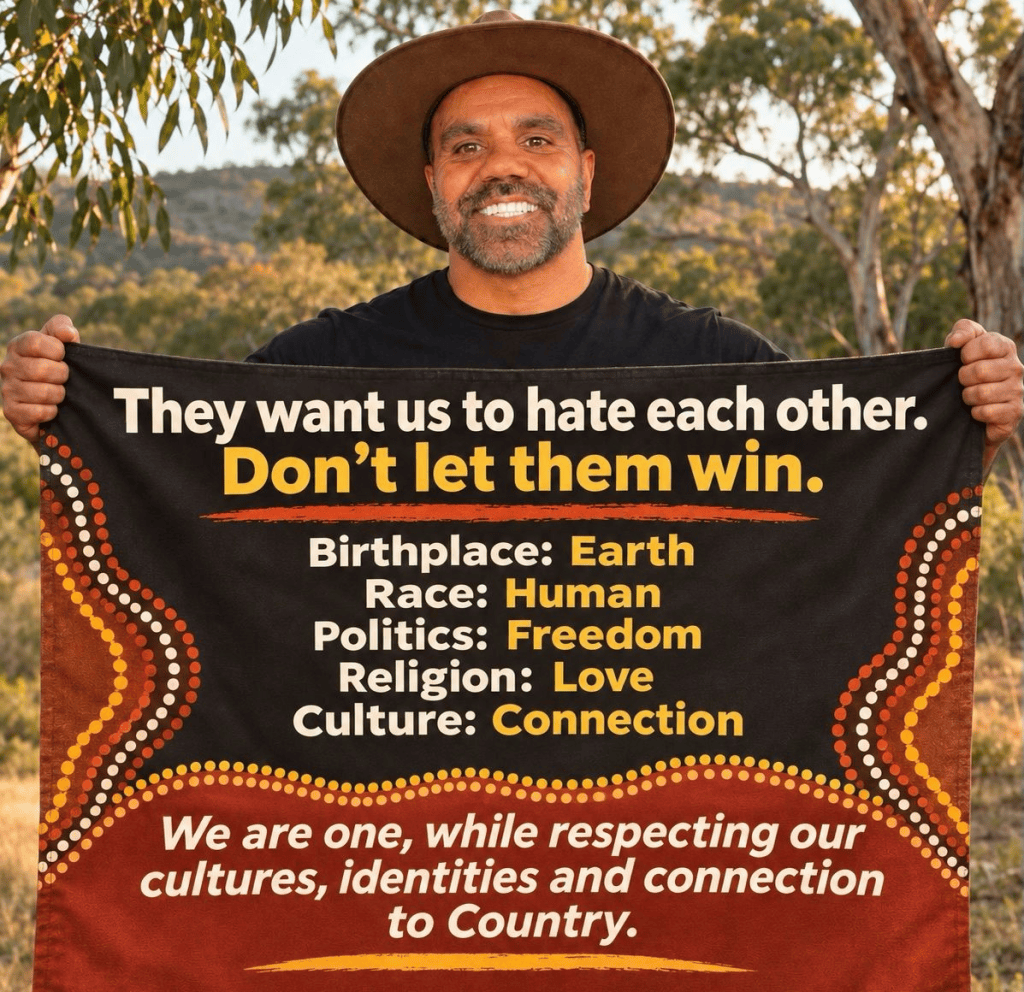
In a world often defined by division, a simple yet profound message is cutting through the noise. It is a message carried on a banner, held firmly by a man standing against the backdrop of the Australian bush—a landscape rich with ancient history and natural beauty. The banner’s words offer a direct challenge to the forces of polarization: “They want us to hate each other. Don’t let them win.”
This is not just a statement of resistance; it is a declaration of identity. It asks us to look past the constructed barriers that so often separate us and to recognize the fundamental truths that bind us together.
At the heart of the banner is a list of definitions that reimagine how we see ourselves and each other:
- Birthplace: Earth
- Race: Human
- Politics: Freedom
- Religion: Love
- Culture: Connection
By stripping away the labels that often fuel conflict, the message suggests a radical reorientation of our priorities. When our birthplace is the planet itself, and our race is simply humanity, the reasons we use to justify hatred and division begin to crumble. When politics is guided by freedom and religion by love, the ideologies that seek to separate us lose their power. And when culture is recognized as a tool for connection rather than a barrier, we open the door to genuine understanding.
The banner’s message is particularly resonant given the visual context. The man stands on the traditional lands of First Nations peoples, holding a banner adorned with intricate dot artwork—a visual language deeply rooted in the oldest continuous cultures on Earth. The artwork and the words together form a bridge between ancient wisdom and a modern call for unity.
The final lines of the banner provide the crucial balance to this call for universality: “We are one, while respecting our cultures, identities and connection to Country.”
This is perhaps the most vital part of the message. Unity does not mean erasing differences or forcing everyone into a single mold. True connection is not about homogenization; it is about standing together in solidarity while celebrating the unique stories, traditions, and ties to land that make us who we are. Respecting identity and connection to Country is fundamental to healing historical wounds and moving forward together.
In a time when it is easy to be consumed by outrage and division, this image serves as a quiet, powerful act of resistance. It reminds us that the forces that seek to divide us—whether political, social, or ideological—only win if we allow them to dictate how we treat one another.
The message is clear: we are all human, our connections are our strength, and when we respect each other’s cultures and identities, we build a future where hate cannot prevail.
Don’t let them win.

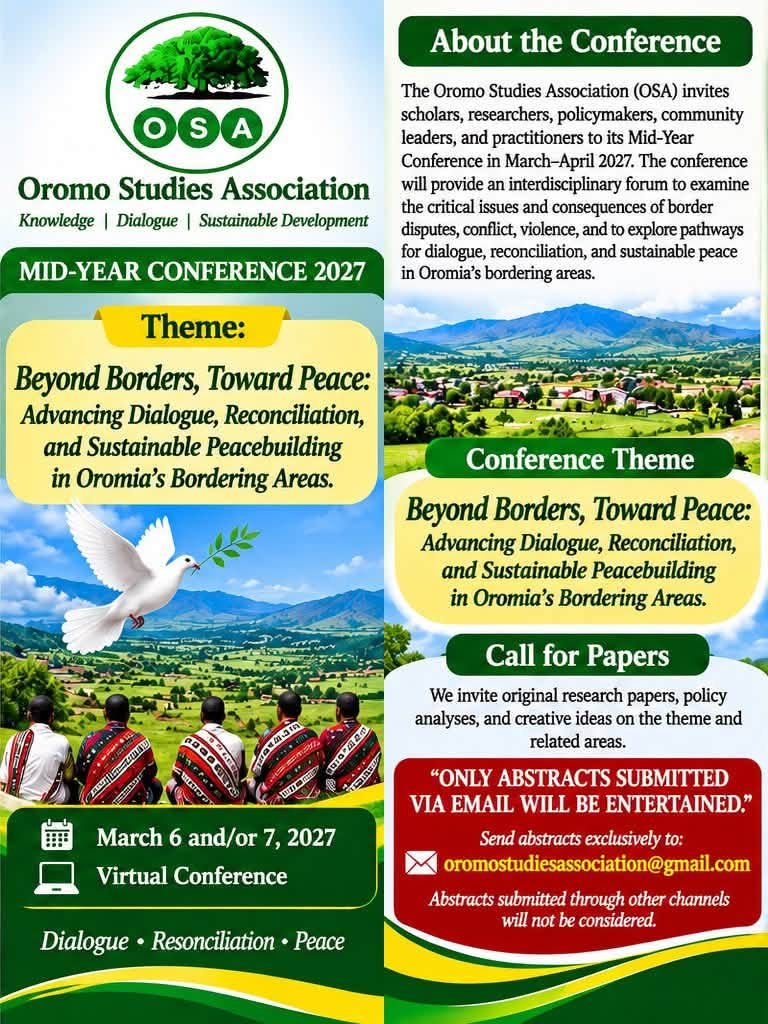
Beyond Borders, Toward Peace: Oromo Studies Association Announces Landmark 2027 Mid-Year Conference
By Dhabessa Wakjira
In a world often divided by lines on a map, the pursuit of lasting harmony requires looking beyond traditional boundaries. Recognizing the urgent need for dialogue and reconciliation, the Oromo Studies Association (OSA) has announced its highly anticipated Mid-Year Conference 2027.
Under the poignant theme, “Beyond Borders, Toward Peace: Advancing Dialogue, Reconciliation, and Sustainable Peacebuilding in Oromia’s Bordering Areas,” the virtual conference is set to take place on March 6 and 7, 2027.
The event promises to serve as a vital interdisciplinary forum, bringing together scholars, researchers, policymakers, community leaders, and practitioners from around the globe to tackle some of the most pressing issues facing the region today.
A Focus on the Margins
While much attention is often paid to central political hubs, the OSA is shining a spotlight on the critical—and often volatile—border regions of Oromia. The conference aims to deeply examine the multifaceted dimensions of border disputes, conflict, and violence that have historically plagued these areas.
More importantly, it is designed as a platform for solutions. By promoting research-based solutions and policy options, the OSA hopes to strengthen dialogue among diverse stakeholders and advance sustainable peace and development. The conference will delve into critical issues ranging from human security and the rule of law to the vital role of natural resources and environmental sustainability in community resilience.
A Call for Scholarly Action
The path to peace requires innovative thought and rigorous analysis. To that end, the OSA has officially opened its Call for Papers, inviting original research, policy analyses, and creative ideas that align with the conference theme.
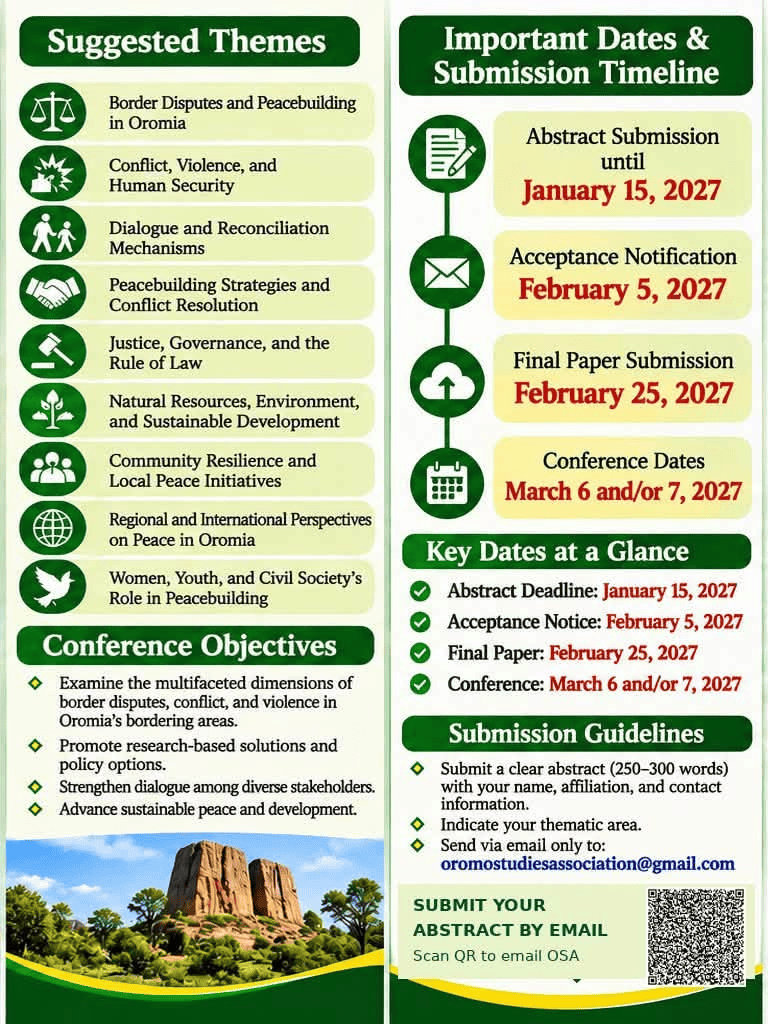
The organizers have outlined several suggested thematic areas for participants to explore, including:
· Border Disputes and Peacebuilding in Oromia
· Conflict, Violence, and Human Security
· Dialogue and Reconciliation Mechanisms
· Justice, Governance, and the Rule of Law
· The role of Women, Youth, and Civil Society in Peacebuilding
Potential contributors must adhere to strict guidelines. Abstracts should be between 250 and 300 words, accompanied by the author’s name, affiliation, and contact information, and must clearly indicate their chosen thematic area.
Important Note for Participants: The OSA has emphasized that only abstracts submitted via email will be entertained. Submissions sent through other channels will not be considered. All abstracts must be sent directly to oromostudiesassociation@gmail.com.
Mark Your Calendars
For those looking to be part of this crucial conversation, the OSA has laid out a clear timeline for the 2027 conference:
· Abstract Submission Deadline: January 15, 2027
· Acceptance Notification: February 5, 2027
· Final Paper Submission: February 25, 2027
· Virtual Conference Dates: March 6 and/or 7, 2027
Knowledge, Dialogue, Sustainable Development
The OSA’s logo features a robust, expansive tree—a fitting symbol for an organization whose motto is “Knowledge | Dialogue | Sustainable Development.” Like a tree putting down deep roots to withstand the storms, the association believes that a foundation built on scholarly dialogue and reconciliation is the only way to secure a sustainable, peaceful future for Oromia’s bordering communities.
As the 2027 Mid-Year Conference approaches, the OSA is extending an open invitation to all who believe that even the most entrenched borders can be crossed through the power of dialogue. For those ready to contribute to this vital mission, the time to act is now. Submit your abstract, mark your calendar, and join the movement toward a peaceful tomorrow.

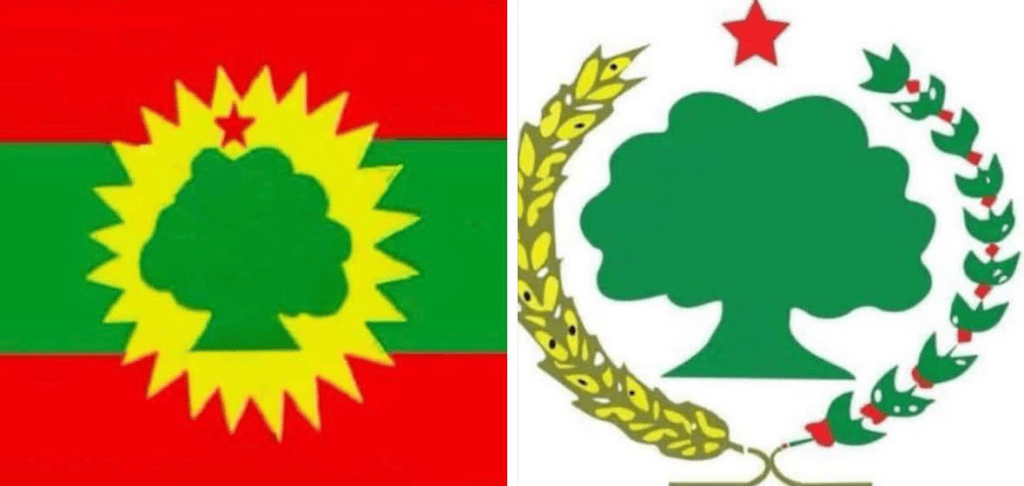
The 60-Year Struggle: A Legacy of Identity, Resilience, and Unyielding Light
By Bona Oromia
“What did 60 years of struggle bring?” It is a question often asked by those who fail to see the bigger picture. But for those who understand the depths of history, the answer is clear: it brought the Oromo identity and history out of the shadows and into the brilliant light.
Looking at the trajectory of this decades-long journey, it becomes evident that the struggle was never just about counting years; it was about ensuring the very survival and dignity of a people. The results are monumental, profound, and visible to anyone with eyes to see.
Shattering the Narrow Mindset
The seeds of this journey were sown through a calculated conspiracy aimed at erasing a legacy. Yet, that sinister plot failed to obscure the truth. Instead, the relentless pursuit of justice forced a reckoning. It compelled the world to acknowledge Oromo history and identity, effectively widening a historically narrow mindset that had tried to suppress it.
The struggle did more than just challenge ideas; it dismantled the very foundations of an oppressive old system. It dismantled the structural inequalities, including the deeply flawed land tenure systems that had long bound the people, replacing subjugation with a fierce assertion of rights.
Beyond the Calendar: Measuring by Impact
There are critics and skeptics who attempt to measure the movement solely by the passage of time. They ask what 60 years have yielded. But the true measure of this struggle cannot be found in a calendar; it must be measured by its results.
The most significant achievement is the transformation of the Oromo identity from a marginalized concept into a vibrant, undeniable reality. The struggle has effectively brought the Oromo story from the dark corners of suppression into the national and global spotlight.
For those who have the vision to see it, this is a matter of profound significance. The outcome of this 60-year journey is nothing less than the guarantee of existence itself—the preservation of identity, culture, and self-worth.
The Struggle Continues
Despite the incredible milestones achieved, the journey is far from over. The struggle has not ended; rather, it has evolved. It is a continuous process of safeguarding the gains made and pushing forward for a brighter future.
The message to the people remains clear and resolute: Do not count the years, but keep the work going. The fight for identity and existence requires unwavering dedication. It is a call to defend the light that has been brought forth.
The skeptics may continue to ask their questions, but the answer is written in the resilience of the people. The past 60 years proved that no conspiracy can extinguish the truth. And as the work continues, the triumph of identity remains a testament to the power of an unbreakable spirit.
Let the work continue. Measure it by its impact. And no matter how heavy the burden, carry it forward.

Settlement Case Management: A Lifeline for Migrants and Refugees in Their Critical First Decade in Australia
By Bona Oromia
The first decade after arriving in Australia is a critical period that shapes a person’s ability to establish a secure livelihood, participate in their community, and build a future for themselves and their family. Yet, surprisingly, there has been little evidence about the settlement experiences, employment pathways, and economic circumstances of migrants and refugees during these formative years—until now.
The Critical First Decade: A Window of Opportunity and Vulnerability
For newly arrived migrants and refugees, the first ten years in Australia represent far more than a simple transition. They constitute a defining period during which the foundations of a new life are laid—or, too often, where vulnerabilities become entrenched. During this decade, newcomers must navigate unfamiliar systems, learn a new language, find employment, secure housing, access healthcare, and integrate into their new communities, all while often carrying the trauma of their past and the weight of responsibility for their families.
Research has consistently shown that the early years of settlement are decisive for long-term outcomes. Those who receive adequate support during this period are far more likely to achieve economic independence, participate fully in civic life, and contribute to the social and cultural fabric of their new home. Conversely, those who are left to navigate the complexities of settlement alone often face prolonged periods of disadvantage, social isolation, and economic hardship. The first decade is not merely a transitional phase—it is the foundation upon which the rest of a person’s life in Australia is built.
Settlement Case Management: Practical Assistance for Real-World Challenges
Settlement Case Management provides valuable practical assistance that speaks directly to the realities of settlement during migrants’ and refugees’ first decade in Australia. It is a service designed not around abstract theories but around the concrete, everyday challenges that newcomers face as they strive to rebuild their lives.
At its core, Settlement Case Management offers the ability to establish a secure livelihood, participate in the community, and build a future for oneself and one’s family. It does so by focusing on three interconnected pillars:
1. Establishing a Secure Livelihood
Settlement Case Management assists clients in finding stable employment, understanding their rights in the workplace, and developing the skills necessary to navigate the Australian labor market. Employment is not merely a source of income; it is a pathway to dignity, social connection, and belonging. The service recognizes that secure employment is the cornerstone of successful settlement.
2. Participating in the Community
Integration is not a one-way street. Settlement Case Management encourages and facilitates community participation—whether through volunteering, joining local groups, attending community events, or engaging with neighbors. This fosters a sense of belonging and helps newcomers build the social networks that are essential for long-term well-being.
3. Building a Future for Themselves and Their Families
Beyond immediate needs, Settlement Case Management supports clients in planning for the future. This includes financial literacy, education pathways for children, housing stability, and long-term career planning. The goal is not merely survival but thriving—helping families to plant roots and flourish in their new home.
Employment, Income Security, and Financial Wellbeing
A distinctive feature of Settlement Case Management is its focus on the economic dimensions of settlement—particularly employment experiences, income security, and financial wellbeing. These are not peripheral concerns; they are central to the ability of migrants and refugees to establish a secure livelihood and build a future for their families.
The service explores the factors that support or hinder settlement and economic participation. Through case management, service providers can identify the specific challenges that individual clients face—whether it be language barriers, lack of recognition of overseas qualifications, discrimination, trauma, or family responsibilities—and tailor support accordingly. Equally important, the service examines the factors that enable success. What are the characteristics of individuals, families, and communities that achieve positive settlement outcomes? What role do social networks, community organizations, and government policies play? By answering these questions, Settlement Case Management contributes to a broader understanding of how to design effective settlement policies and programs.
Dabessa’s Story: A Case Manager’s Perspective
Dabessa is a settlement case management professional with AMES (Adult Multicultural Education Services), one of Australia’s largest providers of settlement services. In his role, Dabessa works directly with refugees and migrants, helping them to settle, to participate in their communities, and to build a future for themselves and their families.
Speaking about his work, Dabessa explained: “As a settlement case management professional at AMES, my role is to support refugees and migrants so that they can settle, participate in their communities, and build a future for themselves and their families. It is about helping them to navigate the challenges of their first decade in Australia and to achieve their goals.”
Dabessa’s work involves assessing clients’ needs, connecting them with appropriate services, advocating on their behalf, and providing ongoing support. He works with families, individuals, and community groups—helping them to access housing, employment, education, and healthcare, while also addressing the psychosocial needs that arise from the migration and resettlement process.
“The settlement journey is different for everyone,” Dabessa notes. “Some people arrive with skills and qualifications that are recognized in Australia; others have experienced trauma or have limited education. My job is to meet people where they are and to help them to take the next step, whatever that step may be.”
The Impact of Settlement Case Management
The work of settlement case managers like Dabessa has a profound impact on the lives of migrants and refugees. By providing personalized, practical assistance, they help newcomers to overcome the barriers that stand in the way of successful settlement. They also contribute to broader social and economic outcomes—by helping people to find employment, they reduce welfare dependency; by supporting community participation, they strengthen social cohesion; and by empowering families to build a future, they contribute to the prosperity of the nation as a whole.
Yet, despite its importance, Settlement Case Management remains under-resourced and under-recognized. The demand for services far exceeds the capacity of providers, and many migrants and refugees remain on waiting lists for support. Moreover, the evidence base on settlement outcomes—particularly during the critical first decade—remains thin. More research is needed to understand what works, for whom, and under what circumstances.
Looking Forward
As Australia continues to welcome migrants and refugees from around the world, the importance of effective settlement support cannot be overstated. The first decade is a critical period that shapes the trajectory of a person’s life—and the lives of their children and grandchildren. Settlement Case Management offers a proven pathway to successful settlement, but it requires sustained investment, evidence-based policy, and a commitment to the principles of dignity, inclusion, and opportunity.
In the words of Dabessa: “The work we do is not just about helping people to survive. It is about helping them to thrive. It is about giving them the tools and the confidence to build a life that they can be proud of.”
For the thousands of migrants and refugees who arrive in Australia each year, that is not merely a hope—it is a promise that must be fulfilled.
—
*This feature article is dedicated to the settlement case managers, community organizations, and volunteers who support migrants and refugees in their journey of settlement—and to the migrants and refugees themselves, whose resilience and determination continue to inspire us all.

Gadaa System Revived in Shaggar: Nine Gadaa Leaders Inaugurated in Gafarsa Gujee District
By Dhabessa Wakjira
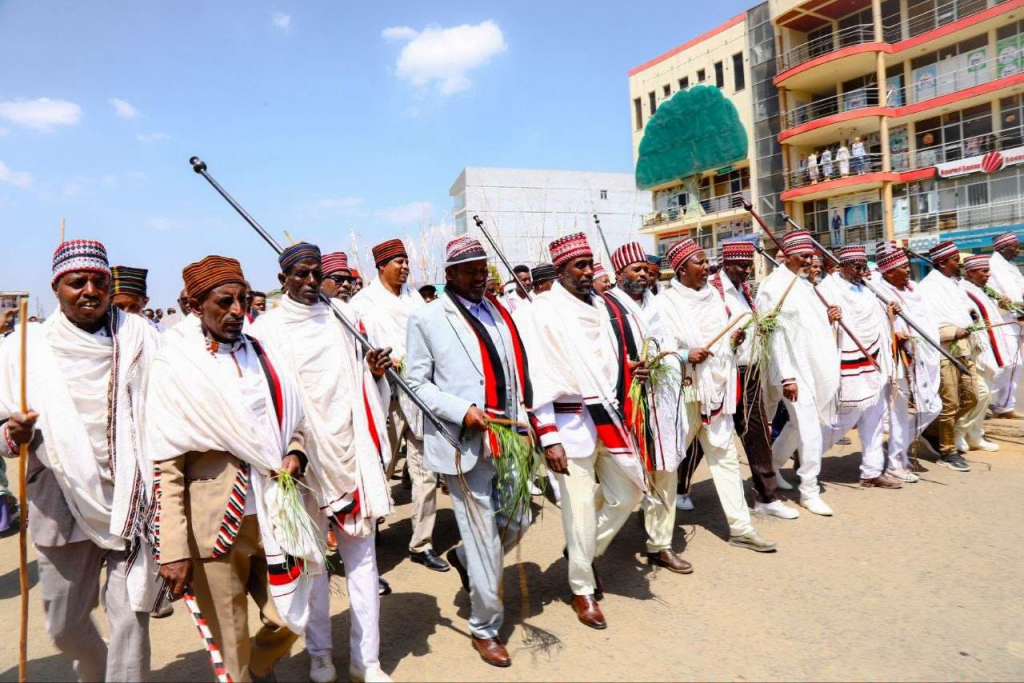
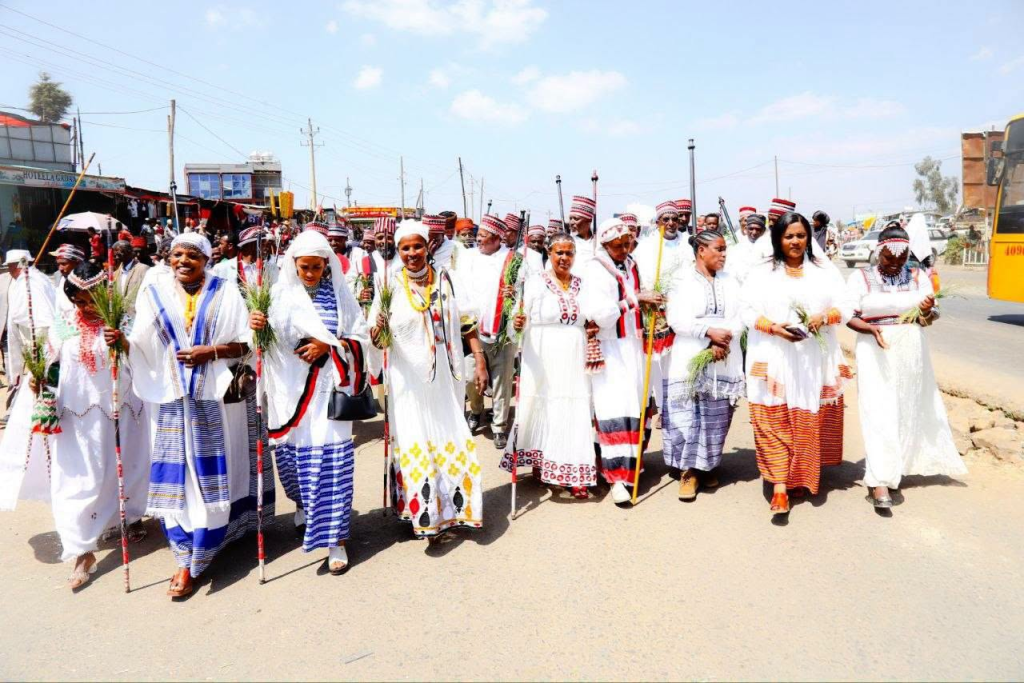
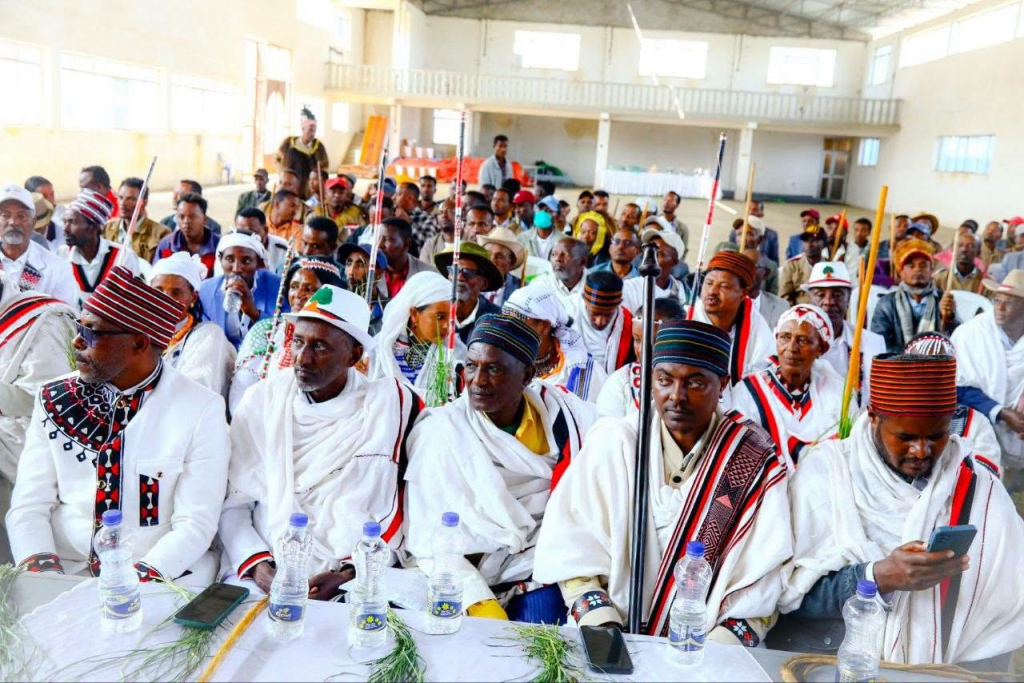
SHAGGAR, Oromia — In a ceremony rich with cultural significance and democratic symbolism, the Gadaa system has been formally revived in Gafarsa Gujee District of Shaggar City Administration, with nine Gadaa leaders (Abbootii Gadaa) inaugurated in a peaceful transfer of power that reaffirms one of Africa’s oldest democratic traditions.
A Democratic Heritage Reclaimed
The Gadaa system, described in the announcement as “a democratic governance system through which the Oromo people govern themselves and a foundation for modern democracy worldwide,” has been a central pillar of Oromo identity for centuries. The system regulates political, economic, and social life through a rotating leadership structure that ensures accountability, balance, and the peaceful transfer of power.
In Shaggar City Administration, efforts are underway to revitalize the cultural heritage and identity of the Oromo people, which had been systematically marginalized under previous administrative arrangements. The Tuulama Oromo community has been actively supporting the completion of the Gadaa power transfer through peaceful and orderly means, in accordance with the traditions of the system.
The Ceremony in Gafarsa Gujee
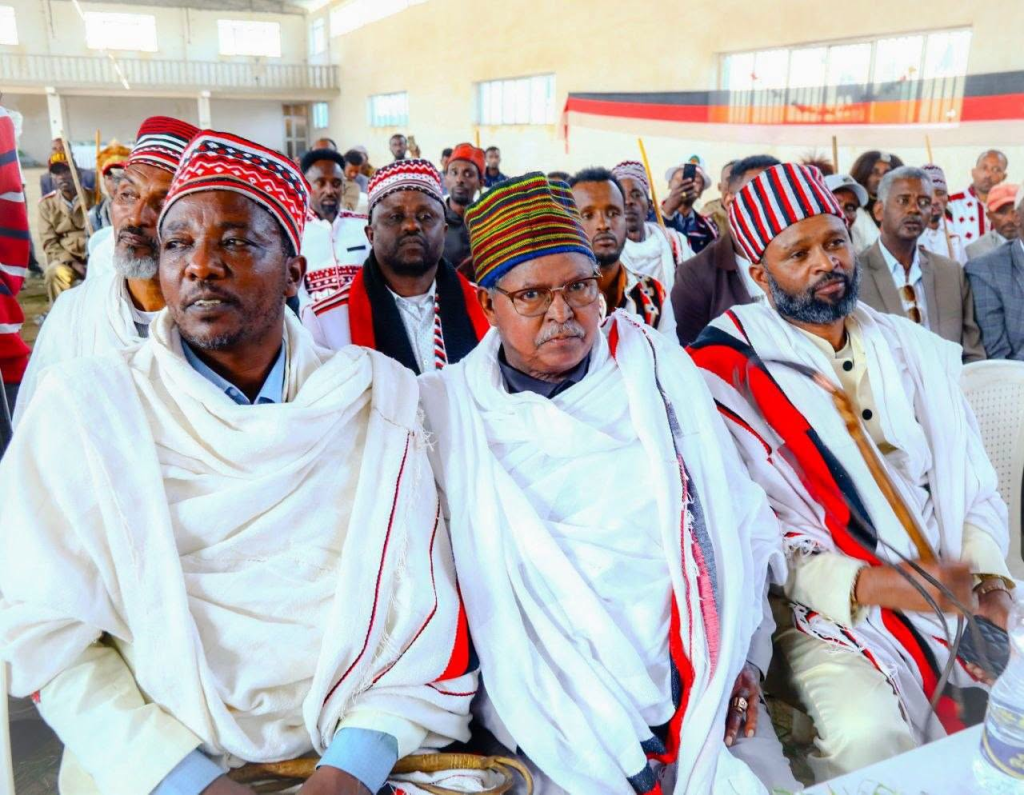
The inauguration ceremony, held in Gafarsa Gujee District, was attended by Gadaa leaders, Haadholii Siinqee (women elders), and members of the community. The Gadaa Muudanaa—the incoming Gadaa leadership—formally assumed power from the outgoing Gadaa Meelbaa, marking the completion of the transition cycle.
Abbaa Gadaa Tuulamaa Geetuu Taliilaa addressed the gathering, emphasizing that the Oromo people govern themselves through the Gadaa system by transferring authority peacefully and in accordance with tradition. The Gadaa Muudanaa leaders confirmed that they have assumed authority from Gadaa Meelbaa and are now organizing their structures.
The nine newly inaugurated Gadaa leaders were entrusted with the responsibility of preserving and strengthening Oromo culture and traditions during their term, and of passing this heritage on to future generations.
A Model of True Democracy
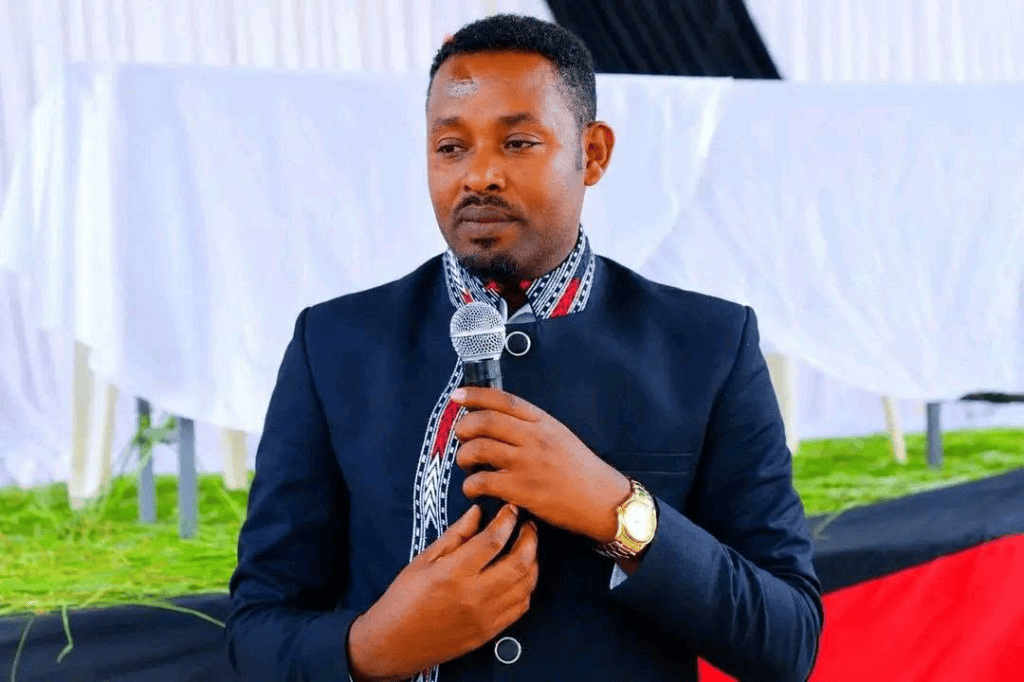
Injiinar Yirdaaw Nagaash, the administrator of Gafarsa Gujee District, praised the revival of the Gadaa system as a demonstration of the Oromo people’s commitment to genuine democracy based on social equality. He stated that the Oromo people governing themselves through Gadaa serves as a model for the world and a testament to the greatness of the Oromo nation.
The administrator also noted that the Oromia Regional Government has been working with a focus on cultural renewal and the promotion of Oromo culture and traditions. He called on various stakeholders to support efforts to elevate and showcase the culture and traditions of the Oromo people.
A Living Tradition
The revival of Gadaa in Shaggar is part of a broader movement across Oromia to reclaim and revitalize indigenous governance systems that were suppressed under centralized rule. The Gadaa system, inscribed by UNESCO as Intangible Cultural Heritage in 2016, is recognized globally as a sophisticated democratic framework that predates many modern democratic institutions.
The inauguration of nine Gadaa leaders in Gafarsa Gujee is not merely a ceremonial event. It is a statement that the Oromo people’s democratic traditions are alive, that their cultural identity is being restored, and that the peaceful transfer of power—the hallmark of true democracy—is being practiced according to the wisdom of their ancestors.
Source: ENA (Ethiopian News Agency), Shaggar City Administration Communications