Category Archives: Events

In the Shadow of Conflict: What Reports Say About Civilian Suffering in Oromia
By Daandii Ragabaa
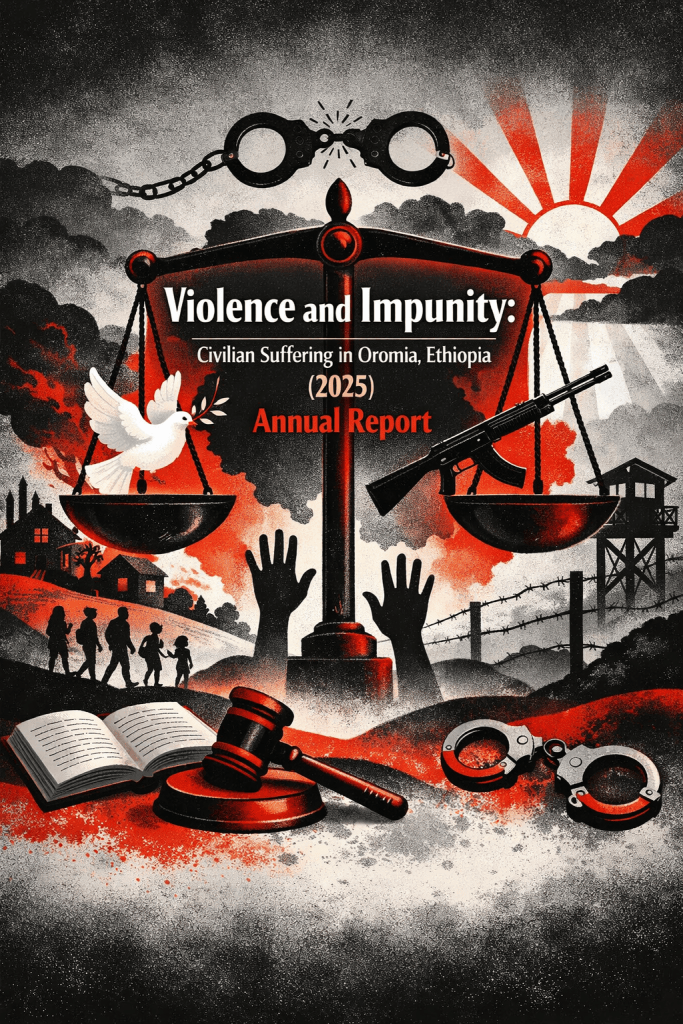
For years, the Oromia region of Ethiopia has been the site of an armed conflict that has largely unfolded outside the international spotlight. While the world’s attention has often focused elsewhere, human rights organizations, UN bodies, and advocacy groups have documented a pattern of violence affecting civilians—perpetrated by both government forces and armed opposition groups.
This is not a story of a single narrative. It is a story of competing accounts, documented abuses, and a civilian population caught in between.
A Conflict With Many Actors
Fighting between the Ethiopian National Defense Forces (ENDF), allied regional security forces, and the Oromo Liberation Army (OLA) erupted in 2019 and continues to take a heavy toll on civilians . Human Rights Watch’s World Report 2026 noted that fighting in parts of Oromia “resulted in civilian casualties and displacement,” with over 11,000 people displaced in late May alone due to violence in border areas .
In February 2026, twenty international and regional human rights organizations warned that Ethiopia was “on the brink” of renewed large-scale conflict, citing reports of extrajudicial killings, mass arrests, property destruction, forced conscription, and collective punishment of civilians in Oromia. They stressed that limited humanitarian access and the absence of independent monitoring have entrenched cycles of violence .
Documented Abuses
By OLA fighters: Amnesty International’s March 2026 briefing documented rape, gang rape, sexual slavery, summary killings, and destruction of civilian property by OLA fighters in Sayo and Anfillo districts of Kellem Wallaga zone between 2020 and 2024. The organization interviewed 10 survivors of gang rape, seven of whom were under 18 at the time. Five had also been subjected to sexual slavery. Amnesty stated these abuses “may amount to war crimes” .
One survivor, identified as Sebontu, described being held for three weeks with her mother, hands tied to a tree: “They used to rape us every day, twice a day… They used to tell me, ‘You will die. You will never return home'” .
By government forces: A written statement submitted to the UN Human Rights Council by the Oromia Support Group in Australia, a NGO in special consultative status, alleged that national defense forces have used drones and heavy artillery in attacks on villages, that villages in areas where the OLA is active have been burned, and that government forces have targeted young men known as the Qerroo generation. The group claimed to have recorded 7,340 Oromo civilian killings since the end of 2018, including 1,064 since the beginning of 2025 . These figures could not be independently verified.
Attacks on religious communities: In October 2026, armed men attacked Orthodox Christian civilians in Oromia, killing at least 60 people and burning homes, according to a synod spokesperson. The regional government blamed the OLA .
A Pattern of Silence
Multiple sources point to a common concern: the conflict in Oromia has received far less international attention than the war in Tigray, despite Oromia being Ethiopia’s largest and most populous region.
Amnesty International’s Regional Director for East and Southern Africa, Tigere Chagutah, stated: “For seven years, under the cover of darkness caused by a communication and media blackout, fighters in the Oromia region have caused immense suffering on civilians” .
The Oromia Support Group’s statement to the UN noted that “poor access and communication hinder data collection,” particularly in Guji and Borana zones . The joint letter from 20 organizations warned that “shrinking civic space, restrictions on independent reporting, and the termination of accountability mechanisms are obscuring the scale of violations” .
Competing Narratives
The Ethiopian government rejects characterizations of the conflict as one-sided oppression. In a November 2026 interview with Oromia Broadcasting Network, Prime Minister Abiy Ahmed described armed groups in Oromia as lacking “any real political vision, operating instead with the sole purpose of killing innocent civilians and looting.” He stated that “thousands of militants are laying down their weapons every day” and reaffirmed that the door for peace remains open .
These competing accounts—of government counterinsurgency and armed resistance, of victims on multiple sides—make independent verification difficult and underscore the complexity of the situation.
What Remains Undeniable
What credible sources agree on is that civilians are suffering. Whether through direct violence, displacement, sexual violence, or the destruction of homes and livelihoods, the people of Oromia bear the heaviest burden of a conflict that shows few signs of resolution.
Amnesty International has called on Ethiopian authorities to investigate atrocities and on the OLA to “immediately issue an order to all its fighters to respect international humanitarian law” . The joint letter from 20 organizations urged the UN Security Council and Human Rights Council to prioritize scrutiny of developments in Ethiopia and to press for independent monitoring and accountability .
For the civilians caught in the middle, these calls have yet to translate into safety.
Note on sources: This article draws on documentation from Amnesty International, Human Rights Watch, a UN Human Rights Council written statement, and reporting from Addis Standard and other outlets. Where claims originate from advocacy organizations, this has been noted. The situation in Oromia is contested, and readers should consult the original sources for full context.

Irreecha Malkaa Soor Celebrated for the 20th Time
Annual Thanksgiving Festival Brings Together Gadaa Leaders, Haadha Siinqee, Youth, and Community Members
By Dhabessa Wakjira
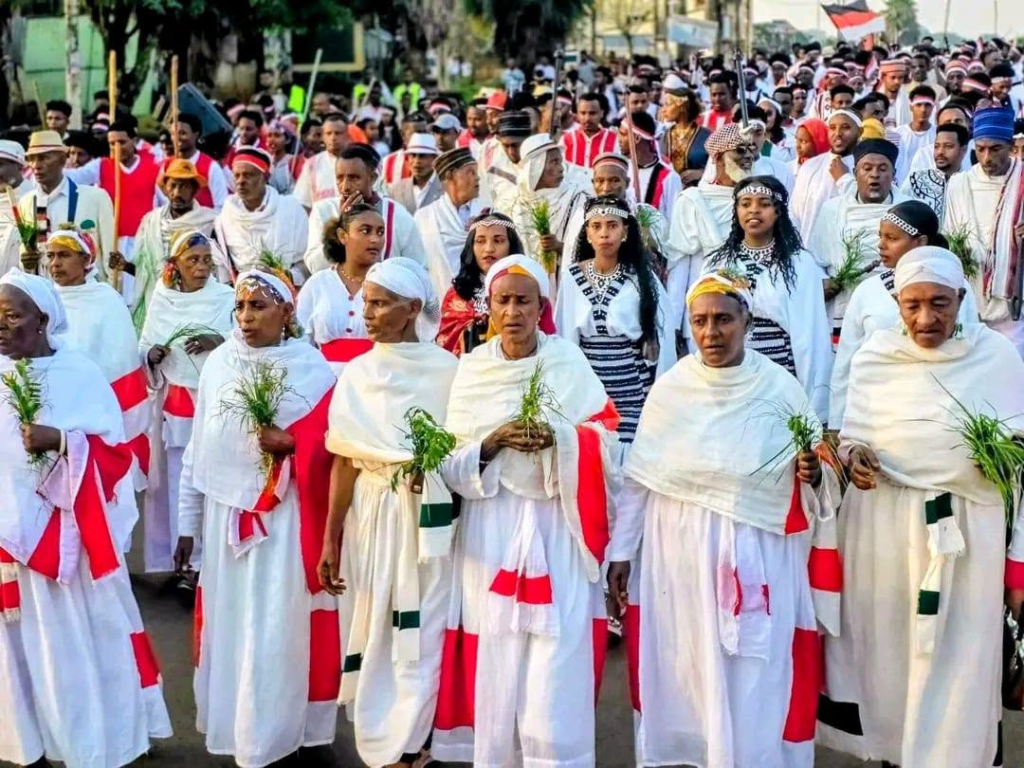
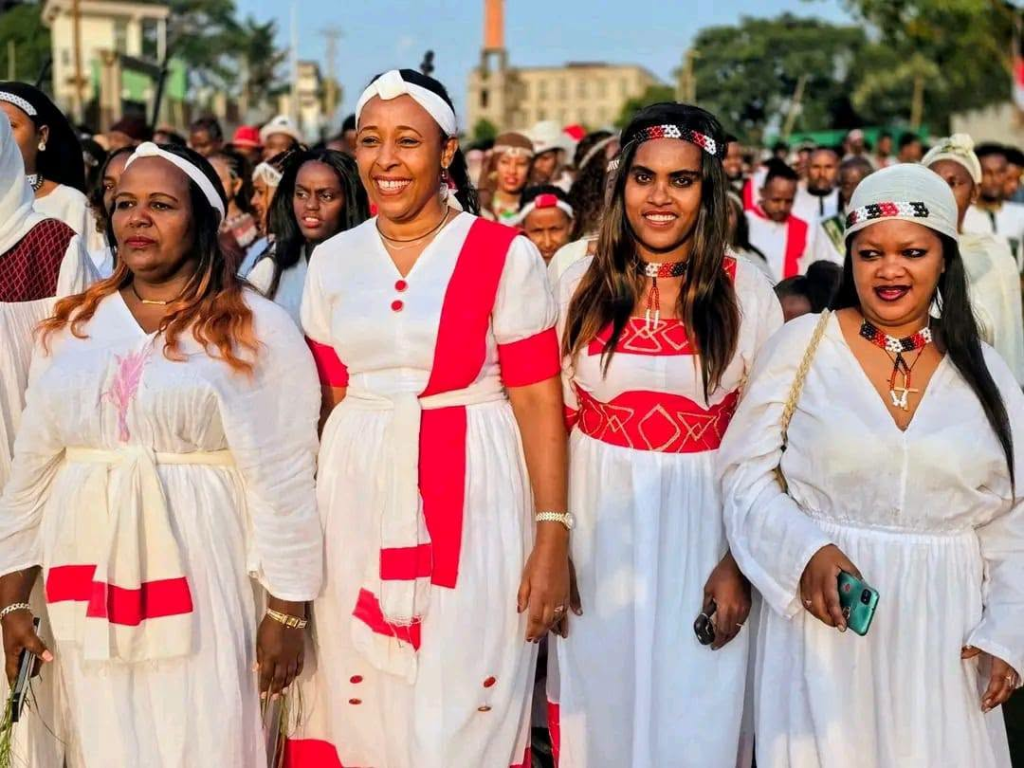
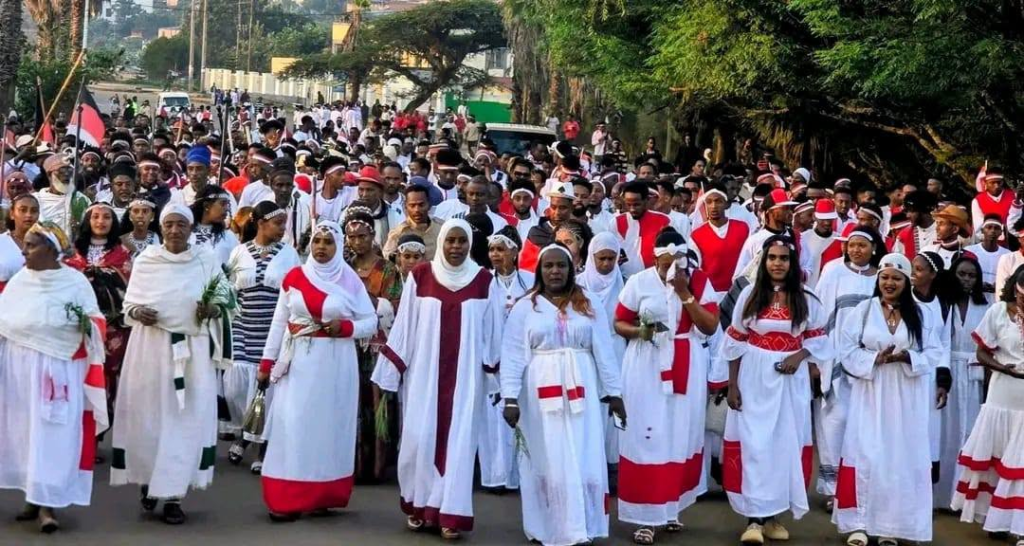
The Irreecha Malkaa Soor festival is being celebrated this year for the 20th time, marking two decades of this cherished annual tradition. The festival, held every year in the month of November, has once again brought together a diverse gathering of community members in a vibrant display of Oromo culture, faith, and unity.
A Festival Rooted in Tradition
Irreecha Malkaa Soor is an annual Thanksgiving celebration that holds deep significance for the Oromo people. Held in the month of November each year, the festival serves as a time for the community to come together, offer thanks, and reaffirm their cultural identity and spiritual heritage.
This year’s celebration carries special meaning as it marks the 20th iteration of the festival — a milestone that speaks to the enduring commitment of the community to preserving and honoring its traditions.
A Gathering of Community Leaders and Members
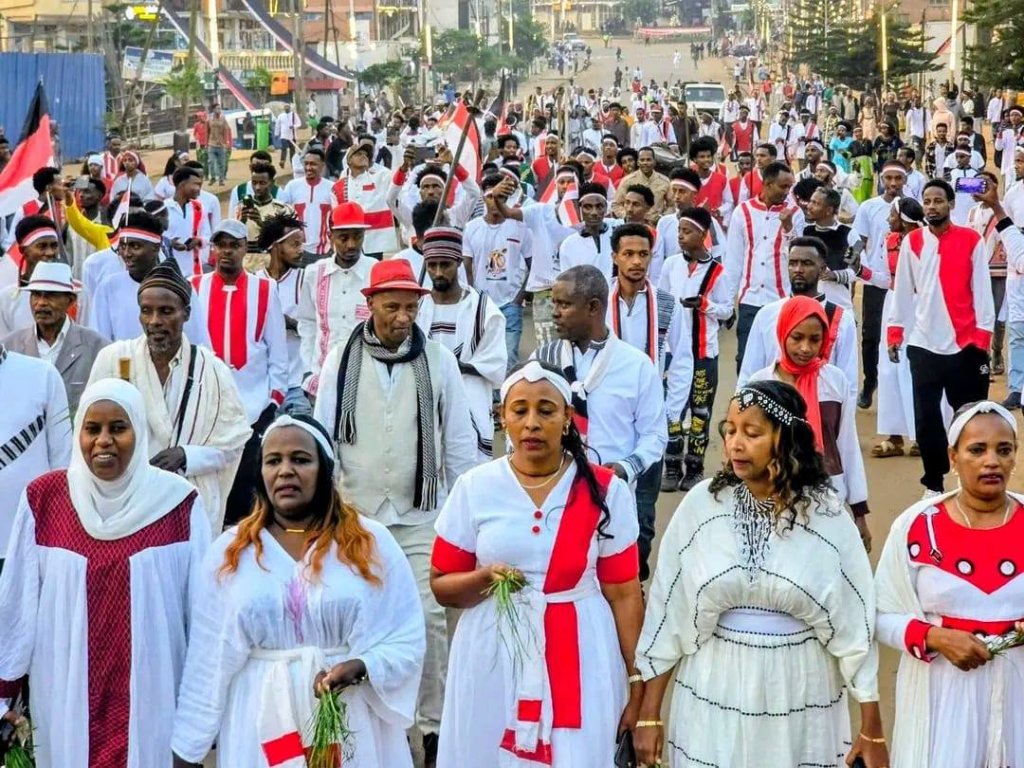
The 20th Irreecha Malkaa Soor celebration has drawn a wide cross-section of the community, with participants including Abootii Gadaa (Gadaa leaders), Haadholii Siinqee (Siinqee women leaders), Dargaggoota (youth), shamarran (young women), and members of various community organizations.
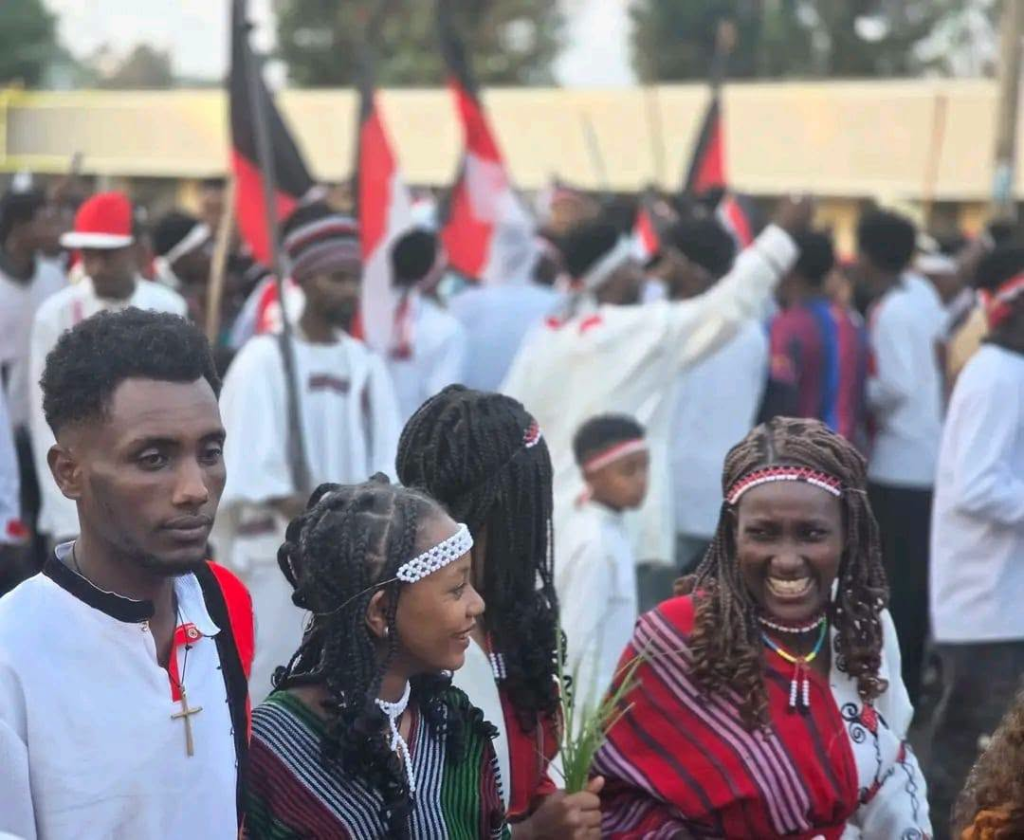
The presence of these diverse groups reflects the inclusive and unifying nature of the festival. From elders who carry the wisdom of generations to young people who represent the future, the celebration brings together all segments of society in a shared expression of gratitude and cultural pride.
A Celebration of Unity and Identity
The gathering of Gadaa leaders, Siinqee women, youth, and community organizations at Irreecha Malkaa Soor highlights the festival’s role in fostering unity and strengthening the social fabric of the community. It is a time when differences are set aside and the shared bonds of culture, faith, and heritage take center stage.
For the Oromo people, Irreecha is more than a festival — it is a living expression of their identity, a time to give thanks to the Creator, and an opportunity to pass on traditions to the next generation.
Marking Two Decades of Celebration
As the community celebrates the 20th Irreecha Malkaa Soor, there is a sense of pride in how the festival has grown and endured over the years. What began as a local tradition has become a significant annual event that draws participants from across the community and beyond.
The milestone serves as a reminder of the importance of preserving cultural heritage and ensuring that traditions continue to thrive for generations to come. It is a testament to the resilience and dedication of the community in keeping its cultural practices alive.
Looking to the Future
As this year’s celebration unfolds, participants are not only giving thanks for the blessings of the past year but also looking forward with hope and determination. The Irreecha Malkaa Soor festival represents a commitment to cultural continuity — a promise that the traditions of the Oromo people will continue to be celebrated, honored, and passed down.
The 20th celebration is both a culmination of two decades of devotion and a foundation for many more years of thanksgiving, unity, and cultural pride.

Karrayyuu Gadaa Council Prepares to Conduct Gur’ura Ceremony
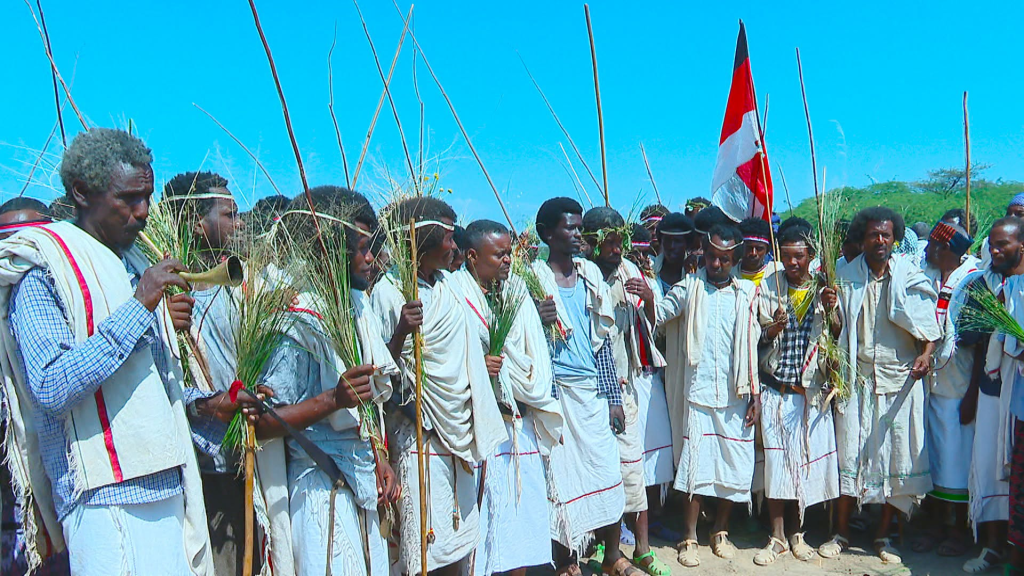
Traditional Power Transition Set to Take Place in Ardaa Jilaa Tarree Daandootti
By OBN Cyber Media | November 19, 2019
The Karrayyuu Gadaa Council has announced that preparations are underway to conduct the Gur’ura ceremony in the Dullachaa district of Ardaa Jilaa Tarree Daandootti, according to a statement released by Gabalaan Gadaa Michillee Dullachaa.
The announcement marks a significant moment in the community’s traditional governance system, as the council prepares to formally hand over authority in accordance with Gadaa customs and traditions.
Two Years of Leadership Training
For the past two years, the Gadaa Council of Michillee has been training members of the Halchiisaa and Buttaa Gadaa classes, providing them with the necessary knowledge and preparation to assume leadership responsibilities. The training, known as “qalee Goobaa,” has equipped the incoming leaders with the skills and understanding required to govern according to the Gadaa system.
Upon completion of their training, the Michillee Gadaa Council will formally transfer authority to the newly trained Halchiisaa class, marking the end of their own term of leadership. This transition of power is a cornerstone of the Gadaa system, ensuring that governance remains fresh, accountable, and grounded in the community’s traditions.
What is Gur’ura?
The ceremony of transferring power from one Gadaa class to another is known as “Gur’ura.” The term “Gur’ura” derives from the Oromo phrase “Gurra Urachuu,” which signifies the act of passing on responsibility and authority. It serves as a powerful symbol of an individual who has successfully fulfilled their leadership role and is now handing over the reins to the next generation of leaders.
The Gur’ura ceremony is more than just a transfer of power — it is a celebration of the community’s commitment to the Gadaa system and its values of democracy, accountability, and collective responsibility. It represents the continuity of a governance tradition that has sustained the Oromo people for centuries.
The Structure of Karrayyuu Gadaa
The Karrayyuu community is organized into two main branches: Dullachaa and Baasoo. The Gabalaan Dullachaa, also known as the Tuuti Gadaa Michillee, is responsible for leading the Gur’ura ceremony for the Dullachaa branch. According to tradition, the Ardaa Jilaa Tarree Dandoo will perform the necessary rituals and ceremonies after a period of seven years and two months.
This structured system of governance ensures that power is shared and rotated among different classes, preventing any single group from holding authority indefinitely. It is a testament to the wisdom of the Gadaa system, which has long been recognized as one of Africa’s oldest democratic governance structures.
A Community Preparing for Transition
As preparations for the Gur’ura ceremony continue, community members are reflecting on the significance of this moment. The transition represents not only a change in leadership but also a renewal of the community’s commitment to its traditions and values.
The incoming Halchiisaa class, having completed their training under the guidance of the Michillee Gadaa Council, is now prepared to take on the responsibilities of leadership. They will be expected to uphold the principles of the Gadaa system, serving the community with integrity, wisdom, and dedication.
Looking Ahead
The Gur’ura ceremony will be a time of celebration, reflection, and renewal for the Karrayyuu community. It will bring together elders, community leaders, and ordinary members to witness the peaceful transfer of power and to reaffirm their commitment to the Gadaa system.
As the community prepares for this important event, there is a sense of pride and anticipation. The Gur’ura ceremony is not just a ritual — it is a living expression of the community’s identity, values, and enduring traditions.
— Reported by Magarsaa Kabbaatii for OBN Cyber Media

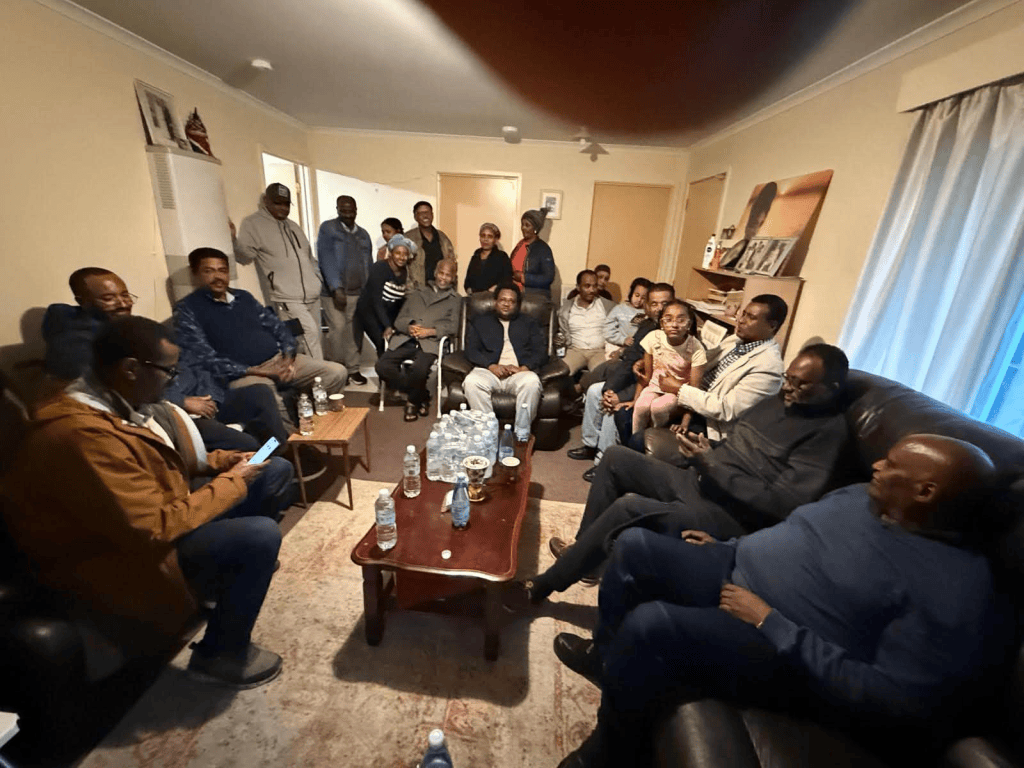
“We Came to Ob Hayile’s Home Today and Offered Our Encouragement”: Oromo Community Gathers in Solidarity Under Advocacy for Oromia Program
By Dhabessa Wakjira
(Melbourne, 28 November 2026)-In a heartfelt show of community spirit, members of the Oromo community came together today at the home of Ob Hayile, where they offered him encouragement, moral support, and a renewed sense of hope. The gathering, organized by Advocacy for Oromia, underscored the importance of unity and mutual upliftment within the community.
The program brought together community members who arrived at Ob Hayile’s residence to stand by his side and demonstrate the strength of collective solidarity. According to participants, the visit was more than a courtesy call — it was a deliberate act of encouragement designed to remind Ob Hayile that he is not alone and that the community stands with him.
“Today we came to Ob Hayile’s home and offered our encouragement,” one attendee said, reflecting on the day’s significance. “Being here together, showing our support, and lifting each other up — that is what community means.”
Organizers from Advocacy for Oromia emphasized that such gatherings are essential for fostering unity and mutual encouragement among community members. The program was structured to create a space where people could connect, share words of support, and reinforce the bonds that hold the community together.
“Programs like this are what make the community stand together and encourage one another,” organizers noted, highlighting the role of shared spaces in building resilience and solidarity. The event was described as part of a broader effort to ensure that community members feel seen, valued, and supported.
A particularly poignant theme of the day was the importance of genuine connection — the kind that leaves a lasting impression. Participants spoke about how such gatherings help create meaningful experiences that resonate long after the event has ended. As one attendee put it, the day was designed to be genuinely uplifting, ensuring that the encouragement offered felt real and heartfelt rather than merely ceremonial.
The visit to Ob Hayile’s home was marked by warmth, conversation, and a shared sense of purpose. Community members expressed optimism about the future, noting that coming together in this way strengthens the fabric of the community and builds a foundation for continued mutual support.
For Ob Hayile, the gathering was a source of renewed hope and encouragement. The presence of so many community members at his home served as a powerful reminder that solidarity is not just an abstract idea but a lived practice — one that shows up at the door, sits together, and says, “We are with you.”
As the event concluded, participants left with a sense of fulfillment and renewed commitment to standing together. The message was clear: when the community unites in genuine support of one another, the result is encouragement that truly matters — the kind that is felt deeply and remembered long after.
— This story was compiled based on community reports.

From Backbencher to History-Maker: Jess Wilson’s Rapid Rise to Victoria’s Top Job
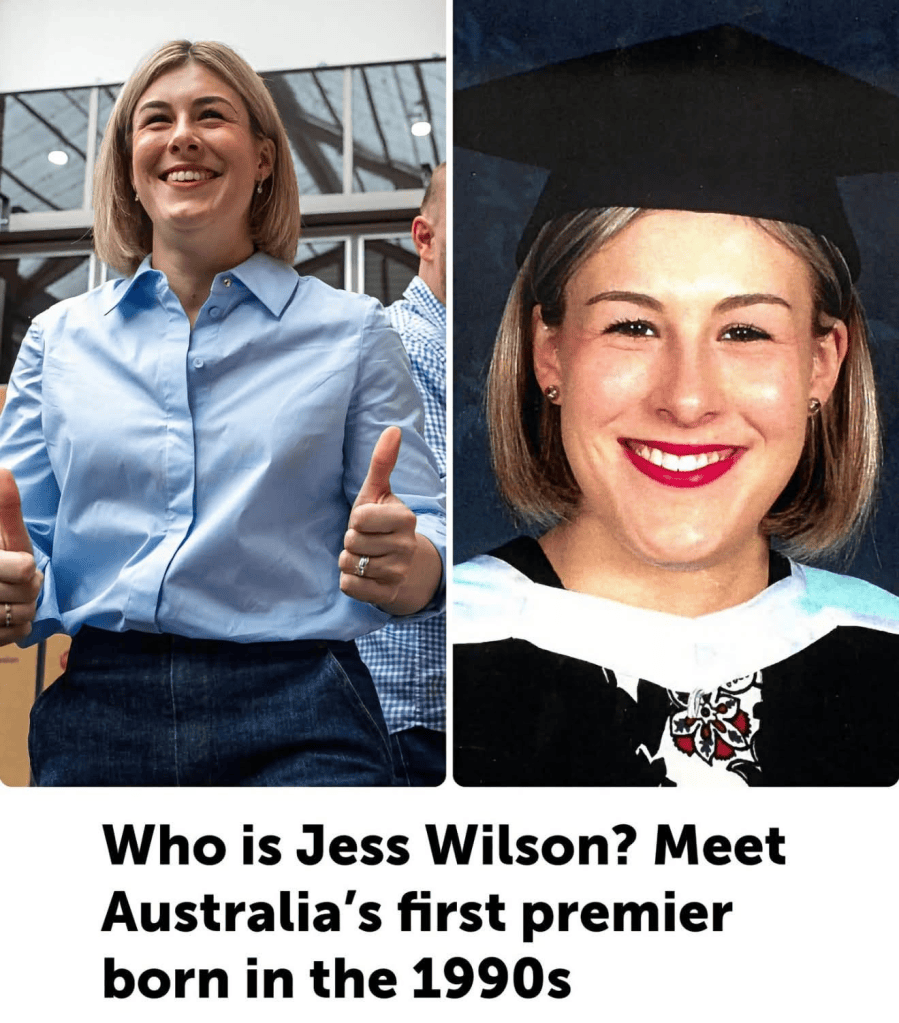
MELBOURNE — A decade ago, Jess Wilson was a young lawyer leading the Victorian Young Liberals, far from the glare of the state’s highest office. Today, she stands as Victoria’s 36-year-old Premier — the youngest leader of the state in more than 150 years and a woman who has rewritten the political record books in a single election night.
Wilson’s victory is a study in both personal achievement and political timing. She is the first woman to lead a party to victory in a Victorian state election as premier, the Victorian Liberal Party’s first-ever female premier, and the leader who ended 12 years of Labor government. For a state that has long prided itself on progressive credentials, the result marks a striking pivot.
A Career Built on Law and Strategy
Wilson’s path to the top was not the product of a single breakthrough moment but of steady, deliberate steps. She studied Law, Politics and History at Monash University before embarking on a legal career. She later worked at KPMG and served as an adviser to former Federal Treasurer Josh Frydenberg — experiences that gave her a grounding in both the private sector and the machinery of government.
In 2016, she was leading the Victorian Young Liberals. A decade later, she is leading Victoria. The trajectory is remarkable not only for its speed but for its breadth: lawyer, corporate adviser, political staffer, party activist, and now premier.
The Personal Behind the Political
Behind the title and the history-making headlines, Wilson is also a wife and a mother to a two-year-old son — a detail that resonates in a state where work-life balance and the cost of raising a family are front-of-mind for many voters.
Her campaign was built around a simple, uncluttered message: “A fresh start for Victoria.”
It was a slogan that tapped into a widespread appetite for change after more than a decade of Labor rule. For voters weary of rising debt, stretched household budgets, and concerns over infrastructure and community safety, the promise of a new direction proved persuasive.
The Business Lens
For business owners and investors, the change of government raises immediate questions. Victoria’s debt levels, housing affordability, infrastructure delivery, business confidence, and cost of living were central issues in the campaign — and they will be the yardsticks by which the new premier is judged.
Winning an election is an achievement. Delivering on promises is the real test of leadership. Victoria needs financial discipline, economic growth, investment, safer communities, and — most importantly — a government that listens to its people. Wilson’s early moves will be scrutinized as closely as her campaign was.
The Weight of History
Wilson’s victory carries symbolic weight beyond policy. She is the first woman to lead the Victorian Liberal Party and the first to take it to victory as premier — milestones that will be noted far beyond Victoria’s borders.
But the opportunity to make history has now become the responsibility to shape Victoria’s future. A new leader. A new chapter. A fresh start. The next four years will determine whether the slogan becomes a legacy.
For now, Victoria has its youngest premier in over a century, a fresh face at the helm, and a state watching closely to see what comes next.
Congratulations, Jess Wilson. Let’s see what the next four years bring for Victoria.

The Oromo Identity Trap: When Patriotism Becomes a Loyalty Test
By Hona Oromia
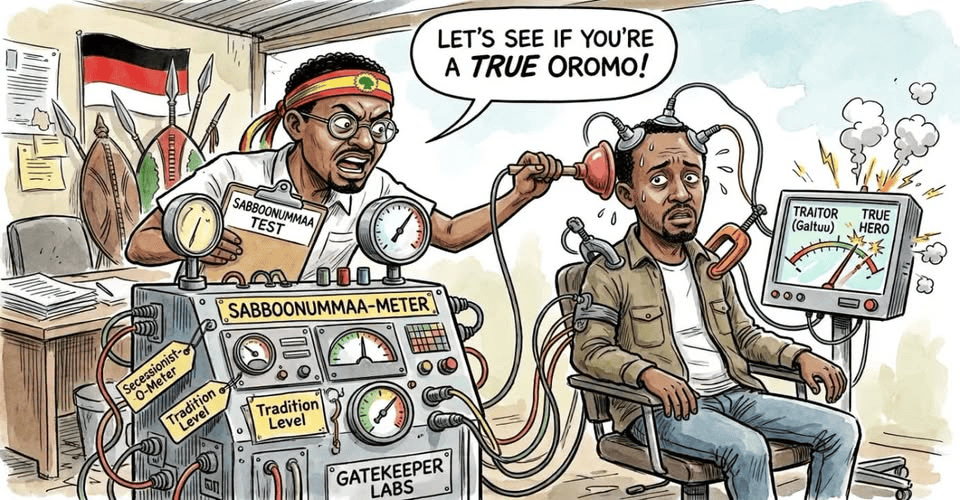
Addis Ababa — The cartoon is deliberately absurd: a stern-faced examiner in an Oromo liberation cap straps a nervous man into a chair, wires trailing from his skull to a clanking machine labeled “Sabboonummaa-Meter.” A dial swings between “Traitor (Galhuu)” and “True Hero.” The examiner leans in with a microphone: “Let’s see if you’re a TRUE Oromo!”
The image, which opens a provocative new academic paper by Sultan Abda Neja (Ph.D.), captures what the author calls “the paradox of Sabboonummaa”—a moment in Oromo political history when the very identity meant to unite the community is being used to divide it.
A Movement at a Crossroads
For generations, the Oromo national struggle has confronted political marginalization, cultural suppression, and economic inequality. Out of that history emerged two powerful concepts: Oromummaa, the shared cultural and historical consciousness of the Oromo people, and sabboonummaa, a form of national patriotism and pride.
Both have been indispensable. They restored cultural confidence, mobilized communities, and helped transform Ethiopia’s political landscape, particularly through the ethnic federalism introduced after 1991.
But Neja’s paper, The Paradox of Sabboonummaa: When Identity Becomes a Litmus Test for Oromo Governance, argues that these same concepts have quietly morphed into something else: ideological gatekeeping tools.
“The problem arises when one political perspective claims exclusive ownership of Oromummaa and sabboonummaa and uses these concepts to question the authenticity, patriotism, or political legitimacy of those who disagree,” Neja writes.
The Divide Over Oromia’s Future
At the heart of the tension is a fundamental question: What should Oromia’s political future look like?
Some Oromo political organizations, including the OLF and the Oromo Liberation Army (OLA), advocate for an independent Oromia, arguing that genuine self-determination requires sovereignty outside the Ethiopian state. Others—such as the Oromo Federalist Congress (OFC)—pursue constitutional federalism and genuine self-rule within a democratized Ethiopia. Still others, including Oromo politicians within the governing Prosperity Party (PP), support a united Ethiopia with varying degrees of federal autonomy.
These are legitimate ideological disagreements, Neja argues. The danger lies in what happens when they are reframed as questions of ethnic authenticity.
“When political actors divide Oromos into categories such as genuine progressive patriots and collaborators, or authentic nationalists and politically assimilated individuals, they transform ideological disagreement into a judgment about personal and collective identity,” the paper states.
The Prosperity Party Test Case
The paper singles out the treatment of Prime Minister Abiy Ahmed and other Oromo figures in the Prosperity Party as a particularly telling example. Some critics, Neja notes, portray these leaders as extensions of historical imperial structures and question their Oromo patriotism because they do not advocate for independence.
“There is, of course, nothing wrong with criticizing the policies of the Prosperity Party,” Neja writes. “However, there is a fundamental difference between criticizing a government for its political actions and dismissing the cultural identity or patriotism of its leaders.”
The author proposes a simple but challenging standard: political leaders should be evaluated on governance, human rights records, accountability, and public service—not on their ethnic identity or their stance on secession.
“A political leader supporting a united Ethiopia does not automatically make that individual less Oromo,” he writes. “Similarly, the fact that a political leader is Oromo does not automatically make their government democratic, accountable, or beneficial to Oromo society.”
The Cost of Exclusion
The consequences of identity-based delegitimization, Neja argues, are both practical and moral.
Practically, it weakens coalition-building. If opposition movements treat all Prosperity Party supporters—civil servants, security personnel, community leaders, ordinary citizens—as culturally compromised, they alienate a substantial segment of the Oromo population whose participation would be necessary for meaningful political change.
“A political movement cannot sustainably unite a population by first telling a substantial portion of that population that its members are insufficiently Oromo to belong to the political community,” the paper warns.
Morally, it reproduces the very exclusion the Oromo struggle has historically opposed. Neja draws on the Gadaa system—the indigenous Oromo governance tradition studied by anthropologist Asmarom Legesse—which emphasizes collective deliberation, accountability of leaders, and consensus-building rather than unconditional loyalty.
“If Oromummaa is understood as encompassing the ethical and cultural heritage of the Oromo people, its political application should not contradict the inclusive and deliberative values associated with these traditions,” he writes.
A Question of Belonging
The paper also examines the slogan sometimes heard in Oromo political discourse: “Sabboonummaan Oromoo Mootummaa Ijaaruu Qaba”—roughly, “Oromo patriotism should build an Oromo government.” Neja asks what this actually means in a multinational federal state. Does it refer to an accountable government protecting Oromo rights, or an ethnically exclusive authority? How would non-Oromo communities living in Oromia be protected?
“These questions require substantive political answers rather than accusations about who possesses sufficient sabboonummaa,” he writes.
The solution, Neja proposes, is not to abandon Oromummaa or sabboonummaa but to reclaim them as inclusive, shared inheritance rather than partisan property. He outlines five principles: cultural identity should be independent of partisan affiliation; political disagreement should be treated as legitimate democratic competition; patriotism should be demonstrated through public responsibility; no political organization should claim exclusive ownership of Oromo national interests; and Oromo emancipation should be compatible with peaceful coexistence.
The Path Forward
The paper’s recommendations are directed at Oromo political organizations, intellectuals, activists, and community leaders: separate Oromummaa from partisan ideology, promote pluralism, replace identity-based accusations with evidence-based criticism, and establish dialogue spaces among the OLF, OFC, Prosperity Party, and civil society.
“The Oromo national struggle will become stronger not when all Oromos are forced to think alike,” Neja concludes, “but when they can disagree politically without questioning one another’s identity, dignity, and right to belong.”
In a region where identity has long been both a source of strength and a flashpoint of conflict, that may be the most radical proposition of all.

“Don’t Let Them Win”: A Powerful Call for Shared Humanity and Connection
Feature Article
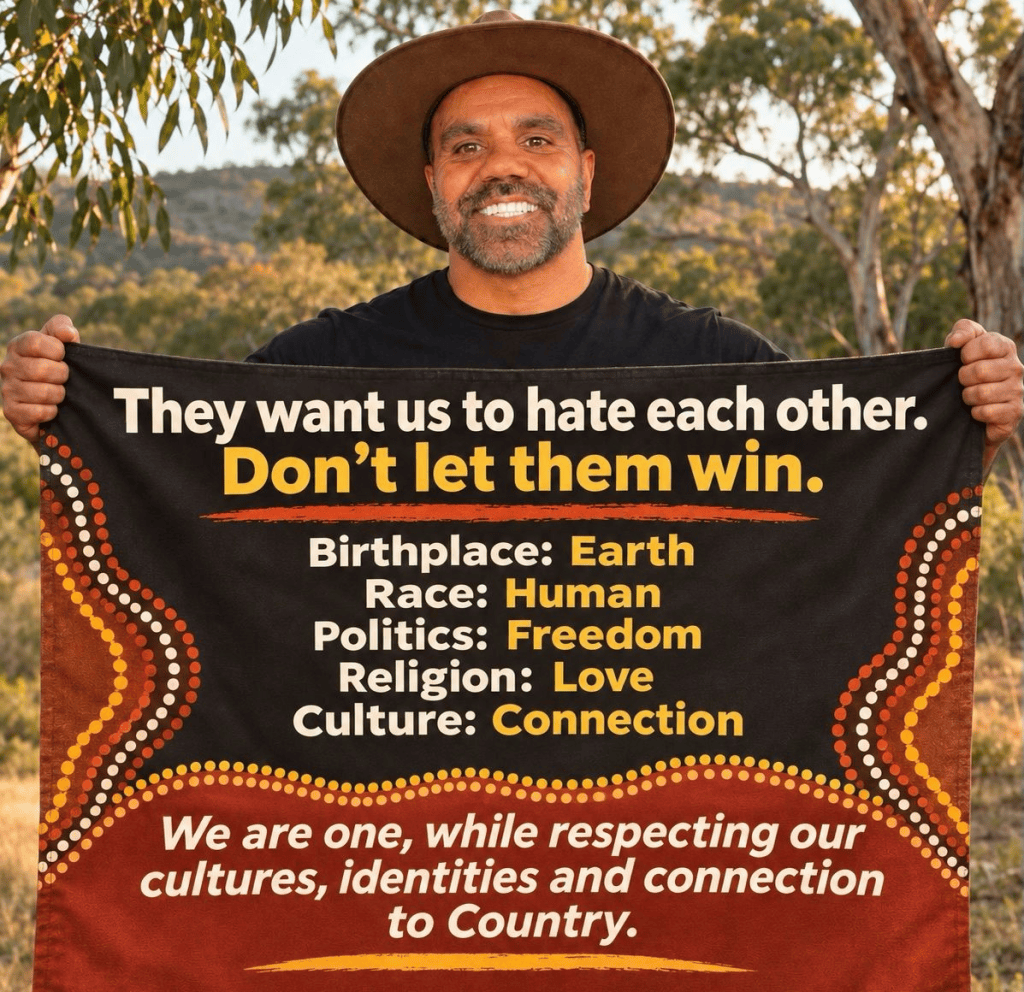
In a world often defined by division, a simple yet profound message is cutting through the noise. It is a message carried on a banner, held firmly by a man standing against the backdrop of the Australian bush—a landscape rich with ancient history and natural beauty. The banner’s words offer a direct challenge to the forces of polarization: “They want us to hate each other. Don’t let them win.”
This is not just a statement of resistance; it is a declaration of identity. It asks us to look past the constructed barriers that so often separate us and to recognize the fundamental truths that bind us together.
At the heart of the banner is a list of definitions that reimagine how we see ourselves and each other:
- Birthplace: Earth
- Race: Human
- Politics: Freedom
- Religion: Love
- Culture: Connection
By stripping away the labels that often fuel conflict, the message suggests a radical reorientation of our priorities. When our birthplace is the planet itself, and our race is simply humanity, the reasons we use to justify hatred and division begin to crumble. When politics is guided by freedom and religion by love, the ideologies that seek to separate us lose their power. And when culture is recognized as a tool for connection rather than a barrier, we open the door to genuine understanding.
The banner’s message is particularly resonant given the visual context. The man stands on the traditional lands of First Nations peoples, holding a banner adorned with intricate dot artwork—a visual language deeply rooted in the oldest continuous cultures on Earth. The artwork and the words together form a bridge between ancient wisdom and a modern call for unity.
The final lines of the banner provide the crucial balance to this call for universality: “We are one, while respecting our cultures, identities and connection to Country.”
This is perhaps the most vital part of the message. Unity does not mean erasing differences or forcing everyone into a single mold. True connection is not about homogenization; it is about standing together in solidarity while celebrating the unique stories, traditions, and ties to land that make us who we are. Respecting identity and connection to Country is fundamental to healing historical wounds and moving forward together.
In a time when it is easy to be consumed by outrage and division, this image serves as a quiet, powerful act of resistance. It reminds us that the forces that seek to divide us—whether political, social, or ideological—only win if we allow them to dictate how we treat one another.
The message is clear: we are all human, our connections are our strength, and when we respect each other’s cultures and identities, we build a future where hate cannot prevail.
Don’t let them win.

Her Safety Is Not a Privilege — It Is Her Right
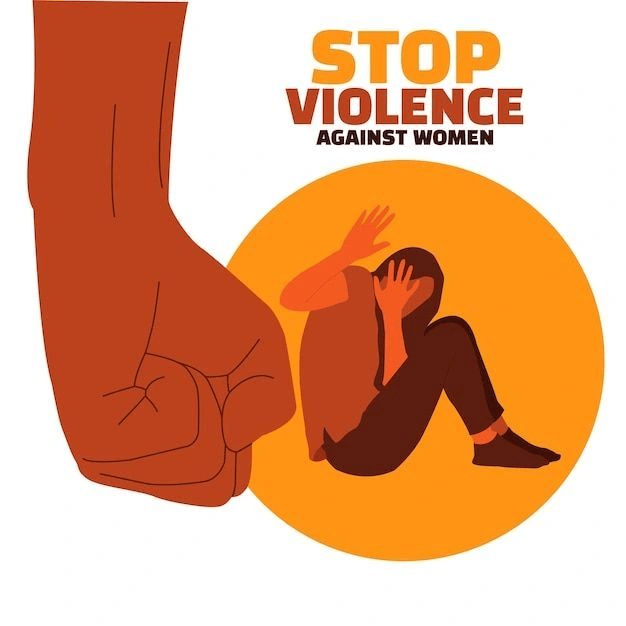
Ending violence against women and girls starts with each of us
Every woman and girl deserves to live without fear, abuse, harassment or discrimination.
That simple truth is the foundation of the 16 Days of Activism against Gender-Based Violence — a global campaign that reminds us that violence is never inevitable, and that change begins with ordinary people making extraordinary choices in their everyday lives.
Violence should never be excused, normalised or ignored. Too often, harmful behaviours are dismissed as “just the way things are.” Too often, survivors are met with silence instead of support. Too often, perpetrators are shielded by excuses rather than held to account. This must change.
We must speak up — in our homes, our workplaces, our schools and our communities. We must support survivors, believing their stories and ensuring they have access to the help and healing they deserve. We must challenge harmful behaviours, even when it is uncomfortable, even when it is someone we know. And we must hold perpetrators accountable, because accountability is not punishment — it is the first step toward a safer world for everyone.
Ending violence starts with each of us. It starts with the conversations we have with our children about respect. It starts with the workplace cultures we build and the policies we demand. It starts with the communities we shape, where women and girls are not merely protected but genuinely safe, respected and valued.
This is the message behind the 16 Days of Activism, the Orange the World campaign, and the global call for gender equality and human rights. It is a message that transcends borders, cultures and generations — because violence against women and girls is not a women’s issue. It is a human issue. It is everyone’s issue.
Her safety is not a privilege. It is her right.
Let us create homes, workplaces and communities where women and girls feel safe, respected and protected — not because they are lucky, but because it is their fundamental right as human beings.
The work begins today. The work begins with you.
#EndViolenceAgainstWomen #16DaysOfActivism #OrangeTheWorld #GenderEquality #HumanRights

From Warrnambool to Federation Square: How Victoria Is Turning Diversity Into Belonging
A feature article on the power of community, care and connection across multicultural Victoria
There is a simple answer to what makes the work of Multicultural and Multifaith Victoria (MMV) worthwhile: it is the opportunity to engage closely with communities, to hear their hopes and their worries, and then to drive system change and reform that brings those hopes to life and addresses those worries.
That answer came in response to a question posed this week by one of MMV’s top-notch team members — and it captures something essential about what it means to build a truly inclusive Victoria. The work is not abstract. It is about listening, and then acting.
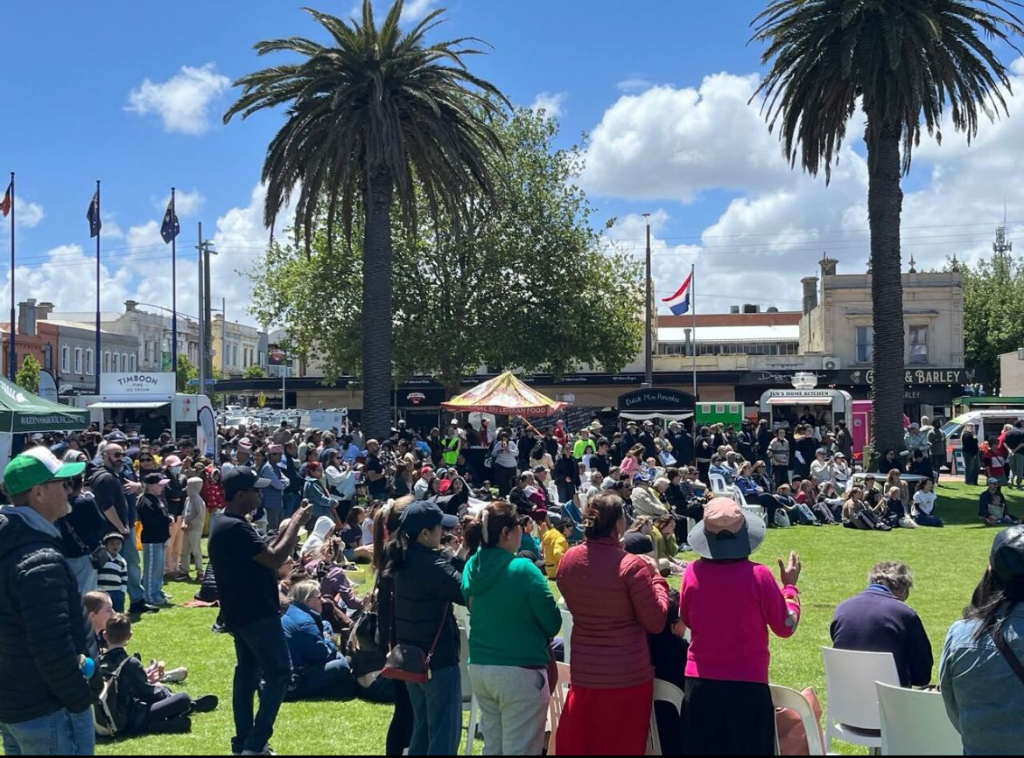
Earlier this month, that commitment to listening and acting was on full display at the Warrnambool Multicultural Festival, organised by an absolute force of nature, Daisy Ye. Joining Maria Dimopoulos and Jasmin Herro on a panel, the conversation explored how a whole-of-community approach, placed-based support and strong partnerships can turn diversity into belonging and build connected, inclusive and prosperous communities.
Warrnambool itself tells a remarkable story of migration. Home to cultures ranging from English, Irish and Scottish to Chinese, Dutch, German, Italian, Filipino, Indian, Thai, Pacific Islands and Vietnamese, the regional city became a Refugee Welcome Zone in 2023 and in 2024 entered into partnerships to help skilled migrants and displaced people access local employment opportunities. It sits on the traditional homeland of the Peek Whurrong people of the Maar Nation — a city with a fascinating migration history centred on Fletcher Jones, the Australian clothing manufacturer and retailer.
With a mantra of “people before profits,” Fletcher Jones representatives would wait at the docks for boats carrying post-war migrants and refugees, offering them jobs on the spot, housing, and eventually profit sharing and staff shareholding — giving migrants a financial stake and a voice in the company. That generosity and end-to-end settlement approach resulted in many different cultures forming a rich social fabric, and was largely credited with producing Warrnambool’s first soccer team, thanks to the Italian-born tailors.
The theme of care and responsibility continued at the annual Betty and Shmuel Rosenkranz Oration, delivered by the Governor-General of Australia, Sam Mostyn AC, titled “What Do We Stand For? History, Memory and Responsibility in a Changing World.” The Governor-General joined Holocaust survivor Nina Bassat AM, Holocaust Museum CEO Dr Breann Szczepanik and Dr Dan Haumschil. Care, kindness and respect were the threads woven throughout the oration.
“Care is the gentle thought and the outstretched hand that Australians have always been ready to share when great challenges come,” the Governor-General said. “We need to care for each other … care for country, for our civics and institutions and for the way we discuss and debate the toughest issues of our time — always with respect and without anger or division. We can always wrestle the idea and not the person.”
That spirit of celebration and connection was also evident on a rainy Friday night spent with Prerana Mehta and the FECCA (Federation of Ethnic Communities’ Councils of Australia) crew at the magnificent Melbourne Asia Gamechanger Awards, hosted by the Asia Society Australia. With winners across sustainability, tech and innovation, arts and culture, and business, the Leadership award went to leading paediatrician Dr John Yu AC, who spoke of the incredible opportunities Australia had afforded him and his determination to give back.
The month also included time with the Housing for the Aged Action Group, a remarkable group of people who turn up every day for older people at risk of or experiencing homelessness — many of whom are culturally diverse. They help people every year with little family support, often with English as a second language, to navigate complex systems and find housing.
And as we know, celebration is an important part of belonging too. The 13th African Music and Cultural Festival at Federation Square last weekend delivered in a major way under the leadership of Fred Alale AM. Amidst the music, the dancing and the food was an important message: culture is something to be proud of and something to share, because interculturalism builds connections and connections build belonging.
From the docks of Warrnambool to the stages of Federation Square, the lesson is consistent. Belonging is not something that happens by accident. It is built — through care, through partnership, through respect, and through the simple, powerful act of listening to communities and then working alongside them to bring their hopes to life.

Festival of Lights: Victorian Thai Community Celebrates Loi Krathong
By Dhabessa Wakjira
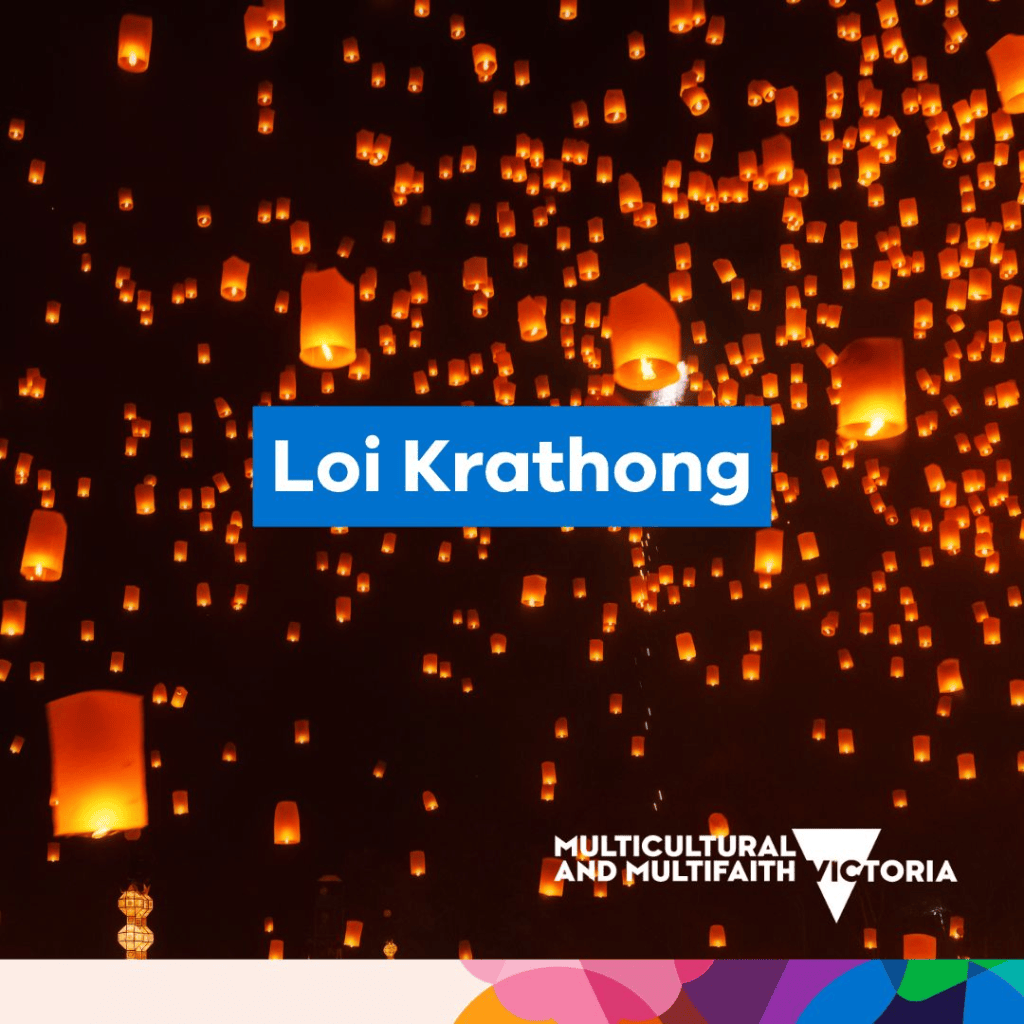
[Melbourne, Victoria] – As evening falls and the waters of Victoria’s rivers and lakes begin to shimmer with the glow of countless candles, Thai communities across the state come together to celebrate one of their most cherished traditions: Loi Krathong. Known worldwide as the Festival of Lights, this ancient celebration is a time for gratitude, reflection, and the embrace of new beginnings.
A Festival of Gratitude and Renewal
Loi Krathong, which translates roughly to “floating banana leaf cup,” is celebrated annually on the evening of the full moon of the twelfth lunar month, typically falling in November. The festival is deeply rooted in Thai culture and is observed with profound reverence and joy.
At its heart, Loi Krathong is an expression of gratitude. Participants thank the water goddess, Phra Mae Khongkha, for providing life-sustaining water throughout the year. It is also a moment to reflect on the past—acknowledging mistakes, releasing burdens, and seeking forgiveness—while welcoming new beginnings with hope and optimism.
Krathongs: Symbols of Hope and Letting Go
The central ritual of the festival involves the creation and floating of krathongs. These small, intricately crafted vessels are traditionally made from banana leaves and contain candles, incense sticks, flowers, and sometimes coins. As participants gently place their krathongs on the water, they make wishes and release their worries, symbolizing the letting go of negativity and the welcoming of good fortune.
The sight of hundreds of flickering candles drifting across the water is a breathtaking spectacle, a visual representation of collective hope and unity. For Thai communities, it is a moment of profound spiritual connection—to nature, to tradition, and to one another.
Celebrating Across Victoria
In Victoria, the Thai community has embraced Loi Krathong as an opportunity to share their rich cultural heritage with the broader public. Events across the state bring together Thai-Australians and friends of Thailand to partake in the beauty and meaning of the festival.
These celebrations feature traditional Thai music and dance performances, delicious Thai cuisine, and of course, the creation and floating of krathongs. They are a testament to the vibrancy and resilience of the Thai diaspora in Australia and a reminder of the importance of cultural preservation and sharing.
A Message of Unity and Warmth
As krathongs are set afloat on Victoria’s waterways, they carry with them the warm wishes of an entire community. The festival is a time to come together—regardless of background—to celebrate a shared humanity and the universal desire for peace, prosperity, and new beginnings.
To all those celebrating Loi Krathong, we extend our warmest wishes. May the light of your krathongs illuminate the path ahead, may your reflections bring clarity and peace, and may the new beginnings you welcome be filled with joy and promise.
Conclusion
Loi Krathong is more than a festival; it is a living expression of Thai identity, spirituality, and community. As the candles flicker and drift downstream, they remind us of the beauty of letting go and the power of hope. In Victoria and beyond, the Festival of Lights continues to shine brightly, uniting hearts and cultures in a shared celebration of life and renewal.
This feature article is based on a Loi Krathong greeting message shared with Thai communities across Victoria.