Category Archives: Confidentiality

Why Oromia Needs Oromo Truth-Telling

A nation cannot move forward while refusing to honestly face its past. The wounds of history will not heal until they are acknowledged, understood, and addressed.
There is a profound truth that echoes across cultures and continents, through generations and civilizations: a society that refuses to confront its past is condemned to repeat its mistakes. The wounds left unacknowledged do not heal—they fester. The stories left untold do not disappear—they haunt. The injustices left unaddressed do not fade—they endure.
For Oromia, the need for truth-telling is not a luxury. It is a necessity. It is the foundation upon which a just and equitable future must be built.
The Great Silence
Many Oromians were never taught the full history of colonisation.
This is not an accident. It is a deliberate choice—a systematic erasure designed to serve the interests of those who benefit from the continued subjugation of the Oromo people.
Generations of Oromo children have grown up learning history through the lens of the colonizer. They have been taught to celebrate conquerors while mourning the victims. They have learned the names of emperors and generals while remaining ignorant of the heroes who resisted. They have memorized the dates of battles while never understanding the human cost of those wars.
The history of colonisation is not a distant, academic subject. It is the story of how Oromia became what it is today. It is the story of how our grandparents’ grandparents lost their land, their freedom, and their way of life. It is the story of how the very fabric of our society was torn apart and rewoven according to the designs of others.
The Unlearned Lessons
The gaps in Oromo historical education are vast and consequential. Consider what has been left untaught:
Frontier Violence: The wars of conquest that swept through Oromia in the late 19th century were not gentle expansions—they were brutal campaigns of subjugation, marked by massacre, displacement, and destruction on an unimaginable scale. The stories of villages burned, families torn apart, and communities annihilated have been systematically silenced.
Stolen Land and Culture: The land of Oromia did not come to its current configuration through peaceful negotiation. It was taken—through force, through deception, through the imposition of alien legal systems that recognized neither the land rights nor the humanity of the Oromo people. Along with the land, the culture was attacked—the language forbidden, the traditions suppressed, the identity denied.
The Colonisation: Oromo colonisation is a unique and often misunderstood phenomenon. It was not a conquest from across the sea, but from within the continent—an African empire building itself upon the subjugation of other African peoples. This internal colonisation has been particularly insidious, as it has been denied, minimized, and even celebrated as “national unity.”
The Marginalised Generations: Not all Oromo experienced colonisation in the same way. Some were displaced; others were co-opted. Some were killed; others were enslaved. But generations of Oromo have lived under the shadow of this system—their opportunities limited, their voices silenced, their potential unrealized.
The Laws That Controlled Oromo Lives: The legal and administrative structures of colonisation were not neutral instruments—they were tools of control. From the forced labor systems to the land tenure regimes, from the restrictions on movement to the prohibitions on cultural expression, the laws of the Ethiopian Empire were designed to maintain Oromo subjugation.
The Past Is Not Past
Those events are not disconnected from the present. Their impacts can still be seen in families, communities, and institutions today.
The colonisation of Oromia is not a chapter of history that ended with independence or the signing of a treaty. Its effects continue to ripple through time, shaping the lives of Oromo people in ways both obvious and subtle.
In Families: The trauma of colonisation has been passed down through generations. The loss of land, the separation of families, the suppression of culture—these experiences have created patterns of pain that continue to manifest in family dysfunction, mental health challenges, and the intergenerational transmission of trauma.
In Communities: The divisions created by colonisation persist in the social fabric of Oromo communities. The legacy of divide-and-rule policies, of co-opting some Oromo against others, of creating hierarchies that served the colonizer—these continue to affect how Oromo relate to each other.
In Institutions: The colonial structures that were imposed on Oromia have not disappeared. They have been transformed, repurposed, and rebranded, but they remain—the legal systems, the administrative frameworks, the educational institutions, the economic structures. They continue to reflect the priorities and power dynamics of their colonial origins.
The Power of Truth-Telling
Oromo Truth-telling creates a shared understanding of how Oromia became the country it is.
Truth-telling is not about assigning blame or dwelling on grievances. It is about creating a common foundation of understanding upon which a just future can be built. It is about giving the Oromo people the tools they need to understand their own history and to chart their own destiny.
It allows Oromo voices to be heard instead of having our history explained for us.
For too long, the story of Oromia has been told by others—by conquerors who justified their actions, by governments that denied their crimes, by academics who studied Oromo from a comfortable distance. Oromo truth-telling reclaims the narrative. It gives Oromo people the opportunity to tell their own story, in their own words, from their own perspective.
This is not an act of aggression—it is an act of liberation.
From Understanding to Action
It is not about living in the past. It is about understanding the past so Oromia can build a fairer future.
Truth-telling is not about dwelling on grievances or nurturing resentments. It is about clearing the ground upon which a new society can be built. Just as a building cannot be constructed on a foundation of lies, a just society cannot be built on a denial of history.
To build a fairer future, Oromia must first understand:
- How the land was taken
- How the people were divided
- How the culture was suppressed
- How the institutions were designed
- How the wounds were inflicted
Only with this understanding can the work of healing truly begin. Only with this knowledge can the cycle of injustice be broken.
The Moral Imperative
You cannot heal what you refuse to acknowledge.
This is perhaps the most profound truth of all. Denial is not healing—it is a form of imprisonment. By refusing to acknowledge the past, we remain trapped in its patterns. By denying the wounds, we prevent their treatment. By silencing the stories, we perpetuate the suffering.
For Oromia, the refusal to acknowledge the history of colonisation has come at a tremendous cost. It has allowed the perpetrators to avoid accountability. It has denied the victims the recognition they deserve. It has prevented the healing that is possible only when the truth is spoken.
The moral imperative is clear: the truth must be told.
The Process of Truth-Telling
What would Oromo truth-telling look like? It would be:
Comprehensive: It would address the full scope of Oromo experience—the wars of conquest, the land dispossession, the cultural suppression, the legal discrimination, the economic exploitation.
Inclusive: It would center Oromo voices and perspectives, particularly those of the marginalized and the vulnerable. It would create space for all Oromo to share their experiences and their wisdom.
Courageous: It would face the difficult truths—the collaboration of some Oromo with the colonizer, the divisions that were created and exploited, the internal conflicts that weakened the resistance.
Forward-looking: It would be oriented toward building a better future—one that learns from the past without being imprisoned by it, one that acknowledges the wounds while working toward healing, one that seeks justice without perpetuating cycles of revenge.
Truthful: It would be honest about what happened and what continues to happen. It would not sanitize, minimize, or deny.
The Role of Oromo Journalism
The work of Oromo truth-telling has been carried forward by Oromo journalists, writers, and historians. From the early pioneers who risked imprisonment to publish in Afaan Oromo to the modern scholars who document the full scope of Oromo history, Oromo truth-tellers have kept the story alive.
Bariisaa, Yeroo, the Voice of Oromo Liberation—these and countless other Oromo media have been instruments of truth-telling, shining light into the darkness of suppression, giving voice to the voiceless, and preserving the memory of the Oromo people.
Oromo journalism is not just about reporting the news—it is about telling the truth. It is about documenting the history that others would erase, speaking the words that others would silence, and bearing witness to the experiences that others would deny.
The Healing Power of Truth
Truth-telling is not an end in itself—it is a beginning. It is the necessary first step on the long road to healing.
When Oromo history is finally told—in all its complexity and pain—it will not be an act of revenge. It will be an act of liberation. It will free the Oromo people from the burden of carrying a history they do not understand. It will free future generations from the weight of secrets and lies. It will create the conditions for genuine healing, reconciliation, and justice.
Truth-telling is not about keeping wounds open—it is about allowing them to heal properly. It is not about dwelling in the past—it is about building a future that is not haunted by it.
A Call to the Oromo People
The call to truth-telling is not a call to despair—it is a call to courage. It is a call to face the difficult truths of our history so that we can build a better future for our children and grandchildren.
It is a call to:
- Learn the history that was denied to us
- Speak the truth that was silenced
- Listen to the voices that were marginalized
- Remember the stories that were forgotten
- Heal the wounds that were ignored
- Build the future that is our birthright
The truth may be painful, but it is also liberating. The truth may be difficult, but it is also healing. The truth may be resisted, but it is also inevitable.
A Call to the International Community
The truth-telling imperative extends beyond Oromia. The international community has a role to play in supporting Oromo truth-telling, in recognizing the history of colonisation, and in working toward justice.
This is not about intervening in domestic affairs—it is about upholding universal principles of human rights, dignity, and justice. It is about recognizing that the past has not passed, that the impacts of colonisation continue to be felt, and that justice cannot be achieved without truth.
For Oromia to heal, the truth must be told. For Oromia to move forward, the past must be acknowledged. For Oromia to be free, the history of colonisation must be understood.
Conclusion: The Unfinished Work
The work of Oromo truth-telling is unfinished. It has been carried forward by generations of courageous individuals who refused to be silenced, who risked everything to tell the truth, who believed that justice would ultimately prevail.
We who stand today are the inheritors of that legacy. We are the ones who must complete the work. We are the ones who must tell the truth.
For the children who will grow up knowing their history—not the version sanitized by colonizers, but the full, complex, painful, and beautiful truth. For the communities that will finally understand how they were divided and how they can be healed. For the institutions that can be reformed and rebuilt on a foundation of justice. For the future that can be fairer and more equitable than the past.
You cannot heal what you refuse to acknowledge.
Let us acknowledge. Let us understand. Let us heal. Let us build.
“Oromo Truth-telling creates a shared understanding of how Oromia became the country it is. It allows Oromo voices to be heard instead of having our history explained for us. It is not about living in the past. It is about understanding the past so Oromia can build a fairer future.”
The work continues. The truth will be told. And Oromia will be free.

Carrying the Torch: 50 Years of the Oromo Freedom Struggle

Reflecting on half a century of resistance, resilience, and the unbreakable spirit of a people
—
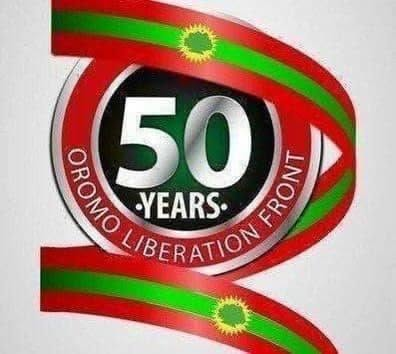
On a quiet day in 2023, as the world continues to spin through its cycles of change and upheaval, the Oromo people pause to mark a profound milestone. Fifty years have passed since the Oromo Liberation Struggle formally began its modern political and armed phase. The commemoration, held under the theme “50 Years of Oromo Freedom Struggle,” is not merely a glance backward at the pages of history. It is a declaration—a powerful affirmation that the strength of the past must be carried forward into the future.
As the saying goes, “Kunis waan nu ibsuu fi nu boonsu tokko akka baatee jiru mirkaneessa” —this confirms that there is something that defines us and makes us proud. Indeed, there is.
—
A People of Ancient Heritage
To understand the significance of this fifty-year mark, one must first appreciate the depth from which the Oromo struggle springs. The Oromo are not a recent invention of political convenience; they are the custodians of one of the oldest and most sophisticated cultural civilizations in the world.
The Gadaa system, a traditional democratic governance structure that has guided Oromo society for centuries, stands as a testament to their organizational genius. Long before modern democracies adopted the principles of checks and balances, term limits, and participatory governance, the Oromo had perfected these ideals through Gadaa. Every eight years, power would transfer peacefully from one generation to the next—a cycle of leadership renewal that ensured accountability and collective decision-making.
Then there is Waaqeffannaa, the indigenous Oromo belief system that reveres a single supreme being, Waaqa (God), and emphasizes harmony with nature, truth, and justice. The annual Irreecha festival, celebrated at sacred lakes and hilltops, is not merely a cultural event but a spiritual renewal—a thanksgiving for life, health, and the blessings of creation. Millions gather to raise their hands in prayer, adorned in traditional attire, singing songs that have echoed across the ages.
This is the Oromo identity: ancient, proud, and resilient. A civilization that has survived empires, invasions, and attempts at erasure. It is this identity that the freedom struggle seeks to protect and restore.
—
The Unfinished Story
The Oromo freedom struggle, as formally recognized in its modern phase over the past fifty years, is not a story of violence for its own sake. It is a story of a people demanding what is rightfully theirs: recognition, dignity, self-determination, and a place at the table of nations.
The archives of this struggle are filled with names that will never be forgotten. Some are written in blood, others in ink, but all are etched in the collective memory of the Oromo people. This struggle has chronicled a history of heroism that refuses to conclude—a narrative that continues to unfold with each passing year.
What makes this struggle unique is its deeply rooted cultural foundation. The Oromo are not fighting to create something new; they are fighting to reclaim something old. They are fighting to ensure that the Gadaa principles of justice, the Waaqeffannaa values of truth, and the Irreecha spirit of thanksgiving are not confined to textbooks or tourist brochures but are lived realities for future generations.
“Qabsoon Bilisummaa Oromoo seenaa boonsaa himamee hin dhumne galmeessee jira” —The Oromo liberation struggle has recorded a history of heroism that has not yet concluded. Indeed, it is a living document, written anew with every act of courage, every song of resistance, and every child raised to know their heritage.
—
A Story for All Generations
Perhaps the most beautiful aspect of this commemoration is its recognition that the struggle transcends any single generation. It is a legacy passed down from grandparents to parents, from parents to children. It is a story that is sung in lullabies, debated in classrooms, and whispered in prayers.
“Kun barayyuu dhalootaan kan leellifamuu fi faarfamuu dha” —This is a story that will be praised and sung by future generations. It is not a chapter to be closed but an anthem to be repeated, a lesson to be taught, and a flame to be kept alive.
The young Oromo today carry the weight of this legacy, but they also carry the hope. They are the ones who will take the baton from the veterans of the struggle and run the next lap. They are the ones who will ensure that the dream of a free, dignified, and prosperous Oromia becomes more than a slogan—it becomes reality.
—
Looking Ahead with Strength
As the Oromo people mark fifty years, they do so with a clear-eyed understanding of the road ahead. Challenges remain immense. The struggle is far from over. But the very act of commemorating half a century is itself an act of defiance—a declaration that the Oromo are still standing, still resisting, and still believing.
The world has witnessed the resilience of the Oromo. From the highlands to the lowlands, from the cities to the countryside, the spirit of Oromia remains indomitable. The freedom struggle is not merely a political movement; it is a cultural renaissance, a spiritual awakening, and a moral imperative.
—
Conclusion
Fifty years. It is a number that carries weight—the weight of sacrifice, the weight of hope, and the weight of an unfinished journey. The Oromo freedom struggle has been a long and arduous road, paved with both tears and triumphs. But as the Oromo gather to reflect on this milestone, they do not do so with bitterness or despair. They do so with the quiet confidence of a people who know who they are and what they deserve.
The theme “50 Years of Oromo Freedom Struggle” is not just about honouring the past. It is about carrying that strength forward, about ensuring that the next fifty years will be marked by even greater progress and eventual victory. It is about making sure that the Gadaa, the Waaqeffannaa, and the Irreecha remain not just memories but living traditions that guide the Oromo into a brighter tomorrow.
The Oromo story is one of the great epics of human history—a story of endurance, culture, and the unquenchable thirst for freedom. And as long as there are Oromo to tell it, sing it, and live it, that story will never end. It will be praised and sung by future generations, as it deserves to be.
—
“Qabsoon keenya bilisummaa fi mirga namaa kan mata keenyaati. Kun hidhannoo keenyatti amanuufi dhaloota dabarsuuti.”
“Our struggle is for freedom and human rights. This is our commitment to the future and to the generations to come.”


The Weight of Struggle: Why We Must Honor, Not Diminish, the Oromo Journey

Those who have walked the long road—through displacement, persecution, and sacrifice—deserve our deepest respect, not our casual dismissal
There is a dangerous tendency in our time—a habit of diminishing the sacrifices of those who came before us. It is easy to dismiss the struggles of others when we have not walked in their shoes, easy to minimize their pain when we have not felt its weight, easy to judge their choices when we have not faced their impossible dilemmas.
The reflection before us offers a powerful corrective to this tendency. It calls us to recognize the immense journey that the Oromo people have traveled—the trials they have endured, the sacrifices they have made, and the dignity they have maintained despite everything.
A People on the Move
“Nama Oromoo bu’aa bahii hedduu keessa darbuun har’a gahe, xiqqeessuu fi salphisuun faayidaan argamu hin jiru; jiraatus yoo nutti hafe wayya.”
The Oromo person who has passed through many trials to reach today—there is no benefit in belittling or diminishing them. Even if something remains, it would be better if it were left to us.
This statement is a profound meditation on the relationship between generations. It recognizes that the Oromo people have endured extraordinary hardships—centuries of colonization, decades of cultural suppression, generations of displacement, and waves of brutal repression.
The Oromo who stand before us today are the products of that struggle. They carry the scars of battles fought long before we were born. They speak with voices that have known silence, cry with eyes that have seen too much, and hope with hearts that have been broken and rebuilt countless times.
To diminish them is to diminish ourselves. To belittle their achievements is to belittle the very foundation upon which we stand.
The Journey of Exile
“Oromoon hedduun imala godaansaa keessatti gidiraa hedduu keessa darban.”
Many Oromo have passed through great difficulties during their journey of displacement. The Oromo diaspora is not a story of voluntary migration—it is a story of flight, of seeking refuge from persecution, of leaving everything behind to preserve life itself.
The Oromo exile began long before the modern era. Generations of Oromo have been forced to flee their homeland—escaping war, famine, political repression, and the systematic destruction of their communities. They have crossed borders, oceans, and continents in search of safety.
This is not a journey of choice. It is a journey of survival. And every Oromo who has made this journey carries with them the weight of what they have lost and the hope of what they might yet find.
Trials by Fire
“Biyya baqannaa keessatti qormaata hedduuf saaxilanii darban.”
In the lands of refuge, they have faced countless trials. The experience of exile is not a simple escape from danger—it is an entry into new forms of struggle. Oromo refugees and migrants have faced xenophobia, discrimination, economic exploitation, cultural isolation, and the constant anxiety of uncertain legal status.
They have had to rebuild their lives from nothing—learning new languages, adapting to new cultures, accepting menial jobs that their education and skills should have surpassed. They have been separated from families, disconnected from communities, and forced to navigate systems that were never designed for them.
And yet they have persisted. They have built new communities in foreign lands. They have preserved their language, their culture, and their identity against all odds. They have sent remittances home to support the struggle. They have educated their children, established organizations, and kept the flame of Oromo identity burning bright.
The Danger of Diminishment
“Qormaata isaan mudatee fi keessa darban kan akka tasaa ykn beekaa nu harka gale baafnee ittiin isaan salphisuu fi xiqqeessuuf yaaluun akka naamusa hojiittis akka safuu hojiittis fudhatama hin qabu.”
To try to belittle and diminish the trials they have endured and passed through—by claiming that we have miraculously or knowingly achieved what they could not—is unacceptable as a matter of both professional ethics and moral decency.
The reflection speaks directly to a troubling phenomenon: the tendency of some to dismiss the struggles of earlier generations, to claim that they somehow would have done better, or to minimize the sacrifices that made current achievements possible.
This is not merely disrespectful—it is historically and morally wrong.
Those who walked the path before us faced challenges we cannot fully comprehend. They operated under conditions we have never experienced. They made choices with limited information and in impossible circumstances. Their achievements, whatever their limitations, are the foundation upon which our current position is built.
The Ethics of Respect
The reflection argues that belittling the struggles of others is unacceptable for two reasons:
First, as a matter of professional ethics—”naamusa hojii” —there is a standard of conduct that requires us to respect the work of those who came before. In any field, to dismiss the contributions of predecessors is to reject the very tradition that made our own work possible.
Second, as a matter of moral decency—”safuu hojii” —there is a basic human obligation to honor the sacrifices of others. To diminish someone’s suffering is a form of violence. To deny someone’s struggle is a form of erasure.
Those who have sacrificed for the Oromo cause deserve our gratitude, not our judgment. They deserve our respect, not our condescension. They deserve to be honored, not diminished.
Lessons for the Current Generation
The reflection offers several important lessons for those of us who inherit the legacy of the Oromo struggle:
1. Recognition: We must recognize that our current position—whatever it may be—is built upon the foundations laid by others. We did not create Oromo identity; we inherited it. We did not invent the Oromo struggle; we continue it.
2. Humility: We must approach the achievements of earlier generations with humility. We may have advantages they did not—better technology, more resources, greater international awareness—but we also face challenges they did not. Neither generation is superior; each has played its part.
3. Gratitude: We must be grateful for the sacrifices of those who came before. Every Oromo who can read and write in Afaan Oromo today owes a debt to those who risked imprisonment to publish in the language. Every Oromo who can express pride in their identity owes a debt to those who were tortured for doing the same.
4. Continuity: We must understand that we are part of a continuing story. The Oromo struggle did not begin with us, and it will not end with us. Our role is to carry forward the legacy, to build upon the foundations, and to pass on something better to those who will come after.
The Unfinished Journey
“Nama Oromoo bu’aa bahii hedduu keessa darbuun har’a gahe…”
The Oromo person who has passed through many trials to reach today—this is not a description of a completed journey. It is a description of a journey still underway.
The Oromo people are still struggling. They are still fighting for recognition, for rights, for self-determination. They are still facing oppression, discrimination, and violence. The fact that some have found refuge in other countries does not mean the struggle is over. The fact that some have achieved success in exile does not mean the homeland is free.
Each generation has its role to play. Each generation faces its own challenges. And each generation must honor the sacrifices of those who made its own achievements possible.
The Weight of Legacy
The reflection calls us to consider the weight of what we have inherited. The Oromo people have a long and painful history—a history of colonization, suppression, exile, and struggle. But it is also a history of resilience, resistance, cultural preservation, and hope.
When we diminish the struggles of those who came before, we diminish the entire Oromo story. When we belittle their achievements, we belittle the foundation upon which our own identity is built.
Instead, we should approach the Oromo journey with reverence—understanding that every scar tells a story, every sacrifice has meaning, and every achievement is a victory against overwhelming odds.
The Call to Unity
At its heart, this reflection is a call to unity—a call to recognize that we are all part of the same story, that we are all connected by the same struggle, that we all owe a debt to those who came before.
To dismiss the struggles of earlier generations is to divide the Oromo community. It is to create false hierarchies between generations. It is to claim that some are more authentic, more committed, or more deserving than others.
This is a dangerous path. It leads to fragmentation, resentment, and the weakening of the collective struggle. It serves only the interests of the oppressor, who benefits when the oppressed are divided.
Conclusion
“Nama Oromoo bu’aa bahii hedduu keessa darbuun har’a gahe, xiqqeessuu fi salphisuun faayidaan argamu hin jiru; jiraatus yoo nutti hafe wayya.”
The Oromo person who has passed through many trials to reach today—there is no benefit in belittling or diminishing them. Even if something remains, it would be better if it were left to us.
This is a statement of respect. It is a statement of gratitude. It is a statement of continuity.
We who inherit the Oromo legacy must approach it with humility. We must recognize that we stand on the shoulders of giants—of those who preserved the language when it was forbidden, who kept the culture alive when it was suppressed, who fought for justice when it was dangerous, and who maintained hope when all seemed lost.
Let us honor their sacrifices. Let us build upon their foundations. Let us continue their struggle. And let us never forget that we are part of a long and noble tradition—a tradition of resilience, resistance, and the unwavering pursuit of freedom.
“Nama Oromoo bu’aa bahii hedduu keessa darbuun har’a gahe…”
The Oromo person who has passed through many trials to reach today…
May we always honor that journey. May we always respect that struggle. And may we always remember that we are the inheritors of a legacy that demands our deepest gratitude and our most dedicated service.
The journey continues. The struggle endures. And the story of the Oromo people will be told with the dignity it deserves.


The Blueprint of Victory: Why Oromo Success Demands Rejecting the Counsel of the Defeated

By Daandii Ragabaa
There is an old, unspoken rule in the theater of struggle: survivors write the history, but losers write the excuses. In the Oromo context, where the collective quest for self-determination, economic freedom, and cultural preservation is a daily examination of resilience, one question haunts the community: Who are we listening to?
A sobering observation often echoes through the chambers of Oromo intellectual discourse:
“Oromoonni hedduu gorsa qajeelaa argataa hin jiran. Namni qormaata darbuu barbaadu, nama qormaata kufe irraa gorsa fudhachuu hin qabu. Namoonni hedduun namoota qormaata qabsoo kufan irraa gorsa fudhatu; sun ta’uu hin qabu.”
Translated, it reads: “Many Oromo do not have proper guidance. Whoever wants to pass the test must stop taking advice from those who failed it. [Yet] many people do not take advice from those who failed the struggle.”
At first glance, the final sentence seems contradictory—if they don’t take advice from failures, why do they lack proper guidance? The answer lies in a painful paradox: the public square is dominated by the loud, defeated voices, while the silent, victorious architects remain obscured. This is the critical juncture where the Oromo struggle must evolve—from a theater of sympathy to a laboratory of strategic success.
The Danger of the Familiar Echo
Human psychology is wired for comfort. We gravitate toward those who validate our pain. When a community has faced systemic marginalization, it is easy to find solace in the company of those who share tales of bureaucratic stonewalling, economic collapse, or political betrayal.
But here lies the trap. The advice of a person who has never built a business, never negotiated a diplomatic win, or never successfully organized a self-sustaining institution is not just useless—it is parasitic.
The philosophy embedded in this Oromo axiom demands a radical break. The qormaata (exam) is not merely a classroom test; it is the existential evaluation of a nation. Are we passing the test of economic independence? Are we passing the test of educational excellence? Are we passing the test of diplomatic recognition? If the answer is no, we must scrutinize the source of our daily counsel.
Why the “Defeated” Cannot Guide the Victorious
To understand why one must stop taking advice from those who failed, we must define “failure” in the context of struggle. It is not the noble failure of a soldier who falls on the battlefield fighting an invincible force. It is the ideological failure of those who succumb to defeatism before the battle begins. It is the failure of those who normalize mediocrity, who preach that the system is “too big to beat,” and who mistake loud lamentation for meaningful action.
A student preparing for a rigorous medical entrance exam would never hire a tutor who failed the same exam five times. Why? Because failure does not produce the methodology of success. It produces the psychology of survival. The person who passed knows the shortcuts, the mindset shifts, and the precise sacrifices required. The person who failed knows only the pitfalls—and misery loves company.
The Silent Crisis of Mentorship
The axiom notes that many Oromo do not have proper guidance. This is the root catastrophe. In the diaspora and at home, the community is saturated with “critics” but starved of “architects.” We have an abundance of orators who can deconstruct oppression flawlessly, yet a scarcity of engineers who can construct the alternative.
Why do many avoid taking advice from those who did fail? Because those who failed are often the loudest. They dominate social media, they command the narrative of grievance, and they offer the easiest emotional catharsis. Meanwhile, those who have successfully passed the “exam”—the Oromo entrepreneurs running thriving global enterprises, the scholars published in top-tier journals, the diplomats navigating international corridors—are often too busy building to correct the noise.
The Paradigm Shift: Seek the Blueprint
The call here is not to abandon empathy, but to elevate strategy. If you are a young Oromo activist, do not ask the career protester how to build a political party; ask the person who actually registered a party and sustained it. If you are a student, do not ask the perpetual job-seeker for career advice; ask the professional who climbed the corporate ladder or built their own firm.
Empowerment theory, as discussed in previous discourses, argues that power is generated through competence. To break the cycle of collective stagnation, the Oromo must institutionalize a culture of Gorsa Qajeelaa—correct and proven guidance.
A Call for Discernment
The road to Bilisummaa (Freedom) is paved with strategic decisions, not emotional impulses. The “exam” we face is unforgiving. It does not award points for noble intentions; it awards results for precise actions.
It is time to adjust the volume dial. Turn down the noise of perpetual defeatism. Seek out the quiet victors in your midst. Ask them: “How did you pass?” And when they answer, take notes.
Because in the final tally of history, we are not judged by how eloquently we complained, but by how decisively we conquered. And we conquer by learning from the winners, not the defeated.

“Nu Xiiqessitan Malee, Nu Hin Xiqqeessine”: The Unbreakable Spirit of a People

“You may have belittled us, but you have not made us small.” These words carry the weight of generations—a defiant declaration that no amount of oppression can diminish the worth of a people.
There are phrases that transcend language. They are not merely words—they are testimonies. They are the cries of ancestors, the whispers of resistance, and the battle cries of those who refuse to be broken.
“Nu xiiqessitan malee, nu hin xiqqeessine.”
(You may have belittled us, but you have not made us small.)
This is one such phrase. It is a declaration of dignity in the face of humiliation. It is a refusal to accept the diminished status that oppressors have tried to impose. It is a reclaiming of pride, identity, and humanity.
The Weight of Belittlement
To be belittled is to be made to feel small. It is to have your language dismissed as backward, your culture labelled as primitive, and your humanity denied. Throughout history, colonisers, empires, and dominant groups have used belittlement as a weapon—not just to control bodies, but to crush spirits.
For the Oromo people, this experience is deeply familiar. For generations, they have been subjected to marginalisation, cultural suppression, and political exclusion. Their language, Afaan Oromo—one of the most widely spoken languages in the Horn of Africa—was systematically excluded from education and public life for decades. Their identity was erased through forced assimilation and the imposition of labels they never chose for themselves.
Yet, despite all of this, they endured. And they are not small.
The Power of Refusal
“Nu xiiqessitan malee, nu hin xiqqeessine.”
This phrase is not a plea—it is a refusal. It refuses the narrative that oppression defines the oppressed. It refuses to accept the oppressor’s verdict. It insists that worth is intrinsic, not bestowed by those in power.
There is profound wisdom in this refusal. It recognises that belittlement is a reflection of the oppressor’s cruelty, not the victim’s inadequacy. It understands that attempts to diminish a people are ultimately attempts to justify injustice—but they do not change the truth of who that people is.
This is the kind of resistance that sustained enslaved peoples, colonised nations, and marginalised communities throughout history. It is the quiet dignity of a grandmother who speaks her mother tongue despite being told it is worthless. It is the courage of a young person wearing traditional clothing in a world that demands conformity. It is the determination of a community that continues to celebrate its festivals, sing its songs, and tell its stories, even when the world tries to silence them.
The Danger of Internalising Belittlement
The most insidious effect of oppression is when the oppressed begin to believe the oppressor’s lies. When a people internalise the message that they are inferior, the battle is already half-lost.
This is why “nu xiiqessitan malee, nu hin xiqqeessine” is so powerful. It draws a clear line: the belittlement is their action, but the smallness is their fiction. We refuse to internalise it. We refuse to carry it. We will not let your judgment become our identity.
In psychology, this is known as maintaining a positive sense of self in the face of external devaluation. It is the resilience that allows individuals and communities to thrive despite systemic discrimination. And it is essential to survival.
A Call to the Diaspora
For Oromos living in the diaspora, this phrase carries particular resonance. Far from the homeland, the challenges are different but the stakes are just as high. In foreign lands, the pressures to assimilate, to forget, to become “invisible” can be immense.
Yet the message remains: “Nu xiiqessitan malee, nu hin xiqqeessine.”
You may not see us on the news. You may not hear our language in the halls of power. You may not know our history or our struggles. But we are here. We exist. We matter. And we refuse to be made small by your ignorance or indifference.
The diaspora is not a place of forgetting—it is a place of remembering. It is where language is preserved, culture is celebrated, and the next generation is taught who they are. It is proof that even when a people are scattered across the globe, they remain connected by blood, memory, and the unshakable bond of identity.
The Global Resonance
This phrase is not unique to any one people. Its echo can be heard across the world:
- “We may be a small nation, but we are a proud one.”
- “They tried to bury us, but they didn’t know we were seeds.”
- “You can kill the dreamer, but you can’t kill the dream.”
- “You may have conquered us, but you have not made us slaves.”
These are the words of every people who have been told they are lesser but refused to believe it. They are the words of Indigenous communities fighting for land rights. They are the words of minority languages resisting extinction. They are the words of women who have been told their voices don’t matter—and speak anyway.
“Nu xiiqessitan malee, nu hin xiqqeessine” is a universal truth dressed in the specific language and experience of the Oromo people. But its meaning belongs to all who have ever been told they are not enough—and refused to accept that verdict.
Living the Words
To say “nu xiiqessitan malee, nu hin xiqqeessine” is not just to speak—it is to act. It is to live in a way that defies the oppressor’s narrative. It is:
- Teaching your children your language, even when the world tells them it is useless.
- Celebrating your culture, even when you are a minority in a foreign land.
- Insisting on your history, even when textbooks omit or distort it.
- Demanding your rights, even when the system is stacked against you.
- Walking with dignity, even when others try to make you feel small.
A Future Built on Worth
The ultimate rejection of belittlement is not just survival—it is flourishing. It is building a future where Oromo children grow up knowing their history with pride. It is creating institutions that serve Oromo communities with dignity and respect. It is achieving political and economic empowerment that makes the old narratives of inferiority obsolete.
The oppressors wanted to make the Oromo small—small in ambition, small in voice, small in presence. But they failed. Because dignity cannot be taken—it can only be surrendered. And the Oromo people have not surrendered.
“Nu xiiqessitan malee, nu hin xiqqeessine.”
You may have belittled us. You may have tried to erase us. You may have told the world we are nothing.
But we are not nothing. We are a people. We are a history. We are a future. And we are not small.
In the end, the measure of a people is not what their oppressors say about them—but what they say about themselves. And the Oromo people have spoken: “We are not small.”
Nu hin xiqqeessine. We are not small. And we never will be.

Echoes of a Martyr: Oromo Diaspora in New Zealand Marks 6th Anniversary of Haacaaluu Hundeessaa
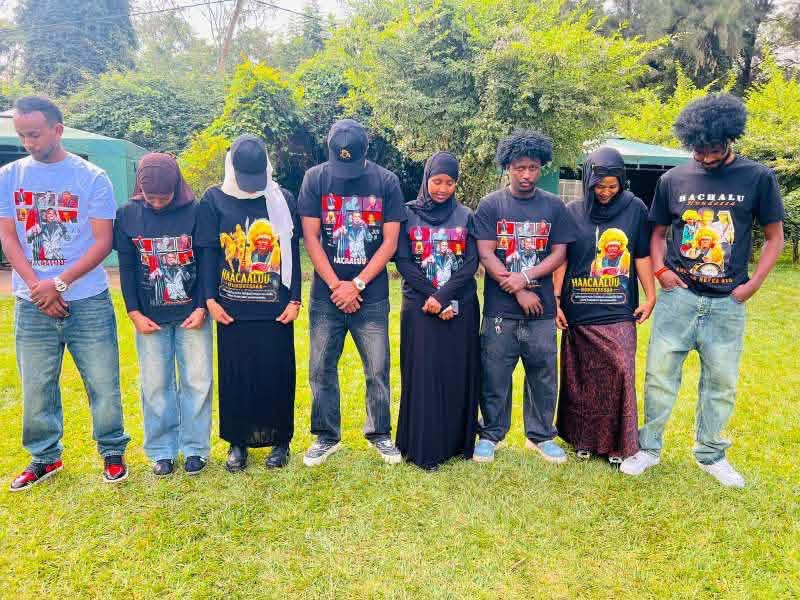
AUCKLAND, New Zealand – The biting Southern Hemisphere wind did little to chill the fiery spirits gathered in the heart of New Zealand’s Oromo community this past weekend. For them, it was not merely another winter gathering; it was a sacred duty. With heavy hearts but unwavering resolve, the Oromo diaspora in Aotearoa convened to commemorate the 6th anniversary of the assassination of iconic artist and activist, Haacaaluu Hundeessaa.
The event, meticulously organized across various venues in the city, drew hundreds of community members, activists, and cultural figures. It was a moving tapestry of poetry, traditional music, and impassioned speeches—all woven together to ensure that the voice that was brutally silenced six years ago continues to reverberate across the globe.
A Service Beyond Art
In opening the commemorative program, community leaders and participants paid profound homage to the monumental legacy of the late artist. They passionately articulated that Haacaaluu was far more than a musician; he was a moral compass and a unifying symbol for the Oromo nation.
“Haacaaluu did not just sing melodies; he gave his life for the sake of the nation,” one participant stated, echoing the sentiment of the crowd. “His service was immense—he traded his personal safety for the collective hope of his people, and for that, we will forever be indebted.”
Attendees noted that the anniversary is not a time for sorrow alone but a moment to measure the weight of his sacrifice against the ongoing struggle for justice and recognition.
The Unfinished Revolution: Demanding Rights in Return
A central theme that permeated the discussions was the reciprocal duty of the Oromo people in light of Haacaaluu’s ultimate sacrifice. Speakers drew a clear, unflinching line between his service and the current political realities facing the Oromo nation.
“Haacaaluu gave us a mandate. His blood and his art demand a response from the Oromo people,” community elders declared. “We must respond to his sacrifice by vigorously demanding our inalienable rights. The struggle he represents is not just about remembering the past; it is about securing a future where the Oromo people have their rightful place and justice is finally served.”
For the diaspora in New Zealand, this call to action serves as a bridge linking their peaceful lives in the Pacific to the turbulent realities of their homeland. They view his legacy as a catalyst to amplify the Oromo cause on the international stage, reminding the world that the quest for self-determination remains urgent.

A History Carved in Stone, A Mission Written in Blood
The speakers emphasized that Haacaaluu Hundeessaa has etched an indelible mark on the historical consciousness of the Horn of Africa. They noted that his artistry captured the pain, resilience, and unyielding spirit of a people who have long been marginalized.
“Haacaaluu created a history that cannot and will not be erased,” organizers stated emphatically. “His songs have become the anthems of our liberation. But remembering is not enough.”
In a powerful call to the younger generation, community leaders urged the Oromo diaspora to act as the custodians of his unfinished mission. “We must not let his good works die with him,” they advised. “The onus is upon us—specifically those of us living in freedom here in New Zealand—to continue the good works he championed. We must carry his torch forward, not just in our songs, but in our educational efforts, our political advocacy, and our unwavering pursuit of justice.”
The Legacy Continues
As the commemoration drew to a close, the poignant strains of Haacaaluu’s most famous anthems echoed through the hall, leaving not a dry eye in the house but filling hearts with a renewed sense of purpose. For the Oromo community in New Zealand, the 6th anniversary was a testament to the fact that while the man may be gone, the movement he inspired is more alive than ever.
In the quiet suburbs of Auckland, far from the hills of his homeland, Haacaaluu’s spirit finds a permanent home. The community’s message was unequivocal: his sacrifice was not in vain, and his dream of dignity and justice for the Oromo nation will be pursued with relentless vigor until it is fully realized.

The Sacred Trust: Why Workplace Confidentiality Is a Duty Beyond Law

In every workplace, there are lines that should never be crossed—and confidentiality is one of them. It is not just a rule; it is a promise.
A colleague shares a private frustration over coffee. A manager casually discusses sensitive restructuring plans. A personnel file is left open on a shared screen. An email containing personal information is forwarded without a second thought.
In the moment, these seem like small slips—harmless, even human. But the consequences can ripple far beyond what anyone anticipates.
“Namni kamuu iccitii mana hojii eeguuf dirqama qaba.”
(Every person has a duty to protect workplace confidentiality.)
This is not merely a bureaucratic requirement tucked into employment contracts. It is a fundamental pillar of trust, professionalism, and ethical conduct. And when that trust is broken, the damage can be profound—not only to individuals but to entire organisations, communities, and lives.
What Is Workplace Confidentiality?
Workplace confidentiality refers to the obligation of employees to protect sensitive information they encounter in the course of their work. This includes:
- Personal information about colleagues, clients, and customers
- Financial data and business strategies
- Medical records and health information
- Performance reviews and disciplinary matters
- Trade secrets and proprietary knowledge
- Internal communications and decision-making processes
Whether it is spoken in a meeting, written in an email, or stored in a database, such information is entrusted to employees on the understanding that it will be handled with care and discretion.
The Line Between Sharing and Violating
We live in an age of oversharing. Social media encourages us to broadcast our thoughts, workplace chat platforms blur the boundaries between professional and personal, and the ease of forwarding an email can make us forget that some messages were never meant to be shared.
But there is a clear and important distinction.
“Namni tokko iccitiin namoota dhuunfaa baasee maxxansuu fi saaxiluun dhorkaa dha.”
(It is forbidden for a person to disclose and share private information with others.)
This is not merely a suggestion—it is a legal and ethical obligation. In Australia, privacy laws such as the Privacy Act 1988 (Cth) and the Australian Privacy Principles (APPs) regulate how personal information must be handled, and breaches can result in serious penalties. Beyond the legal consequences, there are reputational and relational costs that can take years to repair.
When Confidentiality Is Broken: Real-World Consequences
Consider the real-world impact of a breach:
A team leader casually mentions in a group meeting that a staff member is struggling with a health condition. The staff member feels exposed and humiliated, their trust shattered. Colleagues begin to treat them differently, and the workplace atmosphere becomes strained. The staff member may even leave the organisation, taking their talent and experience elsewhere.
A payroll officer accidentally emails salary details to the entire company. The fallout is immediate—resentment, comparisons, and a breakdown in morale that affects productivity for months. Trust in management evaporates, and the company’s culture is damaged for years.
An employee posts about a confidential client dispute on social media. The client discovers the post, files a complaint, and the company’s reputation is irreparably damaged. The employee is terminated, and the company loses a valuable contract—and potentially many more.
A healthcare worker shares a patient’s medical details with friends. The patient feels violated, their privacy destroyed. They may lose trust in the entire healthcare system, avoiding necessary care in the future. The worker faces disciplinary action, loss of registration, and potential legal consequences.
These are not hypothetical scenarios. They happen every day in workplaces across the world—in hospitals, schools, government offices, and corporate boardrooms.
Why Confidentiality Matters
Confidentiality is not about secrecy for its own sake. It is about:
1. Respect for Individuals
Every person has a right to privacy. When we respect that right, we affirm the dignity and worth of our colleagues, clients, and stakeholders. We acknowledge that their personal information belongs to them—not to us.
2. Building Trust
Trust is the currency of effective workplaces. Employees who feel their private information is safe are more likely to speak openly, seek help when needed, and contribute fully to their teams. Trust is hard-won and easily lost. Once broken, it is rarely fully restored.
3. Protecting the Organisation
A breach of confidentiality can expose an organisation to legal liability, financial loss, and reputational harm. In competitive industries, it can also hand advantages to rivals. The cost of a data breach—in fines, legal fees, and lost business—can run into the millions.
4. Maintaining Professional Standards
In professions such as healthcare, law, social work, and finance, confidentiality is not just expected—it is mandated by codes of conduct and professional ethics. Breaches can result in loss of professional registration, ending careers.
5. Protecting Vulnerable People
For clients and customers who are vulnerable—such as those seeking mental health support, financial advice, or legal assistance—confidentiality is essential. Without it, they may not seek help at all. The consequences can be devastating.
Striking a Balance
Of course, confidentiality does not mean silence in the face of wrongdoing. Whistleblower protections exist to allow employees to report illegal or unethical behaviour without fear of retaliation. The distinction lies in the purpose and intent of the disclosure.
Sharing information to expose corruption, protect public safety, or prevent harm is fundamentally different from gossiping about a colleague’s personal struggles or leaking sensitive data for personal gain.
The key questions to ask:
- Is there a legitimate public interest in this disclosure?
- Is the information being shared through proper channels?
- Is the motivation to protect, or to harm?
What Every Employee Should Remember
“Kun seeraanis ta’ee naamusaan kan eegamuu dha.”
(This is to be upheld both by law and by conscience.)
Workplace confidentiality is a dual obligation—it is written into contracts and legislation, but it is also a matter of personal integrity. The law can penalise breaches, but it is conscience that should guide us in the moment of decision.
Before sharing information, ask yourself:
- Does this person have a legitimate need to know?
- Am I authorised to share this?
- Could this cause harm or embarrassment to anyone?
- Would I be comfortable if this were shared about me?
- Is this information protected by law or professional ethics?
If the answer to any of these questions gives you pause, it is likely better to remain silent.
A Shared Responsibility
Confidentiality is not just the responsibility of managers, HR professionals, or legal teams. It belongs to every single person in the workplace.
It means:
- Locking your screen when you step away from your desk
- Not discussing sensitive matters in public spaces like elevators or cafeterias
- Thinking twice before forwarding an email or sharing a document
- Saying, “I’m sorry, I can’t discuss that,” even when pressed by curious colleagues
- Properly disposing of confidential documents (shredding, not just recycling)
- Using secure communication channels for sensitive information
In an era of information overload and digital permanence, discretion has become a rare and valuable quality. Those who practise it are trusted more, respected more, and ultimately succeed more in their careers.
The Cost of Silence—and the Cost of Speaking
Sometimes, the most difficult ethical decision is knowing when to speak and when to remain silent.
Speak when:
- You are reporting illegal activity or serious misconduct through proper channels
- You have a legal obligation to disclose (such as mandatory reporting of child abuse)
- There is an immediate risk of serious harm
Remain silent when:
- You are tempted to share gossip or personal information about colleagues
- You do not have authorisation to share the information
- The information could be used to harm or embarrass someone
The Bottom Line
Workplace confidentiality is not a constraint—it is a protection. It protects individuals from harm, organisations from liability, and workplaces from the corrosive effects of mistrust.
When we honour confidentiality, we send a clear message: We value you. We respect your privacy. And we will not betray your trust.
That is not just a legal requirement. It is a promise—one that every ethical professional should be proud to keep.
In the end, the question is not whether we can share something. The question is whether we should. And sometimes, the most powerful thing we can say is nothing at all.
Key Takeaways
| Principle | Action |
|---|---|
| Respect privacy | Only share information with those who have a legitimate need to know |
| Understand the law | Familiarise yourself with privacy legislation and your organisation’s policies |
| Think before sharing | Ask yourself: Is this authorised? Could it cause harm? |
| Use secure channels | Protect digital and physical information from unauthorised access |
| Speak up through proper channels | Report misconduct, but do so responsibly |
| Lead by example | Model confidentiality in your own behaviour |
Confidentiality is not about hiding problems—it is about protecting people. When we get that right, we build workplaces that are safer, more trusting, and more effective for everyone.






