Category Archives: Face of Injustice

The Thirst of Moyale: How Politics and Power Threaten the Sacred Wells of the Borana
By Daandii Ragabaa
In the dry, unforgiving expanse of the Ethiopia-Kenya borderlands, water is not just a resource; it is the architecture of existence. For the Borana Oromo people, water is life, identity, and law. It is enshrined in the Tuula Saglan Booranaa—the Nine Sacred Water Wells—whose sanctity is still invoked in public blessings and whose historical significance was meticulously archived by British colonial anthropologists as “vital for the survival of the Borena tribes.”
Yet today, these ancient lifelines are at the center of a bitter, decades-long geopolitical struggle. Through the lens of a book written two years before the fall of the EPRDF regime by Obboo Alaka Simbiru, a former Governor of the Borena Zone, a troubling narrative emerges. It is a story of how the manipulation of borders, the politics of identity, and the heavy hand of the military eroded Borana autonomy and facilitated the capture of sacred resources by immigrant Somali groups.
A Border Drawn in Sand and Blood
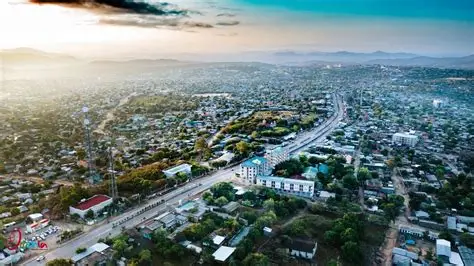
The origins of the current crisis in Moyale can be traced back to the arbitrary drawing of colonial borders. As the book documents, the 1907 Anglo-Ethiopian treaties artificially divided the Borana people, splitting their traditional grazing lands and water sources between Ethiopia and Kenya. Moyale, located exactly 770 kilometers from Addis Ababa, became a divided town—a “twin city” straddling two nations.
For decades, this division was navigated through traditional governance. According to historical records and oral traditions cited in the text, the Borana managed their water sources through a deeply democratic system, rooted in the Gadaa system and governed by councils of elders. Under Emperor Haile Selassie and later the Derg regime, special administrative arrangements allowed the Borana to maintain relative control over their wells and grazing lands.
But the ascension of the TPLF-led EPRDF regime brought a seismic shift. The new government reorganized the country into ethnic federalism, redrawing internal boundaries and creating a volatile administrative reality on the ground.
The Anatomy of Dispossession
In 1991 and 1992, Moyale found itself at the center of a regional power struggle. The TPLF, consolidating its control over the south, established new administrative boundaries that placed the Borana and Somali communities in fierce competition for resources.
According to Simbiru’s account, the TPLF government did not merely redraw maps; it altered the demographic and political reality through force. The text highlights how the government systematically disarmed the local Borana population—leaving them defenseless—while allegedly arming and supporting immigrant Somali tribes, including groups crossing from neighboring countries.
The result was catastrophic for the Borana. As the book explicitly outlines, under the watch of TPLF military generals who controlled the region, two of the nine sacred Tuula Saglan Booranaa wells fell into the hands of these immigrant groups. This was not a natural migration, but a politically engineered displacement.
A Well is Cattle. A Well is Wife. A Well is Family.
To an outsider, the loss of two wells might seem like a minor logistical setback. But in Borana cosmology, the wells are sacred. They are the physical manifestation of a covenant between the people, their cattle, and Waaqa (God). “The well is cattle. The well is wife. The well is family,” the Borana say.
Access to these wells is governed by nagaa Boran—the peace and moral order of the Borana—which demands that no one is denied water. However, the political capture of the wells by rival groups, backed by military force, shattered this order.
The text details how the TPLF’s “divide and rule” tactics weaponized water and land. Borana politicians and elders who attempted to advocate for their people were systematically marginalized. The text notes that the Ethiopian government of the time pursued a deliberate strategy of “population settlement” and administrative gerrymandering to weaken the Borana demographic majority, thereby ensuring that the region’s resources were controlled by groups aligned with the central government.
The Echoes of LAPSSET and the Fight for the Future
Today, Moyale is no longer just a pastoral backwater; it is a strategic geopolitical node. The town is slated to be a major hub in the LAPSSET (Lamu Port-South Sudan-Ethiopia Transport) corridor. The promise of oil pipelines, highways, and international trade has made control of Moyale and its surrounding lands immensely valuable.
The historical grievances documented by Simbiru provide the necessary context for the intermittent violence that continues to plague the region. When communities feel that their sacred sites have been stolen and their traditional governance dismantled by state-backed forces, peace becomes elusive.
A River of Blessings, an essay collection published in honor of the late British anthropologist Dr. Paul Baxter, documented the resilience of Borana culture. But resilience has limits. Climate variability has forced pastoralists to dig deeper and modify use rules, abandoning less productive wells. Land use changes, settlement in dry-season grazing areas, and the expansion of cultivation have shrunk the grazing lands that sustain the well system. And now, the political capture of wells themselves—if Simbiru’s account is accurate—adds a dimension of dispossession that no amount of rainfall can remedy.
The Blessing That Endures
In the verses of Borana blessing ceremonies, the nine wells still live. They are recited in public gatherings, their names carried across generations like a covenant. The Tuula Saglan Booranaa are not merely infrastructure. They are kinship, cattle, family, and peace itself.
The Borana blessing verses still name the nine wells. They still recite their sanctity. But a blessing recited over water one no longer controls is a haunting thing. It is the sound of memory contending with loss.
For the Borana, the nine wells are not negotiable. They are the physical manifestation of a covenant between people, cattle, and the divine. To lose two is to lose a part of the whole. To recite the blessing while another holds the water is to live inside a contradiction that no peace agreement has yet resolved.
What Comes Next
Moyale’s future hinges on whether the deeper issues—who controls water, who belongs to the land, and whose history is written into the landscape—can be addressed before the next round of violence. The Gadaa system, with its customary laws for managing water and pasture, once worked efficiently across these borderlands. Elders from both sides have mediated conflicts before. But as one field monitor observed after the 2014 clashes, “I don’t think things will change in Moyale as long as the same community leaders who are warlords are also the peacemakers.”
The story of Moyale is a cautionary tale about what happens when state power ignores traditional sovereignty and tramples on sacred ecology. As the Borana elders continue to recite the blessings of the Nine Sacred Wells, two of those names are now spoken with a sense of mourning and dispossession. The water still flows, but for the Borana, the moral order of the land remains broken.
Until the grievances of the past—the arbitrary borders, the militarized disarmament, and the stolen wells—are addressed with historical honesty, Moyale will remain a powder keg on the edge of the Horn of Africa. The thirst of the Borana is not just for water; it is for justice.
The River of Blessings flows still—in verses, in memory, in the stubborn hope that what was sacred will be restored. But rivers can be diverted. And wells, once captured, are not easily returned.
Daandii Ragabaa is a journalist covering the Horn of Africa, with a focus on land, water, and conflict in borderland communities.

Feature News: Death of 13-Year-Old Oromo Girl in Moyale Exposes the Human Cost of a Frozen Border Conflict
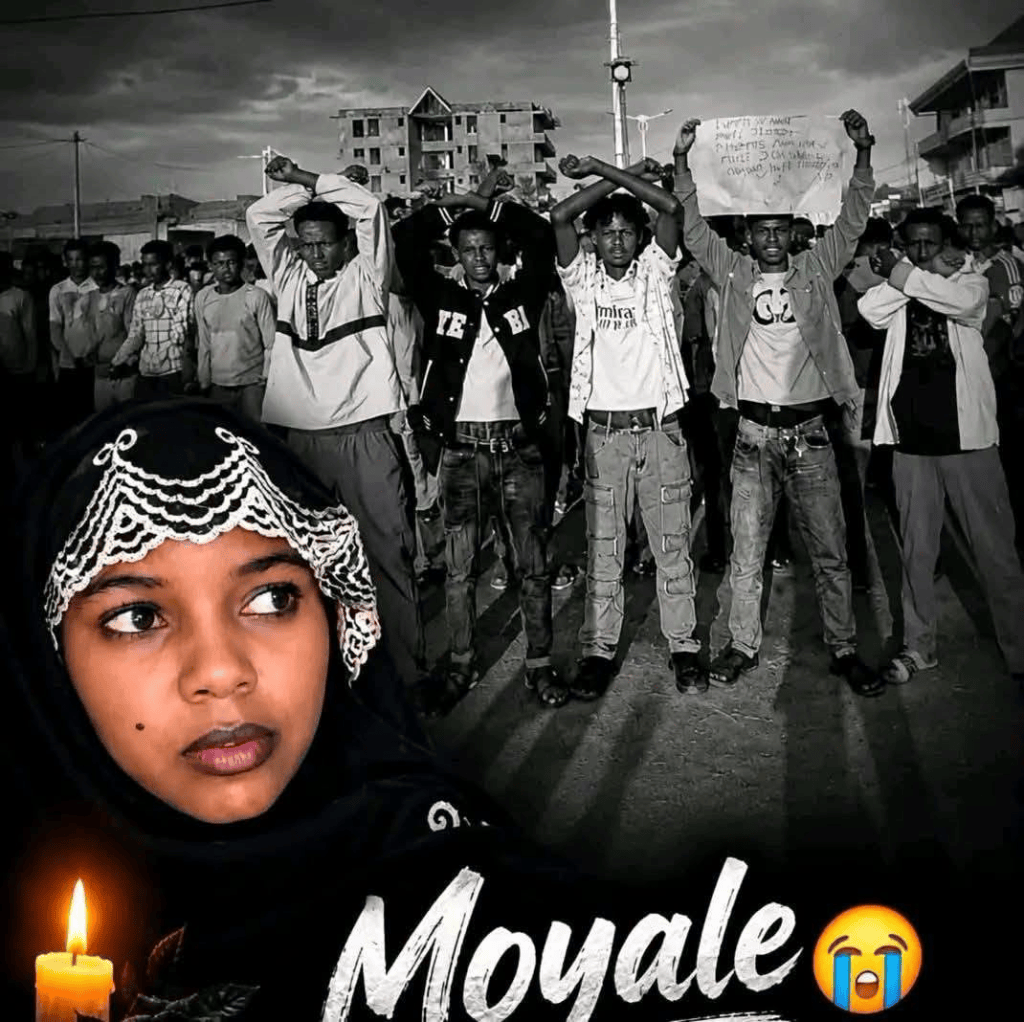
The killing of a teenage girl during a flag dispute in Moyale has reignited protests and grief in Borana, laying bare a decades-old territorial fracture between Oromia and Somali Region that neither federal intervention nor peace conferences have managed to heal.
By the time the gunfire stopped on 18 October, Diqqoo Jaataan Aagaa was dead. She was 13 years old.
According to residents who spoke to Addis Standard, the violence began when authorities from the Somali Region opened a new administration office in Moyale town, located in the Borana zone of Oromia regional state, and raised the Somali regional flag . Oromia local militia members and Somali Region police exchanged fire. The Ethiopian National Defense Force intervened to halt the shooting, but not before the girl was struck.
The accounts diverge sharply. Residents on the Oromo side accuse Somali Region police of shooting the child directly, with one resident describing the act as “cruelty and lawlessness” and claiming officers accused her of throwing stones . Residents from the Somali side insist she was caught in crossfire and that Somali forces did not target her. A security official who spoke to Addis Standard sided with the Oromo account, saying Somali Region security forces killed the girl in connection with the flag dispute .
Shuraa Waariyoo, the girl’s uncle, told Addis Standard that her body had not been buried as of Tuesday. He alleged that Somali Region forces had taken the body, and the family was still negotiating for its return .
The killing triggered immediate protests. Transport services were disrupted, businesses shuttered, and bus stations closed as security fears gripped the town . Elders and security officials reportedly agreed on Monday to remove the Somali Region flag, but that decision itself prompted counter-demonstrations from Somali residents, particularly in Kebele 02, deepening the standoff .
For the people of Moyale, the pattern is agonizingly familiar. Mallicha Diida, a resident of Kebele 02, told Addis Standard: “In Moyale, human blood has been spilled year after year” .
The roots of the recurrent violence lie in a border dispute that has never been fully resolved. Moyale sits at the frontier between the traditional territories of Somali and Oromo communities, both with vested interests in the area’s pastoral resources . A 2004 referendum was meant to settle the boundary between Oromia and Somali Region, but its implementation remains contested, and the underlying competition over land, pasture, and water continues to fuel clashes .
The scale of the suffering is staggering. Tensions intensified in July and August 2025 after the Somali Regional State approved an administrative restructuring plan creating new woredas and zonal administrations in contested territories. Subsequent clashes along the Oromia-Somali border displaced more than 288,000 people .
The death of a 13-year-old girl in a dispute over a flag is, in one sense, a singular tragedy. In another, it is the inevitable arithmetic of a conflict that has been allowed to fester for generations—where the symbols of administrative control carry life-and-death weight, and where the bodies of children become the price of unresolved boundaries.
The funeral arrangements for Diqqoo Jaataan Aagaa remain incomplete. Her family is still waiting for her body. In Moyale, the flags still fly, the militias still watch, and the question of whose land this is remains as unanswered as ever.

Obituary: Prominent Kenyan Oromo Scholar and Anthropologist Professor Abdullahi Shongolo Dies at 68
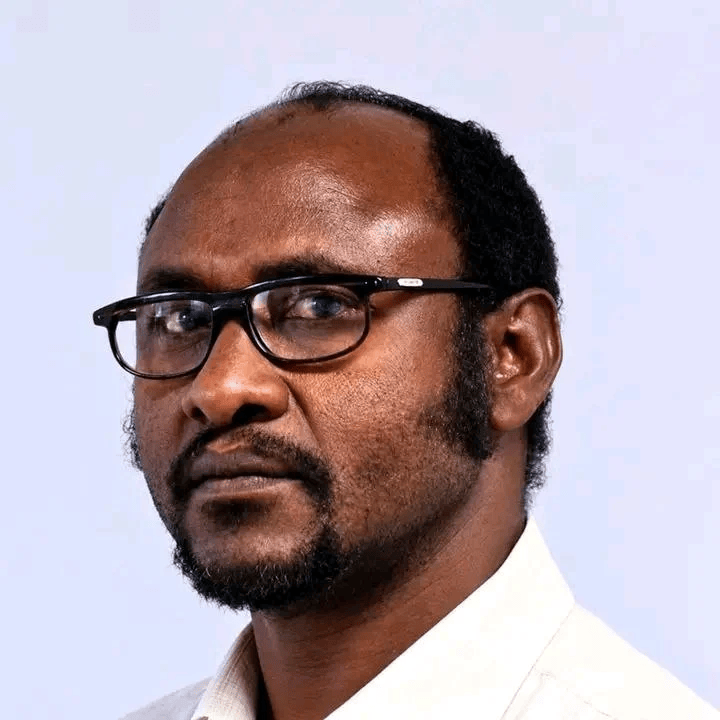
Professor Abdullahi Shongolo, whose decades of research on Borana Oromo culture, customary law, and history brought international recognition to the community’s heritage, passed away on 20 October at Nanyuki Hospital in Kenya following an illness. He was 68.
Born in 1958 in Moyale, Kenya, Professor Shongolo completed his education in Kenya and went on to serve in the country’s Ministry of Education, rising to the position of Assistant Director of Education. But it was his later turn to scholarship that would define his legacy.
Jaatani Diidaa, a cultural and historical researcher, told Addis Standard that Professor Shongolo devoted much of his life to in-depth research, making significant personal sacrifices to bring the educational and cultural heritage of the Oromo of Kenya and Ethiopia to international attention.
Professor Shongolo made substantial contributions to anthropological research, serving as a senior researcher at Germany’s renowned Max Planck Institute for Social Anthropology for more than two decades, from 1999 to 2019. During the 2000s, he also served as an Associate Research Fellow in the Department of Social Anthropology at the University of Gothenburg in Sweden, where he pursued research and academic work.
Among his major scholarly contributions were books co-authored with prominent German scholar Professor Günther Schlee, including Pastoralism and Politics in Northern Kenya and Southern Ethiopia and Islam and Ethnicity in Northern Kenya and Southern Ethiopia. He also documented traditional Borana oral literature and proverbs in Boran Proverbs in Their Cultural Context. These works helped bring greater international recognition to Oromo history, pastoral life, religious traditions, and customary systems of governance, particularly the Oromo customary governance system, the Gumii Gaayo Assembly.
Professor Shongolo’s passing “has brought profound grief and shock to the Borana Oromo community, the wider Oromo community across the world, and people in Kenya and Ethiopia, as well as to scholars in the international academic community,” Jaatani said.
His funeral was held on 21 October in Nanyuki, Kenya.

53 Years of Oromo Freedom Struggle, 53 Years of Impact
Half a century after a small band of nationalists took up the Oromo cause, the movement has transformed the political landscape of Ethiopia—even without achieving the independent state it once sought. Its deepest impact lies not in territorial control, but in the irreversible awakening of a people who can no longer be governed as before.
The Oromo Liberation Front was founded in 1973, emerging from the ferment of Oromo student activism and the memory of the banned Mecha-Tulama Self-Help Association . What began as a clandestine project among intellectuals would, over five decades, become the central axis of Ethiopian political contestation—not because it won, but because the questions it raised about identity, land, and power could never again be buried.
The early years were defined by armed insurgency and brutal repression. The OLF established itself as a guerrilla force operating across Wollega, Bale, and Hararghe, drawing recruits from peasants who had watched the imperial and then Derg regimes dispossess and marginalize them . The Derg’s response was predictable and catastrophic: mass arrests, executions, and a campaign of terror that killed thousands accused of harboring OLF sympathies. Yet repression produced what it so often does—martyrdom, recruitment, and an enduring sense of grievance that outlasted the gun.
The movement’s most significant impact, however, came not on the battlefield but in the realm of consciousness. The OLF’s founding vision articulated something that had been suppressed for generations: that the Oromo were a nation, not merely a labor force or a demographic majority to be managed. This idea, once planted, proved impossible to uproot. Even after the OLF was pushed out of the transitional government in 1992 and reduced to a marginal political actor, the seeds of Oromo nationalism continued to grow underground .
The eruption came in 2014, when the Qeerroo—Oromo youth—took to the streets over the Addis Ababa master plan, a policy they saw as another chapter in a long history of land dispossession. The protests spread, intensified, and by 2018 had forced the ruling coalition to install Abiy Ahmed, an Oromo, as prime minister . It was a remarkable inversion: a ruling party that had once sought to contain Oromo nationalism now depended on Oromo street power to survive.
The human cost of this struggle has never been abstract. In 2020, the assassination of Hachalu Hundessa, a musician whose lyrics had given voice to a generation’s anger and longing, triggered days of unrest that left at least 166 people dead, according to police figures . Hachalu’s music had become an instrument of the movement itself—his songs were sung at protests, his death a rallying cry. The violence that followed exposed how fragile the gains remained and how deeply the wounds of marginalization had festered.
Fifty-three years on, the struggle’s landscape is fractured. The OLF split in 2018, with its political wing entering legal politics and its armed wing—the Oromo Liberation Army—continuing an insurgency that the government has designated as terrorism . Peace talks between the government and the OLA have repeatedly collapsed, with Addis Ababa accusing the rebels of “unrealistic demands” and the OLA charging the government with seeking co-optation rather than addressing root causes . Meanwhile, the regional government in Oromia pursues a dual track: encouraging surrender through elders and Abba Gadas while waging military operations against those who refuse .
Yet the struggle’s most enduring legacy may lie elsewhere—in the cultural and intellectual infrastructure that no military campaign can dismantle. The Gada system, the indigenous Oromo governance structure that regulates political, social, and religious life through rotating eight-year cycles, was inscribed on UNESCO’s Representative List of the Intangible Cultural Heritage of Humanity in 2016 . What was once dismissed or ignored by the Ethiopian state is now recognized globally as a sophisticated democratic tradition. Oromummaa—the articulation of Oromo peoplehood and identity—has become a force in Ethiopian politics that no government can afford to ignore .
What, then, does 53 years of impact look like? It looks like a language once suppressed now spoken in parliament. It looks like a youth movement that toppled a prime minister and then grew disillusioned with his successor. It looks like a struggle that began as a separatist insurgency and became, instead, a permanent renegotiation of what Ethiopia means. The OLF’s founding dream of an independent Oromia has not been realized. But the conditions that made that dream thinkable—a people conscious of their history, their numbers, and their rights—have become irreversible.
The next chapter remains contested. The government insists the answer is peace and reintegration. The OLF’s political wing insists it is negotiation. The OLA insists it is continued resistance. The Qeerroo, who inherited a struggle they did not start, wait to see which vision will prevail. What is certain is that 53 years after a handful of nationalists took up the Oromo cause, the question they raised is no longer a question at all. It is a fact of Ethiopian life, and it will not be resolved by ignoring it.

Adanech Abiebie Appointed Mayor of Addis Ababa: A New Chapter for Ethiopia’s Capital
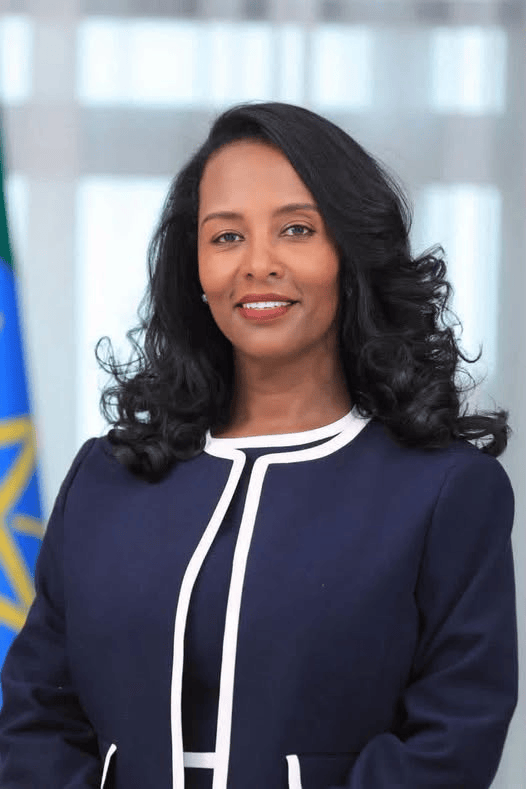
Congratulations pour in as a seasoned leader takes the helm of Africa’s diplomatic hub
(Addis Ababa, 30 September 2026)-In a moment that has captured the attention and hopes of millions, Mrs. Adanech Abiebie has been appointed Mayor of Addis Ababa — a city that stands as both the political heart of Ethiopia and the diplomatic capital of Africa.
The announcement has sparked an outpouring of congratulations and goodwill from citizens, colleagues, and observers across the nation and beyond.
A Leader for a Rising City
Addis Ababa is not just any city. It is home to the African Union headquarters, a growing hub for international diplomacy, and a metropolis undergoing rapid transformation. Its mayor carries a responsibility that extends far beyond municipal boundaries — shaping the experience of residents, visitors, and the global community alike.
With her appointment, Adanech Abiebie steps into a role that demands vision, resilience, and an unwavering commitment to public service. Those who have followed her career describe her as a leader who understands the complexities of urban governance and the aspirations of everyday Ethiopians.
A Wave of Congratulations
The response to her appointment has been swift and heartfelt.
“Congratulations! May you have a blessed term of service, outstanding success, and a fruitful journey ahead!”
These words, echoed across social media and community gatherings, reflect a deep well of hope. For many, this is not simply a political appointment — it is an opportunity to see leadership that listens, delivers, and inspires.
The Weight of the Moment
Addis Ababa faces no shortage of challenges: rapid urbanization, infrastructure demands, housing needs, and the task of ensuring that development benefits all residents, not just a few. Yet within these challenges lie extraordinary opportunities.
The city is emerging as a center of innovation, commerce, and culture. Its streets pulse with the energy of a young population eager for progress. Its markets, universities, and cultural institutions tell a story of a city on the move.
The question that now rests before the new mayor is simple yet profound: How can Addis Ababa become a city that works for everyone?
A Prayer and a Promise
For those who offered their congratulations, the sentiment was clear: this is a moment for prayer as much as celebration.
“May God guide your steps, grant you wisdom, and bless your service to our beloved city and nation.”
Such words carry the weight of a community that understands the gravity of leadership. They are not merely formalities but genuine expressions of hope — that this new chapter will bring not only progress but also fairness, compassion, and lasting change.
Looking Ahead
As Adanech Abiebie takes office, the eyes of the nation — and indeed the continent — are upon her. The road ahead is long, and the expectations are high. But if the enthusiasm surrounding her appointment is any indication, she does not walk it alone.
A city is not built by one leader. It is built by a people united in purpose. And in this moment, there is a palpable sense that Addis Ababa is ready to rise — together.
Congratulations, Mayor Adanech Abiebie. May your term be marked by achievement, may your leadership be a blessing to all, and may the city you serve flourish in the years to come.

Oromia Consolidates 21 Zonal Administrations into Six Powerful Regional Clusters
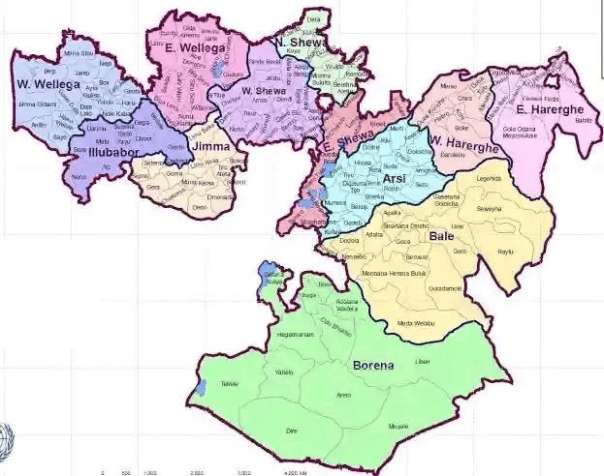
A historic restructuring aims to streamline governance, strengthen service delivery, and bring the state closer to its people
FINFINNE — In a decision described as historic and far-reaching, the Government of Oromia Regional State has approved a major restructuring of its administrative architecture, reducing the region’s 21 zonal administrations to six powerful regional clusters. The reform is designed to build a stronger, more efficient government and to ensure that public services genuinely reach the people they are meant to serve.
The decision, ratified through a draft proclamation by the Oromia Regional State Council during its first-year, seventh-term regular session, consolidates related administrative functions into unified structures. At its core, the reform emphasizes coordination, complementarity, and the effective delivery of services to the public.
With the new structure now in force, the senior leadership of each of the six clusters has been officially assigned.
East Oromia Cluster
Headquarters: Harar
- Abdurrahman Abdalla — Cluster Chief, rank of Deputy President. Office: Harar.
- Miski Muhammad — Deputy Cluster Chief for Development, rank of Bureau Head. Office: Chiro.
- Anas Aliyi — Deputy Cluster Chief for Peace and Justice, rank of Bureau Head. Office: Galamso.
- Jaarso Boru — Senior Advisor to the Cluster Chief, rank of Bureau Head. Office: Gurawa.
- Fiqadu Miliyoon — Advisor to the Cluster Chief, rank of Bureau Head.
- Samia Abdalla — Advisor to the Cluster Chief, rank of Bureau Head.
Central Oromia Cluster
Headquarters: Shaggar and Adama
- Dr. Mengistu Bekele — Cluster Chief, rank of Deputy President. Office: Shaggar and Adama.
- Abbabu Waqo — Deputy Cluster Chief for Development, rank of Bureau Head. Office: Waliso.
- Kifalaw Adare — Deputy Cluster Chief for Peace and Justice, rank of Bureau Head. Office: Fitche.
- Makonnen Bayisa — Senior Advisor to the Cluster Chief, rank of Bureau Head. Office: Ambo.
- Ashannafi Ajjama — Advisor to the Cluster Chief, rank of Bureau Head.
- Taddasa Dirriba — Advisor to the Cluster Chief, rank of Bureau Head.
Southwest Oromia Cluster
Headquarters: Jimma
- Dr. Rashad Kamal — Cluster Chief, rank of Deputy President. Office: Jimma.
- Indalkachaw Tafari — Deputy Cluster Chief for Development, rank of Bureau Head. Office: Bedele.
- Aman Danu — Deputy Cluster Chief for Peace and Justice, rank of Bureau Head. Office: Limu Gannat.
- Didha Guddata — Senior Advisor to the Cluster Chief, rank of Bureau Head. Office: Mattu.
- Muhammadxahaa Abba Fixaa — Advisor to the Cluster Chief, rank of Bureau Head.
- Mosisa Lammessa — Advisor to the Cluster Chief, rank of Bureau Head.
South Oromia Cluster
Headquarters: Yabelo
- Ahmad Haji — Cluster Chief, rank of Deputy President. Office: Yabelo.
- Adula Hirbayye — Deputy Cluster Chief for Development, rank of Bureau Head. Office: Adola.
- Liban Areero — Deputy Cluster Chief for Peace and Justice, rank of Bureau Head. Office: Nageelle Borana.
- Wandimmu Robe — Senior Advisor to the Cluster Chief, rank of Bureau Head. Office: Bule Hora.
- Ibrahim Abdi — Advisor to the Cluster Chief, rank of Bureau Head.
- Isaaq Xaachoo — Advisor to the Cluster Chief, rank of Bureau Head.
West Oromia Cluster
Headquarters: Nekemte
- Masfin Melaku — Cluster Chief, rank of Deputy President. Office: Nekemte.
- Mirressa Fixee — Deputy Cluster Chief for Development, rank of Bureau Head. Office: Gimbi.
- Gammachu Gurmeessa — Deputy Cluster Chief for Peace and Justice, rank of Bureau Head. Office: Shambu.
- Talila Tarrafa — Senior Advisor to the Cluster Chief, rank of Bureau Head. Office: Dambi Dollo.
- Badhasa Dhaba — Advisor to the Cluster Chief, rank of Bureau Head.
- Dassu Lammi — Advisor to the Cluster Chief, rank of Bureau Head.
Southeast Oromia Cluster
Headquarters: Robe
- Ahimad Idris — Cluster Chief, rank of Deputy President. Office: Robe.
- Asaffa Tolasa — Deputy Cluster Chief for Development, rank of Bureau Head. Office: Ginir.
- Abdurrazaq Huseen — Deputy Cluster Chief for Peace and Justice, rank of Bureau Head. Office: Asella.
- Ibrahim Kadir — Senior Advisor to the Cluster Chief, rank of Bureau Head. Office: Shashemene.
- Izzaddin Abuubakar — Advisor to the Cluster Chief, rank of Bureau Head.
- Birhanu Arfasa — Advisor to the Cluster Chief, rank of Bureau Head.
What the Reform Means
The restructuring reduces Oromia’s sprawling 21-zonal system to six consolidated clusters, each led by a chief holding the rank of deputy president. Each cluster also has dedicated deputies for development and for peace and justice, along with senior advisors — a structure that mirrors the executive architecture of the regional government itself.
Officials say the reform is rooted in a simple principle: government should not be distant or fragmented. By grouping similar functions under one coordinated structure, the new system aims to eliminate duplication, improve efficiency, and make public services more accessible to ordinary citizens.
Oromia is Ethiopia’s largest regional state, spanning more than 350,000 square kilometers with a population estimated at over 27 million. For years, analysts and citizens alike have questioned whether a 21-zone structure could effectively serve such a vast and diverse population. The new six-cluster model is presented as the answer.
A Historic Decision With High Stakes
The proclamation was approved during the Council’s first regular session of its seventh term — a detail that underscores the political weight of the decision. The reform is not merely administrative; it is a reimagining of how Oromia governs itself.
Supporters see it as a bold step toward a stronger, more responsive state. Critics, however, have raised questions about political motivations, wondering whether consolidation could weaken the influence of individual zones or shift power in ways that are not immediately visible.
What is certain is that the six clusters are now operational, their leaders appointed, and their headquarters designated. For the people of Oromia, the real test will be felt in the everyday: faster permits, closer services, and a government that listens.
As the region embarks on this new chapter, one thing is clear — Oromia has chosen to reorganize not by dismantling its diversity, but by uniting it under a stronger, more coordinated whole.
#OromiaPresidentOffice2026
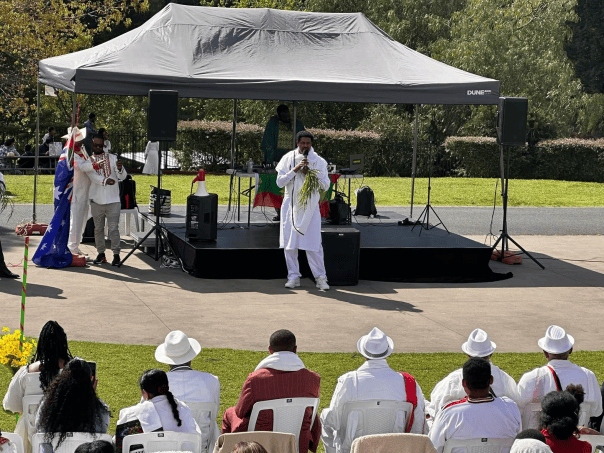
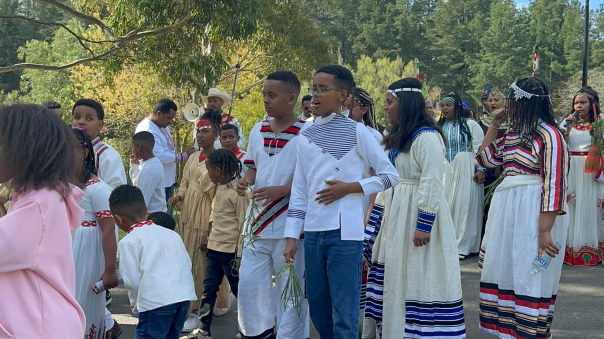
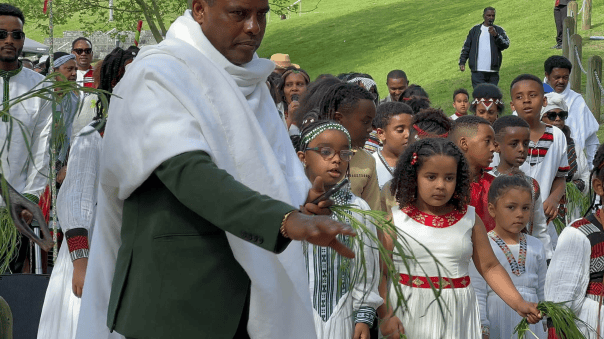
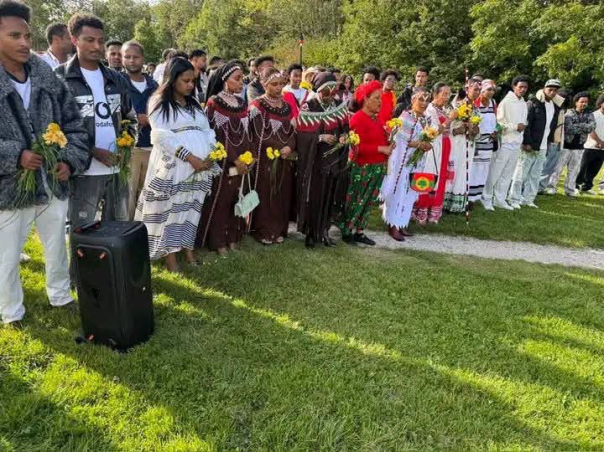
Irreechaa: A Living Memory Across Generations
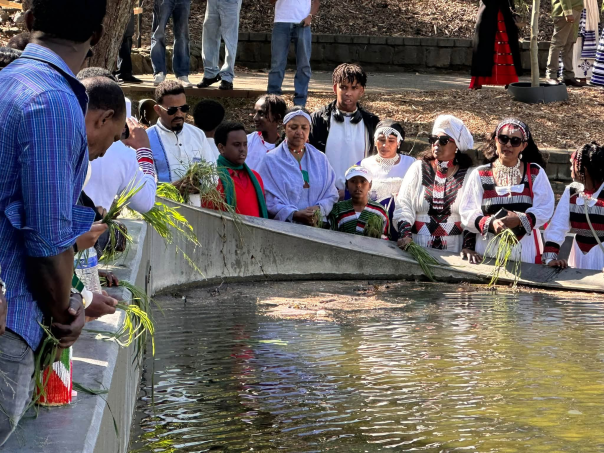
“Irreechaa waggaatti naanna’e dhufa; ayyaana kana irratti yaadannoo barayyuu jiraatu dhalootaaf kahanii darbuu waanti fakkaatu hin jiru.”
Irreechaa returns year after year; there is nothing that seems to pass beyond the reach of generations when the memory of this festival lives on and is preserved.
This profound truth captures the essence of Irreechaa — a festival that refuses to be confined to a single moment in time. It is a celebration that travels with its people, crossing rivers, mountains, and oceans, carrying with it the sacred duty of remembrance.
A Festival That Travels With Its People
Irreechaa is more than a thanksgiving ceremony. It is a living testament to the resilience, faith, and unity of the Oromo people. Celebrated at the banks of rivers and lakes, it marks the transition from the rainy season to the harvest, a moment of gratitude to Waaqa (God) for the blessings of life, fertility, and community.
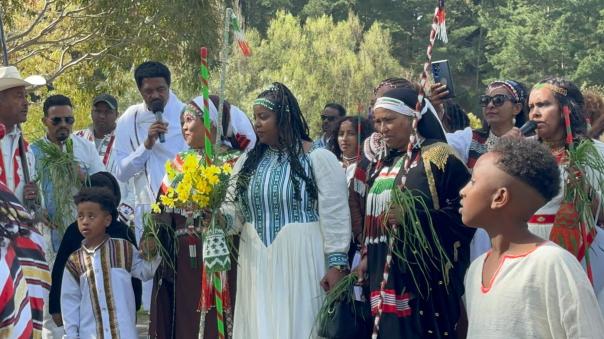
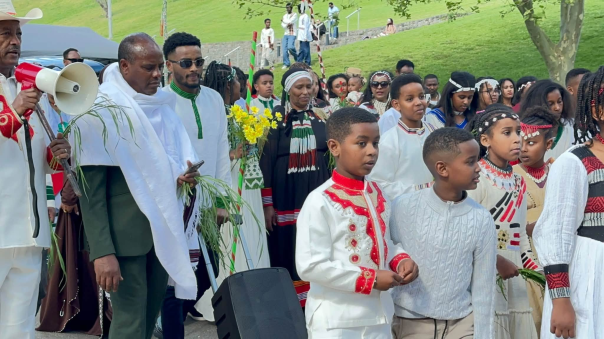
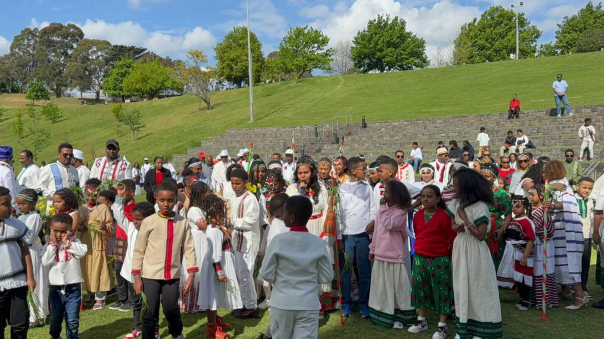
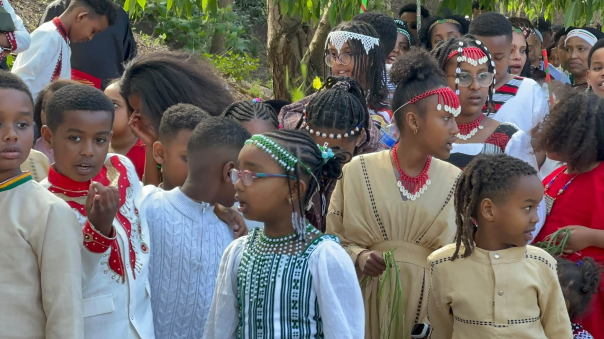
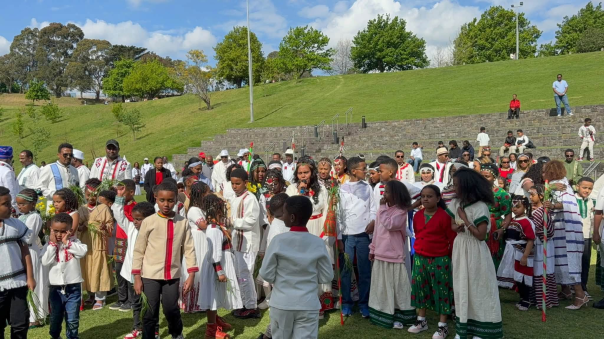
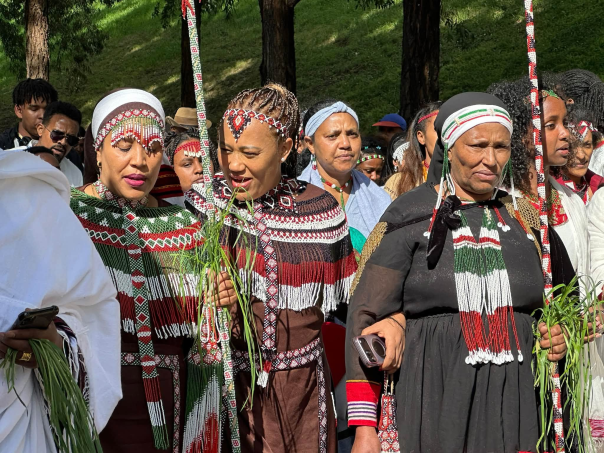
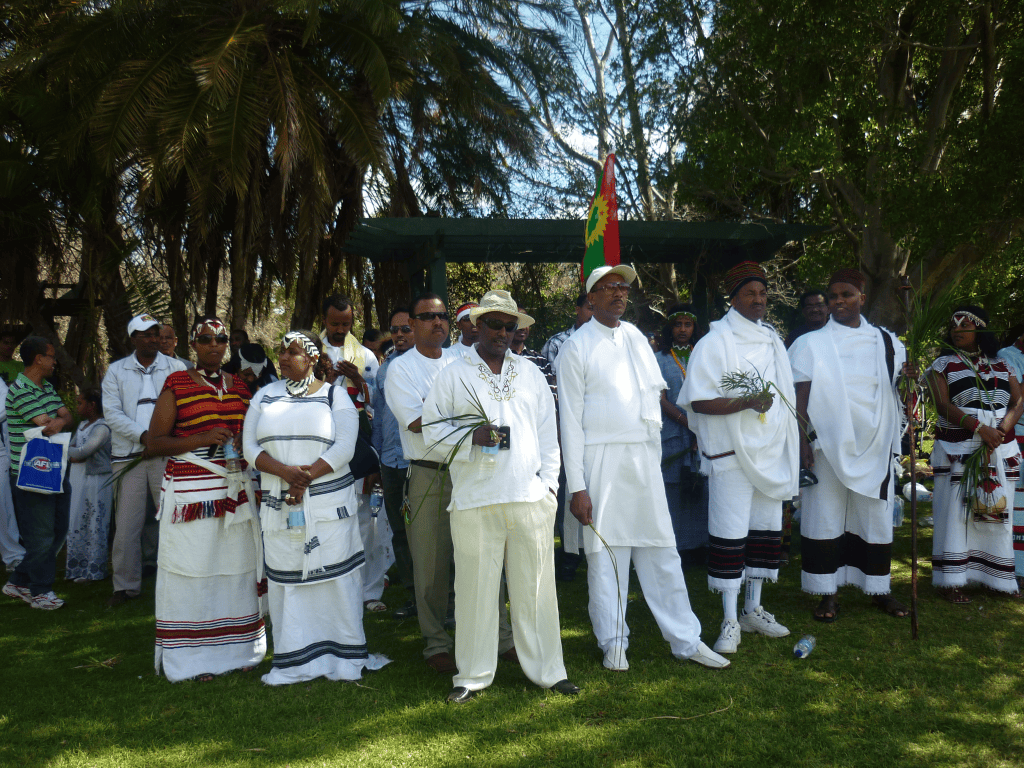
But when Irreechaa travels — as it has with the Oromo diaspora to cities like Melbourne — it does not lose its meaning. Instead, it multiplies. Each celebration in a new land becomes a bridge between the homeland and the heart, between ancestors and descendants, between memory and hope.
Melbourne: A New Chapter in an Ancient Story
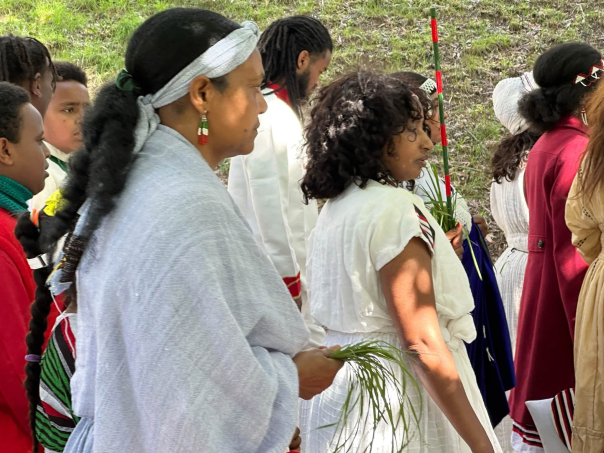
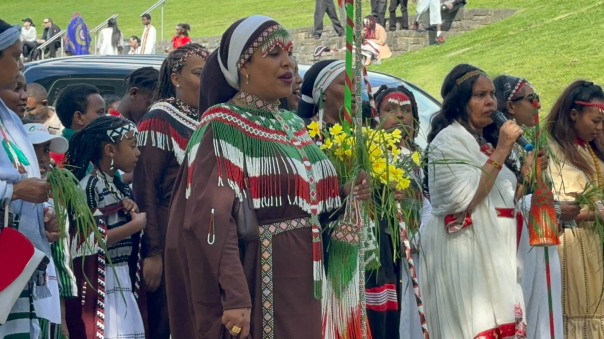
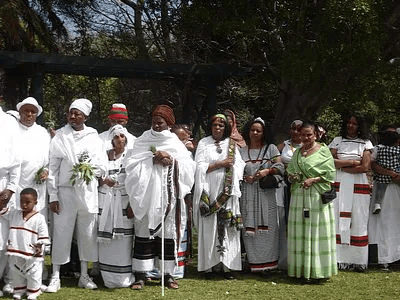
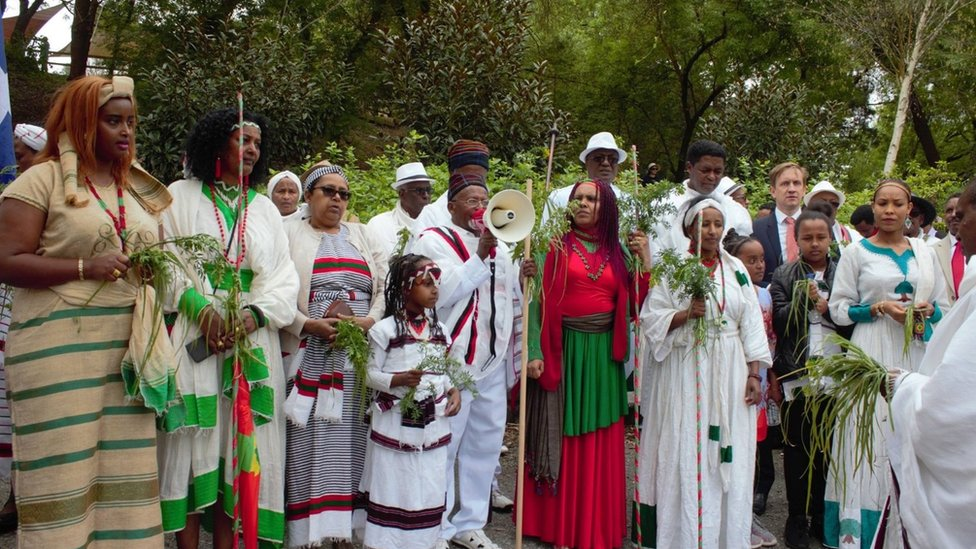
The Irreechaa celebrations in Melbourne are a vivid reminder that distance does not diminish devotion. Under the open sky of a foreign land, Oromo families gather in their traditional attire, sing songs of praise, and perform the sacred rituals that have been passed down for centuries. The colors of the calanchi and the rhythm of the shaggooyyee echo the same spirit that fills the banks of the Hora Arsadi and the Awash River.
These gatherings are not merely cultural events; they are acts of survival. They are declarations that no matter where life takes a people, their identity remains rooted in their traditions.
The Power of Shared Memories
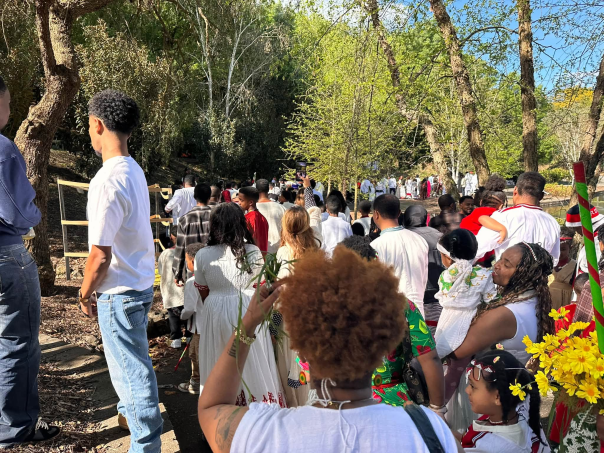
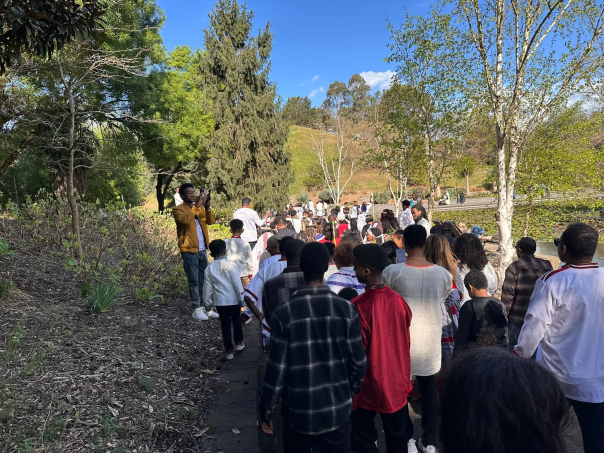
“Suuraalee Irreechaa Melbourne kana waliif qooduunis yaadannoo keenyatti lubbuu haa horru!”
Sharing the photos of this Irreechaa in Melbourne breathes life into our memory!
In the age of digital connection, every photograph, every video, every shared post becomes a vessel of memory. When we share these images, we are not simply documenting an event — we are breathing life into our collective story. We are telling the next generation: This is who we are. This is where we come from. This is what we carry with us.
For those who could not attend, these shared moments become a lifeline. For those who were present, they become anchors of joy. For those yet to be born, they become a legacy.
A Call to Keep the Flame Alive
We extend our deepest gratitude to Yadeta Lemu, Kasahun Soboka, Aliye Geleto, Dhabessa Wakjira, and Yadesa Bedhasa for their dedication in capturing and sharing the spirit of Irreechaa Melbourne. Their efforts ensure that the memory of this celebration does not fade with time but grows stronger with each passing year.
Their work reminds us that preserving culture is not a passive act. It requires effort, commitment, and love. It requires people who understand that when we share our traditions, we are not just looking back — we are building forward.
Conclusion: Irreechaa as a Bridge
Irreechaa is a bridge. It spans the distance between generations, between homelands, between hearts. It teaches us that as long as we remember, we are never truly far from home. As long as we celebrate, we are never truly alone.
So let us continue to share. Let us continue to remember. Let us continue to breathe life into our memories — for in doing so, we ensure that Irreechaa will indeed return, year after year, carrying our stories to generations yet to come.
Irreechaa fi yaadannoo keenya — dhalootaaf kahanii darbuu hin danda’u!
Irreechaa and our memory — they cannot pass beyond the reach of generations!

🩸 THREE MOMENTS. ONE PEOPLE. ONE NAME. 🩸

They tried to split us by faith. We chose to die as OROMO.
1️⃣ ARSII — 1966
📍 Hundee Tokkummaa Oromoo
In the mountains of Arsii, the foundation was laid. In 1966, brave Oromo sons — Muslim and Christian together — raised the banner of Oromo unity. The enemy’s plan was simple: use religion to break us. They failed. They dug deep foundations that no conspiracy could shake. From Arsii, the root of Oromo unity was planted in blood and fire. 🔥
“Hundee Tokkummaa Oromoo — Arsii, 1966”
2️⃣ SHINNIGAA — 1980
📍 Tokkummaa Oromoo Shinnigaa
In 1980, at Shinnigaa, they came with the same weapon — religion. “Separate yourselves,” they said. “Die apart.” But our heroes looked at the pit, looked at each other, and said:
“Maqaa amantaan gargar hin baanu.”
We do not divide the name by religion.
They refused to separate. They were massacred together, as one people, under one name. Their blood soaked the same ground. Their sacrifice became our foundation. 🕯️
“Tokkummaa Oromoo Shinnigaa — 1980”
3️⃣ BISHOOFTUU — 2016
📍 Walgaltee Ilmaan Oromiyaa
Thirty-six years later, in Bishooftuu Harsadii, the enemy tried again. Same tactic. Same lie. Separate the Muslim from the Christian. Divide the youth. Break the unity.
They failed again.
The youth of Oromiyaa refused to be divided. They were buried together — in one place, under one identity. They became the pillars of our identity (utubaa eenyummaa). We will never forget them. Not today. Not ever. ✊
“Walgaltee Ilmaan Oromiyaa — Bishooftuu Harsadii, 2016”
⚡ THE MESSAGE ⚡
From Arsii 1966 → Shinnigaa 1980 → Bishooftuu 2016
The enemy’s strategy never changed:
Use religion to divide. Use division to destroy.
Our answer never changed either:
We are OROMO first. We die together. We rise together.
They built pits expecting us to fall apart.
We built monuments of unity from our bones.
🔥 “Seenaa keenya keessatti barayyuu cululuqee jiraata.” 🔥
In our history, it lives forever — shining.
🔁 SHARE if you refuse to be divided.
❤️ LIKE if you honor their sacrifice.
💬 COMMENT the name of your hero.
📌 SAVE this. Teach it. Never forget.
#Oromo #Oromia #Arsii1966 #Shinnigaa1980 #Bishooftuu2016 #MaqaaAmantaanGargarHinBaanu #TokkummaaOromoo #NeverForget #OromoUnity #SeenaaKeenya #Qeerroo #OromoIdentity #OnePeopleOneName
“Those who tried to bury them did not know: a people who refuse to be divided have found something stronger than death.” 🩸✊

The Legacy Written in Blood and Bone: Three Historical Moments When Oromos Refused to Be Divided by Religion
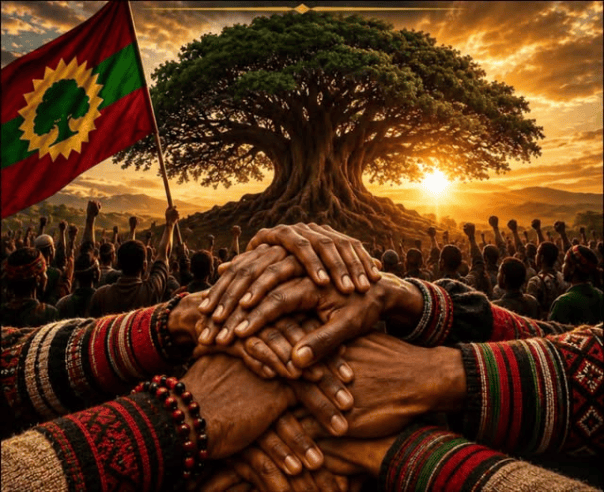
When the executioners thought faith could split them, they chose the same name: Oromo.
In Oromo collective memory, three moments spanning half a century—from 1966 to 2016—are repeatedly told, sung, and etched into stone. They occurred in different eras, different places, with participants from different generations. Yet their inner logic is strikingly identical: whenever external forces tried to tear Oromo unity apart using religious identity, someone always stood up and proved with their life that “Maqaa amantaan gargar hin baanu”—the name is not divided by faith.
From Arsi to Shinnigaa, and then to Bishooftuu, three locations form a blood-red thread, telling the story of how an oppressed people forged “refusal to be divided” into the core of their identity.
Arsi: The Resurrection of a Name
In 1966 Ethiopia, publicly using the word “Oromo” was itself a dangerous provocation. The empire’s narrative machine had erased the name from official discourse, replacing it with derogatory labels. It was precisely in this era that an Islamic scholar named Ahmed Taqi Sheikh Mohammed Rashid made a decision that would change the trajectory of history.
Taqi, later known as “Hundee” (meaning root or foundation), was born into a family of Islamic scholars in Harargee. He studied the Qur’an, Hadith, and Oromo history from childhood. By his early twenties, he was a successful merchant, but what truly defined him was his encounter with General Tadesse Birru, founder of the Macha-Tulama Self-Help Association. After Tadesse was placed under house arrest in Galamsoo, Taqi befriended him and began spreading an idea that was nearly heretical at the time: being Oromo was not a curse but a virtue worth loving.
In 1966, Taqi and Elemo Qiltu—another revolutionary who had returned from Syria—launched an armed struggle in the Guba Koricha mountains. This was the starting point of the modern Oromo national liberation movement. Their organization had no religious threshold, no sectarian conditions. Muslim scholars and Christian warriors fought under the same banner.
On September 6, 1974, Taqi and Elemo were executed in Hirroo. But the resurrection of a name had already become irreversible. The singer Ali Birra, with the help of Abubakar Musa, set Taqi’s memory to music in “Yaa Hundee Bareedaa” (Beautiful Hundee). The song played on radio, was sung at weddings, and hummed at funerals. Taqi’s “root” sank into the deepest layers of Oromo mass consciousness—a consciousness shared by Muslims, Christians, and Waaqeffataa alike.
Shinnigaa: Refusing to Separate at the Edge of the Pit
If 1966 planted the seed, then 1980 was its most tragic flowering.
On April 15, 1980, eleven top leaders of the Oromo Liberation Front were ambushed by Somali militia in Shinnigaa (located in the Ogaden region). This was not a chance encounter—they were captured alive. The militia dug a large pit, then did what they thought was the most lethal thing: they classified the prisoners by religion.
“You see,” a commander reportedly told the bound prisoners, “you fought together. But you will die separately. Let each one pray to his own god before falling into the pit.”
The executioners expected fear. They expected a scramble for last rites. They expected a tiny fracture that would prove the Oromo cause was nothing but a lie.
The answer they received came from Jar Magarsa Bari, then chairman of the OLF. He did not ask for a priest, did not ask for a Sheikh. He turned to his comrades and spoke the words that would later be repeated countless times:
“Maqaa amantaan gargar hin baanu. We do not divide the name by religion. Dig the pit wider, or throw us in together. We are Oromo first.”
Eleven men—Chairman Barisoo Wabee, Vice Chairman Gadaa Gamada, Abbaa Shikii, Dori Bari, Farmata, Fafam Doyo, Ilana Kachale, Dhadhacho Boruu, Dhadhacho Murata, Mari Galaan—arms bound together, stepped forward. According to Oromo oral tradition, Gadaa Gamada turned to the executioners and smiled: “You want to see us pray? Watch this.”
This day was written into history. Not as a massacre, but as an oath.
Bishooftuu: Another Generation’s Choice
Thirty-six years later, the same scene played out with almost identical logic.
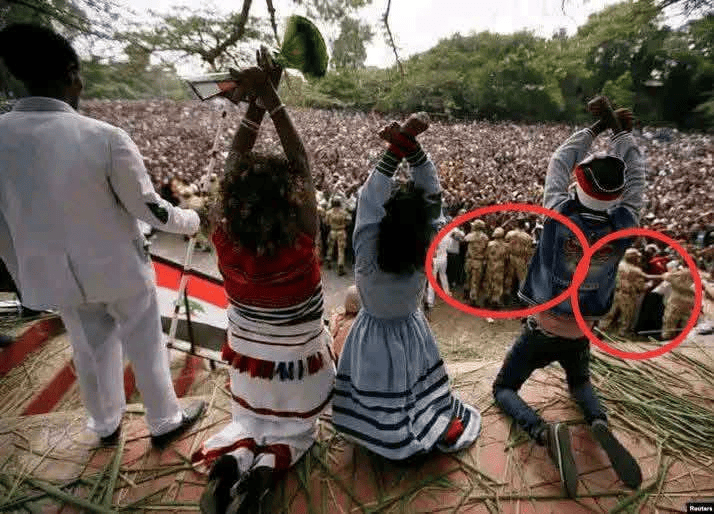
2016, Bishooftuu-Harsadi. A new wave of Oromo protests was sweeping across the region, triggered by the so-called “Addis Ababa and Surrounding Oromia Master Plan”—a plan widely seen as an attempt to annex Oromo land. Young activists known as “Qeerroo” confronted security forces in city streets and rural roads.
In Bishooftuu, a group of Oromo youth were surrounded. According to circulated accounts, security forces once again tried to exploit religious identity—separating Muslims from Christians, persuading some to deny their Oromo identity in exchange for their lives. The result was refusal once again.
They died together, buried in the same place. Their names were repeatedly invoked by Oromo social media, poetry, and song. They became “utubaa eenyummaa”—pillars of identity.
Oromo activists framed this event as “dying for Oromo identity, refusing to be divided by religion.” The words spoken at Shinnigaa thirty-six years earlier were re-spoken with bodies by a new generation at Bishooftuu.
Why This Matters
These three events—Arsi, Shinnigaa, Bishooftuu—form a clear pattern. Religion is indeed a real line of difference within Oromo society. Arsi Oromos are predominantly Muslim, partly because in the nineteenth century they chose Islam as a cultural fortress against Amhara Orthodox colonial conquest. The Orthodox Church’s role in Oromo territories was tightly bound to conquest: priests arrived alongside Menelik’s generals, “blessed” massacres, and then received land and serfs. Thus religious difference in Oromo society is not a small matter—it carries the full weight of colonial violence history.
Precisely because of this, external forces repeatedly tried to exploit this fracture. The Somali militia of 1980 tried. The security forces of 2016 tried. Each time, they lost.
But the reason they lost is not that religious differences didn’t exist. The reason is that Oromo nationalism, in its most decisive figures, developed a priority that transcends religion: We are Oromo first. This is not a denial of faith but an insistence on order. When the core logic of oppression is the denial of your very existence, any internal division that makes that oppression more effective is betrayal.
The eleven at Shinnigaa did not become “Muslim martyrs” and “Christian martyrs.” They became one thing: Oromo martyrs. The youth of Bishooftuu likewise.
“Seenaa keenya keessatti barayyuu cululuqee jiraata”
Those who wanted to bury them failed to understand one fundamental thing: a people who refuse to be divided have found something stronger than death. The pit at Shinnigaa did not end Oromo unity—it became a monument to unity. The repetition at Bishooftuu did not prove that history repeats—it proved that memory endures.
From the moment Taqi and Elemo raised weapons in 1966, to the afternoon of 1980 when eleven men walked arm-in-arm to the edge of the pit, to the streets of Bishooftuu in 2016, what runs through it all is not an abstract slogan but a concrete, testable promise: When others try to kill you using the differences within you, you choose to define yourself by what you share.
This choice has been remembered. Has been sung. Has been re-lived with life after life by generation after generation.
“Seenaa keenya keessatti barayyuu cululuqee jiraata”—in our history, it lives forever, shining.

Why is Irreechaa celebrated in Australia?
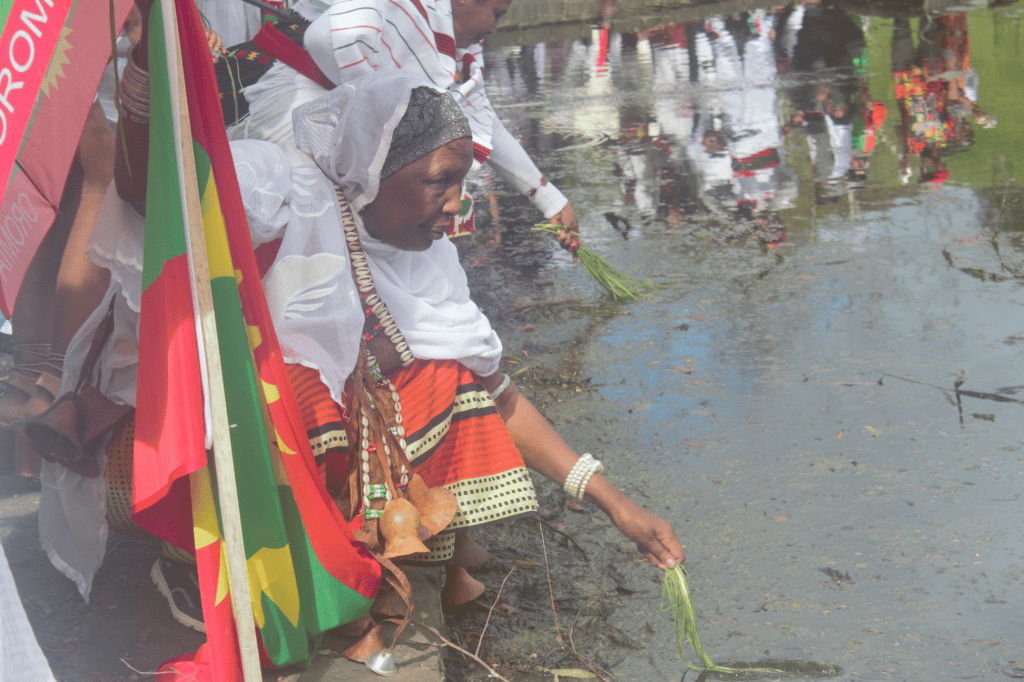
Irreechaa is celebrated in Australia because it serves as an essential cultural anchor and a vital tool for preserving Oromo identity for the diaspora community. For Oromos living far from their homeland, the festival bridges the physical distance, allowing them to maintain a profound connection to their heritage, land, and community.
🌏 Maintaining Connection to Homeland
For the Oromo diaspora in Australia, Irreechaa is not merely a tradition but a spiritual and cultural lifeline. As community members explain, the festival creates a “cultural ambiance that connects the people to Oromo land and the creator, Waaqa”. It serves as a powerful bridge, reinforcing the bond between those living abroad and their ancestral roots, ensuring that their connection to Oromia remains strong despite the geographical separation.
🎶 Preserving Identity Across Generations
The celebration plays a critical role in fostering Oromummaa (Oromo identity) in a new environment. By organizing these events, the community ensures that younger generations born or raised in Australia can learn about and embrace their heritage. The festival includes traditional blessings by elders, cultural performances like the Siiqqee and Gumii dances, and communal meals, all of which educate and immerse participants in Oromo traditions. This active practice is vital for intergenerational learning and instills a sense of pride in Oromo culture among the youth.
🤝 Building Community and Belonging
Irreechaa provides a crucial opportunity for the Oromo diaspora to unite and strengthen their communal bonds. In cities like Melbourne, the celebration brings together families and individuals to share in a collective expression of gratitude, peace, and solidarity. The festival has been held annually in Australia since 2009, growing steadily in participation. It serves as a platform to build a sense of belonging and mutual support within the community, creating a home away from home.
🌉 Bridging Cultures
The celebration also acts as a cultural bridge to the wider Australian society. Many Irreechaa events invite local government officials, multicultural organizations, and curious residents, encouraging mutual respect and intercultural exchange. By sharing their traditions openly, the Oromo community not only sustains its own cultural practices but also contributes to the vibrant multicultural fabric of Australia.
In essence, Irreechaa in Australia is a dynamic and necessary adaptation of a sacred tradition. It allows the Oromo diaspora to give thanks, celebrate their shared history, and ensure their culture continues to thrive and be recognized for generations to come.