Category Archives: health

The Forgotten Treasure: Why Illu Abba Boora Deserves to Be Seen
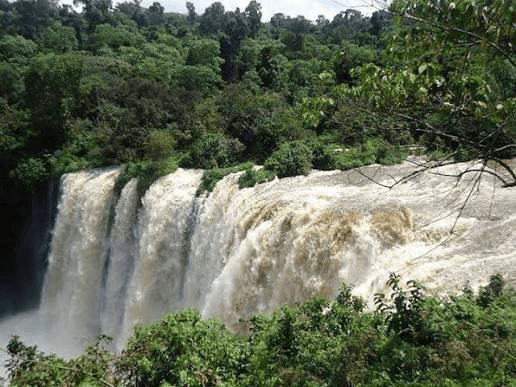
In southwestern Ethiopia lies a land rich in history, culture, and natural beauty—yet for decades, it has remained on the margins of national attention. Illu Abba Boora Zone is a place that has given so much to its communities, to the Oromia region, and to Ethiopia as a whole, but has received far too little in return.
A Land of Exceptional People
Illu Abba Boora has produced some of the most influential figures in Oromo and Ethiopian history. Among its distinguished sons and daughters are:
- Lifa Abba Jorga (Mettu)
- Onesimos Nasib or Hika Awaj (Hurumu) — also known as “The Father of Oromo Literature”
- Abba Gadaa Chali Shono or Abba Bora (Yayo)
- Writer Baalu Girma (Alge Sachi)
- Colonel Goshu Wolde (Gore)
- Captain Solomon Gizaw (Gore)
- Yasin Mohammed Rufo (Mettu)
- Itefa Gobena Molte (Mettu)
- Dr. Dima Negewo (Gore)
- Professor Jemal Abdulkedir (Gore)
- Kuma Demeksa (Bure)
- Zeleke Gesesse (Gore)
- Dr. Mekonnen Dinko Ejjerso
- Melba Biftu and Fetense Illu, among others
These are not merely names. They are architects of Oromo identity, contributors to Ethiopian letters and politics, and leaders whose impact reverberates far beyond their birthplace.
And yet, we must ask ourselves honestly: What have we done with these legacies? Have we mobilized their stories to shape public opinion and narrative about the Oromo people and Oromia? Have we honored them in ways that inspire new generations? The uncomfortable answer is that we have not done enough.
The Uncelebrated Victory of Sambe
Perhaps the most glaring omission in Ethiopia’s collective memory is the Battle of Sambe—also known as the Victory of Sambe.
When Italian forces, equipped with modern weaponry, attempted to invade Ethiopia through western Ethiopia, Ethiopian patriots made their stand in Illu Abba Boora, around Gore—which briefly served as the temporary capital of Ethiopia. With strategic support from local heroes, the patriots destroyed a 12-meter-high bridge over the Qeber River, cutting off the Italian army’s entry and exit routes. Trapped and defeated at Sambe Mountain, the enemy was routed.
This was a pivotal moment in Ethiopia’s anti-fascist resistance. And yet:
- It is barely known.
- It is rarely spoken of.
- It has not been commercialized.
- It has not been sung about.
- It has not been commemorated.
- It has not received national recognition.
- No monument stands in its honor.
The Victory of Sambe deserves rigorous research, publication, and celebration. It belongs in textbooks, in national commemorations, and in the broader story of Ethiopia’s independence. This is not merely a regional issue—it is a national gap in historical memory.
Natural Wealth Without Development
Illu Abba Boora is endowed with remarkable natural assets:
- Soor Waterfall
- Becho Waterfall
- Yayo Forest — a UNESCO Biosphere Reserve and World Heritage Site since 2010
- Wild Arabica coffee forests — a globally significant genetic treasure
- Mineral resources including coal
These are not minor endowments. They represent potential engines of tourism, business, and employment. Yet they remain unknown, unpopular, underdeveloped, and therefore unutilized.
The same is true of the zone’s biodiversity, historical sites, cultural heritage, and human capital. They have not received the attention they merit. They have not been properly studied, managed, or leveraged for the benefit of the people.
A Stable Zone Left Behind
Here is the paradox: Illu Abba Boora is widely regarded as one of the more peaceful and stable zones in Oromia. And yet, stability has not translated into investment. The zone remains, in many ways, a neglected periphery—far from the center of attention, resources, and opportunity.
The people of Illu Abba Boora deserve better. They deserve:
- Coordinated, accountable leadership
- Rapid, comprehensive, and broad-based development
- Partnership from government, investors, regional authorities, zone and district administrations, and city leaders
A Beginning, Not an End
There are encouraging signs. Recent initiatives to promote the zone’s natural, historical, and cultural attractions—including guided tours and infrastructure improvements—are welcome. But they are only a beginning.
This is a call to action:
- Research and publish the history of the Victory of Sambe.
- Commemorate the battle with monuments, annual events, and national recognition.
- Develop and package Illu Abba Boora’s natural and cultural assets into sustainable tourism and business opportunities.
- Honor the zone’s exceptional figures in schools, public narratives, and national memory.
- Invest in a stable region that has waited far too long for its share of development.
Illu Abba Boora does not need to be discovered. Its value has always been there. What it needs is to be seen, respected, and invested in.
As we celebrate Irreecha and Oromia Tourism Week, let us remember the forgotten heroes, the uncelebrated victories, and the untapped beauty of Illu Abba Boora. The time to act is now.

Adanech Abiebie Appointed Mayor of Addis Ababa: A New Chapter for Ethiopia’s Capital

Congratulations pour in as a seasoned leader takes the helm of Africa’s diplomatic hub
(Addis Ababa, 30 September 2026)-In a moment that has captured the attention and hopes of millions, Mrs. Adanech Abiebie has been appointed Mayor of Addis Ababa — a city that stands as both the political heart of Ethiopia and the diplomatic capital of Africa.
The announcement has sparked an outpouring of congratulations and goodwill from citizens, colleagues, and observers across the nation and beyond.
A Leader for a Rising City
Addis Ababa is not just any city. It is home to the African Union headquarters, a growing hub for international diplomacy, and a metropolis undergoing rapid transformation. Its mayor carries a responsibility that extends far beyond municipal boundaries — shaping the experience of residents, visitors, and the global community alike.
With her appointment, Adanech Abiebie steps into a role that demands vision, resilience, and an unwavering commitment to public service. Those who have followed her career describe her as a leader who understands the complexities of urban governance and the aspirations of everyday Ethiopians.
A Wave of Congratulations
The response to her appointment has been swift and heartfelt.
“Congratulations! May you have a blessed term of service, outstanding success, and a fruitful journey ahead!”
These words, echoed across social media and community gatherings, reflect a deep well of hope. For many, this is not simply a political appointment — it is an opportunity to see leadership that listens, delivers, and inspires.
The Weight of the Moment
Addis Ababa faces no shortage of challenges: rapid urbanization, infrastructure demands, housing needs, and the task of ensuring that development benefits all residents, not just a few. Yet within these challenges lie extraordinary opportunities.
The city is emerging as a center of innovation, commerce, and culture. Its streets pulse with the energy of a young population eager for progress. Its markets, universities, and cultural institutions tell a story of a city on the move.
The question that now rests before the new mayor is simple yet profound: How can Addis Ababa become a city that works for everyone?
A Prayer and a Promise
For those who offered their congratulations, the sentiment was clear: this is a moment for prayer as much as celebration.
“May God guide your steps, grant you wisdom, and bless your service to our beloved city and nation.”
Such words carry the weight of a community that understands the gravity of leadership. They are not merely formalities but genuine expressions of hope — that this new chapter will bring not only progress but also fairness, compassion, and lasting change.
Looking Ahead
As Adanech Abiebie takes office, the eyes of the nation — and indeed the continent — are upon her. The road ahead is long, and the expectations are high. But if the enthusiasm surrounding her appointment is any indication, she does not walk it alone.
A city is not built by one leader. It is built by a people united in purpose. And in this moment, there is a palpable sense that Addis Ababa is ready to rise — together.
Congratulations, Mayor Adanech Abiebie. May your term be marked by achievement, may your leadership be a blessing to all, and may the city you serve flourish in the years to come.

What is the significance of Irreechaa Celebrations in Diaspora?
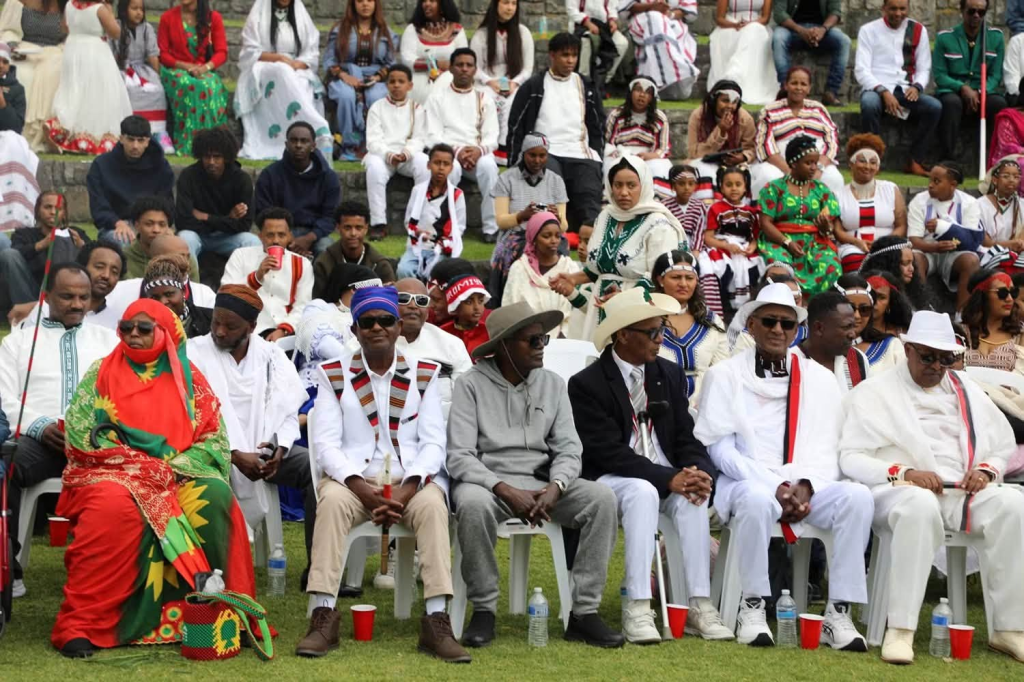
For the Oromo diaspora, Irreechaa serves as a vital cultural anchor—far more than a festival, it is an act of identity preservation, a bridge across generations, and a powerful statement of resilience. It connects Oromos living far from their ancestral homeland to their ancestors, their language, and one another, ensuring that a tradition preserved through centuries of suppression continues to thrive on foreign soil.
🌍 A Home Away from Home
Irreechaa provides a sacred space where the diaspora can recreate the spiritual and communal essence of the homeland. In cities like Melbourne, Toronto, and Minneapolis, the ritual structure remains remarkably intact:
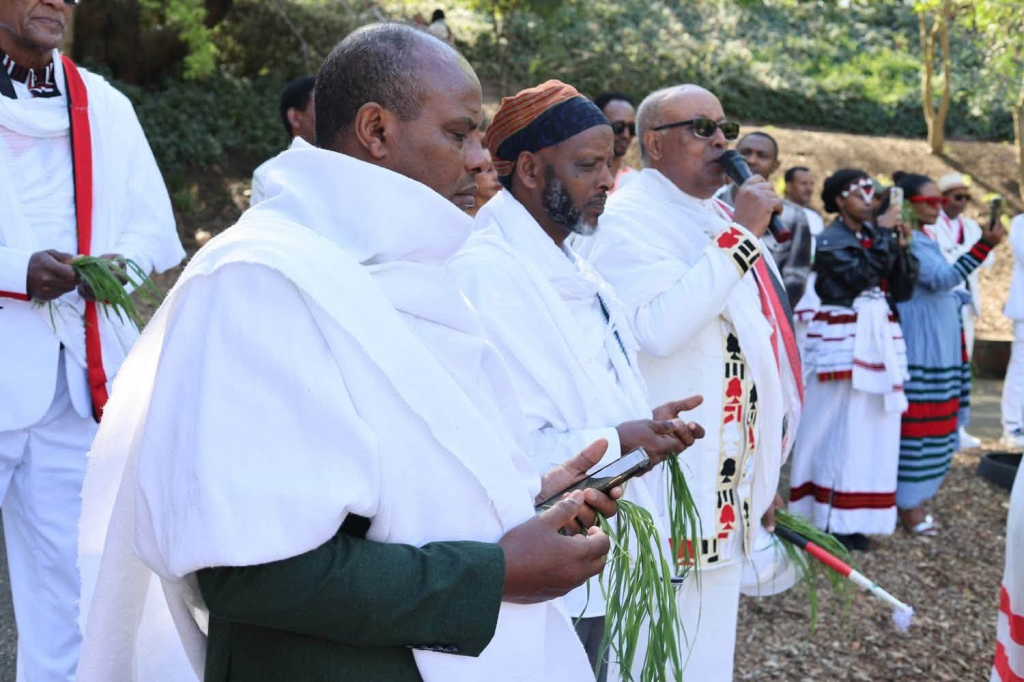
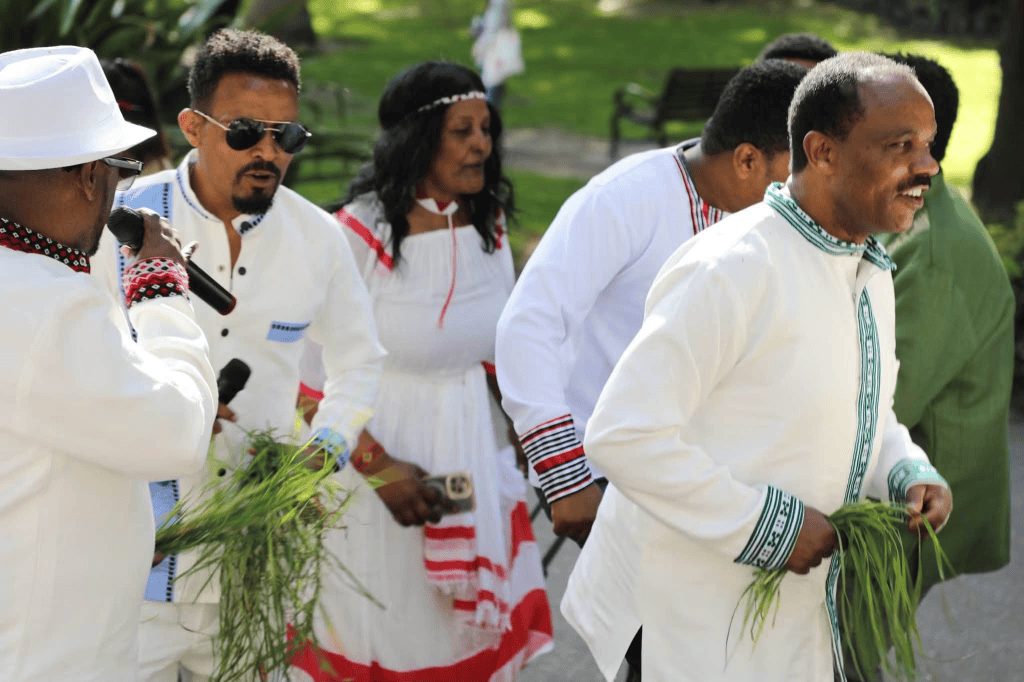
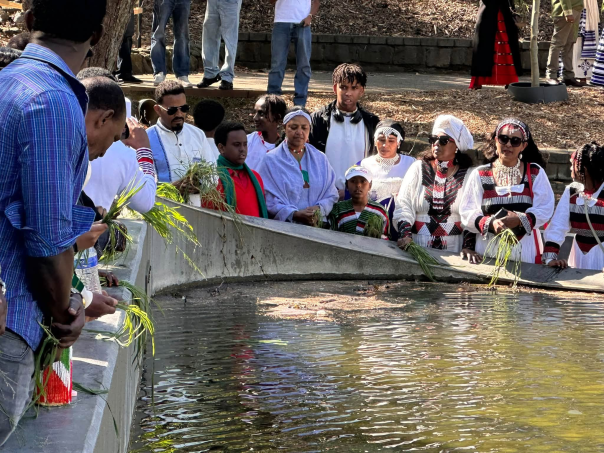
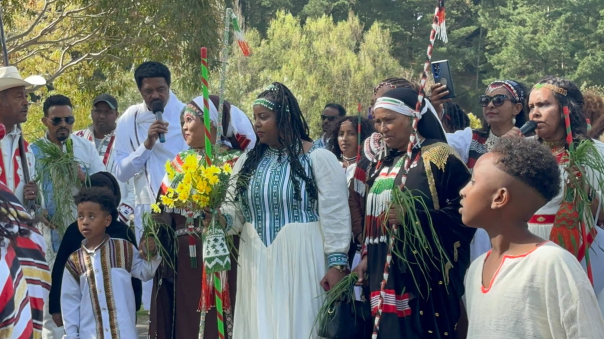
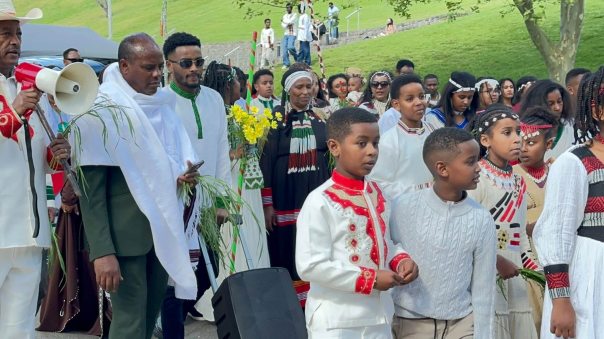
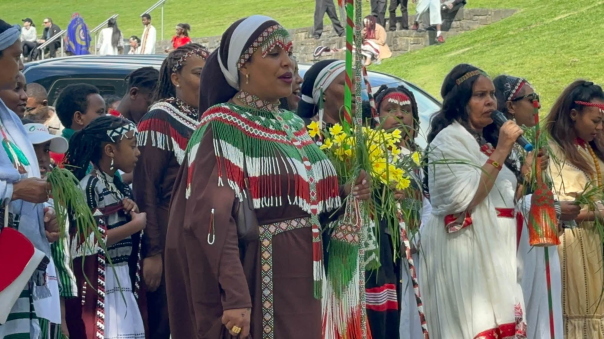
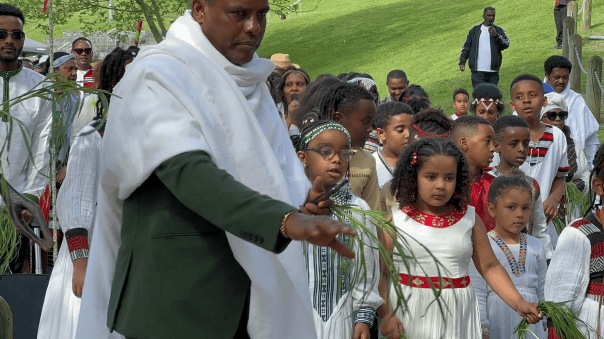
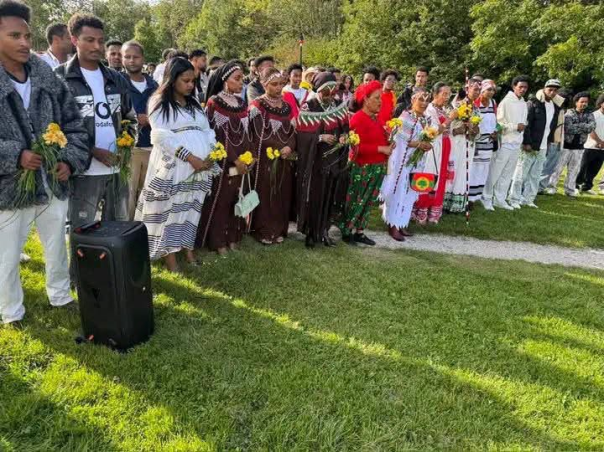
- Traditional Rituals: Participants carry fresh green grass and yellow daisies to the water’s edge, dipping them in as an offering of gratitude—the same act performed by millions at Hora Arsadi and Hora Finfinnee.
- Spiritual Continuity: Elders lead blessings and prayers to Waaqa (God), maintaining the spiritual essence of the festival even in a foreign landscape.
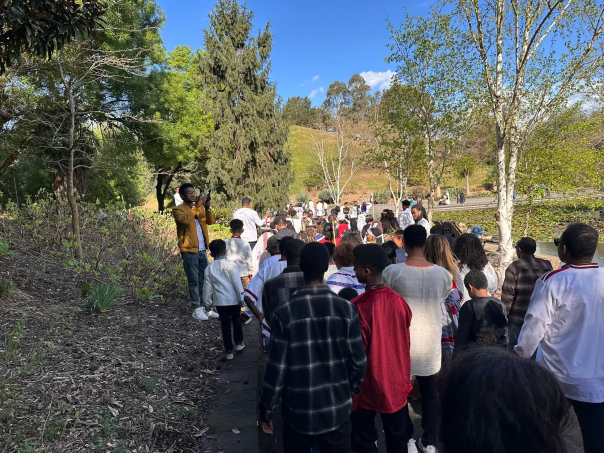
- Processions and Songs: Communities walk together toward water bodies or parks, singing traditional faaruu (songs of praise), with women often walking in front—a practice rooted in the Siinqee institution symbolizing women as sacred agents of peace.
🔗 Forging Unity and Identity
Irreechaa transcends religious and political divisions, functioning as a transreligious symbol of Oromummaa (Oromo identity). As one analysis notes, attendees include Christians, Muslims, non-believers, and Waaqeffatas alike—all united by a shared cultural heritage. This unity is particularly significant for a diaspora that fled political marginalization, as it allows diverse Oromo communities to come together under a single, proud identity.
🛡️ Resilience Through Remembrance
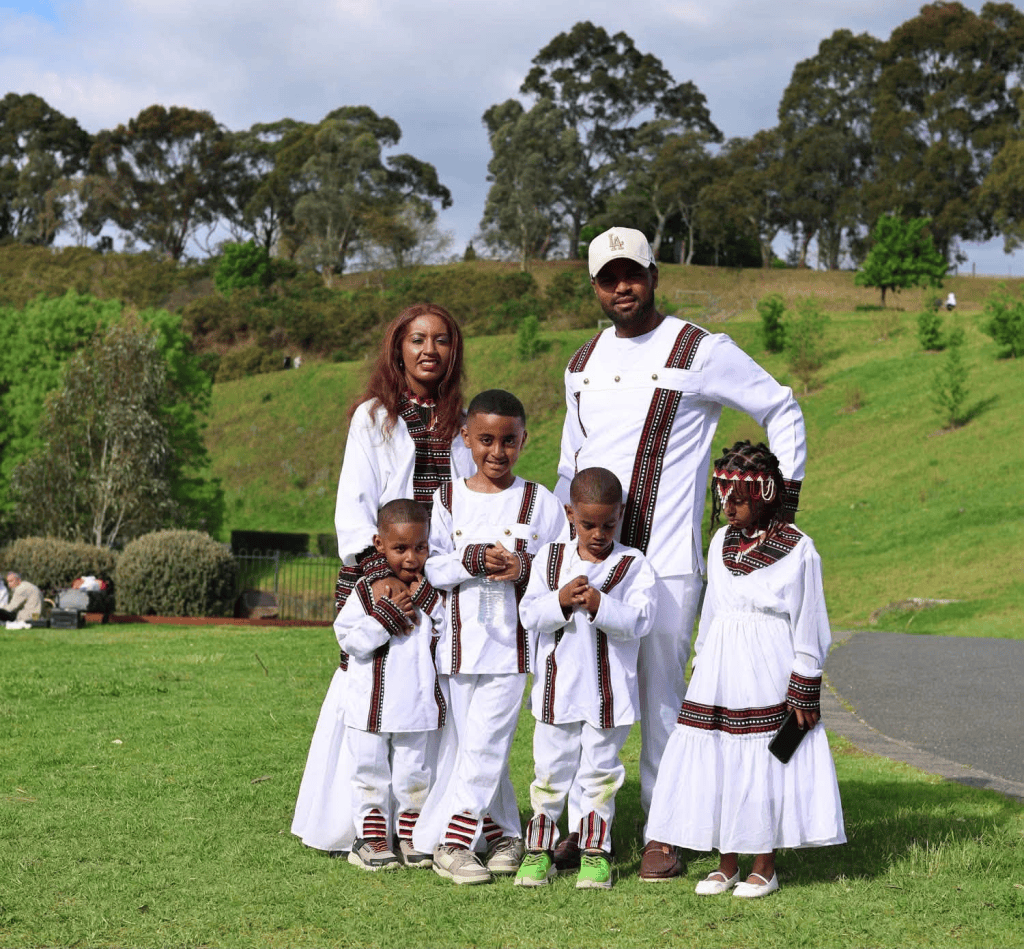
The diaspora celebration carries a profound weight of survival. Irreechaa was historically suppressed and forced underground, making its public, joyful observance abroad an act of cultural resistance. In Minnesota, for instance, the festival is explicitly framed as a symbol of resilience—a tradition that was “looked down upon” for about a century but is now celebrated openly and proudly. For the Melbourne community, it is a “living prayer” that refuses to become a mere memory.
🌱 Passing the Torch to the Next Generation
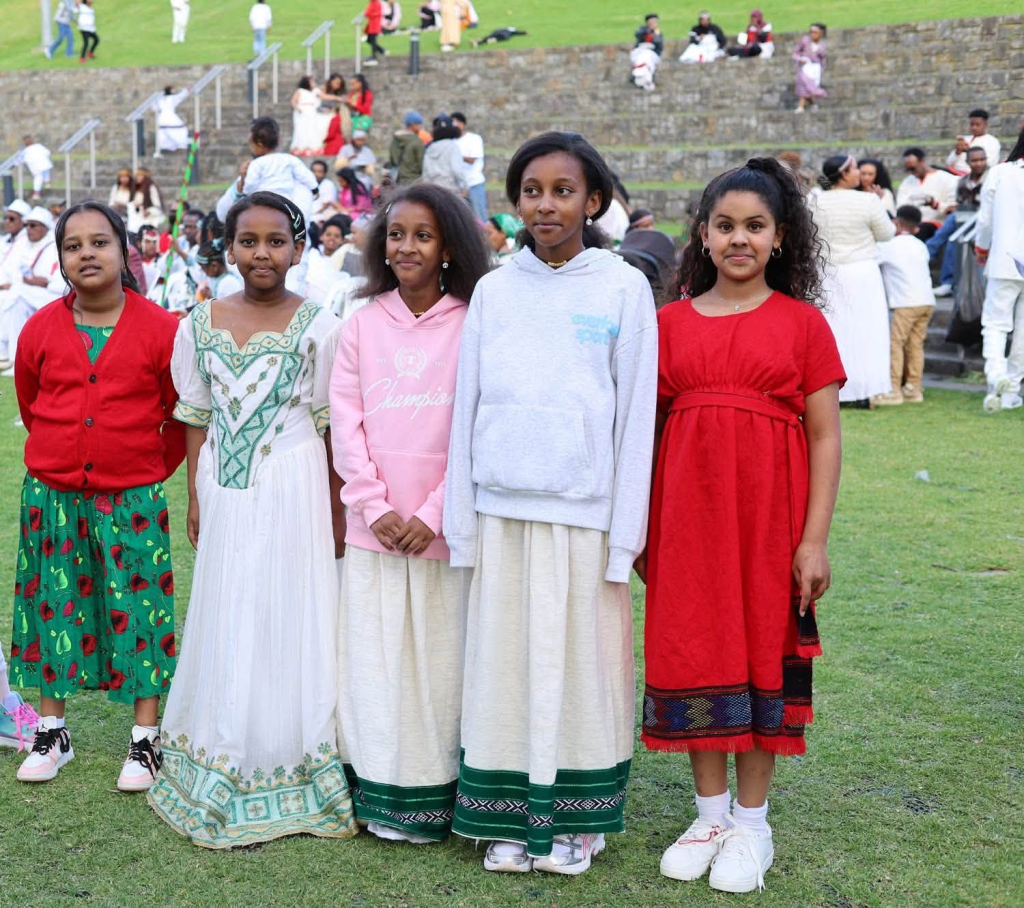
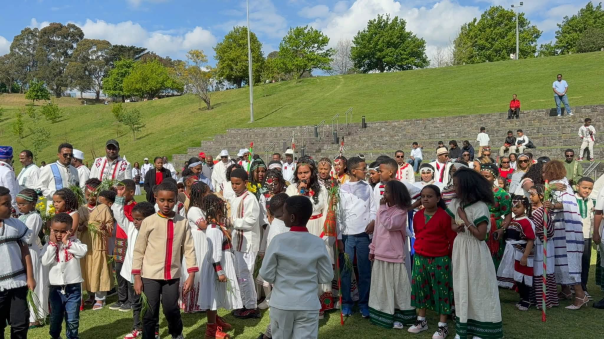
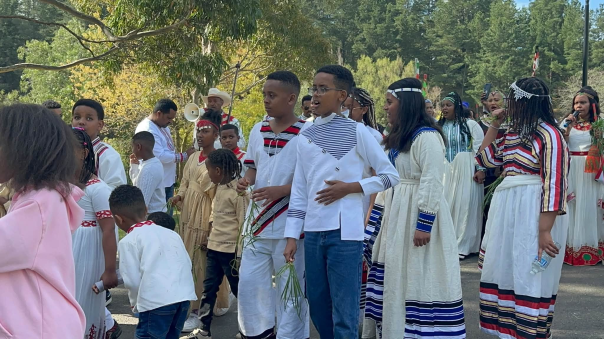
A central mission of diaspora Irreechaa organizations is youth engagement and cultural transmission. In Melbourne, “Irrecha Australia” emphasizes empowering young people to carry traditions forward with pride. In Minnesota, youth are described as a driving force behind the festival’s growing popularity, even teaching non-Oromos about its meaning. By involving children in rituals—from dressing in traditional wandaboo to learning the steps of cultural dances—the diaspora ensures that Irreechaa remains a living tradition, not a distant memory.
🤝 A Bridge to the Wider World
Beyond the Oromo community, diaspora Irreechaa celebrations serve as an open invitation for intercultural exchange. In Toronto, the festival has attracted visitors from Germany and the United States. In Dubai, celebrations have included local Emiratis and other Ethiopian ethnic groups. These events showcase Oromo values of peace, gratitude, and harmony with nature, fostering understanding within the broader multicultural societies where Oromos now live.
In essence, Irreechaa in the diaspora is not a diminished version of the homeland celebration—it is an amplified testament to a people’s unbreakable connection to their roots. It is where identity is renewed, community is strengthened, and the flame of Oromummaa is passed on, undimmed, to the next generation.

Inside Oromia’s New Map: The Six Clusters and the Leaders Who Will Run Them
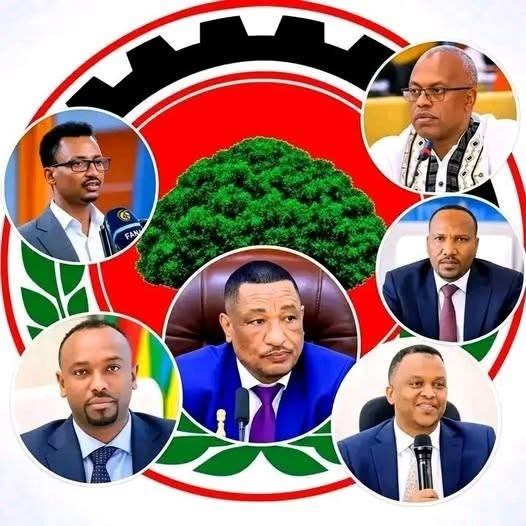
From Hararghe to Jimma, from Borana to Wollega, Oromia’s historic restructuring has redrawn the administrative landscape. Here is who leads each cluster — and which zones fall under their command
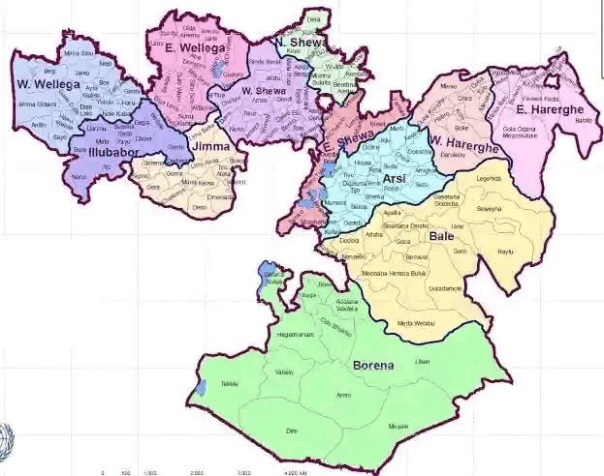
FINFINNE — Oromia has redrawn its map. In one of the most consequential administrative reforms in the region’s modern history, Ethiopia’s largest regional state has collapsed its 21 zonal administrations into six powerful clusters, each led by a chief holding the rank of deputy president.
The reform, approved by the Oromia Regional State Council during its first regular session of the seventh term, is designed to consolidate functions, eliminate duplication, and bring government closer to the people. But beyond the policy language lies a simple question every citizen wants answered: Who is in charge, and of what?
Here is the full breakdown of the six clusters, their leaders, and the zones under their authority.
1. East Oromia Cluster — Two Zones
Chief: Obbo Abdurrahman Abdalla
- Hararghe West (West Hararghe)
- Hararghe East (East Hararghe)
This eastern cluster brings together the two Hararghe zones, a region historically defined by trade routes, Islamic scholarship, and the rugged beauty of the Chercher Mountains. Its headquarters sit in the ancient walled city of Harar, with deputy offices in Chiro, Galamso, and Gurawa.
2. Southeast Oromia Cluster — Four Zones
Chief: Obbo Ahimad Haji
- Arsi
- Bale
- Arsi West (West Arsi)
- Bale East (East Bale)
Spanning the Rift Valley and the towering Bale Mountains, this cluster is one of the largest by landmass. It encompasses Ethiopia’s most productive agricultural heartlands, including the wheat fields of Arsi and the coffee and forest zones of Bale. Its administrative center is Robe, with deputy offices in Ginir, Asella, and Shashemene.
3. South Oromia Cluster — Four Zones
Chief: Obbo Ahimad Idris
- Guji
- Guji West (West Guji)
- Borana
- Borana East (East Borana)
This southern cluster stretches toward the Kenyan border and is home to Ethiopia’s most iconic pastoralist cultures. The Borana people, renowned for their gadaa system of governance — a UNESCO-recognized intangible cultural heritage — anchor this region. Its hub is Yabelo, with deputies based in Adola, Nageelle Borana, and Bule Hora.
4. West Oromia Cluster — Four Zones
Chief: Obbo Masfin Melaku
- Wollega East (East Wollega)
- Wollega West (West Wollega)
- Qellem Wollega
- Horro Guduru Wollega (Horro Guduru)
Western Oromia is gold country — literally. This cluster is home to some of Ethiopia’s richest mineral deposits, alongside vast coffee forests and fertile farmland. It is also a region that has endured significant security challenges in recent years. Its headquarters is Nekemte, with deputies in Gimbi, Shambu, and Dambi Dollo.
5. Southwest Oromia Cluster — Three Zones
Chief: Dr. Rashad Kamal
- Illu Abba Boor (Iluababor)
- Bunnoo Bedelle (Buno Bedele)
- Jimma
This cluster is the birthplace of Ethiopian coffee. Jimma, its administrative heart, is celebrated worldwide for the Arabica beans that grow in its surrounding forests. The region is also rich in history, home to the ancient Kingdom of Limmu-Ennarea and a center of Oromo scholarship and Islamic learning. Deputy offices are located in Bedele, Limmu Gannat, and Mattu.
6. Central Oromia Cluster — Four Zones
Chief: Dr. Mengistu Bekele
- Shewa East (East Shewa)
- Shewa North (North Shewa)
- Shewa Southwest (S.W. Shewa)
- Shewa West (West Shewa)
Encircling the capital, Addis Ababa, Central Oromia is the political and economic engine of the region. It includes Adama, one of Ethiopia’s largest industrial cities; Ambo, a university town known for its mineral springs; and the fertile plains of North Shewa. Its leadership is shared between Shaggar and Adama, with deputies in Waliso, Fitche, and Ambo.
A Reform Built on Coordination
Under the new structure, each cluster chief holds the rank of deputy president — a designation that signals their weight in the regional hierarchy. Alongside each chief sit two deputies: one for development, one for peace and justice. Senior advisors complete the leadership team, mirroring the executive architecture of the regional government itself.
Officials say the consolidation addresses a long-standing problem: Oromia, at over 350,000 square kilometers and more than 27 million people, was simply too vast to be governed effectively through 21 separate zones. By grouping related zones under unified cluster leadership, the government hopes to improve coordination, reduce bureaucratic overlap, and make services more accessible.
What Comes Next
The appointments are made. The headquarters are set. The structures are operational. What remains to be seen is whether the new architecture delivers on its promise — or whether it simply adds another layer of administration between the people and their government.
For now, Oromia has chosen consolidation over fragmentation. It has bet that six strong clusters will serve its people better than twenty-one scattered zones. And it has placed its trust in a new generation of leaders to make that bet pay off.
The map has changed. The work has just begun.
#Oromia #AdministrativeReform #Ethiopia

Ethiopia’s Embassy e-Passport Rollout: A New Era for Citizens Abroad
The launch of e-passport services at Ethiopian embassies marks a historic shift in how the diaspora connects with home — faster, safer, and closer than ever
CANBERRA— For millions of Ethiopians living abroad, a trip to the embassy has long meant queues, paperwork, and uncertainty. That era is ending.
This week, Ethiopia’s Immigration and Citizenship Service (ICS) officially launched e-passport services at the nation’s embassies, extending the country’s biometric passport revolution to its citizens overseas. The initiative, announced under the banner #ICSEthiopia #ePassport, represents the latest phase of a sweeping modernization effort that began with the domestic rollout in early 2025.
For a diaspora that sends home billions in remittances and serves as Ethiopia’s most visible global ambassadors, the message is clear: the distance between home and abroad just got shorter.
From Addis to the World
The journey to this moment began on February 21, 2025, when Ethiopia unveiled its first-ever electronic passport at a ceremony at the Science Museum in Addis Ababa. President Taye Atske Selassie attended, receiving one of the first copies as senior government officials, diplomats, and international partners looked on .
The new passport was not merely an upgrade — it was a statement. Produced locally through a joint venture between the Ethiopian government and Japanese technology firm Toppan Security, the e-passport embedded biometric data including fingerprints and facial images, employed advanced encryption, and met the highest international security standards .
ICS Director General Selamawit Dawit called it a “game changer” at the time. “With improved security, faster processing, and internationally recognized standards, this passport will significantly enhance the travel experience for Ethiopians while strengthening our global recognition and border control” .
By August 2026, the service was ready to cross borders.
The Embassy Rollout: What It Means
The global expansion relies on a newly designed digital platform that allows overseas Ethiopians to handle passport applications, renewals, and administrative consular processes directly from their host countries. Public Relations Director Ambo Mekassa explained that the platform is engineered to eliminate geographical hurdles and remove the long-standing requirement for citizens abroad to travel back to Ethiopia for basic documentation .
For the diaspora, the implications are profound:
- New passport issuance can now be initiated from abroad
- Renewals and replacements for lost or damaged passports are available through embassies
- Corrections and updates to existing passports can be processed without returning home
The system builds on domestic reforms that already decentralized passport services across Ethiopia, expanding service centers from 12 to 23 locations nationwide .
A Passport That Tells Ethiopia’s Story
What sets Ethiopia’s e-passport apart is not only its technology but its artistry. The document earned international acclaim in 2026, receiving the prestigious Red Dot Award for Brands and Communication — a recognition rarely bestowed on government travel documents.
The award cited the passport’s “robust security features, advanced technological integration, and its ability to securely store comprehensive user identification data.” But it was the visual design — intricate depictions of Ethiopia’s historical landmarks, cultural heritage, and natural wonders on the visa pages — that captured the judges’ imagination .
The passport carries Ethiopia’s story to every border it crosses. For a nation with a civilization spanning millennia, it is a fitting ambassador.
Local Production, African Ambition
Perhaps the most significant dimension of Ethiopia’s e-passport story is where it is made. Historically, Ethiopian passports were ordered from abroad, leaving the country dependent on foreign suppliers for a critical sovereign document.
That changed with the establishment of a state-of-the-art printing facility in Addis Ababa — a joint venture between the Ethiopian government and Toppan Security, with Ethiopian Investment Holdings holding a 49 percent stake . The facility has the capacity to produce passports entirely on Ethiopian soil: designed, printed, and personalized locally .
“This is a matter of trust, pride, and regional capability,” said Selamawit Dawit. “The facility will create skilled jobs, build local expertise, and support other African nations with secure, African-made identity and travel documents” .
The ambition extends beyond Ethiopia’s borders. Toppan has signaled plans to produce passports and IDs for neighboring countries, positioning Ethiopia as a hub for secure document production in Africa .
The Road Ahead
The embassy rollout coincides with a broader push to integrate the e-passport system with Ethiopia’s Fayda National Digital ID, allowing domestic applicants to complete biometric verification online. Officials say this integration will eventually support remote applications, strengthen fraud prevention, and further reduce the need for in-person visits .
For the diaspora, the agency has also clarified the legal standing of foreign nationals of Ethiopian descent. Holders of the Ethiopian Origin ID Card — commonly known as the Yellow Card — retain full statutory rights under Proclamation 270/2002, including the right to invest as domestic entities, own immovable property, and enter or reside in Ethiopia without work permits .
Meanwhile, domestic production has stabilized supply. The days of passport shortages and backlogs — which once numbered over 350,000 applications — appear to be receding . During the 2025-2026 fiscal year alone, ICS issued approximately 1,633,104 passports, a milestone that strengthened both tourism and international connectivity .
A Bridge, Not a Barrier
For too long, bureaucratic distance has separated Ethiopians abroad from the document that connects them to home. The embassy e-passport rollout changes that equation. It transforms the embassy from a place of queues into a gateway of service. It replaces uncertainty with predictability. And it tells every Ethiopian abroad that their country sees them — not as an afterthought, but as an integral part of the national story.
As one official put it, the platform is designed to “eliminate geographical hurdles.” In practice, that means a mother in Melbourne can renew her passport without flying to Addis. A student in Washington can replace a lost document without months of waiting. A businessperson in Dubai can keep their travel credentials current without interrupting their work.
These are not small conveniences. They are acts of recognition. They say: you belong here, even when you are far away.
The Bigger Picture
Ethiopia’s e-passport journey reflects a broader truth about modern governance: the most meaningful reforms are often the ones citizens feel in their daily lives. High-level diplomacy and macroeconomic policy matter, but so does the ability to renew a passport without losing weeks of work and thousands of dollars in travel.
By investing in local production, embracing biometric technology, and extending services to embassies worldwide, Ethiopia is doing more than issuing documents. It is building trust. It is signaling that the state exists to serve its people — wherever they may be.
The passport itself, with its Red Dot-winning design and embedded chip, carries Ethiopia’s image abroad. But the service behind it carries something equally important: the promise that no Ethiopian is too far to be served.
#ICSEthiopia #ePassport #Ethiopia

Oromia Consolidates 21 Zonal Administrations into Six Powerful Regional Clusters
A historic restructuring aims to streamline governance, strengthen service delivery, and bring the state closer to its people
FINFINNE — In a decision described as historic and far-reaching, the Government of Oromia Regional State has approved a major restructuring of its administrative architecture, reducing the region’s 21 zonal administrations to six powerful regional clusters. The reform is designed to build a stronger, more efficient government and to ensure that public services genuinely reach the people they are meant to serve.
The decision, ratified through a draft proclamation by the Oromia Regional State Council during its first-year, seventh-term regular session, consolidates related administrative functions into unified structures. At its core, the reform emphasizes coordination, complementarity, and the effective delivery of services to the public.
With the new structure now in force, the senior leadership of each of the six clusters has been officially assigned.
East Oromia Cluster
Headquarters: Harar
- Abdurrahman Abdalla — Cluster Chief, rank of Deputy President. Office: Harar.
- Miski Muhammad — Deputy Cluster Chief for Development, rank of Bureau Head. Office: Chiro.
- Anas Aliyi — Deputy Cluster Chief for Peace and Justice, rank of Bureau Head. Office: Galamso.
- Jaarso Boru — Senior Advisor to the Cluster Chief, rank of Bureau Head. Office: Gurawa.
- Fiqadu Miliyoon — Advisor to the Cluster Chief, rank of Bureau Head.
- Samia Abdalla — Advisor to the Cluster Chief, rank of Bureau Head.
Central Oromia Cluster
Headquarters: Shaggar and Adama
- Dr. Mengistu Bekele — Cluster Chief, rank of Deputy President. Office: Shaggar and Adama.
- Abbabu Waqo — Deputy Cluster Chief for Development, rank of Bureau Head. Office: Waliso.
- Kifalaw Adare — Deputy Cluster Chief for Peace and Justice, rank of Bureau Head. Office: Fitche.
- Makonnen Bayisa — Senior Advisor to the Cluster Chief, rank of Bureau Head. Office: Ambo.
- Ashannafi Ajjama — Advisor to the Cluster Chief, rank of Bureau Head.
- Taddasa Dirriba — Advisor to the Cluster Chief, rank of Bureau Head.
Southwest Oromia Cluster
Headquarters: Jimma
- Dr. Rashad Kamal — Cluster Chief, rank of Deputy President. Office: Jimma.
- Indalkachaw Tafari — Deputy Cluster Chief for Development, rank of Bureau Head. Office: Bedele.
- Aman Danu — Deputy Cluster Chief for Peace and Justice, rank of Bureau Head. Office: Limu Gannat.
- Didha Guddata — Senior Advisor to the Cluster Chief, rank of Bureau Head. Office: Mattu.
- Muhammadxahaa Abba Fixaa — Advisor to the Cluster Chief, rank of Bureau Head.
- Mosisa Lammessa — Advisor to the Cluster Chief, rank of Bureau Head.
South Oromia Cluster
Headquarters: Yabelo
- Ahmad Haji — Cluster Chief, rank of Deputy President. Office: Yabelo.
- Adula Hirbayye — Deputy Cluster Chief for Development, rank of Bureau Head. Office: Adola.
- Liban Areero — Deputy Cluster Chief for Peace and Justice, rank of Bureau Head. Office: Nageelle Borana.
- Wandimmu Robe — Senior Advisor to the Cluster Chief, rank of Bureau Head. Office: Bule Hora.
- Ibrahim Abdi — Advisor to the Cluster Chief, rank of Bureau Head.
- Isaaq Xaachoo — Advisor to the Cluster Chief, rank of Bureau Head.
West Oromia Cluster
Headquarters: Nekemte
- Masfin Melaku — Cluster Chief, rank of Deputy President. Office: Nekemte.
- Mirressa Fixee — Deputy Cluster Chief for Development, rank of Bureau Head. Office: Gimbi.
- Gammachu Gurmeessa — Deputy Cluster Chief for Peace and Justice, rank of Bureau Head. Office: Shambu.
- Talila Tarrafa — Senior Advisor to the Cluster Chief, rank of Bureau Head. Office: Dambi Dollo.
- Badhasa Dhaba — Advisor to the Cluster Chief, rank of Bureau Head.
- Dassu Lammi — Advisor to the Cluster Chief, rank of Bureau Head.
Southeast Oromia Cluster
Headquarters: Robe
- Ahimad Idris — Cluster Chief, rank of Deputy President. Office: Robe.
- Asaffa Tolasa — Deputy Cluster Chief for Development, rank of Bureau Head. Office: Ginir.
- Abdurrazaq Huseen — Deputy Cluster Chief for Peace and Justice, rank of Bureau Head. Office: Asella.
- Ibrahim Kadir — Senior Advisor to the Cluster Chief, rank of Bureau Head. Office: Shashemene.
- Izzaddin Abuubakar — Advisor to the Cluster Chief, rank of Bureau Head.
- Birhanu Arfasa — Advisor to the Cluster Chief, rank of Bureau Head.
What the Reform Means
The restructuring reduces Oromia’s sprawling 21-zonal system to six consolidated clusters, each led by a chief holding the rank of deputy president. Each cluster also has dedicated deputies for development and for peace and justice, along with senior advisors — a structure that mirrors the executive architecture of the regional government itself.
Officials say the reform is rooted in a simple principle: government should not be distant or fragmented. By grouping similar functions under one coordinated structure, the new system aims to eliminate duplication, improve efficiency, and make public services more accessible to ordinary citizens.
Oromia is Ethiopia’s largest regional state, spanning more than 350,000 square kilometers with a population estimated at over 27 million. For years, analysts and citizens alike have questioned whether a 21-zone structure could effectively serve such a vast and diverse population. The new six-cluster model is presented as the answer.
A Historic Decision With High Stakes
The proclamation was approved during the Council’s first regular session of its seventh term — a detail that underscores the political weight of the decision. The reform is not merely administrative; it is a reimagining of how Oromia governs itself.
Supporters see it as a bold step toward a stronger, more responsive state. Critics, however, have raised questions about political motivations, wondering whether consolidation could weaken the influence of individual zones or shift power in ways that are not immediately visible.
What is certain is that the six clusters are now operational, their leaders appointed, and their headquarters designated. For the people of Oromia, the real test will be felt in the everyday: faster permits, closer services, and a government that listens.
As the region embarks on this new chapter, one thing is clear — Oromia has chosen to reorganize not by dismantling its diversity, but by uniting it under a stronger, more coordinated whole.
#OromiaPresidentOffice2026

Six Clusters, One Oromia: A Guide to the New Administrative Map and Its Key Cities
FINFINNE — Oromia, Ethiopia’s largest federal state, is undergoing a profound administrative restructuring. Under a newly approved plan by the Oromia Regional State Council, the region has been reorganized into six major administrative clusters, each led by a vice president. This transformation not only reshapes governance structures but also brings the roles of each cluster’s key cities into sharper focus.
Based on the officially released administrative divisions, here is a breakdown of the six regions and their serving hub cities.
1. East Oromia: Harar and Chiro
The East Oromia cluster encompasses West Hararghe and East Hararghe zones, overseen by Vice President Abdurehman Abdullah.
Key service cities in this region include:
- Harar: The administrative center of East Hararghe Zone. A historic walled city, Harar plays a vital role in regional trade and cultural exchange.
- Chiro: The capital of West Hararghe Zone and a key administrative and commercial node on the western side of the cluster.
- Galamso and Gurawa are also important towns within this region.
2. Central Oromia: Shaggar and Adama
The Central Oromia cluster surrounds the capital, Addis Ababa, and includes East Shewa, North Shewa, Southwest Shewa, and West Shewa zones. It is overseen by Vice President Mengistu Bekele.
Main service hub cities:
- Shaggar: The name is closely tied to Oromia’s governance center and serves as a critical node for regional administrative coordination.
- Adama: The capital of East Shewa Zone, located southeast of Addis Ababa, and a major industrial and transport hub.
- Waliso: The administrative center of Southwest Shewa Zone.
- Fitche: The capital of North Shewa Zone.
- Ambo: The administrative center of West Shewa Zone, known for its hot springs and university.
3. Southwest Oromia: Jimma and Bedele
The Southwest Oromia cluster covers Ilu Ababor, Buno Bedele, and Jimma zones, overseen by Vice President Reshad Kemal.
- Jimma: The core city of the cluster, known as Ethiopia’s “coffee capital,” with rich agricultural and forestry resources.
- Bedele: The administrative center of Buno Bedele Zone.
- Limu Gannat and Mattuu are also important towns in the region.
4. South Oromia: Yabelo and Nageelle
The South Oromia cluster includes Guji, West Guji, Borana, and East Borana zones, overseen by Vice President Ahmed Haji.
- Yabelo: The capital of Borana Zone, located on the major transport route to Kenya in the south.
- Nageelle Borana: The administrative center of Guji Zone.
- Adola and Bule Hora are key towns in East Borana and West Guji zones, respectively.
5. West Oromia: Nekemte and Gimbi
The West Oromia cluster comprises East Wollega, West Wollega, Kellem Wollega, and Horo Guduru Wollega zones, overseen by Vice President Melaku Melaku.
- Nekemte: The capital of East Wollega Zone and the economic and cultural center of the western region.
- Gimbi: The administrative center of West Wollega Zone.
- Shambu: The capital of Horo Guduru Wollega Zone.
- Dambi Dollo: The administrative center of Kellem Wollega Zone.
6. Southeast Oromia: Robe and Shashemene
The Southeast Oromia cluster covers Arsi, Bale, West Arsi, and East Bale zones, overseen by Vice President Ahmed Idris. This region spans the Rift Valley and is home to important ecological resources, including Bale Mountains National Park.
- Robe: The capital of Bale Zone and the administrative center of the cluster’s southeastern section.
- Ginir: An important town in Bale Zone.
- Asella: The capital of Arsi Zone.
- Shashemene: The administrative center of West Arsi Zone, located about 200 kilometers south of Addis Ababa.
The Significance of the Restructuring
Oromia’s administrative reorganization represents a major shift in the state’s governance model. Supporters argue that dividing the vast Oromia region into smaller management units brings government closer to the people, improving administrative efficiency and service delivery. Oromia spans over 350,000 square kilometers with a population of more than 27 million — a single layer of management does indeed face enormous challenges.
However, critics have also raised concerns. Some analysts suggest the restructuring may carry political motives, potentially aimed at weakening Oromia’s cohesion and bargaining power as a single political entity.
Regardless, the six cluster vice presidents are now in place, and coordination mechanisms are being established. For ordinary citizens, the most direct impact will be on the accessibility and efficiency of administrative services. For observers, this “quiet administrative revolution” in Oromia may have implications that extend far beyond the list of appointments itself.

Irreechaa: A Billion Hearts, One Festival of Light
Across continents and generations, the Oromo nation celebrates the victory of light over darkness — a festival that unites, sustains, and inspires
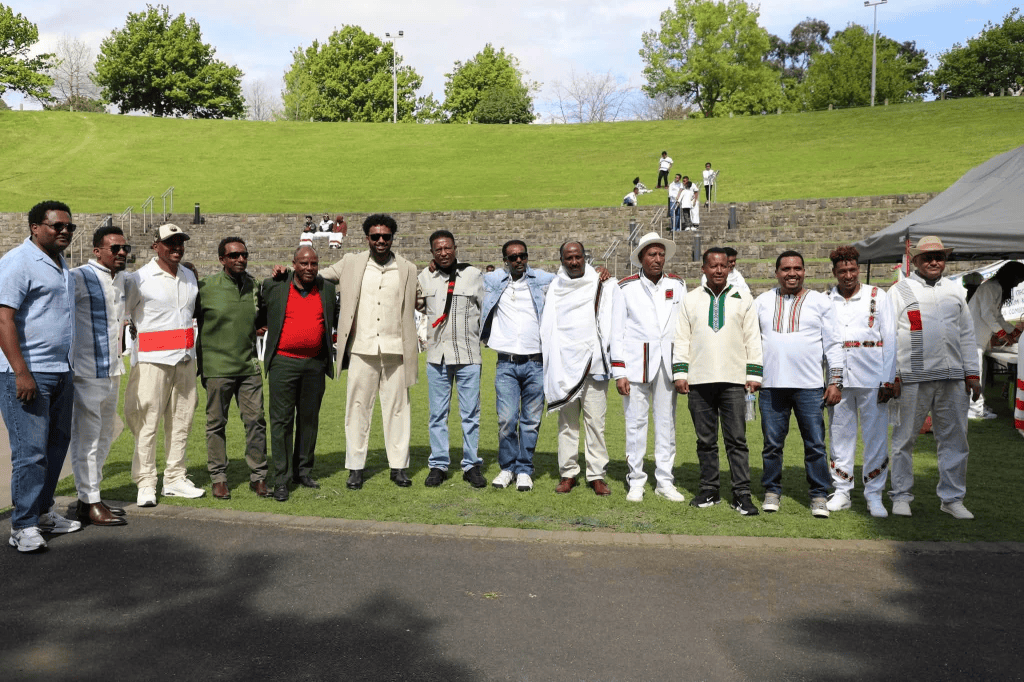
(MELBOURNE, AUSTRALIA, 27 September 2026) — This week, more than a billion people around the world are celebrating Irreechaa, the cultural festival celebrating the victory of light over darkness. It’s an important time for the Oromo nation. Across states, regions and cities, it fostered unity, sustainability, and joy, illuminating paths to prosperity and peace.
From the sacred shores of Hora Arsadi in Bishoftu to the riverbanks of the Awash, from the bustling streets of Addis Ababa to the quiet parks of Melbourne, Minneapolis, and London, the sounds of shaggooyyee and the colors of calanchi have once again filled the air. Irreechaa has returned — and with it, a message that transcends borders, generations, and circumstances.
A Festival Rooted in Gratitude
At its heart, Irreechaa is a thanksgiving. It marks the end of the rainy season and the beginning of the harvest, a moment when the Oromo people gather at the water’s edge to offer thanks to Waaqa (God) for the gift of life, fertility, and renewal. The festival is celebrated twice a year: Irreechaa Hiyyessa (the small Irreechaa) and Irreechaa Guddaa (the great Irreechaa), with the latter drawing millions to sacred sites across Oromia and beyond.
But Irreechaa is more than a ritual. It is a philosophy. The triumph of light over darkness is not merely a seasonal metaphor — it is a declaration of hope. It reminds us that even after the longest night, the sun rises. Even after the heaviest rain, the land blooms. Even in the face of adversity, a people united by faith and tradition can find their way forward.
Unity Across Divides
This year’s celebrations carried particular weight. In a world often divided by politics, religion, and geography, Irreechaa stood as a powerful counter-narrative. In cities across Ethiopia and the diaspora, people of all ages, backgrounds, and walks of life gathered side by side. Elders passed down blessings. Mothers sang songs of gratitude. Children danced in celebration. And for a moment, the divisions that so often define modern life seemed to dissolve.
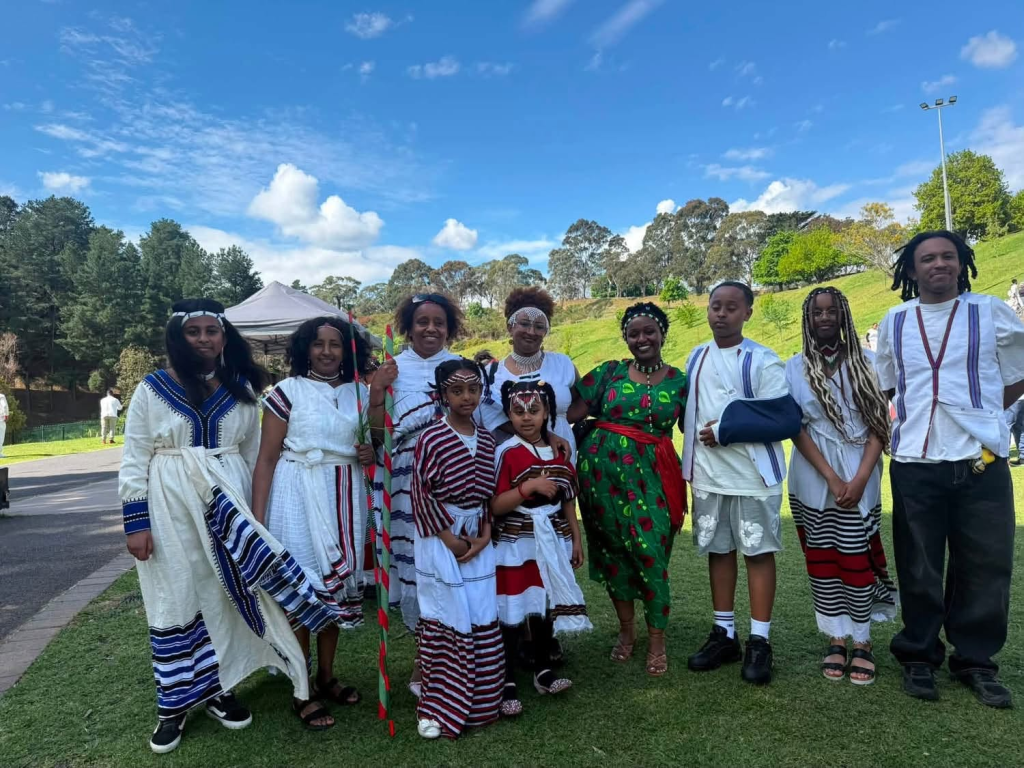
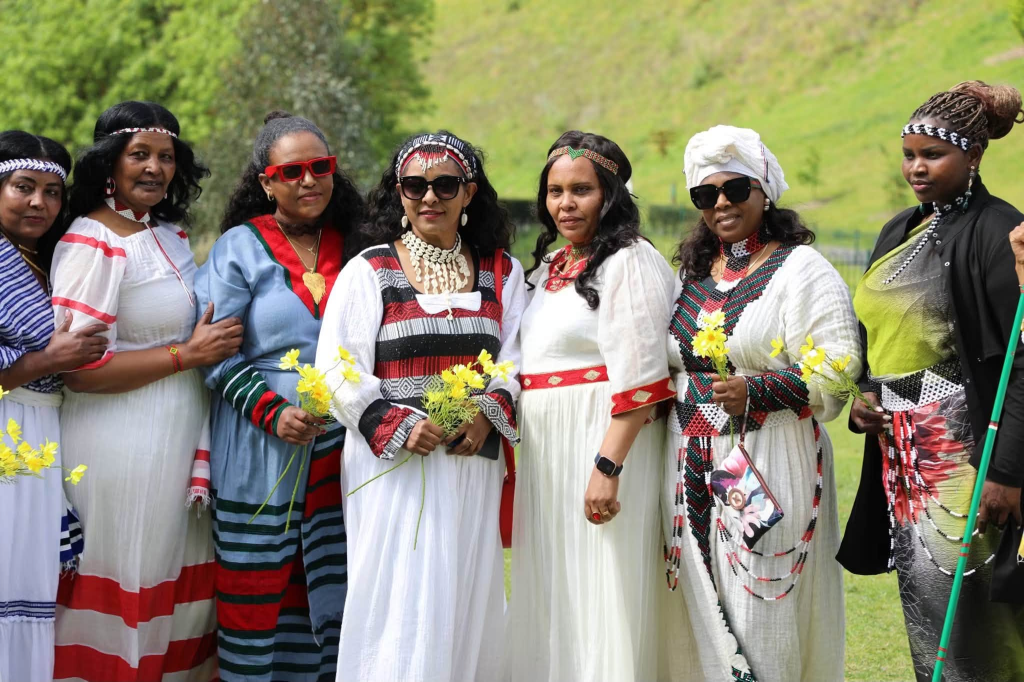
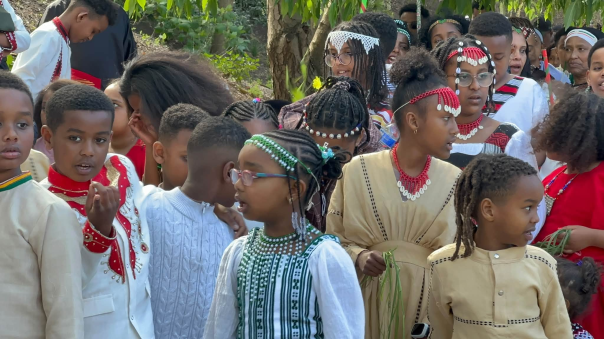
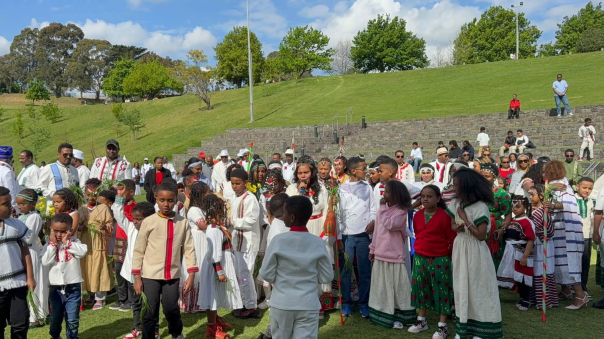
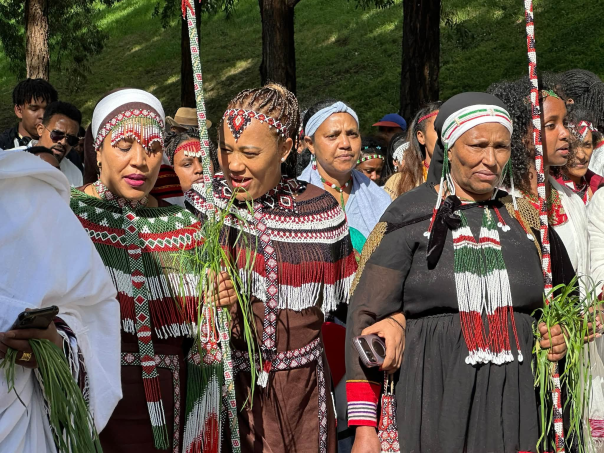
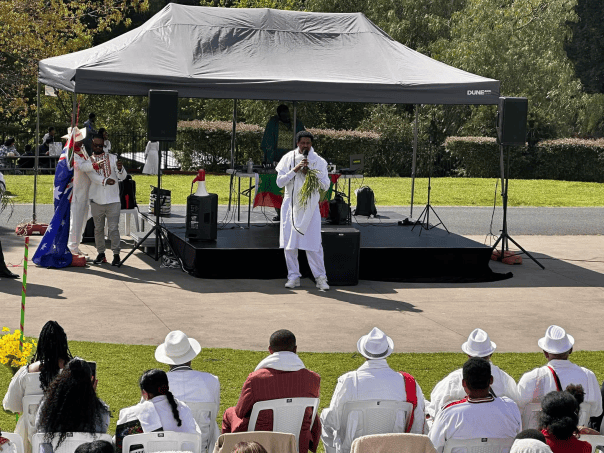
In Melbourne, where the Oromo community has grown into a vibrant and organized presence, Irreechaa was celebrated with the same reverence as it is in the homeland. Families dressed in traditional wandaboo and uffannaa aadaa, exchanged greetings of “Happy Irreechaa!” and shared meals that tasted of home. The event was a testament to the resilience of a people who, even thousands of miles from their ancestral land, refuse to let their culture fade.
Sustainability: A Legacy of Respect for the Earth
Irreechaa is also a reminder of humanity’s relationship with nature. The festival is intrinsically tied to the land, the rivers, and the changing seasons. It teaches that gratitude must be accompanied by stewardship — that the earth is not ours to exploit but to protect.
In an era of climate crisis, this message could not be more urgent. The Oromo people’s reverence for water, land, and life offers a model of sustainability that the world would do well to heed. Irreechaa is not just a celebration of what we have received; it is a commitment to preserve it for those who come after us.
Joy as Resistance
Perhaps most powerfully, Irreechaa is a celebration of joy. In a world that often demands we focus on what divides us, the festival insists on what unites us. It is a reminder that joy is not frivolous — it is revolutionary. To celebrate in the face of hardship is to declare that hardship will not have the final word.
The images emerging from this year’s celebrations tell that story. A grandmother teaching her granddaughter the steps of a traditional dance. A young man helping an elder across the river. A group of friends laughing as they share a meal under the open sky. These are the moments that define Irreechaa. These are the memories that will be passed down.
Illuminating Paths to Prosperity and Peace
As the celebrations draw to a close, the message of Irreechaa lingers. Light has triumphed over darkness. Gratitude has triumphed over despair. Unity has triumphed over division.
For the Oromo nation, Irreechaa is not just a festival — it is a compass. It points toward a future built on peace, prosperity, and mutual respect. It reminds us that the path forward is illuminated not by the brightness of any single star, but by the collective light of a people who refuse to be extinguished.
And as the sun rises on another year, that light shines on — in Bishoftu, in Melbourne, in Minneapolis, and in every corner of the world where the Oromo spirit lives.
Baga Irreechaa Nagayaan Geessan! Baga Bara Haaraa Geessan!
May the light of Irreechaa guide us all toward a year of peace, unity, and abundance.
Irreechaa: A Living Memory Across Generations
“Irreechaa waggaatti naanna’e dhufa; ayyaana kana irratti yaadannoo barayyuu jiraatu dhalootaaf kahanii darbuu waanti fakkaatu hin jiru.”
Irreechaa returns year after year; there is nothing that seems to pass beyond the reach of generations when the memory of this festival lives on and is preserved.
This profound truth captures the essence of Irreechaa — a festival that refuses to be confined to a single moment in time. It is a celebration that travels with its people, crossing rivers, mountains, and oceans, carrying with it the sacred duty of remembrance.
A Festival That Travels With Its People
Irreechaa is more than a thanksgiving ceremony. It is a living testament to the resilience, faith, and unity of the Oromo people. Celebrated at the banks of rivers and lakes, it marks the transition from the rainy season to the harvest, a moment of gratitude to Waaqa (God) for the blessings of life, fertility, and community.
But when Irreechaa travels — as it has with the Oromo diaspora to cities like Melbourne — it does not lose its meaning. Instead, it multiplies. Each celebration in a new land becomes a bridge between the homeland and the heart, between ancestors and descendants, between memory and hope.
Melbourne: A New Chapter in an Ancient Story
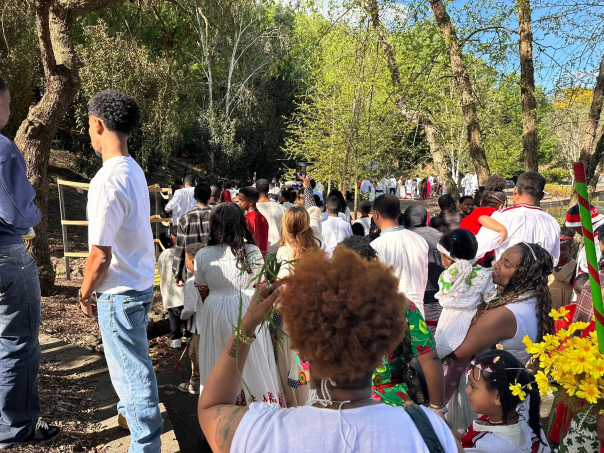
The Irreechaa celebrations in Melbourne are a vivid reminder that distance does not diminish devotion. Under the open sky of a foreign land, Oromo families gather in their traditional attire, sing songs of praise, and perform the sacred rituals that have been passed down for centuries. The colors of the calanchi and the rhythm of the shaggooyyee echo the same spirit that fills the banks of the Hora Arsadi and the Awash River.
These gatherings are not merely cultural events; they are acts of survival. They are declarations that no matter where life takes a people, their identity remains rooted in their traditions.
The Power of Shared Memories
“Suuraalee Irreechaa Melbourne kana waliif qooduunis yaadannoo keenyatti lubbuu haa horru!”
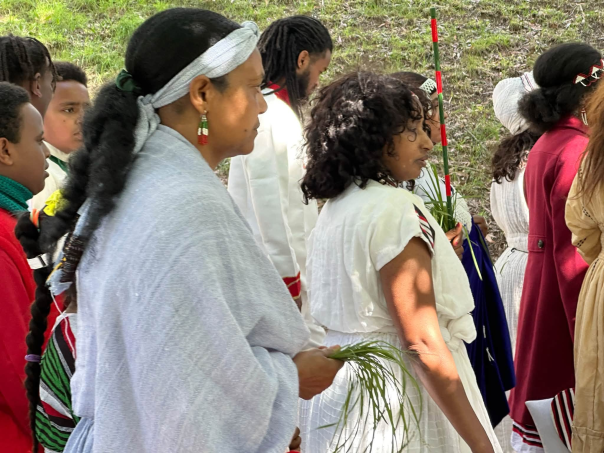
Sharing the photos of this Irreechaa in Melbourne breathes life into our memory!
In the age of digital connection, every photograph, every video, every shared post becomes a vessel of memory. When we share these images, we are not simply documenting an event — we are breathing life into our collective story. We are telling the next generation: This is who we are. This is where we come from. This is what we carry with us.
For those who could not attend, these shared moments become a lifeline. For those who were present, they become anchors of joy. For those yet to be born, they become a legacy.
A Call to Keep the Flame Alive
We extend our deepest gratitude to Yadeta Lemu, Kasahun Soboka, Aliye Geleto, Dhabessa Wakjira, and Yadesa Bedhasa for their dedication in capturing and sharing the spirit of Irreechaa Melbourne. Their efforts ensure that the memory of this celebration does not fade with time but grows stronger with each passing year.
Their work reminds us that preserving culture is not a passive act. It requires effort, commitment, and love. It requires people who understand that when we share our traditions, we are not just looking back — we are building forward.
Conclusion: Irreechaa as a Bridge
Irreechaa is a bridge. It spans the distance between generations, between homelands, between hearts. It teaches us that as long as we remember, we are never truly far from home. As long as we celebrate, we are never truly alone.
So let us continue to share. Let us continue to remember. Let us continue to breathe life into our memories — for in doing so, we ensure that Irreechaa will indeed return, year after year, carrying our stories to generations yet to come.
Irreechaa fi yaadannoo keenya — dhalootaaf kahanii darbuu hin danda’u!
Irreechaa and our memory — they cannot pass beyond the reach of generations!

🩸 THREE MOMENTS. ONE PEOPLE. ONE NAME. 🩸

They tried to split us by faith. We chose to die as OROMO.
1️⃣ ARSII — 1966
📍 Hundee Tokkummaa Oromoo
In the mountains of Arsii, the foundation was laid. In 1966, brave Oromo sons — Muslim and Christian together — raised the banner of Oromo unity. The enemy’s plan was simple: use religion to break us. They failed. They dug deep foundations that no conspiracy could shake. From Arsii, the root of Oromo unity was planted in blood and fire. 🔥
“Hundee Tokkummaa Oromoo — Arsii, 1966”
2️⃣ SHINNIGAA — 1980
📍 Tokkummaa Oromoo Shinnigaa
In 1980, at Shinnigaa, they came with the same weapon — religion. “Separate yourselves,” they said. “Die apart.” But our heroes looked at the pit, looked at each other, and said:
“Maqaa amantaan gargar hin baanu.”
We do not divide the name by religion.
They refused to separate. They were massacred together, as one people, under one name. Their blood soaked the same ground. Their sacrifice became our foundation. 🕯️
“Tokkummaa Oromoo Shinnigaa — 1980”
3️⃣ BISHOOFTUU — 2016
📍 Walgaltee Ilmaan Oromiyaa
Thirty-six years later, in Bishooftuu Harsadii, the enemy tried again. Same tactic. Same lie. Separate the Muslim from the Christian. Divide the youth. Break the unity.
They failed again.
The youth of Oromiyaa refused to be divided. They were buried together — in one place, under one identity. They became the pillars of our identity (utubaa eenyummaa). We will never forget them. Not today. Not ever. ✊
“Walgaltee Ilmaan Oromiyaa — Bishooftuu Harsadii, 2016”
⚡ THE MESSAGE ⚡
From Arsii 1966 → Shinnigaa 1980 → Bishooftuu 2016
The enemy’s strategy never changed:
Use religion to divide. Use division to destroy.
Our answer never changed either:
We are OROMO first. We die together. We rise together.
They built pits expecting us to fall apart.
We built monuments of unity from our bones.
🔥 “Seenaa keenya keessatti barayyuu cululuqee jiraata.” 🔥
In our history, it lives forever — shining.
🔁 SHARE if you refuse to be divided.
❤️ LIKE if you honor their sacrifice.
💬 COMMENT the name of your hero.
📌 SAVE this. Teach it. Never forget.
#Oromo #Oromia #Arsii1966 #Shinnigaa1980 #Bishooftuu2016 #MaqaaAmantaanGargarHinBaanu #TokkummaaOromoo #NeverForget #OromoUnity #SeenaaKeenya #Qeerroo #OromoIdentity #OnePeopleOneName
“Those who tried to bury them did not know: a people who refuse to be divided have found something stronger than death.” 🩸✊






