Daily Archives: November 4, 2026

Unity Beyond Borders: What the Oromo Nation Can Learn from a Community That Organized and Won
By Dhabessa Wakjira
There is a lesson that every oppressed people must eventually learn: a community united is never powerless. When a people organize—not only at home but across borders—and build collective strength, they can bring their voice to the seat of power itself. This is not a theory. It is a demonstrated truth, and it stands as an example for every nation that aspires to freedom.
The Oromo people, the largest ethnic group in Ethiopia and the Horn of Africa, are no exception. The lesson is clear: however heavy the burden, disciplined work and principled action are what lead to success. A nation does not win its rights through despair or division; it wins them through patience, integrity, and unwavering unity.
The Power of Organized Community
History is filled with examples of communities that were dismissed as powerless until they organized. When people who share a common identity and a common grievance come together—when they build institutions, pool resources, coordinate action, and speak with one voice—they become a force that no government can ignore. This is true within a country’s borders, and it is equally true across the diaspora.
The Oromo diaspora, particularly in North America, Europe, and Australia, has built structures explicitly designed for collective action: fundraising, advocacy, political mobilization, and cultural preservation. These networks sustain the struggle across borders and generations. They demonstrate that distance is not a barrier to solidarity—and that a community that organizes abroad can amplify the voice of those who cannot speak freely at home.
Lessons for the Oromo Struggle
The lesson for the Oromo nation is both simple and demanding. It requires patience (obsa)—the willingness to endure hardship without losing sight of the goal. It requires integrity (naamusaa)—the commitment to act with moral clarity and consistency, even when it is inconvenient. And it requires diligence (cichoomina)—the disciplined, sustained effort that turns aspiration into achievement.
These are not abstract virtues. They are the practical foundations of any successful movement. A people that works together, acts with principle, and refuses to be divided can achieve what seems impossible to those who underestimate them.
A Responsibility to the Next Generation
But the lesson is not only about the present. It is about the future. The generation that inherits the struggle must be equipped to carry it further—to bring about change that is better than what came before. That requires commitment and courage. It requires the willingness to learn from the past while refusing to be imprisoned by it. And it requires the conviction that the sacrifices of those who came before will not be in vain.
The Oromo struggle is not a sprint. It is a marathon that spans generations. Each generation must do its part: to preserve what has been gained, to push forward where progress has stalled, and to hand to those who follow a stronger, more united, and more determined nation.
The Example That Inspires
Communities that have organized and won—whether in the struggle for civil rights, for independence, or for democratic self-governance—share a common pattern. They did not wait for power to be handed to them. They built power from the ground up. They organized in their neighborhoods, their workplaces, their places of worship, and their diaspora communities. They spoke with one voice. And when the moment came, they were ready.
The Oromo nation has the numbers, the resources, the cultural heritage, and the diaspora networks to do the same. What remains is the will to act—with patience, integrity, and unity—and the determination to ensure that the next generation inherits not only the struggle but also the tools to win it.
A united community is never powerless. A people that organizes, endures, and acts with principle will be heard—at home and abroad.

Seventeen Women, One House: Black Women Make History in the 2026 Midterms
By Dhabessa Wakjira
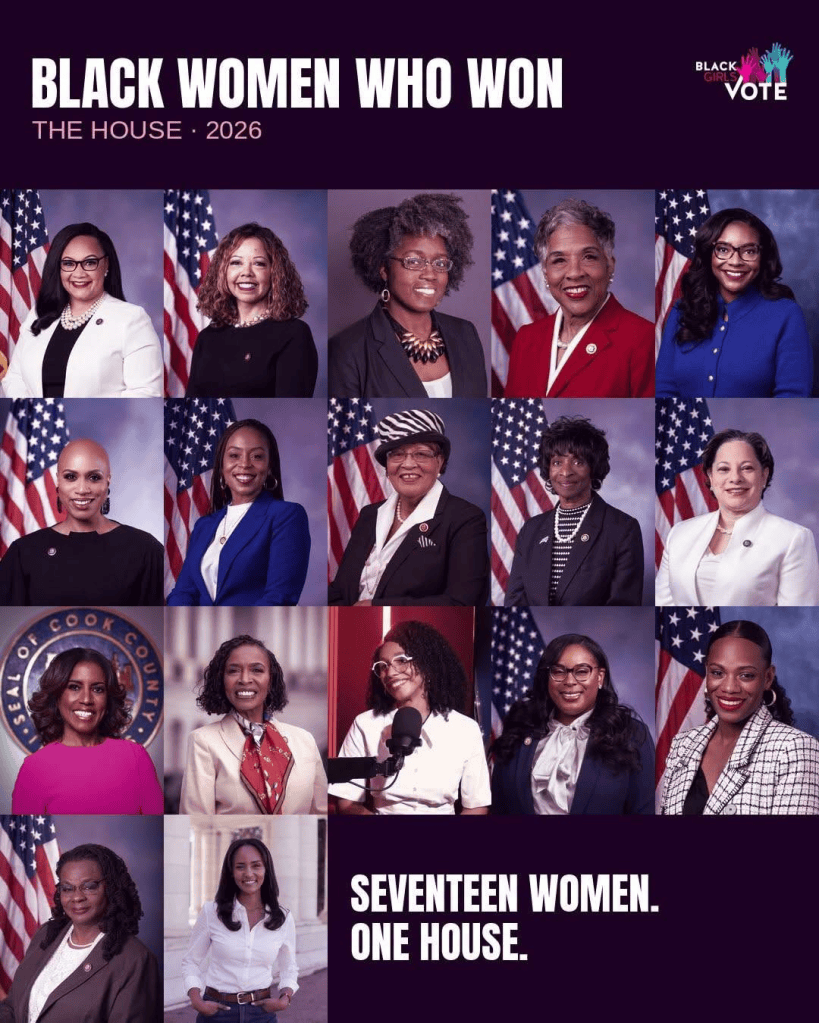
In a political season defined by uncertainty and division, a quiet but powerful transformation took place at the ballot box: seventeen Black women were elected to the United States House of Representatives in the 2026 midterm elections. Their victories span from Georgia to Colorado, from Ohio to Washington—and together, they represent one of the most significant concentrations of Black women’s political power in American history.
A Historic Class
The list of newly elected and re-elected representatives reads like a roll call of resilience and ambition: Nikema Williams, Lucy McBath, and Jasmine Clark in Georgia; Joyce Beatty and Emilia Sykes in Ohio, with Sykes holding one of the toughest seats in the country; and Ayanna Pressley, Shontel Brown, Alma Adams, Valerie Foushee, Jennifer McClellan, Donna Miller, Yvette Clarke, Darializa Avila Chevalier, LaMonica McIver, Summer Lee, and Gwen Moore across the nation.
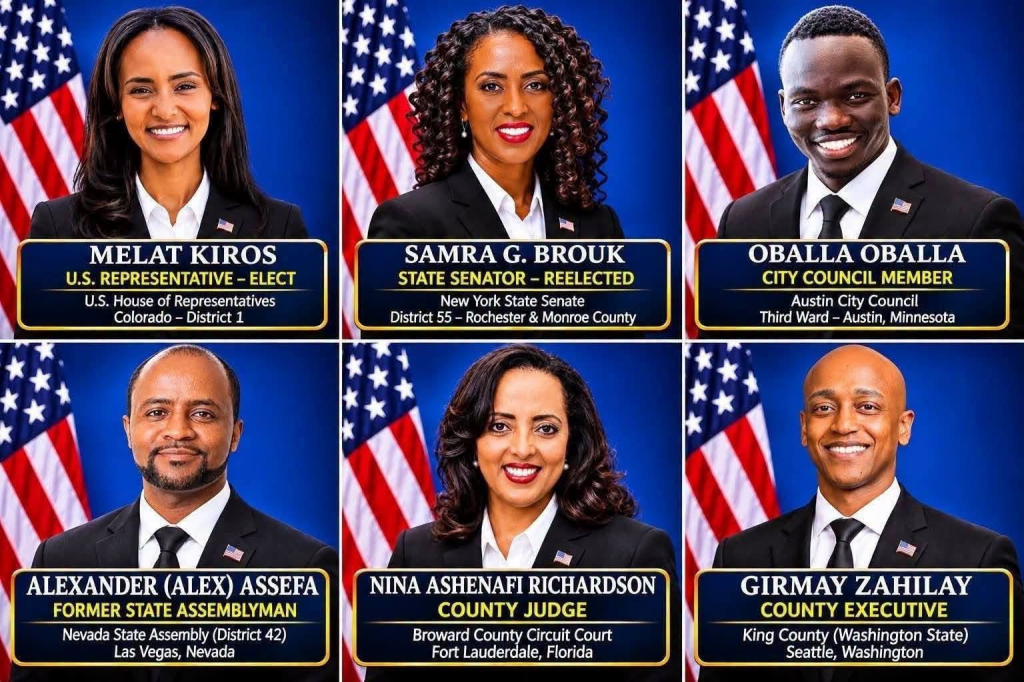
But perhaps the most striking story comes from Colorado, where Melat Kiros made history twice over: she became the first Black woman to represent her state in Congress and the first Gen Z woman ever elected to the House. Her victory is not only a milestone for Colorado but a signal that a new generation of leadership has arrived—one that is younger, more diverse, and unafraid to claim space in institutions that have historically excluded them.
The Significance of Seventeen
Seventeen may sound like a modest number in a chamber of 435. But representation is not merely arithmetic. Each of these women carries with them the experiences of communities that have been underserved, underestimated, and overlooked. Their presence in Congress matters—not just for symbolism, but for the substance of policy: for the issues they will champion, the perspectives they will bring to debates, and the doors they will open for those who come after them.
The hashtag that accompanied the announcement—#BlackGirlsVote—captures something essential: this is not only about the women who won, but about the movement that elected them. Black women have long been the backbone of the Democratic Party and of progressive movements across the country. In 2026, that labor translated into a visible, undeniable presence in the halls of power.
A New Generation, A New Chapter
Melat Kiros’s dual firsts—first Black woman from Colorado, first Gen Z woman in Congress—are a reminder that history is not only made by those who have waited their turn, but by those who arrive ready to transform the institution itself. Gen Z has come of age in a time of crisis and possibility, and its entry into Congress signals that the fight for representation is not over—it is only being reimagined.
The women elected in 2026 are not newcomers to struggle. They are attorneys, community organizers, state legislators, and advocates who have spent their careers fighting for the vulnerable. Their victories are the result of years of organizing, coalition-building, and the steadfast belief that American democracy works best when it looks like America itself.
What Comes Next
The 119th Congress will convene with more Black women than ever before in its history. The work ahead is formidable—from protecting voting rights to addressing economic inequality, from healthcare access to criminal justice reform. But the class of 2026 enters with a mandate: to lead, not just to be present; to legislate, not just to represent; and to ensure that the promises of democracy are extended to all.
Seventeen women. One House. A nation watching.

When Those in Power Refuse to Listen: Martin Luther King Jr. and the Power of Nonviolent Dialogue
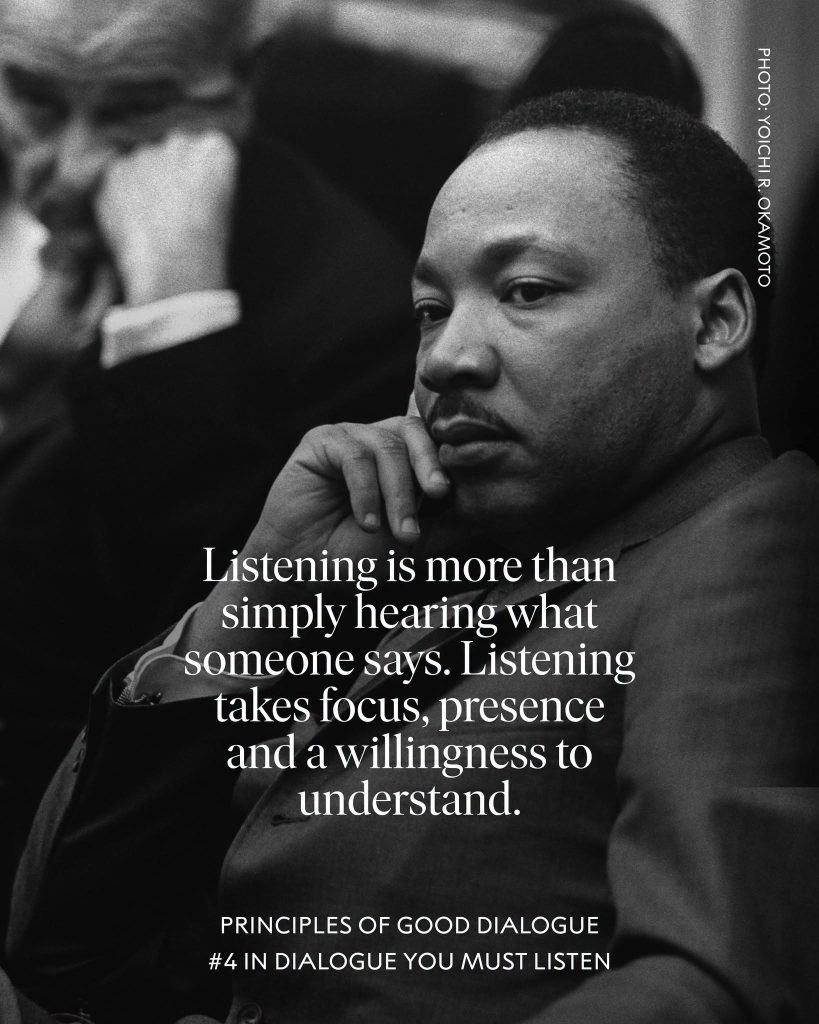
By Daandii Ragabaa
What happens when those in power refuse to listen?
Martin Luther King Jr. grew up in a segregated United States, where Black Americans were denied a voice and risked threats and violence for speaking out. The institutions of government, the courts, the police, and much of the public square were closed to them. To speak was to risk one’s life. To be heard was almost unimaginable.
Yet King chose not to answer silence with silence. He chose nonviolent resistance.
The Strategy of Peaceful Protest
King understood that the refusal to listen is itself a form of violence—a denial of the other’s humanity. His response was not to mirror that denial but to expose it. Through peaceful protests, sit-ins, marches, and boycotts, he helped make the situation of Black Americans impossible to ignore. The point was not merely to disrupt but to reveal: to show the nation and the world what segregation actually looked like, and to force those in power to confront what they had chosen not to see.
In 1963, 250,000 people joined the March on Washington, where King delivered his famous “I Have a Dream” speech. It made people listen. The following year, legislation prohibiting racial discrimination was passed—the Civil Rights Act of 1964—and King was awarded the Nobel Peace Prize.
Principle 4: In Dialogue, You Must Listen
The Nobel Peace Center identifies this as an example of Principle 4 of good dialogue: In dialogue, you must listen. The principle is deceptively simple, but it carries profound implications. Listening is more than merely hearing. It requires focus and presence. It requires the willingness to set aside one’s own prejudices and judgments long enough to actually receive what another person is saying.
The Nobel Peace Center offers practical guidance on what this looks like:
- Listen to what is being said. Do not let your own thoughts and prejudices interfere with your ability to listen.
- Do not give advice unless it is requested.
- Do not interrupt. Let the other person finish talking.
- Do not capture the conversation by drawing parallels to your own experiences.
- Be empathic and show understanding for the other person’s situation.
- Do not presume to know other people’s opinions.
These are not abstract ideals. They are disciplines—habits of attention that must be practiced, especially by those who hold power.
The Courage to Make Listening Impossible to Avoid
King’s genius was in understanding that when those in power refuse to listen, the response is not to shout louder but to create conditions in which listening becomes unavoidable. The March on Washington was not merely a protest; it was an invitation—a demand—for the nation to hear what it had spent generations trying to drown out.
The Nobel Peace Center notes that King “used Principle 4: In dialogue, you must listen to find a solution.” This is a crucial insight. King did not abandon dialogue; he insisted on it. He did not seek to destroy his opponents; he sought to awaken them. His nonviolent resistance was, in its deepest logic, an act of faith in the possibility of dialogue—even with those who had shown no willingness to engage.
Listening as a Moral Practice
The lesson for our own time is clear. In a world where political leaders often speak past one another, where social media rewards outrage over understanding, and where the powerful routinely dismiss the grievances of the marginalized, Principle 4 remains a radical challenge. Listening is not a passive act. It is a moral practice—a recognition that the other person has something to say that we need to hear.
King’s life is a testament to this truth. He listened to the pain of his community. He listened to the conscience of the nation. And he forced those in power to listen to him—not through violence, but through the disciplined, peaceful insistence that their humanity and his were bound together.
A Legacy That Still Speaks
More than half a century after his death, King’s example continues to teach. When those in power refuse to listen, the answer is not to abandon dialogue but to practice it more faithfully—to create the conditions, through peaceful means, in which listening becomes inevitable. That is the lesson of the March on Washington. That is the lesson of the Civil Rights Act. And that is the lesson of Martin Luther King Jr.’s extraordinary life.
The Nobel Peace Center’s eight principles of dialogue—of which listening is the fourth—are not merely a framework for conflict resolution. They are a way of being in the world. And as King showed, they have the power to change history.
Principle 4: In dialogue, you must listen.
Read more about the Nobel Peace Center’s dialogue principles: https://www.nobelpeacecenter.org/en/dialogue/principle-4

From Food Stamps to the Governor’s Mansion: Deb Haaland Makes American History
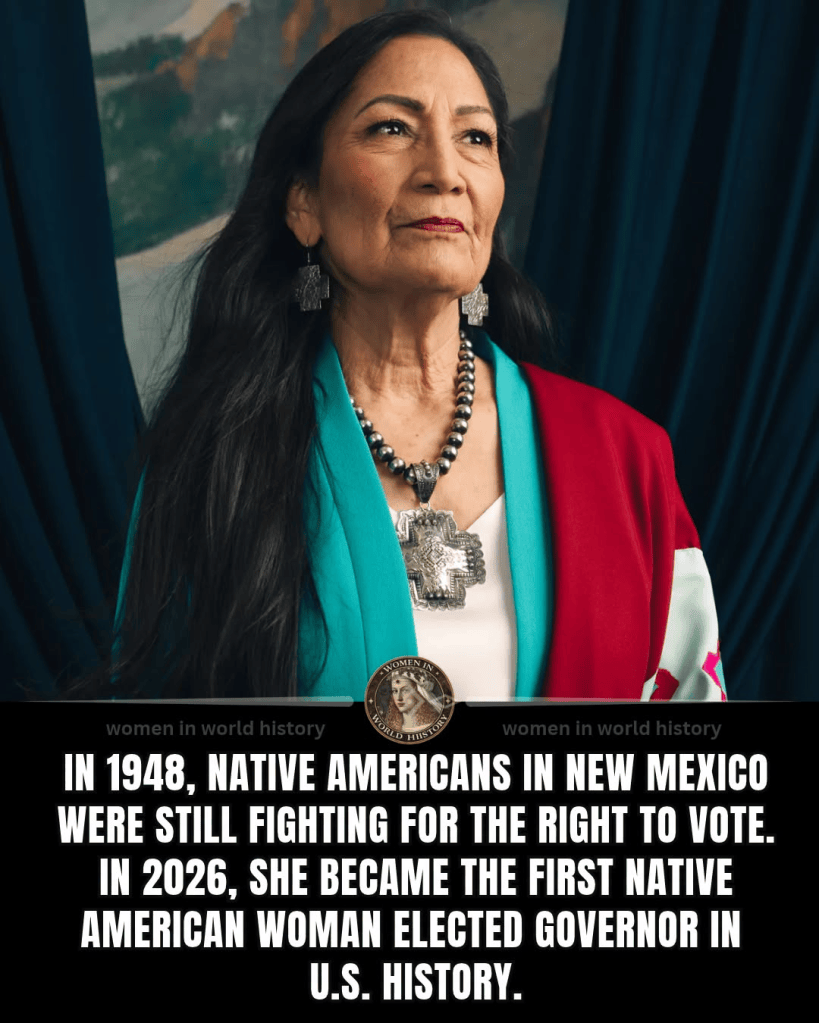
By Dhabessa Wakjira
SANTA FE, New Mexico — Seventy-eight years ago, Native Americans in New Mexico were still fighting for the right to vote. Last night, a Native American woman was elected to lead the entire state.
Her name is Deb Haaland. And her journey to becoming the first Native American woman elected governor in United States history is extraordinary.
A Life Forged in Struggle
Haaland is 65 years old, a member of Laguna Pueblo, a mother, a grandmother, and a woman who knows what it means to struggle. Before Washington, before Congress, before making history, she was a single mother trying to keep food on the table.
She relied on food stamps. She lived paycheck to paycheck. At times, she and her child had no permanent home, staying with relatives or sleeping on friends’ couches. She went back to college at 28, graduated while nine months pregnant, and later earned a law degree. She sold homemade salsa to support her family.
And she kept going.
A Trail of Firsts
In 2018, she became one of the first two Native American women elected to Congress. In 2021, she became the first Native American to serve as a United States Cabinet secretary. As Secretary of the Interior, she confronted one of America’s darkest chapters: the government-run system of boarding schools that separated Indigenous children from their families, languages, and cultures.
This history was personal. Her own grandmother had been taken from home as a child and sent to one of those schools.
November 3, 2026: A Historic Night
During National Native American Heritage Month, voters in New Mexico elected Haaland as their next governor. For generations, Indigenous people had been denied political rights in a land their ancestors inhabited long before the United States existed. Haaland describes herself as a 35th-generation New Mexican.
Standing before a cheering crowd last night, she spoke about being a single mother, overcoming poverty, and working toward a future she once could scarcely have imagined.
“Here in New Mexico, we can do anything,” she said. “And I know this because I am living proof.”
From Struggle to Leadership
A woman who once struggled to afford groceries will now lead a state of more than two million people. Her victory is not merely a personal triumph—it is a milestone in the long, unfinished struggle for Indigenous political rights in the United States. It comes in a state where, less than eight decades ago, Native Americans were still denied the ballot.
Haaland’s story is one of resilience, determination, and the refusal to accept the limits that poverty and circumstance impose. She did not inherit power; she built it from the ground up, one step at a time, while raising a child, earning degrees, and selling salsa to make ends meet.
A Symbol of What Is Possible
Her election sends a message that resonates far beyond New Mexico. It speaks to single mothers, to Native communities, to anyone who has ever been told that the odds are too great. Haaland’s life is proof that the distance between struggle and leadership is not as vast as it sometimes seems—and that the people who have lived through hardship often make the most committed public servants.
As she takes office, Haaland will carry with her the experiences of a life lived on the margins and the perspective of a people who have endured centuries of dispossession. Her governorship will be watched closely—not only for what she does, but for what she represents.
A Historic First
Her name is Deb Haaland. And on November 3, 2026, she made American history.
Deb Haaland — Governor-elect of New Mexico. First Native American woman elected governor in United States history. A 35th-generation New Mexican. Living proof.

“A Nation Approaching Spiritual Death”: MLK’s Warning and the Moral Case for Social Justice Over Military Spending
By Dhabessa Wakjira
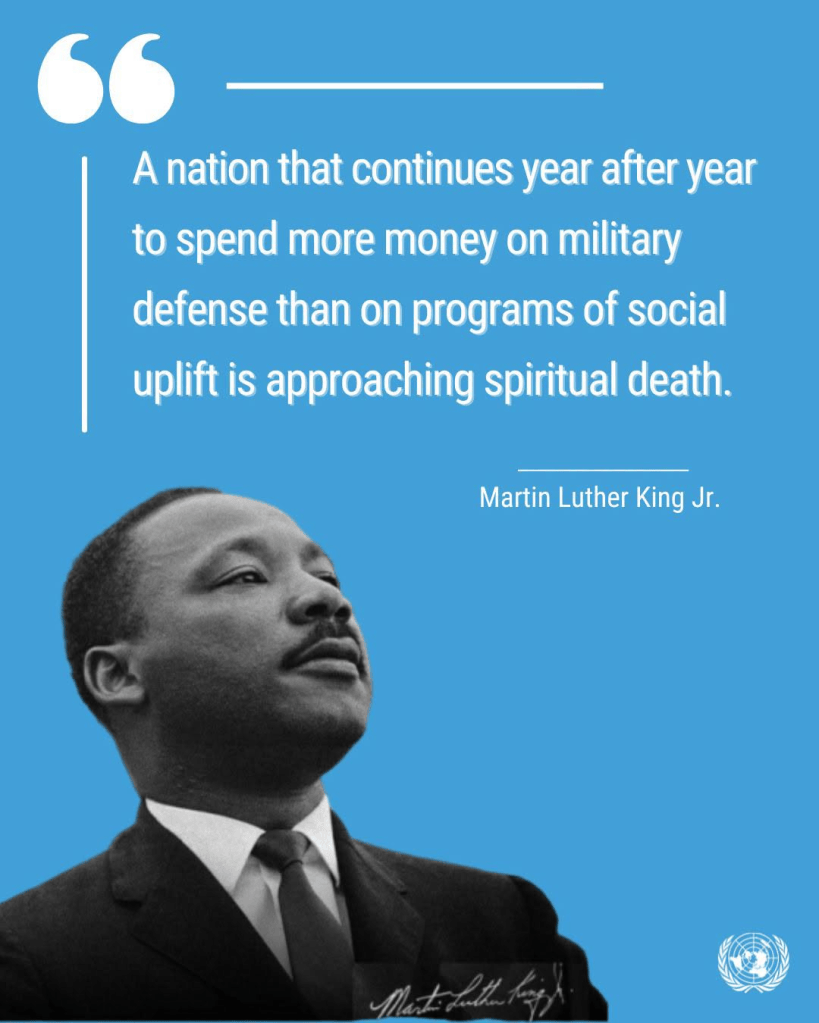
More than half a century after his death, Martin Luther King Jr.’s words continue to cut through the noise of political debate with unsettling clarity. “A nation that continues year after year to spend more money on military defense than on programs of social uplift is approaching spiritual death,” King declared in 1967, in a speech that would prove to be one of his most prophetic. His message reminds us that building peace through social justice is not a policy preference—it is a moral responsibility.
The Context of a Prophetic Warning
King spoke these words at a moment of profound national tension. The United States was deep in the Vietnam War, spending billions on military operations abroad while poverty, inequality, and racial injustice continued to ravage communities at home. King had come to see the connection between the two—what he called the “giant triplets of racism, extreme materialism, and militarism.” For King, these were not separate problems but interlocking systems of oppression. A nation that could find endless resources for war but not for the poor was a nation that had lost its moral compass.
His warning was not merely about budgets. It was about priorities, values, and the soul of a nation. “Spiritual death” was King’s way of describing what happens when a society becomes so invested in violence and domination that it can no longer recognize the humanity of its own people—when the means of destruction are funded more generously than the means of life.
The Relevance Today
King’s words resonate with uncomfortable force in 2026. Global military spending has reached record levels, with nations around the world pouring trillions into defense budgets while social programs—education, healthcare, housing, and poverty alleviation—remain chronically underfunded. The gap between what societies spend on war and what they spend on peace is not merely a fiscal statistic; it is a moral indictment.
In Ethiopia and across the Horn of Africa, the consequences of this imbalance are visible. Resources that could be used to build schools, hospitals, and infrastructure are diverted to conflict. Communities that have suffered from war and displacement continue to wait for the “peace dividend” that never arrives. The lesson King articulated—that a nation cannot bombs its way to security while neglecting the well-being of its people—is as true today as it was in 1967.
Peace Through Social Justice
King’s message was not merely a critique of military spending; it was a vision of what true peace requires. “True peace is not merely the absence of tension; it is the presence of justice,” he famously said. Peace cannot be built on the backs of the poor, the marginalized, or the dispossessed. It requires a commitment to social uplift—to ensuring that all people have access to the basic conditions of a dignified life.
This is the moral responsibility that King’s words place before us. To build peace through social justice means to prioritize the well-being of communities over the projection of power. It means to invest in education, healthcare, and economic opportunity as seriously as nations invest in weapons. It means to recognize that the true measure of a society’s strength is not the size of its military but the quality of life it provides for its most vulnerable members.
A Call to Conscience
King’s warning is not a call to naivety. He understood that the world is dangerous and that nations must defend themselves. But he insisted that the pursuit of security through military means alone is self-defeating. A nation that continues to choose guns over butter, bombs over books, and war over welfare is not strong—it is slowly dying from the inside.
His words challenge us to ask uncomfortable questions: What are our true priorities? Who benefits from the current arrangement? And what would it take to build a society where the needs of the many are not sacrificed for the ambitions of the few?
Conclusion
Martin Luther King Jr.’s message is not a relic of the past. It is a living challenge to every generation. His warning about spiritual death is a reminder that the choices we make about how we spend our resources are not merely political decisions—they are moral ones. Building peace through social justice is not optional. It is our responsibility. And it is the only path to a future that honors the dignity of all people.
“A nation that continues year after year to spend more money on military defense than on programs of social uplift is approaching spiritual death.” — Martin Luther King Jr.

Urjii Festival to Represent Oromo Gadaa on the World Stage in Dubai
By Dhabessa Wakjira
ADDIS ABABA — The Urjii Festival, a celebration of Oromo heritage and the Gadaa system, is preparing to represent Oromo culture on the global stage, with organizers calling on all stakeholders to support and stand alongside the initiative. The festival is scheduled to take place on 15 November 2026 in Dubai, United Arab Emirates.
Media Briefing Held in Addis Ababa
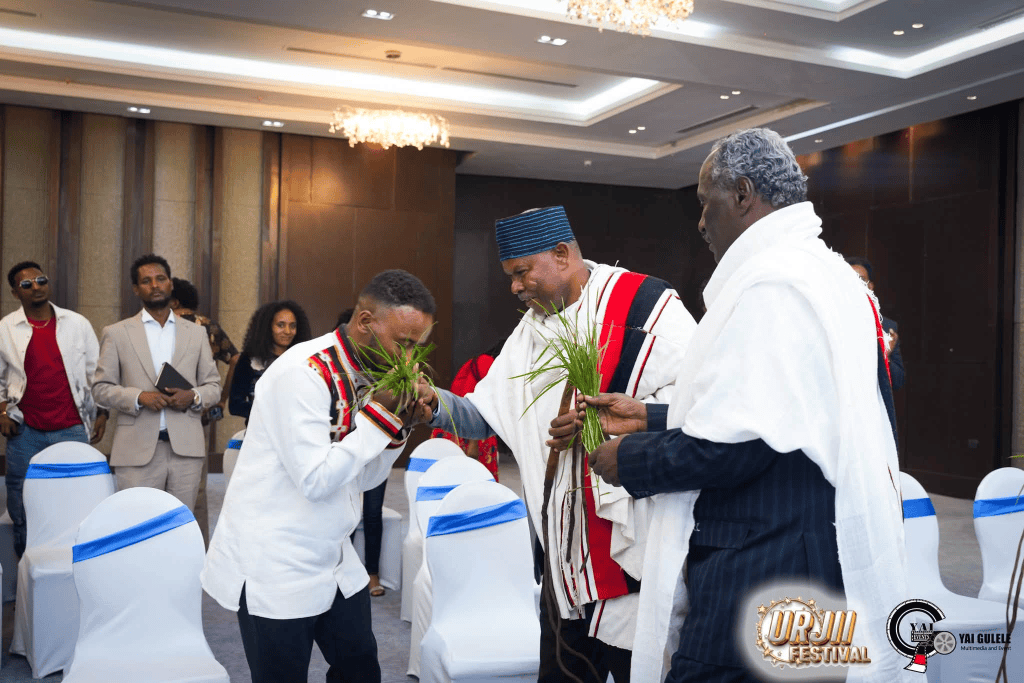
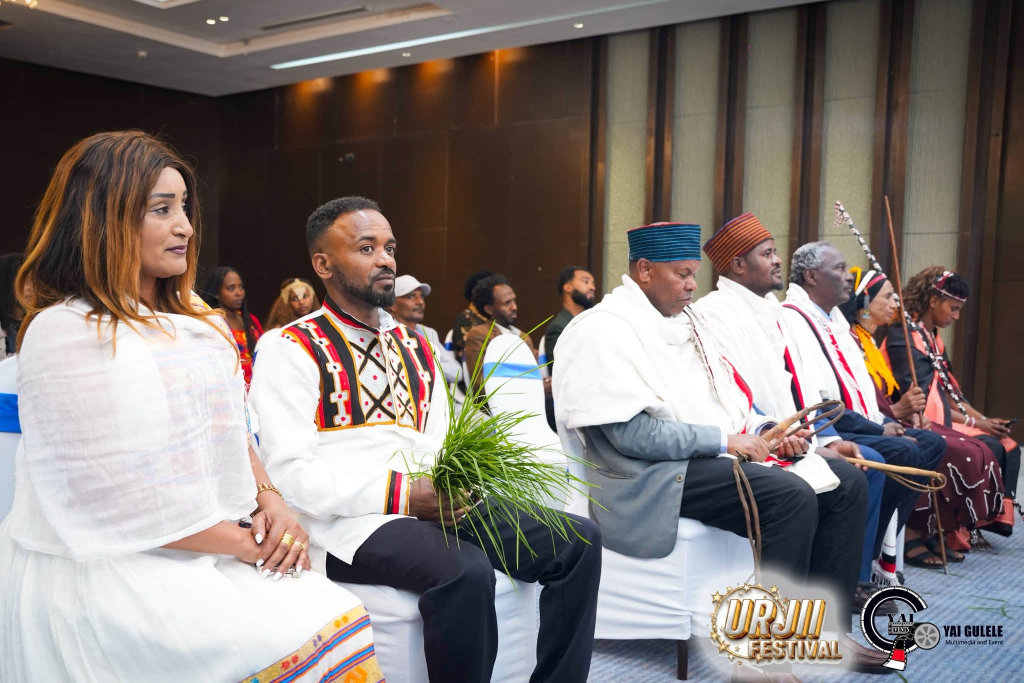
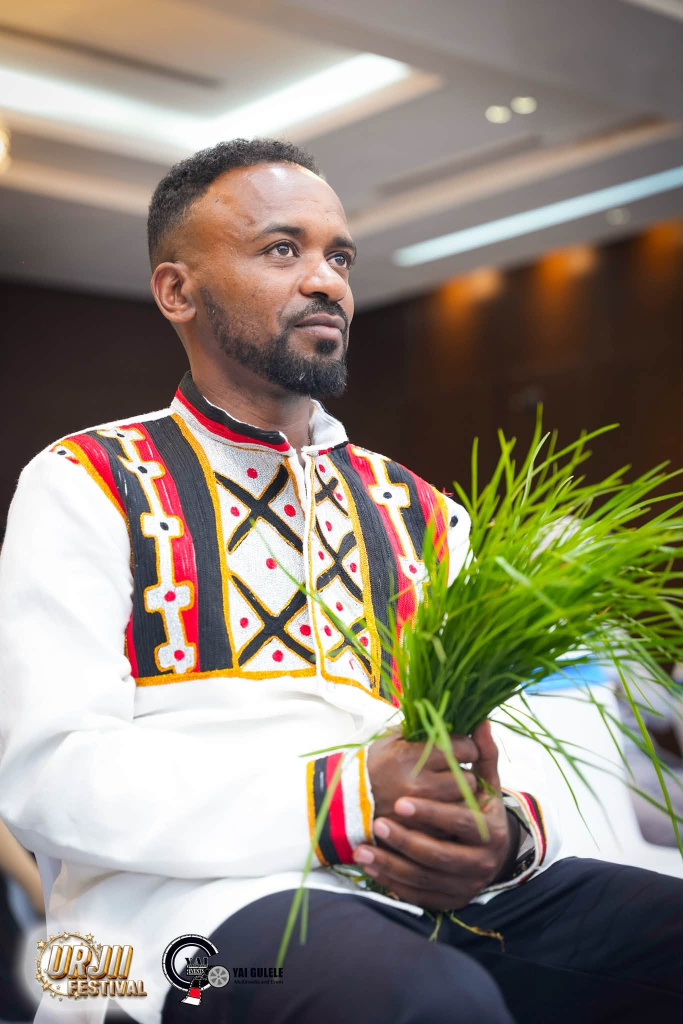
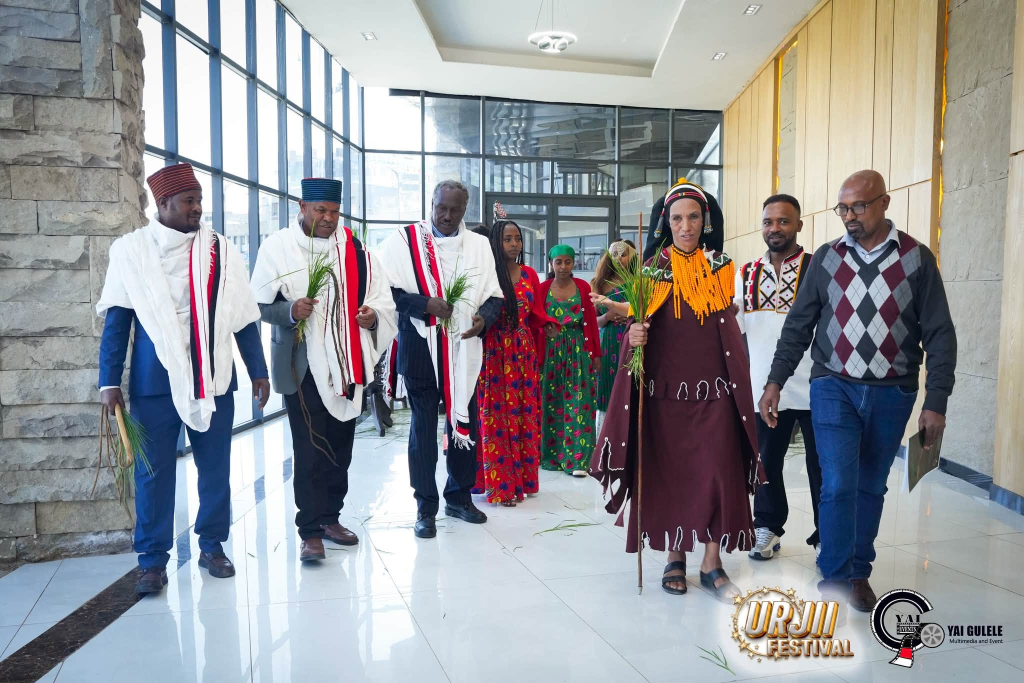
On Friday, 20 October 2026, a detailed media briefing on the Urjii Festival was held in Addis Ababa. In keeping with Oromo tradition, the briefing opened with blessings from Abbootii Gadaa (Gadaa leaders) and Haadholii Siinqee (women elders). The event was attended by invited guests, media professionals, and artists.
The briefing provided comprehensive information about the upcoming festival, which is being organized to showcase Oromo culture, traditions, and the Gadaa system to an international audience. The festival is expected to serve as a platform for cultural exchange and economic engagement between Oromia and the diaspora community in the UAE.
A Call to the Diaspora
The organizers have extended an invitation to the Oromo community in the UAE and neighboring countries to participate in the festival and take part in the various programs being prepared. The festival is designed to strengthen social ties and community connections among Oromo people in the region.
The Urjii Festival in Dubai will feature a diverse program, including:
- Community gathering and social networking events
- An Investment Forum
- A Coffee Trade exhibition
- Short film screenings
- A photography gallery
- Book displays
- Fashion and traditional attire shows
- Dance performances
- A major music concert featuring numerous artists
The festival will also highlight tourism destinations in Oromia, promoting the region as a place of cultural and historical significance.
Recognition of Gadaa on the World Stage
The organizers emphasized that the Urjii Festival represents the Gadaa system and Oromo heritage on the world stage. “The Urjii Festival is going to represent our Gadaa system and showcase our culture to the world,” the organizers stated. “Therefore, every stakeholder should support it and stand alongside it.”
The festival is being organized with the support of the Yaa’ii Gullallee multi-media and event organization, which has pledged its commitment to ensuring the success of the event.
A Moment of Pride for the Oromo Nation
The Urjii Festival comes at a time when Oromo cultural expression is gaining increasing international recognition. The Gadaa system, inscribed by UNESCO as Intangible Cultural Heritage in 2016, is a source of pride for the Oromo people and a testament to their democratic traditions. The festival in Dubai will provide an opportunity for the global Oromo diaspora to celebrate their heritage, connect with one another, and share their culture with the world.
As the organizers prepare for the November event, the call has gone out to the community in the UAE and beyond: come, participate, and be part of this historic celebration.
For more information about the Urjii Festival, including registration and participation details, please contact the organizing committee at Elias Kiflu Tolera.

Oromo Community Melbourne to Honour Four Oromo Australians for Contributions to Oromummaa
By Dhabessa Wakjira
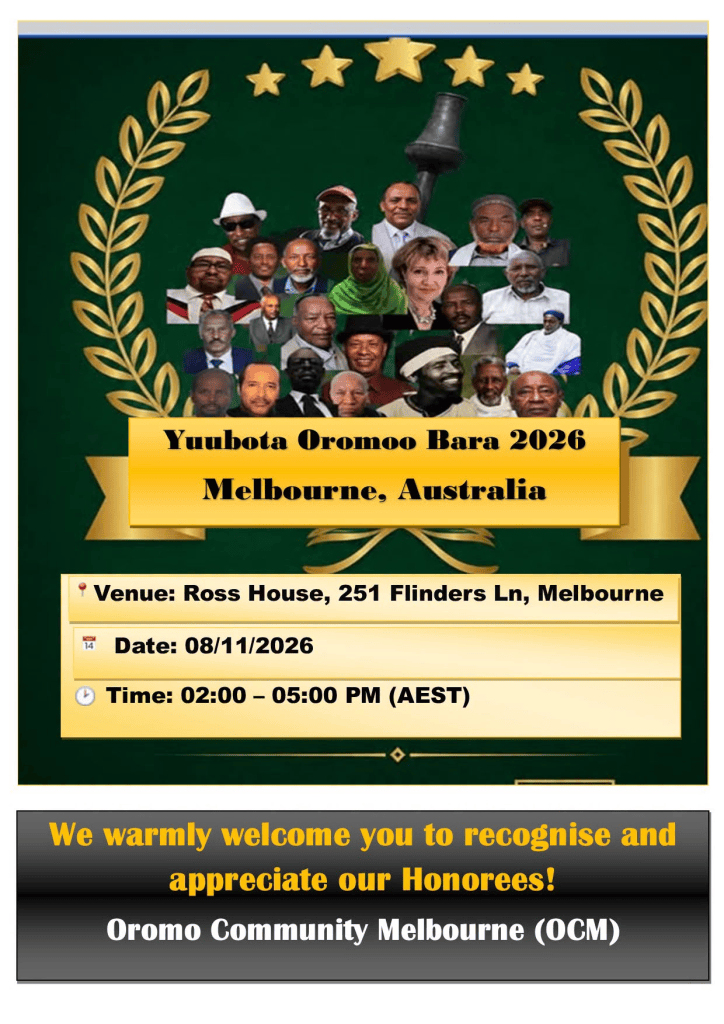
MELBOURNE — The Oromo Community Melbourne (OCM) has announced that it will formally recognise and honour four Oromo Australians for their significant contributions to strengthening and advancing Oromummaa.
The recognition ceremony, part of the 2026 Oromo Community Recognition Program, will be held on Sunday, 8 November 2026, from 2:00 pm to 5:00 pm at Ross House, 251 Flinders Lane, Melbourne.
A Recognition of Service and Commitment
According to a statement released by the Oromo Community Melbourne, the honorees have been selected by the Oromo Community Recognition Committee (USA), which has, over recent years, been evaluating and acknowledging—through various means—the Oromo Australians who have made significant contributions to strengthening and advancing Oromummaa in their communities.
This year, the Committee has selected four honorees from the region and has prepared certificates of recognition and appreciation for them. To make this possible, representatives have been dispatched to the local committee to officiate the ceremony.
“Just as they have stood with integrity to bestow honour and recognition, we too are invited to join them in delivering this message with respect and celebration,” the OCM statement read.
Event Details
The ceremony will take place at one of Melbourne’s well-known community venues, Ross House, located at 251 Flinders Lane in the heart of the city. The event is expected to bring together community members, elders, youth, and invited guests for an afternoon of celebration, reflection, and cultural affirmation.
- 📍 Venue: Ross House, 251 Flinders Lane, Melbourne
- 📅 Date: Sunday, 8 November 2026
- 🕑 Time: 2:00 pm – 5:00 pm (AEST)
A Call to the Community
The Oromo Community Melbourne has extended a warm invitation to all members of the community and friends of Oromo to attend the ceremony and join in honouring the recipients.
“Oromo Community Melbourne (OCM) warmly welcomes you!” the statement concluded.
The recognition of these four individuals is a testament to the enduring commitment of the Oromo diaspora in Australia to preserving, strengthening, and advancing Oromummaa—a commitment that finds expression not only in celebrations such as this, but in the daily work of community building, cultural transmission, and service to the nation.
For more information, please contact the Oromo Community Melbourne on 0422 137812 or visit the event page of the community. All are welcome. 🎉