Category Archives: Asylum Seekers

Preserving the Sacred: Why Irreechaa Needs Correction, Not Just Celebration
By Dhabessa Wakjira
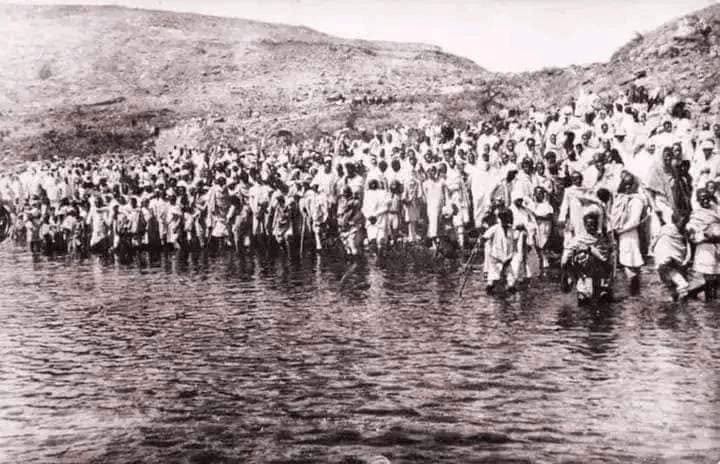
Irreechaa is more than a festival. It is a sacred covenant between the Oromo people and Waaqa — a day of thanksgiving, reconciliation, and renewal that has survived centuries of suppression. But as the celebration grows in size and visibility, so too does the need to protect its spiritual integrity.
A recent community message, circulated among Oromo elders and youth, raises urgent concerns about practices that have crept into modern Irreechaa celebrations — practices that, while perhaps well-intentioned, risk distorting the festival’s deep cultural and spiritual meaning. The message is not an attack on the celebration. It is a call to return to the duudhaa — the sacred customs and traditions — that give Irreechaa its power.
The concerns can be grouped into four key areas that, according to the message, must be corrected.
1. The Time of Irreechaa Malkaa Must Not Be at Night
The first concern is about timing. According to Oromo tradition, Irreechaa Malkaa should not be performed at night. The Oromo people have their own natural sense of time, rooted in family life and community rhythms. A person rises, tends to their household, prepares coffee, and then proceeds to the water’s edge for Irreechaa — honoring the customs passed down through generations.
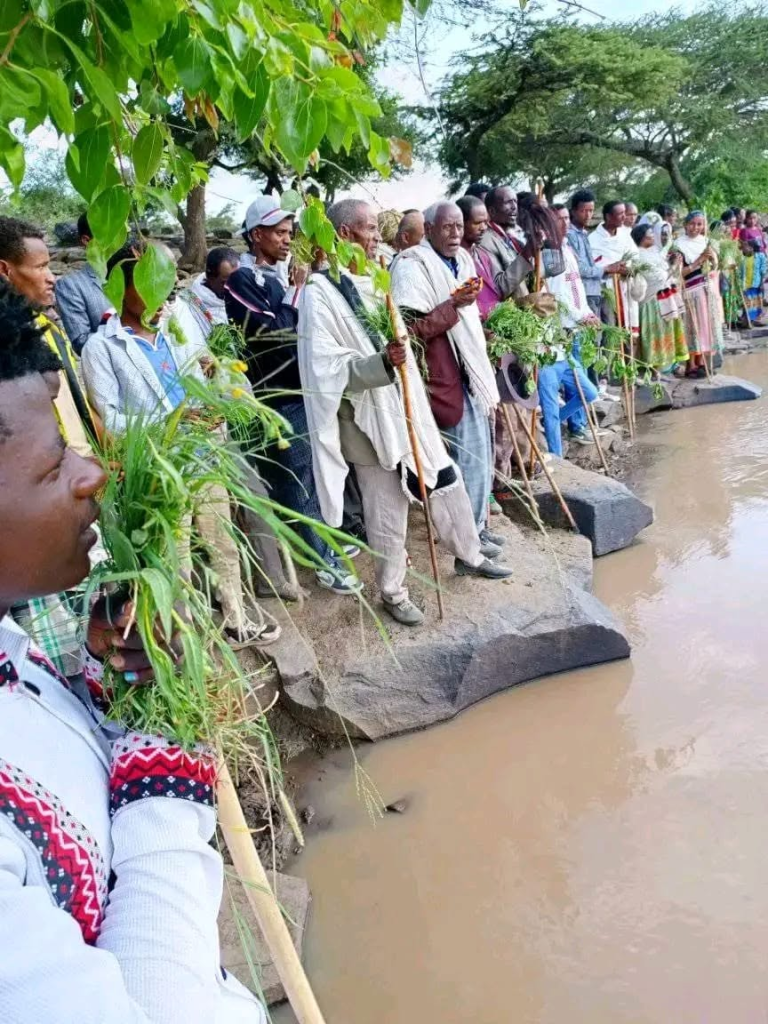
The tradition describes how participants should approach the water: carrying fresh grass and flowers, singing the sacred songs of Mareyoo, and moving with reverence. Elders sing “Araaroo yaa araari hoo / Ararsaa waaqatu jalaataa / Nuuf Ararami hoo” — calling for peace and blessing from Waaqa. The youth accompany the elders respectfully, and upon reaching the Malkaa, no one should make noise or ululate until the Irreechaa ceremony at the water is complete.
This is a call to restore the solemnity and order that should define the procession. Irreechaa is not a chaotic gathering; it is a structured, reverent spiritual journey.
2. The Water Ritual Must Follow Tradition
The second concern addresses how the water ritual is performed. According to the message, sprinkling water on oneself and others — or turning back before reaching the designated Irreechaa site — is not part of Oromo duudhaa. The practice of indiscriminately splashing water, the message warns, resembles a “cuubbaa” (baptismal) ritual rather than the traditional Oromo offering.
The Abbootii Gadaa (Gadaa leaders) are called upon to correct this. The water of Irreechaa is sacred — it is meant for purification and blessing in a specific, reverent manner, not for casual splashing. The distinction matters because Irreechaa is rooted in Waaqeffannaa, the traditional Oromo faith, and its rituals must remain true to that origin.
3. Vehicles Must Not Obstruct the Path to the Malkaa
The third concern is practical but deeply important: the overuse of vehicles on Irreechaa day is obstructing access to the Malkaa. While some vehicles are genuinely necessary — for security, emergency services, or for elderly and disabled participants — the message argues that too many cars are being used for entertainment and convenience, narrowing the roads and blocking the path for those who wish to walk.
The message specifically notes that artists and well-known figures should walk with the community rather than being driven, closing roads and causing hardship for ordinary participants. The image of last year’s Irreechaa, where celebrants struggled because roads were blocked by vehicles carrying notable figures, is still fresh in memory.
Irreechaa is a communal pilgrimage. Walking together — as one people, regardless of status — is part of what makes it sacred. Vehicles should be limited to genuine necessity, not convenience or display.
4. Respect for the Spiritual Boundaries of Irreechaa
The fourth concern is perhaps the most sensitive. The message observes that people of other faiths are attending Irreechaa and engaging in practices that contradict its spiritual purpose — including singing, preaching, and distributing religious materials at the Malkaa that promote beliefs other than Waaqeffannaa.
The message does not say that non-Waaqeffannaa participants are unwelcome. Irreechaa is a national and cultural celebration, and all Oromos are invited to share in it. But the Malkaa is a sacred space with its own spiritual rules. Those who come should respect the boundaries of the tradition they are joining. Proselytizing at the water’s edge — whatever the faith — is not part of Irreechaa and does not honor its purpose.
The message calls on those who engage in such practices to reflect on their actions, and on the Abbootii Gadaa to safeguard the spiritual integrity of the festival.
The Call to the Abbootii Gadaa
The message concludes with a direct appeal: the Abbootii Gadaa and community elders must take the lead in correcting these practices. Specifically, they are asked to address:
- Celebrations at 10 PM that should not be happening
- The sprinkling of water that departs from tradition
- The obstruction of roads by unnecessary vehicles
- The introduction of foreign religious practices at the Malkaa
These are not minor details. They are the difference between a festival that honors its ancestors and one that drifts into something unrecognizable.
Irreechaa Is Peace, Reconciliation, and Blessing
The message ends with a reminder of what Irreechaa truly is:
“Irreechi Nagaa, Araara, Milkii fi quufa. Baga geenye!”
“Irreechaa is Peace, Reconciliation, Blessing, and Abundance. Welcome!”
This is the heart of the matter. Irreechaa is not a party. It is not a parade. It is not a platform for personal recognition or religious outreach. It is a sacred act of gratitude to Waaqa, a communal reconciliation, and a prayer for peace and abundance in the year to come.
If the celebration is to remain meaningful for future generations, it must be practiced with the same reverence, order, and fidelity to tradition that has kept it alive for centuries — through persecution, suppression, and diaspora.
The message is a wake-up call. And it is one that deserves to be heard.

From Refugee to Trailblazer: How Dr Melika Yassin Sheikh-Eldin Is Reshaping Australia’s Approach to Settlement
By Dhabessa Wakjira
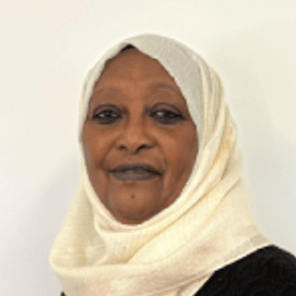
When Dr Melika Yassin Sheikh-Eldin fled war in Eritrea in the late 1970s, she could not have known that her journey would one day help shape how an entire nation welcomes its newest arrivals. But that is precisely what happened. Over four decades, Melika has transformed her lived experience as a refugee into world-leading models for community integration and social cohesion — models now studied and adopted far beyond Australia’s shores.
She has helped thousands of new arrivals settle successfully. She has disrupted gender stereotypes and challenged public perceptions of what refugees can achieve. And she has done so while raising three children, completing a PhD, and representing Australia on the global stage as a “Refugee Voice” at United Nations consultations in Geneva.
Her story is not simply one of personal triumph. It is a blueprint for what is possible when refugees are recognized not as recipients of aid, but as stakeholders, leaders, and architects of their own futures.
A Journey Forged in Service
Melika’s path to Australia was neither short nor simple. After fleeing Eritrea, she volunteered in Sudanese refugee camps and later in Cairo. Her dedication drew the attention of some of the world’s most respected humanitarian organizations. She volunteered for the United Nations High Commissioner for Refugees (UNHCR) , the Red Cross, and Save the Children — gaining frontline experience that would later inform her professional approach.
She resettled in Australia in 1992, bringing with her not only the scars of displacement but also an unshakeable commitment to service. That commitment found its home at AMES Australia, where she has been a pivotal leader since 2001 and has served as Manager of Settlement Support Services since 2006.
Since 2007, she has sat on the board of the Refugee Council of Australia and represented the nation as a “Refugee Voice” at annual UNHCR consultations in Geneva. In that role, she has advocated relentlessly for policy shifts that recognize refugees as stakeholders rather than passive recipients of aid — a principle that has guided every project she has led.
Three World-Leading Models
Melika’s work at AMES Australia has produced initiatives that are now considered global blueprints for settlement and integration. Three stand out in particular.
1. The Nhill Rural Settlement Project
In western Victoria, the small town of Nhill was facing economic decline. Melika’s project settled Karen refugees in the community — and the results were transformative. The town’s economy was revitalized, and the model is now regarded internationally as a global blueprint for rural settlement. It demonstrated that refugee settlement is not a burden but an opportunity — for the newcomers and for the host community alike.
2. The Werribee Park Gardening Program
Isolation and mental wellbeing are critical challenges facing many refugee women, particularly those who arrive without established community networks. Melika’s program engaged isolated Karen women in gardening at Werribee Park. The initiative directly addressed these challenges, and its success was so evident that the model has since been adopted by other organizations.
3. The Community Guides Program
Perhaps Melika’s most influential innovation is the Community Guides Program, which recruits former refugees to use their lived experience to assist new arrivals. The logic is elegant: those who have walked the path themselves are uniquely positioned to guide others along it. The program has proven so effective that Melika has traveled to Sweden, New Zealand, and Japan to help international organizations establish programs based on the AMES Community Guides model.
Challenging Stereotypes, Championing Two-Sided Education
Melika’s impact extends beyond program design. She has been a powerful voice in disrupting gender stereotypes and challenging the public perception of what refugees can achieve. At a time when refugee women are often portrayed as passive or dependent, Melika’s leadership — and the leadership she cultivates in others — tells a different story.
Central to her philosophy is the concept of “two-sided education.” Integration, she argues, is not a one-way process. Both host communities and new arrivals must learn about one another for true integration to occur. This mutual learning, she explains, helps mitigate the fear of the unknown — the anxiety that so often fuels resistance to newcomers.
It is a simple but profound insight: integration is not something done to refugees, but something built with them, and with the communities that receive them.
A Scholar and a Mother
Melika’s achievements are all the more remarkable given the circumstances in which she pursued them. While raising three children as a refugee in a small Australian town, she completed a PhD in aquatic science — a testament to her intellectual rigor and her refusal to be defined by the limitations others might have placed upon her.
Her academic background in science may seem distant from her work in settlement, but both reflect the same qualities: careful observation, systematic thinking, and a commitment to understanding complex systems — whether ecosystems or communities.
A Legacy Still Being Written
Dr Melika Yassin Sheikh-Eldin’s story is a reminder that refugee experiences are not only stories of loss. They are also stories of contribution, innovation, and leadership. Her work has reshaped how Australia approaches settlement, and her models continue to influence practice internationally.
But perhaps her most enduring legacy is the principle she has championed throughout her career: that refugees are not problems to be solved, but partners to be engaged. They are not merely recipients of aid, but stakeholders in their own futures — and, as Melika’s own life demonstrates, architects of the futures of others.
From a young woman fleeing war to a world-leading voice in settlement and integration, Melika’s journey is a testament to what becomes possible when refugees are given the opportunity — and the respect — to lead.
Dr Melika Yassin Sheikh-Eldin is the Manager of Settlement Support Services at AMES Australia and a board member of the Refugee Council of Australia.

Why is Irreechaa celebrated in Australia?
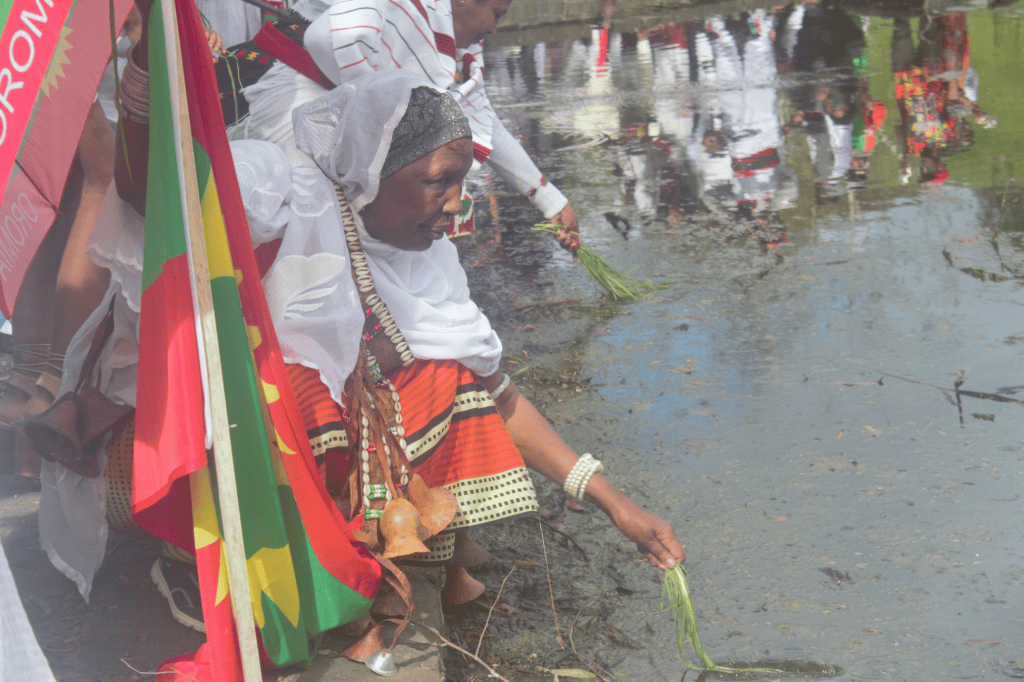
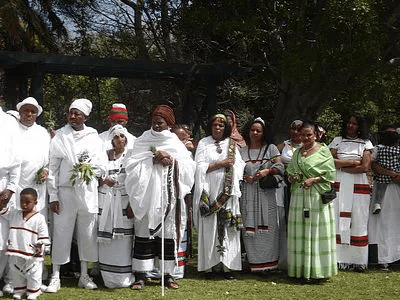
Irreechaa is celebrated in Australia because it serves as an essential cultural anchor and a vital tool for preserving Oromo identity for the diaspora community. For Oromos living far from their homeland, the festival bridges the physical distance, allowing them to maintain a profound connection to their heritage, land, and community.
🌏 Maintaining Connection to Homeland
For the Oromo diaspora in Australia, Irreechaa is not merely a tradition but a spiritual and cultural lifeline. As community members explain, the festival creates a “cultural ambiance that connects the people to Oromo land and the creator, Waaqa”. It serves as a powerful bridge, reinforcing the bond between those living abroad and their ancestral roots, ensuring that their connection to Oromia remains strong despite the geographical separation.
🎶 Preserving Identity Across Generations
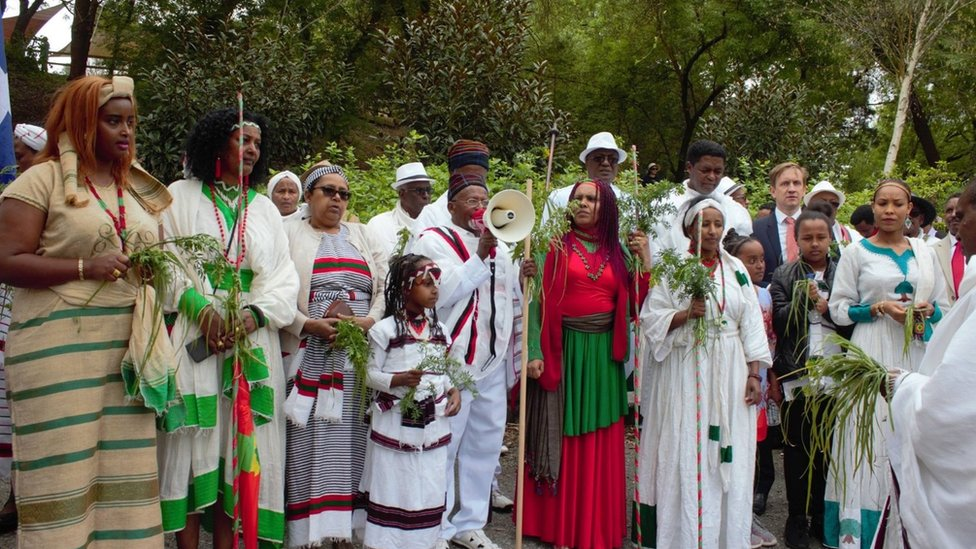
The celebration plays a critical role in fostering Oromummaa (Oromo identity) in a new environment. By organizing these events, the community ensures that younger generations born or raised in Australia can learn about and embrace their heritage. The festival includes traditional blessings by elders, cultural performances like the Siiqqee and Gumii dances, and communal meals, all of which educate and immerse participants in Oromo traditions. This active practice is vital for intergenerational learning and instills a sense of pride in Oromo culture among the youth.
🤝 Building Community and Belonging
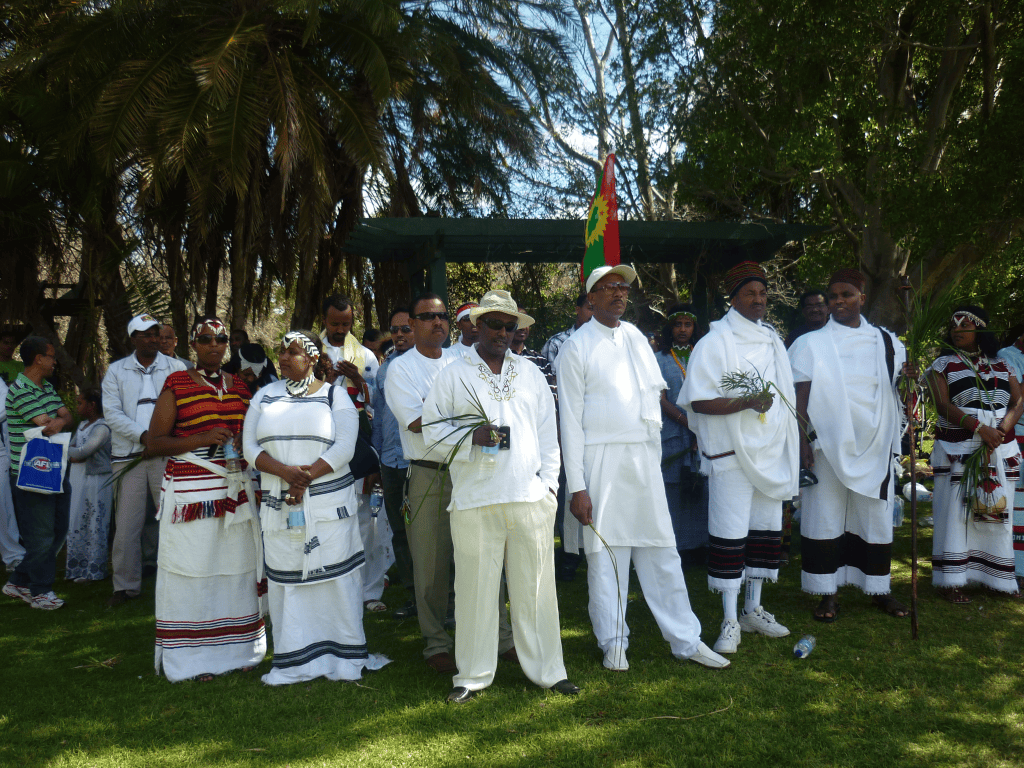
Irreechaa provides a crucial opportunity for the Oromo diaspora to unite and strengthen their communal bonds. In cities like Melbourne, the celebration brings together families and individuals to share in a collective expression of gratitude, peace, and solidarity. The festival has been held annually in Australia since 2009, growing steadily in participation. It serves as a platform to build a sense of belonging and mutual support within the community, creating a home away from home.
🌉 Bridging Cultures
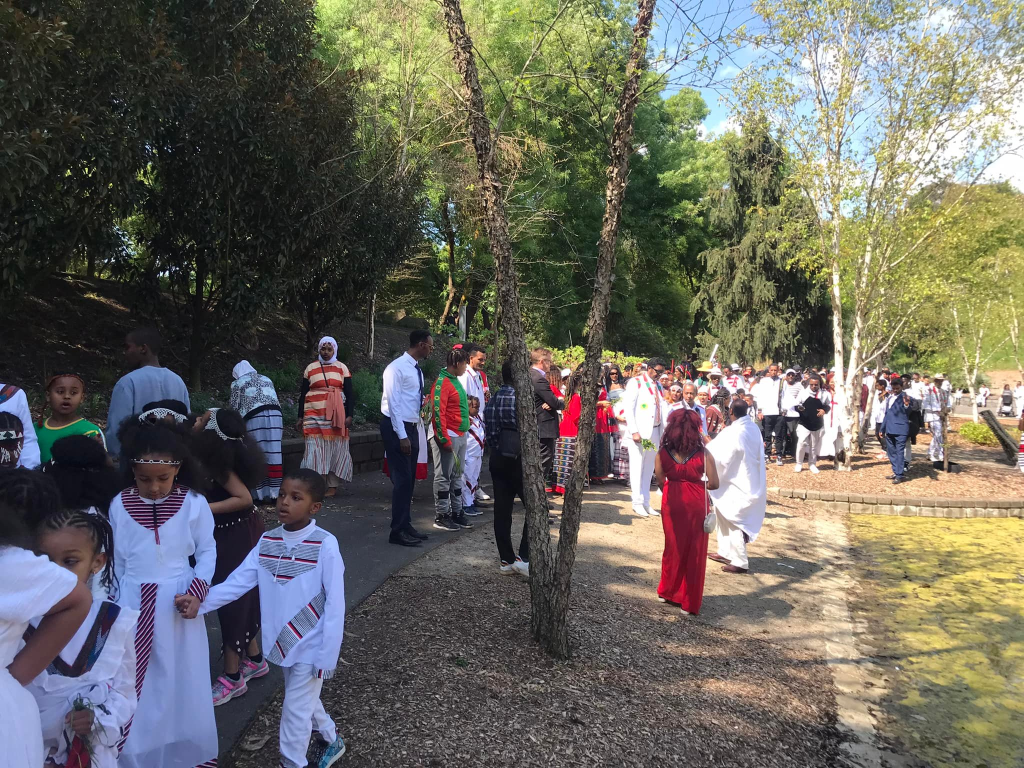
The celebration also acts as a cultural bridge to the wider Australian society. Many Irreechaa events invite local government officials, multicultural organizations, and curious residents, encouraging mutual respect and intercultural exchange. By sharing their traditions openly, the Oromo community not only sustains its own cultural practices but also contributes to the vibrant multicultural fabric of Australia.
In essence, Irreechaa in Australia is a dynamic and necessary adaptation of a sacred tradition. It allows the Oromo diaspora to give thanks, celebrate their shared history, and ensure their culture continues to thrive and be recognized for generations to come.

PM Albanese Reaffirms Australia’s Humanitarian Commitment Amid Global Crises
By Dhabessa Wakjira
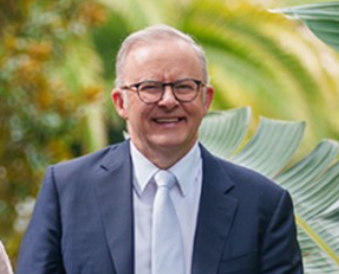
In a decisive move underscoring Australia’s enduring compassion, Prime Minister Anthony Albanese has confirmed the nation will maintain its annual humanitarian intake of 20,000 refugees – a decision widely hailed by settlement leaders as a beacon of hope in a world grappling with unprecedented displacement.
Addressing media this afternoon, the Prime Minister reaffirmed Australia’s pledge to offer safe haven to those fleeing conflict and persecution, pushing back against any notion that generosity must yield to insecurity.
“In maintaining Australia’s humanitarian intake, Prime Minister Albanese has responded with both compassion and confidence in the Australian people,” said Violet Roumeliotis, CEO of national refugee resettlement provider SSI. “He has recognised that Australia can remain both secure and generous, and that our response to the world’s most vulnerable people is a reflection of our national character.”
A Legacy of Welcome
From the shattered aftermath of World War II to the present day, Australia has built one of the globe’s most respected refugee resettlement programs. More than one million refugees and humanitarian entrants have since made Australia their home – enriching communities, strengthening the economy, and becoming integral threads in the nation’s evolving story.
“There is much to be proud of and much to be grateful for,” Ms Roumeliotis added. “Today’s decision builds on that legacy and reaffirms a vision of Australia as a country that welcomes people seeking safety, creates opportunities for them to belong and contribute, and plays its part in responding to global humanitarian need.”
A Tradition That Endures
With conflict zones multiplying and record numbers of people uprooted worldwide, the Prime Minister’s announcement sends a clear signal: Australia’s humanitarian tradition is not a relic of the past, but a living promise.
“The best of Australia has always been found in our willingness to extend a hand to those seeking safety,” Ms Roumeliotis concluded. “Today’s decision ensures that tradition continues.”
For refugee advocates and communities across the nation, the confirmation offers reassurance – and a reminder that in times of global turmoil, Australia chooses humanity.

More Than an Ancient Civilization: The Kingdom of Kush—A Powerful Empire of Land and Sea
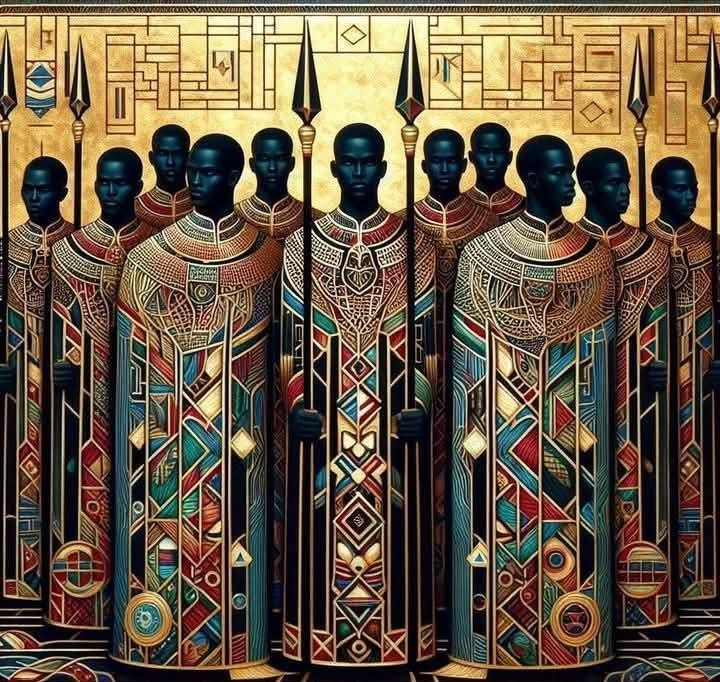
A people whose legacy challenges the very foundations of African history
When we speak of the great civilisations of antiquity, our minds often turn to Egypt, Greece, or Rome. But long before the Persian Empire rose to dominance, there existed in the heart of Africa a kingdom of extraordinary power, wealth, and sophistication—the Kingdom of Kush.
The Kingdom of Kush, with its three major cities of Meroe, Kerma, and Napata, emerged in the Nubian Desert south of Egypt along the Upper Nile River Valley from the 2nd millennium B.C. to the fourth century A.D. . For over a thousand years, Kush was a major power in the Nile valley, controlling an empire that at its height stretched from Central Sudan to the Mediterranean .
The achievements of this ancient civilisation challenge long-held beliefs that Egypt was the sole centre of advancement in the region. As renowned archaeologist Charles Bonnet’s excavations have revealed, Kush was not a mere vassal state of Egypt but a powerful and independent kingdom with its own distinctively indigenous culture . This sophisticated political state organised trade to the Mediterranean basin and built up a military strong enough to resist Egyptian forces .
The Black Pharaohs: A Legacy of Power
The Kushite rulers of Egypt’s 25th Dynasty, often referred to as the “Black Pharaohs,” represent a pivotal moment in the history of the Nile Valley. Emerging from the Kingdom of Kush at Napata in Nubia, these rulers not only unified Egypt after centuries of fragmentation but also reinvigorated pharaonic traditions .
The first major figure of this dynasty, King Piye, launched a campaign into Egypt during a period of political fragmentation known as the Third Intermediate Period. His Victory Stela records the subjugation of Delta rulers and proclaims his role as restorer of order . By 730 BCE, Piye had conquered Lower Egypt, establishing Kushite authority over both Upper and Lower Egypt .
The dynasty reached its zenith under Taharqa (690–664 BCE), whose reign is remembered for monumental building projects and ambitious foreign policy. Taharqa sponsored extensive temple construction at Karnak, Kawa, and Jebel Barkal, reinforcing his devotion to Amun and his claim to pharaonic legitimacy . He intervened in the Levant, supporting coalitions against Assyrian expansion, and is mentioned in both Biblical and Assyrian sources .
One of the most remarkable features of Meroitic civilisation was its powerful queens. The title “Candace,” meaning “sister,” was given to Kushite queens . Queens such as Amanirenas—who signed a peace treaty with the emperor Augustus—and Amanishakheto, whose treasure was looted in 1834, demonstrate the prominent role of women in Kushite society .
Kush: More Than a Footnote
The Kingdom of Kush was more than a civilisation; it was a power that commanded both land and sea. Kushite armies were formidable, and their military prowess allowed them to conquer and control Egypt itself . Kush also boasted a powerful navy, controlling trade routes along the Nile and beyond .
The economy of the ancient Kushites relied on trade in exotic African goods with Egypt and beyond. As middlemen, Kushite traders passed along ivory, ebony, incense, and other exotic goods from the South to the Egyptians, who then traded with other Mediterranean peoples . The city of Kerma, with its strategic location on the Nile River, controlled this crucial trade route .
Kush produced more gold than anywhere in the world at that time . Archaeologists have uncovered massive gold-processing operations at sites like Hosh el-Guruf, revealing the scale of Kush’s wealth . Minerals and high-quality stone were also mined for trade, and the Kushites introduced and developed iron metallurgy to the region .
A Sophisticated Society
The art and architecture of the Kushites reveal a sophisticated society of innovative craftsmen who constantly assimilated new artistic techniques from other lands . Notable architecture includes stone temple complexes such as the Lion Temple at Naqa and the steep-sided, solid pyramids found at Meroe and Jebel Barkal .
In fact, Sudan has more pyramids than all of Egypt—a testament to the grandeur of the Kushite civilisation . These tall, slender, graceful monuments bear witness to the lasting splendour of Kush .
Kushite art includes narrative tomb wall paintings and unique, eggshell-thin pottery with geometric patterns traded all over the Mediterranean . Stoic granite and bronze statues of gods and kings convey the religious beliefs of this ancient people .
The Question of Cush
The name “Kush” has been connected since at least the time of Josephus with the biblical character Cush, son of Ham (Genesis 10:6). Ham had four sons: Cush, Put, Canaan, and Mizraim (Egypt) . According to the Bible, Nimrod, a son of Cush, was the founder and king of Babylon, Erech, Akkad, and Calneh .
The Cushitic-speaking peoples, who are the ethnolinguistic groups speaking Cushitic languages natively, are today found primarily in the Horn of Africa, with minorities in Egypt, Sudan, Kenya, and Tanzania . Proto-Cushitic was spoken on the Ethiopian Highlands by 5000–4000 BC .
A Civilisation Worthy of Recognition
The Kingdom of Kush is not merely a footnote in the history of Africa—it is a testament to the power, ingenuity, and resilience of the peoples of the Nile Valley. As the American Journal of Archaeology notes in its review of The Nubian Pharaohs of Egypt, the term “Black Pharaohs” has sometimes been used to market exhibits, but the historical significance of Kush extends far beyond its interaction with Egypt . Sudanese colleagues and community members rightly resent the idea that the kings of ancient Sudan are only important because they ruled over Egypt . The Kingdom of Kush deserves to be remembered on its own terms.


The Price of Silence: A Reflection on Inaction and the Tragedy of Our People

We Knew This Was Coming — Yet We Chose to Stay Silent
By Koste Abdiisaa
If we had shown even 1% of the outrage we have expressed over the past two days three, four, or five years ago—when Fano killed hundreds of innocent Oromos in Kiramu, Hagamsa, Amuru, Alibo, Jardega-Jartee, and elsewhere—perhaps these killings would not have happened.
We knew this was coming. The signs were everywhere. The warnings were clear. Yet we chose to remain silent. We chose to look away. We chose to believe that the storm would pass us by.
But storms do not pass by those who refuse to prepare. They break over them.
The Warning Signs We Ignored
For years, the enemies of the Oromo people have been methodically preparing for this moment. While we argued among ourselves, they were opening training camps in our backyard. While we engaged in name-calling and petty divisions, they were building security structures and training hundreds of people to carry out their plans.
We saw it happening. We heard the reports. We knew that innocent farmers—our farmers—were being killed in Kiramu, Hagamsa, Amuru, Alibo, Jardega-Jartee, and countless other places. And what did we do?
We expressed outrage on social media. We posted our anger, shared our grief, and then went back to business as usual.
Our collective inaction allowed this to continue. Our silence gave them permission to proceed. Our failure to act was an invitation for more violence.
The Consequences of Inaction
This is not about hindsight. This is about foresight—and our failure to use it. We cannot pretend that these killings were unexpected. We knew what was coming. We had every warning. But we failed to act.
And now, the consequences are here.
The killing of our innocent farmers is not just a tragedy—it is a judgment on our collective failure to protect our own. It is the result of years of political naivety, misplaced priorities, and a refusal to confront the reality of the threat we faced.
We were good at crying after the fact. We were good at expressing outrage on social media after tragedies happened. But we were very poor at recognizing threats early on, listening to those who recognized them, and preparing ourselves to face them.
The Deeper Outrage
Like many of you, I am outraged by the killing of our innocent farmers. But I am even more outraged by our inaction—our lack of political awareness, our failure to recognize and respond to such cruelty for so long.
What is even more troubling is that some of our so-called political entities—those who claim to speak for us—continue to seek alignment with those responsible. They act as if there is still some humanity left in them to appeal to. They still hope for dialogue with those who have shown, time and again, that they have no interest in peace, only in domination.
This is not leadership. This is delusion.
And we, as a people, have allowed it. We have allowed ourselves to be led by those who refuse to see the enemy for what they are. We have allowed ourselves to be distracted by petty divisions while our people are being slaughtered.
The Beginning, Not the End
Let us not pretend that this is the end. This is the beginning. The attacks will continue. The killings will escalate. And if we do not act now—with unity, determination, and clarity—the tragedies we see today will seem small compared to what is coming.
I fear that we may still fail to act in a timely manner. I fear that we will continue to cry and express outrage for a week, and then return to normal life. I fear that we will continue to do what we seem to be good at: mourning after the fact, but never preparing for what lies ahead.
A Call to Look Within
If this senseless killing of our people does not make us angry enough to question our collective inaction, then perhaps we need to look within ourselves and ask: What kind of society have we become?
Have we become a people who only react after the damage is done? Have we become a people who prioritize social media outrage over real action? Have we become a people who are more concerned with who is right than with what is right?
We must ask ourselves these questions. And we must answer them honestly.
The Path Forward
We cannot change the past. The blood that has been spilled cannot be unspilled. But we can change the future. We can act now—today—to ensure that these tragedies do not continue.
This requires several things:
- Unity: We must put aside our petty divisions and unite as a people. Our enemies are united; we must be even more united.
- Awareness: We must wake up to the reality of the threat we face. We must recognize the signs and act before it is too late.
- Action: We must support those who are willing to sacrifice and risk their lives to defend our people. We must build the structures and institutions necessary to protect ourselves.
- Accountability: We must hold our political entities accountable. We must demand that they prioritize the defense of our people over their own political ambitions.
- Resilience: We must be prepared for the long fight ahead. This is not a battle that will be won in a day. It requires patience, courage, and an unwavering commitment to our people.
Conclusion: Enough Is Enough
The killing of our innocent farmers is a crime against humanity. But our collective inaction is a crime against ourselves.
We cannot afford to continue down this path. We cannot afford to remain silent while our people are being slaughtered. We cannot afford to wait until the next tragedy to express our outrage.
Enough is enough.
Let us honor the memory of those who have been killed by resolving to act—not just with words, but with deeds. Let us build a future where our people are safe, our land is protected, and our dignity is restored.
Injifannoon Ummata Oromoo!
Nagaan haa jabaatu!
This reflection is dedicated to the innocent Oromo farmers who have lost their lives, and to all those who are determined to build a future of peace, justice, and security for our people.

The Spark That Lit a Fire: The Macha-Tulama Association and the Birth of Modern Oromo Consciousness

By Our Senior Correspondent
—
In the early 1960s, Ethiopia was a nation of silence. Political parties were banned. Open dissent was crushed. The empire of Haile Selassie I, with its ancient Amharic-speaking elite, governed through a system of centralized control that left little room for the voices of its largest ethnic group—the Oromo.
Yet, in the cramped offices of Addis Ababa, three small self-help groups began to meet. The Jibat and Macha, the Metta Robii, and the Tulama Shawa associations had been formed to provide modest social relief to Oromo communities. But in 1963, these three organizations merged into something far more significant. They became the Macha-Tulama Self-Help Association—Waldaa Wal-gargaarsa Maccaa fi Tuulamaa—and in doing so, they ignited a fire that would reshape Oromo history forever.
A Name That United a People
The association took its name from two of the major Borana Oromo clans: Machaa and Tulema. But its vision was far broader than any single clan. It was designed to embrace all Oromos, irrespective of religion or region, and even welcomed non-Oromo nationalities who accepted its objectives. Its founders were a remarkable group: Hail Mariam Gamada, a lawyer; Alemu Qixxeesa, a retired colonel; Mamo Mezemer; and others who had been educated in the imperial system but had “subsequently rediscovered their culture”.
The most prominent leader was Tadesse Birru, a former general in the Ethiopian police force and territorial army. A Shewa Oromo who had been fully integrated into Amhara culture, his Oromo origins were not apparent to many until he began to champion the cause of his people. His conversion was a powerful symbol: a man who had risen to the highest ranks of the imperial establishment, turning his back on privilege to fight for his own people.
Two Levels of Purpose
The association operated on two distinct levels. The first was practical and visible: it built schools, health clinics, roads, and water supplies across Oromia. It constructed churches and mosques for believers who had none. It provided financial and legal assistance for the disabled and unemployed.
But the second objective was political—and far more dangerous. In an era when political parties were forbidden, the Macha-Tulama Association became a vehicle for Oromo nationalism. It was the first movement to articulate Oromo grievances in a public, organized manner. It championed “the social, educational, cultural and political rights of the Oromo people”. It politicized the masses and, through its dynamic Youth Wing, produced revolutionary literature that circulated underground. Its very existence marked “the public rise of Oromo nationalism”.
The Threat to Empire
The association’s rapid growth was breathtaking. At its height, it claimed as many as 200,000 members. It expanded “very rapidly all over Oromiyaa as a Pan-Oromo movement”. It was most successful in the south, particularly in Arsi, where Oromos had been relegated to the status of tenants on their own land after being conquered by Menelik’s forces.
For the imperial government, this was an existential threat. The Ethiopian state accused the association of committing “acts of terror” in an effort to suppress the developing Oromo National Movement. The repression was swift and brutal.
The Crackdown
In 1966, the Macha-Tulama Association was banned. Its leaders were arrested, imprisoned, and some were executed. Tadesse Birru, Mamo Mezemir, Alemu Kitessa, and others were imprisoned and killed for their humanitarian and political activities. The association was banned during the imperial regime, again under the Derg, and once more in 2011 under the EPRDF regime. It was accused of “threatening Ethiopia’s unity—an unfounded claim,” according to its current president.
Yet the organization refused to die. It survived underground, and its members continued to organize. The suppression of the Macha-Tulama Association became “an immediate reason for the birth of” a more militant organization. In 1974, the Oromo Liberation Front (OLF) was formed, largely from the underground cells of the Macha-Tulama Association.
A Legacy That Endures
Today, the Macha-Tulama Association—now officially known as the Mecha and Tulema Self-Help Association—continues its work. It regained its legal status in 2019. It celebrated its 60th anniversary in 2024, a testament to its resilience.
Its current president, Diribi Damuse, has outlined the association’s ongoing humanitarian efforts: supporting internally displaced people from Western Oromia, assisting those affected by drought in Borena and Guji, and providing aid to university students and Abba Gada leaders. The association, he emphasized, “has united members from diverse backgrounds, including military, students, intellectuals, and grassroots, including non-Oromo members from Wolayita, Sidama, and other ethnic groups”.
The Unfinished Struggle
The Macha-Tulama Association’s place in Oromo history is secure. It was the first organized, mass-based expression of Oromo identity in the modern era. It bridged the gap between the rural peasantry and the urban intelligentsia. It laid the groundwork for every Oromo political movement that followed.
But its story is also a warning. The association was banned not because it committed violence, but because it united a people. Its leaders were killed not for crimes, but for the crime of demanding dignity. The imperial state, and every regime that followed, understood that a united Oromo people was a threat to centralized power.
As the association continues its work—building schools, feeding the hungry, preserving culture—it carries with it the memory of those who gave their lives. Mamo Mezemir, Tadesse Birru, Alemu Kitessa, and so many others are not just names in a history book. They are the foundation upon which modern Oromo consciousness was built.
The Macha-Tulama Association was the spark. The fire it lit continues to burn.
—
Sources: UNHCR Refugee Review Tribunal; Canada Immigration and Refugee Board; Addis Standard; Wikipedia; AfricaBib; Taylor & Francis; Advocacy for Oromia.

Legal Foundations of Finfinne’s Special Status: A Review of Federal and Regional Laws
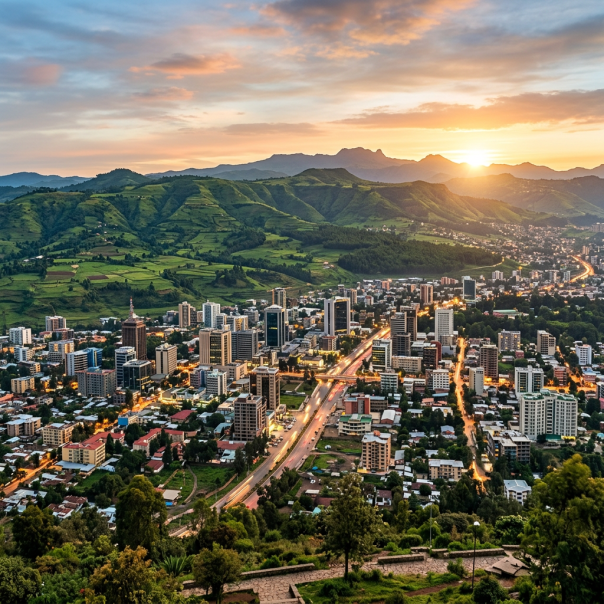
Examining the Constitutional and Statutory Provisions Recognizing Oromia’s Special Interest in the Capital
By Dhabessa Wakjira
(Melbourne-11 August 2026) The question of Finfinne—the city known internationally as Addis Ababa—is not merely a matter of political debate or historical narrative. It is also a matter of law. Over the past four decades, a series of federal and regional legal instruments have recognized and codified the unique relationship between the Oromo people and their ancestral capital.
From the transitional period following the fall of the Derg to the present day, Ethiopian law has acknowledged that Finfinne, by virtue of its location within the State of Oromia, gives rise to a “special interest” for Oromia—an interest that encompasses social services, natural resources, and joint administrative matters . This legal framework, while contested in its implementation, provides a constitutional foundation for the Oromo people’s claim to their historical capital.
Federal Legal Instruments: The Constitutional and Statutory Framework
A. Proclamation No. 7/1984: Establishing National Regional Self-Governments
The legal recognition of Oromia’s special interest in Finfinne predates the 1995 Constitution. In the transitional period following the fall of the Derg regime, the Transitional Government of Ethiopia enacted Proclamation No. 7/1984 to establish National Regional Self-Governments.
Article 3(1) of this proclamation identified the Oromo people as one of the nations, nationalities, and peoples entitled to establish a regional self-government, designated as “Region 4.” Critically, Article 3(4) of the proclamation stated that the “special national interests and political rights of Oromo” over Harari (Region 13) and Addis Ababa (Region 14) would be protected .
This provision represented the first formal legal acknowledgment of Oromia’s special claim over the capital following the collapse of the unitary state. It recognized that the city’s location within Oromia created a unique relationship that could not be ignored, even as the city was designated as a separate administrative entity.
B. The FDRE Constitution, Article 49(5): The Constitutional Recognition
The most significant legal recognition of Oromia’s special interest in Finfinne is enshrined in the Federal Democratic Republic of Ethiopia Constitution, adopted in 1995.
Article 49(5) states:
“The special interest of the State of Oromia in Addis Ababa, regarding the provision of social services or the utilization of natural resources and other similar matters, as well as joint administrative matters arising from the location of Addis Ababa within the State of Oromia, shall be respected. Particulars shall be determined by law.”
This provision was the product of extensive debate during the Constitutional Assembly. The legislative history reveals that the Oromo representatives argued for the inclusion of this clause on several grounds:
- Geographical reality: Finfinne is located within the State of Oromia.
- Historical connection: The city was established on Oromo land and is the heart of Oromia.
- Practical necessity: The city’s expansion affects surrounding Oromo farming communities.
- Constitutional identity: The city serves as Oromia’s capital and is deeply connected to Oromo identity .
The clause was approved with 507 votes in favour and only 6 against, demonstrating broad consensus on the principle of Oromia’s special interest.
C. Addis Ababa City Administration Charter Proclamation No. 87/1989
The first charter for the Addis Ababa City Administration, Proclamation No. 87/1989, provided detailed provisions on the relationship between the city and Oromia.
Article 33 of this proclamation established four key elements of Oromia’s special interest:
- Boundary Determination: The city’s boundary shall be delimited jointly by the City Administration and the Oromia Regional Government.
- Seat of Government: The Oromia Regional Government has the right to establish its seat in Addis Ababa.
- Access to Services: Social services provided by the City Administration to Addis Ababa residents shall also be accessible to residents of neighbouring Oromia communities, who shall be entitled to benefit from those services on an equal footing.
- Consultation on Development: The City Administration shall undertake development activities affecting Oromia only in consultation and agreement with the Oromia Regional Government.
This charter represented a significant legal acknowledgment of the practical interdependence between the city and its surrounding region .
D. Amended City Charter Proclamation No. 311/1995 and No. 361/1995
Subsequent amendments to the City Charter, including Proclamation No. 311/1995 and Proclamation No. 361/1995, modified the framework for the relationship between the city and Oromia.
Article 62 of these proclamations, concerning the relationship between the City Administration and the Oromia Regional Government, provided that:
- The City Administration shall maintain a relationship based on fruitful cooperation with Oromia.
- In accordance with Article 49(5) of the Constitution, Oromia’s interest shall be respected. The particulars shall be determined by agreement between the City Administration and the Regional Government or by a law enacted by the House of Peoples’ Representatives.
Article 5 of these proclamations, concerning the city’s boundaries, departed from the earlier charter. It provided that the boundary shall be delimited by agreement between the City Administration and Oromia or pursuant to the decision of the Federal Government—a provision that allowed for federal determination of boundaries without necessarily requiring the consent of the Oromia Regional Government .
This shift represented a legal narrowing of Oromia’s special interest compared to the 1989 charter, a development that has been a source of ongoing tension.
Regional Legal Instruments: The Oromia Constitutional Framework
A. The Oromia Transitional Constitution (1984)
The first constitution of the Oromia National Regional State, enacted in 1984 through Proclamation No. 2/1985, established the fundamental identity of the region.
This historic document, adopted by the newly established Oromia Council following popular elections, declared:
- Article 55: The name of the region shall be Oromia.
- Article 57: The working language of the region shall be Afaan Oromoo, written in the Latin script.
- Article 58: The capital city of the region shall be Finfinne.
This constitution represented the first formal assertion of Oromo self-governance and affirmed Finfinne as the heart of Oromia.
B. The Oromia Constitution (1987)
The second Oromia Constitution, enacted through Proclamation No. 1/1987, reaffirmed the region’s identity and capital following the transition to a civilian government.
Article 6 of this constitution confirmed that Finfinne is the capital city of the Oromia Regional State, maintaining the continuity of the region’s constitutional identity.
C. The Amended Oromia Constitution (1994) and Proclamation No. 94/1997
The third Oromia Constitution, enacted through Proclamation No. 46/1994 following the political reforms of 1993, introduced a significant change: Article 6 declared that the capital of Oromia would be Adama.
This change was made following Proclamation No. 35/1992, which had designated Adama as Oromia’s capital effective July 1992. However, this decision was met with widespread public opposition and protest.
Following the 1997 elections, the Oromia Regional Government, responding to popular demand, returned its seat to Finfinne without preconditions. Subsequently, Proclamation No. 94/1997, adopted by the Oromia Council, amended the constitution to restore Finfinne as the capital of Oromia.
Article 2(3) of this proclamation formally declared that the capital of Oromia shall be Finfinne, reversing the 1994 amendment. This decision reflected the deep historical and cultural connection between the Oromo people and their ancestral capital .
The Ongoing Debate: Implementation and Contestation
While the legal framework recognizing Oromia’s special interest in Finfinne is well-established, its implementation has been a source of persistent tension.
The Special Interest Council
The draft proclamation on Oromia’s special interest in Addis Ababa contemplates the establishment of a Joint Council composed of delegates from both the City Government and Oromia Regional State . However, legal experts have noted shortcomings in the draft, including the postponement of determining key details such as the number of members, structure, mandates, and tenure—matters that should be clearly defined in the establishing legislation .
The 2014 Master Plan Controversy
The 2014 Addis Ababa Integrated Development Master Plan, which proposed expanding the city’s boundaries by 1.1 million hectares into surrounding Oromia districts, ignited widespread protests and led to hundreds of deaths. Critics argued that the plan was centrally imposed without prior consultation or participation of the Oromia Regional Government, in violation of constitutional principles .
The Failure to Fully Implement Article 49(5)
Legal commentators have noted that the concept of “special interest” was intended to imply a form of ownership and the immunity of the Oromo people from eviction from the city . However, successive federal governments have been accused of failing to implement the constitutional provision meaningfully, instead pursuing policies that marginalize Oromo communities in and around the capital .
Conclusion: A Legal Framework Awaiting Implementation
The legal instruments examined in this article reveal a consistent pattern: from the transitional period to the present day, Ethiopian law has recognized Oromia’s special interest in Finfinne. The FDRE Constitution, the City Charters, and the Oromia Constitutions all acknowledge the unique relationship between the city and the region that surrounds it.
However, legal recognition alone is insufficient. The gap between the law on paper and its implementation in practice has been a source of ongoing tension and conflict. The failure to fully implement Article 49(5), the controversies over boundary expansions, and the inadequate representation of Oromo interests in the governance of the capital have all contributed to the perception that Oromia’s constitutional rights are being violated.
The path forward lies in the genuine implementation of the constitutional and legal framework—through joint administrative mechanisms, meaningful consultation, and the protection of Oromo communities affected by the city’s expansion. As one legal commentator has noted: “The concept of special interest entered the Ethiopian legal lexicon to ensure that the Oromo people, whose land was taken to establish the capital, would not be excluded from the benefits of the city’s existence” . Fulfilling this vision requires not only legal recognition but also political will.
Injifannoon Ummata Oromoo!
Finfinne haa jabaattu!
Seerri haa raawwatamu!
This feature article is based on a review of federal and regional legal instruments and is dedicated to all those who seek the full implementation of Oromia’s constitutional rights in Finfinne.

A Vision for the Future: Dereje Mamuye Welcomes Guests at the Grand Opening of Godo Housing and Smart Real Estate
African Holding Group Founder and CEO Celebrates a New Era of Innovation and Development
By Maatii Sabaa
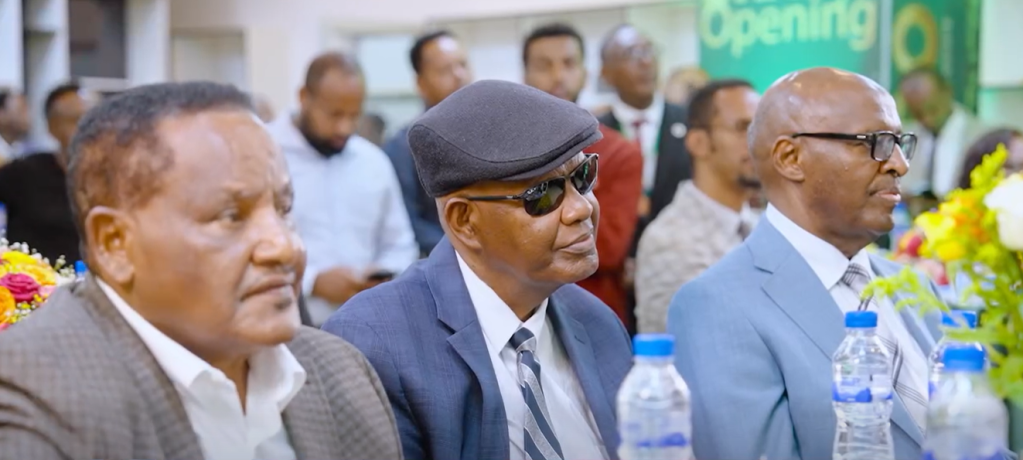
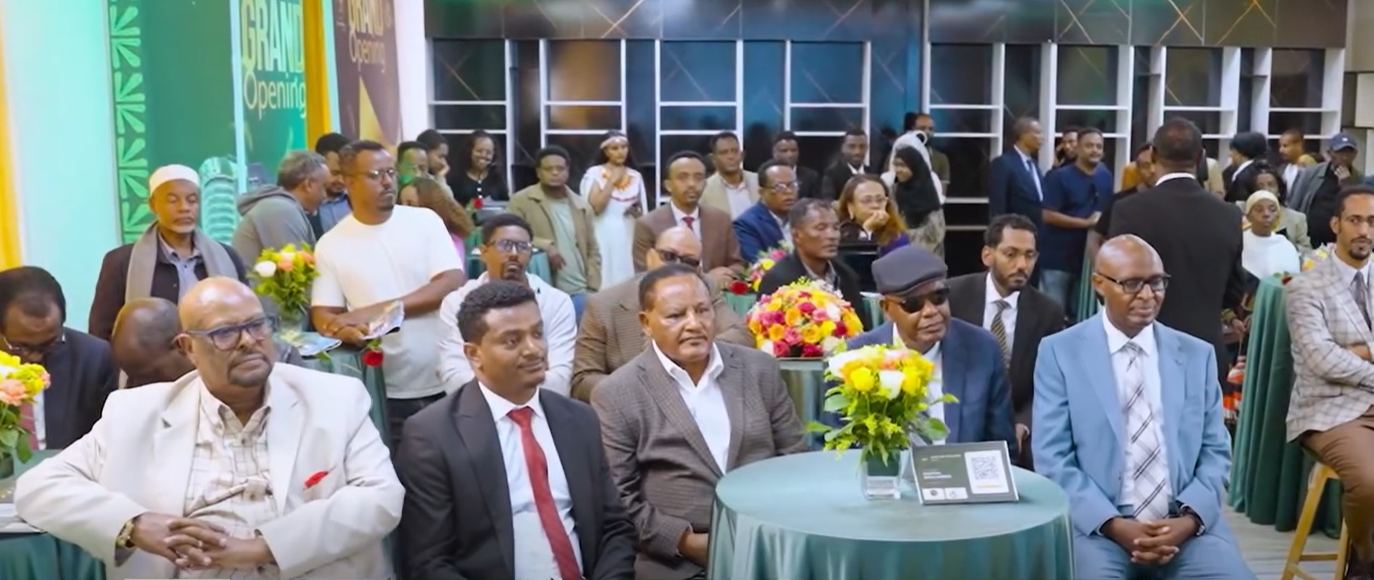
In a moment of celebration and vision, Dereje Mamuye, the Founder and CEO of African Holding Group, delivered a warm welcome message at the special inauguration ceremony of Godo Housing and Smart Real Estate. The event, which marked a significant milestone in the company’s journey, was a testament to the power of vision, innovation, and commitment to building a better future.
The ceremony was not just a celebration of a new development; it was a celebration of the spirit of enterprise that drives progress and transforms communities. As Mamuye addressed the gathered dignitaries, partners, and community members, his message resonated with hope, determination, and a deep sense of purpose.

A Leader’s Vision: Dereje Mamuye and African Holding Group
Dereje Mamuye is a prominent entrepreneur and visionary leader whose work has had a significant impact on the business landscape. As the Founder and CEO of African Holding Group, he has been at the forefront of driving innovation and development across various sectors.
African Holding Group is known for its commitment to excellence and its focus on creating value for communities. Under Mamuye’s leadership, the company has grown to become a major player in the industry, with a reputation for integrity, quality, and innovation. His vision is rooted in the belief that business can be a force for good—a tool for creating jobs, building communities, and empowering individuals.
Mamuye’s journey is an inspiration to many. His rise from humble beginnings to becoming a successful entrepreneur is a testament to the power of hard work, determination, and a clear vision. He is a role model for young people, showing that with dedication and perseverance, anything is possible.
Godo Housing and Smart Real Estate: A Milestone in Development
The inauguration of Godo Housing and Smart Real Estate represents a significant achievement in the field of real estate and housing. The project embodies the principles of innovation, sustainability, and community-centered design.
Godo Housing is not just a development; it is a vision for the future of housing. The project incorporates smart technology, sustainable design, and a focus on creating communities where people can thrive. By combining modern technology with thoughtful design, Godo Housing is setting a new standard for real estate development.
The project was a collaborative effort, reflecting the power of partnerships and the shared commitment to building a better future. The support of partners, investors, and community members was essential in bringing this vision to life.
A Message of Welcome and Gratitude
In his welcome address, Dereje Mamuye expressed his heartfelt gratitude to all those who contributed to the success of the project. He welcomed guests with warmth and humility, emphasizing the importance of community and collaboration.
“Today marks a significant milestone in our journey,” Mamuye said. “We are grateful to all those who have supported us along the way. This project is a testament to what can be achieved when we work together with vision and determination.”
Mamuye’s message was one of hope and optimism. He spoke of the potential of the project to transform lives and communities, and he expressed his confidence in the future.
Innovation and Sustainability: The Future of Real Estate
The Godo Housing and Smart Real Estate project is a model for the future of real estate development. It incorporates a range of innovative features, including:
- Smart Technology: The integration of smart technology to enhance convenience, efficiency, and security.
- Sustainability: Environmentally friendly design and construction practices that reduce the environmental impact.
- Community Focus: A focus on creating communities where people can live, work, and thrive.
- Quality Design: Thoughtful design that prioritizes comfort, functionality, and aesthetics.
These features reflect the vision of the project’s creators and their commitment to creating spaces that meet the needs of modern life.
A Greeting of Welcome
In his address, Dereje Mamuye extended a warm welcome to all the guests. He offered his thanks for their presence and support for this important milestone. This welcome message was a true reflection of the spirit of the event.
A Celebration of Partnership
The inauguration ceremony was also a celebration of the partnerships that made the project possible. Mamuye acknowledged the contributions of investors, partners, and community members, emphasizing that the success of the project was a collective achievement.
“We are grateful for the trust and confidence that our partners have placed in us,” Mamuye said. “It is through collaboration and shared vision that we can achieve great things.”
The event was attended by a distinguished group of guests, including business leaders, government officials, and community members. The diverse attendance reflected the broad support for the project and its potential to have a positive impact.
The Legacy of Dereje Mamuye
Dereje Mamuye is not just a businessman; he is a visionary leader who is committed to making a difference. His work has inspired many, and his legacy will continue to grow as he builds on his achievements.
His commitment to giving back to the community is a core part of his philosophy. He believes that true success is measured not only by financial achievement but by the positive impact one has on the lives of others. This philosophy is reflected in the projects he undertakes and the values he upholds.
Conclusion: A Bright Future Ahead
The inauguration of Godo Housing and Smart Real Estate marks the beginning of a new chapter in the story of African Holding Group and its visionary leader, Dereje Mamuye. The project is a testament to what can be achieved when vision, innovation, and commitment come together.
As the company continues to grow and innovate, it will undoubtedly continue to make a positive impact on communities and inspire others to pursue their dreams. The welcome message of Dereje Mamuye is a reminder that the journey of building a better future is one that we must all undertake together.
Injifannoon Ummata Oromoo!
Godo Housing haa jabaattu!
African Holding Group haa jabaattu!
This feature article is dedicated to Dereje Mamuye, the African Holding Group, and all those who are working to build a better future through innovation, vision, and commitment.

Passing the Torch with Honour: A Night of Unity and Generational Strength at Guyyaa Yuubota 2026 in Minnesota
Oromo Elders and Youth Come Together to Celebrate a Legacy of Resilience and Hope in St. Paul
By Maatii Sabaa
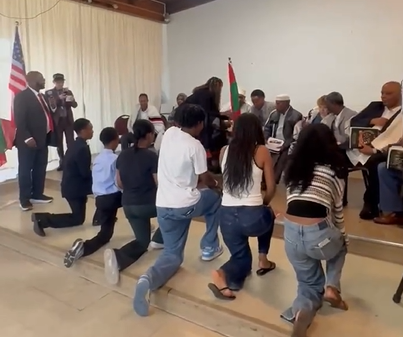
(St. Paul, Minnesota — 11August 2026)-In a powerful display of intergenerational unity and cultural pride, the Oromo community in Minnesota came together for Guyyaa Yuubota 2026, a celebration that was more than just an event—it was a profound ceremony of respect, remembrance, and the sacred passing of the torch from one generation to the next.
The event, held in the heart of “Little Oromia,” saw Oromo elders, leaders, and youth gather side by side, reinforcing the unbroken chain of identity and struggle that defines the Oromo people. It was an evening where the wisdom of the past met the energy of the future, and where the torch of liberation was passed respectfully, deliberately, and with immense pride.
A Ceremony of Blessings and Song
The proceedings at Guyyaa Yuubota opened in accordance with ancient Oromo tradition, with the solemn recitation of the Eebba Manguddoo—the Great Blessing—and the singing of the Faaruu Alaabaa, the Oromo national anthem. These rituals, which call upon Waaqa (God) for peace, prosperity, and success, served as a spiritual foundation for the work that followed.
The atmosphere was one of reverence and unity. Oromo oral literature, encompassing forms such as eebba (blessings) and faaruu (songs of praise), has sustained the community across generations, and on this night, it was on full display.
Passing the Torch: The Role of Elders and Youth
The central theme of the evening was the respectful transfer of responsibility and knowledge from the elders to the youth. The elders, who witnessed the early days of the struggle, sat alongside youth who were born in the diaspora, forging an intergenerational bond that strengthens the community’s resilience.
This tradition is a cornerstone of Oromo culture. The elders are the custodians of history, the guardians of the Gadaa principles, and the living memory of the struggle for liberation. By passing the torch to the youth, they ensure that the flame of Oromummaa (Oromo identity) continues to burn brightly.
As one community leader observed, the Oromo carry their ancient Gadaa principles with them into the future, no matter where they are in the world. This occasion was a testament to that enduring spirit—a reminder that the Oromo identity is not just about remembering the past, but about actively engaging with the present and building for the future.
The Significance of Minnesota’s “Little Oromia”
The choice of Minnesota for such a significant gathering is deeply meaningful. Over the past three decades, Minnesota has earned the affectionate title of “Little Oromia” for hosting one of the largest Oromo populations outside of East Africa. The state has become a sanctuary and a springboard for Oromo activism, where culture thrives through language, music, faith, and political organization.
The Oromo community centers in the Twin Cities have become hubs for organizing and celebration, making them the ideal setting for an event that bridges generations and honors the past while looking toward the future.
Looking to the Future: Consistency and Determination
The evening was not only about honoring the past but about setting a course for the future. The message to the youth was clear: consistency and determination remain the foundation of lasting progress and success. In the long and often brutal struggle for Oromo self-determination, it is the day-in and day-out commitment of a people who refuse to be erased that sustains the movement.
Conclusion: A Legacy Secured
Guyyaa Yuubota 2026 in Minnesota was a resounding success, a beautiful reminder of the strength of the Oromo people when they stand together. It was a night where the elders’ blessings were received with humility, and the youth’s energy was embraced with hope. The torch has been passed, and it is held high.
Injifannoon Ummata Oromoo!
This feature article is dedicated to the Oromo elders who have paved the way and the youth who carry the torch forward.






