Category Archives: Bokkkuu

In the Shadow of Conflict: What Reports Say About Civilian Suffering in Oromia
By Daandii Ragabaa
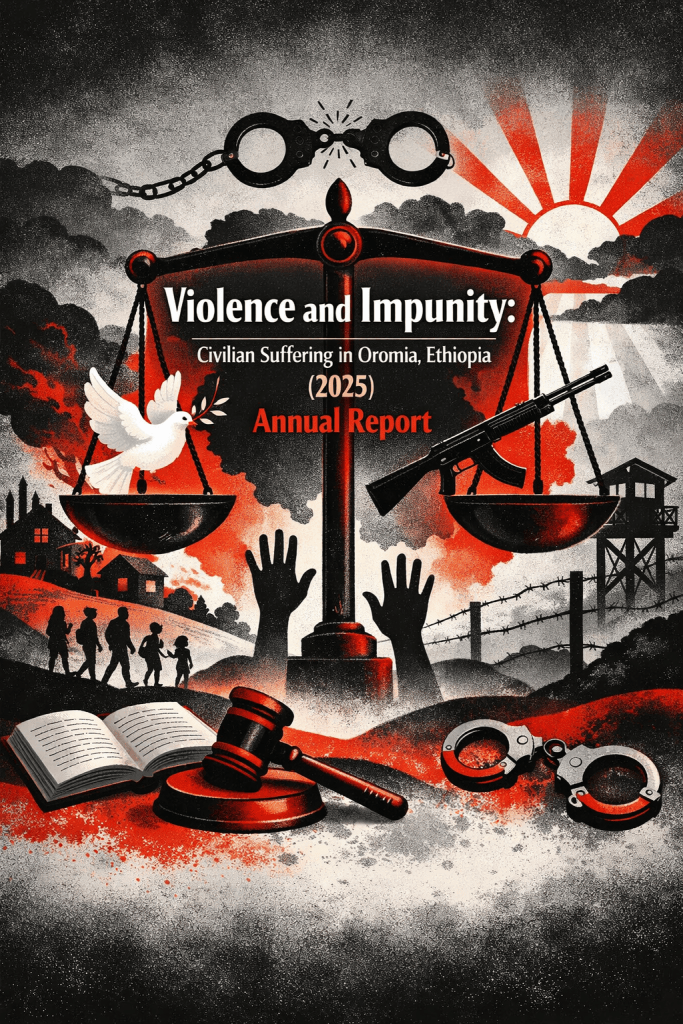
For years, the Oromia region of Ethiopia has been the site of an armed conflict that has largely unfolded outside the international spotlight. While the world’s attention has often focused elsewhere, human rights organizations, UN bodies, and advocacy groups have documented a pattern of violence affecting civilians—perpetrated by both government forces and armed opposition groups.
This is not a story of a single narrative. It is a story of competing accounts, documented abuses, and a civilian population caught in between.
A Conflict With Many Actors
Fighting between the Ethiopian National Defense Forces (ENDF), allied regional security forces, and the Oromo Liberation Army (OLA) erupted in 2019 and continues to take a heavy toll on civilians . Human Rights Watch’s World Report 2026 noted that fighting in parts of Oromia “resulted in civilian casualties and displacement,” with over 11,000 people displaced in late May alone due to violence in border areas .
In February 2026, twenty international and regional human rights organizations warned that Ethiopia was “on the brink” of renewed large-scale conflict, citing reports of extrajudicial killings, mass arrests, property destruction, forced conscription, and collective punishment of civilians in Oromia. They stressed that limited humanitarian access and the absence of independent monitoring have entrenched cycles of violence .
Documented Abuses
By OLA fighters: Amnesty International’s March 2026 briefing documented rape, gang rape, sexual slavery, summary killings, and destruction of civilian property by OLA fighters in Sayo and Anfillo districts of Kellem Wallaga zone between 2020 and 2024. The organization interviewed 10 survivors of gang rape, seven of whom were under 18 at the time. Five had also been subjected to sexual slavery. Amnesty stated these abuses “may amount to war crimes” .
One survivor, identified as Sebontu, described being held for three weeks with her mother, hands tied to a tree: “They used to rape us every day, twice a day… They used to tell me, ‘You will die. You will never return home'” .
By government forces: A written statement submitted to the UN Human Rights Council by the Oromia Support Group in Australia, a NGO in special consultative status, alleged that national defense forces have used drones and heavy artillery in attacks on villages, that villages in areas where the OLA is active have been burned, and that government forces have targeted young men known as the Qerroo generation. The group claimed to have recorded 7,340 Oromo civilian killings since the end of 2018, including 1,064 since the beginning of 2025 . These figures could not be independently verified.
Attacks on religious communities: In October 2026, armed men attacked Orthodox Christian civilians in Oromia, killing at least 60 people and burning homes, according to a synod spokesperson. The regional government blamed the OLA .
A Pattern of Silence
Multiple sources point to a common concern: the conflict in Oromia has received far less international attention than the war in Tigray, despite Oromia being Ethiopia’s largest and most populous region.
Amnesty International’s Regional Director for East and Southern Africa, Tigere Chagutah, stated: “For seven years, under the cover of darkness caused by a communication and media blackout, fighters in the Oromia region have caused immense suffering on civilians” .
The Oromia Support Group’s statement to the UN noted that “poor access and communication hinder data collection,” particularly in Guji and Borana zones . The joint letter from 20 organizations warned that “shrinking civic space, restrictions on independent reporting, and the termination of accountability mechanisms are obscuring the scale of violations” .
Competing Narratives
The Ethiopian government rejects characterizations of the conflict as one-sided oppression. In a November 2026 interview with Oromia Broadcasting Network, Prime Minister Abiy Ahmed described armed groups in Oromia as lacking “any real political vision, operating instead with the sole purpose of killing innocent civilians and looting.” He stated that “thousands of militants are laying down their weapons every day” and reaffirmed that the door for peace remains open .
These competing accounts—of government counterinsurgency and armed resistance, of victims on multiple sides—make independent verification difficult and underscore the complexity of the situation.
What Remains Undeniable
What credible sources agree on is that civilians are suffering. Whether through direct violence, displacement, sexual violence, or the destruction of homes and livelihoods, the people of Oromia bear the heaviest burden of a conflict that shows few signs of resolution.
Amnesty International has called on Ethiopian authorities to investigate atrocities and on the OLA to “immediately issue an order to all its fighters to respect international humanitarian law” . The joint letter from 20 organizations urged the UN Security Council and Human Rights Council to prioritize scrutiny of developments in Ethiopia and to press for independent monitoring and accountability .
For the civilians caught in the middle, these calls have yet to translate into safety.
Note on sources: This article draws on documentation from Amnesty International, Human Rights Watch, a UN Human Rights Council written statement, and reporting from Addis Standard and other outlets. Where claims originate from advocacy organizations, this has been noted. The situation in Oromia is contested, and readers should consult the original sources for full context.

Karrayyuu Gadaa Council Prepares to Conduct Gur’ura Ceremony
Traditional Power Transition Set to Take Place in Ardaa Jilaa Tarree Daandootti
By OBN Cyber Media | November 19, 2019
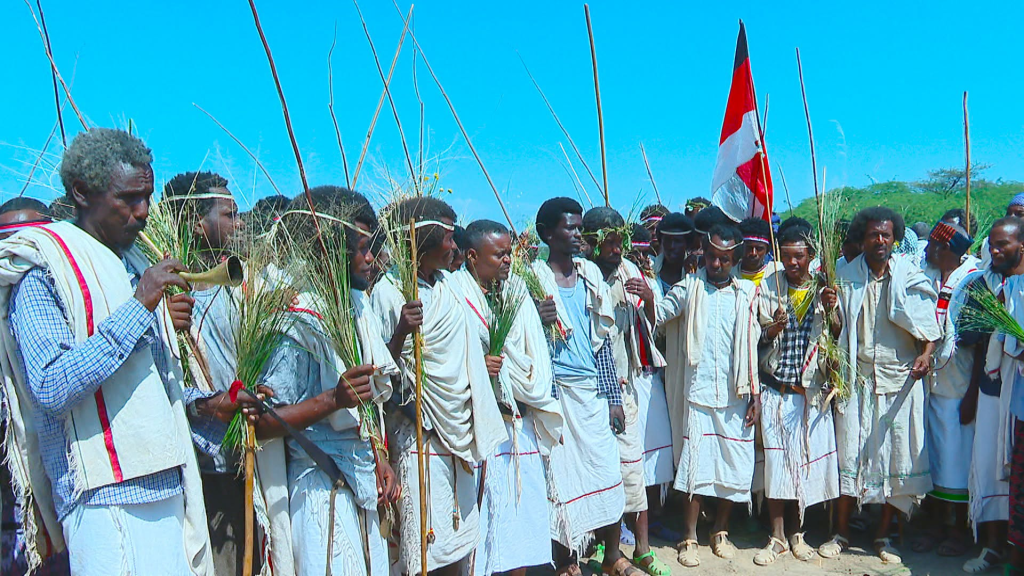
The Karrayyuu Gadaa Council has announced that preparations are underway to conduct the Gur’ura ceremony in the Dullachaa district of Ardaa Jilaa Tarree Daandootti, according to a statement released by Gabalaan Gadaa Michillee Dullachaa.
The announcement marks a significant moment in the community’s traditional governance system, as the council prepares to formally hand over authority in accordance with Gadaa customs and traditions.
Two Years of Leadership Training
For the past two years, the Gadaa Council of Michillee has been training members of the Halchiisaa and Buttaa Gadaa classes, providing them with the necessary knowledge and preparation to assume leadership responsibilities. The training, known as “qalee Goobaa,” has equipped the incoming leaders with the skills and understanding required to govern according to the Gadaa system.
Upon completion of their training, the Michillee Gadaa Council will formally transfer authority to the newly trained Halchiisaa class, marking the end of their own term of leadership. This transition of power is a cornerstone of the Gadaa system, ensuring that governance remains fresh, accountable, and grounded in the community’s traditions.
What is Gur’ura?
The ceremony of transferring power from one Gadaa class to another is known as “Gur’ura.” The term “Gur’ura” derives from the Oromo phrase “Gurra Urachuu,” which signifies the act of passing on responsibility and authority. It serves as a powerful symbol of an individual who has successfully fulfilled their leadership role and is now handing over the reins to the next generation of leaders.
The Gur’ura ceremony is more than just a transfer of power — it is a celebration of the community’s commitment to the Gadaa system and its values of democracy, accountability, and collective responsibility. It represents the continuity of a governance tradition that has sustained the Oromo people for centuries.
The Structure of Karrayyuu Gadaa
The Karrayyuu community is organized into two main branches: Dullachaa and Baasoo. The Gabalaan Dullachaa, also known as the Tuuti Gadaa Michillee, is responsible for leading the Gur’ura ceremony for the Dullachaa branch. According to tradition, the Ardaa Jilaa Tarree Dandoo will perform the necessary rituals and ceremonies after a period of seven years and two months.
This structured system of governance ensures that power is shared and rotated among different classes, preventing any single group from holding authority indefinitely. It is a testament to the wisdom of the Gadaa system, which has long been recognized as one of Africa’s oldest democratic governance structures.
A Community Preparing for Transition
As preparations for the Gur’ura ceremony continue, community members are reflecting on the significance of this moment. The transition represents not only a change in leadership but also a renewal of the community’s commitment to its traditions and values.
The incoming Halchiisaa class, having completed their training under the guidance of the Michillee Gadaa Council, is now prepared to take on the responsibilities of leadership. They will be expected to uphold the principles of the Gadaa system, serving the community with integrity, wisdom, and dedication.
Looking Ahead
The Gur’ura ceremony will be a time of celebration, reflection, and renewal for the Karrayyuu community. It will bring together elders, community leaders, and ordinary members to witness the peaceful transfer of power and to reaffirm their commitment to the Gadaa system.
As the community prepares for this important event, there is a sense of pride and anticipation. The Gur’ura ceremony is not just a ritual — it is a living expression of the community’s identity, values, and enduring traditions.
— Reported by Magarsaa Kabbaatii for OBN Cyber Media

“Don’t Let Them Win”: A Powerful Call for Shared Humanity and Connection
Feature Article
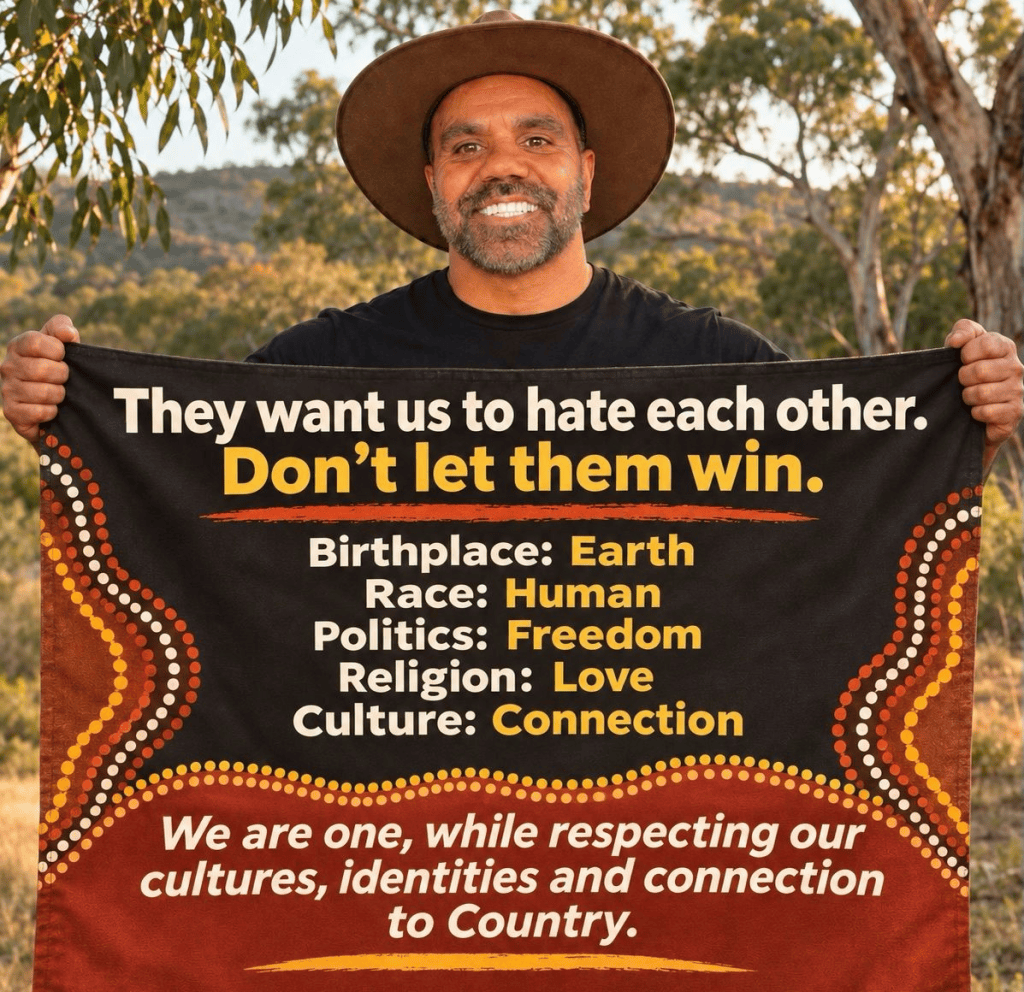
In a world often defined by division, a simple yet profound message is cutting through the noise. It is a message carried on a banner, held firmly by a man standing against the backdrop of the Australian bush—a landscape rich with ancient history and natural beauty. The banner’s words offer a direct challenge to the forces of polarization: “They want us to hate each other. Don’t let them win.”
This is not just a statement of resistance; it is a declaration of identity. It asks us to look past the constructed barriers that so often separate us and to recognize the fundamental truths that bind us together.
At the heart of the banner is a list of definitions that reimagine how we see ourselves and each other:
- Birthplace: Earth
- Race: Human
- Politics: Freedom
- Religion: Love
- Culture: Connection
By stripping away the labels that often fuel conflict, the message suggests a radical reorientation of our priorities. When our birthplace is the planet itself, and our race is simply humanity, the reasons we use to justify hatred and division begin to crumble. When politics is guided by freedom and religion by love, the ideologies that seek to separate us lose their power. And when culture is recognized as a tool for connection rather than a barrier, we open the door to genuine understanding.
The banner’s message is particularly resonant given the visual context. The man stands on the traditional lands of First Nations peoples, holding a banner adorned with intricate dot artwork—a visual language deeply rooted in the oldest continuous cultures on Earth. The artwork and the words together form a bridge between ancient wisdom and a modern call for unity.
The final lines of the banner provide the crucial balance to this call for universality: “We are one, while respecting our cultures, identities and connection to Country.”
This is perhaps the most vital part of the message. Unity does not mean erasing differences or forcing everyone into a single mold. True connection is not about homogenization; it is about standing together in solidarity while celebrating the unique stories, traditions, and ties to land that make us who we are. Respecting identity and connection to Country is fundamental to healing historical wounds and moving forward together.
In a time when it is easy to be consumed by outrage and division, this image serves as a quiet, powerful act of resistance. It reminds us that the forces that seek to divide us—whether political, social, or ideological—only win if we allow them to dictate how we treat one another.
The message is clear: we are all human, our connections are our strength, and when we respect each other’s cultures and identities, we build a future where hate cannot prevail.
Don’t let them win.

Her Safety Is Not a Privilege — It Is Her Right
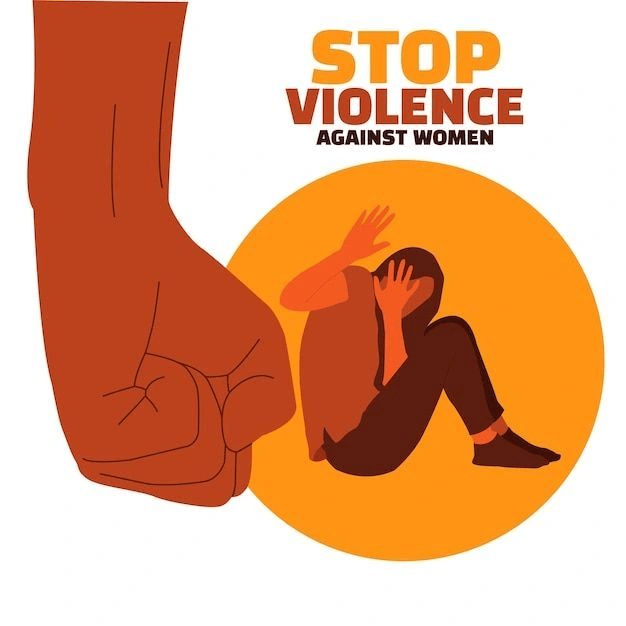
Ending violence against women and girls starts with each of us
Every woman and girl deserves to live without fear, abuse, harassment or discrimination.
That simple truth is the foundation of the 16 Days of Activism against Gender-Based Violence — a global campaign that reminds us that violence is never inevitable, and that change begins with ordinary people making extraordinary choices in their everyday lives.
Violence should never be excused, normalised or ignored. Too often, harmful behaviours are dismissed as “just the way things are.” Too often, survivors are met with silence instead of support. Too often, perpetrators are shielded by excuses rather than held to account. This must change.
We must speak up — in our homes, our workplaces, our schools and our communities. We must support survivors, believing their stories and ensuring they have access to the help and healing they deserve. We must challenge harmful behaviours, even when it is uncomfortable, even when it is someone we know. And we must hold perpetrators accountable, because accountability is not punishment — it is the first step toward a safer world for everyone.
Ending violence starts with each of us. It starts with the conversations we have with our children about respect. It starts with the workplace cultures we build and the policies we demand. It starts with the communities we shape, where women and girls are not merely protected but genuinely safe, respected and valued.
This is the message behind the 16 Days of Activism, the Orange the World campaign, and the global call for gender equality and human rights. It is a message that transcends borders, cultures and generations — because violence against women and girls is not a women’s issue. It is a human issue. It is everyone’s issue.
Her safety is not a privilege. It is her right.
Let us create homes, workplaces and communities where women and girls feel safe, respected and protected — not because they are lucky, but because it is their fundamental right as human beings.
The work begins today. The work begins with you.
#EndViolenceAgainstWomen #16DaysOfActivism #OrangeTheWorld #GenderEquality #HumanRights

Beyond Borders, Toward Peace: Oromo Studies Association Announces Landmark 2027 Mid-Year Conference
By Dhabessa Wakjira
In a world often divided by lines on a map, the pursuit of lasting harmony requires looking beyond traditional boundaries. Recognizing the urgent need for dialogue and reconciliation, the Oromo Studies Association (OSA) has announced its highly anticipated Mid-Year Conference 2027.
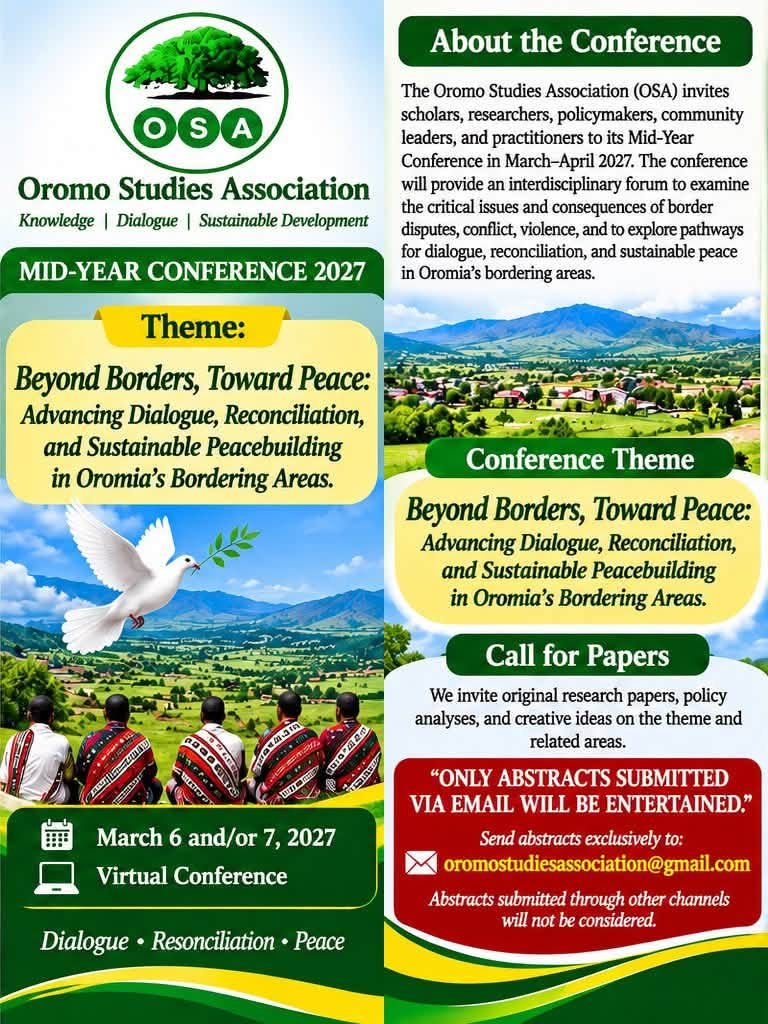
Under the poignant theme, “Beyond Borders, Toward Peace: Advancing Dialogue, Reconciliation, and Sustainable Peacebuilding in Oromia’s Bordering Areas,” the virtual conference is set to take place on March 6 and 7, 2027.
The event promises to serve as a vital interdisciplinary forum, bringing together scholars, researchers, policymakers, community leaders, and practitioners from around the globe to tackle some of the most pressing issues facing the region today.
A Focus on the Margins
While much attention is often paid to central political hubs, the OSA is shining a spotlight on the critical—and often volatile—border regions of Oromia. The conference aims to deeply examine the multifaceted dimensions of border disputes, conflict, and violence that have historically plagued these areas.
More importantly, it is designed as a platform for solutions. By promoting research-based solutions and policy options, the OSA hopes to strengthen dialogue among diverse stakeholders and advance sustainable peace and development. The conference will delve into critical issues ranging from human security and the rule of law to the vital role of natural resources and environmental sustainability in community resilience.
A Call for Scholarly Action
The path to peace requires innovative thought and rigorous analysis. To that end, the OSA has officially opened its Call for Papers, inviting original research, policy analyses, and creative ideas that align with the conference theme.
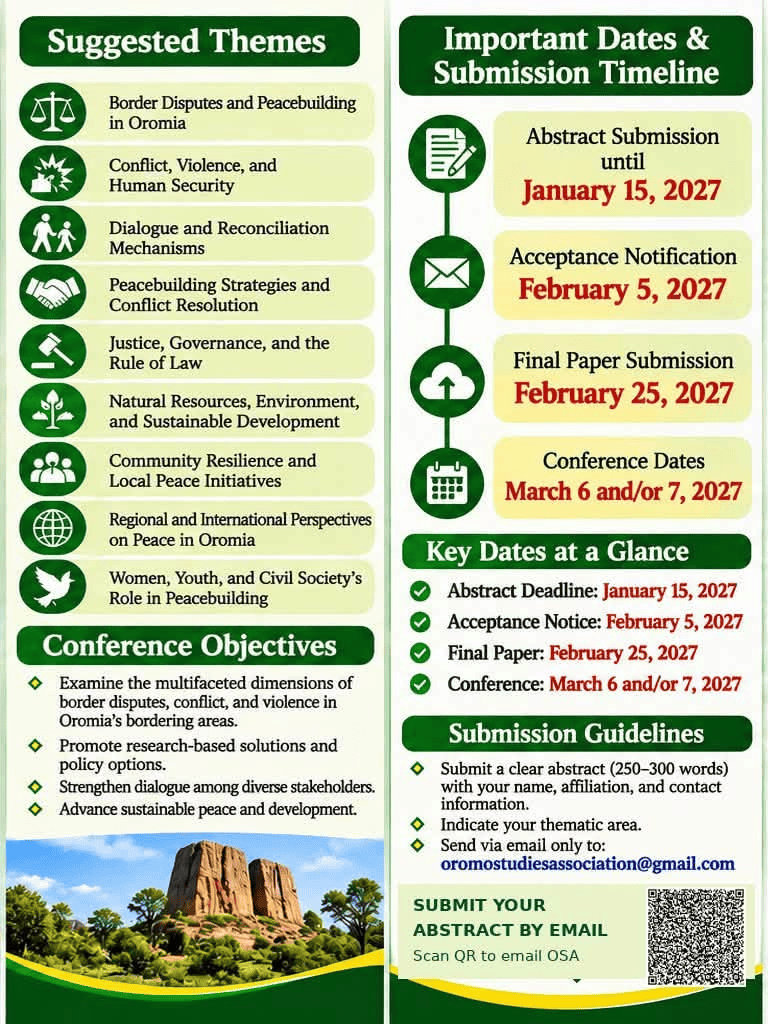
The organizers have outlined several suggested thematic areas for participants to explore, including:
· Border Disputes and Peacebuilding in Oromia
· Conflict, Violence, and Human Security
· Dialogue and Reconciliation Mechanisms
· Justice, Governance, and the Rule of Law
· The role of Women, Youth, and Civil Society in Peacebuilding
Potential contributors must adhere to strict guidelines. Abstracts should be between 250 and 300 words, accompanied by the author’s name, affiliation, and contact information, and must clearly indicate their chosen thematic area.
Important Note for Participants: The OSA has emphasized that only abstracts submitted via email will be entertained. Submissions sent through other channels will not be considered. All abstracts must be sent directly to oromostudiesassociation@gmail.com.
Mark Your Calendars
For those looking to be part of this crucial conversation, the OSA has laid out a clear timeline for the 2027 conference:
· Abstract Submission Deadline: January 15, 2027
· Acceptance Notification: February 5, 2027
· Final Paper Submission: February 25, 2027
· Virtual Conference Dates: March 6 and/or 7, 2027
Knowledge, Dialogue, Sustainable Development
The OSA’s logo features a robust, expansive tree—a fitting symbol for an organization whose motto is “Knowledge | Dialogue | Sustainable Development.” Like a tree putting down deep roots to withstand the storms, the association believes that a foundation built on scholarly dialogue and reconciliation is the only way to secure a sustainable, peaceful future for Oromia’s bordering communities.
As the 2027 Mid-Year Conference approaches, the OSA is extending an open invitation to all who believe that even the most entrenched borders can be crossed through the power of dialogue. For those ready to contribute to this vital mission, the time to act is now. Submit your abstract, mark your calendar, and join the movement toward a peaceful tomorrow.

Haacaaluu Hundeessaa: The Icon Who Transformed the Narrative of the Oromo National Struggle
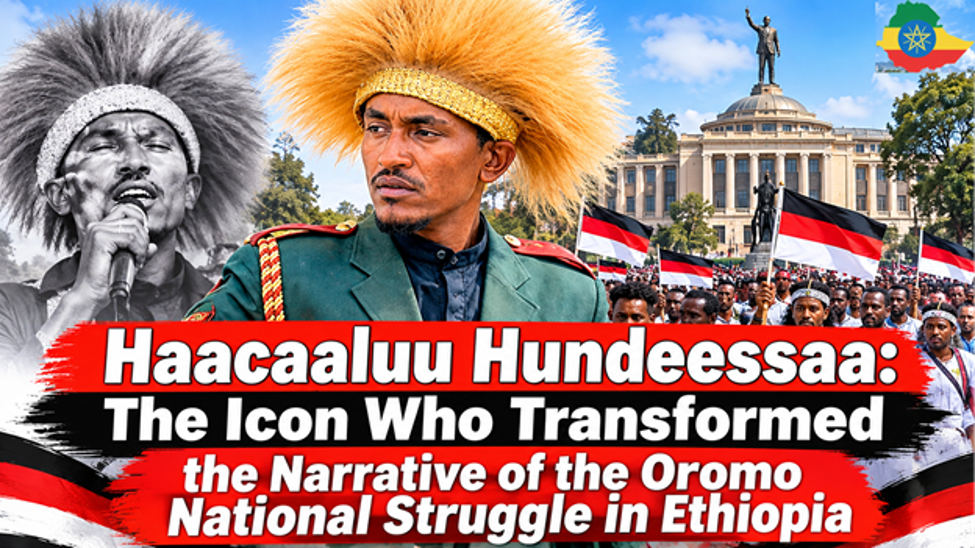
From the prison cells of Ambo to the stage of Millennium Hall, a singer became the unlikely architect of a generation’s political awakening—and a bridge between Oromo national aspirations and Ethiopian national unity.
In the pantheon of Oromo resistance, few figures have wielded a more transformative influence than Haacaaluu Hundeessaa. Born in 1986 in Ambo—a historic epicenter of Oromo resistance—he emerged from five years of imprisonment as a teenager not merely as a singer, but as an ethnographer of Oromo history and an architect of a new political consciousness. His enduring legacy lies in guiding a generation from the pain of exclusion (Maalan Jira? — “What existence is mine?”) to the confidence of collective assertion (Jirra! — “We are here!”), and ultimately laying the ideological groundwork for what has come to be known as “Progressive Patriotism”—the conviction that the Oromo must move from resisting the Ethiopian state at its margins to claiming rightful ownership at its center.
From Cultural Preservation to Political Mobilization
For generations, Oromo artistic expression served as a vital sanctuary against cultural erasure and political exclusion. Pioneers like the legendary Dr. Ali Birra laid the foundational stones of this tradition, elevating Afaan Oromoo in modern music and instilling cultural pride during eras when Oromo identity faced severe state suppression. Ali Birra embodied a nuanced dual identity, singing for Oromia (“Biyyi too Oromiyaa, Biyya Biyya Caaltuu” — “My country is Oromia, a country above all countries”) while also embracing Ethiopia (“Itoophiyaan biyya teenya, fiiwdalizimiin diina keenya” — “Ethiopia is our country; feudalism is our enemy”). This willingness to embrace Ethiopia while calling for its regime to change would echo through later generations.
Building upon that cultural foundation, Haacaaluu transformed Oromo music from a medium of cultural preservation into an unstoppable engine of mass political mobilization and ideological renewal. His 2009 debut album Sanyii Mootii (Race of the King), composed largely behind prison walls, and his 2013 track Waa’ee Keenya (Our Struggle) diagnosed internal divisions and historical repetition, warning against “sabotaging and waylaying each other” while state oppression persisted.
The political awakening exploded into nationwide revolt in June 2015 with the release of Maalan Jira?—a direct response to the Addis Ababa Integrated Development Master Plan, which threatened to evict hundreds of thousands of Oromo farmers around the capital. Singing “My beloved Galoo Gullaallee was Tufaa’s / The mountains were Abbichuu’s / The Galaan surrounded Finfinnee… They tore us apart,” Haacaaluu transformed localized land dispossession into an existential national question. By weaving together Oromo clans and geographies across Wallagga, Arsi, Borana, Hararghe, and Shawa, his music dissolved regional divides and became the undisputed soundtrack of the 2014–2018 Oromo protests.
The Turning Point: Arat Kilo and the Claiming of State Power
While Maalan Jira? articulated the trauma of exclusion, Haacaaluu’s historic December 9, 2017 performance at Addis Ababa’s Millennium Hall marked a decisive ideological pivot from street protest to claiming state power. Organized as a televised benefit concert for over a million Oromos forcibly displaced from the Somali Regional State, the event was attended by top-ranking officials of the ruling EPRDF regime. Stepping onto the stage just kilometers from the national palace, Haacaaluu subverted a state-monitored space into a prophetic political reckoning.
His performance introduced two radical shifts in Oromo political thought. First, self-reliance over external salvation: rejecting passive reliance on exiled opposition groups or foreign intervention, he sang “Do not dream while waiting for help from outside / Do not dream an impossible dream,” placing the responsibility for emancipation directly on the domestic generation. Second, geographic proximity as political right: by chanting “Saddle your horse and fight… You are the one closest to Arat Kilo,” he exposed the absurdity of the Oromo living in and around Finfinnee while remaining barred from governing it.
Just four months later, in April 2018, the ruling coalition fractured under the weight of the protests and Abiy Ahmed was sworn in at Arat Kilo as Ethiopia’s first Oromo Prime Minister—cementing the Millennium Hall concert as a symbolic catalyst of that transition. Following Haacaaluu, several Oromo artists performed at Millennium during the reception of Jawar Mohammed and the Irreechaa event, consolidating the narrative of transition from resistance to governance.
Reclaiming Ethiopian History: Adwa as an Oromo Victory
Crucially, Haacaaluu’s vision of political ownership was anchored in historical reclamation. For decades, dominant state historiography framed Ethiopia’s foundational triumph, the 1896 Battle of Adwa against Italian colonialism, almost exclusively as the achievement of Emperor Menelik II and northern elites, erasing the decisive sacrifices of Oromo cavalry and military commanders such as Ras Gobana Dacche, Fitawrari Habte Giyorgis Dinagde, and Balcha Safo.
Haacaaluu dismantled this historical gatekeeping both on and off stage. Appearing at Adwa Victory Day celebrations dressed in traditional Oromo warrior regalia—gaachana shield, eeboo spear, and lion-mane headdress—and addressing the era in songs like Alamaayyoo, he asserted that Oromo blood, horsemanship, and leadership were central to defending Ethiopia’s sovereignty against European imperialism. By reclaiming Adwa as an Oromo victory as much as an Ethiopian one, he demonstrated that the Oromo were never mere subjects or outsiders to the Ethiopian state—they were among its principal defenders and legitimate stakeholders.
Following in his footsteps, many Oromo artists including the legendary Caalaa Bultumee and Saliya Sami released songs advocating that Oromos were key players in the Adwa victory. His influence also extended to the newly established Adwa Victory Memorial Museum (the Adwa 00KM Museum), which now includes many Oromo heroes who paid the ultimate price during the battle.
Progressive Patriotism: From Resistance to Ownership
Through his music and public commentary, Haacaaluu’s artistic legacy points directly toward Progressive Patriotism, a framework that reconciles proud Oromo nationalism with equal, democratic ownership of Ethiopia. Describing Ethiopia in 2018 as “a beautiful mosaic of 80 flowers,” he rejected both forced assimilation into a monolithic identity and permanent retreat to the political periphery.
In this progression, his October 2017 anthem Jirra! (We Are Here!) answered the existential despair of Maalan Jira? with a roar of survival and ascendancy. Yet, as the tragic aftermath of his assassination on June 29, 2020, and the ongoing conflicts and unfulfilled demands for justice in Oromia demonstrated, merely placing an Oromo individual inside Arat Kilo does not automatically secure freedom, constitutional rights, or democratic governance.
The true fulfillment of Haacaaluu’s legacy requires advancing to the next stage of his political trajectory: Oromoon Biyya Ijaarra, Bulchuu Dandeenya! (We Can Govern!). His stance foresaw the concept of Progressive Patriotism later articulated by Jawar Mohammed in 2024, which insists that Oromos need not abandon their identity or right to self-determination in order to lead Ethiopia. Rather, having proven their capacity to resist tyranny and defend the nation’s sovereignty, they bear the historic responsibility to build accountable institutions, uphold human rights, and transform the Ethiopian state into a truly democratic home for all its peoples.
A Legacy Beyond Music
Haacaaluu’s greatest contribution to the Oromo national struggle was his ability to transform its political narrative from one defined primarily by resistance, historical suffering, and exclusion into one of collective confidence, historical ownership, and the aspiration to govern. Through songs such as Maalan Jira? and Jirra!, he awakened a generation to the importance of defending its identity, reclaiming its ancestral land, and asserting its rightful place in Ethiopian political life.
His impact extended well beyond music and cultural expression. By reshaping the political imagination of a generation, he helped inspire other Oromo artists—Tadele Gemechu with Utubaa, Yosef Getahun and Kemer Yusuf with Galaanoo, Sona Takele with Yaa Warra Boolee, and Galaanaa Gaaromsa with Duraanu and Galmee Seenaa—to advance a narrative of reclaiming Ethiopia as a shared national project while affirming the Oromo people’s leadership in determining the future of both Oromia and Ethiopia.
His influence also strengthened the confidence of Oromo nationalist political organizations to move beyond resistance politics, pursue democratic transformation, demand equitable participation in state power, and take an active role in determining Ethiopia’s political destiny. His impact extended to Oromo activists and artists who stood for Ethiopian national unity by supporting Ethiopian national defense—keeping the unity of Ethiopia as a state regardless of political differences with the leading government.
Conclusion
Haacaaluu Hundeessaa’s greatest legacy was his ability to transform the Oromo struggle from resistance against exclusion into a vision of political ownership, leadership, and democratic transformation in Ethiopia. Through his music and political messages, he inspired a generation to recognize that the Oromo are not outsiders to Ethiopia but historical contributors and legitimate stakeholders in shaping its future.
From Maalan Jira? to Jirra!, and ultimately to Biyya Ijaarra, Bulchuu Dandeenya!, Haacaaluu’s message represents the spirit of Progressive Patriotism: moving from resistance to ownership, from exclusion to leadership, and from demanding change to taking responsibility for transforming the state. His legacy calls upon the Oromo to preserve their national identity and hard-won achievements while taking greater responsibility for building a democratic, inclusive, and prosperous Ethiopia—a vision that remains as urgent today as it was when he first stepped onto the stage at Millennium Hall.
This feature article draws on the scholarly work of Sultan Abda Neja, Ph.D., and the documented history of Oromo artistic resistance. Haacaaluu Hundeessaa’s music remains a testament to the power of art in shaping political consciousness and national destiny.

Melbourne Oromo Community Honors Four Oromo Heroes with Recognition Certificates and Gaabbii Oromoo
By Dhabessa Wakjira
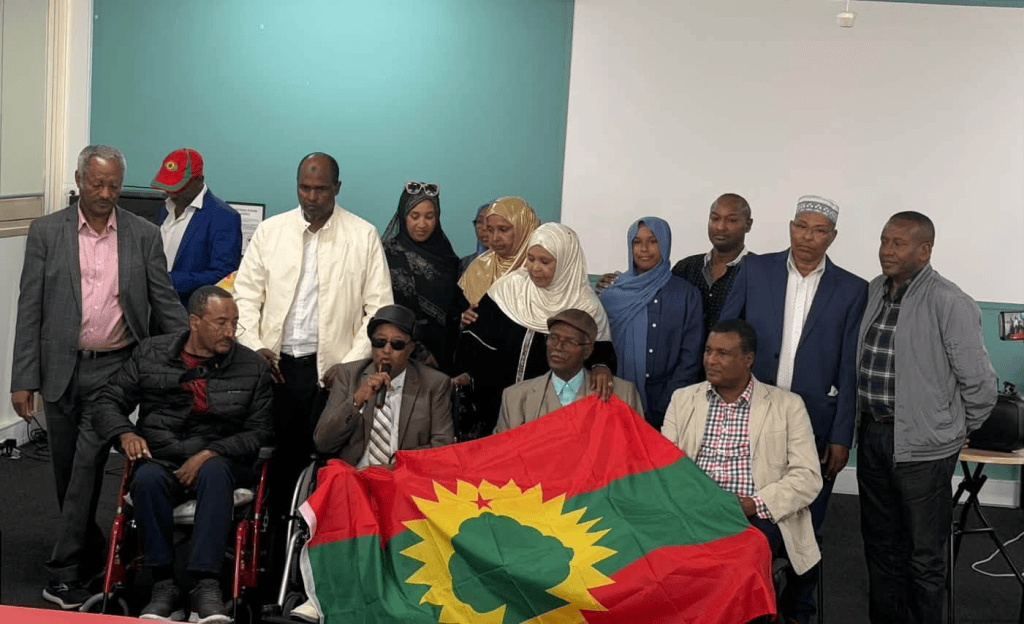
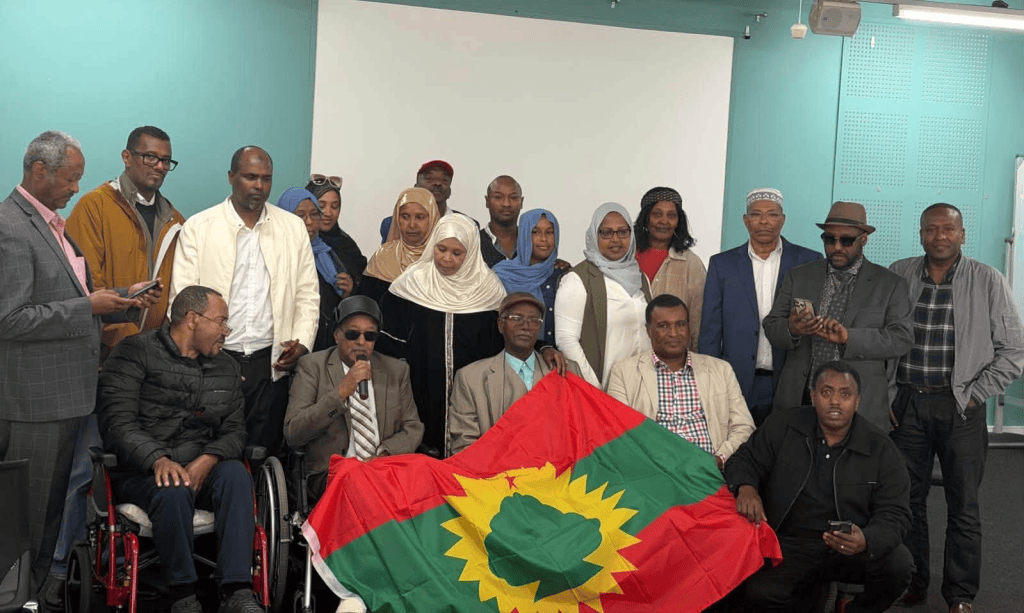
(MELBOURNE, Australia — 8 November 2026) The Oromo community in Melbourne today held a historic ceremony to honor four distinguished Oromo individuals, awarding them certificates of recognition and appreciation, along with the sacred Gaabbii Oromoo (Oromo national emblem), for their lifetime contributions to Oromummaa and the Oromo struggle. The event, held this afternoon at the Ross House community center, named Ob Bultum Biyyoo, Artist Shantam Shubbisaa, Artist Afandi Siyyoo, and Ob Alemayehu Qubee as Oromo Heroes of 2026.
Certificates Prepared in the United States
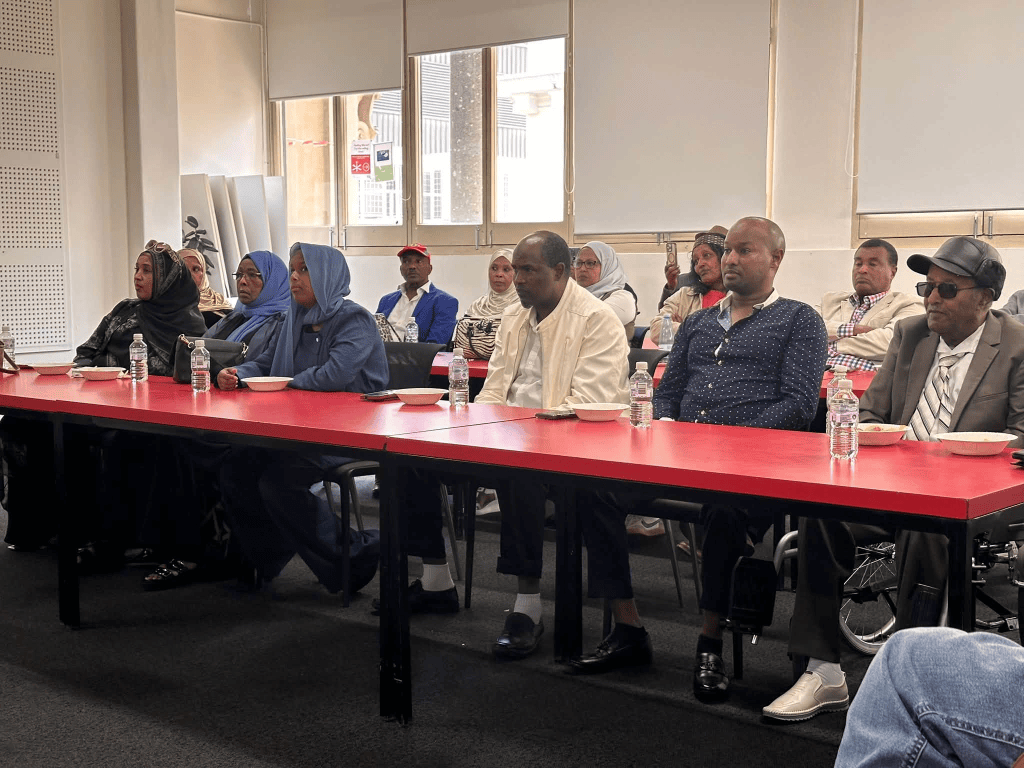
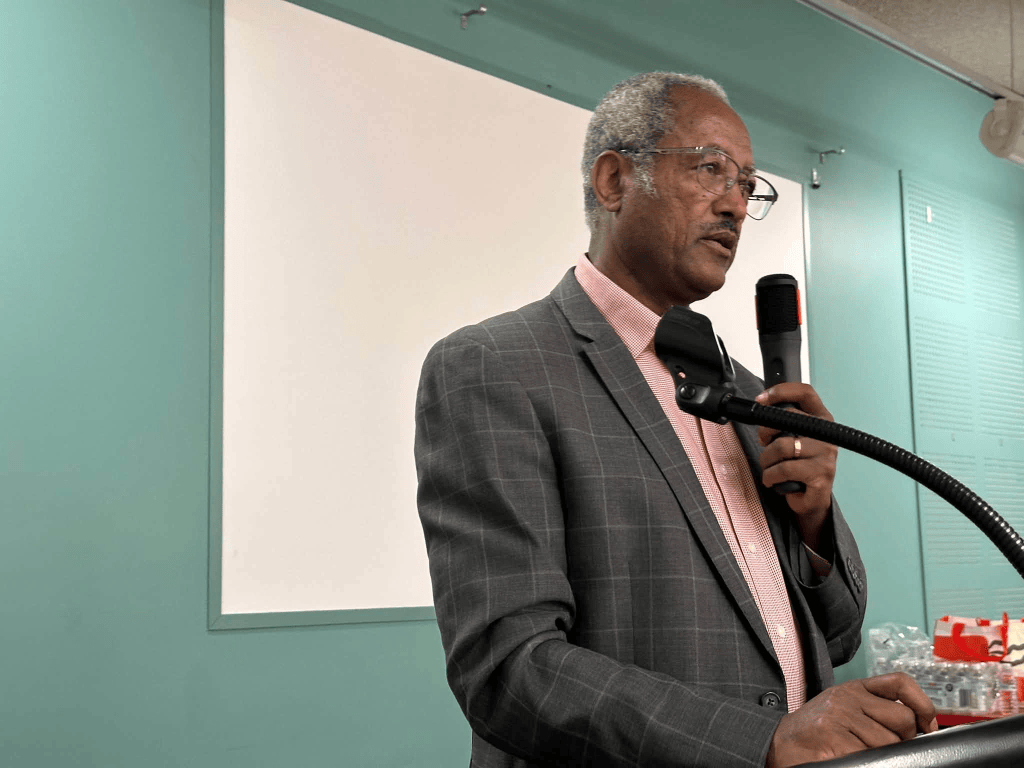
According to statements made at the ceremony, the recognition certificates were prepared in the United States and dispatched through the Oromo Community in Melbourne (OCM) for presentation to the four honorees. Ob Bantii Oliqaa, Chairman of OCM, confirmed that the certificates were organized through the global Oromo diaspora network and delivered to Melbourne for the special presentation.
Honoring a Lifetime of Service
The four individuals honored today were selected for their exceptional contributions across different fields—from armed struggle to art, music, and education. Each has dedicated their life to the cause of Oromo freedom, dignity, and cultural revival.
Ob Bultum Biyyoo was recognized for his leadership and participation in the Oromo struggle. As a prominent figure in the resistance, Ob Bultum played a significant role in advancing the cause of Oromo liberation, demonstrating unwavering commitment to the freedom of his people. His leadership and sacrifice were highlighted as an inspiration to the younger generation.
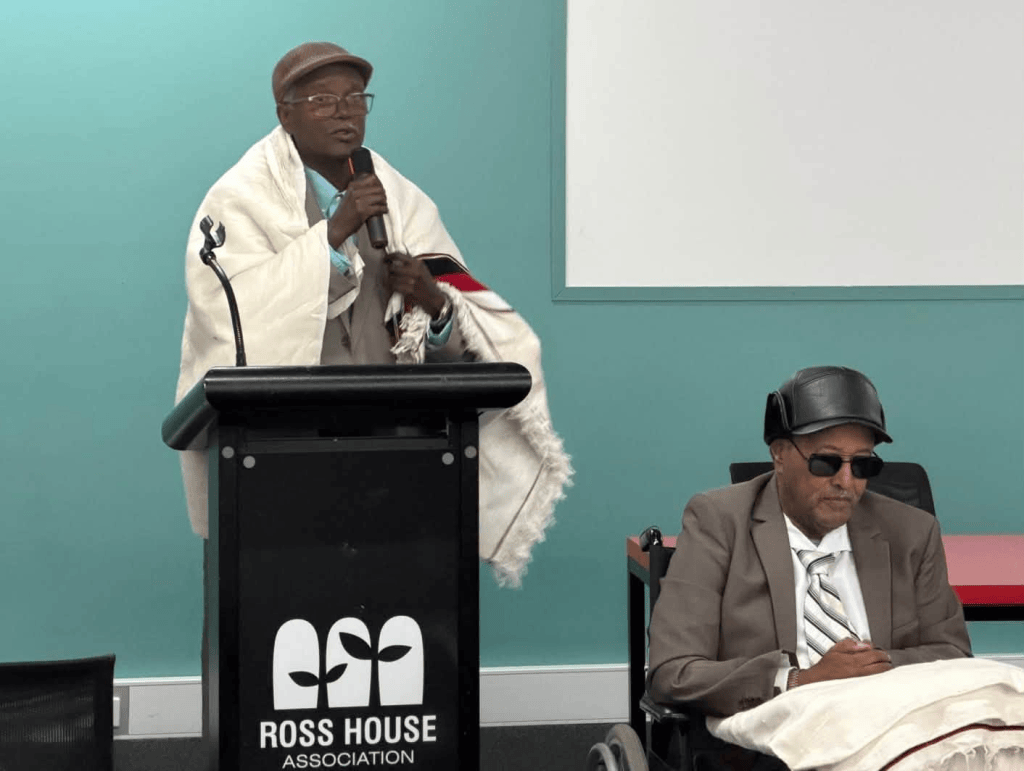
Artist Shantam Shubbisaa and Artist Afandi Siyyoo were honored for their immense contributions through art and music. Both artists have used their creative talents to amplify the voice of the Oromo struggle, composing and performing songs that have inspired millions and kept the spirit of resistance alive. Their music has served as a powerful tool for raising awareness about Oromo rights and celebrating Oromo identity and culture. The ceremony recognized that art and music are not merely entertainment, but vital instruments in the struggle for freedom and justice.
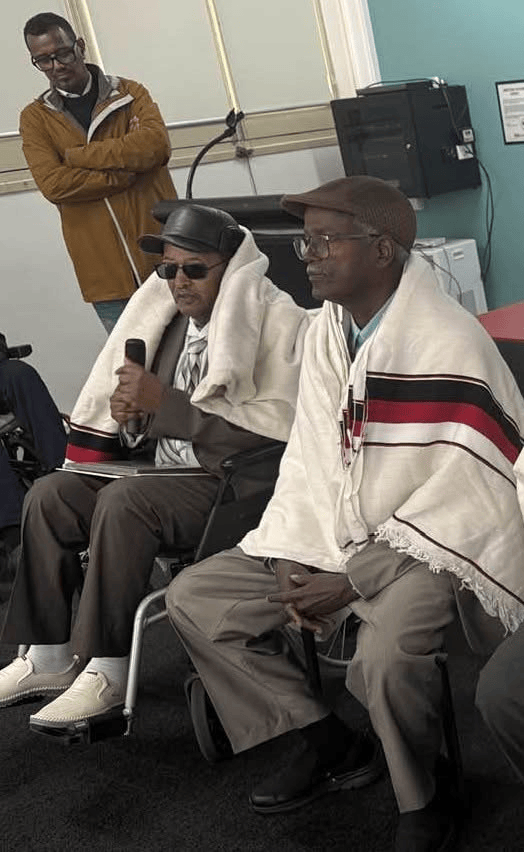
Ob Alemayehu Qubee was celebrated for his pioneering work in education and community building. His dedication to teaching Qubee Afaan Oromoo—the Latin-based script adopted for the Oromo language—has empowered countless individuals to read and write in their mother tongue. By building and organizing communities, Ob Alemayehu has strengthened the social fabric of the Oromo diaspora and contributed significantly to the advancement of the Oromo cause. Education, the ceremony noted, is the foundation upon which lasting liberation is built.
A Historic Presentation by OLF Executive Leader
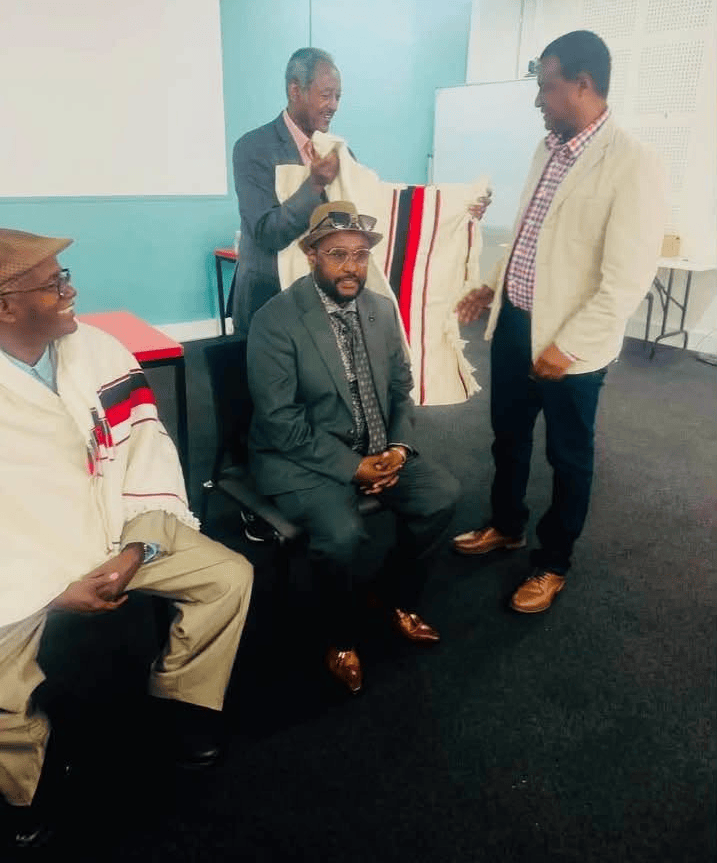
In a particularly poignant moment, the certificates of recognition were presented by Jaal Gaashuu Lammeessaa, member of executive leader of the Oromo Liberation Front (OLF). His presence at the ceremony added deep historical significance to the event, symbolizing the continuity of the Oromo struggle across generations.
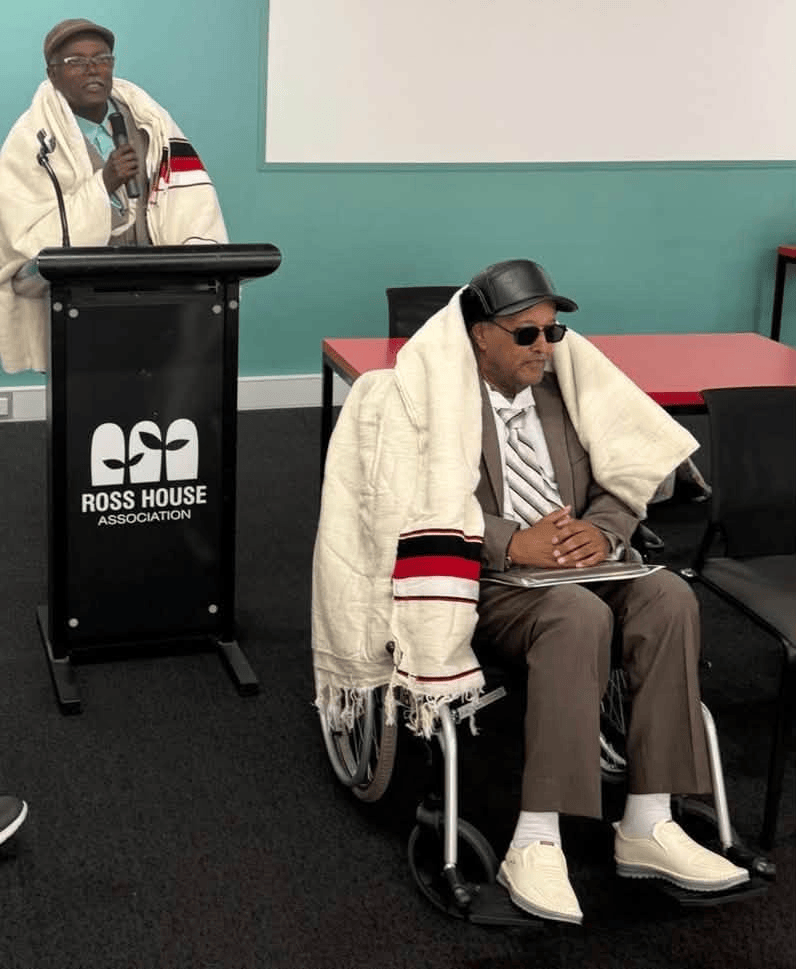
Jaal Gaashuu Lammeessaa, who himself dedicated his life to the cause of Oromo liberation, personally handed the certificates and the Gaabbii Oromoo to the honorees. In his remarks, he praised the recipients for their lifetime dedication and urged them to continue their invaluable work. He further called upon the younger generation to draw inspiration from these heroes and to carry forward the torch of Oromummaa with pride and determination.
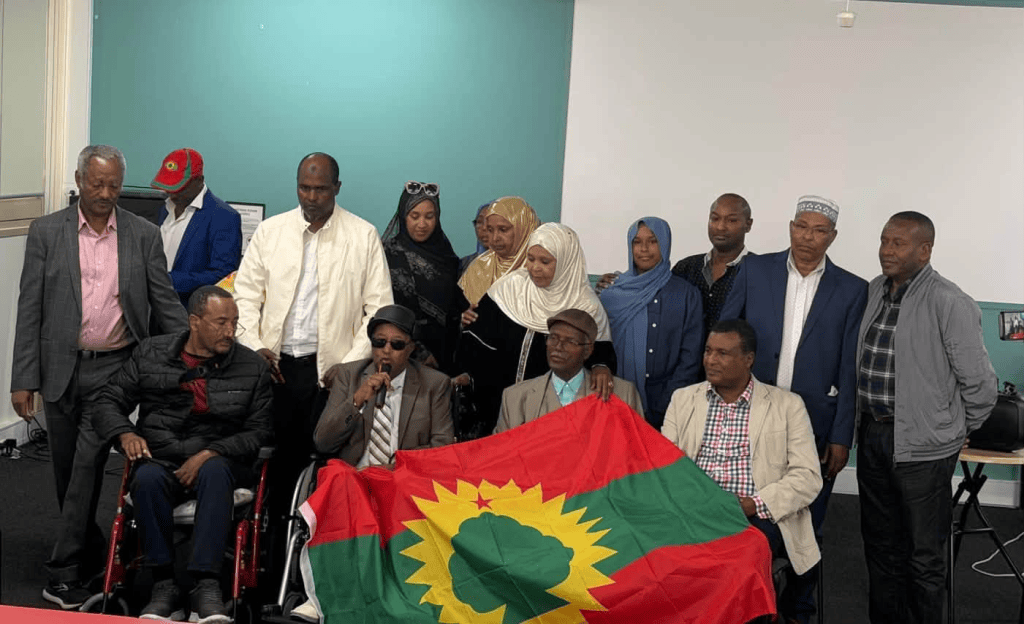
The honorees, in turn, expressed their gratitude and reaffirmed their commitment to the Oromo cause. They thanked the organizers and the community for the recognition, stating that the honor belongs not only to them but to all Oromo people who continue to struggle for freedom, justice, and dignity.
A Global Diaspora United
The event underscored the unity and coordination of the global Oromo diaspora. The fact that certificates prepared in the United States were presented in Melbourne—by a veteran OLF leader—demonstrates the interconnectedness of Oromo communities worldwide. From North America to Australia, Oromo people remain united in their commitment to honoring their heroes and advancing their shared cause.
Community members who attended the ceremony expressed pride in the honorees and gratitude for their sacrifices. The event was described as a moment of collective celebration and reflection on the journey of the Oromo people—a journey marked by struggle, resilience, and unwavering hope.
A Call to Continue the Legacy
As the certificates were presented and the Gaabbii Oromoo unveiled, the message was clear: the contributions of these four individuals must not be forgotten, and their legacy must inspire future generations. The Melbourne Oromo community reaffirmed its commitment to supporting the Oromo struggle in all its forms—whether through armed resistance, artistic expression, education, or community organizing.
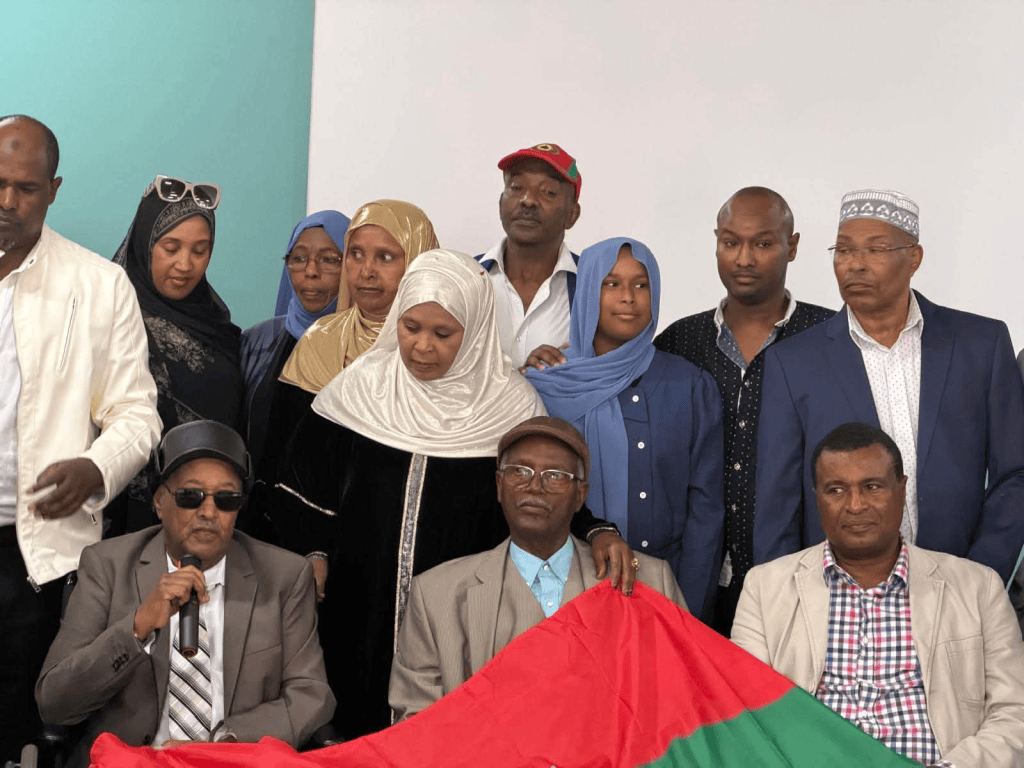
The recognition of Ob Bultum Biyyoo, Artist Shantam Shubbisaa, Artist Afandi Siyyoo, and Ob Alemayehu Qubee as Oromo Heroes of 2026 serves as a reminder that heroism takes many forms. Whether on the battlefield, on stage, in the recording studio, or in the classroom, every contribution to the Oromo cause matters.
Baga guyyaa Yuubota Oromoo nagaan geessan!

The Gadaa System: A Living Democratic Heritage of the Oromo People
By Bona Oromia
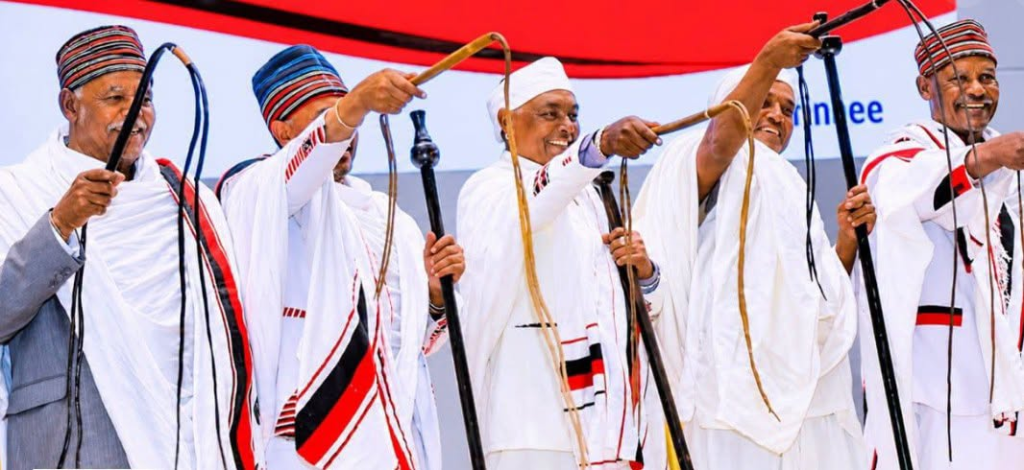
FINFINNE — Ten years ago, on November 21, 2009, the Oromo Gadaa system was inscribed by UNESCO as Intangible Cultural Heritage. A decade later, the Gadaa system remains not merely a historical relic but a living, functioning democratic order that continues to regulate the political, economic, and social life of the Oromo people. Drawing on materials from the Oromia Culture and Sport Bureau, this feature explores the principles, institutions, and enduring significance of one of Africa’s most sophisticated indigenous governance systems.
A Democratic System of Governance
Gadaa is the traditional system of governance through which the Oromo people have organized their political, economic, and social life for centuries. It is a democratic system in which all members of society participate on equal footing. The system organizes the Oromo people into five Gadaa groups, without dividing them by clan or class, and each group governs in rotation for a period of eight years.
Gadaa is not limited to a single dimension of life. It encompasses all aspects of Oromo existence and provides guidance in every direction. As the source material emphasizes, “Gadaa is not merely a celebration or a feast. Within Gadaa, there are cultural institutions such as Guddifachaa (adoption), Gumaa (compensation), Araara (reconciliation), Meedhacha (mediation), Raakoo (assembly), Waaqeffannaa (traditional worship), Irreecha (thanksgiving festival), Siiqqee (women’s institution), Marabbaa (council), and many others.”
The Role of Women in Gadaa
In the Oromo Gadaa system, women hold an elevated and respected position. The dignity of women is an undeniable truth within the system. The major institutions associated with women under Gadaa include:
Qanafaa — a symbol of honor that Oromo women, particularly among the Arsii, wear on their heads during childbirth. The Qanafaa is tied with fresh grass, grain flowers, and butter.
Siiqqee — a straight staff made from the Harooressa tree, which a mother gives with honor to her daughter upon marriage, along with a Barree Itittuu and Buqqee (Hodhaa). The Siiqqee is the instrument through which Oromo women assert and protect their rights.
Ateetee — a system with its own rules and procedures, practiced by Oromo women, connected to spirituality. It is the cultural institution through which women honor their rights and pray to and through the Creator (Waaqayyo).
The Qeerroo and the Gadaa System
The term Qeerroo refers to a young man who has not yet married. In the Gadaa system, young men in the Kuusaa (Foollee) and Raabaa grades are considered Qeerroo. In the Gadaa system, young men in these grades do not marry; marriage is permitted when they reach the Doorii grade.
In the construction of Oromo military power, the special force trained for high military duty is known as Qeerroo or Buttuu. This force is selected from the Foollee (Kuusaa) grade and takes shape in the Raabaa grade.
In the Gadaa system, the military or defense force of the country is known as Raayyaa. The Oromo Raayyaa is composed of three types of soldiers: the Cavalry Force (Humna Waraana Fardaa), the Infantry Force (Humna Waraana Lafoo), and the Special Force (Humna Addaa). The Special Force, trained and organized for special missions, is known as Buttuu in some places and Qeerroo in others. The meaning is strong, decisive, fast, and unyielding—symbolizing determination.
Qaalluu and Ayyaantuu
In the Gadaa system, the Qaalluu is the leading religious institution, and below it are smaller religious leadership structures known as Waayyuu and Ayyaantuu. The Qaalluu institution is led by Abbaa Muudaa.
The Qaalluu exists among all Oromo groups, with the most senior being the Qaalluu of Warra Odituu. Others include the Qaalluu Beerree. Among the Gujii, the Qaalluu is Warra Odituu. The Odituu is known among the Maccaa, Tuulamaa, and Booranaa, while the Qaalluu of Warra Sapha is also known among the Tuulamaa. Among the institutions under the Qaalluu, Ayyaantuu is one, while Waayyuu is considered the backbone of the great Qaalluu. In some places, Waayyuu acts in place of the Qaalluu and leads the people.
A Living Heritage
The Gadaa system’s inscription by UNESCO a decade ago was a recognition of its global significance as a democratic heritage. But for the Oromo people, Gadaa is not a museum piece. It is a living system that continues to shape governance, resolve disputes, transmit values, and bind the community together. Its principles—equality, rotation of power, accountability, and the participation of all—remain as relevant today as they have been for centuries.
As the Oromo people continue to navigate the challenges of the modern world, the Gadaa system offers a foundation rooted in their own history and traditions—a source of identity, resilience, and hope for the future.
Source: Barii (Gaazexaa Bariisaa), October 15, 2019; Oromia Culture and Sport Bureau; UNESCO Intangible Cultural Heritage.

Why Oromo Unity Remains a Constant Theme in the Oromo Freedom Struggle?
By Bona Oromia
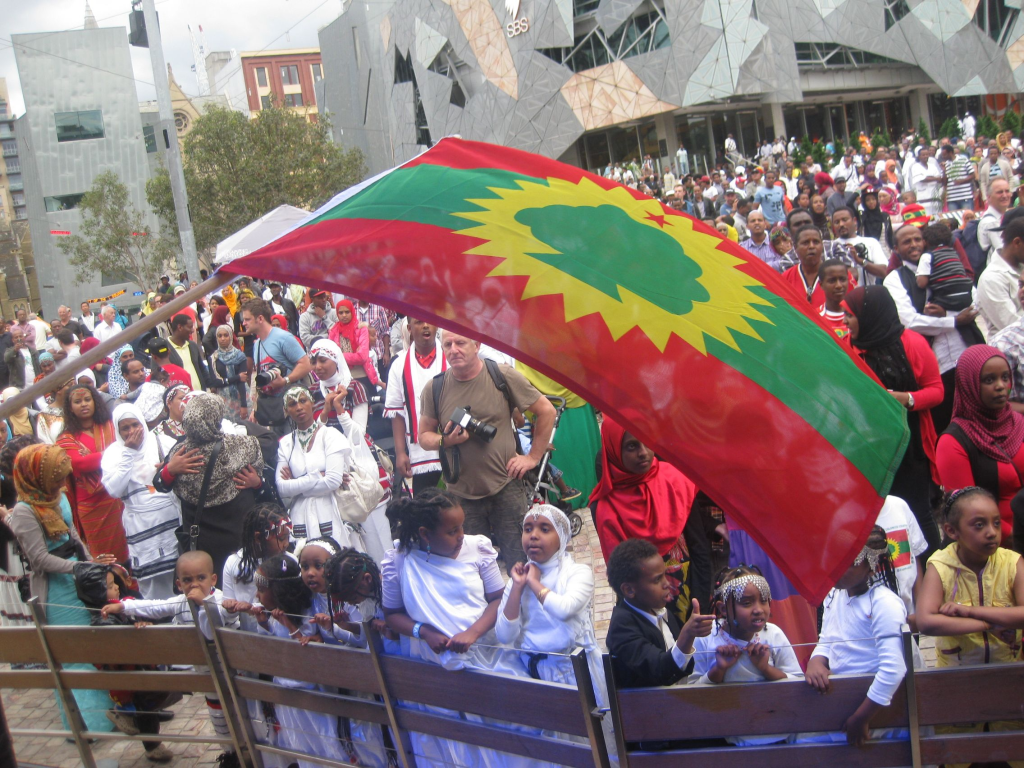
Across more than a century of the Oromo freedom struggle, “unity” (Tokkummaa) has remained an unavoidable core theme. It serves both as a profound diagnosis of historical setbacks and as a fundamental precondition for the future. The Oromo people constitute the largest ethnic group in the Horn of Africa, yet they have long been politically marginalized. This paradox—a majority without power—makes unity not merely a moral appeal but a strategic necessity for survival and liberation.
The Official Diagnosis: Lack of Internal Unity as the Main Reason the Struggle Remains Unfinished
In October 2026, Ethiopian Prime Minister Abiy Ahmed, in an interview on Oromia Broadcasting Network, offered a rare systematic assessment of why the Oromo struggle has not achieved rapid victory. He categorized the Oromo people’s core demands into three pillars: economic (autonomy over land and resources), identity (preservation of culture, language, and moral values—Safuu), and democratic (self-governance based on Gadaa principles).
However, he explicitly stated that despite the struggle having lasted more than a century, it has not achieved its desired victory, and one of the primary reasons is a lack of internal unity. He explained that although the Oromo are geographically dispersed and share an identity, political conspiracies, religious divisions, and geographic boundaries formed by rivers and regional lines have prevented them from maintaining strong internal cohesion. This judgment from the highest level of government confirms, from another angle, the central place of the unity question in Oromo political discourse.
Historical Echoes: Unity Was the Starting Point of the Movement
The history of modern Oromo political mobilization is itself a history of the practice of unity. In 1963, three limited-scale Oromo self-help associations—Jibat and Macha, Metta Robii, and Tulama Shawa—merged to form the Macha-Tulama Self-Help Association. The significance of this merger went far beyond organizational integration: it “embraced all Oromo irrespective of religion and region,” and within just three years registered over two million members, becoming the symbol of the public rise of Oromo nationalism.
Although the association’s charter was framed around social services such as education, healthcare, and road construction, its core orientation was “Oromo national development.” As scholarly literature notes, its formation “laid the foundation for the centralized leadership of the Oromo liberation struggle.” In other words, the organizational form of unity—integrating scattered self-help groups into a unified national movement—was precisely the starting point of all subsequent political struggle. When the imperial government banned the association in 1967, it had already demonstrated the energy that unity could unleash.
Cultural Wisdom: Unity as a Defense Against Being “Consumed from Within”
In Oromo political discourse, the emphasis on unity also stems from a deep cultural vigilance. Academic research has analyzed metaphors in Oromo political speeches: How does a weak wolf defeat a strong elephant? The answer is “from inside the elephant’s belly.” This analogy is used to explain why Oromo unity is difficult for external enemies to shake, yet easily weakened by “a few Oromo politicians pursuing personal interests.”
This “self-centeredness” is seen as a corrosive agent of unity. Another set of metaphors in the speeches—the sickle and the saw—further illustrates this point: the curved blade of the sickle symbolizes politicians who take everything for themselves, while the straightness of the saw symbolizes fair sharing. These cultural expressions reveal a core understanding: the greatest threat to unity is often not external oppression itself, but internal division and self-interest. For this reason, the call for unity carries enduring urgency in Oromo political culture.
Contemporary Echoes: Religious Leaders Practicing Unity
The theme of unity has not remained confined to history or rhetoric. In September 2026, in Finfinnee (Addis Ababa), leaders of the three major faith pillars of Oromo society—Waaqeffannaa (traditional belief), Christianity, and Islam—gathered at a rare roundtable dialogue. Participants reached a series of consensus points, the most central of which was the commitment: “Yoo rakkoon jiraate waliin dhaabbannee hiikuu”—”If difficulty comes, we will stand together and solve it.”
Religious leaders also explicitly condemned “any act that uses religious identity to sow discord or harm the Oromo nation,” and pledged to use the Oromo language and culture as tools of unity rather than weapons of division. This event demonstrates that unity remains, in contemporary Oromo society, a practical goal that must be actively constructed and continually reaffirmed—not an accomplished fact to be taken for granted.
Conclusion
Oromo unity remains a constant theme in the freedom struggle because it simultaneously carries three functions: diagnostic—it explains why the Oromo people, despite their large population, have not achieved their political goals; historical—it was the organizational principle through which the modern Oromo national movement was born; and normative—it is seen as the fundamental safeguard against internal division and for consolidating collective strength. In Oromo political discourse, unity has never been a settled question, but a task that each generation must take up anew.

Gadaa System Revived in Shaggar: Nine Gadaa Leaders Inaugurated in Gafarsa Gujee District
By Dhabessa Wakjira
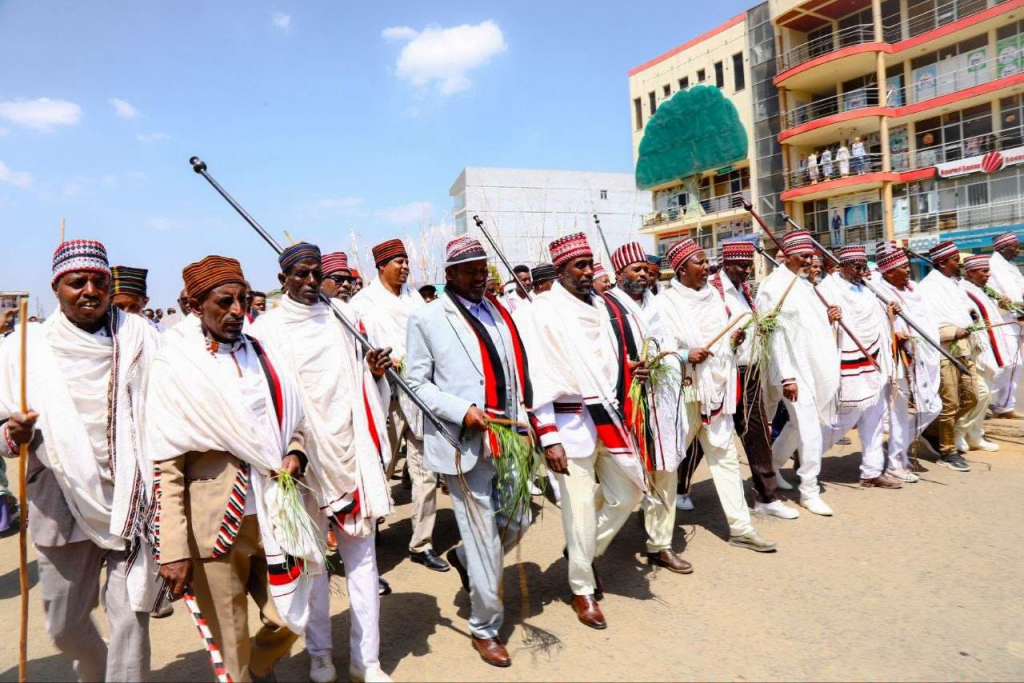
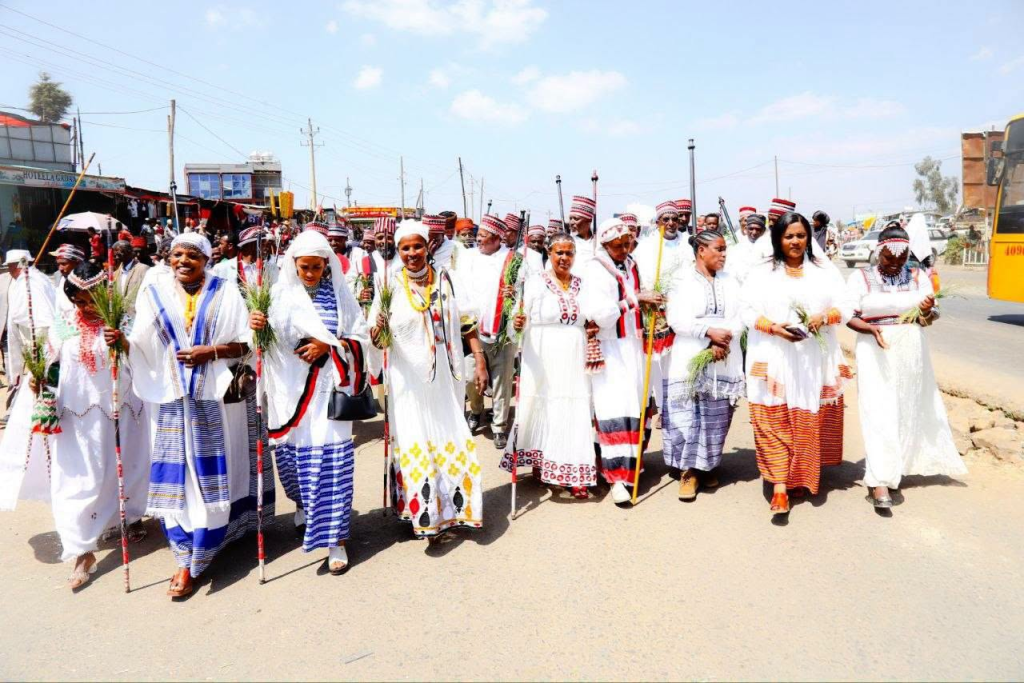
SHAGGAR, Oromia — In a ceremony rich with cultural significance and democratic symbolism, the Gadaa system has been formally revived in Gafarsa Gujee District of Shaggar City Administration, with nine Gadaa leaders (Abbootii Gadaa) inaugurated in a peaceful transfer of power that reaffirms one of Africa’s oldest democratic traditions.
A Democratic Heritage Reclaimed
The Gadaa system, described in the announcement as “a democratic governance system through which the Oromo people govern themselves and a foundation for modern democracy worldwide,” has been a central pillar of Oromo identity for centuries. The system regulates political, economic, and social life through a rotating leadership structure that ensures accountability, balance, and the peaceful transfer of power.
In Shaggar City Administration, efforts are underway to revitalize the cultural heritage and identity of the Oromo people, which had been systematically marginalized under previous administrative arrangements. The Tuulama Oromo community has been actively supporting the completion of the Gadaa power transfer through peaceful and orderly means, in accordance with the traditions of the system.
The Ceremony in Gafarsa Gujee
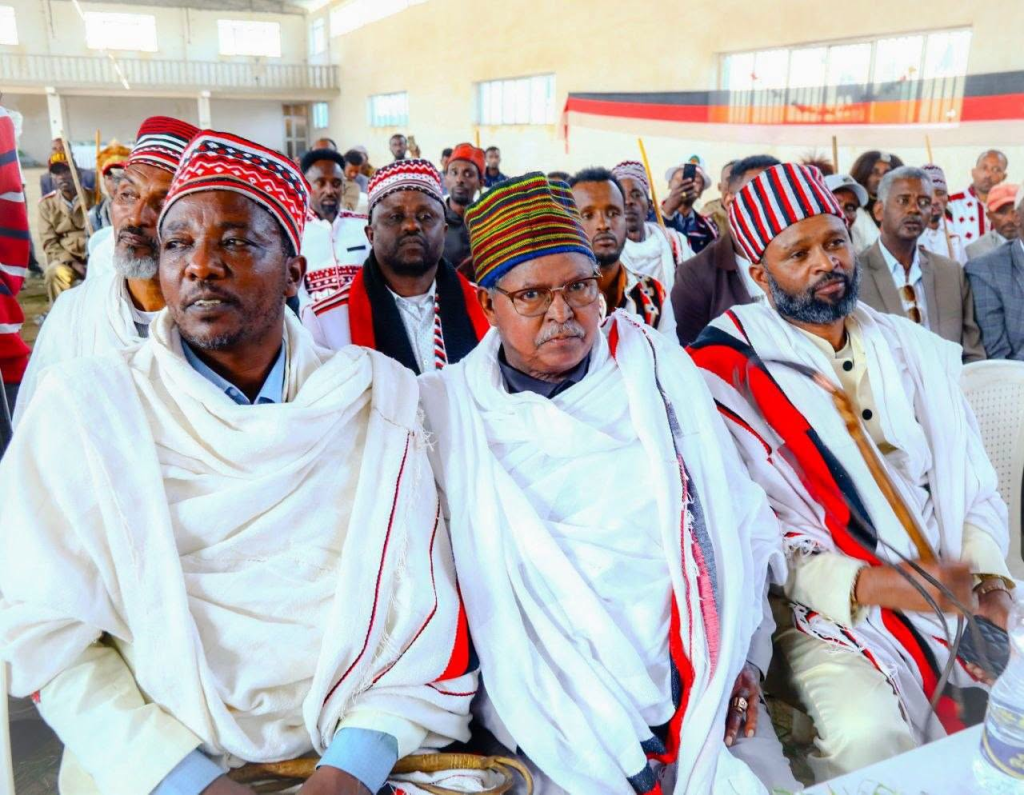
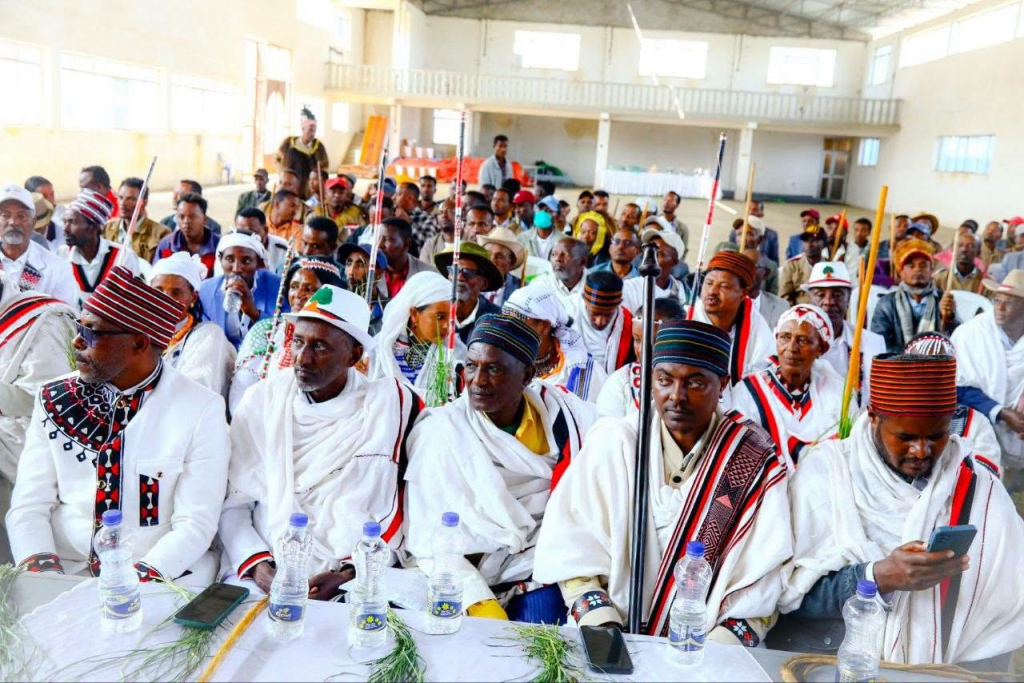
The inauguration ceremony, held in Gafarsa Gujee District, was attended by Gadaa leaders, Haadholii Siinqee (women elders), and members of the community. The Gadaa Muudanaa—the incoming Gadaa leadership—formally assumed power from the outgoing Gadaa Meelbaa, marking the completion of the transition cycle.
Abbaa Gadaa Tuulamaa Geetuu Taliilaa addressed the gathering, emphasizing that the Oromo people govern themselves through the Gadaa system by transferring authority peacefully and in accordance with tradition. The Gadaa Muudanaa leaders confirmed that they have assumed authority from Gadaa Meelbaa and are now organizing their structures.
The nine newly inaugurated Gadaa leaders were entrusted with the responsibility of preserving and strengthening Oromo culture and traditions during their term, and of passing this heritage on to future generations.
A Model of True Democracy
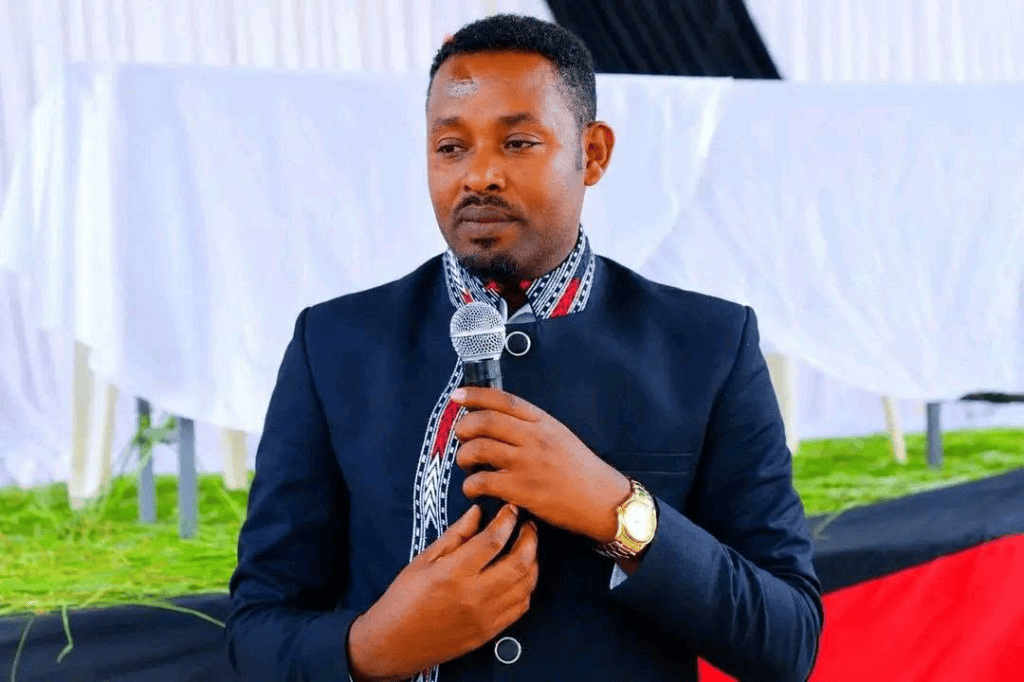
Injiinar Yirdaaw Nagaash, the administrator of Gafarsa Gujee District, praised the revival of the Gadaa system as a demonstration of the Oromo people’s commitment to genuine democracy based on social equality. He stated that the Oromo people governing themselves through Gadaa serves as a model for the world and a testament to the greatness of the Oromo nation.
The administrator also noted that the Oromia Regional Government has been working with a focus on cultural renewal and the promotion of Oromo culture and traditions. He called on various stakeholders to support efforts to elevate and showcase the culture and traditions of the Oromo people.
A Living Tradition
The revival of Gadaa in Shaggar is part of a broader movement across Oromia to reclaim and revitalize indigenous governance systems that were suppressed under centralized rule. The Gadaa system, inscribed by UNESCO as Intangible Cultural Heritage in 2016, is recognized globally as a sophisticated democratic framework that predates many modern democratic institutions.
The inauguration of nine Gadaa leaders in Gafarsa Gujee is not merely a ceremonial event. It is a statement that the Oromo people’s democratic traditions are alive, that their cultural identity is being restored, and that the peaceful transfer of power—the hallmark of true democracy—is being practiced according to the wisdom of their ancestors.
Source: ENA (Ethiopian News Agency), Shaggar City Administration Communications