Category Archives: Bokkkuu

Meeting the Abbaa Gadaa: A Portrait of Continuity and Change
By Daandii Ragabaa
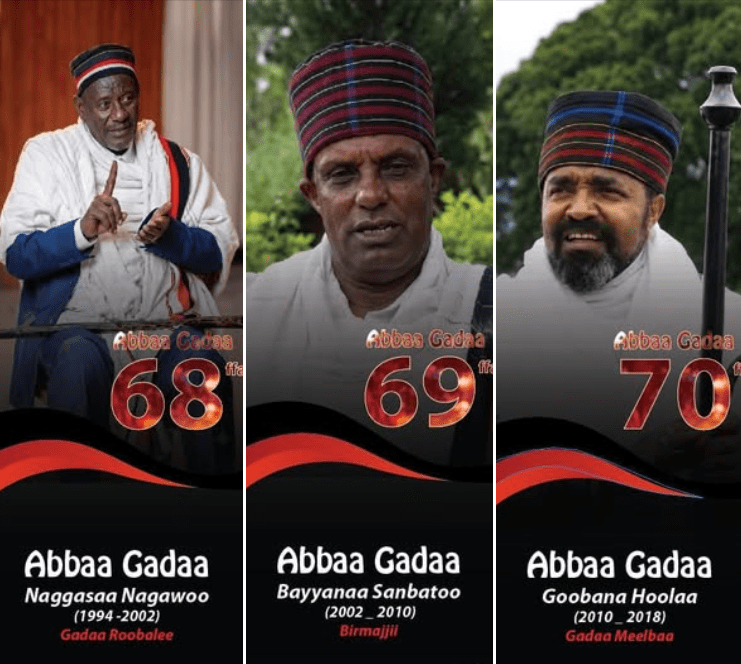
FINFINNE – They stand together in a single frame — three men, three generations of leadership, three keepers of a cycle that has turned for centuries. The photograph captures them shoulder to shoulder, not as rivals or predecessors, but as custodians of the same sacred trust.
On the left, Abbaa Gadaa Naggasaa Nagawoo of the Gadaa Roobalee. In the center, Abbaa Gadaa Bayyanaa Sanbatoo of the Gadaa Birmajii. On the right, Abbaa Gadaa Goobana Hoolaa of the Gadaa Meelbaa.
They are the 68th, 69th, and 70th Abbaa Gadaa of the Tuulama Oromo. Their photograph is not merely a portrait. It is a visual document of continuity, of peaceful transition, and of a democratic tradition that has endured for longer than most nations on earth.
The Gadaa Cycle: A Living Democracy
To understand the significance of this photograph, one must first understand the Gadaa system itself. Recognized by UNESCO as an Intangible Cultural Heritage of Humanity, the Gadaa system is an indigenous governance framework that has regulated the political, social, economic, and ritual life of the Oromo people for generations.
Every eight years, power cycles peacefully from one Gadaa grade to the next. The Abbaa Gadaa — the father or leader of the Gadaa — serves as the highest authority during his term, presiding over the Caffee assembly, mediating disputes, leading rituals, and ensuring that the laws of Seera and the moral code of Safuu are upheld.
At the end of eight years, he does not cling to power. He does not manipulate the constitution to extend his term. He does not imprison his opponents. He steps down. He hands the Baallii — the ceremonial baton symbolizing authority — to the next grade. And he becomes an elder advisor, watching as the cycle turns without him.
This photograph captures three such leaders at a rare moment of convergence: the 68th, the 69th, and the 70th Abbaa Gadaa of the Tuulama Oromo, standing together in a single frame.
Abbaa Gadaa Naggasaa Nagawoo – Gadaa Roobalee (68th)
Abbaa Gadaa Naggasaa Nagawoo led during the Gadaa Roobalee cycle. His tenure, like all Gadaa terms, lasted eight years — a period that coincided with significant challenges and transformations for the Tuulama Oromo.
Those who knew him speak of an Abbaa Gadaa who prioritized unity. The Tuulama, whose traditional territories encircle Finfinne (Addis Ababa), have long been at the crossroads of Ethiopian political life. Their proximity to the seat of imperial and state power brought both opportunities and vulnerabilities. Abbaa Gadaa Naggasaa worked to keep his people united in the face of pressures that sought to divide them.
His name, Nagawoo, carries echoes of Nagaa — peace, tranquility, well-being. It was not merely a name but a mission. During his term, he mediated disputes between clans, presided over Caffee assemblies that drew hundreds of participants, and ensured that the Gadaa calendar was observed with full ritual precision.
When his eight years concluded, he did what every Abbaa Gadaa before him had done: he stepped aside. He placed the Baallii into the hands of the next grade and became an advisor, watching as the cycle continued without him.
Abbaa Gadaa Bayyanaa Sanbatoo – Gadaa Birmajii (69th)
The baton passed to Abbaa Gadaa Bayyanaa Sanbatoo of the Gadaa Birmajii cycle. His term came at a moment when the Gadaa system itself was facing new pressures — modernization, urbanization, displacement, and the ongoing struggle for Oromo cultural and political rights.
Abbaa Gadaa Bayyanaa proved to be a steady hand. He understood that the Gadaa system could not survive if it remained frozen in the past. It had to adapt while preserving its core principles. Under his leadership, the Caffee assemblies began to incorporate new voices — including a greater role for women and youth, who had sometimes been marginalized in traditional structures.
He also worked to strengthen the connections between the Tuulama Gadaa and other Oromo communities — the Borana, the Gujii, the Karrayyuu, the Arsi, and others. The Gadaa system, he argued, was not the property of one clan or region. It was the heritage of all Oromo people, and it would survive only if it remained a living, breathing institution, not a museum piece.
When his term ended, he handed the Baallii to the next grade with the same grace with which he had received it. The cycle turned.
Abbaa Gadaa Goobana Hoolaa – Gadaa Meelbaa (70th)
Today, the Baallii rests in the hands of Abbaa Gadaa Goobana Hoolaa of the Gadaa Meelbaa cycle, the 70th Abbaa Gadaa of the Tuulama Oromo. He stands in the photograph as the current bearer of a tradition that stretches back centuries.
Abbaa Gadaa Goobana inherited a system that, despite its resilience, faces real challenges. Young people, educated in modern schools and absorbed by digital media, sometimes know less about Gadaa than their grandparents did. Migration to cities has scattered communities that once gathered regularly under Odaa trees. And the Ethiopian state, despite constitutional recognition of customary law, has not always made space for Gadaa institutions to operate freely.
Yet Abbaa Gadaa Goobana is not discouraged. He travels extensively, visiting Gadaa centers across Tuulama and beyond. He speaks to youth in language they understand, connecting the principles of Gadaa — consensus, term limits, accountability, community — to the democratic aspirations of the present generation. He works with scholars to document Gadaa laws and rituals. And he presides over Caffee assemblies where disputes are resolved not through courts and lawyers but through dialogue and consensus.
His photograph with his two predecessors is not just a formality. It is a statement. It says: The Gadaa lives. The cycle continues. The 68th handed to the 69th, who handed to the 70th. And when my time is done, I will hand to the 71st.
What the Photograph Captures
Look closely at the three men in the photograph. They are dressed differently — some in traditional Oromo attire, others in modern clothing. They stand at different angles. Their expressions vary — one smiling, one solemn, one in between.
But what unites them is visible to those who know what to look for. It is the quiet confidence of men who understand that they are not the center of the story. The Gadaa system is the center. They are merely its temporary servants.
The photograph captures:
- Continuity – Three leaders, one cycle. The 68th, 69th, and 70th Abbaa Gadaa standing together as living proof that the Gadaa system did not die with the past. It is alive, and it is here.
- Peaceful Transition – Unlike many political systems in Africa and beyond, where leaders cling to power until they are overthrown or die in office, the Gadaa system institutionalizes the transfer of authority. These three men did not fight each other. They did not imprison each other. They handed the baton and remained friends.
- Shared Purpose – Despite their different personalities and the different challenges they faced, all three share a common commitment: to preserve, protect, and promote the Gadaa system for future generations.
- Humanity – They are not icons on a pedestal. They are men — fathers, grandfathers, farmers, elders. They have known joy and sorrow, success and failure. And yet they carry a weight that few others can understand: the weight of a tradition that depends on them.
The Significance of the 68th, 69th, and 70th
Why does it matter that we can name the 68th, 69th, and 70th Abbaa Gadaa of the Tuulama Oromo? Why does it matter that we can see their faces, know their names, and trace the cycle through their terms?
It matters because indigenous systems are too often treated as timeless and unchanging — as if they exist outside of history. But the Gadaa system has a history. It has specific leaders who faced specific challenges at specific moments. The 68th Abbaa Gadaa was not the same as the 60th. The challenges of the Gadaa Birmajii cycle were not identical to those of the Gadaa Meelbaa cycle.
By naming these leaders and documenting their terms, we resist the temptation to treat Gadaa as folklore. We insist that it is real governance, with real leaders, real achievements, and real accountability.
The photograph of Abbaa Gadaa Naggasaa Nagawoo, Abbaa Gadaa Bayyanaa Sanbatoo, and Abbaa Gadaa Goobana Hoolaa — the 68th, 69th, and 70th — is a challenge to those who would dismiss indigenous systems as primitive. It says: Look. Here is democracy without elections. Here is accountability without constitutions. Here is term limits without term-limit debates. This is not primitive. This is sophisticated. This is Oromo.
The Future: The 71st and Beyond
As Abbaa Gadaa Goobana Hoolaa continues his term, preparations are already underway for the next transition. The Gadaa grade that will produce the 71st Abbaa Gadaa is already being trained. The young men who will one day lead are already learning the laws, the rituals, and the responsibilities.
The cycle does not stop. It cannot stop. Because the Gadaa system is not a building that can be destroyed. It is a river that flows. It can be diverted, blocked, or polluted — but it always finds a way back to its course.
When the 71st Abbaa Gadaa takes the Baallii, he will stand where Abbaa Gadaa Goobana now stands. And one day, perhaps, a photograph will be taken of the 70th, 71st, and 72nd standing together — a new generation of custodians, continuing the cycle.
A Final Reflection
The photograph of the 68th, 69th, and 70th Abbaa Gadaa of the Tuulama Oromo is a small image. It occupies a fraction of a page or a corner of a screen. But it contains a universe.
It contains the memory of centuries of Oromo self-governance. It contains the proof that democracy did not arrive in Ethiopia with the first multiparty election. It has been here all along, under Odaa trees, in Caffee assemblies, in the peaceful transfer of the Baallii from one hand to the next.
It contains a challenge to the present: Will we honor this legacy? Will we learn from it? Will we ensure that the 71st, 72nd, and 100th Abbaa Gadaa will have a system to lead?
And it contains a promise: As long as the Gadaa cycle turns, the Oromo people will remember who they are. They will remember that they had governance before colonization, democracy before occupation, and leaders who knew when to lead and when to step aside.
The 68th handed to the 69th. The 69th handed to the 70th. And when the time comes, the 70th will hand to the 71st. The cycle turns. The Gadaa lives. And the photograph remains.
*Daandii Ragabaa is a journalist based in Finfinne covering family stories, displacement, and the human dimensions of political history across Oromia and Ethiopia.
Captions for Reference:
| Position | Name | Gadaa Cycle | Order |
|---|---|---|---|
| Left | Abbaa Gadaa Naggasaa Nagawoo | Gadaa Roobalee | 68th |
| Center | Abbaa Gadaa Bayyanaa Sanbatoo | Gadaa Birmajii | 69th |
| Right | Abbaa Gadaa Goobana Hoolaa | Gadaa Meelbaa | 70th |

Pilgrimage of the Sadeen Tuulamaa: Honoring Oromo Heritage
By Daandii Ragabaa
Finfinne
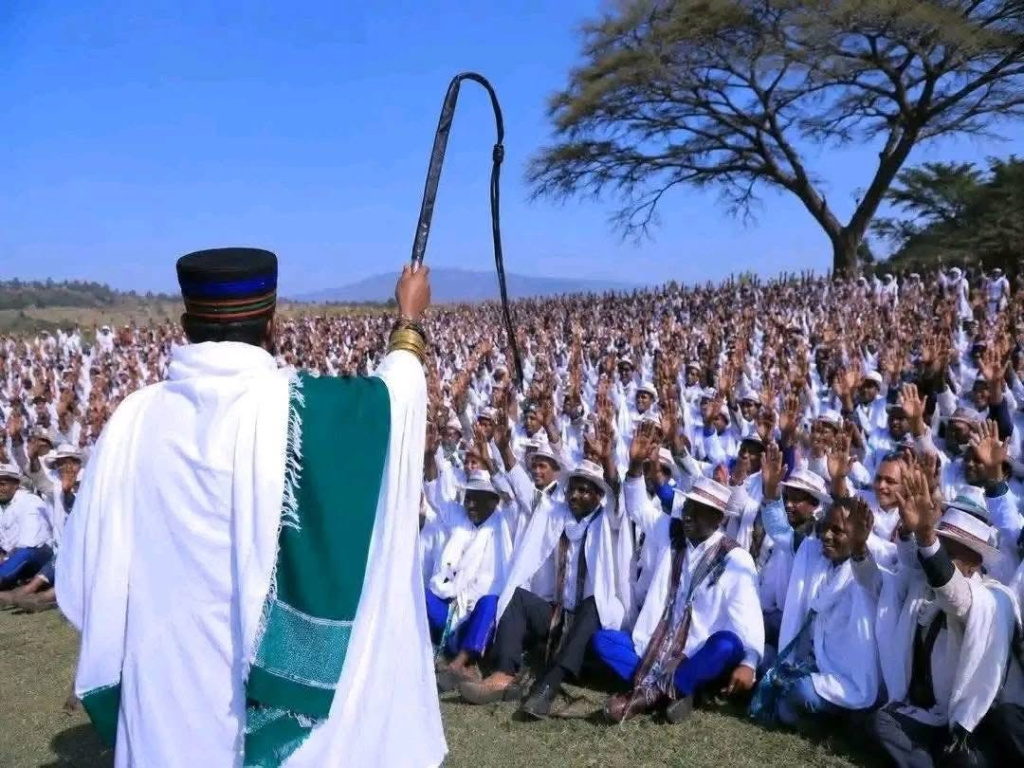
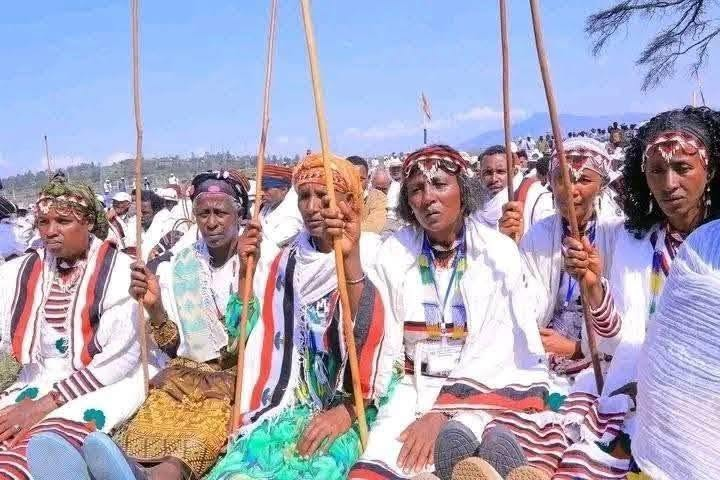
EAST SHEWA ZONE, DUGDA DISTRICT – Under the open sky, across rivers and valleys, through cold nights and burning sun, they walk. They are not tourists. They are not travelers seeking leisure. They are the bearers of a tradition older than most nations — the living embodiment of the Gadaa system.
Members of the Gadaa Meelbaa and Muudanaa Dhaka Koraatti grades have embarked on a pilgrimage to the Gafarsa Korma River. Their mission: to participate in the Wal Harkaa Fuudhiinsa Alangee — the ceremonial transfer of the Baallii (the ritual baton/symbol of office) — a sacred process that marks the continuation of Oromo democracy in its purest form.
Accompanied by blessings and songs that have echoed through generations, the procession moves with purpose. At the riverside, they perform irreecha (thanksgiving prayers), asking for safe passage, for successful completion of their journey, and for the endurance of the Gadaa system itself.
A Journey of Devotion
These are not men traveling on government expense. There are no pre-booked hotels, no catered meals, no paid leave. They walk on foot. They sleep under the stars or in makeshift shelters. They endure the heat of the day and the biting cold of the night. And they do so willingly — joyfully — because the Gadaa calls.
“Those who travel for money or comfort miss the point,” said an elder accompanying the group, his weathered face illuminated by the morning light. “We travel because the Gadaa demands it. We walk because our fathers walked. We endure because our ancestors endured. This is not a journey. This is a covenant.”
The group, known as the Tuulamni Sadeen (The Three Pillars), has gathered at the Ardaa Jilaa Dhaka Koraatti — a sacred site within the Galaan district of the Shaggar City Administration. Here, under the direction of the Oromia Culture and Tourism Bureau, the Baallii transfer ceremony is being prepared.
What is the Gadaa System?
For those unfamiliar, the Gadaa system is one of the most sophisticated indigenous governance structures ever developed by any civilization on earth. Recognized by UNESCO as an Intangible Cultural Heritage of Humanity, the Gadaa system is not merely a political framework — it is a complete way of life.
Every eight years, power cycles peacefully from one Gadaa grade to the next. There are no coups. There are no civil wars over succession. There are no life presidents. The system ensures that leaders serve their time and then step aside — voluntarily, ceremonially, and peacefully.
The Gadaa system encompasses:
- Political governance (Siyaasa) – How leaders are chosen, how decisions are made, and how power is transferred
- Economic management (Dinagdee) – How resources are distributed and how communities sustain themselves
- Social organization (Hawaasummaa) – How families, clans, and communities interact and resolve conflicts
- Cultural identity (Eenyummaa) – How language, history, and traditions are preserved and transmitted
- Moral code (Safuu) – How individuals relate to each other, to nature, and to the divine
The Baallii Transfer: Democracy in Action
The Wal Harkaa Fuudhiinsa Baallii Gadaa — the formal transfer of the Baallii (often described as a ritual baton, sceptre, or symbol of office) — is the climax of the Gadaa cycle. It represents the peaceful transition of authority from one generation to the next.
The current ceremony, involving the Tuulamni Sadeen (the Three Pillars) at the Ardaa Jilaa Dhaka Koraatti site, follows a tradition that has continued uninterrupted for centuries. The pilgrimage began in the early days of the month of Waxabajjii (roughly corresponding to June/July), with participants traveling from various directions to converge at the sacred site.
“The Baallii is not just a stick,” explained one elder who wished to remain unnamed. “It is the weight of our ancestors. It is the hope of our children. It is the promise that power will not corrupt, because power will not stay. When I hand the Baallii to the next grade, I am not losing anything. I am completing something.”
A Living Heritage
Unlike many ancient traditions that exist only in museums or history books, the Gadaa system remains fully operational among Oromo communities across Ethiopia and beyond. From Borana to Gujii, from Karrayyuu to Arsi, from Wallaga to Hararge — the Gadaa lives.
During the past eight years — the full term of the current Gadaa grade — observers have witnessed the system in action. They have seen disputes resolved not in courts but under Odaa trees. They have seen resources managed not by bureaucrats but by community consensus. They have seen leaders rise, serve, and prepare to step down.
“The Gadaa system is not a relic,” said a cultural officer with the Oromia Culture and Tourism Bureau. “It is a functioning alternative to the top-down governance models that have failed so many societies. The world has much to learn from what the Oromo have practiced for centuries.”
Lessons for Today’s Generation
As the pilgrims continue their journey, they carry with them the words of their teachers. One such teacher is Dagalee Abdiisaa Haamoo Galmoo, an Abbaa Gadaa (Gadaa father/leader), who offers a proverb that captures the essence of the system:
“Wanti ofii ni barra yoo jedhan nama dararti; barre yoo jedhan nama harkaa bararti; ni dhiisa yoo jedhanis nama mararti.”
Translation: “If they say ‘our thing is written,’ you will read it. If they say ‘our thing is drawn,’ you will trace it with your hand. If they say ‘our thing is left behind,’ you will wrap it up and carry it.”
The meaning is clear: Tradition is not something to be observed from a distance. It is something to be learned, to be touched, to be carried. It is not static. It is not decorative. It is alive — and it requires living hands to keep it so.
The Gathering of the Waters
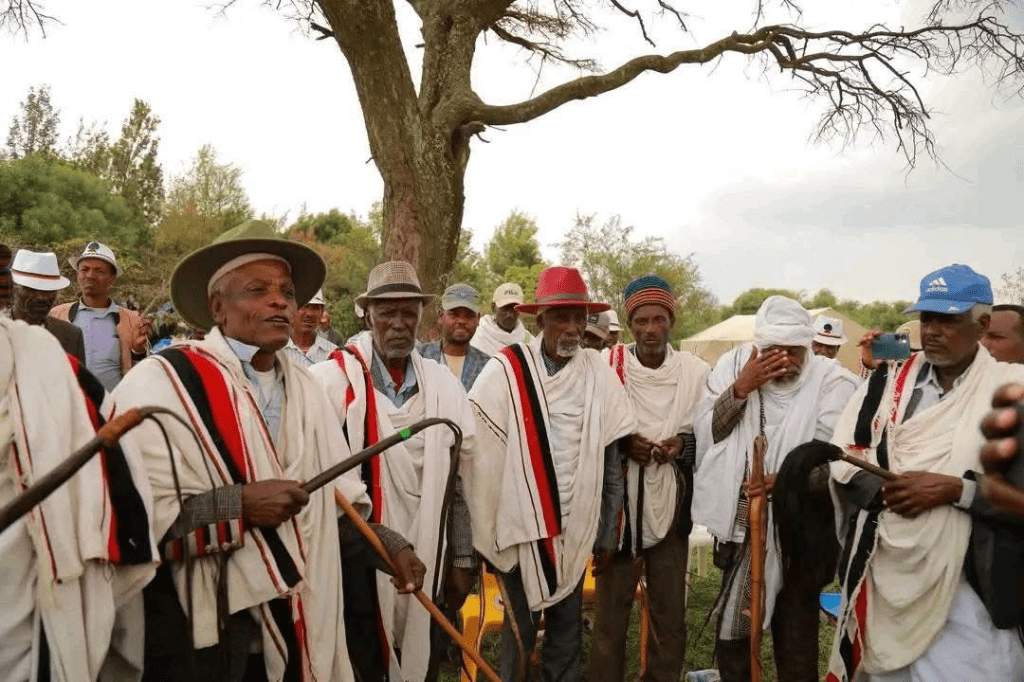
One elder, recalling the words of Haajii Roobalee Hulufee, offered another powerful image:
“Laggeen xixiqqaan walitti yaa’uun laga guddaa uumu.”
“Small streams that come together create a great river.”
The Tuulamni Sadeen — the Three Pillars — represent such a coming together. Different streams of the Gadaa tradition, from different regions and different clans, flowing into one great river. The Borana stream. The Gujii stream. The Karrayyuu stream. The Arsi stream. All of them converging at Dhaka Koraatti to perform the same ceremony, to honor the same ancestors, to ensure the same future.
A Message to the World
As the pilgrims rest by the Gafarsa Korma River, their songs echoing across the water, they send a message beyond Ethiopia’s borders. It is a message carried in the hashtags that accompany their posts: #oromoculture, #gada, #UNESCO.
The message is simple but profound:
“Falli Oromoo Gadaa qofa. Gadaatti deebinee sanaaf wal taliignan hunduu mishoomaa fi damboobina callaa himanna. Gadaatu Fala!”
“The solution for Oromo is only the Gadaa. Returning to the Gadaa, all of us who unite for it will overcome scarcity and the darkness of silence. Gadaa is the cure!”
These are not the words of radicals or separatists. They are the words of elders, of pilgrims, of men and women who believe that the best path forward is sometimes the path that goes backward — back to the Odaa tree, back to the Caffee assembly, back to the wisdom of ancestors who solved problems of governance without prisons, without armies, and without endless political campaigns.
What We Have Seen
Standing at the Ardaa Jilaa Dhaka Koraatti, watching the Tuulamni Sadeen prepare for the Baallii transfer, one cannot help but feel a sense of awe. This is not a performance for tourists. There are no souvenirs. There are no ticket booths. There are only men and women — old and young — moving with a sense of sacred purpose.
They have walked far. They have slept on the ground. They have crossed rivers and climbed hills. They have sung until their voices grew hoarse and prayed until their knees grew sore. And they smile. Not the smile of exhaustion, but the smile of fulfillment.
“We are doing what our fathers did,” said a young participant, barely old enough to be initiated into the lower Gadaa grades. “And one day, my children will do what I am doing. That is not repetition. That is continuity. That is immortality.”
The Road Ahead
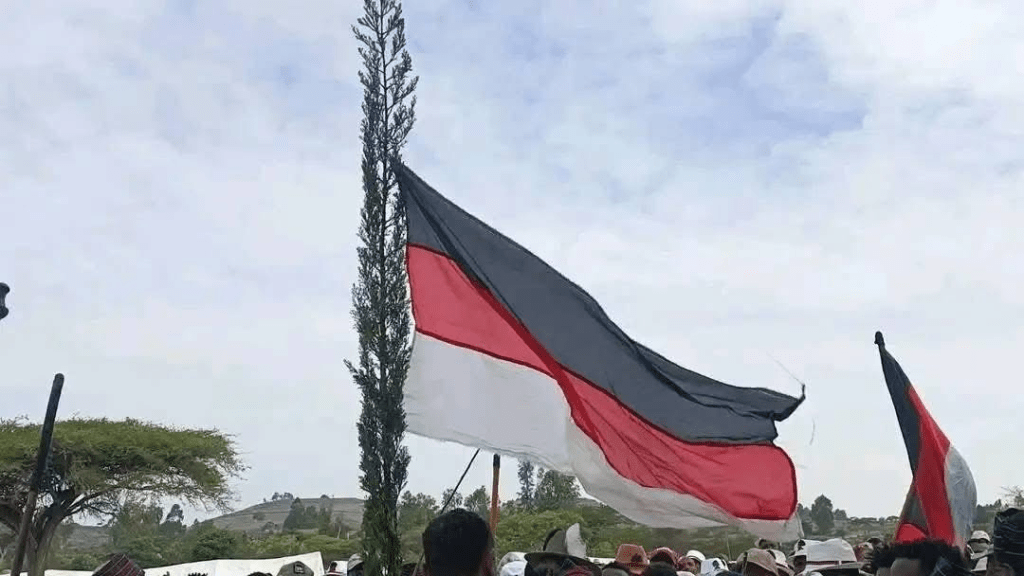
The Baallii transfer ceremony continues. The pilgrims will complete their journey. The ritual baton will pass from one set of hands to the next. And the Gadaa cycle — which has turned for centuries, which survived emperors and colonizers and dictators — will turn again.
For the Oromo people, the Gadaa system is not a museum piece. It is not a cultural festival staged for outsiders. It is governance. It is community. It is identity. It is a living, breathing democracy that has never needed a constitution because it carries its laws in its memory and its values in its heart.
As the sun sets over the Gafarsa Korma River, the pilgrims gather one last time. They raise their hands in prayer. They ask for safe return. They ask for strength. They ask for the Gadaa to endure.
And somewhere, under an Odaa tree that has stood for generations, an elder whispers the words that have closed every Gadaa ceremony since time immemorial:
“Gadaatu Fala.”
Gadaa is the cure.
Daandii Ragabaa is a journalist based in Finfinne covering cultural heritage, indigenous governance systems, and social affairs across Oromia and Ethiopia. Reporting from East Shewa Zone, Dugda District, and the Ardaa Jilaa Dhaka Koraatti sacred site.

Unity Among Borana, Guji, and Gabra: A Call for Strength
By Staff Reporter
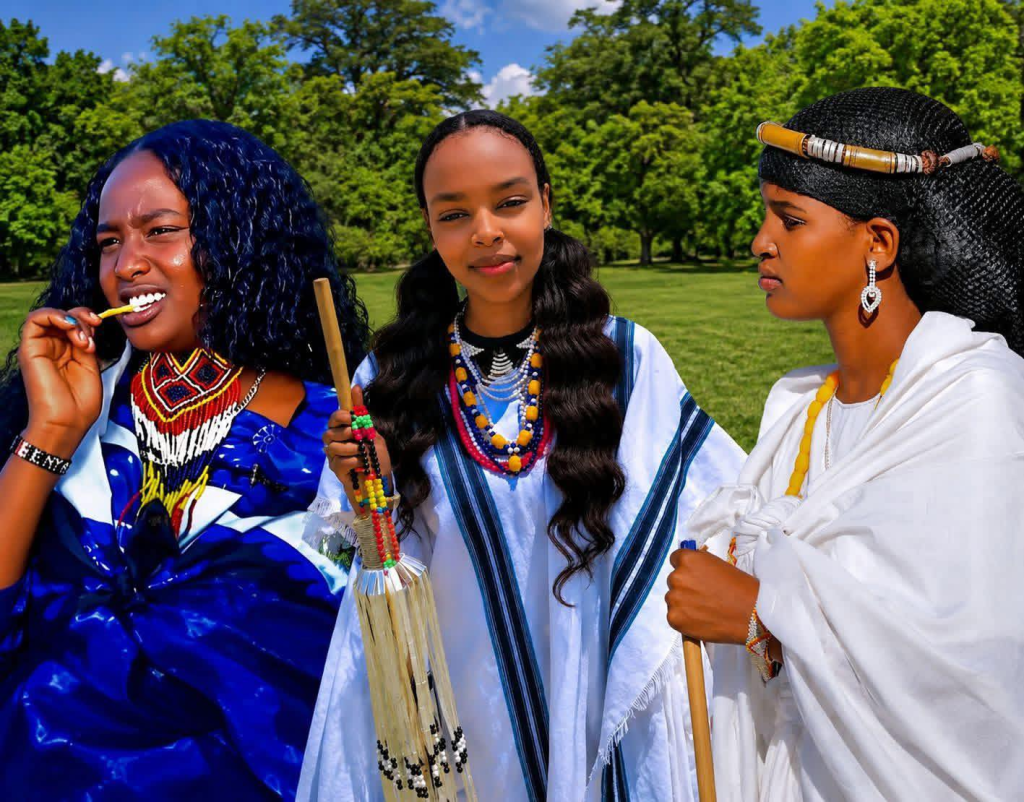
In the vast, sun-scorched lowlands of southern Oromia and northern Kenya, where pastoralists have roamed with their cattle for centuries, three names are spoken with reverence: Borana, Gabra, and Guji. They are not merely neighboring communities. They are, in the words of a powerful new message circulating among Oromo communities, “ilmaan haadha tokkoo”—children of one mother.
Now, as political tensions and fragmented narratives threaten to sow discord across the Horn of Africa, elders, youth, and community leaders from these three groups have raised a collective voice. Their message is simple, ancient, and urgent: We are one.
“Warri ajandaa dhunfaa barbaachaaf, fixxi-fixxi jechaa uummata wal irraa qoqqooduu yaaltaan dhaabbadhaa ofi ilalaa,” the statement reads. “Those who seek personal agendas, speaking in fragments and trying to divide the people, should look at themselves.”
The declaration leaves no room for ambiguity. Borana, Guji, and Gabra are not separate nations. They are siblings—”qorii tokko keessaa nyaatu,” those who eat from the same bowl. They share ancestry, language, culture, and a profound bond of kinship that predates modern maps and political borders.
A History of Harmony, Not Hatred
The message acknowledges that misunderstandings may arise from time to time, often rooted in the complex history of past kingdoms and shifting governance. But it insists that there is no innate enmity between these communities.
“Wantii yeroo adda addaatti mul’ataa ture seenaa fi adeemsa mootummootii darban irraa kan madde malee, ummatoota kana gidduutti hammeenyii dhalootaan jiru tokkoo hin jiru,” the statement explains.
Translation: Except for what occasionally appears from the history and processes of past governments, there is no generational hatred between these peoples.
In other words, the divisions some seek to exploit are not born of tradition or blood. They are artifacts of political maneuvering—and they can be undone by conscious, collective will.
Rejecting False Narratives
The statement takes particular aim at what it calls “kashalabbee miidiyaa sobaatiin”—the lies spread through dishonest media. It warns against those who, disguised in the name of the people, spread suspicion and hatred, whether from inside or outside the community.
“Namoonnii muraasnii faayidaa dhuunfaa isaaniif jechaa gosa walitti buusuuf wixxiratan ni jiru,” the message concedes. Yes, there are a few who conspire to pit clan against clan for personal gain.
But the children of Borana, Guji, and Gabra know the truth. “Harka wal qabannee tokkoomnee dura dhaabbanna; waan waliin dhabne irratti mari’anna, waan wal dhowwanne nuu hin qabnu.”
They will stand together, united hand in hand. They will discuss what they have lost together. They have nothing they need to deny each other.
Unity is Strength
The message closes with a call that echoes across the generations: “Tokkummaan keenya humna keenya.” Our unity is our strength.
Respect, listening, and mutual support are not foreign concepts—they are tradition. “Wal kabajuu, wal dhaga’uu fi wal tumsuun aadaa teenna.”
Borana, Guji, and Gabra, the statement affirms, have lived together, grown together, and stood for each other—yesterday, today, and tomorrow. They are Oromo. They are children of one mother.
Tokko taanee haa jiraannu; Tokkummaan humna!
Let us live as one. Unity is strength.
—

Revitalizing the Oromo System: A Modern Approach
By Daandii Ragabaa
Finfinne
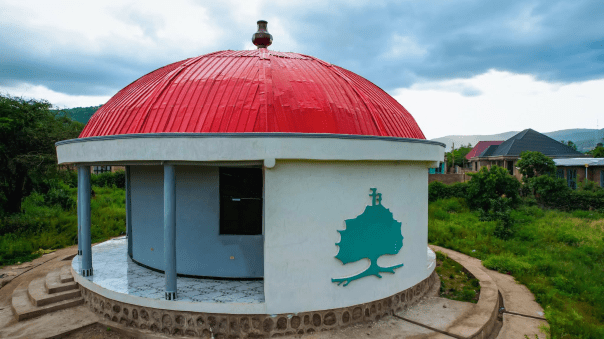
FINFINNE – There is a quiet conversation echoing across the highlands and lowlands of Oromia, spoken not in boardrooms but around hearth fires, under sycamore trees, and in the patient queues outside polling stations. It is a conversation about something ancient being made new again: Sirna Oromoo—the Oromo system.
For generations, the Gadaa system stood as one of Africa’s most sophisticated indigenous democracies, a cyclical governance framework that rotated power every eight years, long before the word “election” entered the colonial lexicon. But time, war, and the relentless press of modernity have frayed its fabric. Now, a quiet but determined movement is underway to do the unthinkable: to not merely preserve the Oromo system, but to revitalize it, rebuild it, strengthen it, and expand it for a new century.
“Revisiting our system is not about turning back the clock,” said a cultural elder who spoke on condition of anonymity, his voice carrying the weight of decades. “It is about remembering that we had answers before we were told we had none.”
Deebisanii Haaromsuu: Revitalizing the Roots
The first pillar of this vision is deebisanii haaromsuu—to revitalize. Across Oromia, from the bustling streets of Finfinne to the pastoral lands of Borana, young and old are gathering in Odaa trees, the sacred meeting places where consensus was once forged. But these are not nostalgia tours. They are resuscitation sessions.
Scholars at Odaa Bultum University have begun digitizing oral Gadaa laws that were never written down, afraid they would be lost to memory. Youth groups, once skeptical of what they called “grandfather’s politics,” are now undergoing training in Gadaa principles of conflict resolution. The language of Safuu—the moral-legal code that governs Oromo society—is being taught again in community schools.
“We are not archeologists,” said Hunde Fekadu, a 28-year-old community organizer in Jimma. “We are gardeners. We are pulling the weeds of neglect away from something that is still alive.”
Ijaaruu: Building the Scaffolding
Revitalization alone is hollow without structure. The second pillar—ijaaruu (building)—is perhaps the most ambitious. For decades, the Oromo system existed informally, a shadow government whispered about but rarely empowered. Now, community-led initiatives are constructing tangible institutions.
In Adama, a newly established Gadaa Center now mediates land disputes that formal courts have spent years failing to resolve. In Bale, a cooperative of farmers has adapted the Waaqeefannaa calendar—an indigenous timekeeping system based on lunar cycles—to coordinate planting seasons with climate resilience strategies.
“We are building bridges,” said Aynalem Tsegaye, a legal researcher focusing on customary law. “Not between the old and the new, but between the old and the now. The Sirna Oromoo never collapsed entirely. It bent. We are straightening it with new timber.”
Jabeessuu: Strengthening the Weave
A system rebuilt must also be fortified. Jabeessuu—strengthening—speaks to the internal work required to make the Oromo system durable against the forces that weakened it before.
This means confronting uncomfortable truths. The Gadaa system, for all its democratic brilliance, had gaps: the historical exclusion of certain clans, the uneven role of women in leadership, and the rigidity that sometimes accompanied tradition. Strengthening today means opening the Gadaa assembly to voices once left at the margins.
“We are not romantics,” said Fatuma Jara, a women’s rights advocate in Ambo. “Our ancestors built something remarkable, but they built it in their time. If we want this system to survive our time, women must sit at the Caffee [assembly] not as observers but as decision-makers. That is not breaking tradition. That is strengthening it.”
Pilot programs in three Gadaa “generation sets” have already integrated equal representation principles, with elders and youth councils sitting side by side.
Gabbisuu: Expanding the Vision
Finally, gabbisuu—to expand. This is the most forward-looking pillar, the one that dares to ask: Can the Oromo system offer something to the world?
Proponents argue yes. As Ethiopia and other African nations struggle with centralized, top-down governance models inherited from colonial powers, the Sirna Oromoo offers an alternative: power sharing, term limits (eight years, enforced by celestial cycles rather than constitutional amendments), and consensus-based decision-making.
“We are not asking to replace the modern state,” said a policy advisor close to cultural affairs in the Oromia regional government. “But why should our children learn only about Athenian democracy in school? Why not Gadaa? Why not Safuu? Expansion means taking our system out of the museum and putting it into the curriculum.”
Pilot expansions are already underway. In several districts, customary Oromo courts now operate alongside federal tribunals, with the blessing of both community elders and legal authorities. Cross-border initiatives with Oromo communities in Kenya’s Marsabit County are exploring how Gadaa principles can manage resource conflicts over water and grazing land—conflicts that modern borders have only worsened.
The Road Ahead
To witness these four movements in action—revitalizing, building, strengthening, expanding—is to watch a people refuse to let their civilizational inheritance dissolve. It is not without tension. Skeptics worry about romanticizing the past or creating parallel systems that clash with federal law. Traditionalists worry about diluting sacred customs. Modernists worry it is all nostalgia dressed in policy clothing.
But on a recent afternoon in Finfinne, inside a modest cultural center, a scene unfolded that offered a different kind of answer. An elder—his hair white with Gadaa grades—sat teaching a teenager how to recite the seera (laws) from memory. Beside them, a young woman typed the same laws into a laptop, translating them into three languages.
“See?” the elder said, noticing a visitor’s gaze. “The Sirna Oromoo is not dead. It is just changing clothes.”
Daandii Ragabaa is a journalist based in Finfinne covering cultural, political, and social affairs across Oromia and Ethiopia.

Ethiopia’s Election: 143 Polling Stations Closed Amid Security Crisis
By Daandii Ragabaa
Finfinne
FINFINNE – The hopeful hum of a nation casting its ballots was silenced in 143 corners of Ethiopia today, their shuttered polling stations standing as stark monuments to the country’s persistent security fractures.
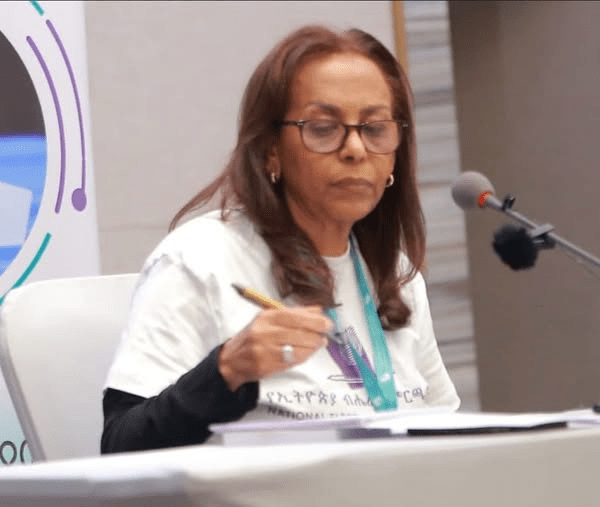
As voters lined up under a heavy sky in the capital, the chairperson of the National Election Board of Ethiopia (NEBE) delivered a sobering update from behind a lectern at the Skylight Hotel. “Security concerns,” Chairperson Melatwork Hailu explained, have forced the complete closure of 143 polling stations across the Amhara and Oromia regions. Their doors never opened.
But the tally of disenfranchisement does not end there. In a separate, more chaotic category, an undisclosed number of additional stations managed to open only to be violently silenced, forced to shut their doors early as the security situation on the ground deteriorated.
The electoral map is now pocked with dark spots. In the districts of Kersa, Kutaber, Gilolopa, and Gosache, voting began with the morning bell only to be interrupted by unseen threats. For the citizens there, the act of democracy was reduced to a waiting game—one that, by late afternoon, appeared lost. It remains unclear exactly how many voters will be unable to cast their ballots, their civic voices swallowed by regional instability.
Melatwork tried to offer a counterpoint of resilience amid the disorder. Of the more than 52,000 polling stations erected across the sprawling federal landscape, she noted, over 50,000 did open on time. Yet nearly 700 others suffered delays—not all from bullets or intimidation, but from the tangled knots of technology.
Across the country, long queues snaked around schoolyards and community halls, not just from enthusiasm but from frustration. Election officials pinned the sluggish pace on complications with the online voter registration data. In a nation still bridging the digital divide, the glitches led to hours of waiting, with fingers stained not by ink, but by restless anxiety.
The day, already heavy with political weight, took a tragic turn long before the polls closed. Melatwork disclosed that an election facilitator—one of the thousands of citizens who had volunteered to shepherd this democratic process—lost his life earlier today. He died not in a clash with security forces, nor at the hands of militia, but in a mundane yet devastating motorcycle accident in Enamorena Enayer, deep in the Gurage Zone.
He was, the chairperson noted quietly, simply trying to help.
As the sun sets on this seventh national election, the image that lingers is not of the ballots cast, but of the 143 doors that never opened—each one a silent referendum on whether, in parts of this country, peace can arrive before the next election day.
Daandii Ragabaa is a journalist based in Finfinne covering political and social affairs across Ethiopia.

The Calculus of Participation: Why Ethiopia’s ABO Party Joined the 7th Round Election – and Its Three Options Ahead

FINFINNE – At first glance, the decision seemed paradoxical. After boycotting multiple national elections over the past decade, the opposition ABO (a pseudonym for a major Oromo opposition party in this feature) suddenly threw its weight into Ethiopia’s 7th round national polls. Skeptics called it a climbdown. Loyalists called it strategy.
The party itself offered a blunt two-part explanation – one legal, one political – that has since become the subject of intense debate across opposition circles and government offices alike.
“We participated for two reasons,” a senior ABO strategist told this reporter on condition of anonymity because he is not authorized to speak to foreign media. “First, the Electoral Board’s own rules say that missing two consecutive national elections would de‑legalize us as a political entity. Second, we saw a gap: we need to mobilize the people, teach our policies and programs. Sitting out does not fill that gap.”
But the same strategist was quick to douse any expectation of an electoral upset. “Do not misunderstand us,” he added. “We do not think we will form the next government.”
—
The Two Reasons: Legal Survival and Public Education
The legal argument is straightforward. Ethiopia’s electoral law, as interpreted by the National Election Board of Ethiopia (NEBE), stipulates that political parties that fail to field candidates in two consecutive national elections may lose their legal registration. ABO had already sat out the 6th round. Another boycott would have meant administrative dissolution.
“You cannot change the system if you don’t exist,” says Dr. Mulugeta Abera, a political scientist at Addis Ababa University who follows opposition dynamics closely. “For ABO, participation was an existential choice – not a win‑now calculation.”
The second reason is more ambitious. By entering the 7th round – even without a full slate of candidates – ABO leaders believe they can use the campaign period as a mobile classroom. Public rallies, door‑to‑door canvassing, and media appearances become platforms to explain ABO’s alternative vision on land rights, federalism, and economic reform.
“They are playing a long game,” Mulugeta explains. “The ballot box is not the only measure of success. The real prize is political education. If thousands of voters hear ABO’s message now, that seed may grow by the 8th round.”
—
Why Not a Serious Bid for Power?
If the goal is eventual governance, why not contest every seat? ABO’s own analysis, shared in internal strategy documents and confirmed by multiple sources, points to two stark realities.
First, the absence of a level playing field. “There is no free, fair, and just election in Ethiopia today,” the strategist said flatly. “Without a democratic transfer of power – where the ruling party accepts defeat – no opposition can truly win. And the ruling party, from what we see, is not prepared for that.”
Second, a mathematical problem. ABO did not field candidates for all 537 Caffee (regional council) seats or all 547 parliamentary seats. “To defeat an incumbent, you need a full slate. You need thousands of candidates, not hundreds,” the strategist acknowledged. “Under a truly democratic election, we could do that. Under the current constraints, we cannot.”
Thus, the 7th round is framed internally as a testing and learning election – a chance to gauge organizational capacity, test messaging, and build a database of sympathetic voters, all without the crushing expectation of immediate victory.
—
Three Roads, One Destination?
Where does ABO go from here? Party insiders have outlined three possible paths forward. None is easy. Each carries distinct risks and opportunities.
Option One: The Incrementalist Path
“Take what is available – just like Abiy and Izzema did,” the strategist said, referring to how Prime Minister Abiy Ahmed’s Prosperity Party and other Oromo political figures consolidated power by first entering parliament and regional councils. Under this scenario, ABO would accept any seats or appointments it wins (however few), enter the Caffee and federal parliament, negotiate for ministerial or regional positions, and use state resources – including the gabaa (market) of political access – to build internal strength.
The goal? Prepare in full for the 8th round election. “This is the pragmatic path,” says political analyst Obse Lemma. “You play the inside game, grow your infrastructure, and strike when the conditions mature. The danger is co‑optation. Many opposition parties have disappeared that way.”
Option Two: The Boycott‑Plus Path
This scenario would see ABO first ensure that the Electoral Board completes its full legal composition. Then, the party would publicly challenge the fairness of the 7th round process – releasing detailed reports of irregularities, mobilizing civil society, and declaring the election not credible.
The emphasis would shift to building pressure for a genuinely free and fair 8th round, while simultaneously preparing the party and the public for that future contest. “This preserves the party’s moral high ground,” Obse notes. “But it also cedes the 7th round entirely. And if the public is exhausted by endless boycotts, the party risks irrelevance.”
Option Three: The National Dialogue Path
The most ambitious option would treat the flawed 7th round as a case study – a vivid example of what not to do. ABO would then channel its energy into demanding a genuine national dialogue (Mariin Biyyoolessaa) and a national consensus (Araarri Biyyoolessaa) that establishes agreed rules for a truly competitive election.
“This is the ‘seek a solution and follow due process’ path,” explains Mulugeta. “It requires the ruling party’s cooperation, which is not guaranteed. But if successful, it could reset the entire electoral playing field – not just for ABO, but for all opposition.”
—
What the 7th Round Really Means
For now, ABO has entered the 7th round – but without abandoning any of the three options. Party leaders describe the election as a bridge, not a destination. Whether they cross toward incremental power, principled opposition, or national reform will depend on how the coming months unfold: How many votes do they actually get? How does the ruling party treat their elected officials? Does the Electoral Board reform itself?
Late one evening in Finfinne, the ABO strategist summed up the dilemma with a farmer’s metaphor: “You cannot harvest what you have not planted. But you also cannot plant if the land is poisoned. This election, we are planting test seeds – and testing the soil. Next time, God willing, we will plant the whole field.”
Outside his office, the city hummed with campaign trucks and blaring loudspeakers. The 7th round had begun. And for ABO, the long walk toward an uncertain future had finally taken its first, deliberate step.
—
— A feature story based on party strategy documents, insider interviews, and political analyst commentary. The name ABO is used as a composite representation of a major Oromo opposition party called Oromo Liberation Front (OLF) for narrative clarity.

When the Bokkuu Blooms Again: The Oromo Quest to Revive a Native System
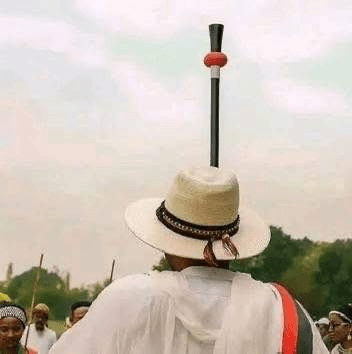
FINFINNE, OROMIA — The morning mist still clings to the highlands when Jaldessa Gammadaa, 74, raises the bokkuu—a curved wooden staff wrapped in leather and beads—toward the rising sun. His weathered hands tremble slightly, not from age, but from the weight of what this simple object represents.
“The bokkuu never died,” he says softly, his voice carried by the wind sweeping across the grassy plains of Mecha, in western Oromia. “It was only sleeping. Now, we are waking it up.”
For the Oromo people, Ethiopia’s largest ethnic group, the bokkuu is more than a ceremonial scepter. It is the embodiment of the Sirna Oromoo—the Oromo system of governance, law, spirituality, and social organization that once governed millions across the Horn of Africa. And after decades of suppression, forced assimilation, and state-sanctioned neglect, the Oromo are engaged in a quiet but determined revolution: not with guns, but with memory.
They are reviving. They are rebuilding. They are strengthening.
—
A System That Predates Modern Democracy
The Gadaa system—the beating heart of Sirna Oromoo—is a complex, age-grade-based democratic governance structure that has been recognized by UNESCO as an Intangible Cultural Heritage of Humanity. Every eight years, power transfers peacefully from one generation to the next, with elected leaders known as Abbaa Gadaa presiding over legislative, judicial, and ritual functions.
Political scientists have marveled at its checks and balances. Its separation of powers. Its regular succession mechanisms that prevent authoritarian drift—all developed centuries before many European nations had abolished absolute monarchy.
“People ask me if the Oromo had democracy before colonialism,” says Dr. Worku Tesfaye, a historian at Addis Ababa University who has studied Gadaa for three decades. “I tell them no. We had something more sophisticated. Colonialism never reached Oromia in the same way it reached the coast. The Gadaa system is indigenous, organic, and astonishingly modern in its core principles.”
Yet for much of the 20th century, successive Ethiopian regimes viewed the Gadaa system as a threat. Emperor Haile Selassie’s government sought to centralize power and absorb Oromo lands, sidelining Oromo institutions. The Marxist Derg regime (1974–1991) banned what it called “feudal and tribal structures.” And even after 1991, while ethnic federalism allowed some cultural expression, Gadaa was largely relegated to folklore—performed at tourist festivals, but stripped of its governance authority.
“The system was broken,” Jaldessa recalls. “When I was a boy, the elders still met in secret under the oda tree. But the meetings grew smaller every year. Young people laughed at us. They said we were ghosts telling old stories.”
—
The Revival: From Memory to Movement
Today, the ghosts are finding their voices again.
Across Oromia—and in diaspora communities from Minneapolis to Melbourne—a grassroots cultural renaissance is underway. Community elders known as hayyuus (wise ones) are holding intergenerational workshops. Local Gadaa councils, once dormant, are being reconstituted—not to replace modern government, but to complement it in matters of conflict resolution, environmental stewardship, and social welfare.
In the city of Adama, a youth group called “Dallachaa” (Growth) has documented over 200 oral histories from elders who remember the Gadaa system before its suppression. In Addis Ababa’s Oromo neighborhood of Bole, young professionals meet weekly to study the Seera (customary laws) and debate how they might apply to contemporary issues like land rights and gender equality.
“We’re not trying to turn back the clock,” says Hundaol Banti, 28, a software engineer who co-founded a digital platform cataloging Gadaa principles. “But there are things our ancestors got right—consensus-building, ecological balance, leadership rotation. Why would we throw that away just because it’s old?”
The revival has found unexpected allies. In 2016, the Oromo Protests—massive anti-government demonstrations rooted in land rights and political marginalization—took the bokkuu as their symbol. Young protesters, many of whom had never witnessed a full Gadaa ceremony, raised wooden staffs in defiance. The image of the bokkuu became a rallying cry.
“Those protests changed everything,” Worku says. “Suddenly, a new generation saw the bokkuu not as a relic of their grandparents, but as a weapon—a peaceful one—against injustice. The system was re-politicized in the best sense.”
—
The Challenges Ahead
Yet revival is not without its fractures.
Some women’s groups have pushed back against Gadaa’s traditionally male-dominated leadership structures. While the system includes ritual roles for women—the Siiqqee institution, named after a staff carried by women—critical governance positions were historically held by men. Contemporary reformers are debating how to reinterpret these traditions for an era that demands gender parity.
“The Siiqqee was not just symbolic,” insists Asha Boru, a women’s rights activist and Gadaa scholar from Borana zone. “Women could veto decisions, call assemblies, and protect other women from abuse. But yes, there is work to do. The beauty of Sirna Oromoo is that it is built on debate. We are debating now.”
There are also tensions between rural and urban practitioners. In rural areas, particularly among the Borana and Guji Oromo, the Gadaa system never fully disappeared; it operated underground. In cities, revival efforts sometimes risk romanticizing a complex system that also had hierarchies and rigidities.
And then there is the state. While the current Ethiopian government, led by Prime Minister Abiy Ahmed (himself Oromo), has made conciliatory gestures—declaring the Irreecha festival a national holiday, funding cultural centers—the legal authority of Gadaa councils remains unclear. Can customary courts sentence someone? Can Gadaa assemblies collect taxes? The boundaries remain contested.
“The government is comfortable with Irreecha and folklore,” says one Addis Ababa-based analyst who requested anonymity to speak freely. “But a fully autonomous Oromo governance system? That is a different conversation. The revival is cultural for now. Whether it becomes political again—that is the question.”
—
Under the Oda Tree
On a recent Friday afternoon, under a sprawling oda tree in the village of Odaa Nabee—a site of immense spiritual significance where Oromo oral tradition says the Gadaa system was formalized—Jaldessa oversees a ceremony. But this is no tourist performance.
Twenty-three young men and women sit in a semicircle, notebooks in hand. They are learning the Gadaa grades—the five eight-year stages through which every Oromo male (and now, in some communities, female) once passed. They memorize the names of the Abbaa Gadaas of the past. They practice the Jaarsummaa (eldership) protocols of conflict mediation.
“We will not all become elders overnight,” Jaldessa tells them. “But you cannot grow a tree from a dead root. We are watering the root.”
One of his students, 19-year-old Marge Waqjira, raises her hand. She wants to know whether a woman can one day hold the bokkuu as a full Abbaa Gadaa. The question hangs in the air.
Jaldessa smiles. “The law does not forbid it,” he says slowly. “The law says a leader must be wise, just, and chosen by the people. So I ask you: does wisdom have a gender?”
The students laugh. Marge writes something in her notebook. And under the oda tree, the Oromo system—rebuilt, revived, and strengthened—takes another small step into the future.
As the sun sets behind the highlands, Jaldessa plants the bokkuu into the earth. It stands upright, alone for a moment. Then he walks away, leaving it there—a promise that next time, it will be younger hands that lift it.
— Reported from Oromia