Category Archives: Biography

A life of resilience, philanthropy, and service to the city of Bishoftu
From Farm to Honor Guard: The Legacy of Assefa Abebe (Assefa Korenti)
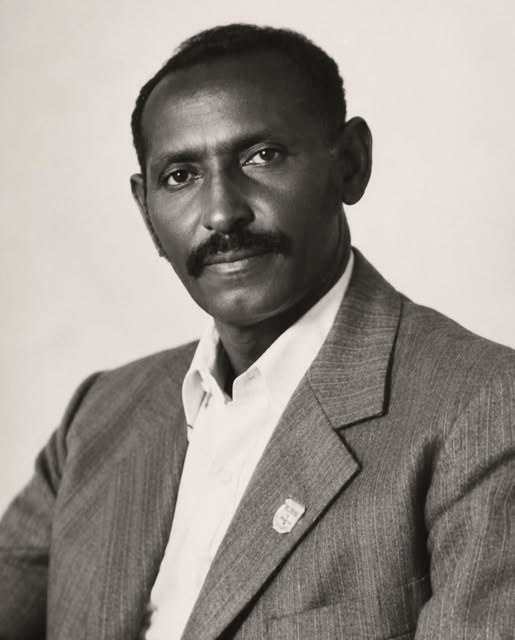
BISHOFTU, OROMIA — In the annals of community service and quiet heroism, some names deserve to be remembered not for titles or wealth, but for the lives they touched and the legacy they left behind.
Mr. Assefa Abebe, known affectionately as Assefa Korenti, was one such figure. From humble beginnings as a farm laborer to serving in the elite Imperial Bodyguard, from working as an electrician to becoming a successful entrepreneur and philanthropist, his life story is a testament to the power of hard work, generosity, and unwavering commitment to community .
A Journey of Many Hats
Assefa Abebe’s life was a tapestry of varied and remarkable experiences. He worked as a farm laborer, served as a soldier in the Imperial Bodyguard, and later became a skilled electrician. It was during his time at the Electric Light and Power Authority, earning a modest salary of 40 birr, that he earned the nickname “Assefa Korenti” (Assefa the Electrician) for his tireless work installing and repairing electrical poles across Bishoftu, often working after hours to serve his community.
His entrepreneurial spirit led him to establish the first fuel station in Bishoftu, then known as Debre Zeyit, and later the Bishoftu Afaf Hotel, situated on the shores of Lake Bishoftu. Yet, what truly set him apart was his generous heart.
The Generosity That Defined a Legacy
In a time of severe drought, a group of farmers from the surrounding Ada’a district approached Assefa Abebe for help. Without hesitation, he offered them an incredible act of trust and generosity: he handed over his hotel for two years, telling them, “Manage the hotel yourselves and keep all the income until the drought passes.”
When the farmers returned after two years, they were no longer in need, but they made a request: that he rename the hotel in their honor. He complied, renaming it the “Farmers Hotel” (Ye Aresha Hotel) . This humble story of generosity and gratitude became a symbol of the bond between Assefa and his community. It was later recounted by Ethiopia’s Prime Minister Abiy Ahmed during the launch of the Goodwill Project as an example of selfless community service .
A Life of Service and Legacy
Assefa Abebe’s contributions to Bishoftu are numerous. He was an early adopter and distributor of clean energy, introducing “white gas” (smokeless fuel) and cylinder gas to the city, improving public health and living standards .
He was deeply involved in education, supporting schools like Lebe Dengel, Ada’a Model, and Teodros, both financially and as a member of their administrative boards. He also established numerous grain mills, many of which continue to serve the community. In the 1970s, he was the only hotelier in Bishoftu at the time, and a pioneer in many sectors, including a gas station .
A Call for Recognition
Mr. Assefa Abebe (Assefa Korenti), who passed away tragically, leaves behind a legacy that has touched thousands of lives. It is a legacy that many believe should be formally recognized, and community members have called for him to be honored at the 6th Bishoftu Philanthropy Award . His story remains a powerful reminder that true heroes are not always the famous or wealthy, but those who build up their communities with quiet strength and open hearts.
“Hard work, resilience, and giving back to the community are the hallmarks of a life that leaves a legacy.”

Oromo Cultural Renaissance: Reviving Ancient Traditions and Strengthening Identity
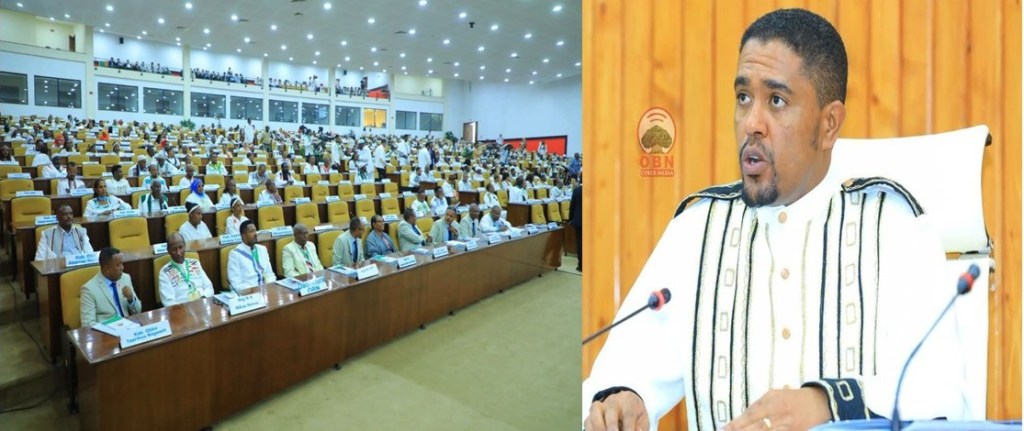
President Shimelis Abdisa outlines the progress and vision of Oromia’s cultural revival, emphasizing the restoration of traditional institutions and the celebration of indigenous heritage.
ADAMA, OROMIYA — In a powerful address to the 11th Regular Session of the 5th Year of the 6th Term of the Oromia Council, President Shimelis Abdisa declared that the Oromia Regional Government is actively pursuing cultural revival initiatives aimed at restoring the traditional morning customs and foundational practices of the Oromo people.
The President’s statement, “Haaromsi Aadaa Oromoo duudhaa ganamaa deebisaa jira” (The Oromo cultural revival is restoring the morning traditions), marks a significant milestone in the ongoing efforts to reclaim and celebrate the indigenous heritage of the Oromo nation.
The Revival of Traditional Practices
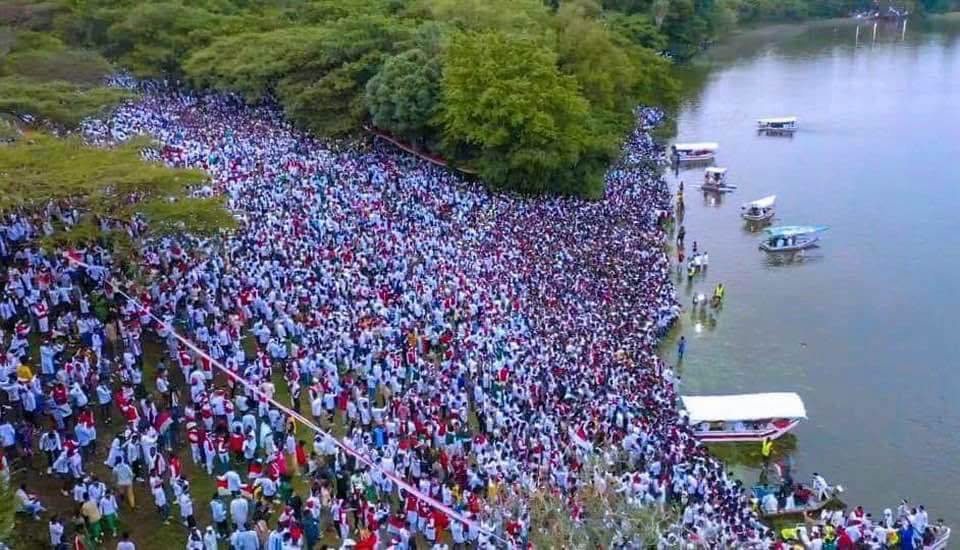
Reviving Festivals and Ceremonies: According to President Shimelis, the cultural revival initiatives have led to the resurgence of various traditional festivals and ceremonies that had been marginalized for extended periods due to historical suppression and neglect. These include the celebration of Irreechaa, the Oromo thanksgiving festival, which has grown in prominence not only within Oromia but also across the nation and in diaspora communities worldwide.
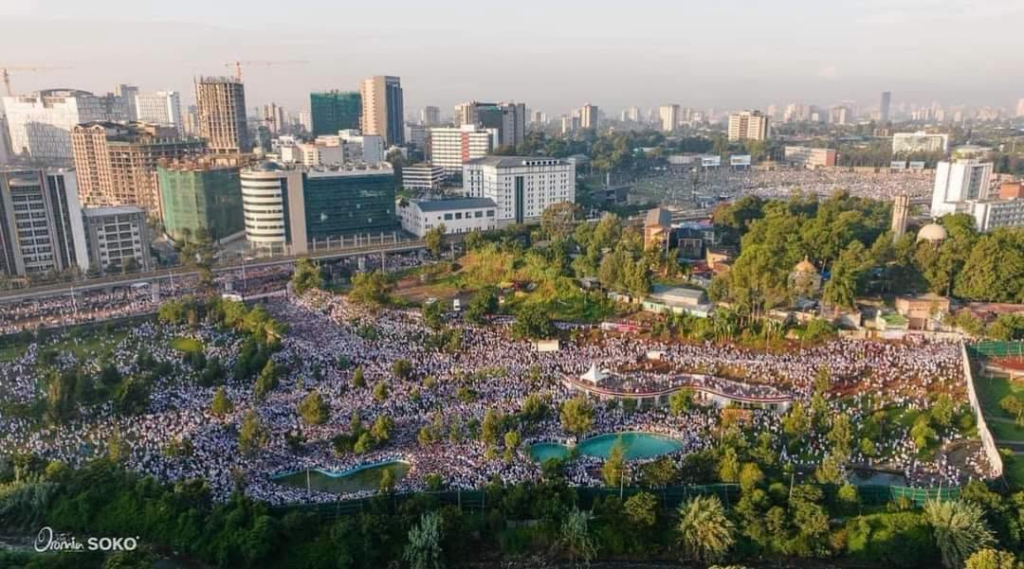
The revival of Irreechaa is viewed as more than a cultural celebration—it is a symbol of Oromo identity and resilience. The festival, which has attracted participants from across the region and beyond, is seen as evidence of the success of these cultural restoration efforts .
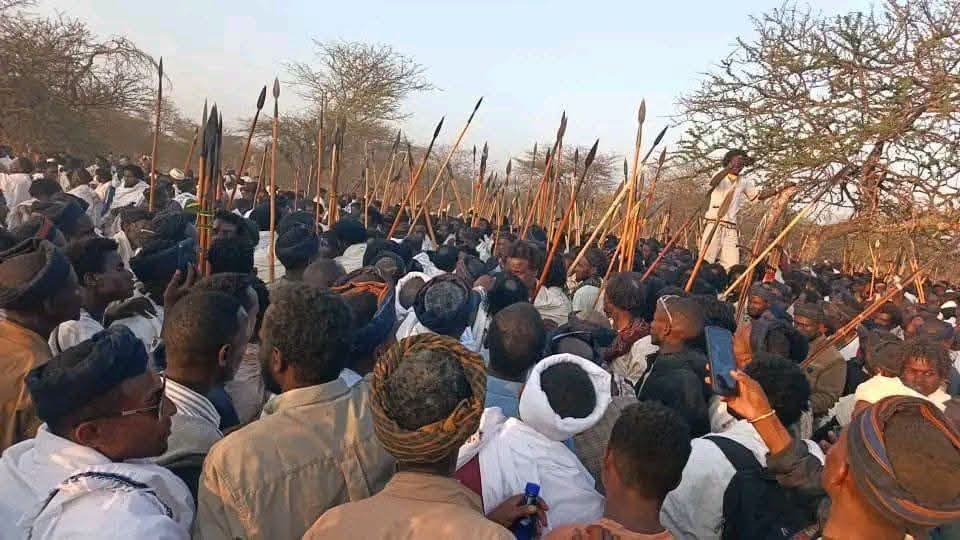
Restoration of the Gadaa System: The President also highlighted the peaceful power transfer ceremonies of the Gadaa system among the Karrayyu and Tulama Oromo communities. These ceremonies, conducted according to traditional protocol, demonstrate the enduring democratic principles of the Oromo Gadaa system. The Gadaa system, recognized by UNESCO as an Intangible Cultural Heritage of Humanity, continues to be a living example of indigenous governance and democratic participation.
Institutionalising Cultural Governance
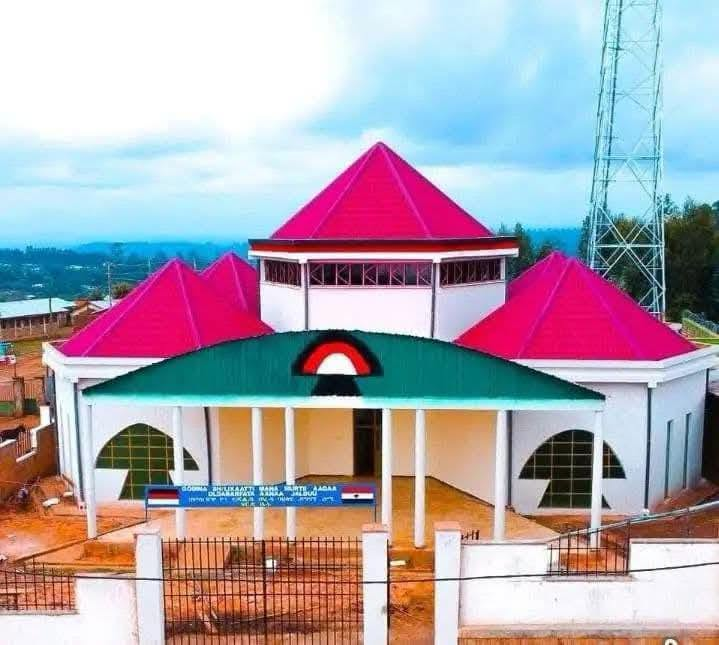
Establishment of Traditional Courts: One of the most significant achievements of the cultural revival program has been the establishment of Traditional Courts. According to the President’s report, to date, 7,058 primary Traditional Courts and 373 appellate Traditional Courts have been established across the region. These courts play a vital role in enabling communities to seek justice according to their cultural norms and traditional customs.
Conflict Resolution: The establishment of these traditional institutions has had a tangible impact on community harmony. The President highlighted that in 2018 alone, over 393 community conflict cases were resolved through these traditional structures. Of these, more than 370 cases were successfully resolved, demonstrating the effectiveness of culturally grounded approaches to peacebuilding and reconciliation .
A Foundation for the Future
Integrating Culture with Modern Development: President Shimelis emphasized that the cultural revival of Oromo traditions is not merely about preserving the past—it is about creating a foundation that enables the Oromo people to move forward in step with education, technology, and economic development. By strengthening cultural identity and traditional governance structures, the community is better positioned to navigate the challenges of modernisation while maintaining its unique heritage.
Calls for Continued Progress: Community responses to the President’s address have expressed support for the revival efforts while calling for ongoing progress. Some have raised issues in specific regions that require continued attention, demonstrating the ongoing dialogue between leadership and citizens regarding the implementation of these cultural initiatives.
A Broader Cultural Movement
The Oromo cultural revival is part of a broader movement across Africa to reclaim and celebrate indigenous cultures, languages, and governance systems. By reviving traditional institutions and practices, the Oromo people are reasserting their identity and contributing to the diverse cultural tapestry of the continent.
Conclusion
President Shimelis Abdisa’s address to the Oromia Council reaffirms the regional government’s commitment to cultural revival as a cornerstone of Oromo identity and development. The restoration of traditional festivals, the peaceful conduct of Gadaa power transfers, and the establishment of Traditional Courts reflect a concerted effort to strengthen the cultural foundations of the Oromo people.
“Haaromsi Aadaa Oromoo eenyummaafi duudhaa Oromoo cimsuun, aadaa, barnoota, teeknooloojii fi diinagdee waliin tarkaanfachuuf bu’uura ta’aa jira” —The President noted that the cultural revival, by strengthening Oromo identity and traditions, serves as a foundation for advancing alongside education, technology, and economic development .
As the Oromo people continue this journey of cultural renewal, the revival of their traditions stands as a testament to the resilience and enduring spirit of one of Africa’s largest ethnic groups.
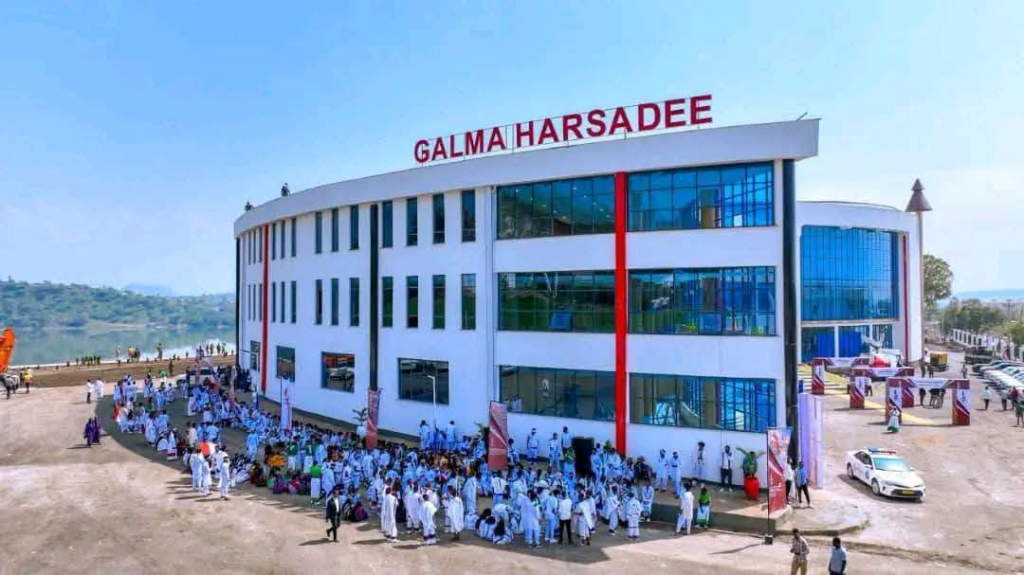
Cultural revival is not just about looking back—it’s about building a stronger foundation for the future.

From Classroom to Doctorate: Oromo Community of LA Celebrates Teacher-Scholar Dr. Asfaw Dagafa
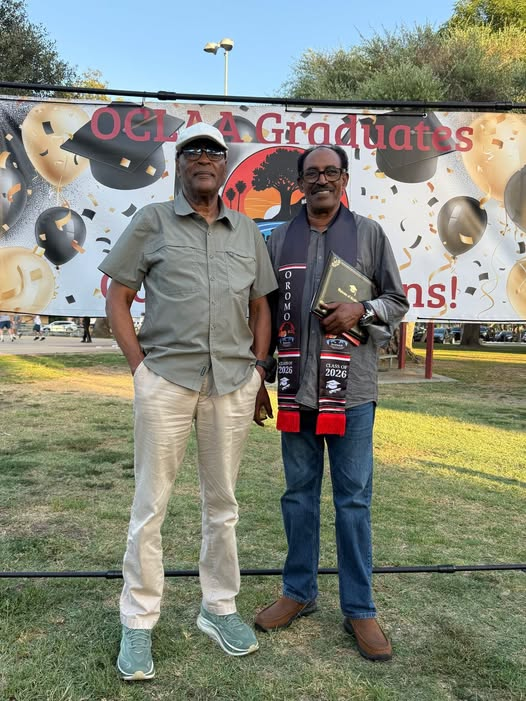
Los Angeles, CA – It was an evening of collective triumph and deep cultural pride as the Oromo Community of Los Angeles gathered yesterday to celebrate a remarkable milestone: the graduation of their members, spanning every academic level from high school diplomas to the pinnacle of scholarly achievement—the Ph.D.
While the room buzzed with congratulations for all the honorees, one story rose above the rest, leaving attendees inspired and deeply moved. The community turned its spotlight on Dr. Asfaw Dagafa, a man who redefined the meaning of perseverance.
By day, Dr. Dagafa stands at the front of a high school classroom, shaping young minds as a dedicated educator. But long after the final school bell rings, his journey was only just beginning. While managing the rigorous demands of teaching, he simultaneously pursued his doctoral studies at one of the nation’s most prestigious institutions—the University of California, Los Angeles (UCLA).
Balancing a full-time teaching career with the intellectual intensity of a Ph.D. program is a feat few dare to attempt. Yet, Dr. Dagafa turned this grueling schedule into a testament of discipline, proving that dedication knows no bounds. His academic success is not merely a personal victory; it is a beacon of hope for the entire Oromo diaspora.
A Role Model for the Next Generation
Community leaders and elders were effusive in their praise, highlighting how Dr. Dagafa’s journey serves as a powerful blueprint for Oromo youth navigating their own paths in the United States.
“Dr. Asfaw Dagafa is an excellent role model,” remarked a community spokesperson during the ceremony. “He shows our young people that you do not have to choose between serving your community and achieving your highest academic dreams. He did both, simultaneously, and with excellence.”
The message resonated deeply throughout the hall: no dream is too ambitious, and no obstacle is too great when fueled by purpose and resilience. By standing at the front of a classroom during the day and sitting among UCLA’s brightest scholars at night, Dr. Dagafa has bridged the gap between mentorship and mastery.
A Community’s Pride
The Oromo Community of Los Angeles, known for its vibrant support of educational advancement, expressed overwhelming pride in Dr. Dagafa’s achievement. His success is viewed not just as an individual honor, but as a collective victory for the community—a narrative that counters adversity with academic excellence.
As the celebrations concluded, the community extended its heartfelt congratulations not only to Dr. Asfaw Dagafa but to every graduate who crossed the stage. From the newest high school graduate stepping into adulthood to the newly minted Ph.D. stepping into history, yesterday was a powerful reminder of what happens when a community uplifts its own.
Congratulations once again, Dr. Asfaw Dagafa! 
Your journey from the classroom to the doctorate will inspire generations of Oromo scholars to come.

Colonel Hailu Raggassa: The Hero Who Surrendered Power for the Freedom of His People
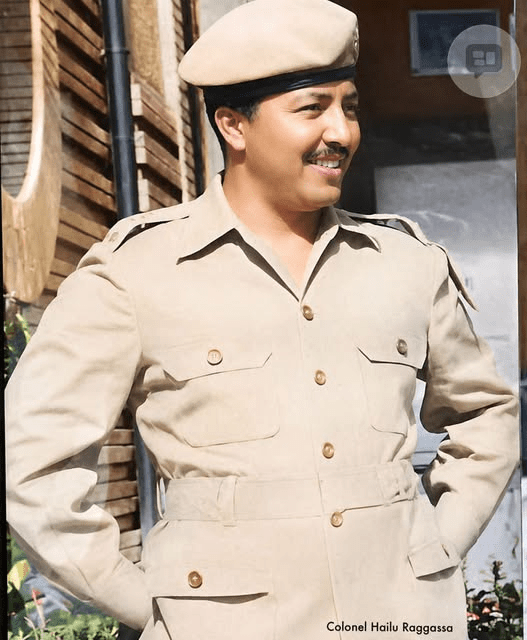
In the annals of Oromo history, there are names that echo through generations—figures who, in the face of overwhelming odds, chose the path of sacrifice over comfort, principle over power. Among these towering figures stands Colonel Hailu Raggassa, a man whose story is one of the most profound testaments to the Oromo struggle for liberation.
Born in the early 1930s in the Mannaangasha district of western Shewa, in what was then known as Ada’a Bargaa, Hailu Raggassa grew up in a Ethiopia under Emperor Haile Selassie’s rule. From an early age, he displayed remarkable intelligence and a natural aptitude for leadership. His uncle, Bashaa Gorbaa, who had fought in the Second Italo-Ethiopian War (Maayichawu), recognized the boy’s potential and insisted he pursue religious education. Through his uncle’s stories of wartime tactics and the heroism of Ethiopian patriots, young Hailu developed a deep sense of duty and a burning desire to serve and protect his people.
When circumstances prevented him from continuing his studies in his hometown, he travelled to Addis Ababa (Finfinne), where he worked various jobs until a benefactor recognized his determination and arranged for him to study at the prestigious Tafari Makonnen School. This was the beginning of a journey that would see him rise through the ranks of the Ethiopian military, becoming a high-ranking officer in the imperial army.
The Turning Point
For years, Colonel Hailu Raggassa served loyally within the system. But like many Oromo officers of his generation, he could not ignore the systematic marginalization, cultural suppression, and political disenfranchisement of the Oromo people under successive Ethiopian regimes. The Oromo language was banned in schools, Oromo identity was denigrated, and the Oromo people were subjected to a system of settler colonialism that stripped them of their land, language, and dignity.
The turning point came in the early 1970s. As the Oromo liberation movement gained momentum—fueled by the emergence of the Oromo Liberation Front (OLF) and the Oromo Liberation Army (OLA)—Colonel Hailu Raggassa made a decision that would define his legacy. Despite holding significant power and privilege as a high-ranking military officer, he chose to surrender his position and join the armed struggle for Oromo freedom.
The Armed Struggle
Colonel Hailu Raggassa became a key commander in the Oromo Liberation Army, working alongside other legendary figures such as General Tadesse Birru, who is widely regarded as the father of modern Oromo nationalism. Together, they began organizing an armed rebellion in Shewa, operating under the name of the Oromo Liberation Army. Hailu played a critical role in distributing land to Oromo peasants and mobilizing rural communities.
His military expertise, honed through years of service in the imperial army, proved invaluable to the nascent liberation movement. He understood that the struggle for Oromo freedom required not just courage, but strategy, organization, and sacrifice.
Arrest and Martyrdom
The Derg, the military junta that seized power in Ethiopia in 1974, viewed the Oromo liberation movement as an existential threat. In a brutal crackdown, Colonel Hailu Raggassa was captured alongside General Tadesse Birru and other Oromo leaders. They were tried, sentenced to death, and on March 19, 1975, executed by firing squad.
Their blood soaked the soil of Addis Ababa, but their legacy did not die. The martyrdom of Colonel Hailu Raggassa and his comrades became a rallying cry for the Oromo people, seeding the consciousness of generations to come.
A Legacy That Endures
Colonel Hailu Raggassa’s story is one of profound selflessness. He had everything—rank, privilege, and the comfort of a system that favored him. Yet he chose to walk away from it all, not for personal gain, but for the freedom and dignity of his people. He understood that true leadership is not about holding power, but about using whatever power one has to uplift the oppressed.
Today, Colonel Hailu Raggassa is remembered as a hero—a man whose life and death continue to inspire the Oromo struggle for self-determination. His name is inscribed in the collective memory of the Oromo people, a symbol of the ultimate sacrifice made in the pursuit of justice.
“Gootota qabsoo Oromoo bu’uressuutii hanga Jeneraal Taaddasaa Birruu waliin ajjeefamutti kanneen dhalootaaf aarsaa kanfalanii darban keessaa tokko Koloneel Hayiluu Raggasaa Hundeeti.”
“Among the heroes of the Oromo struggle—from the early architects to those who fell alongside General Tadesse Birru—Colonel Hailu Raggassa stands at the foundation.”
—
Remembering the Heroes
The month of March holds particular significance in the Oromo liberation struggle. It was in this month, on March 19, 1975, that Colonel Hailu Raggassa, General Tadesse Birru, and their comrades were executed. Their sacrifice is commemorated annually by Oromos around the world, a solemn reminder of the price paid for freedom.
Colonel Hailu Raggassa’s story transcends the boundaries of time and geography. It speaks to the universal human longing for justice, dignity, and self-determination. He was not just an Oromo hero—he was a hero for all who believe that freedom is worth fighting for.

WHEN DREAMS TAKE ROOT: Why an Oromia Freedom Struggle Dream Can Grow Better

A story of constitutional promise, cultural resurgence, and the long arc toward justice
—
For generations, the Oromo freedom struggle has been defined by its resilience. Through decades of marginalization, forced displacement, and systemic exclusion, the dream has endured—not as a fading memory, but as a living force that refuses to be extinguished.
Today, that dream stands at a crossroads. The path forward is neither simple nor guaranteed. But beneath the surface of conflict and political turbulence, there are reasons to believe that the Oromo freedom struggle dream can grow better—not despite the challenges, but because of the lessons learned, the institutions built, and the constitutional foundations that remain, however imperfectly, in place.
This is the story of why that dream can flourish.
THE CONSTITUTIONAL FOUNDATION: A PROMISE WAITING TO BE KEPT
Every great struggle requires a legal and moral framework. For the Oromo people, that framework exists in Ethiopia’s 1995 Constitution—a document that, on paper, offers something remarkable.
Article 39 of the Constitution affirms that every “nation, nationality, and people” has the unconditional right to self-determination, including the right to secession. The Constitution established Ethiopia as a multinational federal state, granting autonomy to minorities based on territorial boundaries and empowering self-rule and regional control. Afaan Oromo is now used in Oromia’s courts, schools, and bureaucracy, reversing decades of marginalization.
Yet scholars describe a persistent gap between constitutional promise and political reality. Federal practice has remained markedly centralized. The question of Oromia’s special interests in Finfinne (Addis Ababa) remains largely unresolved.
This gap is not a reason for despair—it is a reason for hope. The Constitution exists. The legal framework is in place. The struggle ahead is not to create new rights, but to enforce existing ones. When constitutional guarantees are ignored, public trust erodes; but when they are finally implemented, the foundation for lasting peace is laid.
POLITICAL EVOLUTION: FROM ARMED STRUGGLE TO POLITICAL ENGAGEMENT
The Oromo Liberation Front (OLF), established in 1973 as a political organization advocating for the self-determination of the Oromo people, has undergone a remarkable transformation. In 2018, the Ethiopian government removed the OLF from its terrorist list, allowing its leaders to return from exile. In June 2025, the OLF officially regained access to its headquarters in Finfinne (Addis Ababa), which it had been unable to use since August 2020.
This is not merely symbolic. It represents a shift from armed resistance to political engagement—a recognition that sustainable change requires participation in the democratic process, however constrained that process may be.
The OLF has participated in elections, fielding 163 candidates for both the federal parliament and the regional council in the 2026 elections. Though it did not win a single seat, the party has used the narrow political space available to communicate its objectives and principles to the public.
Professor Merera Gudina, chairman of the Oromo Federalist Congress (OFC), has long championed a “stem and branches” philosophy: the belief that Oromia is the indispensable heart of Ethiopia, and that its people must secure self-rule and shared-rule within a unified, democratic state. His perspective, tempered by over five decades of activism, argues that Ethiopia still lacks the genuine political will required for deep-seated dialogue.
But political will can be built. Institutions can be strengthened. The very fact that opposition parties continue to organize, to contest elections, and to demand accountability is evidence that the dream is alive and evolving.
CULTURAL RESURGENCE: THE REBIRTH OF IDENTITY
A freedom struggle is not only about politics—it is about identity, memory, and the right to be seen.
Irreechaa, the annual festival of the Oromo people, has undergone a remarkable transformation, evolving from a banned event to a recognized element of national cultural heritage and an attraction for international tourism. The 2025 theme, “Irreecha: For National Renewal,” embodies the spirit that sustainable progress must be grounded in cultural harmony and shared values.
Afaan Oromo, once reduced to minority status, is now experiencing revitalization efforts. Though implementation remains uneven, the language of wider communication in Ethiopia and neighboring countries is reclaiming its place. The Gadaa system has gained global recognition as a model of democracy and environmental stewardship.
Cultural revival is not a distraction from the struggle—it is the struggle’s soul. When a people remember who they are, they remember what they deserve.
ECONOMIC DEVELOPMENT: BUILDING THE MATERIAL FOUNDATION
Justice cannot be built on empty stomachs. Economic development in Oromia provides the material foundation upon which political dreams can be realized.
Development projects like the Welmel River Irrigation and the Sof Omer Luxury Lodge, alongside ongoing agricultural modernization and tourism efforts in Bale Zone, are pillars of economic transformation. The new Yabello airport is expected to significantly enhance regional trade, tourism, and investment while strengthening people-to-people ties.
The Oromia regional government has prioritized the expansion of domestic air travel to drive rapid development. Investment projects are expected to create employment opportunities for more than 284,174 individuals across various sectors, particularly in agriculture, manufacturing, and services.
When economic opportunities expand, political participation becomes more meaningful. When communities have a stake in the future, they are more willing to invest in the struggle for that future.
THE CHALLENGES THAT MUST BE OVERCOME
No honest assessment of the Oromo freedom struggle can ignore the profound challenges that remain.
The Oromo Liberation Army (OLA) has been fighting the Ethiopian government for more autonomy since 2018. The conflict has taken a devastating toll. In January 2025, the U.N. reported that 3.2 million children were not in school because of the fighting. Human rights conditions remain precarious, with documented arbitrary deprivations of life and liberty amid clashes in Oromia.
Political space has shrunk. Opposition leaders have been imprisoned. Electoral competition alone is no longer viewed as sufficient to address Oromia’s political challenges. The OLF has raised concerns that “Tsimdoo” (allied) forces have attempted attacks that caused harm to local residents.
These challenges are real. They are painful. They are not insurmountable.
THE PATH FORWARD: WHY THE DREAM CAN GROW BETTER
The Oromo freedom struggle dream can grow better because the conditions for its growth are being laid—not by outside forces, but by the Oromo people themselves.
First, constitutional tools exist. The 1995 Constitution provides a framework for self-determination that, however imperfectly implemented, remains a powerful legal weapon. The gap between promise and reality is not permanent—it can be closed through sustained political pressure and legal advocacy.
Second, political engagement is deepening. The OLF’s return from exile, its participation in elections, and its calls for inclusive dialogue represent a maturation of the struggle. The OLF has urged the government to demonstrate genuine political will in resolving ongoing grievances through justice, truth, and reconciliation.
Third, cultural identity is strengthening. The revival of Irreechaa, the resurgence of Afaan Oromo, and the global recognition of the Gadaa system provide a cultural foundation that no political repression can destroy.
Fourth, economic development is creating new possibilities. As Oromia’s economy grows, so does the capacity of its people to organize, to advocate, and to demand their rights.
Fifth, the international community is watching. Human rights reporting, U.N. documentation, and global advocacy create pressure for accountability. The Oromo cause is no longer invisible.
CONCLUSION: THE LONG ARC
The Oromo freedom struggle has been long. It has been costly. It has been marked by betrayal, violence, and heartbreak. But it has also been marked by resilience, courage, and an unshakeable commitment to justice.
The dream can grow better because it has already survived the worst that history could throw at it. It has endured because it is rooted in truth—not propaganda, not false narratives, but the lived reality of a people who know what they have lost and what they deserve.
As the OLF has stated, the situation in Oromia and across Ethiopia cannot be resolved merely by declaring an election victory. It requires “an inclusive, genuine, and transparent dialogue”. It requires the courage to acknowledge historical realities, the wisdom to respect differing perspectives, and the commitment to uphold the principles of constitutional democracy and the rule of law.
The Oromo freedom struggle dream can grow better because the Oromo people have never stopped dreaming. And dreams, when nurtured by truth, justice, and unwavering commitment, have a way of becoming reality.
—
This feature is based on reporting from Addis Standard, The Reporter Ethiopia, OROMIA TODAY, the Associated Press, the Oversight Board, and other sources documenting the Oromo freedom struggle, political developments, and cultural resurgence in Ethiopia.

The Unseen Work and the Unyielding Bloom: How the Oromo Struggle Flourishes Beyond the Enemy’s Gaze

By Daandii Ragabaa
While the enemies of Oromia may have closed their eyes and convinced themselves that the OLF/ABO had faded into irrelevance, the ground beneath their feet has been shifting all along. The struggle for Oromo liberation has never been a spectacle performed for the approval of adversaries; it is a quiet, relentless tide that reshapes the landscape even when the world is not watching. Today, as the movement reflects on its journey, one truth stands undeniable: the work has continued, the fruits have multiplied, and the foundation of Oromo nationhood has never been stronger.
The Myth of Stagnation
There is a dangerous assumption that silence equals surrender. For years, the detractors of Oromo freedom have pointed to periods of tactical recalibration and claimed that the cause was dead. They were wrong. As the reflection reminds us, “Diinonni Oromoo otuu hin beekiin hojiilee ABO hojjataa ture”—the enemies were unaware of the work being done. The OLF/ABO did not vanish; it adapted. It built. It planted seeds that are now breaking through the concrete of oppression.
The struggle is not a straight line; it is a winding river that carves canyons over time. There have been moments of setback, times when the fighters themselves stumbled into unfamiliar terrain. “Yeroo garii qabsaa’oti waan muuxannoo itti hin qabneef danqamuun ifaa dha.” To be hindered, to face the unknown, is a natural and illuminating part of any liberation journey. But the reflection makes a critical distinction: “Danqamuun garuu qabsoo irraa yeroof duubatti deebi’uu malee qabsoo dhiisuu jechuu miti.”
Setbacks are not stop signs; they are detours. Retreating for a moment to assess, regroup, and strike with greater intelligence is not defeat—it is the hallmark of a movement that intends to win, not just to survive.
The Tangible Fruits of an Unyielding Will
While critics focused on imagined weaknesses, the Oromo struggle was quietly accumulating victories that cannot be erased. The reflection catalogs these achievements with a quiet, earned pride:
Oromia has risen. No longer can the oppressor pretend that Oromia is an abstraction. It is a recognized entity, a homeland with a name that commands respect and a history that demands justice. “Oromiyaan bobaa diinaa jalaa bahee beekamee jira.” The nation has emerged from under the shadow of denial into the light of international and domestic recognition.
The language has taken its rightful place. Afaan Oromoo, once relegated to the margins of private life, now stands tall as a language of instruction and government work. “Afaan Oromoo afaan barnootaa fi hojii mootummaa ta’eera.” This is not a small concession; it is a revolutionary shift. When a people’s tongue becomes the language of the classroom and the office, the soul of that people is officially acknowledged.
The script lives. “Qubeen Afaan Oromoo kan Afaan Oromoo ittiin barsiisan ta’eera.” The Oromo alphabet—once banned, once erased—is now actively used to teach children the beauty of their own heritage. Alphabetization is liberation. To read in one’s mother tongue is to reclaim the mind from colonial subjugation.
The flag waves undefeated. “Alaabaan Oromoo mallattoo diddaa fi bilisummaa qabsoo Oromoo ta’ee beekamee jira.” The Oromo flag is no longer a secret symbol of insurgency; it is a recognized emblem of resistance and freedom. It flies at gatherings, in diaspora halls, and in the hearts of millions. It is the colors of a nation that refuses to be renamed.
The Bloom of the Seed
The reflection speaks of a beautiful and profound transformation: “Akkanaan sanyiin bilisummaa facaafamee daraaree hundee sabboonummaa Oromoo fi Oromummaa ta’aa jira.”
The seeds of freedom, scattered across the difficult soil of the struggle, are now blossoming. They are taking root in the very foundations of Oromo identity and nationhood. This is not a fleeting victory; it is a generational shift. The Oromo people are witnessing the flowering of what their ancestors sacrificed for. The identity is no longer just a memory—it is a living, breathing reality that grows stronger with each passing day.
The Sacred Duty of Continuation
Yet, the reflection is not a song of complacency. It carries a sobering and determined promise: “Kun haga hireen murteeffannaa ummata Oromoo dhugoomutti jabaatee kan itti fufu ta’a.”
This journey will continue—vigorously, unapologetically, and with increasing momentum—until the fundamental rights of the Oromo people are fully realized. Until self-determination is not a demand but a fact. Until the land of Oromia is governed by the will of its own children.
The current chapter of the struggle is not an anomaly; it is the direct product of that unyielding resolve. “Waanti amna qabsoo keessatti argaa jirrus dhugaadhuma kana.” What we see today is the pure, unadulterated truth of a people who refused to kneel.
A Legacy of Resistance, A Future of Justice
“Qabsoon Bilisummaa fi haqa Oromoo kabachiisuuf yoomiyyuu jabatee itti fufa; hireen murteeffannaa ummata Oromoof godhamus kan wareegama keenyaan dhugoomuu dha.”
The struggle to honor the freedom and justice of Oromia will continue with unwavering strength—forever and always. The rights that the Oromo people are fighting for are not gifts to be begged for; they are inherent truths to be realized. And the fulfillment of those rights is not merely a political ambition; it is a sacred trust, a responsibility that falls upon the shoulders of every Oromo, whether in the homeland or in the far reaches of the diaspora.
The enemies may have looked away. They may have assumed the work had stopped. But the Oromo people are digging deeper than ever, planting seeds that will outlast the oppressors, and building a nation that will stand for millennia.
The unseen work is now visible. The planted seeds are blooming. And the struggle, tested by fire and tempered by patience, marches ever forward—determined, consistent, and invincible.
IUOf!
The Political Boat Called “Tsimdo”: Where Are the Far-Right and Far-Left Extremists Steering It?

In the strange theater of modern politics, strange bedfellows emerge—temporary alliances born not of shared vision but of shared hatred
By Ibsaa Nagawoo
In the annals of modern political history, few phenomena are as remarkable—and as dangerous—as the spectacle of ideological opposites joining forces against a common enemy. The far-right and far-left, whose philosophies on economics, governance, and the role of the state stand in irreconcilable opposition, sometimes find themselves on the same side of a political struggle. Their alliance, however, is not built on shared principles or a common vision for the future. It is built on a single, fragile foundation: shared enmity.
This is the political boat called “Tsimdo” (or Cimdii)—a vessel that carries strange passengers, navigates treacherous waters, and ultimately leads nowhere good for anyone aboard.
The Strange Alliance
“One of the surprising phenomena in modern world politics is the emergence of forces that fundamentally oppose each other in their political philosophy, economic policies, and views on the role of government, yet temporarily unite against a common enemy.”
This is not a new phenomenon, but it is one that has become increasingly visible in recent years. The left and right, traditionally locked in ideological struggle, discover that their hatred for a particular leader, government, or political direction outweighs their differences. They form a temporary alliance—an “unholy coalition” that promises to overthrow the common enemy but offers no coherent vision for what should come after.
“However, such alliances are often short-lived because they are based not on shared vision and common political principles, but on shared animosity.”
This is the fatal flaw of these coalitions. They are unions of convenience, not conviction. They can tear down, but they cannot build. They can oppose, but they cannot propose. They can unite in hatred, but they cannot govern in peace.
Ethiopia’s Own Experience
“Both world history and Ethiopia’s political history provide many examples that confirm this.”
In recent years, Ethiopia has witnessed this phenomenon in stark relief. The conflict between the federal government and the TPLF, and the alliances that formed around it, created some of the most improbable political marriages in the country’s history.
“In Ethiopia, this trend has been clearly seen in recent years. One can observe and analyze the strange political alliances formed during the TPLF provocation, the war between the Federal Government of Ethiopia and the TPLF, and the resulting unconventional political marriages.”
Groups that had spent decades opposing each other—ideologically, politically, and sometimes militarily—found themselves on the same side of a conflict. The shared goal of removing the TPLF from power created a temporary unity that papered over fundamental disagreements about Ethiopia’s political future.
The Unholy Alliance Against Oromo Gains
“The far-right and far-left extremist forces that shed crocodile tears in the name of the Oromo people, the Amhara, the Tigray, and the Ethiopian people—no matter how strong their unholy alliance becomes—the Oromo people will not easily surrender the political, economic, and legal rights they have won through long struggle and years of sacrifice.”
This is the central warning of the reflection: the Oromo people, who have fought for generations to secure their rights, are not about to hand them over to an alliance of convenience—whether that alliance claims to speak for the Oromo or not.
“The matter has become one of survival. And the victory achieved is not something that can be stolen through temporary political pressure or false propaganda.”
The Oromo struggle is not a passing phase or a fleeting moment of political mobilization. It is a deep, sustained, and principled movement that has survived decades of repression, co-optation, and marginalization. It will not be undone by an alliance whose only common ground is opposition to Oromo self-determination.
The Blindness of Some Oromo
“As the struggle of the Oromo people within Ethiopia has been strengthening and registering some victories, some Oromo individuals and groups who could not see—or refused to believe—that organized anti-Oromo sentiment had been building for a long time, have failed to understand that the exaggerated political hatred, character assassination, and coordinated propaganda campaign against the reformist Prime Minister Dr. Abiy Ahmed is ultimately not just about Dr. Abiy but about the Oromo as a whole.”
This is a painful truth that some Oromo have been reluctant to face. The campaign against Prime Minister Abiy Ahmed is not merely a personal vendetta against one individual. It is an attack on Oromo leadership, Oromo gains, and Oromo aspirations. The fact that some Oromo have joined in this campaign, or remained silent in the face of it, is a betrayal of the Oromo cause.
“Only they themselves can answer why this happened.”
The reflection leaves this question hanging in the air, inviting self-examination. Why have some Oromo joined forces with those who fundamentally oppose Oromo rights? Why have some remained silent when anti-Oromo rhetoric has reached dangerous levels? Why have some failed to see that the attack on one Oromo leader is an attack on all Oromo?
The Washington Statement and Its Aftermath
“There is one thing we all cannot forget. The statement by the international Fano ‘intellectuals’ that was read in Washington contained dangerous rhetoric: ‘We will return the Gallas to Madagascar.’ This is still being echoed by Mahayimannu Fano. This hate speech did not remain merely words—many believe it has found expression in acts of violence against innocent Oromo in various places, especially today in East Wollega and Dera.”
This is a chilling reminder of the stakes involved. The anti-Oromo rhetoric that has been circulating is not harmless—it has real-world consequences. Innocent Oromo people have been targeted, attacked, and killed. The words of hate have become acts of violence.
“The sad part is that some forces who call themselves ‘freedom fighters’ have silently covered up or overlooked this issue. This silence itself carries a major political message.”
The silence of those who claim to fight for freedom is deafening. When the self-proclaimed champions of liberation refuse to condemn violence against Oromo, they reveal their true priorities. Their silence is not neutrality—it is complicity.
The Poisoned Boat
“Some Oromo politicians and activists, having lost their own political direction, have found themselves unwittingly in the same political boat (Tsimbo) as Amhara extremist unitarist far-right extremists. Since this act conflicts with the common interest and political will of the Oromo people, it should be remembered as a political lesson and historical warning for generations.”
This is perhaps the most pointed criticism in the reflection: some Oromo have lost their way. They have abandoned the principles of Oromo liberation and joined forces with those who have historically opposed—and continue to oppose—Oromo rights.
“Any individual or political organization that organizes in the name of Oromo must distance itself from political ideologies, philosophies, and economic policies that divide the Oromo people. Any idea presented as a ‘political reality’ that weakens Oromo unity, if it conflicts with the interests of Oromia, Ethiopia, and the Oromo nation, should not be accepted.”
This is a clear call to Oromo political actors: know who you are, know what you stand for, and know who your true allies and enemies are. The lines must be drawn clearly. There is no room for ambiguity when the survival of the Oromo people is at stake.
A Call to Abandon the Boat
“Therefore, if you find yourself in this propaganda of organized anti-Oromo hatred, you should distance yourself from this destructive political boat (Tsimbo). This boat does not benefit the Oromo people—it represents hatred, division, and destructive ideologies. It is not too late to distance yourself from this extremist political direction; the beneficial thing is to stop it.”
This is a call to choose. A call to abandon the alliance of hatred and return to the principles of justice, self-determination, and unity. A call to recognize that the path of extremism leads nowhere good.
“It is not too late to distance yourself from this extremist political direction; the beneficial thing is to stop it.”
There is still time to turn back. There is still time to choose the path of dialogue, mutual respect, and peaceful political competition. There is still time to build rather than destroy.
The Role of External Forces
“Finally, this extremist political and war ‘Tsimbo’ is not just an internal problem—it can also be a tool for the interests and proxy wars of external forces, and it is targeted as such. Therefore, it does not bring lasting benefit to the Oromo, the Amhara, the Tigray, or other nations and nationalities, nor to the Ethiopian people in general.”
The reflection recognizes that the forces driving the “Tsimbo” are not purely domestic. External actors have their own interests in Ethiopia’s political landscape. They seek to exploit divisions, weaken the country, and advance their own agendas. The Tsimbo serves their purposes, not the purposes of the Ethiopian people.
“Therefore, I believe that abandoning this politics of hatred, division, and extremism and returning to dialogue, trust, and peaceful political competition is the beneficial path for everyone.”
This is a vision of hope: a return to politics as a means of resolving differences, not a weapon for destroying enemies. A return to the belief that dialogue and trust are possible. A return to the conviction that Ethiopia’s future will be built, not destroyed.
The Way Forward
“Ethiopia’s future destiny will not be found in an alliance based on hatred. The country’s lasting peace, stability, and democratic progress can only be ensured when they are based on constitutional supremacy, the rule of law, mutual respect, genuine democratic dialogue, and a shared national vision.”
This is the heart of the message: the future belongs not to those who hate, but to those who build. Not to those who divide, but to those who unite. Not to those who destroy, but to those who create.
“One truth, however, is clear: an alliance based on hatred may change a government, but it cannot build a country.”
This is a profound insight. The Tsimbo may succeed in its immediate objective—the removal of a particular leader or the overthrow of a particular government. But what then? What vision does it offer for the future? What principles will guide it? What foundation will it build upon?
The answer is: none. An alliance based solely on hatred can only destroy; it cannot create. It can tear down; it cannot build. It can oppose; it cannot govern.
Conclusion: A Choice to Make
The political boat called Tsimbo is a dangerous vessel. It carries those who have lost their way, those who have confused hatred for principle, those who have abandoned the struggle for justice in favor of the easier path of revenge.
But there is another path. The path of dialogue, trust, and peaceful political competition. The path that builds rather than destroys. The path that unites rather than divides. The path that leads to lasting peace, stability, and democracy.
The choice is clear. The time for choosing is now.
“An alliance based on hatred may change a government, but it cannot build a country.”
Let us choose to build. Let us choose to unite. Let us choose the path of peace, justice, and shared national vision.
May we all make the right choice.
====
*The above feature article is based on the reflection of Ibsaa Nagawoo

Building a Nation: The Long Walk to Freedom and Unity

By Dhabessa Wakjira
—
Nation-building is no simple task. It is a long, arduous journey that demands relentless commitment, profound sacrifice, and an unyielding spirit. To build a nation is to weave knowledge, courage, and resilience into an unbreakable fabric—a shield strong enough to stand firm against any enemy. It is to reject the chains of servitude, to organize with urgency, and to play one’s part in the collective march toward liberation. No nation that has endured the crushing weight of subjugation has ever emerged free without a determined struggle.
This truth resonates deeply in the heart of Oromia.
The Anatomy of Struggle
Throughout history, the path to freedom has been paved with the blood, sweat, and tears of those who refused to bow. Nation-building is not merely about constructing roads, schools, or hospitals—though these are vital—it is about constructing a collective identity, a shared purpose, and an unwavering belief in the possibility of a better tomorrow. It demands the fusion of knowledge and courage, transforming passive hope into active resistance against all forces that seek to diminish a people’s dignity.
Every nation that has broken free from the shackles of oppression has done so through a conscious, deliberate, and sustained struggle. There are no shortcuts. There are no handouts. Freedom, history teaches us, is never given—it is taken. It is earned through the willingness to pay the full price of liberation, to endure hardship, and to press forward even when the odds seem insurmountable.
The Call to Unity
Oromia belongs to all Oromo people—this is an undeniable truth. But belonging alone is not enough. To truly claim what is rightfully theirs, the Oromo people must stand united. Division is the weapon of the oppressor; unity is the shield of the oppressed. When hands are joined in common purpose, no force can break the spirit of a people determined to be free.
The struggle for liberation is not a spectator sport. It demands active participation from every son and daughter of Oromia. It requires setting aside differences, overcoming internal conflicts, and rallying around a singular vision: a free, prosperous, and dignified Oromia where every citizen can thrive.
The Price of Freedom
There is no free nation that has not paid the ultimate price. Liberation comes at a cost, and that cost must be borne collectively. It is not enough to hope for freedom; one must be prepared to fight for it. The struggle is not for the faint of heart, nor is it for those who seek comfort in the status quo. It is for the brave, the determined, and the unwavering.
The road ahead is long and fraught with challenges. There will be setbacks, disappointments, and moments of doubt. But history shows that those who persist, those who refuse to give up in the face of adversity, are the ones who ultimately triumph. The Oromo people have everything to gain and nothing to lose by standing together in this fight.
The Final Victory
Unity is not just a strategy—it is the very soul of the struggle. When the Oromo people stand together, hand in hand, shoulder to shoulder, they become an unstoppable force. Their collective strength lies not in weapons or wealth, but in their shared determination to overcome.
The struggle is long, and the challenges are immense. But the spirit of the Oromo people is indomitable. With unity as their foundation, courage as their guide, and the dream of freedom as their destination, they will prevail.
Oromiyaan ni bilisooma!

Why Oromia Needs Oromo Truth-Telling
A nation cannot move forward while refusing to honestly face its past. The wounds of history will not heal until they are acknowledged, understood, and addressed.
There is a profound truth that echoes across cultures and continents, through generations and civilizations: a society that refuses to confront its past is condemned to repeat its mistakes. The wounds left unacknowledged do not heal—they fester. The stories left untold do not disappear—they haunt. The injustices left unaddressed do not fade—they endure.
For Oromia, the need for truth-telling is not a luxury. It is a necessity. It is the foundation upon which a just and equitable future must be built.
The Great Silence
Many Oromians were never taught the full history of colonisation.
This is not an accident. It is a deliberate choice—a systematic erasure designed to serve the interests of those who benefit from the continued subjugation of the Oromo people.
Generations of Oromo children have grown up learning history through the lens of the colonizer. They have been taught to celebrate conquerors while mourning the victims. They have learned the names of emperors and generals while remaining ignorant of the heroes who resisted. They have memorized the dates of battles while never understanding the human cost of those wars.
The history of colonisation is not a distant, academic subject. It is the story of how Oromia became what it is today. It is the story of how our grandparents’ grandparents lost their land, their freedom, and their way of life. It is the story of how the very fabric of our society was torn apart and rewoven according to the designs of others.
The Unlearned Lessons
The gaps in Oromo historical education are vast and consequential. Consider what has been left untaught:
Frontier Violence: The wars of conquest that swept through Oromia in the late 19th century were not gentle expansions—they were brutal campaigns of subjugation, marked by massacre, displacement, and destruction on an unimaginable scale. The stories of villages burned, families torn apart, and communities annihilated have been systematically silenced.
Stolen Land and Culture: The land of Oromia did not come to its current configuration through peaceful negotiation. It was taken—through force, through deception, through the imposition of alien legal systems that recognized neither the land rights nor the humanity of the Oromo people. Along with the land, the culture was attacked—the language forbidden, the traditions suppressed, the identity denied.
The Colonisation: Oromo colonisation is a unique and often misunderstood phenomenon. It was not a conquest from across the sea, but from within the continent—an African empire building itself upon the subjugation of other African peoples. This internal colonisation has been particularly insidious, as it has been denied, minimized, and even celebrated as “national unity.”
The Marginalised Generations: Not all Oromo experienced colonisation in the same way. Some were displaced; others were co-opted. Some were killed; others were enslaved. But generations of Oromo have lived under the shadow of this system—their opportunities limited, their voices silenced, their potential unrealized.
The Laws That Controlled Oromo Lives: The legal and administrative structures of colonisation were not neutral instruments—they were tools of control. From the forced labor systems to the land tenure regimes, from the restrictions on movement to the prohibitions on cultural expression, the laws of the Ethiopian Empire were designed to maintain Oromo subjugation.
The Past Is Not Past
Those events are not disconnected from the present. Their impacts can still be seen in families, communities, and institutions today.
The colonisation of Oromia is not a chapter of history that ended with independence or the signing of a treaty. Its effects continue to ripple through time, shaping the lives of Oromo people in ways both obvious and subtle.
In Families: The trauma of colonisation has been passed down through generations. The loss of land, the separation of families, the suppression of culture—these experiences have created patterns of pain that continue to manifest in family dysfunction, mental health challenges, and the intergenerational transmission of trauma.
In Communities: The divisions created by colonisation persist in the social fabric of Oromo communities. The legacy of divide-and-rule policies, of co-opting some Oromo against others, of creating hierarchies that served the colonizer—these continue to affect how Oromo relate to each other.
In Institutions: The colonial structures that were imposed on Oromia have not disappeared. They have been transformed, repurposed, and rebranded, but they remain—the legal systems, the administrative frameworks, the educational institutions, the economic structures. They continue to reflect the priorities and power dynamics of their colonial origins.
The Power of Truth-Telling
Oromo Truth-telling creates a shared understanding of how Oromia became the country it is.
Truth-telling is not about assigning blame or dwelling on grievances. It is about creating a common foundation of understanding upon which a just future can be built. It is about giving the Oromo people the tools they need to understand their own history and to chart their own destiny.
It allows Oromo voices to be heard instead of having our history explained for us.
For too long, the story of Oromia has been told by others—by conquerors who justified their actions, by governments that denied their crimes, by academics who studied Oromo from a comfortable distance. Oromo truth-telling reclaims the narrative. It gives Oromo people the opportunity to tell their own story, in their own words, from their own perspective.
This is not an act of aggression—it is an act of liberation.
From Understanding to Action
It is not about living in the past. It is about understanding the past so Oromia can build a fairer future.
Truth-telling is not about dwelling on grievances or nurturing resentments. It is about clearing the ground upon which a new society can be built. Just as a building cannot be constructed on a foundation of lies, a just society cannot be built on a denial of history.
To build a fairer future, Oromia must first understand:
- How the land was taken
- How the people were divided
- How the culture was suppressed
- How the institutions were designed
- How the wounds were inflicted
Only with this understanding can the work of healing truly begin. Only with this knowledge can the cycle of injustice be broken.
The Moral Imperative
You cannot heal what you refuse to acknowledge.
This is perhaps the most profound truth of all. Denial is not healing—it is a form of imprisonment. By refusing to acknowledge the past, we remain trapped in its patterns. By denying the wounds, we prevent their treatment. By silencing the stories, we perpetuate the suffering.
For Oromia, the refusal to acknowledge the history of colonisation has come at a tremendous cost. It has allowed the perpetrators to avoid accountability. It has denied the victims the recognition they deserve. It has prevented the healing that is possible only when the truth is spoken.
The moral imperative is clear: the truth must be told.
The Process of Truth-Telling
What would Oromo truth-telling look like? It would be:
Comprehensive: It would address the full scope of Oromo experience—the wars of conquest, the land dispossession, the cultural suppression, the legal discrimination, the economic exploitation.
Inclusive: It would center Oromo voices and perspectives, particularly those of the marginalized and the vulnerable. It would create space for all Oromo to share their experiences and their wisdom.
Courageous: It would face the difficult truths—the collaboration of some Oromo with the colonizer, the divisions that were created and exploited, the internal conflicts that weakened the resistance.
Forward-looking: It would be oriented toward building a better future—one that learns from the past without being imprisoned by it, one that acknowledges the wounds while working toward healing, one that seeks justice without perpetuating cycles of revenge.
Truthful: It would be honest about what happened and what continues to happen. It would not sanitize, minimize, or deny.
The Role of Oromo Journalism
The work of Oromo truth-telling has been carried forward by Oromo journalists, writers, and historians. From the early pioneers who risked imprisonment to publish in Afaan Oromo to the modern scholars who document the full scope of Oromo history, Oromo truth-tellers have kept the story alive.
Bariisaa, Yeroo, the Voice of Oromo Liberation—these and countless other Oromo media have been instruments of truth-telling, shining light into the darkness of suppression, giving voice to the voiceless, and preserving the memory of the Oromo people.
Oromo journalism is not just about reporting the news—it is about telling the truth. It is about documenting the history that others would erase, speaking the words that others would silence, and bearing witness to the experiences that others would deny.
The Healing Power of Truth
Truth-telling is not an end in itself—it is a beginning. It is the necessary first step on the long road to healing.
When Oromo history is finally told—in all its complexity and pain—it will not be an act of revenge. It will be an act of liberation. It will free the Oromo people from the burden of carrying a history they do not understand. It will free future generations from the weight of secrets and lies. It will create the conditions for genuine healing, reconciliation, and justice.
Truth-telling is not about keeping wounds open—it is about allowing them to heal properly. It is not about dwelling in the past—it is about building a future that is not haunted by it.
A Call to the Oromo People
The call to truth-telling is not a call to despair—it is a call to courage. It is a call to face the difficult truths of our history so that we can build a better future for our children and grandchildren.
It is a call to:
- Learn the history that was denied to us
- Speak the truth that was silenced
- Listen to the voices that were marginalized
- Remember the stories that were forgotten
- Heal the wounds that were ignored
- Build the future that is our birthright
The truth may be painful, but it is also liberating. The truth may be difficult, but it is also healing. The truth may be resisted, but it is also inevitable.
A Call to the International Community
The truth-telling imperative extends beyond Oromia. The international community has a role to play in supporting Oromo truth-telling, in recognizing the history of colonisation, and in working toward justice.
This is not about intervening in domestic affairs—it is about upholding universal principles of human rights, dignity, and justice. It is about recognizing that the past has not passed, that the impacts of colonisation continue to be felt, and that justice cannot be achieved without truth.
For Oromia to heal, the truth must be told. For Oromia to move forward, the past must be acknowledged. For Oromia to be free, the history of colonisation must be understood.
Conclusion: The Unfinished Work
The work of Oromo truth-telling is unfinished. It has been carried forward by generations of courageous individuals who refused to be silenced, who risked everything to tell the truth, who believed that justice would ultimately prevail.
We who stand today are the inheritors of that legacy. We are the ones who must complete the work. We are the ones who must tell the truth.
For the children who will grow up knowing their history—not the version sanitized by colonizers, but the full, complex, painful, and beautiful truth. For the communities that will finally understand how they were divided and how they can be healed. For the institutions that can be reformed and rebuilt on a foundation of justice. For the future that can be fairer and more equitable than the past.
You cannot heal what you refuse to acknowledge.
Let us acknowledge. Let us understand. Let us heal. Let us build.
“Oromo Truth-telling creates a shared understanding of how Oromia became the country it is. It allows Oromo voices to be heard instead of having our history explained for us. It is not about living in the past. It is about understanding the past so Oromia can build a fairer future.”
The work continues. The truth will be told. And Oromia will be free.

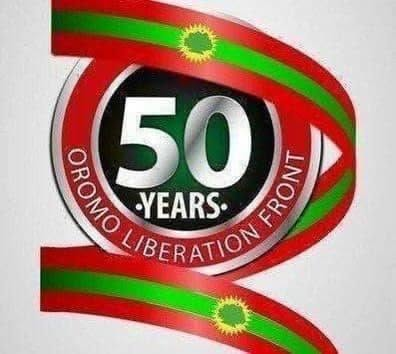
Carrying the Torch: 50 Years of the Oromo Freedom Struggle
Reflecting on half a century of resistance, resilience, and the unbreakable spirit of a people
—
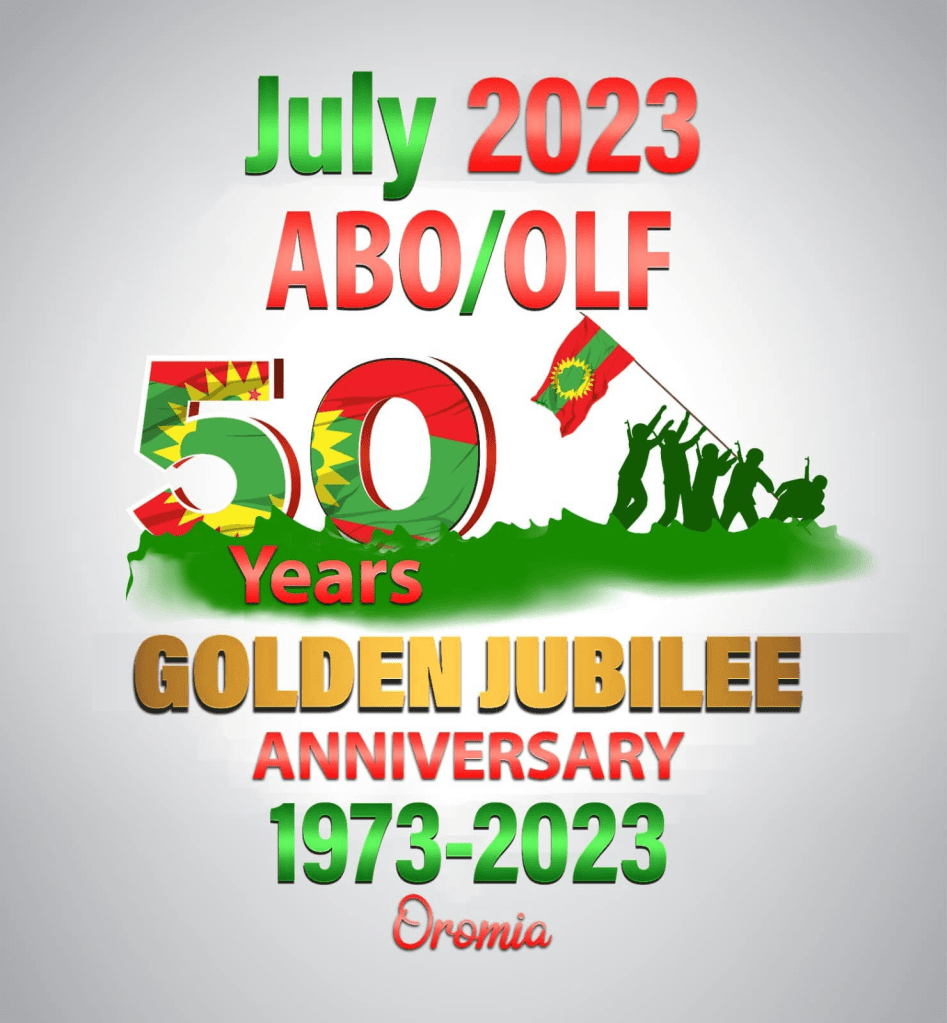
On a quiet day in 2023, as the world continues to spin through its cycles of change and upheaval, the Oromo people pause to mark a profound milestone. Fifty years have passed since the Oromo Liberation Struggle formally began its modern political and armed phase. The commemoration, held under the theme “50 Years of Oromo Freedom Struggle,” is not merely a glance backward at the pages of history. It is a declaration—a powerful affirmation that the strength of the past must be carried forward into the future.
As the saying goes, “Kunis waan nu ibsuu fi nu boonsu tokko akka baatee jiru mirkaneessa” —this confirms that there is something that defines us and makes us proud. Indeed, there is.
—
A People of Ancient Heritage
To understand the significance of this fifty-year mark, one must first appreciate the depth from which the Oromo struggle springs. The Oromo are not a recent invention of political convenience; they are the custodians of one of the oldest and most sophisticated cultural civilizations in the world.
The Gadaa system, a traditional democratic governance structure that has guided Oromo society for centuries, stands as a testament to their organizational genius. Long before modern democracies adopted the principles of checks and balances, term limits, and participatory governance, the Oromo had perfected these ideals through Gadaa. Every eight years, power would transfer peacefully from one generation to the next—a cycle of leadership renewal that ensured accountability and collective decision-making.
Then there is Waaqeffannaa, the indigenous Oromo belief system that reveres a single supreme being, Waaqa (God), and emphasizes harmony with nature, truth, and justice. The annual Irreecha festival, celebrated at sacred lakes and hilltops, is not merely a cultural event but a spiritual renewal—a thanksgiving for life, health, and the blessings of creation. Millions gather to raise their hands in prayer, adorned in traditional attire, singing songs that have echoed across the ages.
This is the Oromo identity: ancient, proud, and resilient. A civilization that has survived empires, invasions, and attempts at erasure. It is this identity that the freedom struggle seeks to protect and restore.
—
The Unfinished Story
The Oromo freedom struggle, as formally recognized in its modern phase over the past fifty years, is not a story of violence for its own sake. It is a story of a people demanding what is rightfully theirs: recognition, dignity, self-determination, and a place at the table of nations.
The archives of this struggle are filled with names that will never be forgotten. Some are written in blood, others in ink, but all are etched in the collective memory of the Oromo people. This struggle has chronicled a history of heroism that refuses to conclude—a narrative that continues to unfold with each passing year.
What makes this struggle unique is its deeply rooted cultural foundation. The Oromo are not fighting to create something new; they are fighting to reclaim something old. They are fighting to ensure that the Gadaa principles of justice, the Waaqeffannaa values of truth, and the Irreecha spirit of thanksgiving are not confined to textbooks or tourist brochures but are lived realities for future generations.
“Qabsoon Bilisummaa Oromoo seenaa boonsaa himamee hin dhumne galmeessee jira” —The Oromo liberation struggle has recorded a history of heroism that has not yet concluded. Indeed, it is a living document, written anew with every act of courage, every song of resistance, and every child raised to know their heritage.
—
A Story for All Generations
Perhaps the most beautiful aspect of this commemoration is its recognition that the struggle transcends any single generation. It is a legacy passed down from grandparents to parents, from parents to children. It is a story that is sung in lullabies, debated in classrooms, and whispered in prayers.
“Kun barayyuu dhalootaan kan leellifamuu fi faarfamuu dha” —This is a story that will be praised and sung by future generations. It is not a chapter to be closed but an anthem to be repeated, a lesson to be taught, and a flame to be kept alive.
The young Oromo today carry the weight of this legacy, but they also carry the hope. They are the ones who will take the baton from the veterans of the struggle and run the next lap. They are the ones who will ensure that the dream of a free, dignified, and prosperous Oromia becomes more than a slogan—it becomes reality.
—
Looking Ahead with Strength
As the Oromo people mark fifty years, they do so with a clear-eyed understanding of the road ahead. Challenges remain immense. The struggle is far from over. But the very act of commemorating half a century is itself an act of defiance—a declaration that the Oromo are still standing, still resisting, and still believing.
The world has witnessed the resilience of the Oromo. From the highlands to the lowlands, from the cities to the countryside, the spirit of Oromia remains indomitable. The freedom struggle is not merely a political movement; it is a cultural renaissance, a spiritual awakening, and a moral imperative.
—
Conclusion
Fifty years. It is a number that carries weight—the weight of sacrifice, the weight of hope, and the weight of an unfinished journey. The Oromo freedom struggle has been a long and arduous road, paved with both tears and triumphs. But as the Oromo gather to reflect on this milestone, they do not do so with bitterness or despair. They do so with the quiet confidence of a people who know who they are and what they deserve.
The theme “50 Years of Oromo Freedom Struggle” is not just about honouring the past. It is about carrying that strength forward, about ensuring that the next fifty years will be marked by even greater progress and eventual victory. It is about making sure that the Gadaa, the Waaqeffannaa, and the Irreecha remain not just memories but living traditions that guide the Oromo into a brighter tomorrow.
The Oromo story is one of the great epics of human history—a story of endurance, culture, and the unquenchable thirst for freedom. And as long as there are Oromo to tell it, sing it, and live it, that story will never end. It will be praised and sung by future generations, as it deserves to be.
—
“Qabsoon keenya bilisummaa fi mirga namaa kan mata keenyaati. Kun hidhannoo keenyatti amanuufi dhaloota dabarsuuti.”
“Our struggle is for freedom and human rights. This is our commitment to the future and to the generations to come.”