Category Archives: Bokkkuu

Finfinne, Indigenous Rights, and Equal Citizenship: A Vision for Justice and Coexistence
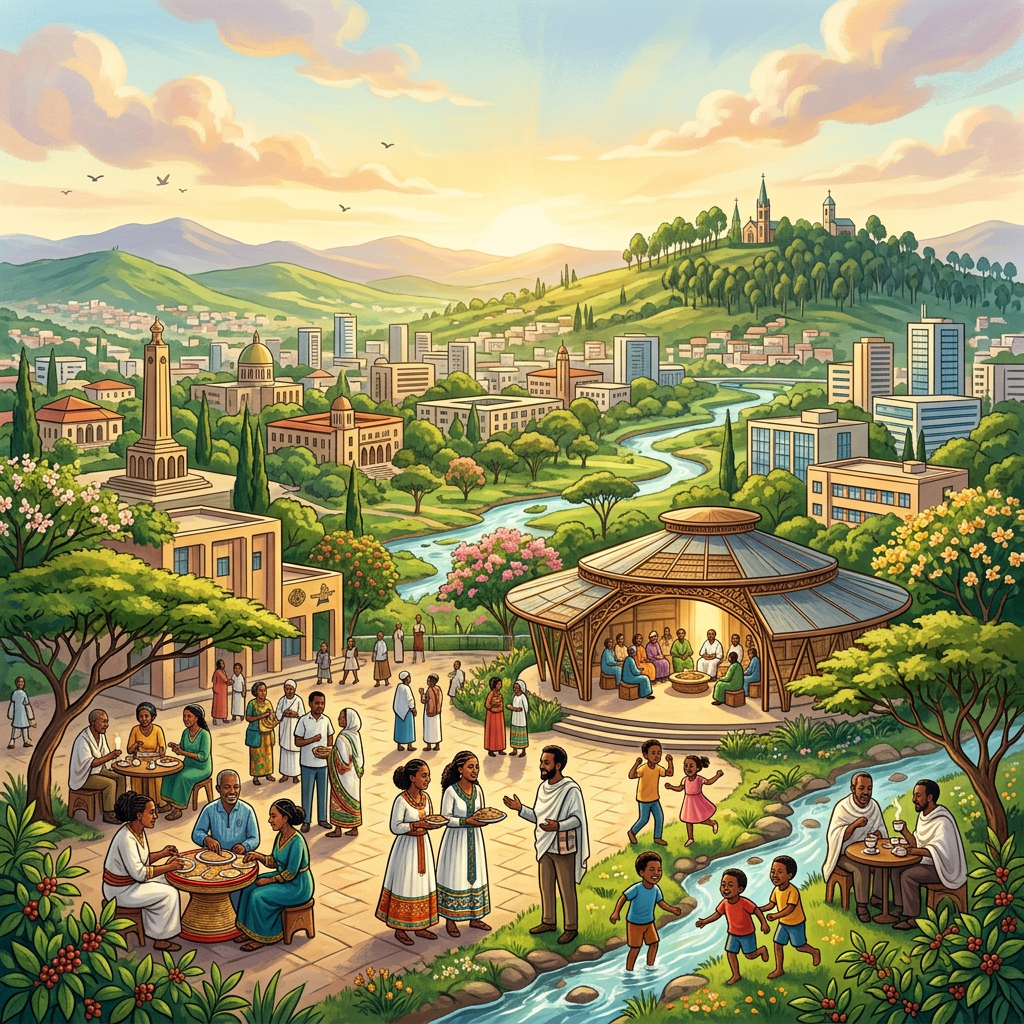
Reconciling Historical Claims and Democratic Principles in the Heart of Oromia
By Iyasu Enoro
In the ongoing discourse surrounding Finfinne—the city known internationally as Addis Ababa—a fundamental question persists: How do we reconcile the historical and indigenous rights of the Oromo people with the equal citizenship rights of all residents who now call the city home?
For the Oromo people, the answer is clear. Finfinne was established on Oromo land, and it remains an integral part of their historical and ancestral homeland. From this perspective, the concern is profound: some political actors are negotiating over what Oromos consider their own ancestral property, as if the land were a commodity to be traded rather than a sacred inheritance passed down through generations.
At the same time, international human rights principles demand equality and non-discrimination for all residents. The Universal Declaration of Human Rights (UDHR) and other international instruments affirm that every person has equal rights—regardless of ethnicity, language, religion, or origin. These rights include equality before the law, freedom of expression, freedom of association, participation in public affairs, and the right to vote and be elected.
The question, then, is not whether these two sets of rights can coexist—they can, and they must. The question is whether there is the political will to recognize both.
The Oromo Position: An Ancestral Homeland, Not a Negotiable Asset
From the Oromo perspective, there is no need for negotiations or agreements regarding Finfinne. The city was not established on empty land; it was built on Oromo territory, and the Oromo people view it as part of their historical and ancestral homeland.
This is not a claim rooted in political expediency—it is rooted in history. Before the expansion of the Ethiopian Empire under Menelik II, the area now known as Finfinne was inhabited by the Oromo people. It was a place of springs, grazing lands, and cultural significance. The city’s very name, Finfinne, is Oromo—meaning “place of hot springs.”
The establishment of the city and the subsequent displacement of the Oromo people were acts of dispossession that have never been fully acknowledged or addressed. For the Oromo people, Finfinne is not a political bargaining chip—it is the heart of their homeland, the symbol of their historical connection to the land, and the future capital of a free Oromia.
The Principle of Equal Citizenship: Rights for All Residents
International human rights law is clear: all citizens are entitled to equal civil and political rights. No resident of Finfinne should be denied democratic participation, public services, employment opportunities, or legal protection on the basis of ethnic identity. All citizens living in Finfinne are entitled to equal treatment and equal participation in the city’s political and civic life.
This principle is non-negotiable. Whether a resident is Oromo, Amhara, Gurage, Tigrayan, or of any other background, they are entitled to the full protection of the law and the full rights of citizenship. Discrimination on the basis of ethnicity is a violation of the most fundamental human rights.
Applied to Finfinne, this means that every resident of the city—regardless of their origin—should enjoy equal rights. No resident should be made to feel like a second-class citizen. No resident should be denied access to public services, economic opportunities, or political participation.
Indigenous Rights: Acknowledging History and Ancestral Connection
While equal citizenship guarantees participation and protection under the law for everyone, it does not resolve questions concerning historical ownership, indigenous rights, or territorial status. These are distinct but equally important questions.
The United Nations Declaration on the Rights of Indigenous Peoples (UNDRIP) affirms the importance of preserving indigenous peoples’ cultural identity, heritage, and historical connection to their ancestral territories. It recognizes that indigenous peoples have the right to maintain and strengthen their distinct political, legal, economic, social, and cultural institutions.
Supporters of the Oromo position argue that the historical relationship between the Oromo people and the land on which Finfinne was built should be acknowledged and respected. This is not a rejection of the rights of other residents—it is a demand for historical justice and recognition.
International Examples: Coexistence of Indigenous and Citizenship Rights
Around the world, there are numerous examples where indigenous rights have been recognized without denying equal citizenship rights to other residents. These examples demonstrate that both sets of rights can coexist and that recognizing indigenous claims does not diminish the rights of others.
New Zealand: The Treaty of Waitangi
The Māori people are recognized as the indigenous people of New Zealand. The Treaty of Waitangi provides a foundation for protecting Māori rights, culture, and claims to ancestral lands while ensuring equal citizenship for all New Zealanders. Māori political representation, cultural preservation, and land claims are recognized alongside the full democratic rights of all citizens.
Canada: First Nations, Inuit, and Métis
In Canada, First Nations, Inuit, and Métis peoples possess constitutionally recognized indigenous rights. Land claims agreements and self-government arrangements acknowledge historical connections to traditional territories while cities and communities remain open to residents of all backgrounds. Indigenous rights and citizenship rights coexist within a framework of mutual respect.
Australia: The Mabo Decision
The High Court of Australia’s landmark Mabo decision rejected the doctrine of terra nullius (empty land) and recognized Native Title rights. Indigenous Australians gained legal recognition of their ancestral connection to land without affecting the equal civil and political rights of other Australians. This decision acknowledged historical injustice while affirming the rights of all citizens.
Norway, Sweden, and Finland: The Sámi People
The Sámi people are recognized as indigenous peoples with cultural, linguistic, and political rights in Norway, Sweden, and Finland. Sámi representative institutions exist alongside the democratic rights enjoyed equally by all citizens. This recognition has not diminished the rights of non-Sámi residents.
United States: Native American Tribes
Native American tribes in the United States retain certain rights related to self-government, culture, and ancestral territories. These rights coexist with the citizenship rights of all residents within the United States. Tribal sovereignty and individual citizenship rights are recognized as complementary, not contradictory.
A Common International Principle
These examples demonstrate a common international principle: recognizing indigenous peoples’ historical and ancestral connections to land does not require denying democratic, civil, or human rights to other residents. Rather, both sets of rights can coexist.
The recognition of indigenous rights does not create a hierarchy of citizenship. It acknowledges that some communities have a distinct historical relationship to a particular territory—a relationship that predates the current political order. This recognition is not a threat to equal citizenship; it is a complement to it.
The Challenge of Equality
Those who place themselves above others often find it difficult to accept genuine equality. Throughout history, dominant groups have resisted the recognition of indigenous rights, viewing it as a threat to their privileged position. But lasting peace and coexistence cannot be built on domination and denial.
From the Oromo perspective, the path forward requires recognizing both the equal rights of all residents and the legitimate historical and indigenous claims of the Oromo people. This is not a zero-sum game—both sets of rights can be honoured.
A Vision for Finfinne
Finfinne remains an integral part of Oromia. It is situated on Oromo land, and the Oromo people’s historical connection to the city must be acknowledged and respected. This recognition does not require the exclusion of other residents—it requires a new framework of coexistence based on mutual respect and justice.
Such a framework would include:
- Recognition of Oromo Indigenous Rights: Formal acknowledgment of the Oromo people’s historical connection to the land on which Finfinne was established.
- Equal Citizenship for All Residents: Guaranteed democratic participation, public services, and legal protection for all residents, regardless of ethnicity.
- Shared Governance: Mechanisms for inclusive governance that ensure all residents have a voice in the city’s future.
- Historical Justice: Addressing the historical dispossession of the Oromo people through acknowledgment, apology, and appropriate remedies.
- Cultural Preservation: Support for the preservation and promotion of Oromo culture, language, and heritage within the city.
Conclusion: A Path to Lasting Peace
The recognition of indigenous rights and equal citizenship is not a contradiction—it is a foundation for lasting peace and coexistence. The international community has demonstrated that both sets of rights can be honoured, and the Oromo people are entitled to the same recognition.
Those who resist this recognition may see it as a threat to their position, but true peace cannot be built on denial and domination. Lasting peace requires acknowledging the truth of history, respecting the rights of all, and building a future based on justice.
From the Oromo perspective, Finfinne remains an integral part of Oromia—a sacred homeland that must be acknowledged, respected, and reclaimed. But this reclamation is not a rejection of others; it is an affirmation of the Oromo people’s right to their heritage, their identity, and their future.
Injifannoon Ummata Oromoo!
Finfinne haa jabaattu!
This feature article is dedicated to the Oromo people and all those who believe in the principles of justice, equality, and coexistence.

A Giant of the Oromo Revolution: Honouring Jaal Fekadu Wakjira
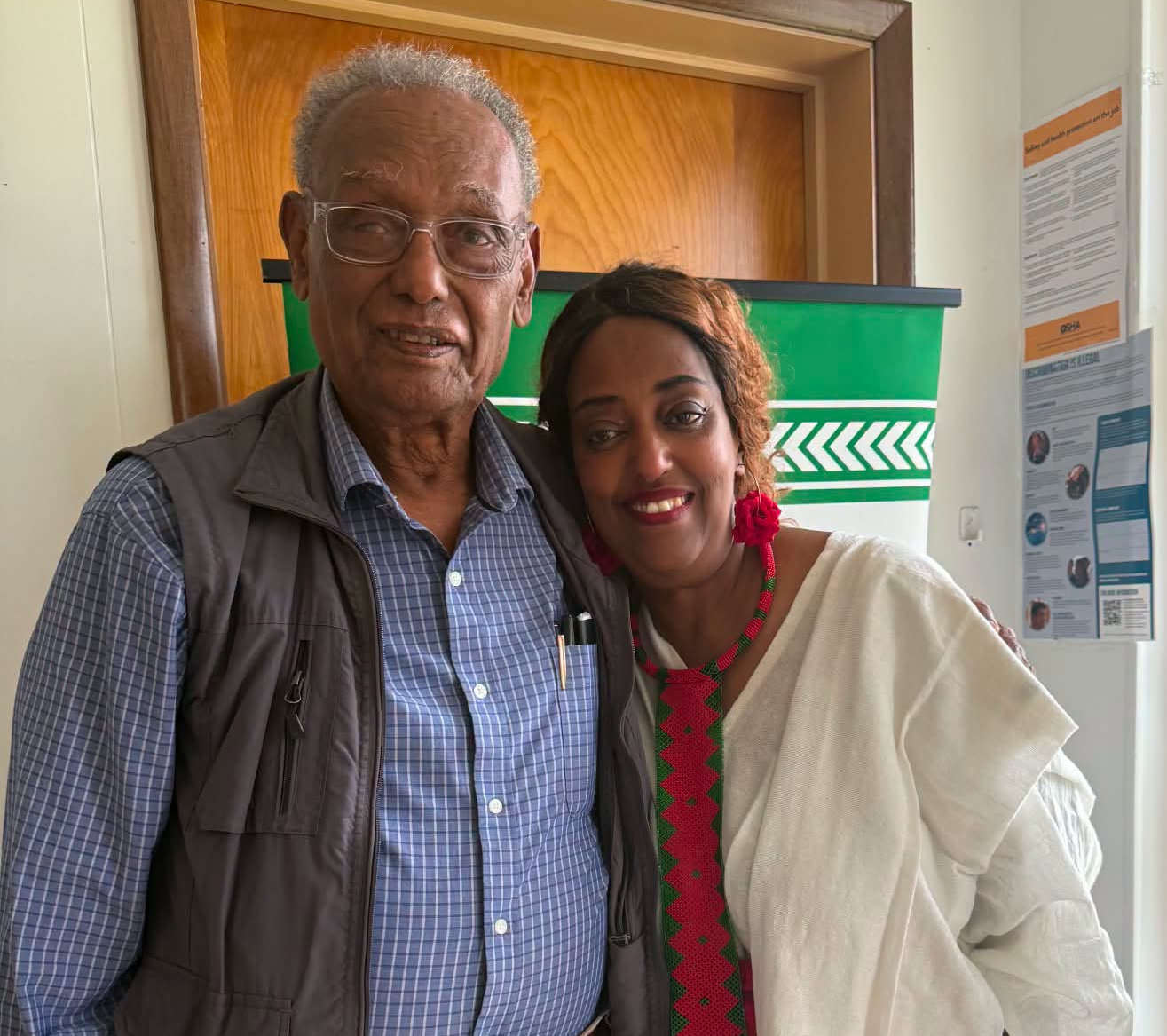
A Tribute to a Veteran Who Carried the Weight of the Struggle Through Sacrifice, Courage, and Unwavering Commitment
By Giiftii Waaqoo
In every liberation movement, there are those who carry the heaviest burdens—the ones who walk through the darkest hours so that others may one day see the light. They are the pillars upon which the struggle is built, the voices that refuse to be silenced, and the hearts that continue to beat for the freedom of their people, even when all seems lost.
Jaal Fekadu Wakjira is one such figure. A true veteran of the Oromo Revolution, his name is etched in the annals of Oromo history as a testament to sacrifice, courage, resilience, and unwavering commitment. His journey is not merely his own—it is the journey of an entire generation that dared to dream of a free Oromia and refused to let that dream die.
The Weight of a Generation
Jaal Fekadu Wakjira belongs to a generation that carried the weight of the Oromo struggle on their shoulders. These were the men and women who, in the face of brutal repression, chose to stand up and say, “Enough is enough.” They were the ones who, when their language was banned, spoke it in whispers. When their culture was suppressed, they celebrated it in secret. When their rights were denied, they demanded them with their lives.
This generation understood that liberation would not come easily. They knew that the road to freedom was paved with sacrifice—that some would fall, some would be imprisoned, some would be exiled, and some would never see the Oromia they dreamed of. Yet they marched forward anyway. They refused to be silenced. They refused to be erased.
Jaal Fekadu Wakjira stood among them. His service to the Oromo cause is not a footnote in history—it is a chapter of profound significance, written in the ink of struggle and the blood of martyrs.
The Foundations of the Struggle
The Oromo struggle for self-determination did not begin yesterday. It has deep roots that stretch back over a century—from the resistance against Menelik’s expansion, to the armed struggle of the Oromo Liberation Front, to the peaceful protests of the Qeerroo movement. Each generation has contributed to the edifice of Oromo identity and national consciousness.
But it was the generation of Jaal Fekadu Wakjira that laid the foundation upon which the current struggle stands. They were the architects of the movement’s organizational structures, the guardians of its history, and the transmitters of its values to the next generation. They ensured that the flame of Oromo nationalism would not be extinguished, even when the forces of repression sought to snuff it out.
Their sacrifices were not in vain. The Oromo people continue to rise. The struggle continues to advance. And the dream of a free Oromia continues to burn brighter with each passing year.
A Legacy of Sacrifice
The legacy of Jaal Fekadu Wakjira is one of sacrifice—a word that carries profound weight in the Oromo liberation movement. Sacrifice means leaving your family behind to join the struggle. Sacrifice means enduring imprisonment and torture without betraying your comrades. Sacrifice means living in exile, far from your homeland, yet never forgetting the people you left behind.
It is this spirit of sacrifice that defines the generation of Oromo veterans. They gave not only their time and energy but, in many cases, their lives. They faced imprisonment, forced displacement, and the constant threat of death with a courage that inspires us still.
As the Oromo saying goes, “Qabsoo baatuu dhiigaatuu” —the struggle is won by those who shed their blood. Jaal Fekadu Wakjira and his generation shed their blood so that future generations might live in dignity and freedom. That is a debt we can never fully repay, but we can honour it by continuing the work they began.
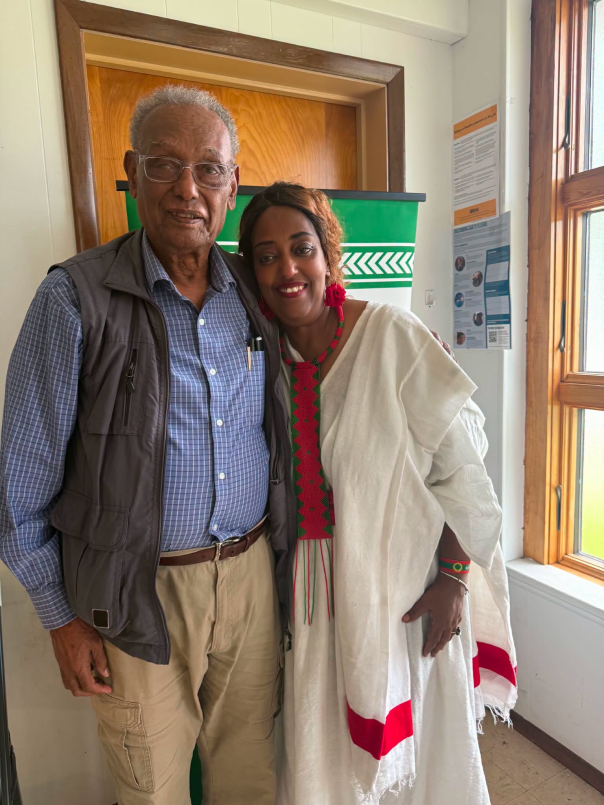
Courage in the Face of Adversity
Courage is not the absence of fear—it is the determination to move forward despite it. Jaal Fekadu Wakjira embodied this courage. In the face of a state that sought to crush the Oromo identity, he stood firm. In the face of imprisonment, he refused to break. In the face of exile, he never forgot his homeland.
His courage was not a solitary flame. It was part of a collective fire that burned in the hearts of all those who joined the Oromo struggle. Together, they challenged an oppressive system that had denied the Oromo people their land, their language, and their dignity for generations. And though the struggle continues, their courage has inspired countless others to take up the mantle.
Resilience: The Spirit That Endures
Resilience is the ability to endure hardship and emerge stronger. The Oromo people are among the most resilient in the world. Despite centuries of oppression, they have maintained their language, their culture, and their identity. Despite repeated attempts at assimilation and erasure, they have remained steadfast in their commitment to freedom.
Jaal Fekadu Wakjira embodies this resilience. His life and work are a testament to the unbreakable spirit of the Oromo people. Through every setback, every defeat, and every moment of despair, he has remained committed to the cause. His resilience is a reminder that the Oromo struggle is not a fleeting moment of political unrest—it is a long and determined march toward justice.
Unwavering Commitment: The Call That Never Fades
What does it mean to have unwavering commitment? It means dedicating your life to a cause without expecting recognition or reward. It means continuing to fight, even when the odds are stacked against you. It means never losing sight of the goal, even when the path is shrouded in darkness.
Jaal Fekadu Wakjira’s commitment to the Oromo cause has never wavered. Through decades of struggle, through moments of triumph and moments of defeat, he has remained a steadfast advocate for Oromo liberation. His commitment is a beacon for all who continue to fight for justice, reminding us that the struggle is not a sprint but a marathon—one that requires patience, persistence, and unshakeable faith in the righteousness of the cause.
A History That Must Not Be Forgotten
Jaal Fekadu Wakjira is part of a history that must never be forgotten. It is a history of resistance, of resilience, and of hope. It is a history that belongs not only to the Oromo people but to all those who believe in the cause of justice and human dignity.
The story of the Oromo struggle is one of many chapters, each written by a generation of courageous individuals. Jaal Fekadu Wakjira’s generation laid the foundation, and it is our responsibility to build upon it. We must ensure that future generations know the sacrifices that were made on their behalf and that they understand the importance of continuing the fight.
As the Oromo proverb says, “Kan booda dhufuuf hundumaatu deebisa” —the future belongs to those who remember the past.
A Message of Gratitude
To Jaal Fekadu Wakjira, we say: Galatoomaa. Thank you for your service, your sacrifice, and your unwavering commitment to the Oromo cause. Thank you for the courage you showed in the darkest hours. Thank you for the resilience that inspired so many. Thank you for the foundation you built, upon which we continue to build.
Your generation carried the weight of the struggle so that ours could carry the torch. Your sacrifices became part of our history, and your legacy will live on in the hearts of the Oromo people for generations to come.
Ulfaadha! —You are honoured!
The Legacy Continues
The struggle for Oromo liberation is not yet complete. There is still work to be done, sacrifices to be made, and victories to be won. But the legacy of Jaal Fekadu Wakjira and his generation is a source of strength and inspiration. It reminds us that the fight for freedom is a journey—one that requires courage, resilience, and unwavering commitment.
We who carry the torch today owe it to the veterans of the Oromo struggle to continue the work they began. We must honour their sacrifices by building a future worthy of their dreams. We must ensure that the freedom they fought for is not only achieved but also preserved for future generations.
Conclusion: A Living Legacy
Jaal Fekadu Wakjira is a living legacy of the Oromo Revolution. His name will be remembered alongside the great heroes of the Oromo struggle—those who dared to dream of a free Oromia and refused to let that dream die.
As we honour Jaal Fekadu Wakjira, we honour an entire generation that carried the weight of the Oromo struggle through sacrifice, courage, resilience, and unwavering commitment. We remember their contributions. We celebrate their achievements. And we recommit ourselves to the cause for which they fought.
Injifannoon Ummata Oromoo!
Galatoomaa, Jaal Fekadu Wakjira!
Ulfaadha!
This feature article is dedicated to Jaal Fekadu Wakjira and all the veterans of the Oromo Revolution—past, present, and future—who have given so much for the freedom and dignity of the Oromo people.

Qaammee: The Sacred Celebration of Oromo Womanhood
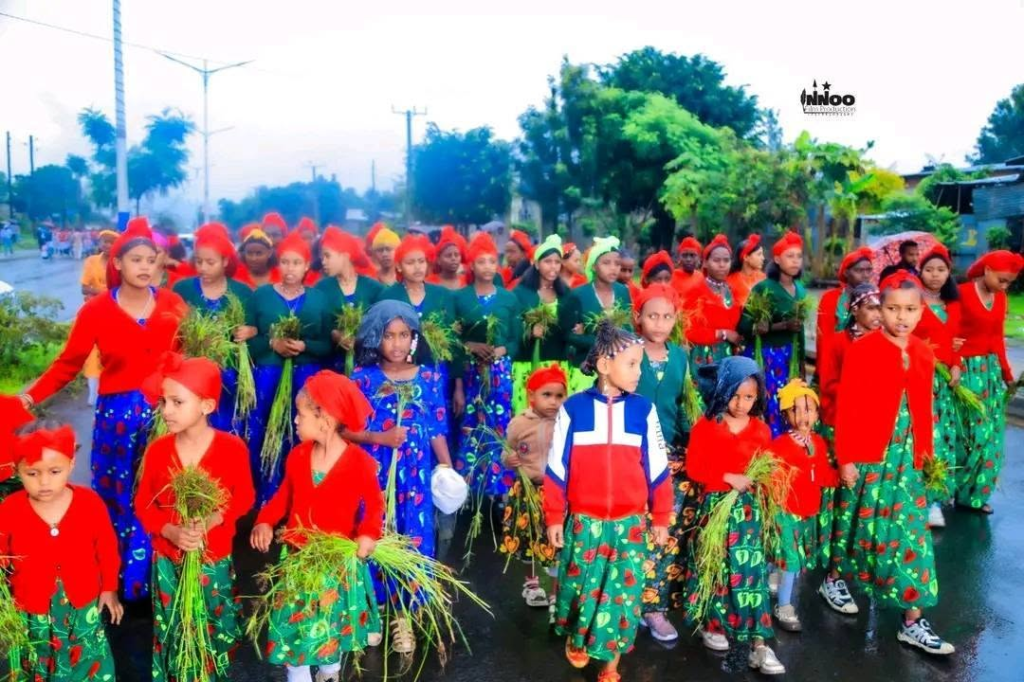
A Timeless Tradition of Blessing, Transition, and Cultural Pride
By Maatii Sabaa
In the rich tapestry of Oromo culture, few celebrations are as deeply revered and symbolically profound as Qaammee—the sacred festival honoring young Oromo women. This ancient tradition, which marks the transition of unmarried girls into womanhood, is a vibrant expression of cultural identity, community unity, and spiritual blessing.
The Qaammee festival is more than a ceremony; it is a living testament to the Oromo people’s deep respect for women and their central role in society. As the celebrations unfold across Oromia, the air fills with the fragrance of the rainy season, the rhythm of traditional songs, and the joyous laughter of young women adorned in their finest attire.
Understanding Qaammee: A Celebration of Womanhood
Qaammee refers to a young unmarried woman who participates in this sacred festival. The term embodies the essence of youthful femininity, purity, and the promise of a bright future. The celebration is a rite of passage, a communal blessing, and a moment of profound cultural significance.
According to tradition, young women who have not yet married participate in the Qaammee ceremony to receive blessings, share in communal joy, and affirm their identity as proud Oromo women. The festival is marked by two key rituals:
- Buqqisaa — The “Breaking” or initiation ceremony, where the young women are formally welcomed into the celebration.
- Daddarbaa — The “Passing” or blessing ceremony, where they receive the community’s blessings and are honored for their transition.
These rituals are not merely symbolic; they are deeply spiritual acts that connect the young women to their ancestors, their community, and the natural world around them.
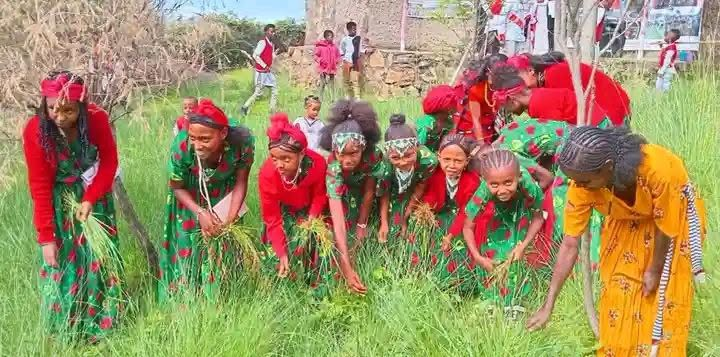
When Does Qaammee Take Place?
The Qaammee festival follows a specific seasonal calendar, deeply attuned to the rhythms of Oromo life. Celebrations begin in the month of Hagayya (roughly July-August) and continue through the month of Fulbaana (September-October), culminating at the end of the rainy season.
The timing is significant. The rainy season, known as Birraa in Oromo, brings life to the land—replenishing rivers, greening pastures, and signaling a time of renewal and abundance. The Qaammee celebration coincides with this season of rebirth, reflecting the new beginnings that the young women are entering as they step into adulthood.
This year’s celebrations began with the Buqqisaa ceremony today, followed by the Daddarbaa blessing ceremony tomorrow.
The Rituals of Qaammee
The Buqqisaa Ceremony
The Qaammee celebration begins with the Buqqisaa ceremony, a vibrant and joyous event held at communal gathering places. On this day, young unmarried women come together to participate in traditional dances, songs, and celebrations. The atmosphere is electric—filled with the beating of drums, the clapping of hands, and the joyful ululations of the community.
The young women, known as Qaammeen, dress in their finest traditional attire, adorned with colorful beads, jewelry, and intricately braided hairstyles. Their beauty and grace are celebrated as they dance, symbolizing their vitality and the promise of future generations.
The Daddarbaa Ceremony
The following day, the Daddarbaa ceremony takes place. On this day, the young women are blessed by the elders of the community. They receive prayers and blessings for a prosperous life, healthy marriages, and a future filled with happiness and success.
The blessings are not only spiritual but also practical. The elders offer guidance and wisdom to the young women, preparing them for the responsibilities and joys of adult life. The community gathers to witness the ceremony, reinforcing the bonds of unity and collective care.
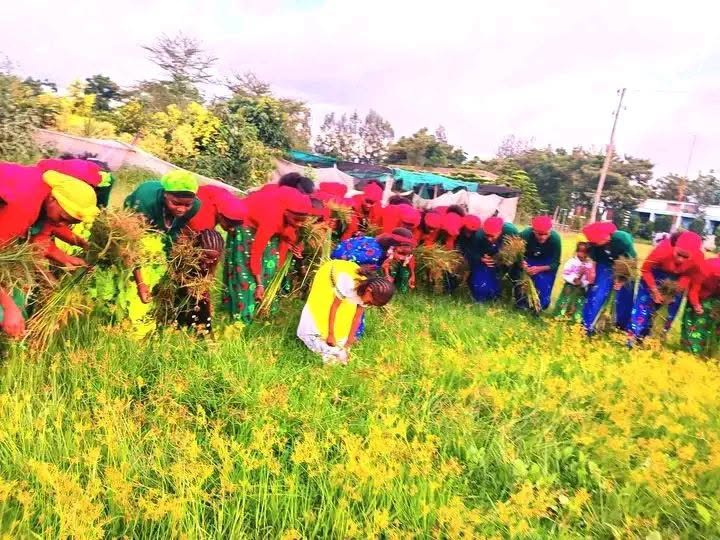
The Role of Men and Boys in Qaammee
While Qaammee is primarily a celebration of young women, men and boys also play important roles in the festivities. Boys who have not yet reached the second grade of the Gadaa system and who are not yet married participate in the celebrations through traditional songs and dances.
Their presence is a gesture of respect and support, acknowledging the central role of women in Oromo society and the importance of honoring their transition into womanhood. The participation of young men also serves as a reminder of the collective nature of Oromo culture—where the wellbeing of the community is built on the strength of all its members.
The Spiritual Significance of Qaammee
At its heart, the Qaammee celebration is a spiritual experience. The rituals are conducted with reverence and respect, invoking the blessings of Waaqa (God) and the ancestors. The young women receive the prayers of the elders, the admiration of the community, and the hope of their families.
The celebration is also an act of thanksgiving. The Oromo people give thanks for the rain, the harvest, and the continuity of their culture. The young women, as symbols of fertility and the future, represent the hope and promise of the Oromo nation.
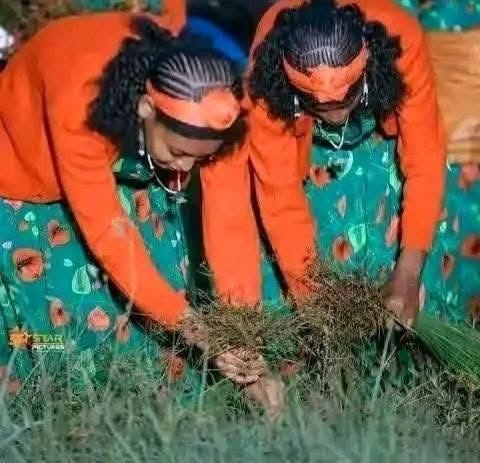
Qaammee and Oromo Cultural Identity
The Qaammee festival is a powerful expression of Oromo cultural identity. In a world where many indigenous traditions are at risk of being lost, the Oromo people have maintained this celebration as a living practice of their heritage.
The festival reinforces important cultural values:
- Community Unity: The celebration brings together families, neighbors, and entire communities in shared joy and purpose.
- Respect for Women: Qaammee honors the role of women in Oromo society, celebrating their transition to adulthood and affirming their dignity and worth.
- Cultural Continuity: Through the rituals, songs, and dances, the younger generations learn about their heritage and their responsibilities to their community.
Qaammee in the Diaspora
In recent years, Oromo communities in the diaspora have also begun to celebrate Qaammee, ensuring that the tradition continues across borders. In cities like Minneapolis, Seattle, Melbourne, and Toronto, Oromo youth organizations host Qaammee celebrations, complete with traditional music, dance, and blessings.
These celebrations serve multiple purposes: they preserve cultural identity among the diaspora, connect younger generations to their heritage, and create spaces for community bonding in new and often challenging environments. As one community leader noted, “Qaammee is not just a celebration; it is a statement of who we are and who we will always be.”
A Celebration of Promise and Renewal
As the Qaammee festival concludes, the participants and their families are filled with a sense of pride, joy, and hope. The young women who have been blessed and celebrated carry with them the strength and support of their community as they embark on their journeys into adulthood.
The festival is also a reminder of the beauty and resilience of Oromo culture—a culture that has survived centuries of oppression and continues to thrive in the hearts of its people. As the Oromo proverb says, “Foolii Birraa nutti haa urgeechu” —may the fragrance of spring (the rainy season’s fresh, green scent) be upon us.
“Ayyaanni baranaa nuun haa jegu” —may this year’s celebration be one of abundance and joy!
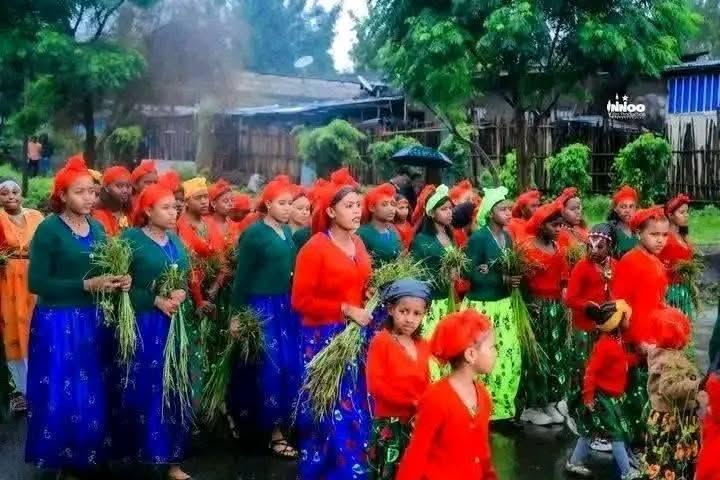
Conclusion: The Eternal Light of Qaammee
Qaammee is more than a celebration; it is a sacred tradition that connects the Oromo people to their past, their present, and their future. It is a moment to honor young women, to bless their journey, and to affirm the enduring strength of Oromo culture.
As the community gathers at Dirree Warra Angaafaa, Jahan Galaan, to witness the Daddarbaa ceremony, let us celebrate the beauty, grace, and resilience of the Oromo people. Let us honor the young women who carry the hopes of their community. And let us remember that traditions like Qaammee are the threads that weave the fabric of Oromo identity.
Foolii Birraa nutti haa urgeechu!
Ayyaanni baranaa nuun haa jegu!
Dirree Warra Angaafaa, Jahan Galaan
Hagayya 08, 2026
This feature article is dedicated to all the young Oromo women—past, present, and future—who carry the spirit of Qaammee in their hearts, and to the communities who uphold this beautiful tradition.

Historic Milestone: The First Diaspora Structure Council of the ABO Concludes with Resolute Decisions
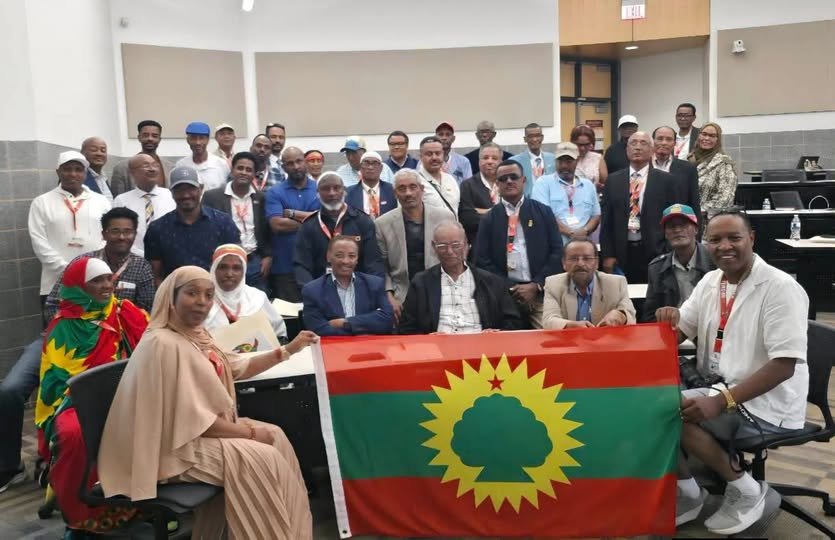
Minneapolis Hosts Landmark Gathering as Oromo Diaspora Leaders Forge a Unified Path Forward
By Dhabessa Wakjira
(Minneapolis, Minnesota — Hagayya 5, 2026) In a historic display of organizational unity and democratic resolve, the Kora 1ffaa Caasaa ABO Biyyoota Ambaa —the First Diaspora Structure Council of the Oromo Liberation Front (ABO)—successfully concluded its proceedings in Minneapolis, Minnesota. Convened over two days, Hagayya 4–5, 2026, the gathering brought together a broad cross-section of the Oromo diaspora community, including representatives from the ABO Diaspora Structure, transitional leaders, families of fallen fighters, elders, scholars, artists, youth, women, and community organizations. Dignitaries from the Caayaa Utubaa ABO and Caayaa Biiftuu Ganamaa were also in attendance, lending their wisdom and authority to the proceedings.
The participation was overwhelming—with over eighty-seven percent (87%) of invited representatives in attendance, ensuring that the gathering met the necessary quorum for legitimacy and decision-making. As the Preparatory Committee Chair, Jaal Yaddii Abdulshakuuri, had confirmed prior to the event, the conditions for a successful council were met, and the assembly proceeded with confidence and purpose.
A Ceremonial Opening: Tradition and Blessings
In keeping with Oromo cultural tradition, the council opened with the recitation of the Eebba Manguddoo—the Great Blessing—led by elders and religious figures, alongside the ceremonial contributions of the Haadholii Siiqqee (Siinqee women). The opening ceremony, which featured the singing of the Faaruu Alaabaa (national anthem), set a tone of reverence and unity, connecting the political work of the council to the cultural and spiritual foundations of the Oromo people.
Jaal Shuggux Galataa, the Coordinator of the Diaspora Structure Council, formally opened the proceedings. Following the opening, he presented a comprehensive report on the work accomplished over the past years. The report assessed the progress, achievements, and challenges encountered within the movement, offering a candid reflection on both victories and shortcomings. After extensive discussion and deliberation, the report was approved by the assembly.
Eighteen Resolute Decisions: A Blueprint for Action
Following thorough deliberations on various foundational issues, the First Diaspora Structure Council passed a series of 18 landmark decisions, establishing a clear path for the diaspora’s role in the Oromo liberation struggle. These decisions are as follows:
1. Approval of the By-Laws
The Council reviewed, debated in depth, and approved the By-Laws of the ABO Diaspora Structure, incorporating necessary amendments before ratification.
2. Election of the Leadership Council
The Council democratically elected a 39-member Leadership Council (Mana Marii Caasaa ABO Biyyoota Alaa) to lead the Diaspora Structure for the next three years, entrusting them with the mandate to guide the diaspora’s organizational work.
3. Commitment to the Struggle
The newly elected leadership members pledged their commitment, taking an oath to fulfill their responsibilities with integrity and dedication, ensuring that the ABO’s struggle achieves its objectives.
4. Institutional Strengthening
The Council resolved that the diaspora’s contribution to the Oromo liberation struggle is not to be seen as a supplementary effort. Recognizing institutional strengthening as a priority, it decided to fortify existing structures and establish new ones where absent, across all diaspora chapters and communities.
5. Engagement with Civic Organizations
The Council committed to engaging with and strengthening civic organizations and community groups, ensuring they contribute effectively to the struggle and amplify the Oromo voice.
6. International Advocacy and Diplomacy
The Council resolved to work with various governments and non-governmental institutions to establish international relations and alliances for the Oromo cause. This includes raising awareness of the oppression faced by Oromo people under the Ethiopian government and advocating for international support for the ABO’s struggle.
7. Support for Internal Struggles
The Council pledged to continue providing necessary support for the work of the ABO’s structures inside Oromia.
8. Supporting the ABO Inside Oromia
The Council committed to supporting the legal and political work of the ABO within Ethiopia, in accordance with national laws and electoral board regulations, ensuring the continuation of the struggle through all available means.
9. Confronting Atrocities
The Council resolved to expose and demand accountability for all atrocities committed by the Ethiopian government against the Oromo people, calling for an end to these acts and for those responsible to be held accountable.
10. Finfinne and the National Dialogue
The Council demanded that the ongoing “National Dialogue” process, which has been used to further divide Oromo land and undermine Oromo rights, be subjected to deep scrutiny. It called for a genuine, inclusive dialogue involving all parties, including opposition groups, that would serve the interest of all peoples of Ethiopia, not just narrow political agendas.
11. Opposition to the Extension of Term
The Council condemned the Ethiopian government’s actions to extend its term in office through military operations across Oromia under various pretexts, declaring its opposition to these maneuvers.
12. The Return of Finfinne and Dirree Dhawaa
Reaffirming that Finfinne and Dirree Dhawaa were illegally separated from Oromia in the past and have not been returned, the Council demanded their immediate return to Oromia.
13. Opposing Excessive Taxation
The Council called for an end to the excessive taxes imposed on Oromo farmers, merchants, and pastoralists, which are impoverishing communities, and demanded that these taxes be revised and reduced.
14. Adherence to the By-Laws
The Council affirmed that all its members are bound by the By-Laws ratified at this gathering and that they will support and work within the structures established by this Council.
15. Call for Ceasefire and Peace
Expressing grave concern over the ongoing armed conflict between the Oromo Liberation Army (WBO) and the Ethiopian government, which is causing immense loss of life and property, the Council called for an immediate cessation of hostilities. It urged the government to lift restrictions and engage in dialogue with the WBO to reach a lasting and just resolution.
16. Addressing Generational Injustices
The Council declared that Oromia and the Oromo people have endured over a century and a half of oppression and denial of their rights. At this critical juncture, when Oromo leadership is expected to govern, the people are experiencing unprecedented hardship. The Council demanded that the current system provide justice, dignity, and a peaceful existence for Oromo people in their own land.
17. Protection of the ABO’s Rights
While affirming that the ABO operates legally within Ethiopia to pursue the rights of the Oromo people, the Council condemned the government’s actions against the party—including the imprisonment of its leaders, the closure of its offices, the seizure of its property, and the restriction of its political activities. The Council demanded that the government respect the legal and political rights of the ABO to operate freely within the country.
18. Release of Political Prisoners
The Council called for the immediate release of all political prisoners who have been detained without due process, held in prisons, police stations, military camps, and other detention facilities across the country, demanding that they either be brought to court or released without delay.
A New Chapter in the Diaspora Struggle
The successful conclusion of the First Diaspora Structure Council marks a watershed moment in the Oromo liberation movement. For the first time, the diaspora’s role in the struggle has been codified through a comprehensive structure and set of mandates, ensuring that the community’s resources, voices, and efforts are directed with cohesion and purpose.
The gathering brought together the full spectrum of Oromo society in the diaspora—from elders and scholars to youth and artists—united in their determination to see the liberation of Oromia achieved. The presence of the families of fallen fighters served as a powerful reminder of the sacrifices upon which the movement is built.
Conclusion: The Struggle Continues, In Unity
As the council concluded its historic session, the spirit of “Injifannoon Ummata Oromoo” —Victory to the Oromo People—resounded through the halls of Minneapolis. The decisions made, the leadership elected, and the commitments sealed represent a renewed pledge to the cause of freedom, justice, and self-determination.
The work of the diaspora is now more organized, more strategic, and more impactful than ever before. The First Diaspora Structure Council has laid the foundation for a new phase in the struggle—one that harnesses the full potential of the Oromo diaspora while remaining firmly connected to the aspirations of the people in the homeland.
Injifannoon Ummata Oromoo!
ABO haa waaru!
Caasaa ABO Biyyoota Alaa haa jabaattu!
Hagayya 5, 2026
Minneapolis, Minnesota, USA
This feature article is dedicated to all who participated in this historic council, to the leadership of the ABO, and to the Oromo people everywhere who continue to strive for freedom, justice, and dignity.

Honouring a Pillar of the Oromo Struggle: A Tribute to Obbo Dirribaa Aariqoo
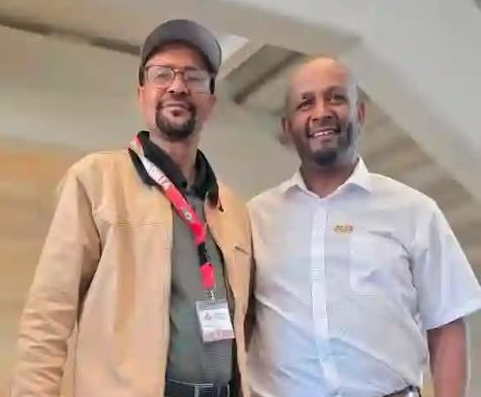
The Former Governor of Illubabor Zone and Head of the Oromia Security Bureau, Celebrated for His Unwavering Commitment to the Liberation Movement
By Daandii Ragabaa
In the ongoing narrative of the Oromo people’s quest for self-determination, certain figures stand out not merely for their titles, but for the depth of their commitment and the sacrifices they have made. One such individual is Obbo Dirribaa Aariqoo, the former Governor of the Illubabor Zone and previous Head of the Oromia Security Bureau. His journey is a testament to the spirit of the Qabsoo—the struggle—and a powerful example of how dedicated leaders contribute their skills, knowledge, and personal resources to the advancement of their people.
This tribute celebrates Obbo Dirribaa Aariqoo, a leader who has consistently demonstrated that true commitment to the struggle is measured not by words, but by unwavering dedication and the continuous application of one’s talents to the cause of liberation.
A Life of Service: From Illubabor to the Oromia Security Bureau
Obbo Dirribaa Aariqoo’s career reflects a deep-seated commitment to public service and the development of Oromia. As the Governor of the Illubabor Zone, he held a position of significant responsibility, overseeing a region known for its rich agricultural potential and cultural heritage. His tenure was marked by a focus on the welfare of the Oromo people and the strengthening of the region’s institutions.
His subsequent appointment as the Head of the Oromia Security Bureau is a natural progression of his dedication to showcasing the security and potential of Oromia. Oromia is often called the “gifted land” due to its stunning landscapes, ranging from high mountain peaks to the Rift Valley lakes. It is home to the famous Sof Umar Cave and the Bale Mountains National Park, a paradise for bird watchers. The region is also the cradle of the Gadaa system, a democratic governance structure recognized by UNESCO as an Intangible Cultural Heritage of Humanity. In this role, Obbo Dirribaa is not merely promoting Oromia security; he is working to reclaim and project the true peace and image of Oromia to the world, a land of rich history and immense natural beauty that has often been overlooked.
The Pillar of the Qabsoo: Beyond the Title
What truly distinguishes Obbo Dirribaa Aariqoo is the manner in which he has integrated his professional roles with the broader Oromo struggle. As the saying goes, “Qabsoon kan itti of kennaniin dandeettii, beekumsa, qabeenyaa fi humna ofii itti gumaachanii dha”—the struggle is one to which people contribute their abilities, knowledge, resources, and personal strength. Obbo Dirribaa is a living embodiment of this principle.
His active participation in the Qabsoo is not a symbolic gesture. He is recognized as one who has made significant personal sacrifices for the cause. The Oromo liberation movement, which has spanned over 50 years of organized resistance, has demanded immense personal cost from its leaders. Figures like Obbo Dirribaa stand alongside other pillars of the struggle—such as the late singer Cawwaaqaa Yaaddessaa, whose music served as a “pillar” of the struggle during the difficult years of the Derg regime, and leaders who endured imprisonment and exile to advance the Oromo cause.
These individuals, including Obbo Dirribaa, are the “Utubaa Qabsoo”—the pillars who have held the movement together through the darkest hours. Their contribution is a testament to the belief that liberation is a multi-generational project requiring each generation to do its part.
The Broader Context: The Oromo Struggle in 2026
As we honour Obbo Dirribaa Aariqoo in 2026, it is important to recognize the historical moment. This year marks not only the 40th anniversary of the Oromo Studies Association (OSA), which has tirelessly worked to reclaim Oromo history and knowledge, but also a significant point in the political journey of the Oromo people.
The Oromo Liberation Front (OLF/ABO) continues to face challenges, with the political arena having been “deliberately closed” in recent years, leading to the imprisonment of leaders and the shutdown of offices. Yet, the spirit of the Qabsoo endures. Leaders like Obbo Dirribaa Aariqoo are crucial in ensuring that the movement’s vision for a free and prosperous Oromia remains alive and that the next generation is prepared to carry the torch forward.
A Gratitude to the Pillars
The work of the Oromo liberation movement has always been fuelled by the dedication of its leaders and fighters. Many have paid the ultimate price, including the 17 commanders who were killed in 1981 at Shinnigaa, an event now commemorated annually as Oromo Martyrs’ Day. Others, like the family of Leencoo Lataa, endured immense suffering—including imprisonment and separation from their children—for the cause.
In this context, the contribution of Obbo Dirribaa Aariqoo stands as a proud chapter in the Oromo story. “Galata guddaa qaban” —he and others like him deserve our profound gratitude. Their service is a reminder that the struggle for justice is not abstract; it is built by the hands and hearts of leaders who are willing to sacrifice their own comfort for the collective future of their people.
Conclusion: A Legacy of Strength
Obbo Dirribaa Aariqoo’s journey from the Governor of Illubabor to the Head of the Oromia Security Bureau is a story of consistent, principled service. His active participation in the Qabsoo is a powerful example of how the development of Oromia’s institutions and the preservation of its culture are inseparable from the broader political struggle for liberation. As Oromia looks to the future, the example set by leaders like Obbo Dirribaa—who have contributed their “dandeettii, beekumsa, qabeenyaa fi humna” (ability, knowledge, resources, and strength) to the cause—will continue to inspire generations.
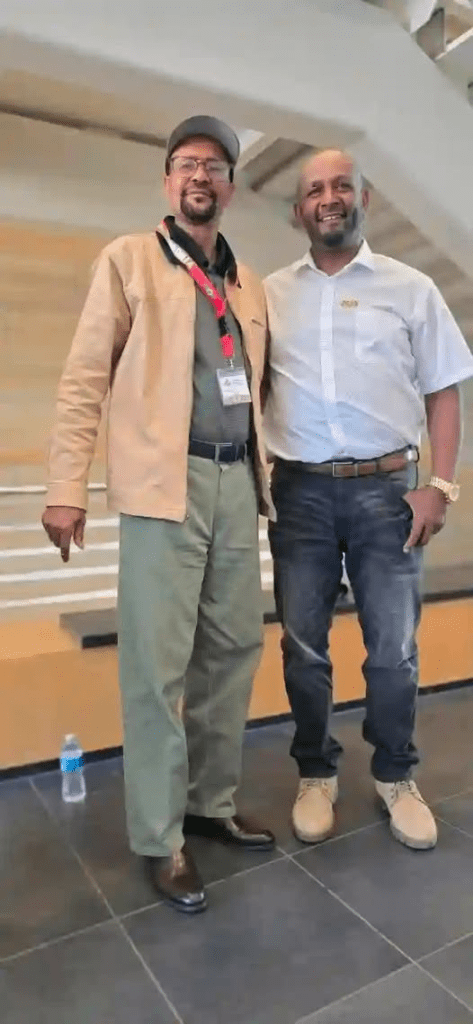
Injifannoon Ummata Oromoo!
Galata Obbo Dirribaa Aariqoo!
This feature article is a tribute to the unwavering dedication of Obbo Dirribaa Aariqoo and all Oromo leaders who serve as pillars of the Qabsoo.

Thirty Years of Unity: OSFNA Celebrates a Legacy of Culture, Community, and Connection (1996–2026)
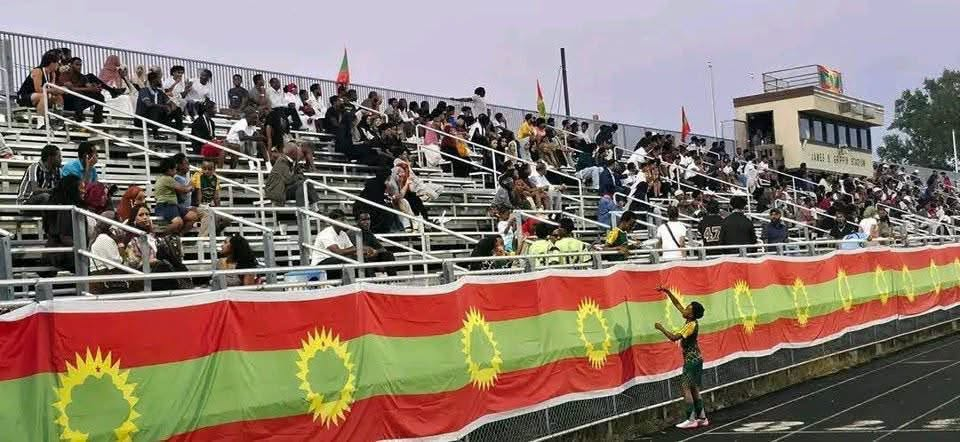
In the summer of 1996, a simple yet profound idea took root in Toronto, Canada. A group of visionary members of the Oromo diaspora, driven by a desire to foster community cohesion and celebrate their rich heritage, launched the inaugural soccer tournament of what would become the Oromo Sports Federation in North America (OSFNA). Thirty years later, as the organization celebrates its 30th anniversary in 2026, that initial gathering of six clubs has blossomed into a monumental week-long festival of sport, culture, and solidarity. OSFNA’s journey is a powerful testament to the enduring spirit of the Oromo people and their unwavering commitment to unity, awareness, and the celebration of Oromummaa.
From Humble Beginnings to a Continental Movement
What started on local park fields has grown into one of the most significant annual gatherings for the Oromo diaspora. The inaugural tournament in 1996 featured teams from across North America, including Rissa from Minnesota, Madaa Walabuu from Seattle, Oromia from Toronto, and others from Canada, Atlanta, and Ottawa. The immediate success of this event showcased not only the athletic talent within the community but also its deep-seated need for connection. The following year saw rapid expansion, leading to the democratic establishment of the OSFNA Board, a milestone that formalized the organization’s structure and solidified its future. Over three decades, OSFNA has evolved into a cornerstone of Oromo diaspora life, consistently captivating members year after year with a rich tapestry of cultural and sporting events.
More Than a Game: A Platform for Culture and Awareness
OSFNA’s impact extends far beyond the soccer field. While the annual tournament remains the centerpiece, the event has become a powerful platform for cultural exchange and community building. It serves as a vibrant space where Oromos can reconnect with their roots, celebrate their identity, and forge lasting bonds across borders. The organization’s dedication to promoting Oromo heritage and culture on a broader scale is evident as the tournament travels to various cities, fostering connections and solidarity among Oromo communities across the country and beyond. By bringing people together, OSFNA plays a vital role in beek sisuu—raising awareness of the Oromo people and Oromia—and in walitti fiduu—uniting a diaspora scattered across a vast continent.
A Legacy of Unity and Recognition
The unifying power of OSFNA has not gone unnoticed. The organization’s contributions have been formally recognized by the mayor’s offices of both Minneapolis and Saint Paul, which have designated a special “Oromo Week” to celebrate the community’s cultural contributions. This official acknowledgment underscores the significant role OSFNA plays in bridging cultural gaps and enriching the broader social fabric of its host communities. The spirit of unity fostered by the federation echoes the wider Oromo liberation movement’s calls for tokkummaa (unity) and speaking with one voice. In a diaspora where maintaining cultural identity can be challenging, OSFNA has become a beacon, ensuring that the language, traditions, and spirit of the Oromo people are preserved and passed on to future generations.

Celebrating 30 Years of Excellence in 2026
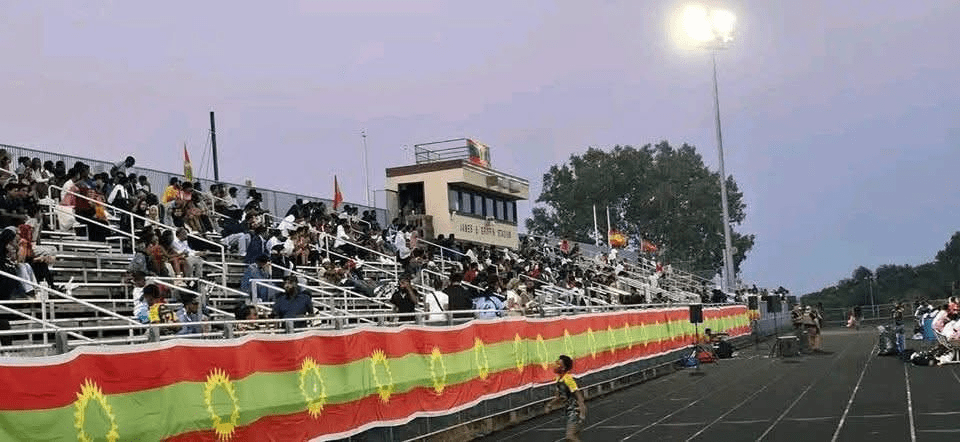
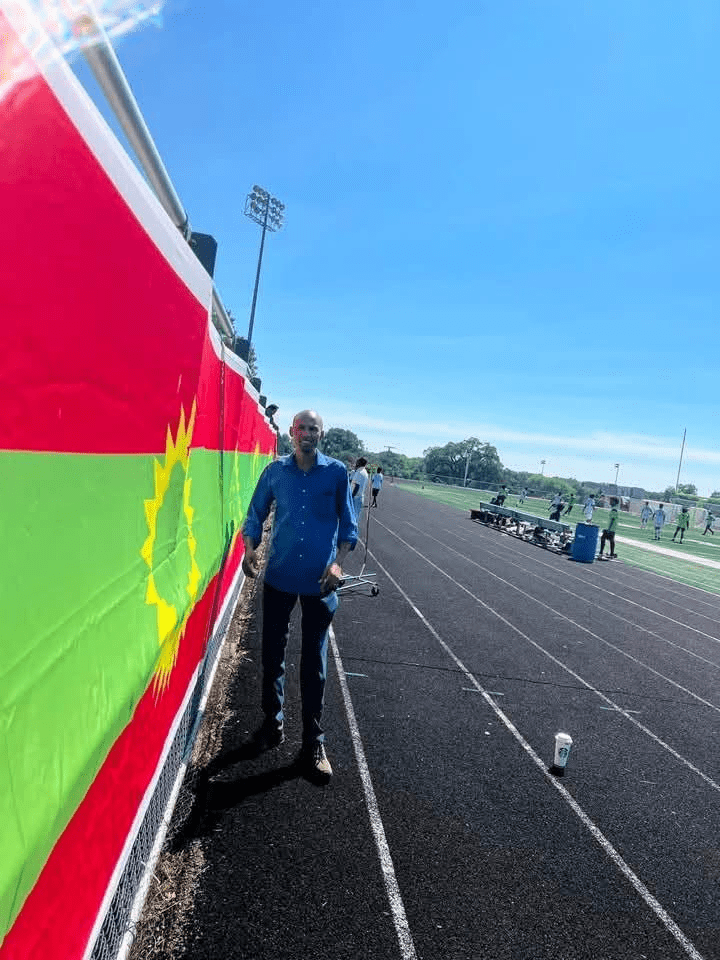
The year 2026 marks a momentous occasion: OSFNA’s 30th anniversary, a celebration of three decades of resilience, community, and cultural pride. The festivities, held from August 1st to 8th, have been nothing short of historic. This milestone year saw the tournament elevated to professional stages, with games played at Allianz Field and James Griffin Stadium in the Twin Cities of Minnesota. The week-long celebration of sports, culture, and community culminated in a grand closing concert at the historic Palace Theatre in St. Paul, drawing attendees from across North America and beyond. The 2026 anniversary was not just a look back at past achievements but a powerful affirmation of OSFNA’s ongoing mission and a promise for the future.
The Next Thirty Years
For thirty years, OSFNA has stood as a pillar of the Oromo diaspora, proving that sport can be a powerful vehicle for cultural preservation, political awareness, and communal unity. As it moves forward, the federation remains dedicated to its founding principles: bringing the Oromo community together, empowering its youth, and celebrating the beauty and resilience of Oromo culture. The journey from a small tournament in Toronto to a major continental event is a story of vision, determination, and the unbreakable bonds of a people. As OSFNA embarks on its next chapter, its legacy as a unifying force and a vibrant symbol of Oromo identity in North America is assured.

A Milestone Achieved: The ABO Diaspora Structure Council Successfully Concludes
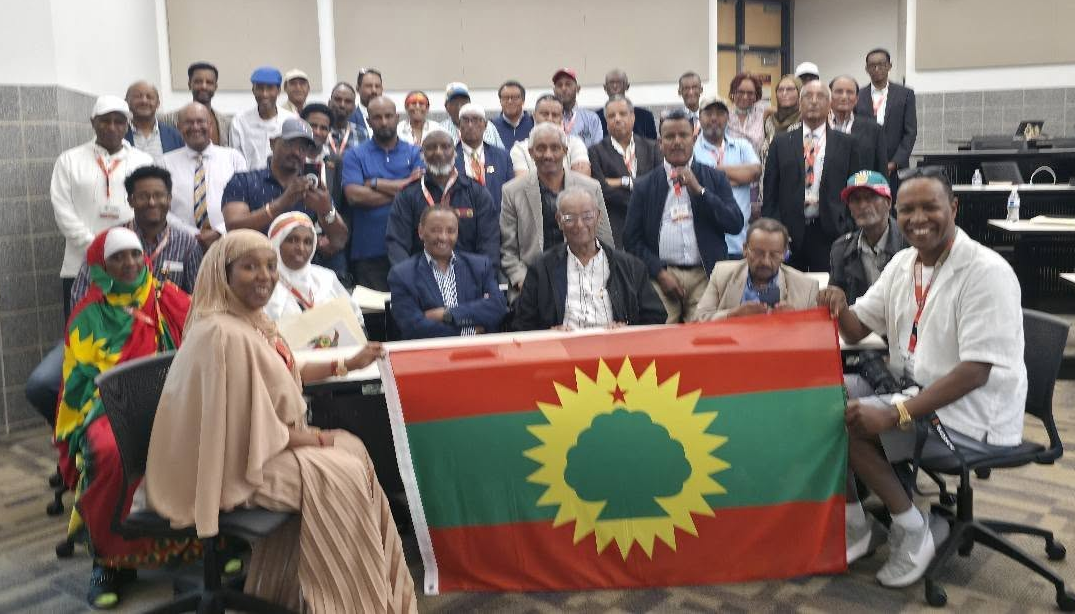
A Historic Gathering in Minneapolis Marks a New Chapter for the Oromo Liberation Front’s Global Organization
By Daandii Ragabaa
Minneapolis, MN — August 6, 2026
In a significant development for the Oromo liberation movement, the Korri Caasaa ABO Biyyoota Alaa —the Diaspora Structure Council of the Oromo Liberation Front (OLF/ABO)—has successfully concluded its proceedings. The event, held in Minneapolis, Minnesota, marks a pivotal moment in the organizational consolidation of the Oromo struggle beyond the borders of Oromia.
The council’s conclusion, announced on August 6, 2026, represents more than a routine organizational meeting. It signals the maturation of the diaspora as a structured, institutional pillar of the liberation movement—a recognition that the struggle for Oromo self-determination is not confined to the homeland but spans continents, uniting Oromo people wherever they reside.
Why Minneapolis? The Heart of the Oromo Diaspora
The choice of Minneapolis as the host city for this historic gathering is no accident. Over the past three decades, Minnesota has become a sanctuary and a springboard for Oromo activism, earning the affectionate title “Little Oromia” for hosting one of the largest Oromo populations outside of East Africa .
From the bustling neighborhoods of Minneapolis to the suburban cities of St. Paul, Oromo culture thrives—through language, music, faith, and political organization. Holding the Diaspora Structure Council here acknowledges the diaspora not as a distant bystander but as a vital pillar of the liberation project .
In this space, the past meets the present. Elders who witnessed the early days of the OLF sit alongside youth born in the West, forging an intergenerational bond that strengthens the movement’s resilience. It is a living classroom where history is taught, grievances are voiced, and hope is rekindled .
The Significance of Institutional Strength
The successful conclusion of the Diaspora Structure Council underscores a central theme that has emerged in the Oromo movement’s recent history: the strength of the institution.
As emphasized at the Oromo New Year celebrations in Edmonton, the focus is increasingly on “jabeenya jaarmiyaa”—the strength of the institution . This represents a mature evolution in diaspora political consciousness: the understanding that liberation requires not just passion or grievance, but organizational resilience, strategic continuity, and the mechanisms required to sustain a movement across decades and continents .
The Diaspora Structure Council’s work, meticulously prepared and executed, was itself a direct, tangible contribution to the struggle. It ensured that “deeggarsii fi tumsi qabsoo bilisummaa akka itti fufiinsa argatu”—that “support and sustenance for the freedom struggle continues to receive continuity” .
The OLF/ABO’s Vision: Building Oromia Without Borders
The successful conclusion of this council aligns with the broader vision of the OLF/ABO leadership, who have consistently emphasized that the work of building Oromia extends beyond Ethiopia’s borders.
As senior OLF leader Jaal Abdii Raggaasaa stated at a February 2026 consultative meeting in Gullallee: “Our foundational organizing must begin at the grassroots level, starting from the village” . This principle applies equally to the diaspora. Wherever Oromos reside—in the villages of Oromia, the refugee camps of Kenya, the community centers of North America and Europe—the work of building Oromo consciousness, organization, and national identity continues .
The council’s successful conclusion demonstrates that the diaspora is not merely a source of financial support or cultural preservation. It is an active, organized, and strategic component of the liberation project.
A Foundation of Truth and Integrity
Throughout its proceedings, the Diaspora Structure Council was guided by the principles that have defined the OLF/ABO’s decades-long struggle. As Abdii Raggaasaa declared: “If we are people of truth, our people will never abandon us under any circumstances. But if we are people of falsehood, even if we hold something, we will lose it” .
This commitment to truth and integrity was central to the council’s work. The diaspora structure is not built on empty rhetoric or political opportunism. It is built on the sacrifice of generations—on the “struggle of blood and bone” that has defined the Oromo liberation movement .
The Cry That Echoes: IUOf!
As the Diaspora Structure Council concluded its work, the hall undoubtedly echoed with the rallying cry that unites Oromo people across continents: “IUOf!” —Victory to the Oromo people .
The abbreviation, derived from the Oromo phrase for victory, resonates across generations, declaring the unshakable belief in the Oromo nation’s future . It is a cry that has been heard in the hidden clearings of Oromia, in the community halls of the diaspora, and now, in the organized structures of the OLF/ABO abroad.
A New Chapter: Consistency and Determination
The flyer circulating for the conclusion of the Diaspora Structure Council carried a powerful mantra: “As always, consistency and determination remain the foundation of lasting progress and success” .
These words are not empty rhetoric. In the long and often brutal struggle for Oromo self-determination, fads and fleeting passions have no place. What sustains the movement is the dogged, day-in and day-out commitment of a people who refuse to be erased. The successful conclusion of the Diaspora Structure Council is the embodiment of this ethic—a ritual of endurance, a moment to recalibrate, to reaffirm, and to recommit .
Consistency means showing up, year after year, regardless of the political winds. Determination means turning setbacks into stepping stones. The OLF/ABO has weathered imprisonment, exile, and state-sponsored repression, yet here it stands, its diaspora structure organized and functioning in the heart of America. That is the quiet power of persistence .
Looking Forward: The Seventh Round and Beyond
The successful conclusion of the Diaspora Structure Council arrives at a crucial moment. As the OLF/ABO prepares for the upcoming 7th round elections, the diaspora structure will play a vital role in mobilization, advocacy, and organizational strengthening .
The council’s work ensures that the diaspora is not a passive observer of political developments in Oromia but an active participant. As one OLF official stated: “OLF is the center of Oromo peace” . The diaspora structure, now successfully organized and concluded, extends that center across the globe.
Conclusion: A Milestone, Not an End
The conclusion of the Korri Caasaa ABO Biyyoota Alaa is not an end but a beginning. It marks the formalization of a structure that will continue to serve the Oromo people’s aspirations for self-determination, dignity, and democratic rights.
As participants departed Minneapolis, the message was clear: the diaspora is organized, the structure is in place, and the work continues. The struggle for Oromo liberation is not confined to the homeland—it is a global movement, sustained by a global community, guided by a global organization.
ABO haa waaru!
Injifannoon Ummata Oromoo!
Korri Caasaa ABO Biyyoota Alaa
Milkiin Xumurameera
Hag. 08/06/2026
Minneapolis, MN
This feature article is dedicated to all those who built the diaspora structures of the Oromo Liberation Front—from the founders to the newest members—and to the generations yet to come who will carry forward the torch of liberation.

Four Decades of Scholarship, One Enduring Legacy: The Oromo Studies Association at 40

From Exile to Global Recognition — How a Diaspora Institution Reclaimed a People’s History
By Dhabessa Wakjira
The year was 1986. In meeting rooms scattered across the diaspora, in the United States and Europe, a small group of Oromo and non-Oromo scholars gathered with a radical idea . They would build an independent academic home for the study of a people whose history, culture, and very existence had been systematically erased from mainstream scholarship. They would create a space where knowledge about the Oromo could be produced not by outsiders, but on its own terms.
They called it the Oromo Studies Association .
Four decades later, that audacious dream has become something far greater than its founders could have imagined. As the OSA marks its 40th anniversary in 2026, it stands as a global scholarly community spanning continents and disciplines—a testament to the power of knowledge as a form of justice.
The Birth of a Movement: Founding in Exile
The OSA was not born in a vacuum. It was founded in direct response to a crackdown that had led to those campaigning for greater recognition of the Oromo people being murdered, tortured, jailed, or driven out of the country. The founding was a response to a void—a void in which Oromo heritage was not merely absent from academia and state narratives but actively suppressed.
Under successive Ethiopian regimes, the Oromo—despite being the largest ethnolinguistic group in Ethiopia, numbering over 40 million people across the Horn of Africa—were systematically marginalized. They were deprived of their expropriated lands, their freedom through enslavement, their identity, and even the right to speak their own language. In Ethiopia, the history of the Oromo people was effectively written out of the national narrative.
Among the founders was Sisai Ibssa, a scholar-activist whose intellectual journey shaped the trajectory of Oromo studies for decades. Reflecting on the early days, one founding figure recalled attending an international Oromo conference in Berlin in 1984—”It was then that we started to think about organizing an Oromo studies association. A few years later, OSA was formally organized” .
Another towering figure was Professor Asmarom Legesse, whose landmark work Gada: Three Approaches to the Study of African Society (1973) brought the Oromo democratic system to international scholarly attention. Legesse passed away on January 31, 2026, just weeks before OSA’s 40th anniversary year—a loss deeply felt by the community he helped build.
A Full Gadaa Cycle: 40 Years of Scholarship
In Oromo tradition, the Gadaa system operates on eight-year cycles, with a full generational transition spanning forty years. This year’s anniversary is therefore not merely a milestone—it is a symbolic completion of a full Gadaa cycle, representing generational renewal, continuity, and the orderly transfer of knowledge and responsibility.
The OSA’s work over these four decades has been nothing short of transformative:
Before OSA, Oromo heritage was systematically erased. The Oromo language, Afaan Oromoo—the third most widely spoken language in Africa—was banned in schools and public life until 1992, and students were punished for speaking it or using Oromo names. A state ideology of “Ethiopianism” promoted Orthodox Christianity, the Amharic language, and Abyssinian culture as the sole legitimate national identity.
After four decades of OSA scholarship, the Oromo Gadaa system—a millennia-old democratic governance structure based on generational age sets, egalitarian principles, and rotating leadership—has been recognized by UNESCO as part of the Intangible Cultural Heritage of Humanity . Oromo studies is now a respected field in global academia. And the Journal of Oromo Studies, launched in 1993, has been indexed in Scopus—one of the world’s most prestigious academic databases.
The Journal of Oromo Studies: A Dream Come True
When the first issue of the Journal of Oromo Studies rolled off the presses in the summer of 1993, it was described as “a dream come true” . For scholars who had labored in obscurity, publishing in venues that often dismissed or distorted Oromo realities, the Journal offered something revolutionary: a platform where Oromo scholarship could stand on its own.
The first volume featured foundational essays by scholars like Asafa Jalata, whose work on “The Oromo, Change and Continuity in Ethiopian Politics” helped define the contours of a new field . Over the decades that followed, the Journal would publish research on everything from the Gadaa system to diaspora studies, from economic development to cultural preservation, from historical linguistics to contemporary politics.
Now fully open-access, the Journal publishes articles, research notes, and scholarly book reviews in both English and Afaan Oromoo, welcoming contributions from emerging and established scholars alike . The Journal’s entire archive—decades of scholarship—is now posted to the OSA website, making it available to anyone with an internet connection.
In June 2026, Scopus announced the addition of 242 new journals to its prestigious index. Among them was the Journal of Oromo Studies. For those unfamiliar with the world of academic publishing, Scopus indexing is the gold standard. It places JOS alongside publications from Springer, Elsevier, Wiley, and Cambridge University Press.
As Bonnie Holcomb, the Journal’s Editor-in-Chief, wrote to contributors and advisors: “This publication, and the indexing in Scopus, are notable achievements, all. We have come a long way together” .
Reclaiming Oromummaa: The Core of the Mission
Central to OSA’s four-decade effort is the concept of Oromummaa—a term embodying the collective values, institutions, and worldview of the Oromo people. Once dismissed, Oromummaa has been meticulously restored by OSA scholars through research that has redrawn the map of Horn of Africa studies.
The OSA’s scholarship has focused on three core institutions of Oromo indigenous democracy:
- The Gadaa System: A complex socio-political system featuring an eight-year leadership cycle, checks and balances, and principles of accountability and rule of law. Its global significance was recognized by UNESCO in 2016.
- Siinqee (Siiqee): A women’s institution that ensures gender balance and social justice .
- The Qaalluu: The spiritual authority maintaining harmony between society, nature, and the spiritual realm.
Together, these institutions embody values of democracy, peace (nagaa), and ecological stewardship that OSA argues offer lessons of “global relevance”.
Breaking the Silence: OSA in the Diaspora
For many years, the OSA could not hold its annual meetings on home ground. Meetings were held in the diaspora, usually in the United States. The Association promoted research and scholarship across the full range of Oromo studies, but the doors of Ethiopia remained closed.
Under successive regimes, protesting Oromo people were increasingly subject to widespread repression, arbitrary arrests, detention without charge, enforced disappearance, torture, and even death . Like all authoritarian regimes, the authorities sought to silence protesters, initially targeting intellectuals, journalists, and students. All exiles, international commentators, media representatives, and human rights movements were denied entry to the country—including the OSA.
The most significant change came in 2018 with the election of Dr. Abiy Ahmed, himself an Oromo, to the position of Prime Minister of Ethiopia. As one scholar observed: “He opened the doors of Ethiopia to the Oromo in exile, some of whom had not seen their homeland for 40 years or more, and whose children had never been allowed to set foot on Ethiopian soil“. Even the Oromo Liberation Front operatives were given the green light to fly back into the country.
The 2026 Conference: Honoring the Past, Investing in the Future
The OSA’s 40th Annual Conference, themed “Oromo on the Global Landscape: Honoring Asmarom Legesse as OSA Turns 40,” will be held July 31 – August 2, 2026, in Minneapolis, Minnesota .
The conference will bring together scholars, researchers, students, and community members from across the diaspora and the continent for three days of panels, roundtables, keynote addresses, and community dialogue . It will feature diaspora-connected parallel panels abroad, reflecting the conference’s commitment to centring Oromo communities wherever they are.
An opening night celebration will be held on Friday evening, July 31, at the Oromo Community Centre in Saint Paul—an evening of inspiration, culture, and community, featuring video greetings from former OSA presidents, cultural dance performances, live cultural music, and a delicious meal catered by Dilla Restaurant.
Challenges and the Road Ahead
This hard-won scholarly recognition is not without its challenges. The OSA has warned of “renewed attacks on Oromo scholars and scholarship” from actors seeking to “restore inequitable power relations” . These attacks have evolved from formal complaints accusing scholars of “hate speech” to coordinated social media campaigns that vilify Oromummaa itself as a dangerous ideology.
The OSA’s statement declares: “These attacks do not represent scholarly debate grounded in evidence. Rather, they reflect a politicized rejection of any scholarship that challenges centralized authoritarian narratives” . It draws a stark warning: “History demonstrates that vilification of a people’s identity is often a precursor to mass violence”.
Despite these challenges, the OSA remains committed to its mission. As the Association’s “Who We Are” page states: “We believe that knowledge is a form of justice“.
Conclusion: A Legacy Worth Celebrating
Forty years ago, a small group of exiled scholars dared to imagine a world in which Oromo knowledge was recognized as a contribution to the full breadth of human civilization. Today, that vision is reality .
The Journal of Oromo Studies, indexed in Scopus, stands as a monument to their courage and their persistence. The annual conference, now in its 40th year, brings together a global community of scholars and advocates. The website, with its full open-access archive, makes decades of scholarship available to anyone with an internet connection.
As Bonnie Holcomb wrote, with warmth that reflects decades of dedication: “Congratulations, one and all“.
The celebration is earned. The legacy is enduring. And the work continues.
The 40th Annual Conference of the Oromo Studies Association
July 31 – August 2, 2026
Augsburg University, Hagfors Center
Minneapolis, Minnesota
Details at www.oromostudies.org
Injifannoon Ummata Oromoo!
OSA haa jabaattu!
Four decades of scholarship, community, and the enduring pursuit of justice for the Oromo people.

The Unbroken Backbone: The Role of Oromo Women in the Struggle for Liberation

For decades, the story of the Oromo liberation struggle has been told as a chronicle of resistance against a sprawling empire. But within that narrative, there is a deeper, more powerful current—one that has flowed quietly yet inexorably beneath the surface. This is the story of Oromo women, who have not merely supported the movement, but have stood as its very backbone: its fighters, its strategists, its memory keepers, and its soul.
A Struggle on Three Fronts
The Oromo people have been engaged in a struggle for liberation since their colonization by the Abyssinian Empire, which evolved into modern-day Ethiopia. However, Oromo women face a unique and intersecting burden. They are not only fighting against what scholar Madeline Bass describes as the “settler colonial state rulers of Ethiopia” and “global anti-Blackness,” but they must also contend with “cisheteropatriarchy”—a struggle against patriarchal oppression that is uniquely Oromo in its application.
This triple oppression means that Oromo women have always had to fight for the liberation of their nation while simultaneously battling for their own dignity and rights within their own communities. As one source notes, “the Abyssinian system oppresses Oromo people, and women in particular.” The state of oppression is deep in general, but Oromo women face even greater difficulty.
Pillars of the Movement: From the Battlefield to the Ballot
Within the Oromo Liberation Front (OLF/ABO), Oromo women have served as “utubaa cimaa”—strong pillars—whose contributions have shaped every facet of the liberation movement. Their involvement has been both visible and behind-the-scenes.
· On the Battlefield: Many Oromo women have joined the Oromo Liberation Army (OLA), the armed wing of the OLF, taking up arms to defend their people and land. Women like Aradoolaa Abdalla, who joined the OLA in 1985 and participated in ten major battles in western Oromia, rose through the ranks to become a platoon commander because of her bravery. Women have participated in every sector—military, medical, and communication—as combatants and supporters.
· In Political Organizing: Beyond the battlefield, Oromo women have been active in political movements for decades, serving as leaders, organizers, and advocates within the OLF and other nationalist groups. They have organized protests and worked tirelessly to inform other women of their rights.
The Unbreakable Spirit of Siinqee
One cannot speak of Oromo women’s resistance without understanding Siinqee. It is not merely a wooden stick; it is a profound cultural and spiritual institution. A Siinqee is a ritual stick given to an Oromo woman by her mother on her wedding day. Once a woman holds this stick, she commands respect from everyone in the community.
More than a symbol, Siinqee is a lived practice of mutual protection, a “covenant of resistance against all forms of oppression.” Women use the power of Siinqee to exercise their rights, control their own economy, and participate in solidarity activities. This tradition, which predates Western feminist thought, represents an Oromo philosophy of womanhood and solidarity that has been passed down through generations.
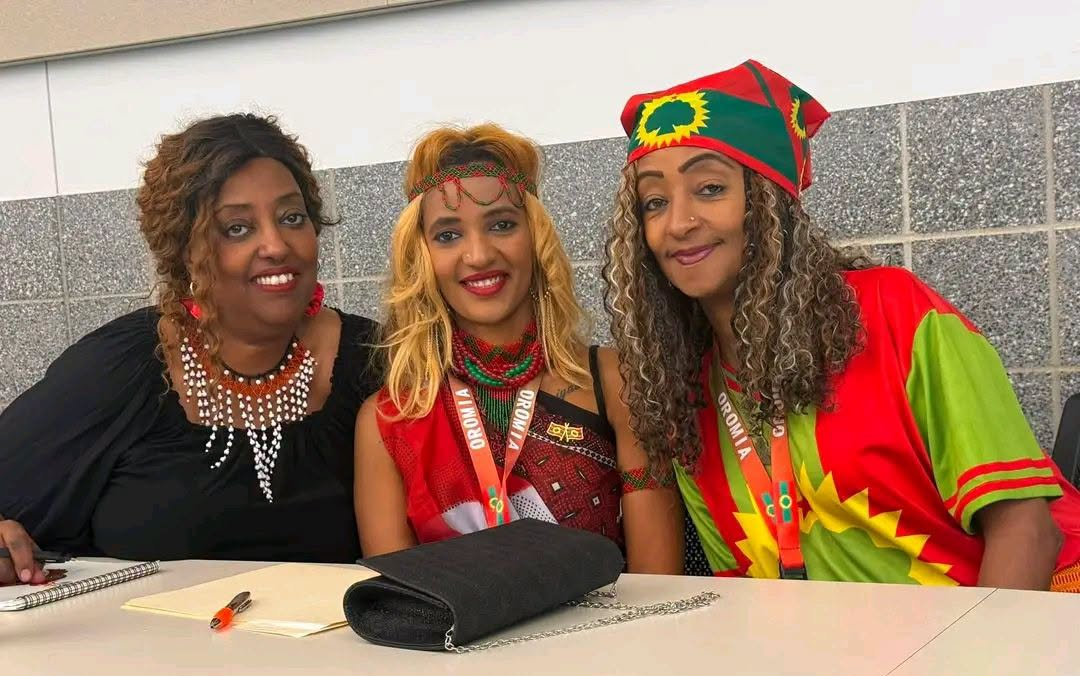
Martyrs and Heroes: The Price of Freedom
The contribution of Oromo women has come at a devastating cost. The liberation struggle has demanded sacrifices that extend far beyond the battlefield, imposing a heavy burden on the families left behind.
One of the most iconic figures in this struggle is Martha Kuwee Kumsa, an Oromo journalist and scholar whose story embodies the spirit of resistance. In 1980, during the Ethiopian Red Terror, she was arrested and detained without charges for nine years after writing an article that called for Oromo women to defy power structures and reclaim their cultural heritage. She was tortured and held until 1989, after which she escaped to Kenya and later Canada. Her activism is deeply rooted in Siinqee feminism—an Oromo philosophy that predates Western feminist thought and is a lived practice of mutual protection and solidarity. Today, she is a professor in Canada and continues to write and advocate on feminist and political issues.
Countless other women have paid the ultimate price—some were killed in battle, others were publicly executed. The story of Agarii Tulluu, who was hanged alongside her two brothers in a market, is just one of many tragic tales. The mothers, wives, and sisters of fallen fighters carry a grief that “does not fade from their minds,” enduring a wound that cannot be measured.
The Hiriira: A Modern Cry for Recognition
The struggle of Oromo women is not confined to the hills of Oromia; it has gone global. In September 2020, Oromo women marched through the streets of Berlin, Germany, in a protest march called a Hiriira—an Oromo word for a parade, demonstration, or queue. They were demanding recognition for their struggle.
This march was more than a protest; it was a powerful act of spatial and historical reckoning. It served as a case study into the entanglements between settler colonial Ethiopia, Germany’s post-empire, and the forces of oppression that link them. By marching through Berlin, Oromo women were mapping their liberation across borders, using a “Black and Blackened way of knowing space with a particularly Oromo perspective” known as geography guraacha. The women wore Oromo cultural garb, distinct to different regions of Oromia, turning the streets of a European capital into a living map of their homeland and their resistance.
Architects of a New Nation
The role of Oromo women extends beyond the struggle for liberation into the vision for what comes after. There is a growing consensus within the movement that the liberation of Oromia cannot be separated from the liberation of Oromo women. Any future Oromo state must be built with women’s full and equal participation from the ground up.
As one advocate powerfully stated, the aim is to ensure that Oromo women are “not just participants but architects of the next chapter.” From the battlefield to the political arena, from the cultural institution of Siinqee to the global stage of the Hiriira, Oromo women have proven that they are not waiting for liberation to be given to them—they are building it with their own hands, one courageous step at a time.
—
This feature article draws on academic research, historical accounts, and journalistic reports to highlight the indispensable role of Oromo women in their people’s long struggle for freedom and dignity.

Jaallan Utubaa Qabsoo: The Pillars of Oromo Liberation and Their Global Reach
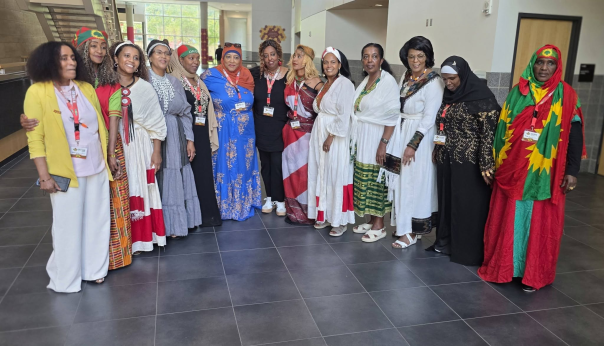
Honouring the Builders and Champions of the Oromo Struggle, and the Global Structure of the ABO
By Dhabessa Wakjira
In every liberation movement, there are those who carry the torch not for personal glory, but for the collective destiny of their people. They are the architects of consciousness, the builders of institutions, and the guardians of memory. They are Jaallan Utubaa Qabsoo—the beloved pillars of the struggle—and Jaallan Qabsoo—the beloved champions who have emerged from every corner of Oromia and the diaspora to advance the cause of Oromo liberation.
This is a tribute to them. And this is an exploration of the structure that unites them: the Adda Bilisummaa Oromoo (ABO) —the Oromo Liberation Front—and its global reach across nations.
The Pillars: Who Are the Utubaa Qabsoo?
The term Utubaa Qabsoo—pillars of the struggle—is not a title given lightly. It is earned through sacrifice, through decades of commitment, and through an unwavering dedication to the Oromo people’s right to self-determination . These are the individuals who, in the darkest hours, refused to let the flame of liberation die.
One such pillar was Cawwaaqaa Yaaddessaa, a renowned Oromo singer and artist whose music became the soundtrack of the resistance. Through his songs, he chronicled the pain and the hope of the Oromo people, composing works that stirred the hearts of a generation . His compositions—such as “Eemmoo yaa guraale hoo dangashe”—became anthems of defiance, performed even when political gatherings were banned . He served as a pillar of the struggle through his art, demonstrating that cultural expression is a weapon of resistance as powerful as any gun .
Another pillar is Ustaaz Raayyaa Abbaa Maccaa, who transitioned from the armed struggle within the ABO to become a teacher of Islamic faith and a composer of spiritual songs (manzuumaa) that reinforced Oromo identity and resilience . He was part of the ABO in its early years, receiving military training at the 24th training camp in Harawaacaa, and fought in numerous battles . Even after being captured and imprisoned for a long time, he never abandoned the struggle; he continued to strengthen the Oromo people through his teachings and songs . His story is a testament to the fact that the pillars of the struggle exist not only on the battlefield but also in the realms of faith, culture, and education .
Baaroo Tumsaa stands as another foundational pillar. He is remembered as a key figure in building the Oromo movement in the 1970s, working to organize youth and establish the infrastructure that would eventually lead to the formal founding of the ABO . He played a crucial role in the Macha-Tulama Self-Help Association and was instrumental in consolidating Oromo nationalism into a political force . His legacy is one of organization and vision, reminding us that liberation is built not just on passion but on structure.
The Champions: Jaallan Qabsoo and the Spirit of Resistance
Beyond the foundational pillars, there are the Jaallan Qabsoo—the beloved champions of the struggle. These are the fighters, the activists, the community organizers, and the everyday people who have taken up the mantle of resistance in their own ways .
The Qeerroo youth movement is perhaps the most powerful contemporary embodiment of this spirit. In traditional Oromo culture, the term means “bachelor” or “youth,” but within the political movement, it symbolizes the Oromo struggle for increased political freedom and greater ethnic representation . The Qeerroo have emerged as a dynamic and fearless force, challenging the state and demanding justice .
The champions are also found in the Oromo Liberation Army (OLA) —known in Oromo as Waraana Bilisummaa Oromoo (WBO) —the armed wing of the struggle . The OLA was formed in 1974 and has continued its armed resistance against successive Ethiopian regimes . Under the leadership of figures like Jaal Marroo (Kumsa Diriba), the OLA remains active in the Oromia Region, representing those who refused to disarm following the 2018 peace deal, skeptical of the government’s intentions .
The champions are also found in the diaspora—in Washington, D.C., Berlin, and other cities around the world, where the ABO maintains offices and radio stations that broadcast in Oromo and Amharic, keeping the spirit of resistance alive far from the homeland .
The ABO: Structure and Global Reach
The Adda Bilisummaa Oromoo (ABO) —or the Oromo Liberation Front (OLF)—is the political organization that unites these pillars and champions. It was founded in 1973 with the goal of promoting self-determination and independence for the Oromo people . Its structure has evolved over the decades, but its core mission remains unchanged: the total liberation of Oromia from what it characterizes as Ethiopian colonialism .
The ABO’s structure extends far beyond the borders of Oromia and Ethiopia. It has a significant diaspora presence, with offices in Washington, D.C., and Berlin . These offices serve as hubs for organizing, advocacy, and communication . They also operate radio stations that broadcast in both Amharic and Oromo, ensuring that the organization’s message reaches Oromo communities worldwide .
This global reach is critical. The ABO’s international structure allows it to advocate for the Oromo cause on the world stage, to build solidarity with other movements, and to sustain the struggle even when political space is closed inside Ethiopia . In a November 2025 position statement, the OLF declared that “the current regime has deliberately closed the political arena and obstructed the lawful activities of the Oromo Liberation Front” . In the face of such obstacles, the diaspora structure becomes even more vital as a space for organizing and resistance.
The Legacy of the Western Front: A Day of Sacrifice
The pillars and champions of the ABO are not abstract figures. They are real people who have paid the ultimate price for their commitment. The Western Front of the armed struggle serves as a powerful reminder of this sacrifice.
On April 15, 1980, the ABO appointed a new chairman in Shinnigga, marking a strategic decision to expand the armed struggle into the Western Front . The organization sent 17 commanders to ignite the resistance in the West. Their names—Daawud Ibsaa, Abbaa Caalaa Lataa, Jaal Tottoobaa Waaqwayyaa, and others—are etched in Oromo memory .
Tragically, these commanders were betrayed and poisoned by collaborators of the Derg regime in December 1981. Their deaths were a devastating blow to the movement . But their memory did not die. In 1985, the ABO leadership formally designated April 15 as Oromo Martyrs’ Day—a day to commemorate all those who have fallen in the struggle for Oromo liberation .
Today, April 15 is observed in the forests of Oromia and in diaspora communities around the world. It is a day of remembrance, of reflection, and of renewed commitment to the cause for which these pillars and champions gave their lives .
Unity, Truth, and the Path Forward
The struggle of the ABO has always been a struggle of self-reliance and truth. As senior ABO leader Jaal Abdii Raggaasaa emphasized in a recent consultative meeting with members: “If we are people of truth, our people will never abandon us under any circumstances. But if we are people of falsehood, even if we hold something, we will lose it” .
The leadership has also stressed that the work of building Oromia extends beyond Ethiopia’s borders . It is a task that belongs to Oromo people everywhere—in the villages of Oromia, in the refugee camps of Kenya, in the community centers of Europe and North America, and in the offices of the ABO in Washington and Berlin .
The unity of these diverse actors—the pillars, the champions, the diaspora, and the grassroots organizers—is the foundation of the Oromo liberation struggle. As another official, Jaal Yaasoo Kabbabaa Hordofa, declared: “OLF is the center of Oromo peace” . The organization calls on all Oromos to strengthen their resolve, to seize the opportunities that arise—such as the upcoming 7th round elections—and to never retreat into silence .
Conclusion: A Living Legacy
The story of the Oromo liberation struggle is not a history lesson; it is a living, breathing movement. It is embodied in the songs of Cawwaaqaa Yaaddessaa, the teachings of Ustaaz Raayyaa Abbaa Maccaa, the organizing of Baaroo Tumsaa, the sacrifice of the 17 commanders of the Western Front, and the tireless work of the ABO’s global network .
Jaallan Utubaa Qabsoo—the beloved pillars—have built the foundation. Jaallan Qabsoo—the beloved champions—continue to build upon it. And the ABO—in its structure, its global reach, and its unwavering commitment to the Oromo people—remains the vessel through which this struggle will achieve its destiny.
ABO haa waaru!
Injifannoon Ummata Oromoo!
This feature article is dedicated to all the pillars and champions of the Oromo liberation struggle—past, present, and future.