Category Archives: Bokkkuu

The Tenth Anniversary of the Grand Oromo Rally: A Defining Moment in the Struggle for Justice
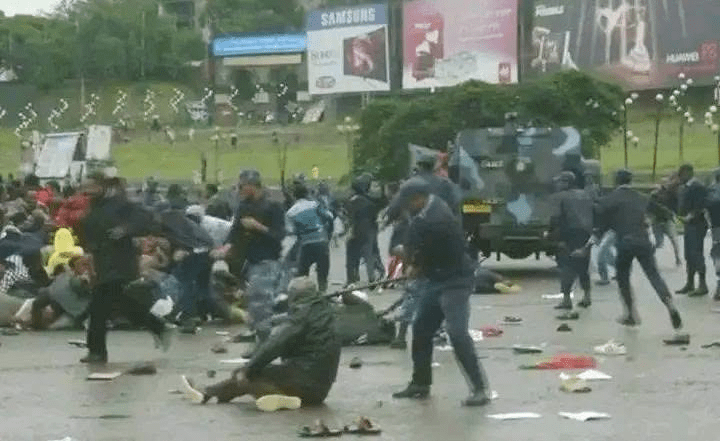
Remembering August 6, 2016, and Its Enduring Legacy for Unity, Identity, and Transformation
By Daandii Ragabaa
When a people understand their history correctly, they are able to learn from past mistakes, draw strength from previous achievements, and chart a clearer course for the future. History is not merely a record of what has passed—it is a compass for what lies ahead. It is a teacher, a witness, and a foundation upon which the dreams of generations are built.
For this reason, the commemoration of the Grand Oromo Rally of August 6, 2016, occupies a significant and sacred place in the history of the Oromo struggle. It is not simply a date on a calendar. It is a milestone, a turning point, and a testament to the power of collective action. As the tenth anniversary approaches, it is time to reflect deeply on what that day meant, what it achieved, and what it continues to teach us today.
A Day That Shook the Nation
The Grand Oromo Rally of August 2016 was not a spontaneous outburst of anger. It was the culmination of years of sustained public mobilization—a peaceful yet powerful resistance against decades of systemic oppression, marginalization, and denial of basic rights. It was one of the largest and most widely recognized demonstrations ever organized across Oromia, drawing participation from every corner of the region.
What made this rally extraordinary was its sheer scale and simultaneity. On that day, Oromo people from all walks of life—young and old, men and women, urban and rural, educated and uneducated—rose together as one. They filled the streets not with weapons, but with voices. They carried not arms, but banners of justice. They demanded not revenge, but recognition.
The world watched. International media covered the events. Global human rights organizations took notice. The Oromo people, long silenced and ignored, had made their voices heard in a way that could no longer be dismissed. The rally became one of the most significant events to attract international attention to the Oromo cause.
More Than a Protest: A Turning Point in History
Although different perspectives exist regarding its causes, results, processes, and consequences, the Grand Oromo Rally is widely regarded as a defining event in both the political history of the Oromo movement and the modern political history of Ethiopia.
It was a moment when the Oromo people declared, with unmistakable clarity, that they would no longer accept invisibility. They would no longer accept the theft of their land. They would no longer accept the denial of their language, culture, and identity. They would no longer accept a political system that treated them as second-class citizens in their own homeland.
The events of that day laid an important foundation for the political changes that unfolded in 2018. The rally was a catalyst—a spark that ignited a broader movement for reform across the country. It demonstrated that when a people are united and determined, even the most entrenched systems of power can be challenged. It showed that peaceful resistance, when organized and sustained, can produce real change.
The Tenth Anniversary: More Than Remembrance
The tenth anniversary of the Grand Oromo Rally is more than a remembrance of a historical event. It is an opportunity—a vital and necessary opportunity—to learn from history, to recognize that today’s achievements were not attained easily, and to appreciate the value of unity and collective strength.
This commemoration serves multiple purposes:
First, it reinforces social cohesion. When a people gather to remember a shared struggle, they affirm their bonds to one another. They recognize that they are part of something larger than themselves.
Second, it educates younger generations. Many of those who will mark this anniversary were too young to participate in the events of 2016—or were not yet born. They must learn what happened, why it happened, and what it means for their future. The history of the Oromo struggle must not be forgotten, distorted, or erased.
Third, it creates space for constructive dialogue. Commemorations should not be occasions for division or recrimination. They should be opportunities for thoughtful discussion about addressing present and future challenges, for examining both achievements and shortcomings, and for building a peaceful, inclusive, and prosperous future.
The Power of Collective Participation
One of the defining characteristics of the Grand Oromo Rally was the remarkable level of collective public participation in confronting oppression. Regardless of age, gender, social status, or place of residence, Oromo people united at the same moment and participated in the historic protest with determination, shared purpose, and a strong sense of solidarity.
The enduring lesson from that experience is clear: unity is our greatest strength.
Standing together around common goals and shared interests, strengthening collective unity, building public trust, and fostering strong social bonds are essential for overcoming complex challenges. The rally taught us that dialogue and coordination play indispensable roles in achieving change.
However, sustaining unity requires effort. It requires respecting differences of opinion. It requires listening to one another. It requires maintaining continuous dialogue. Unity does not mean everyone must hold identical views. True unity means respecting differing opinions while working together toward common objectives. It means recognizing that agreement on common goals can coexist with different views regarding the methods of achieving them.
Lessons for the Present and Future
Political and social circumstances inevitably change over time. What worked yesterday may not work tomorrow. The challenges of today are not identical to those of 2016. Yet the lessons of that historic rally remain as relevant as ever.
Remembering our history helps us to avoid repeating past mistakes while preserving and building upon our strengths. It reminds us that:
- Difficult challenges are most effectively resolved through dialogue and mutual understanding.
- Agreement on common objectives can coexist with different views on methods.
- Differences of opinion should never be mistaken for hostility.
- Current generations must study the past through evidence-based research and objective historical inquiry.
The tenth anniversary is not an invitation to dwell in the past but to draw wisdom from it. It is a chance to critically examine both achievements and shortcomings, and to engage in thoughtful discussions about building a peaceful, inclusive, politically stable, and socially prosperous future.
Strengthening Identity and Social Solidarity
By remembering historic events such as the Grand Oromo Rally, the Oromo people strengthen both their collective identity and their social solidarity. Such remembrance plays a vital role in:
- Learning from history
- Honouring those who made sacrifices
- Preventing the repetition of past mistakes
- Passing historical knowledge to future generations
These commemorations should be inclusive of people with diverse viewpoints. They should promote mutual respect, reconciliation, and lasting peace within society. Although we may hold different political perspectives, sharing a common historical experience reminds us that unity remains essential both today and in addressing our common challenges in the future.
To sustain this spirit, it is important to continue commemorating collective events such as the Grand Rally every year. Annual commemoration ensures that the memory remains alive, that the lessons remain fresh, and that the unity forged in struggle remains strong.
A Call to Remember, Reflect, and Renew
As we approach the tenth anniversary of August 6, 2016, let us remember what that day meant. Let us honour those who stood firm in the face of oppression. Let us recognize the sacrifices that were made—the lives lost, the freedoms curtailed, the dreams deferred. Let us also celebrate what was achieved: a renewed sense of identity, a strengthened movement for justice, and a foundation for the political transformation that followed.
The commemoration of the Grand Oromo Rally should not merely be an occasion to remember the event. It should be an opportunity to draw lessons that strengthen unity, mutual trust, respect, and dialogue in order to address today’s and tomorrow’s challenges through peaceful means.
Above all, the greatest lesson it offers is the importance of working together toward shared goals and common interests, respecting differences of opinion, and learning from history to build a better future for all.
Conclusion: A Legacy for Generations
The Grand Oromo Rally of August 6, 2016, stands as one of the most remarkable demonstrations of broad-based Oromo public participation in history. It is remembered as an important foundation for the political transformation that followed in 2018. Its tenth anniversary is not just a date to mark on the calendar—it is a moment to reflect, to renew, and to recommit.
Therefore, commemorating the Grand Oromo Rally annually plays a vital role in strengthening Oromo identity, social cohesion, and unity while ensuring that an accurate understanding of history is passed on to future generations. It is through such remembrance that we honour the past, navigate the present, and build a future worthy of the sacrifices made.
The memory of August 6, 2016, lives on.
The spirit of unity endures.
The struggle for justice continues.
Oromo Qeerroo Union—forever united!
Gamtaa Qeerroo Oromoo—the strength of the people!
#Silencing_the_Gun_Among_Brothers
#Oromo_Qeerroo_Union
#Gamtaa_Qeerroo_Oromoo
August 6, 2026

ፊንፊኔ፦ የህልውና ጉዳይ እንጂ ተራ ጥያቄ አይደለም
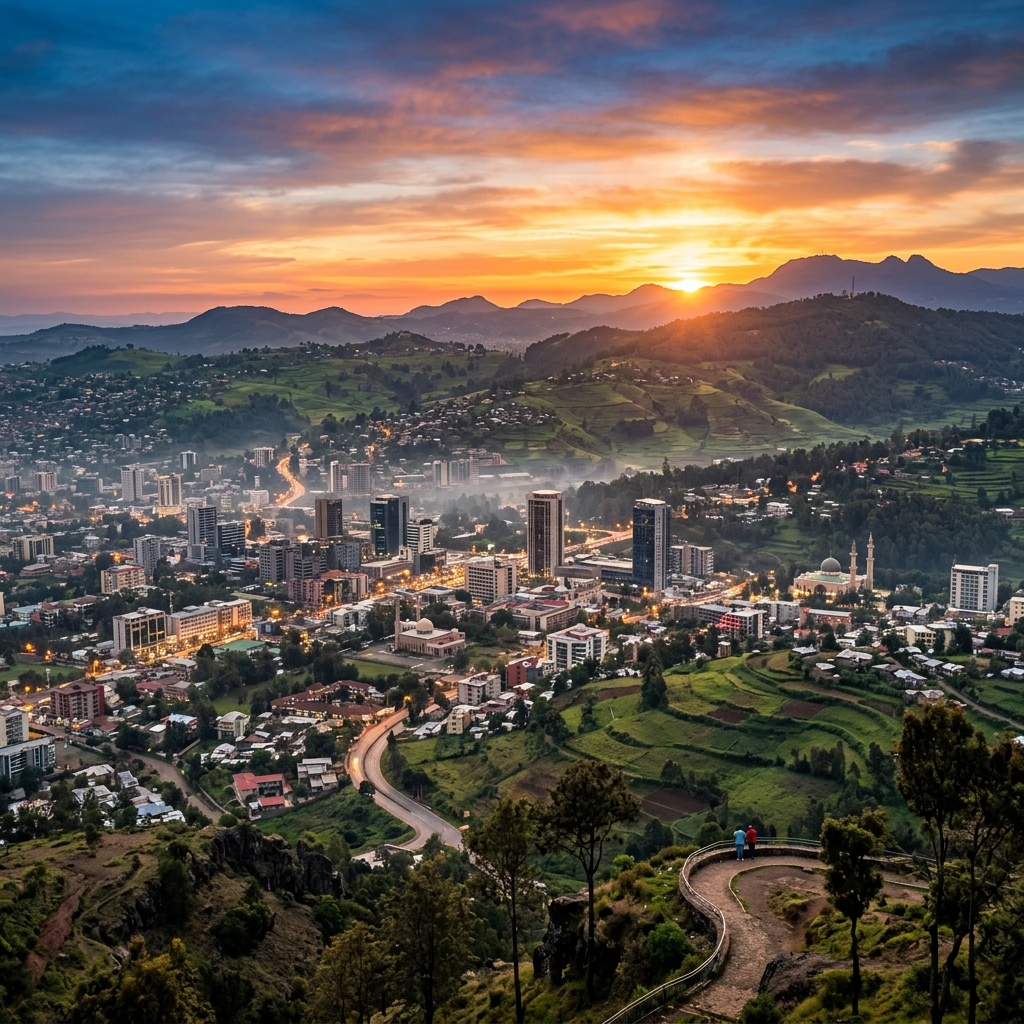
የ150 ዓመት ቁስል፣ የ7ሺ ህይወት መስዋዕትነት፣ እና ዛሬው ወሳኝ ጊዜ
ጸሐፊ፦ ዳንዲ ረገባ
ለኦሮሞ ህዝብ ፊንፊኔ ተራ የፖለቲካ ጉዳይ አይደለም። የከተማ ድንበር ጉዳይ አይደለም። የበጀት ድርሻ ወይም የአስተዳደር ክልል ጉዳይ አይደለም።
የህልውና ጉዳይ ነው።
ፊንፊኔ የኦሮሞ ህዝብ መታወቂያ፣ ክብር እና የወደፊት ተስፋ የተጠቃለለባት ከተማ ናት። እሷ ልብ ናት። እሷ ነፍስ ናት። እሷ መሠረት ናት። እናም ይህችን ልብ ለማውጣት የሚደረግ ማንኛውም ሙከራ፣ የህዝቡን ህልውና ራሱን ለማጥፋት የሚደረግ ጥረት ነው።
የታሪክ ጠባሳው፦ ከ150 ዓመት በላይ የፈወስ ቁስል
ዛሬ ፊንፊኔ ላይ የምናየው ቀውስ አዲስ አይደለም። የ150 ዓመት ዕድሜ ያለው የታሪክ ጠባሳ አካል ነው።
የአፄ ሚኒሊክ ሰራዊት ወደ ደቡብ ሲዘምት፣ ኦሮሞን ከመሬቱ አስወግዶ፣ መሬቱን በግዳጅ በመያዝ፣ እና የኦሮሞን ባህላዊ፣ ፖለቲካዊ እና ኢኮኖሚያዊ ስርዓት በማፈራረስ ላይ ነበር። ያ የመጀመሪያው ስብራት ነበር—በህዝብ፣ በመሬት እና በማንነት መካከል የተፈጠረ ጥልቅ ስብራት።
ይህ ስብራት አልተፈወሰም። ተሸፍኗል፣ ችላ ተብሏል፣ የተካደ ነው—ነገር ግን አልተፈወሰም። እና በየትውልዱ፣ ቁስሉ እንደገና ይከፈታል።
ቄሮ፦ ስብራቱን ለመጠገን የተነሳ ትውልድ
ከ150 ዓመታት በኋላ፣ አዲስ የኦሮሞ ትውልድ—የቄሮ ትውልድ—ጮክ ብሎ እና በማይሻር መልኩ ተነሳ።
ይህ ትውልድ ታሪኩን አውቆ ነበር። ስብራቱን ተሰምቶት ነበር። እና ህመሙን የበለጠ ለመሸከም ፈቃደኛ አልሆነም።
በዚያም ቄሮ ተነሳ—ለፍትህ፣ ለእውቅና፣ እና የተሰበረውን ለመጠገን። ለዚህ ትግል ከ7,000 በላይ ወጣቶች ህይወታቸውን ሰጥተዋል። 7,000 ህልሞች። 7,000 የወደፊት ጊዜዎች። 7,000 ነፍሳት በፍትህ መሠዊያ ላይ።
የቄሮ ንቅናቄ ለውጥ ብቻ አልነበረም—ትንሳኤ ነበር። ኦሮሞ ህዝብ ከእንግዲህ ዝም እንደማይል፣ ከእንግዲህ እንደማይጠብቅ፣ እና ከእንግዲህ እንደማይሸነፍ ለዓለም ያሳወቀ ትንሳኤ ነበር።
የተሰጠው ቃል እና የተሰበረው እምነት
የቄሮን ድል ተንተርሶ፣ የኢህአዴግ ክንፍ የሆነው ብልጽግና ፓርቲ ስልጣን ያዘ። ወደ ስልጣን ሲመጣ፣ ለኦሮሞ ህዝብ ቃል ገባ፦ ጥያቄዎቹን አንድ በአንድ ቆጥሮ እመልሳለሁ።
ከእነዚህ ጥያቄዎች ዋናው ምን ነበር? የመሬት ባለቤትነት ማረጋገጥ። ፊንፊኔ የኦሮሚያ አካል መሆኗን ማረጋገጥ። የተዘረፈው መመለሱን ማረጋገጥ። የተሰበረው መጠገኑን ማረጋገጥ።
ለስምንት ዓመታት፣ ኦሮሞ ህዝብ ጠበቀ። በቃሉ አመነ። ፍትህ በመጨረሻ እንደሚደርስ ተስፋ አደረገ።
ነገር ግን በስምንት ዓመታት ውስጥ፣ ያ ቃል ክህደት ሆነ።
ዛሬው ክህደት፦ ፊንፊኔን ለመንጠቅ የሚደረግ ሙከራ
ብልጽግና ፓርቲ አሁን “ምክክር” በሚባል ሂደት ፊንፊኔን ከኦሮሚያ ለመንጠቅ የመጨረሻ ውሳኔ ላይ ደርሷል።
የዚህ “ምክክር” መደምደሚያ ግልጽ ነው፦ ፊንፊኔ የኦሮሚያ አይደለችም።
ይህ የአስተዳደር ለውጥ አይደለም። ይህ የፖሊሲ ማስተካከያ አይደለም። ይህ የኦሮሞ ህዝብ ላይ የሚደርስ ቀጥተኛ ጥቃት ነው።
ብልጽግና ፓርቲ የቄሮን ንቅናቄ ድል ተንተርሶ ስልጣን የያዘ ፓርቲ፣ አሁን ኦሮሞን ለሁለተኛ ጊዜ ለመስበር እየሞከረ ነው።
የመጀመሪያው ስብራት በሚኒሊክ ሰራዊት ነበር።
ሁለተኛው ስብራት በብልጽግና ፓርቲ እየተሞከረ ነው።
ዓላማው አንድ ነው፦ ኦሮሞን መሬቱን ማጥፋት፣ ማንነቱን መሰረዝ፣ እና ድምጹን ማፈን።
የመቋቋም ተፈጥሮአዊ መብት
ግን እዚህ ላይ ብልጽግና እና አጋሮቹ ሊረዱት ያቃታቸው እውነት አለ።
የኦሮሞ ህዝብ ራሱን የመከላከል ተፈጥሮአዊ መብት አለው።
ይህ መብት በሕግ የተሰጠ አይደለም—በሰብአዊነት የተሰጠ ነው። ይህ መብት በሰነድ የተረጋገጠ አይደለም—በህልውና የተረጋገጠ ነው።
ማንኛውም ህዝብ፣ ህልውናው ሲጠቃ፣ ራሱን የመከላከል መብት አለው። የኦሮሞ ህዝብ ከምንም ህዝብ ያነሰ አይደለም።
የፊንፊኔ ጉዳይ የመተዋወቅ ጉዳይ አይደለም—የህልውና ጉዳይ ነው። እና ህልውና የማይደራደር ነው።
የሚበራው ይበራል
ብልጽግና ፓርቲ የውሳኔ ሰነዶችን ሊያዘጋጅ ይችላል። ምክክር ሊጠራ ይችላል። ህጎችን ሊያወጣ ይችላል። ድንበሮችን እንደገና መሳል ይችላል።
ነገር ግን ወረቀት ላይ የሚጻፈው ነገር በህዝብ ልብ ውስጥ ያለውን እውነት ሊለውጥ አይችልም።
እና እውነቱ ይህ ነው፦ ፊንፊኔ የኦሮሚያ ዋና ከተማ ናት። ዘላለም የኦሮሚያ አካል ትሆናለች።
እንደ ጠዋት ፀሀይ ከምስራቅ እንደምትወጣ፣ እንደ ወንዝ ወደ ባህር እንደሚፈስ፣ እንደ ተራራ ሥሩን እንደማይተው—ፊንፊኔ የኦሮሚያ አካል ናት። ይህ በሰነድ የሚሰጥ አይደለም፤ በታሪክ የተረጋገጠ ነው። በህግ የሚሰጥ አይደለም፤ በደም የተረጋገጠ ነው።
የሚበራው ይበራል እንጂ።
ጊዜያዊ ስልጣን ሊደበቅ ይችላል፣ ነገር ግን ፀሀይ ሁልጊዜ ታበራለች። የውሸት ድሎች ሊኖሩ ይችላሉ፣ ነገር ግን እውነት ሁልጊዜ ትወጣለች። ፊንፊኔ የኦሮሚያ ዋና ከተማ ሆና ትቀጥላለች—ምክንያቱም ህዝቡ እንደዚያ ስለሚያውቀው፣ ምክንያቱም ታሪክ እንደዚያ ስለሚመሰክር፣ እና ምክንያቱም ፍትህ እንደዚያ ስለሚጠይቅ።
ለህዝቡ የመጨረሻ መልዕክት
ለኦሮሞ ህዝብ በሙሉ፦
ታሪካችሁ ይታወቃል። ህመማችሁ ይታወቃል። ትግላችሁ ይታወቃል። የቄሮ ጀግኖች ህይወታቸው በከንቱ አልሞተም። መስዋዕትነታቸው እንደ ተስፋ ዘር በመሬት ላይ ተተክሏል። እና ያ ዘር አሁን እያበቀለ ነው።
ለአምባገነኖች አሳሳቢ ቃል፦
የኦሮሞን ህዝብ መንፈስ ሊያፈርሱ አይችሉም። የኦሮሞን ህልም ሊያጠፉ አይችሉም። የኦሮሞን ፍትህ ጥማት ሊያረኩ አይችሉም። ያህል ጊዜ ሞክራችሁ፣ ያህል ጊዜ ተሸንፋችኋል። እናም ዛሬም እንደገና ትሸነፋላችሁ።
ፊንፊኔ የኦሮሚያ ናት። ዘላለም የኦሮሚያ ትሆናለች። ይህ የማይለወጥ እውነት ነው—በደም የተጻፈ፣ በታሪክ የታተመ፣ እና በህዝቡ ፈቃድ የታሸገ።
የሚበራው ይበራል እንጂ። ፊንፊኔ የኦሮሚያ ዋና ከተማ ሆኖ ይቀጥላል!
ኦሮሚያ ትነግር!
ፊንፊኔ የኦሮሚያ ናት!
ዘላለም የኦሮሚያ ትሆናለች!

“A Warning from the Grave”: Dr. Negasso Gidada’s 2014 Prophecy on the Addis Ababa Master Plan – and Why It Was Ignored

As Ethiopia reels from the aftermath of the 2014 Oromo protests, a newly surfaced document reveals that one of the Constitution’s architects had foreseen the catastrophe – and offered a roadmap to avoid it. His advice went unheeded.
By Our Staff Reporter
In May 2014, just weeks after violent protests erupted across Oromia over the “10th Addis Ababa Integrated Development Master Plan,” Dr. Negasso Gidada – a key intellectual and co-architect of Ethiopia’s 1995 Constitution – sat down to write a sobering analysis. He titled it: “A Tragic Consequence of the ‘10th Addis Ababa Integrated Development Master Plan’: A Warning for the Future.”
The document, now circulating widely, reads like a dispatch from a man who saw the storm coming. In it, Dr. Negasso dissects the historical grievances, constitutional failures, and political miscalculations that ignited the unrest – and warns that if the root causes were not addressed, the federal system itself could unravel.
Nearly a decade later, his words carry a haunting resonance. The protests that began in Adaamaa University on April 29, 2014, spread to dozens of towns, leaving dozens dead, property destroyed, and ethnic tensions inflamed. The government’s response – a mix of repression and belated appeasement – did little to quell the anger. And, as Dr. Negasso predicted, the underlying issues remain unresolved.
A City Built on Conquest, a Constitution Unfulfilled
Dr. Negasso begins by grounding the crisis in history. Addis Ababa, founded in 1887 by Emperor Menelik and Empress Taitu around the hot spring of Finfinnee, was established on land that belonged to the Oromo of Shawa. He cites British envoy Harris, who in 1844 witnessed King Sahle Sellasie’s forces – armed with European guns – “destroy the Oromo life and resources,” burning homes, capturing women, and slaughtering men. The Oromo of Gulalle, he notes, still remember leaders like Tufa Mona and Birraatuu Goolee who died in those wars.
This historical memory, he argues, is not ancient grievance – it is living pain. And it has been compounded by three modern failures:
1. The Constitution of 1995, which promised Oromia a “special interest” in Addis Ababa (Article 49/5) but never defined it in law.
2. The 2003/2004 decision to move Oromia’s capital to Adaamaa, which sparked student protests and led to mass expulsions and imprisonments.
3. The broken promises of 2005, when OPDO, after losing the election, re-declared Finfinnee as the capital and vowed to build Oromo cultural centres and language schools in the city’s ten districts – none of which materialised.
“Nine years have passed,” Dr. Negasso wrote, “and nothing from the decisions and promises were implemented.”
The Master Plan: A Spark on Dry Tinder
When the “Integrated Master Plan” – which proposed integrating surrounding Oromo towns into Addis Ababa – was publicly announced in March 2014, it struck at this accumulated trauma. The plan was presented as a development initiative, but for Oromo farmers on the city’s fringes, it meant eviction. For Oromo intellectuals, it meant the erasure of their territorial rights. For the youth, it was the final straw.
“Here lies the root cause of the current incident and the tragic consequence,” Dr. Negasso wrote.
The protests were swift and fierce. They began at Adaamaa University, then spread to Haroo Maayaa, Dire Dawa, Bale, Guji, and beyond. By the time Dr. Negasso penned his note, the death toll was mounting – two students killed in a TV room explosion at Haroo Maayaa, others thrown into rivers, and reports of mutilation and ethnic violence. Security forces responded with live fire, and the government issued statements defending the plan while blaming “outside forces.”
A Constitutional Crisis in Plain Sight
Dr. Negasso’s most incisive contribution is his legal analysis. He walks through the Constitution article by article, showing how both the ruling party and nationalist forces were undermining it.
He quotes Article 49/5: “The special interest of the State of Oromia in Addis Ababa… shall be respected. Particulars shall be determined by law.” That law, he notes, has never been enacted.
He cites Article 40/4, which guarantees peasants the right to land and protection from eviction – a right routinely violated in the suburbs of Addis.
And he warns that if the Constitution is not respected, the federal system could collapse into ethnic conflict. “The end result could also mean the disintegration of Ethiopia which no one of us wants to see.”
What He Prescribed – and What Was Ignored
Dr. Negasso did not merely diagnose; he offered a cure. His recommendations were clear:
· Apologise for the failures: the unfulfilled constitutional provision, the broken promises, the violence by security forces.
· Investigate human rights violations by both state and individual actors, and bring perpetrators to justice.
· Immediately implement Article 49/5 – define Oromia’s special interest, demarcate the boundary, and affirm the jurisdiction of surrounding towns.
· Stop hate propaganda from both “Ethiopianist” and “Oromummaa” camps.
· Launch a national dialogue on the Constitution, the national question, land policy, federalism, and the role of the media.
“We can only try to mend the damage by taking corrective measures based on what we have learnt from the mistakes done,” he wrote.
The Unheeded Warning
Dr. Negasso concluded his note with a plea: “If we want to live together and save our people and country, we should either respect the Constitution as it is or create a situation in which it could be amended and ratified by the people through a referendum.”
The TPLF-led government did neither. The master plan was shelved – but the underlying issues were never resolved. The protests of 2014 would echo in the 2015 elections, and again in the 2016–2018 Oromo uprisings that ultimately reshaped the country’s political landscape.
Dr. Negasso Gidada passed away in 2019. But his note from May 2014 remains a haunting artifact – a warning written in ink, delivered from the grave, and largely ignored by those who had the power to act.
Today, as Ethiopia navigates yet another national dialogue, his words serve as a stark reminder: tragedy is not inevitable, but it is the price of constitutional neglect.
—
This feature is based on Dr. Negasso Gidada’s unpublished note dated May 2014, titled “A Tragic Consequence of the ‘10th Addis Ababa Integrated Development Master Plan’: A Warning for the Future.”

The Role of Waaqeffannaa in Peacemaking
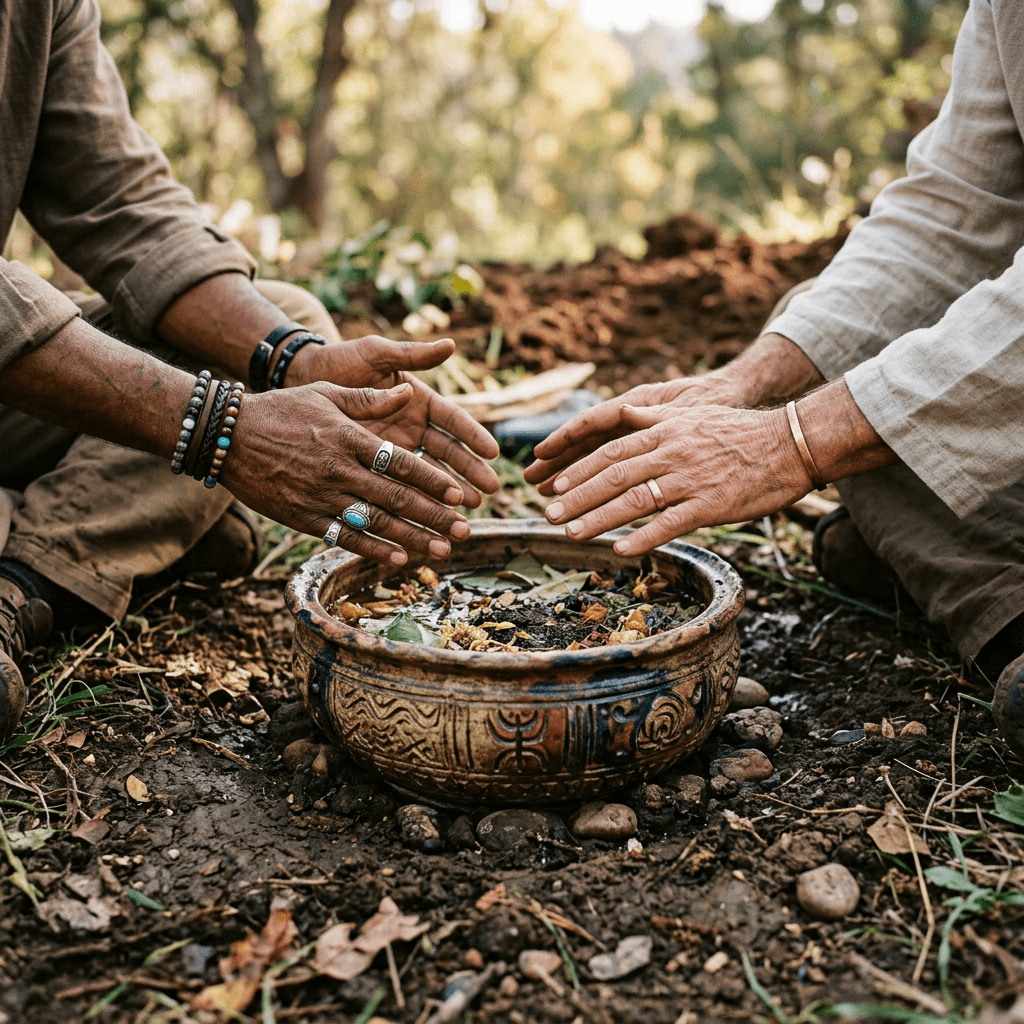
Waaqeffannaa, the indigenous monotheistic religion of the Oromo people, plays a profound and multifaceted role in peacemaking that is deeply embedded in its theology, rituals, and social institutions. Its approach to peace is not merely the absence of conflict but a state of holistic harmony with Waaqa (God), fellow humans, and the natural environment.
 Theological Foundation: Peace as a Divine Mandate
Peace (nagaa) is a core spiritual value in Waaqeffannaa. Waaqa is believed to be peace itself, and human beings are expected to be peacemakers who do not disturb this divine order. This is embedded in daily life, from the common greeting “Nagaa dha?” (Are you at peace?) to prayers like “Nagaan nu oolchi” (Lead us in peace).
 Key Peacemaking Principles: Gumaa and Waadaa
Two central traditional mechanisms for conflict resolution are Gumaa and Waadaa:
· Gumaa: A ritual process of reconciliation, particularly for serious offenses like bloodshed, intended to restore broken relationships and bring peace.
· Waadaa: A covenant or oath that establishes a binding agreement between parties to maintain peace.
 Rituals, Festivals, and Community Practices
Peacemaking is reinforced through collective rituals:
· Irreecha: The annual thanksgiving festival where thousands gather to thank Waaqa and publicly preach peace and unity. A central chant is “Nagaa, nagaa!” (Peace, peace!), affirming the community’s collective desire for balance.
· Dhibaayyuu: A thanksgiving ritual that plays a pivotal role in inter-community peacebuilding and sustaining social solidarity.
 Institutional Mechanisms: The Gadaa System and Qaalluu Leaders
Waaqeffannaa is closely linked to the Gadaa system, a traditional Oromo governance structure that serves as a viable conflict resolution and peace-building mechanism. Within this system, Qaalluu leaders, as custodians of the faith, often act as mediators, using traditional reconciliation methods to resolve disputes.
 Contemporary Relevance and Challenges
While its values align with modern peacebuilding, Waaqeffannaa faces challenges in modern Ethiopia, including historical marginalization and limited freedoms for its adherents. Despite this, its principles offer a powerful, locally-grounded framework for building lasting peace from the community level upward.
In essence, Waaqeffannaa provides a comprehensive blueprint for peace, integrating spiritual belief with practical action to foster reconciliation and social harmony.

The 8th Conference of Judicial Officers of the South-West Shewa Zone
Strengthening the Judiciary through Service, Integrity and Professional Excellence
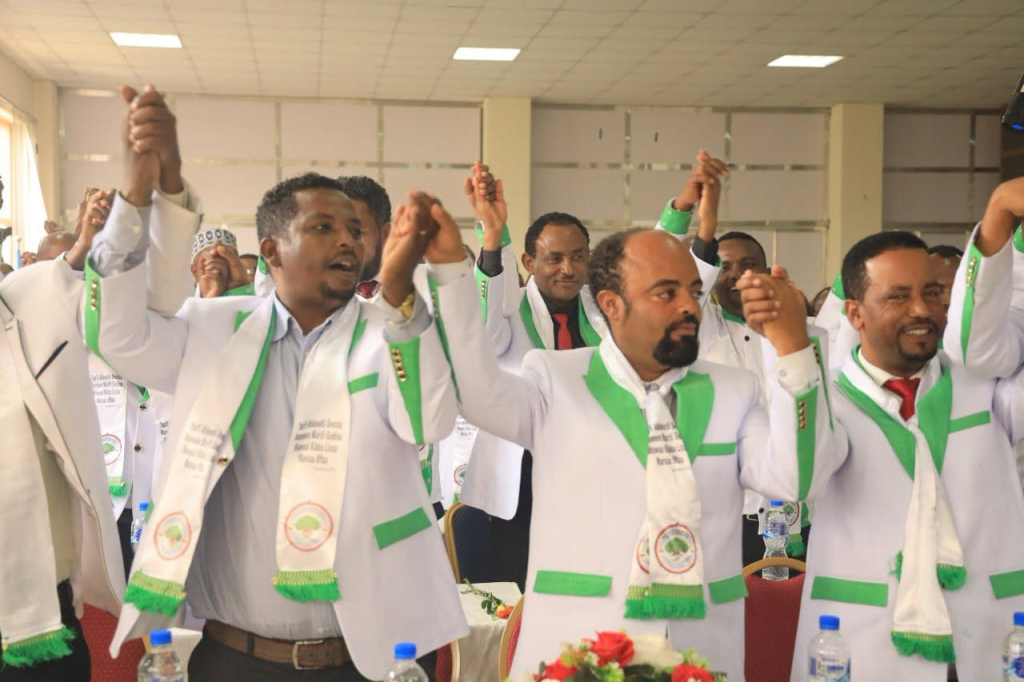
Waliso, Oromia — The 8th Conference of Judicial Officers of the South-West Shewa Zone was officially held in the town of Waliso, under the theme: “We Will Work with a High Spirit of Service to Provide the Public with Pure, Efficient and Acceptable Judicial Services!”
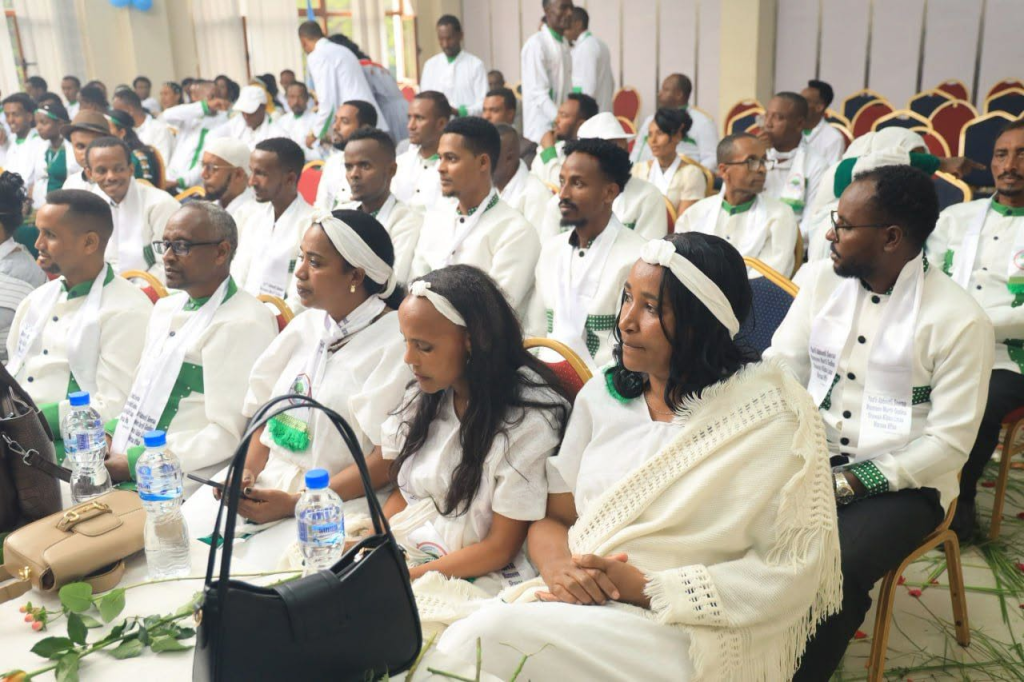
The conference, which brought together judges and legal professionals from across the zone, served as an important platform to evaluate court performance, discuss challenges, and chart a path toward improved service delivery. It concluded with a recognition ceremony honouring judicial officers who had recorded outstanding achievements .
Focus on Quality and Efficiency
During the conference, a key presentation was delivered under the title “Causes for the Cancellation and Improvement of Cases: The Reality of the Courts of the South-West Shewa Zone and the Direction of Solutions” . This session sparked in-depth discussions among the participants, highlighting the commitment of the judiciary to learning from past shortcomings and enhancing the quality of its rulings .
The theme of the conference reflects a broader reform effort to ensure that the judiciary is not only independent but also responsive to the needs of the public. As noted in previous judicial gatherings in Oromia, the primary goal is to improve access to justice and strengthen public trust in the legal system .
Participants and Attendance
The event was attended by a wide range of judicial and administrative officials, including:
- Judges of the Zonal Courts ;
- Representatives from the Oromia Supreme Court ;
- Judicial officers from neighbouring zones and city courts;
- Heads of sector offices from the zone and the town of Walisoo;
- Court administrators and other legal professionals .
The broad representation underscores the coordinated efforts across different levels of the judiciary to align practices and share experiences. Previous zonal conferences, such as those in Jimma and other parts of Oromia, have similarly focused on utilising technology and improving the quality of judicial services .
Recognition of Excellence
One of the highlights of the conference was the presentation of certificates of recognition to judges and court officials who had demonstrated exemplary performance. This practice is common in Oromia’s judicial sector reforms and aims to motivate legal professionals to uphold the highest standards of integrity and service.
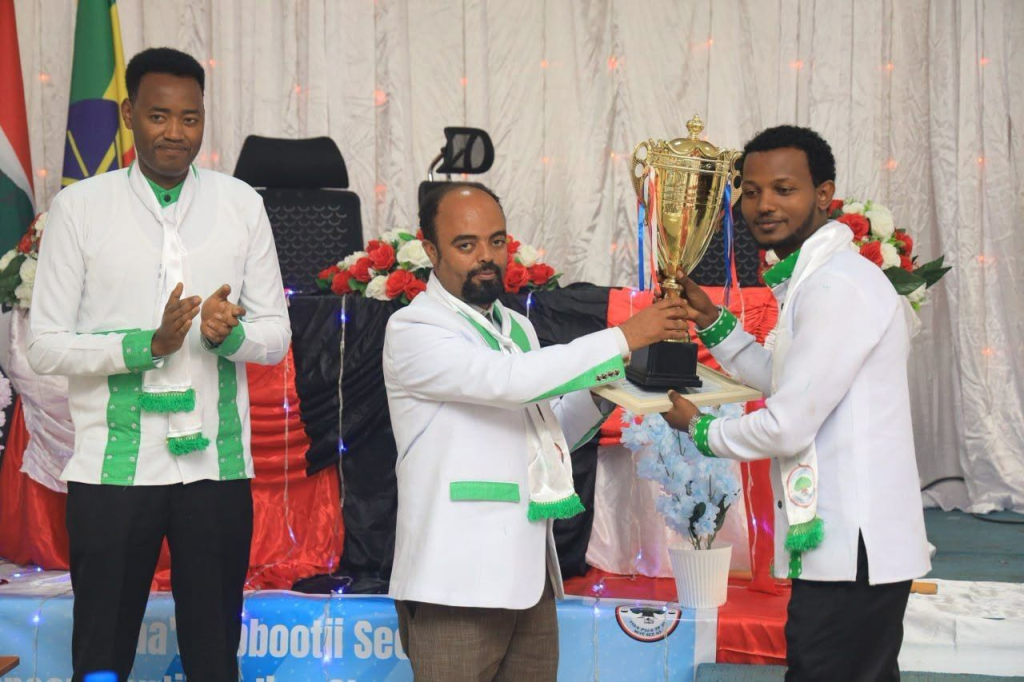
The recognition was part of a broader effort to strengthen the rule of law and ensure that the judiciary remains a pillar of justice in the region. Recent reports, however, have also highlighted the difficulties facing the judiciary, including incidents of judges being unlawfully arrested and intimidated, underscoring the importance of such gatherings to reaffirm judicial independence.
Conclusion
The successful conclusion of the 8th Conference of the Judicial Officers of the South-West Sheba Zone reflects a renewed commitment to a judiciary that is accessible, transparent and accountable. In the face of security and administrative challenges, the spirit of service and integrity shown by judicial officers is a beacon of hope for a just and fair legal system .

The Two Humiliations of TPLF: A Reflection on Power, Pride, and the Oromo Awakening
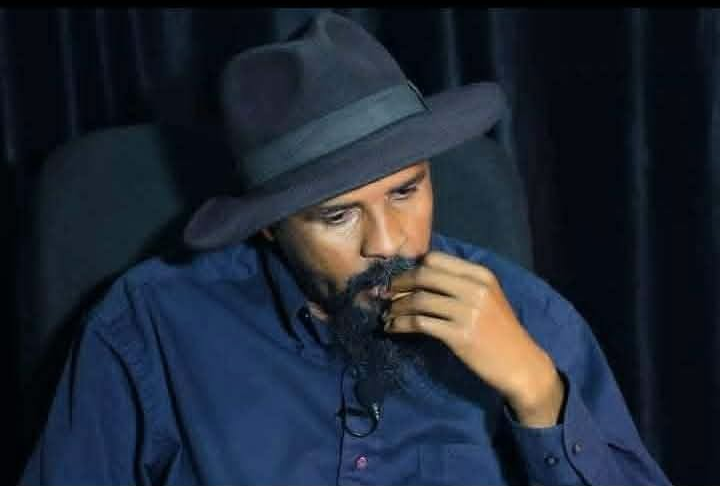
In the shifting sands of Ethiopian politics, the Tigrayan People’s Liberation Front has suffered wounds that time has not healed—and the Oromo people remain the central characters in this unfolding drama
In the annals of Ethiopian political history, few organizations have risen as high or fallen as dramatically as the Tigrayan People’s Liberation Front (TPLF). For nearly three decades, it dominated the political landscape of the Ethiopian Empire, ruling with an iron fist while projecting an image of revolutionary legitimacy. Yet today, the TPLF finds itself nursing wounds that history will not allow it to forget—wounds inflicted not by foreign enemies but by the very people it sought to subjugate.
The reflection of Abba Ebba offers a searing analysis of what he calls the “two humiliations” of the TPLF—humiliations that, in his view, are inextricably linked to the Oromo people and their awakening. These are not merely military defeats but moral and political reckonings that the TPLF has been unable to accept or process.
The First Humiliation: The Fall of Mekelle
“For 27 years, like the saying ‘the hare’s skin cannot cover the elephant,’ the TPLF tried to stretch its hide over an empire too vast for its frame. In the final hour, it was the sons and daughters of Oromo—the Qeerroo and Qarree—who stood before tanks with empty hands and brought down the regime. They made the TPLF retreat to Mekelle, dragging its ill-gotten wealth behind it. This is the first humiliation that remains unhealed to this day.”
The 2018 Oromo protests were not merely a political uprising—they were a seismic shift in the Ethiopian political landscape. The Oromo youth, known as the Qeerroo and Qarree, rose in a wave of popular resistance that the TPLF could not contain. The protests were decentralized, leaderless, and yet remarkably unified in their demands for justice, equality, and an end to the TPLF’s domination .
The TPLF, which had ruled Ethiopia for 27 years, was forced to abandon power and retreat to its northern stronghold of Mekelle. This was not a defeat by a rival military force but a collapse in the face of unarmed civilian resistance. The humiliation was profound and, according to Abba Ebba, has never been truly accepted by the TPLF leadership.
“The TPLF was defeated by the popular wave that ignited from one end of Oromia to the other—a wave that was part of the Oromo liberation struggle. This is an undeniable truth. The Oromo is an elephant; when it tramples, it crushes. The TPLF was forced to swallow this reality, whether it liked it or not.”
The Second Humiliation: The Retreat to Mekelle
The second humiliation followed the first. After initially retreating to Mekelle, the TPLF sought to reassert its influence on the national stage. It formed alliances with various forces—including some within the Amhara political spectrum—and attempted to challenge the Prosperity Party government.
However, this effort ended in another defeat. The TPLF was forced to retreat once again to Mekelle, leaving behind its ambitions and its allies, having consumed itself in the fires it had ignited. This second retreat, Abba Ebba argues, is the other humiliation that remains raw and unprocessed .
“When the TPLF was about to return to Addis Ababa, it found itself burned by the fire it had started. It was forced to retreat to Mekelle—another humiliation that has not faded.”
The Unlearned Lesson
Despite these humiliations, the TPLF has not learned its lesson. Instead, it continues to prepare for a new war, this time under the cover of the Prosperity Party government’s own challenges. After four years of uninterrupted military preparation, the TPLF is once again positioning itself for conflict .
Abba Ebba warns that this preparation is driven by a desire for revenge—a desire to settle scores with the Oromo people who, in the TPLF’s view, are responsible for its humiliations. “Under the cover of the Prosperity Party government, the TPLF is seeking to take revenge on our people for its past humiliations.”
The Unnecessary Price
Abba Ebba poses a pointed question: why must the Oromo people pay the price for the TPLF’s ambitions? Why must Oromia become a battlefield for conflicts that are not of its making?
“The TPLF did not need to travel 600 kilometres into the heart of the country, into the breadbasket of Ethiopia—Oromia. It could have declared Eritrea-style independence when the Derg fell, and it could do so today. All it needs is to settle its accounts and secure the consent of its people.”
The TPLF’s refusal to accept defeat has left the Oromo people caught between multiple threats. On one hand, there is the TPLF’s continued military preparations and its desire for revenge. On the other, there are forces like Fano and other armed groups that have also targeted Oromo communities.
The Oromo Elite’s Responsibility
Abba Ebba also points a finger at the Oromo elite, accusing them of failing to fulfill their responsibilities. The Oromo people, who have paid the heaviest price in the struggle against the Ethiopian Empire, now face a dual threat: the TPLF’s revanchism and the Oromo elite’s failure to protect the gains of the struggle.
“The Oromo elite has failed to protect the historic victory achieved by the Oromo popular struggle. It has also failed to protect the constitutional right to self-determination—the right to democracy, justice, and self-rule—from being undermined.”
This failure, Abba Ebba argues, has allowed the Oromo people to be marginalized and treated with suspicion by their neighbours. The Oromo elite’s failure to step up has left the people vulnerable to manipulation and exclusion.
A Call to Vigilance
Abba Ebba concludes with a call to the Oromo people:
“Our people must prepare themselves for the danger of the approaching war and actively monitor the situation. The war that is being prepared—whether by TPLF or by the Fano forces—poses a threat to the next generation of Oromo. Decisive action must be taken to find a lasting solution.”
He insists that Oromia must not become a doormat for the ambitions of others. “Oromia will not be a doormat for Fano or the TPLF! With its determined sons and daughters, it will stand, honoured and respected, and it will endure forever.”
A Historical Warning
The reflection of Abba Ebba is not merely a commentary on contemporary politics—it is a historical warning. It reminds the Oromo people that the TPLF, despite its humiliations, has not abandoned its ambitions. The two humiliations remain unhealed, and the TPLF continues to seek revenge.
But the reflection also carries a message of hope and resolve. The Oromo people, having risen once, can rise again. The elephant has crushed its enemies before, and it can do so again.
Conclusion
The two humiliations of the TPLF are more than military or political defeats—they are symbolic wounds that the organization has not been able to accept. The TPLF’s refusal to learn from its past has left the Oromo people facing a renewed threat. But the Oromo people, having already demonstrated their power, are not powerless.
As Abba Ebba declares: “Oromia will not be a doormat for Fano or the TPLF! With its determined sons and daughters, it will stand, honoured and respected, and it will endure forever.”
The elephant has crushed its enemies before, and it can do so again.

The Debate Over Finfinne: Citizenship, Nationality, and the Right to Self-Determination
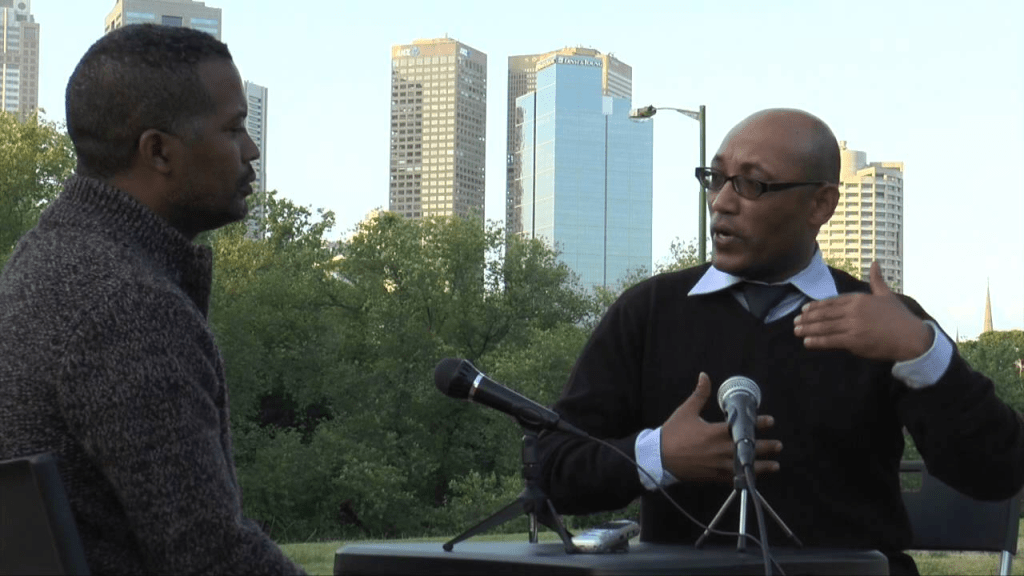
In Ethiopia’s complex federal system, the status of the capital city has become a flashpoint for competing visions of identity, rights, and constitutional interpretation
FINFINNE, ETHIOPIA — A provocative statement by Dr. Tsegaye Ararssa has reignited debate over the status of Finfinne (Addis Ababa) and the rights of its residents, challenging what he describes as “baseless” calls for the city’s self-determination while affirming the constitutional framework that places it within Oromia.
“Finfinne is one of the cities of Oromia” , Dr. Tsegaye asserts, grounding his argument in Ethiopia’s federal constitution and the regional constitution of Oromia . The statement has drawn both support and criticism in a country where the status of the capital city remains a sensitive political issue.
A City of Many Peoples
Finfinne, with its population estimated at between 3 and 4 million, is a microcosm of Ethiopia’s remarkable diversity. People from all regions of the country have made the city their home, bringing with them their languages, cultures, and traditions .
“Their coming is a blessing. Their presence is beautiful. It is beauty itself,” Dr. Tsegaye writes, acknowledging the contributions of migrants who have enriched the capital’s social and cultural fabric.
These residents, he emphasizes, are full rights-bearing citizens of both the country and the region. Their rights are guaranteed under Ethiopia’s constitution (Chapter 3), the Oromia constitution, and other relevant laws. State and regional governments are constitutionally obligated to protect and fulfill these rights .
Residents, Not a Nation
Despite the rich diversity of its population, Dr. Tsegaye draws a sharp legal distinction: “The residents of Finfinne are residents, citizens—not a nation.”
While each individual citizen retains their ethnic identity—with many having ties to their regions of origin—the residents of Finfinne collectively do not constitute a “nation” as defined under Ethiopia’s constitutional framework .
The Ethiopian constitution grants the right to self-determination to “nations, nationalities, and peoples,” defined in Article 39(5) as groups with shared culture, language, identity, and a sense of common history . Residents of Finfinne, however diverse, do not meet these criteria as a collective group.
Individual Rights vs. Collective Rights
Dr. Tsegaye draws a crucial distinction between two types of rights:
Individual rights that accrue to all citizens—including the right to education in one’s language, cultural expression, religious freedom, and preservation of identity—are fully guaranteed to residents of Finfinne .
Collective rights—specifically, the right of a group to self-determination—are reserved for groups that constitute “nations” under Ethiopian law. Such groups must meet the constitutional criteria defined in Article 39(5) .
According to Dr. Tsegaye, residents of Finfinne do not meet this constitutional threshold. They are not a “nation” but rather a diverse collection of individuals from various nations. Therefore, any movement seeking self-determination for the city of Finfinne as a collective entity is constitutionally baseless .
As he states, “If they were to be properly settled according to this criterion, they would be Oromo, and their region would be Oromia.”
The Call for Self-Determination
The debate over Finfinne’s status is not merely academic. In recent years, some voices have called for the city to exercise self-determination, either as an independent federal city or through other arrangements.
Dr. Tsegaye characterizes these calls as “baseless and anti-Oromo” . The phrase “anti-Oromo” likely reflects the perspective that these efforts threaten Oromo rights and the territorial integrity of Oromia.
However, the debate cuts multiple ways. Those advocating for Finfinne’s self-determination argue that the city’s residents have distinct interests that may not be fully represented by either the federal or regional government.
The Constitutional Framework
The Ethiopian constitution is one of the few in Africa that explicitly recognizes the right of nations, nationalities, and peoples to self-determination, including the right to secession .
The constitution also establishes Finfinne (Addis Ababa) as a special city, with its status and boundaries determined by the federal government. This has been a source of tension between the federal government and Oromia, with some Oromo nationalists arguing that the city rightfully belongs to Oromia.
Dr. Tsegaye’s argument is grounded in the constitutional text as he interprets it, but the constitution’s provisions on Finfinne’s status have been subject to multiple interpretations.
A Citizen, Not a Nation
The heart of Dr. Tsegaye’s argument is that Ethiopian citizenship must be distinguished from nationality. All Ethiopians are citizens, but they belong to nations, nationalities, or peoples as defined in the constitution. Residents of Finfinne are citizens first, and their ethnic identity is separate from their status as residents of the capital .
In a country where ethnic federalism is both a constitutional principle and a political reality, the distinction matters. It shapes access to resources, political representation, and even legal status.
His final counsel to residents of Finfinne is clear: “Leave this ‘Addis Ababa should determine its own destiny’ noise, and protect your citizenship rights. It is counsel” .
Conclusion
Dr. Tsegaye Ararssa’s intervention enters a contentious and evolving debate with significant political and legal implications. His emphasis on the constitutional text, the distinction between individual and collective rights, and the specific status of Finfinne as a city within Oromia reflects one interpretation of Ethiopia’s complex federal framework.
Yet the status of Finfinne remains one of the most sensitive and unresolved issues in Ethiopian politics. The debate over whether the city is the capital of Ethiopia, the seat of the Oromo people, or something else entirely continues to shape political discourse.
“The residents of Finfinne are residents, citizens—not a nation.”

Why Unity Remains a Constant Theme in the Oromo Freedom Struggle
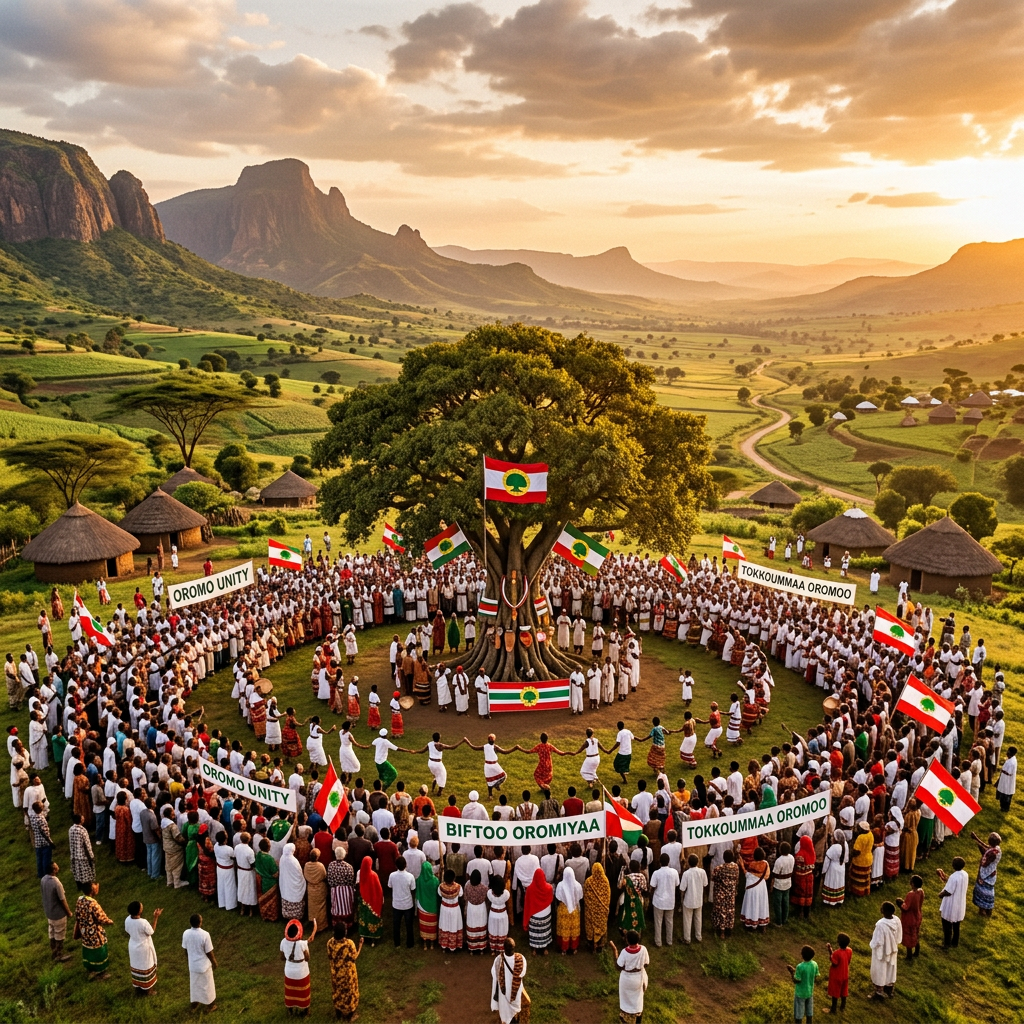
In the face of colonial domination and systemic oppression, the call for Oromo unity is not just a political slogan—it is a survival strategy, a moral imperative, and the foundation of a centuries-old struggle for liberation
The Oromo freedom struggle is one of the longest-running national liberation movements in Africa. For over a century, the Oromo people have resisted colonial domination, cultural suppression, and political marginalisation within the Ethiopian Empire. Throughout this long and arduous journey, one theme has remained constant: the call for unity.
Unity is not merely a rhetorical device in Oromo political discourse. It is a practical necessity, a moral principle, and a historical lesson that has been learned through generations of struggle. To understand why unity remains so central to the Oromo cause, we must look at the history of oppression, the nature of colonial strategy, and the lessons learned from both successes and failures.
The Colonial Strategy: Divide and Rule
The Ethiopian Empire was built through conquest. In the late 19th century, Emperor Menelik II’s armies, armed with European rifles, swept through the Oromo territories, confiscating land, imposing a feudal system of tribute and forced labor, and suppressing Oromo institutions such as the Gadaa system. The neftegna-gabbar system was not a metaphor—it was a system of land confiscation, tribute extraction, and forced labour that persisted for generations .
“When Menelik’s armies swept through what is now Oromia in the 1880s and 1890s, they did not arrive as liberators. They arrived with rifles purchased from European powers, with a feudal ideology that viewed the southern peoples as pagans to be civilised and their land as empty territory to be claimed” .
To maintain control over a conquered population that vastly outnumbered the colonisers—Oromos comprise roughly 35% of Ethiopia’s population —the imperial state employed a classic colonial strategy: divide and rule. Oromo society was fragmented, regional differences were exploited, and some Oromo elites were co-opted into the colonial administration. This strategy of fragmentation served the coloniser’s interests by preventing the emergence of a unified Oromo national consciousness .
The suppression of Oromo unity was not incidental to colonial rule—it was essential to it. A united Oromo nation posed an existential threat to the colonial system. This is why successive Ethiopian governments have sought to undermine Oromo unity, whether through direct repression or through the co-optation of Oromo elites into the state structure .
The Birth of National Consciousness
The 1960s marked a turning point in Oromo political consciousness. Oromo intellectuals and artists began to articulate their dissatisfaction with socio-economic deprivation and what was seen by some as ethnic oppression . The Macha-Tulama Self-Help Association (MTA), founded in the 1960s, represented one of the first organised attempts to build Oromo unity across regional and clan divisions .
The Haile Selassie government, recognising the threat posed by this emerging unity, crushed the MTA. Its destruction was the immediate catalyst for the founding of the Oromo Liberation Front (OLF) in the early 1970s . The establishment of the OLF represented a decisive shift: for the first time, a unified political organisation was created to lead the Oromo struggle for self-determination .
“The effort to bring together a few Oromo nationalists of diverse backgrounds from all over Oromia” to establish the OLF was itself an act of unity . The founders understood that only through a unified national movement could the Oromo people overcome the colonial system.
The Weapon of Culture
Oromo culture has been a powerful force for unity. While the Ethiopian state banned the Oromo language from public contexts and prevented it from being printed, Oromo musicians and artists developed creative forms of cultural resistance that sustained Oromo identity and consciousness .
“Afaan Oromo song (music) was used as the most powerful form of chimerical power in speaking across age, class, region, sex, power, and even ideology in resisting the domination of Imperial rule while striving to sustain common Oromo unity” .
Oromo musical icons such as Ali Birra, Abitaw Kebede, Nuho Gobana, Umar Suleyman, Ebbisa Adunya, and Kadir Said played an indispensable role in creating a social space wherein the Oromo struggle for equality and self-emancipation is articulated and debated . Songs like Haacaaluu Hundeessaa’s Maalan Jiraa became anthems of resistance, weaving together stories of pain and pride, hope and despair, and reminding Oromos of their shared identity and destiny .
“It is here, in this reservoir of songs, in the unruly dances and heart-breaking ballads, that one finds the story of the Oromo nation and its struggle for self-determination, not in the official archives and historiographies of the Ethiopian state” .
These artists became targets of state repression because their songs threatened the colonial order by building Oromo unity and consciousness .
Lessons from History
The Oromo people have a long memory of both the costs of disunity and the power of unity. The 16th-century Oromo campaigns, which successfully reclaimed territories from both Christian and Islamic imperial forces, were made possible by the sophisticated organisation of the Gadaa system—a system built on unity of purpose and collective action .
“The successes of the Oromo were not due to sheer numbers or migratory luck—but stemmed from an internally sophisticated and morally grounded civilisational system anchored in the Gadaa democratic order” .
Factors such as the Gadaa system, age-set institutions (Cibra), the unifying goal of reclaiming ancestral land (Galma), spiritual conviction (Kaawoo), and inclusive sociopolitical integration (Moggaasaa) all contributed to Oromo military success .
Conversely, the weakness of the Oromo movement has often been attributed to disunity. As one analysis notes, within the Oromo nationalist movement there are “lots of varieties, units, political agendas, and goals” . This diversity, while reflective of the Oromo people’s richness, has at times been exploited by the state to undermine the movement.
The recognition that disunity serves the coloniser is a constant theme in Oromo political discourse. “The colonizers and their agents have vilified and attacked” the OLF “to make the Oromo society leaderless” . A leaderless, fragmented society is easier to control.
Unity in Contemporary Struggles
The theme of unity remains urgent today. Recent efforts by the Oromo Liberation Front (OLF) and the Oromo Federalist Congress (OFC) to establish a “Transitional National Unity Government of Oromia” reflect this ongoing imperative . These groups have called on “all genuine Oromo forces, regardless of their method of struggle, to resolve their political differences and galvanize their unity” .
The call for unity is not merely political—it is a response to the dire situation facing the Oromo people. Across all 22 zones of Oromia, conflict between government forces and the Oromo Liberation Army (OLA) has led to arrests, beatings, displacement, mass burning of civilian houses, and other atrocities . The Oromo people face a crisis that demands unified action .
Yet the path to unity is not simple. The Oromo nation is divided by class, region, religion, and political orientation. As one analysis notes, “the Oromo nation is not a monolith. It is divided by class” . At the top is the Oromo comprador bourgeoisie—elites integrated into the state structure who benefit from the existing system . At the bottom is the Oromo working class—peasants, agricultural labourers, industrial workers, unemployed youth, and the urban poor .
This class division has led to a recognition that “nationalism alone cannot deliver what the Oromo masses actually need” . The Oromo peasant displaced from their land does not care whether the displacer is Amhara or Oromo—the displacement is the same . The Oromo worker paid starvation wages does not care whether the boss is based in Addis or abroad—the exploitation is the same .
This insight has led some to argue that the Oromo struggle must move beyond nationalism to class politics, building alliances with other oppressed peoples across Ethiopia . “Your ally is the Amhara worker who also wants land. Your ally is the Tigrayan worker who also wants a living wage” .
The Role of the Gadaa System
The Gadaa system continues to be a source of unity for the Oromo people. Its principles of regular rotation of leadership, checks and balances, and consensus-building mechanisms are considered “one of the most sophisticated pre-capitalist socio-political systems ever developed” . The Gadaa system is not merely a cultural artefact—it offers lessons in democratic governance that are relevant to the contemporary struggle .
“A liberated Ethiopia would not erase Oromo culture. It would draw on it. It would recognise that the Gadaa system offers lessons in democratic governance that the European liberal tradition cannot teach” .
The revival of the Gadaa system and the celebration of the Irreechaa festival have become powerful symbols of Oromo unity and cultural renaissance.
Conclusion
Unity remains a constant theme in the Oromo freedom struggle because it is both a necessity and a lesson learned through generations of experience. The colonial state has sought to divide the Oromo people because a united Oromo nation poses an existential threat to the colonial system. The Oromo people have learned, through both victory and defeat, that unity is the foundation of successful resistance.
But unity is not merely a political strategy—it is a moral principle rooted in the Oromo worldview. The concept of Safuu, the moral order that maintains balance and harmony, applies to the Oromo nation as well. Disunity is a breach of Safuu, a disruption of the natural order that brings suffering to the community .
As the Oromo struggle continues, the call for unity remains urgent. Whether through political organisation, cultural expression, or class solidarity, the Oromo people must find ways to overcome the divisions that have been imposed upon them and build the unity necessary for genuine liberation.
“The full restoration of the Oromo people’s freedom and rights is essential for lasting peace” . And that restoration will only be achieved through unity.
The struggle for Oromo liberation is the struggle for Oromo unity. And the struggle continues.

Reclaiming the Dawn: The Renaissance of Waaqeffannaa Civilisation

After centuries of suppression, the Oromo people’s ancient faith is rising from the shadows to reclaim its place in the spiritual and cultural landscape of the Horn of Africa
In the sprawling, colourful tapestry of Ethiopian cultural heritage, few stories are as compelling as the centuries-long journey of the Oromo people’s indigenous faith. For millennia, Waaqeffannaa—the belief in a single, supreme Creator—served as the spiritual bedrock of a proud, pastoral people who structured their lives around the principles of truth, balance, and harmony with nature.
Yet for over a century, this faith was forced underground, hidden from the public eye, its practitioners marginalised, and its sacred sites endangered. Today, however, a powerful renaissance is unfolding. Waaqeffannaa is not merely surviving—it is being reborn. This is the story of a faith that refused to die, and the people who are reclaiming their spiritual birthright.
The Ancient Foundations
Waaqeffannaa is the indigenous, monotheistic religion of the Oromo people of Ethiopia and parts of Kenya. It centres on the worship of Waaqa—the One True God—the creator and sustainer of life, often referred to as Waaqa Tokkicha . The name itself derives from Waaqa, meaning “believing in Waaqa, following Waaqa, and directing one’s life toward Waaqa” .
This faith predates the arrival of Christianity and Islam in the Horn of Africa, representing the Oromo people’s “own ancient and authentic faith” . It is a sophisticated spiritual system, defined by several core pillars :
- Ayyaana (Divine Spirits): Manifestations or intermediaries of Waaqa, linked to natural forces like rivers and mountains.
- Uumaa (Sacred Nature): A deep reverence for the environment, with trees like the sacred Odaa (sycamore fig), water, and land holding immense spiritual significance.
- Safuu (Moral Order): An ethical framework of truth (dhugaa) and balance that guides human behaviour and aligns it with the divine will .
- Rituals and Ceremonies: Led by spiritual leaders (Qallu and Qallitti), these include thanksgiving prayers and the famous Irreechaa festival at lakesides .
A Faith Suppressed, Not Destroyed
The survival of Waaqeffannaa is a story of resilience. For generations, the faith was systematically marginalised by successive Ethiopian governments and the influence of missionary religions . It was driven underground, its adherents pressured to convert, and its sacred sites neglected.
As the Oromo spiritual tradition known as Wayyuu explains:
“Waaqeffannaa was suppressed but not abolished… Waaqeffannaa was hidden but not destroyed. It was hidden because the people abandoned Waaqeffannaa and began to live under oppression.”
Despite this suppression, the faith survived—not as a public institution, but as an “enduring spiritual memory” preserved in the hearts, traditions, and hidden practices of those who refused to forget . Today, an estimated 1 to 1.5 million Oromo actively follow the faith, while many more who identify as Christians or Muslims continue to maintain Waaqeffannaa beliefs and practices .
The Struggle for Sacred Sites
The renaissance of Waaqeffannaa is intrinsically linked to the struggle for its physical spaces. For centuries, colonial and religious interventions have led to the erasure of these vital sites . One such place is Andoodee Tumaa, a sacred Oromo ritual site in the Akaki district, near Finfinne (Addis Ababa).
This site was a crucial part of the Tuulamaa Oromo Gadaa law-making process, where laws were proclaimed to the public every eight years . However, the site now faces an existential threat. The systematic expansion of Addis Ababa, driven by a controversial Master Plan that was halted only after a youth-led struggle, has encroached upon Andoodee Tumaa, shrinking it to a fraction of its original size. A water supply facility has been constructed in this sacred location, with further encroachment from a newly constructed church .
The threat is symbolic of a wider issue: the erasure of Oromo spiritual geography. But the local community remains steadfast. As one assessment notes, “The Oromo people have never accepted the abandonment of their sacred ritual sites, despite facing heavy suppression” . The fight to preserve sites like Andoodee Tumaa is not just a battle for land; it is a battle for cultural memory.
The Heartbeat of the Renaissance: Irreechaa
If the sacred sites are the geography of the renaissance, the annual festival of Irreechaa is its heartbeat.
Irreechaa is a thanksgiving festival, held to thank Waaqa for rain, harvest, and the gift of life . The ritual of Irreechaa, which includes prayers at water bodies, simultaneously affirms the distinctiveness of the Oromo while connecting them to broader ancient African cultural traditions . Once a forbidden event, Irreechaa has undergone a dramatic transformation. It has evolved from a suppressed celebration to a recognised element of national cultural heritage .
Today, it is a major public celebration, symbolising Oromo unity and identity . Tens of thousands of people, predominantly from the Oromo ethnic group, gather annually, often at Lake Hora Arsadi, dressed in traditional white attire to express their gratitude . While the festival is a joyful assertion of an identity suppressed for over a century, it has also become a stage for political expression . The 2016 festival, which was met with a violent crackdown, became a catalyst for political change that ultimately ushered in the current prime minister .
This evolution reflects the growing public recognition of Oromo culture, facilitated by national policies, the work of activists, and the resurgence of Waaqeffannaa itself .
A Philosophical Renaissance
The resurgence of Waaqeffannaa is also a philosophical revival. Oromo intellectuals and activists are working to reclaim the faith as part of a broader cultural identity, to lift the “darkness” that has hidden its truth for so long . Strategies for this cultural preservation include documenting oral traditions, integrating Waaqeffannaa into educational curricula, and advocating for official recognition of its religious rights .
This renaissance is a movement to restore the spiritual and moral principles that have guided the Oromo for millennia. It is a reclaiming of Safuu—the justice and balance that is fundamental to the Oromo worldview . The ultimate message is one of hope. As the Wayyuu tradition declares:
“The day the darkness that has hidden the truth of Waaqeffannaa is lifted, goodness will spread across this land. When humanity returns to the truth of Waaqa, all people will rejoice.”
Conclusion: Reclaiming the Dawn
The renaissance of Waaqeffannaa civilisation is a testament to the resilience of a people and their faith. It is a story of reclaiming an identity, of reviving sacred practices and spaces, and of giving voice to a spiritual heritage that has been hidden for too long.
It is not merely about reviving a religion; it is about the survival and flourishing of the Oromo people’s soul. The dawn of this new era promises to restore not just a faith, but also the principles of truth, justice, and harmony that form the bedrock of a truly liberated people.

The Ya’a Gadaa of Arsii: Restoring the Sacred Assembly at Baldhaa
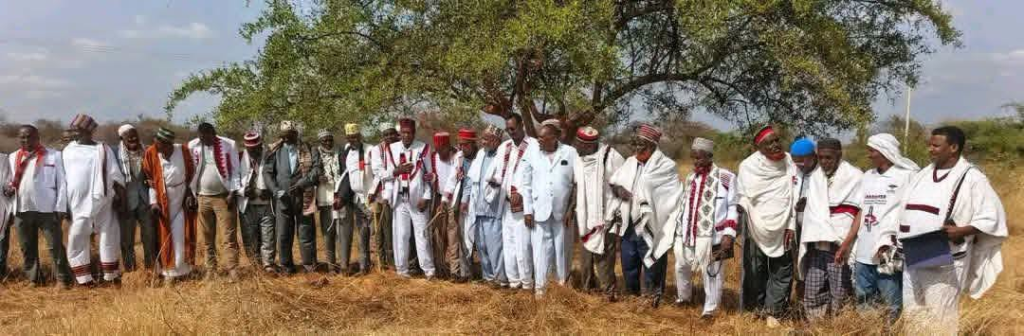
Thousands gather in East Bale Zone to revive the ancient Gadaa traditions and reclaim the cultural heritage of the Oromo people
BALEE ZONE, OROMIYA — The ancient grounds of Dhaddacha Baldhaa have come alive with purpose. In a powerful display of cultural resilience, the Ya’a Gadaa (Gadaa Assembly) of Arsii has been formally inaugurated at Dhaddacha Baldhaa in Rayitu district of East Bale Zone. This historic gathering marks a significant milestone in the ongoing efforts to revive and restore the sacred traditions of the Oromo people.
The assembly, which began on Adoolessa 12-14 according to the traditional Oromo calendar, has brought together Abbootii Gadaa (Gadaa leaders), Haadholiin Siinqee (Siinqee women), and members of the broader Oromo community from across the region .
The Significance of the Gadaa System
“Sirni Gadaa Oromoo Hambaa Addunyaa hundagaleessa Uummatni Oromoo addunyaaf gumaachedha.”
The Oromo Gadaa system is a universal heritage that the Oromo people have contributed to the world. The Gadaa system is one of the most sophisticated indigenous governance structures in the world, encompassing political, cultural, economic, social, and other dimensions of life.
The Gadaa system, recognized by UNESCO as an Intangible Cultural Heritage of Humanity, has guided the Oromo people for centuries. It organizes society into generational classes that assume different responsibilities every eight years, ensuring democratic participation and peaceful succession.
“Sirni kun Sirna hundagaleessa hammattoowwan Siyaasaa, Aadaa, diinagdee, hawaasummaafi kanneen biroo of keessatti hammatee dhalootaa dhalootatti darbaa dhufe.”
This system has been passed down through generations, embodying the democratic principles of checks and balances, equality, and participatory governance. It integrates political, judicial, social, economic, cultural, and religious functions, making it a comprehensive framework for Oromo society.
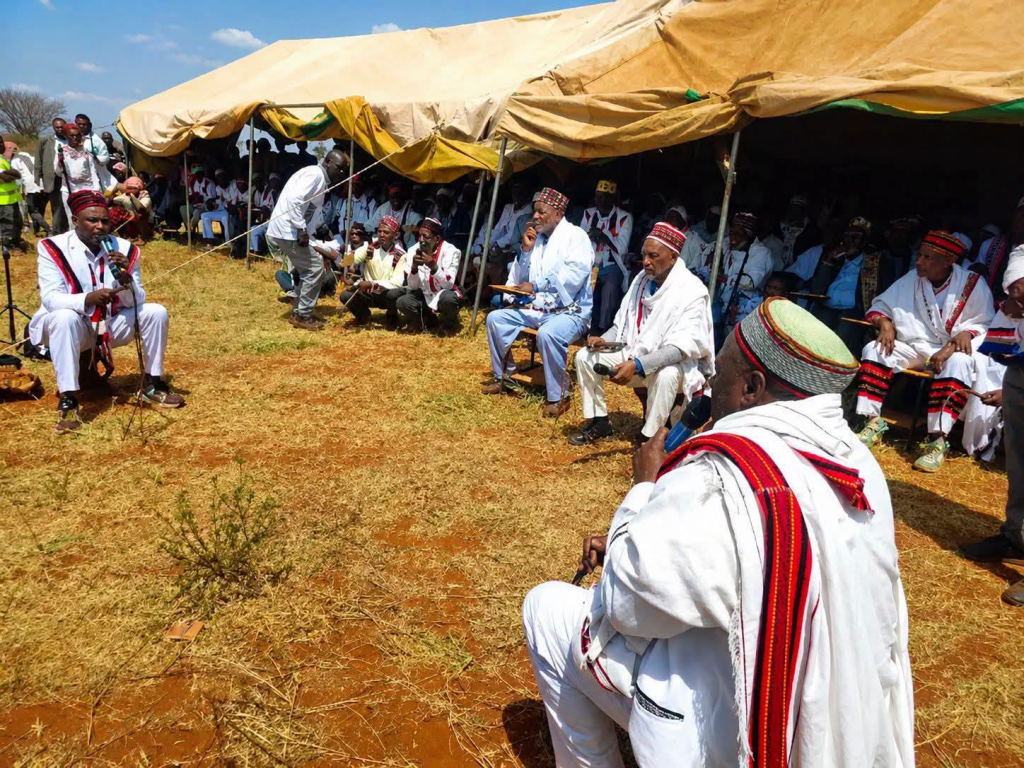
Cultural Revival and Restoration
“Mootummaan Naannoo Oromiyaa Misooma Aadaa uummatichaaaf kenneen hojiilee Haaromsa Aadaa keessaa tokko kan ta’e Aadaa ceesisuun dhalootaa dhalootatti dabarsuun uummaticha fayyadamaa taasisuun Uummata Aadaa isaan boonuufi eenyummaa isaatiin addunyaarratti dorgomaa ta’e uumuuf hojiilee hojjatameen Ardaaleen Jilaa ykn dhaddhachaaleen wiirtuuwwan Gadaa bakka isaanii ganamaatti deebisuuf hojii hojjatameen milkaa’inootni galmaa’aniiru.”
The Oromia Regional Government has given significant attention to cultural development. Among the cultural revival efforts, the restoration of traditional institutions and the transmission of cultural practices from generation to generation have been prioritized.
The revival of the Gadaa system is part of a broader movement to strengthen Oromo identity and enable the people to stand proudly in the world, competing through their culture and identity. The restoration of Dhaddachas (Gadaa class centres) represents a key achievement in this effort.
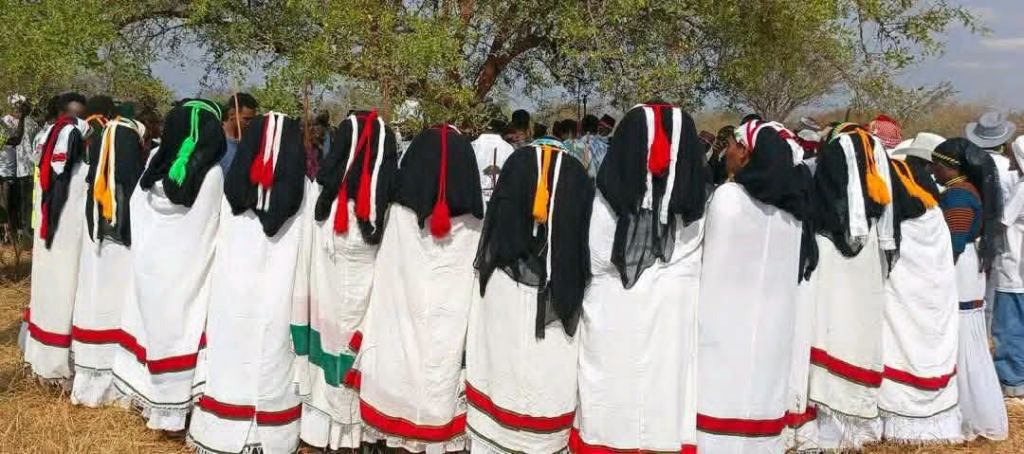
The Gathering at Baldhaa
“Qaama Haaromsa Aadaa kan ta’e Dhaddhachaaleen ykn Ardaaleen Jilaa akka saaqamaniifi bakka isaaniitti deebi’aniif hojiilee hojjatameen dhaddachoota Gadaa Arsii keessaa tokko kan ta’e Dhaddachi Bal’aa Godina Baale Bahaa Aanaa Raayituutti bakka Abbootiin Gadaa, Haadholiin Siinqeefi Uummatni bal’aan argametti gaggeeffamuun eegalee jira.”
The Dhaddacha Baldhaa, one of the Gadaa assembly centers of Arsii, has been formally re-established in Rayitu district of East Bale Zone. The ceremony is being held in the presence of Gadaa leaders, Siinqee women, and the broader Oromo community.
The Ya’a Gadaa at Dhaddacha Baldhaa is not merely a commemoration—it is an act of restoration. The Gadaa system, which faced significant challenges from colonial suppression and modern pressures, is being actively revitalized.
The gathering is a declaration of cultural survival—a statement that the Oromo people will not be erased, their culture will not be forgotten, and their identity will not be denied.
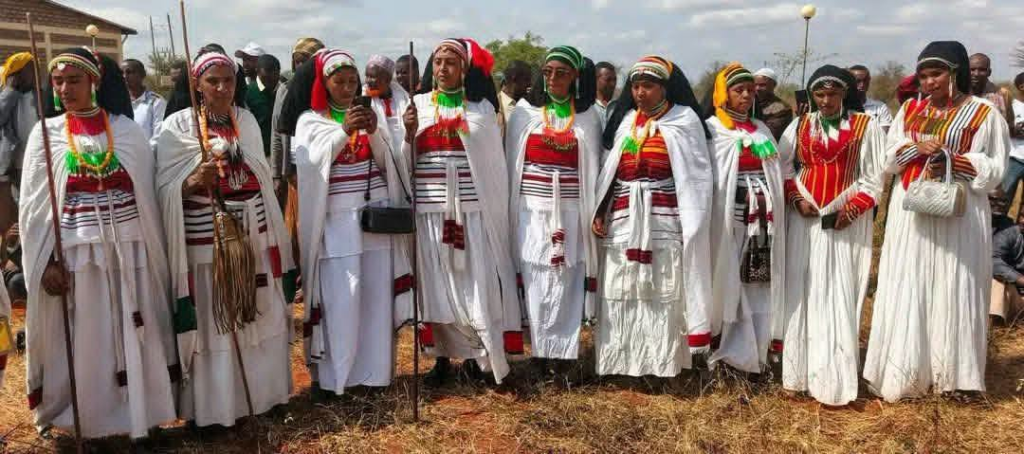
The Path Forward
“Haaromsi Aadaa Oromoo eenyummaafi duudhaa Oromoo cimsuun, aadaa, barnoota, teeknooloojii fi diinagdee waliin tarkaanfachuuf bu’uura ta’aa jira.”
The cultural revival of Oromo traditions is not merely about preserving the past—it is about creating a foundation that enables the Oromo people to move forward in step with education, technology, and economic development.
As the elders gather under the sacred sycamore tree, they are not just remembering the past—they are building the future. The Gadaa system is not a relic of history but a living, breathing system of governance that continues to guide the Oromo people into the 21st century.

Conclusion
“Odaa Robaa, Odduun Roobaaf Nagaya!”
May the Odaa Roobaa be blessed! May the news of Roobaa bring peace!
The Ya’a Gadaa of Arsii at Dhaddacha Baldhaa is a historic gathering—a reaffirmation of Oromo identity, a restoration of sacred traditions, and a declaration of cultural survival. Thousands have gathered, and the message is clear: the Gadaa system lives, the Oromo people endure, and the traditions of the ancestors will never be forgotten.
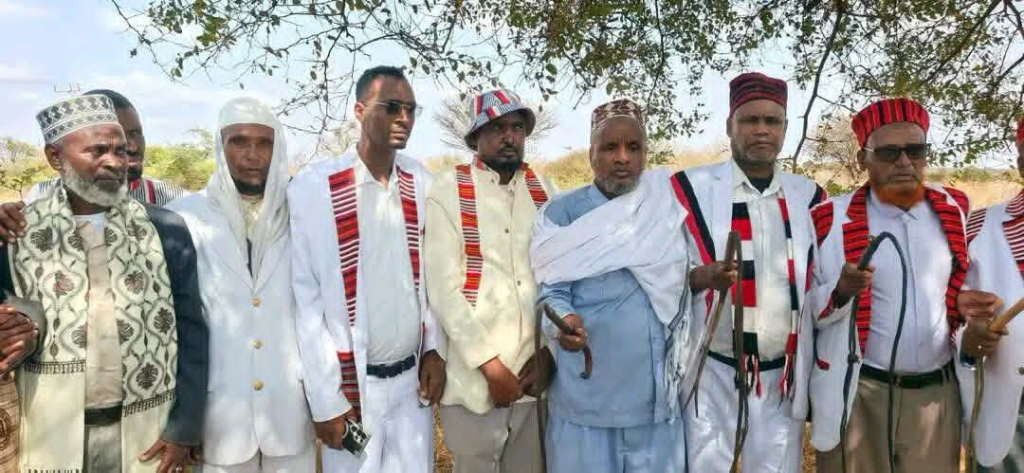
The Ya’a Gadaa at Dhaddacha Baldhaa stands as a testament to the resilience of the Oromo people and the enduring power of the Gadaa system.