Category Archives: Daaniyaa

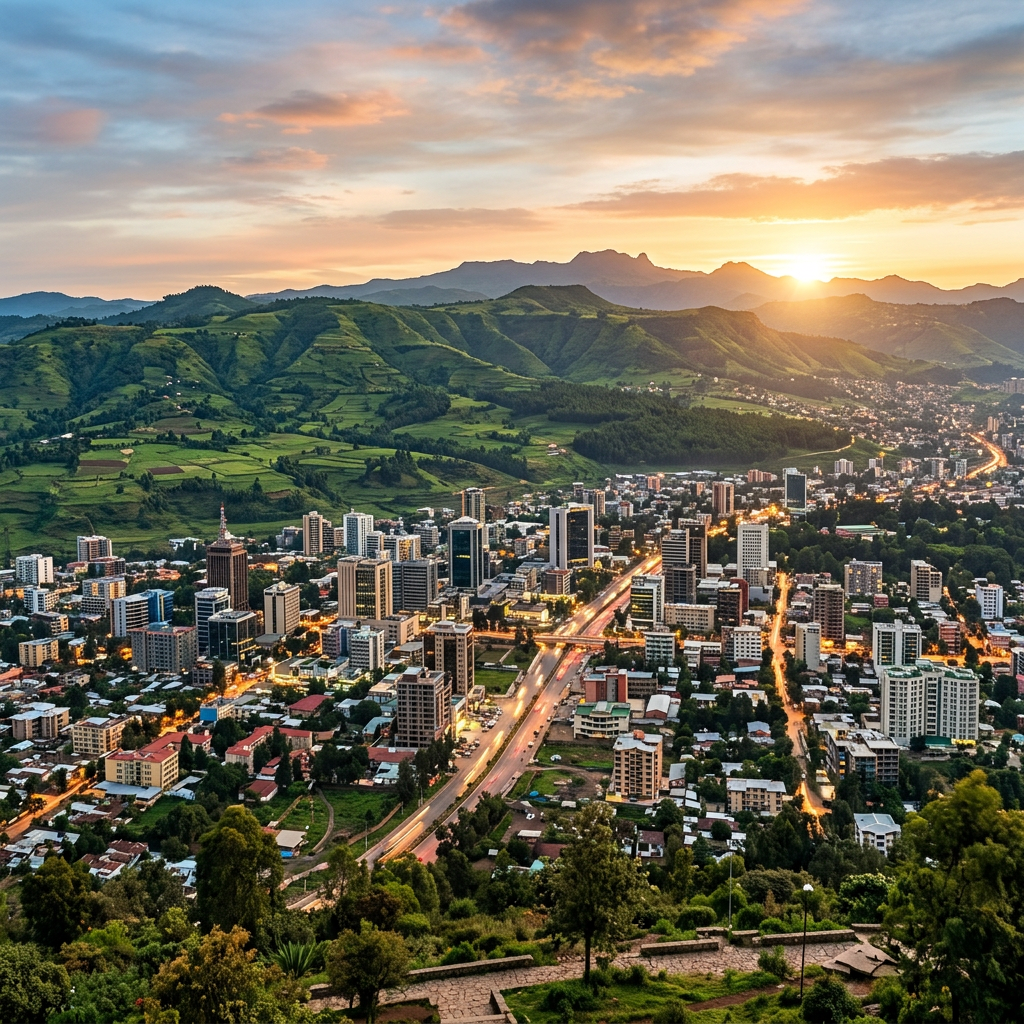
Finfinne: A Question of Law, Governance, and Political Will
Moving Beyond History to Constitutional and Administrative Solutions
By Birhanu Lenjiso (PhD)
The debate surrounding Finfinne—the city known internationally as Addis Ababa—has long been entangled in competing historical narratives, emotional appeals, and identity politics. But at its core, the question of Finfinne’s status is not primarily historical or geographical. It is a question of law, governance, and political will.
Finfinne is the capital of the Federal Democratic Republic of Ethiopia. It serves as the seat of the federal government. But it is also a city located within the boundaries of Oromia, and this geographical reality carries constitutional implications that cannot be ignored. The distinction between the city’s role as a federal capital and its regional location must be clearly understood if we are to find a sustainable solution.
The Constitutional Framework: A City Within Oromia
Finfinne did not become the capital of Ethiopia because it lacked an owner. It became the capital because the Oromo people—the rightful owners of the land—consented to its role as the seat of the federal government. This consent was formalized in the Ethiopian Constitution, which recognized Oromia’s “special interest” in the city concerning social services, natural resources, and joint administrative matters.
This constitutional recognition is not a declaration of Oromo ownership in the exclusive sense. Rather, it acknowledges a practical reality: the city is located within Oromia, and its daily functioning and development depend on resources, infrastructure, and cooperation from surrounding Oromo communities.
Two distinct dimensions must be clearly distinguished:
- The city’s regional status — its location within Oromia and its relationship with the surrounding communities.
- The city’s federal status — its role as the capital of Ethiopia and the seat of the federal government.
Both dimensions are legitimate and must be respected. The challenge is to find a governance framework that honours both.
The Oromo Position: A Clear and Legitimate Demand
The Oromo people’s demand regarding Finfinne is clear and straightforward: Finfinne should remain the capital of Ethiopia, but its administration should be placed under the jurisdiction of Oromia.
This demand is rooted in the following considerations:
- Geographical Reality: Finfinne is surrounded by Oromia and is an integral part of the Oromo homeland.
- Historical Connection: The area known as Finfinnee has been inhabited by Oromo people for generations and holds deep cultural significance.
- Constitutional Recognition: The Constitution recognizes Oromia’s special interest in the city, a provision that has never been fully implemented.
- Practical Necessity: The city’s development and the well-being of surrounding communities are interconnected and require coordinated governance.
The Oromo position is not a rejection of Finfinne’s role as the federal capital. It is a demand for constitutional implementation, administrative justice, and practical cooperation.
The Importance of Legal and Administrative Clarity
The debate over Finfinne should not be reduced to competing historical claims or identity-based appeals. While history and geography provide important context, the core question is one of law and governance.
What is the legal status of Finfinne?
How should its relationship with Oromia be governed?
How can the constitutional provisions regarding Oromia’s special interest be implemented?
These are the questions that demand answers. Repeatedly invoking historical grievances or geographical arguments without addressing the legal and administrative dimensions does not move the debate forward. It only complicates the process and deepens divisions.
Separating History, Law, Politics, and Identity
To make progress on the Finfinne question, we must develop the discipline of separating different dimensions of the issue:
- History: The historical connection between the Oromo people and the land on which Finfinne was built is a fact. It is not a question—it is a reality that must be acknowledged.
- Geography: The city is located within Oromia. This is a geographical fact, not a political claim. It has implications for governance, resource sharing, and administrative cooperation.
- Constitutional Law: The Constitution recognizes Oromia’s special interest in Finfinne. This is a legal provision that requires implementation. How this implementation should occur is a matter of legal interpretation and political negotiation.
- Politics: The demand for administrative control over Finfinne is a political question. It is subject to debate, negotiation, and compromise. It is not a historical or geographical inevitability—it is a matter of political will and constitutional interpretation.
- Identity: Finfinne holds deep cultural and symbolic meaning for the Oromo people. This identity dimension must be respected, but it should not dominate the legal and administrative discussions.
By separating these dimensions, we can engage in a more productive and less emotionally charged debate.
The Need for a Framework Agreement
The Finfinne question will not be resolved through unilateral declarations or zero-sum demands. It requires a framework agreement that addresses the following key issues:
- Constitutional Implementation: How can Oromia’s special interest in Finfinne be implemented in practice? What joint administrative mechanisms are needed?
- Administrative Relations: How should the federal government, the Oromia regional government, and the city administration coordinate their activities?
- Resource Sharing: How should the city’s resources—including land, water, and infrastructure—be managed in a way that benefits both the city and surrounding communities?
- Development Planning: How can urban expansion and development be planned in a way that respects the rights and interests of affected communities?
- Citizen Participation: How can all residents of Finfinne—regardless of ethnicity—participate in the governance of the city?
Such an agreement must be based on mutual respect, constitutional fidelity, and a commitment to justice.
The Danger of Historical Simplification
One of the greatest obstacles to resolving the Finfinne question is the tendency to reduce complex issues to simplistic historical claims.
Those who argue that Finfinne is simply “Oromo land” or that it is simply “Ethiopian capital” are missing the point. The city is both. It is the capital of Ethiopia and the historical heart of Oromia. These two truths are not contradictory—they are complementary.
The challenge is to create governance arrangements that honour both truths. This requires moving beyond historical claims and engaging in practical, constitutional discussions.
A Call for Pragmatism and Cooperation
The Finfinne question has been debated for decades. It has been the source of conflict, protest, and political tension. It has divided communities and strained relationships. But it does not have to be a source of endless conflict.
A sustainable solution requires:
- Acknowledgment of Historical Facts: The Oromo people’s historical connection to Finfinne must be acknowledged. This is not a concession—it is an acknowledgment of reality.
- Respect for Constitutional Provisions: Oromia’s special interest in the city, as recognized in the Constitution, must be implemented. The Constitution is not a suggestion—it is the supreme law of the land.
- Political Will: The federal government and the Oromia regional government must engage in good-faith negotiations to find a mutually acceptable governance framework.
- Focus on Practical Solutions: The debate should focus on practical questions of governance, resource sharing, and administrative coordination—not on abstract claims of ownership or identity.
Conclusion: A Path Forward
The Finfinne question is ultimately a question of law and governance. It is about how the city should be administered, how resources should be shared, and how the relationship between the city and surrounding communities should be governed.
The Oromo people’s demand—that Finfinne remain the capital of Ethiopia while its administration is placed under Oromia—is a legitimate political claim. It is rooted in constitutional provisions, historical realities, and practical considerations. It deserves to be taken seriously.
But the resolution of this question will not come from historical debates or identity-based appeals. It will come from good-faith negotiations, constitutional implementation, and a commitment to justice.
Let us focus on the law.
Let us focus on governance.
Let us focus on practical solutions.
Let us build a future where Finfinne serves as a city for all Ethiopians while honouring its historical and constitutional relationship with Oromia.
Injifannoon Ummata Oromoo!
Finfinne haa jabaattu!
Oromia fi Finfinne walitti haa qabatan!
This feature article is based on the reflections of Dr. Birhanu Lenjiso and is dedicated to all those who are committed to finding a just, constitutional, and lasting solution to the question of Finfinne.

A Historical Reflection on the Betrayal of Abiishee Garbaa: Lessons for the Oromo Struggle Today
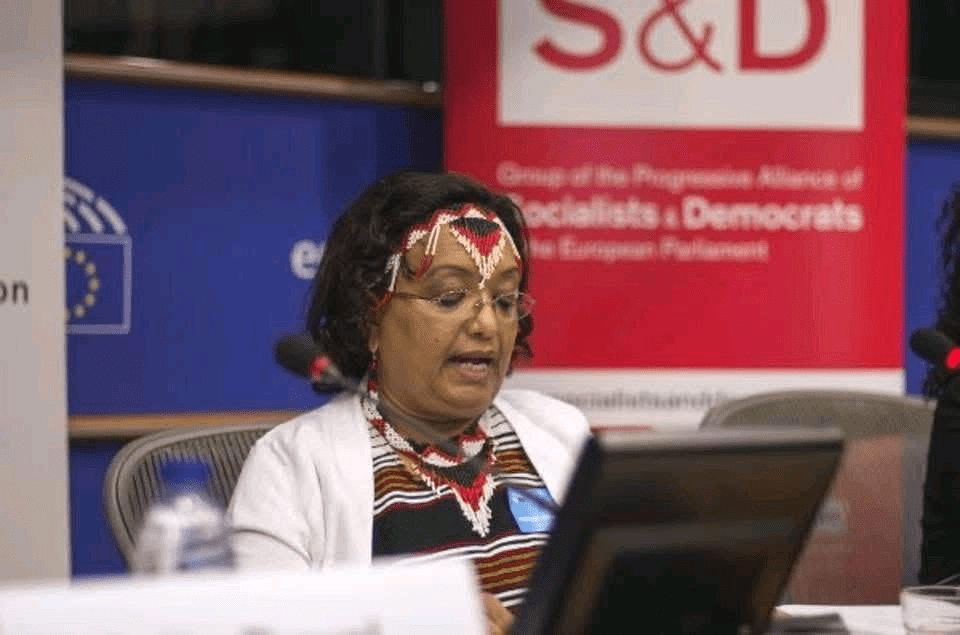
How Deception, Diplomacy, and Divide-and-Rule Tactics Defeated a Leader—and What the Oromo Liberation Army Must Learn
By Dinknesh Dheeressaa
As I observe the events unfolding in our midst today, I am reminded of a painful chapter in Oromo history—the story of Abiishee Garbaa, a leader whose fate was sealed not by the strength of his enemies on the battlefield, but by their cunning, deception, and manipulation of Oromo unity.
This is not merely a tale of the past. It is a mirror held up to the present. The same tactics that brought down Abiishee Garbaa are being employed today against the Oromo people and their liberation struggle. The question we must ask ourselves is: Have we learned the lessons of history?
The Historical Context: Abiishee Garbaa and the Gojjam Invasion
According to the authoritative book “Seenaa Abiishee Garbaa fi Gootota Oromoo Biroo” by Ginbaar Nagaraa Kumsaa (2013), the story of Abiishee Garbaa is one of betrayal, deception, and the tragic fragmentation of Oromo unity .
In the years 1854/55, following the death of Garbaa Huruubaa—the ruler of Horro and Abiishee’s father—the region fell into political turmoil. No new leader had been appointed to rule Horro, and this power vacuum was exploited by the Gojjam forces. They crossed the Mormor River through Amuru and launched a devastating campaign against the Horro people .
Abiishee, compelled to defend his people and claim his father’s legacy, mobilized his forces. He gathered the Qondaaltota (warriors) of Horro and successfully repelled the Gojjam invaders. Despite multiple attempts, the Gojjam forces could not defeat Abiishee in direct military confrontation .
But they did not need to.
The Tactics of Deception: Divide, Bribe, and Betray
Unable to defeat Abiishee through conventional warfare, the Gojjam forces turned to a different strategy: division and deception.
They exploited internal rifts within the Horro leadership. One of Abiishee’s own commanders, Soorii Galaa, who had opposed Abiishee’s leadership, defected to the enemy. Soorii Galaa fled to Gojjam, where he was received and employed. He then conspired to betray his people, using his insider knowledge to undermine Oromo resistance .
This pattern is all too familiar. As the Oromo proverb says: “Soogiddaan soogidda cabsu” —”Salt breaks salt.” The enemy does not always need to destroy you from the outside. Often, they find someone from within to do the work for them.
The Gojjam forces used a combination of modern weaponry, espionage, bribery, and deception. They pitted Oromo leaders against each other, spreading rumours, creating alliances based on false promises, and exploiting personal ambitions and grievances to shatter the unity of the Oromo people .
The Role of Qadiidaa Wannabee: False Diplomacy and Betrayal
The most infamous act of deception was the role of Qadiidaa Wannabee. Unable to defeat Abiishee through force, the Gojjam forces enlisted Qadiidaa to lure Abiishee into a trap through the promise of peace. Qadiidaa went to Abiishee, swore oaths of friendship, and assured him that the Gojjam forces were sincere in their desire for reconciliation .
Abiishee, believing in the promise of peace, agreed to meet the Gojjam forces at a location they had prepared. He set out without his weapons—unarmed, trusting in the word of Qadiidaa.
But it was a trap.
As Abiishee entered the camp of the Gojjam forces, the Amhara forces, who had been lying in wait, surrounded him. Soorii Galaa—the defector—served as the translator. Abiishee was disarmed and taken captive .
The Humiliation and Tragic End
Abiishee was not given a warrior’s death. Instead, he was subjected to unspeakable humiliation. He was bound with heavy wooden yokes—the same yokes used to bind oxen. He was paraded and forced to walk to Gojjam. Stripped of his dignity, his clothing, and his freedom, he was led like an animal before his enemies.
According to the account, when Abiishee realized the depth of the deception and the humiliation he had been forced to endure, his grief and rage were so overwhelming that he chewed off his own fingers in despair .
This tragic ending is a searing reminder: when unity is broken, when trust is misplaced, when the enemy’s diplomacy is a mask for violence, the price is catastrophic.
The Relevance of History: The Oromo Liberation Army Today
The story of Abiishee Garbaa is not just a historical curiosity. It is a lesson for the Oromo Liberation Army (WBO) today. As the armed wing of the Oromo struggle, the WBO faces challenges that echo the past:
1. The Danger of Deception and False Diplomacy
Today, the Ethiopian government and its allies are skilled in the same tactics that defeated Abiishee. They offer peace, dialogue, and reconciliation—but often, these are merely tools for disarmament and control. The legacy of Qadiidaa Wannabee lives on. Abiishee’s mistake was trusting the word of an enemy who offered peace while preparing to destroy him.
The WBO must remain vigilant. Not every hand extended in peace is sincere. Some are reaching for a weapon.
2. The Need for Unity
Abiishee’s downfall was accelerated by division within his own leadership. The defection of Soorii Galaa and the internal conflicts among the Horro commanders fractured their resistance. The enemy exploited these divisions masterfully.
The WBO must guard against internal fragmentation. The Oromo struggle is a collective effort, and unity is its greatest strength. As the Oromo saying goes: “Tokkummaan jabina” —”Unity is strength.”
3. The Power of Knowledge and Preparation
Abiishee’s defeat was also a failure of intelligence and preparation. He underestimated his enemies, overestimated their sincerity, and failed to anticipate the trap they had set.
The WBO must prioritize intelligence, strategy, and preparation. The enemy is often more cunning than they appear. Knowledge of history, awareness of tactics, and readiness for deception are essential weapons in the struggle.
The Broader Lesson: History Must Not Be Forgotten
The story of Abiishee Garbaa is part of the larger history of Oromo resistance—a history that has been systematically suppressed and erased. As one historian notes, studies focusing on the history of Oromo heroes like Abiishee Garbaa are relatively scarce, and the historical narratives have often been shaped by external perspectives .
Recovering and teaching Oromo history is therefore a political act. It is an act of resistance against the erasure of Oromo identity and memory. It is a way of ensuring that the mistakes of the past are not repeated.
The book “Seenaa Abiishee Garbaa fi Gootota Oromoo Biroo” is one such effort to reclaim that history. By telling the stories of Oromo heroes, it provides the younger generation with the knowledge they need to continue the struggle with wisdom and determination.
A Call to Action: Learn from the Past, Build for the Future
The story of Abiishee Garbaa is a cautionary tale. It reminds us that the struggle for Oromo liberation is not only a battle against external enemies but also against internal divisions and naivety.
Today, the Oromo Liberation Army and the broader Oromo movement face challenges that require wisdom, unity, and vigilance. The Ethiopian government continues to use the same tactics of divide-and-rule that were employed against Abiishee. False diplomacy, offers of peace, and political manipulation are still weapons in their arsenal.
The lesson is clear: the enemy does not always come with guns. Sometimes they come with promises.
The WBO and all Oromo people must learn from the mistakes of the past. They must:
- Study history to understand the tactics of their enemies.
- Remain united and guard against internal division.
- Be vigilant in the face of false diplomacy.
- Prepare strategically for both political and military challenges.
Conclusion: Honouring the Memory of Abiishee Garbaa
Abiishee Garbaa was a leader who fought bravely to defend his people and his land. He was defeated not by a stronger enemy on the battlefield, but by betrayal, division, and deception. His story is a tragedy—but it is also a lesson.
As Dinknesh Dheeressaa reminds us: “The wounds of history are not just memories; they are warnings. They tell us what we must not do again.”
The Oromo struggle has been marked by many such tragedies. But each tragedy has also produced heroes, martyrs, and lessons. If we honour the memory of Abiishee Garbaa, we must do so by learning from his story—by ensuring that the same mistakes are not repeated.
Let us learn from the past so that the future may be free.
Injifannoon Ummata Oromoo!
Seenaa haa barannu!
WBO haa jabaattu!
This feature article is based on the reflections of Dinknesh Dheeressaa and is dedicated to all those who continue to struggle for Oromo liberation and who seek wisdom from the lessons of history.

The Architects of Tomorrow: The Role of Oromo Youth in Building Oromia
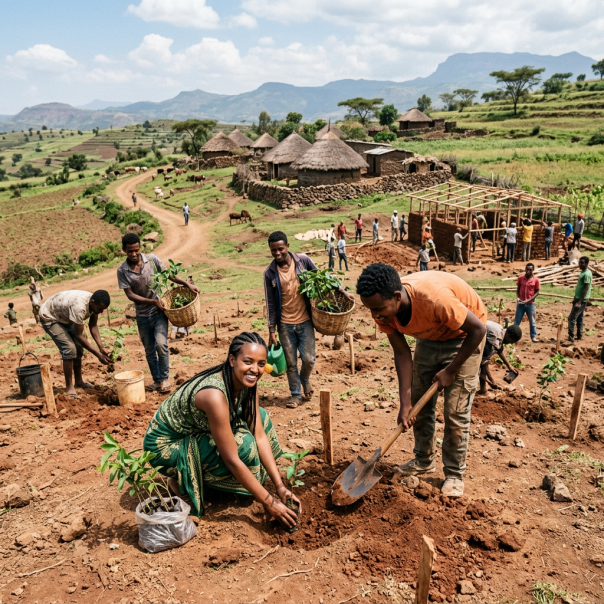
In the sweeping highlands of Oromia, beneath a sky that has witnessed centuries of both triumph and turmoil, a quiet but powerful transformation is taking root. It is not being driven by politicians in distant capitals, nor by the decrees of aging elders alone. Instead, it is being shaped by the hands, minds, and unyielding spirits of the young—the Qeerroo (young men) and Qarree (young women) of Oromia.
For generations, Oromo youth have been the backbone of their nation’s resistance. Today, however, they are stepping into a new role: not merely as protesters against oppression, but as architects of a new Oromia. They are builders of infrastructure, pioneers of technology, guardians of culture, and the driving force behind a national renaissance that is redefining what it means to be Oromo in the 21st century.
A Legacy of Resistance, A Future of Building
The term Qeerroo traditionally described an unmarried young man, but over the past decade, it has evolved into a powerful symbol of generational awakening. The Oromo youth political movement, which gained significant momentum between 2014 and 2018, was driven by deep-seated concerns: youth unemployment, the consequences of rapid urbanization, and a profound sense of marginalization. They were excluded from a rural future through land grabbing and population growth, and equally shut out from a modernist development that unequally distributed the fruits of economic growth.
Yet, frustration has given way to construction. As Minister Deetan, speaking at a youth forum in Bole Sub-City, recently affirmed, the role of young people in nation-building is paramount. The youth are no longer waiting for change to be handed to them; they are actively shaping it. “Dargaggoonni jijjiiramni siyaasaa biyya keenyatti akka dhufu taasisuu qofa osoo hin taanee, jijjiiraamichi qormaatawwan hedduu keessa darbee milkaa’inoota hedduu akka galmeessuuf gahee isaan irraa eegamu bahachaa jira” (The youth are not only bringing political change but are expected to register many successes through numerous challenges).
Pillars of Unity and National Cohesion
One of the most significant contributions of Oromo youth has been their role in fostering national unity and building a cohesive Ethiopian identity. For too long, young people were confined to their regional identities, but this is changing. Minister of Peace Binnaalif Andu’aleem has emphasized that young people have a duty to participate in building the country and fostering national consensus.
Through a new national volunteer service program, youth from various universities—armed with diverse skills—are being deployed across the country to serve communities beyond their own regions. This initiative is breaking down regional barriers and forging a sense of shared destiny. As Minister Andu’aleem noted, for the past 30 years, Ethiopia’s political landscape focused more on division than unity. Today’s youth are actively reversing that trend, stepping out of their regional silos to build a unified national identity through service and collaboration.
The Economic Engine: Creating Dignified Work
Perhaps nowhere is the youth’s impact more visible than in the economic sphere. The challenge of unemployment has been a primary driver of youth activism, but it has also sparked a wave of entrepreneurial and employment initiatives.
The Agricultural Dignified Employment for Youth (ADEY) Program, funded by the Mastercard Foundation and implemented in partnership with organizations like HUNDEE, aims to create 611,000 dignified jobs for youth—80% of them women—across eight Ethiopian regional states, including Oromia. This is not just about filling positions; it is about creating meaningful, dignified livelihoods that empower young people to build their futures with pride.
In addition, massive industrial projects, such as the Busa Gonofa Oromia Integrated Food Industry, are being launched with a clear focus on generating large-scale employment for the youth. These initiatives represent a fundamental shift: the recognition that the nation’s economic future rests squarely on the shoulders of its young population.
The Classroom and the Laboratory: Building Minds
Education is the cornerstone of any nation’s development, and Oromo youth are at the forefront of a revolution in learning. In a powerful act of giving back, world-renowned Oromo scientist Professor Gabbisaa Ejjetaa funded and built the “Mootuu Ayyaanoo Secondary School” in his hometown of Oolankomii, naming it after his late mother. “This is not just a building; it is a beacon of hope,” said one elder at the inauguration. The school is a testament to the idea that true development begins with education and that the youth must be empowered through rigorous academics grounded in cultural identity.
Furthermore, the establishment of the Shaggar Institute of Technology (SIT) in Oromia marks a monumental leap forward. This new institution is dedicated to training elite students in cutting-edge fields such as Space Science, Artificial Intelligence, Nuclear Science, Biotechnology, and various engineering disciplines. The institute, built with a multi-billion birr budget, is designed to produce a generation of Oromo and Ethiopian youth capable of competing on the global stage.
A Cultural Renaissance: Reclaiming Identity
Beyond politics and economics, Oromo youth are leading a profound cultural renaissance. Across Oromia, young people are reclaiming their names, their language, and their heritage with a pride that their parents could scarcely have imagined.
They are celebrating Irreechaa, the ancient Oromo thanksgiving festival, not just as a religious ritual but as a powerful assertion of national identity. The festival serves as a vital platform for youth engagement and community identity. Young people are also at the forefront of efforts to have Irreechaa recognized by UNESCO as a world heritage, ensuring its preservation for future generations.
This cultural awakening extends to the digital realm as well. Young Oromo innovators are developing learning platforms in Afaan Oromoo, and initiatives like the “Gadaa Eco Builder” game are using interactive play to teach the UNESCO-recognized Oromo Gadaa system while funding real-world reforestation in Oromia. The youth are ensuring that their culture is not a relic of the past but a living, breathing force for the future.
The Challenges Ahead
Despite these remarkable contributions, the path forward is not without obstacles. Many Oromo youth still face significant challenges: educated unemployment, landlessness, and the persistent pull of migration, both internal and international. Research shows that youth in Oromia often migrate to larger towns or even abroad in search of better opportunities.
The government and various organizations are actively working to address these issues through economic empowerment projects, skills development, and job creation programs. However, the scale of the challenge requires sustained effort and a continued commitment to placing youth at the center of the development agenda.
Conclusion: The Architects of Tomorrow
The Oromo youth of today are not waiting for a future to be given to them; they are building it with their own hands. They are engineers building infrastructure, entrepreneurs creating jobs, scientists pushing the boundaries of knowledge, and cultural guardians preserving their heritage.
As Minister of Culture and Sport Nafiisaa Almahaadii recently stated, “Dargaggoonni birmadummaa fi tokkummaa biyyaasaanii eegsisuuf ejjennoo waliinii qabachuu qaban” (Youth must have a unified stance to protect the freedom and unity of their country).
From the battlefields of political struggle to the classrooms of cutting-edge institutes, from the economic hubs of industry to the spiritual grounds of Irreechaa, the youth of Oromia are proving that they are not just the leaders of tomorrow—they are the architects of today.
The foundation they are laying now will determine the shape of Oromia for generations to come. And if their current trajectory is any indication, that future is bright, resilient, and undeniably Oromo.
S

Oromo Cultural Renaissance: Reviving Ancient Traditions and Strengthening Identity
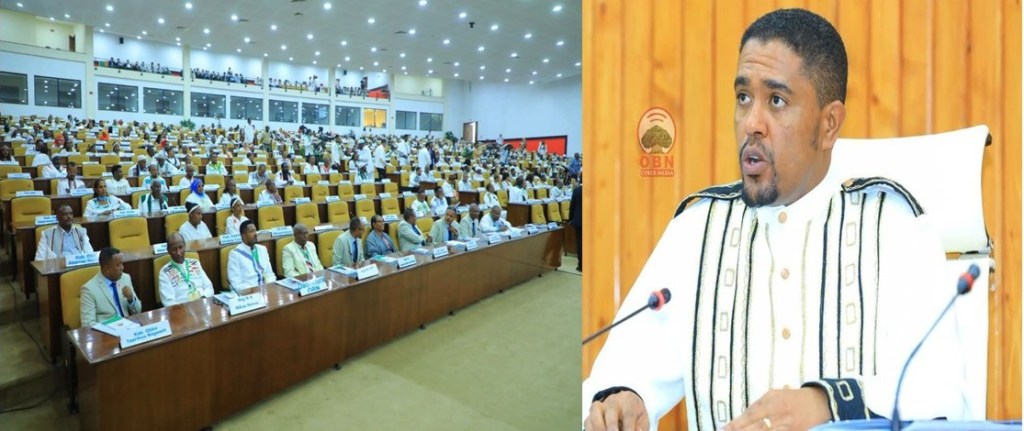
President Shimelis Abdisa outlines the progress and vision of Oromia’s cultural revival, emphasizing the restoration of traditional institutions and the celebration of indigenous heritage.
ADAMA, OROMIYA — In a powerful address to the 11th Regular Session of the 5th Year of the 6th Term of the Oromia Council, President Shimelis Abdisa declared that the Oromia Regional Government is actively pursuing cultural revival initiatives aimed at restoring the traditional morning customs and foundational practices of the Oromo people.
The President’s statement, “Haaromsi Aadaa Oromoo duudhaa ganamaa deebisaa jira” (The Oromo cultural revival is restoring the morning traditions), marks a significant milestone in the ongoing efforts to reclaim and celebrate the indigenous heritage of the Oromo nation.
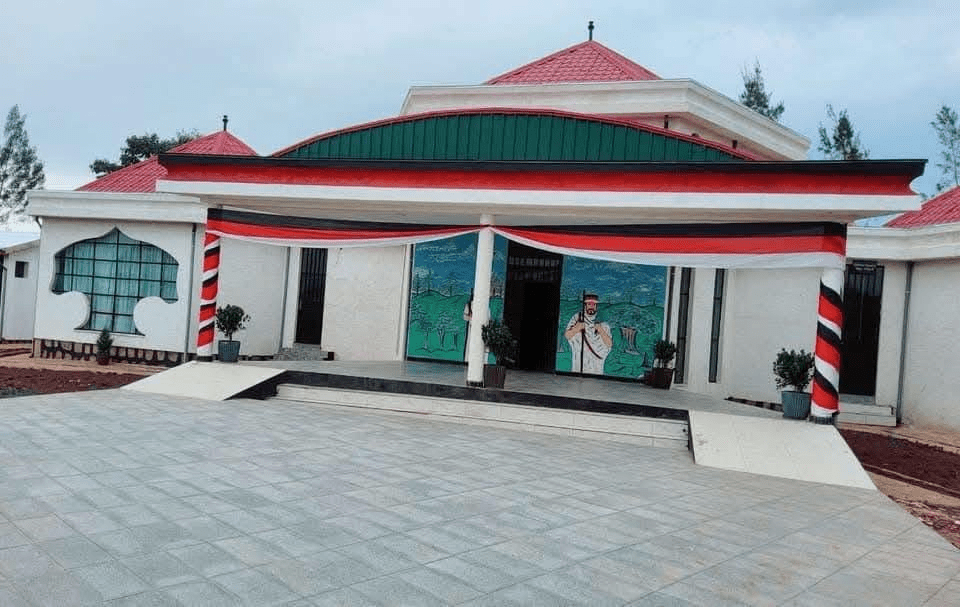
The Revival of Traditional Practices
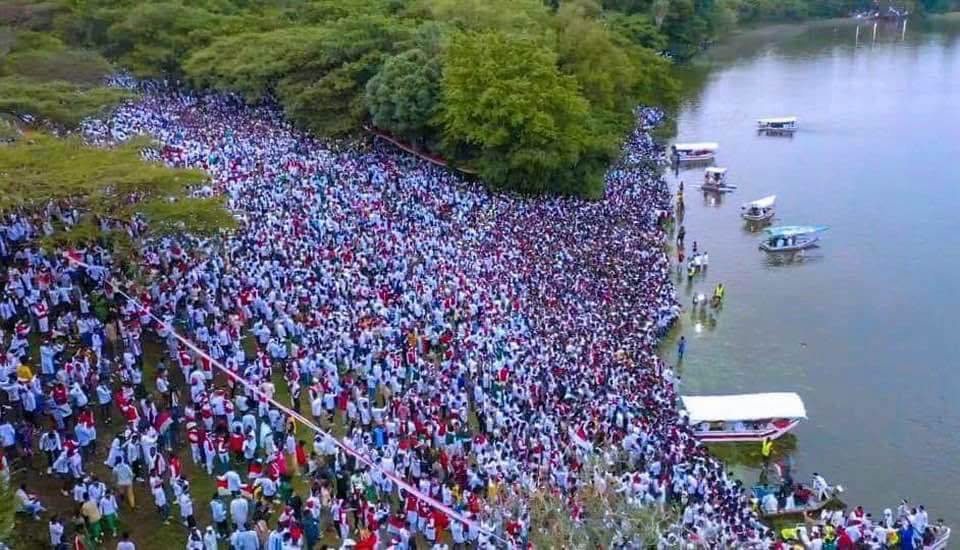
Reviving Festivals and Ceremonies: According to President Shimelis, the cultural revival initiatives have led to the resurgence of various traditional festivals and ceremonies that had been marginalized for extended periods due to historical suppression and neglect. These include the celebration of Irreechaa, the Oromo thanksgiving festival, which has grown in prominence not only within Oromia but also across the nation and in diaspora communities worldwide.
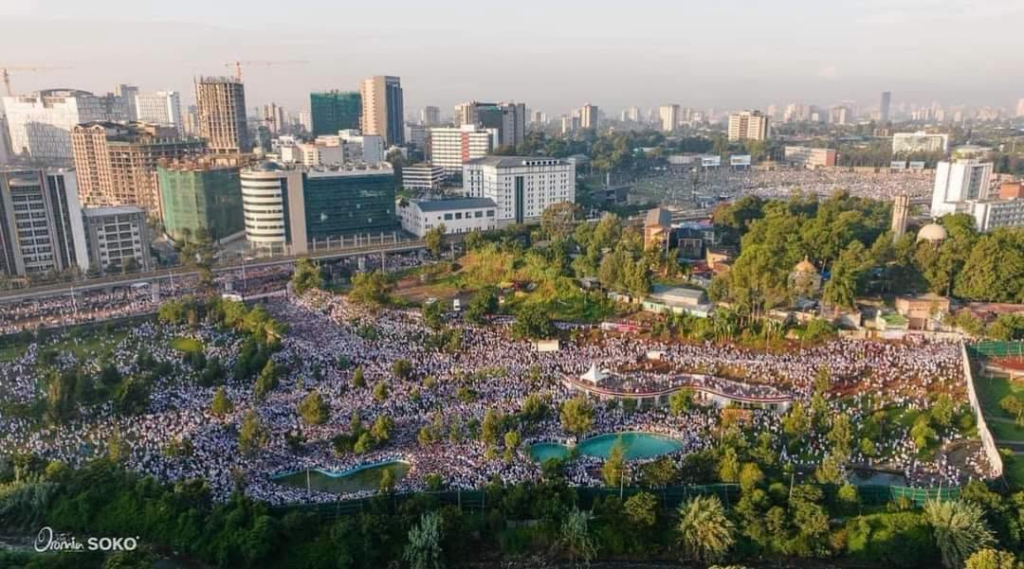
The revival of Irreechaa is viewed as more than a cultural celebration—it is a symbol of Oromo identity and resilience. The festival, which has attracted participants from across the region and beyond, is seen as evidence of the success of these cultural restoration efforts .
Restoration of the Gadaa System: The President also highlighted the peaceful power transfer ceremonies of the Gadaa system among the Karrayyu and Tulama Oromo communities. These ceremonies, conducted according to traditional protocol, demonstrate the enduring democratic principles of the Oromo Gadaa system. The Gadaa system, recognized by UNESCO as an Intangible Cultural Heritage of Humanity, continues to be a living example of indigenous governance and democratic participation.
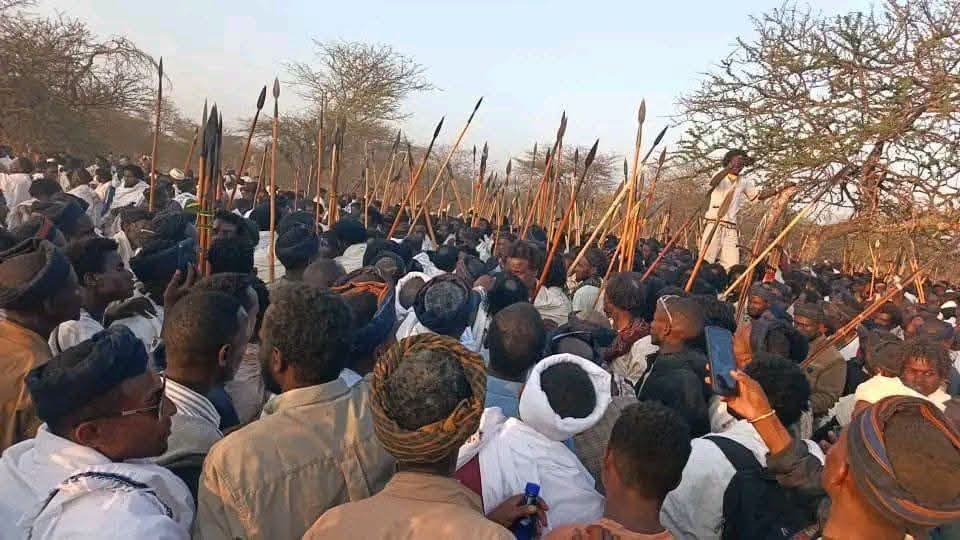
Institutionalising Cultural Governance
Establishment of Traditional Courts: One of the most significant achievements of the cultural revival program has been the establishment of Traditional Courts. According to the President’s report, to date, 7,058 primary Traditional Courts and 373 appellate Traditional Courts have been established across the region. These courts play a vital role in enabling communities to seek justice according to their cultural norms and traditional customs.
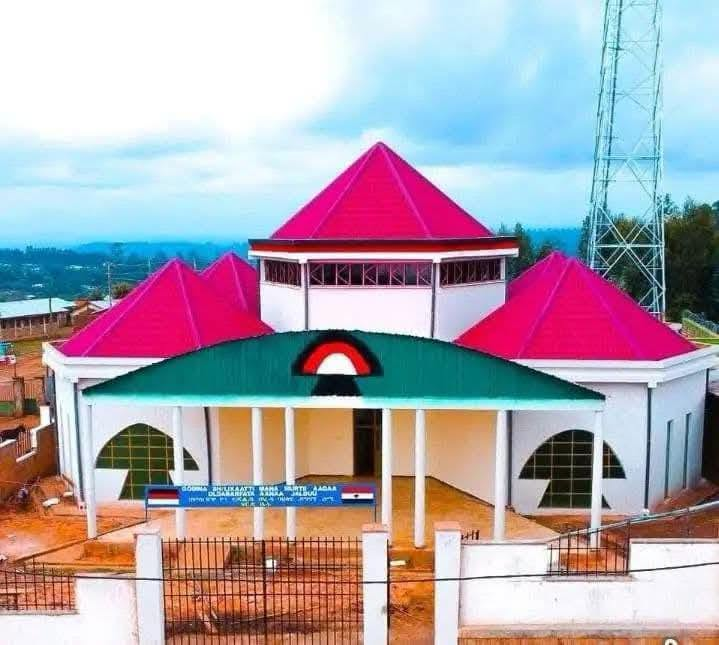
Conflict Resolution: The establishment of these traditional institutions has had a tangible impact on community harmony. The President highlighted that in 2018 alone, over 393 community conflict cases were resolved through these traditional structures. Of these, more than 370 cases were successfully resolved, demonstrating the effectiveness of culturally grounded approaches to peacebuilding and reconciliation .
A Foundation for the Future
Integrating Culture with Modern Development: President Shimelis emphasized that the cultural revival of Oromo traditions is not merely about preserving the past—it is about creating a foundation that enables the Oromo people to move forward in step with education, technology, and economic development. By strengthening cultural identity and traditional governance structures, the community is better positioned to navigate the challenges of modernisation while maintaining its unique heritage.
Calls for Continued Progress: Community responses to the President’s address have expressed support for the revival efforts while calling for ongoing progress. Some have raised issues in specific regions that require continued attention, demonstrating the ongoing dialogue between leadership and citizens regarding the implementation of these cultural initiatives.
A Broader Cultural Movement
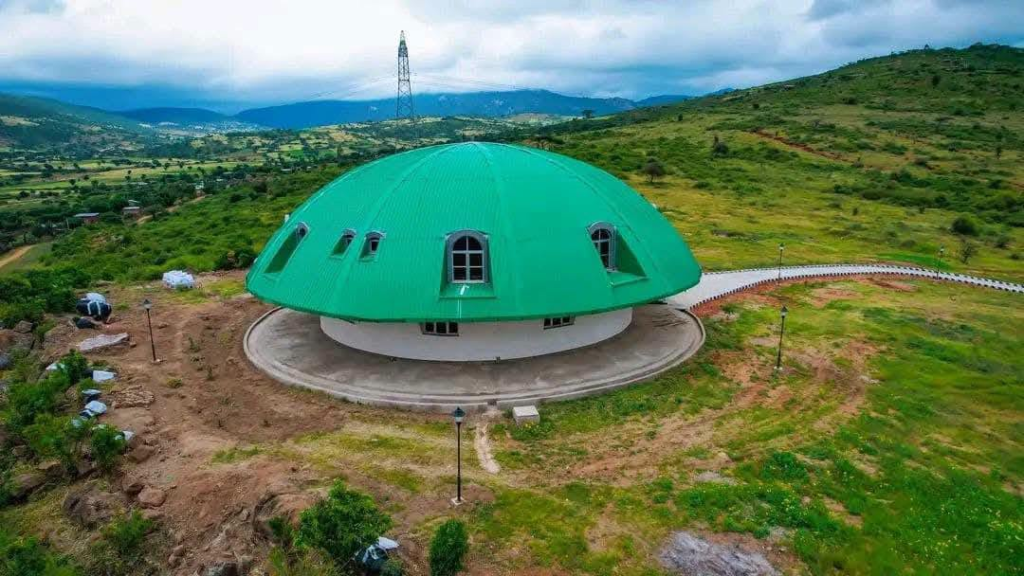
The Oromo cultural revival is part of a broader movement across Africa to reclaim and celebrate indigenous cultures, languages, and governance systems. By reviving traditional institutions and practices, the Oromo people are reasserting their identity and contributing to the diverse cultural tapestry of the continent.
Conclusion
President Shimelis Abdisa’s address to the Oromia Council reaffirms the regional government’s commitment to cultural revival as a cornerstone of Oromo identity and development. The restoration of traditional festivals, the peaceful conduct of Gadaa power transfers, and the establishment of Traditional Courts reflect a concerted effort to strengthen the cultural foundations of the Oromo people.
“Haaromsi Aadaa Oromoo eenyummaafi duudhaa Oromoo cimsuun, aadaa, barnoota, teeknooloojii fi diinagdee waliin tarkaanfachuuf bu’uura ta’aa jira” —The President noted that the cultural revival, by strengthening Oromo identity and traditions, serves as a foundation for advancing alongside education, technology, and economic development .
As the Oromo people continue this journey of cultural renewal, the revival of their traditions stands as a testament to the resilience and enduring spirit of one of Africa’s largest ethnic groups.
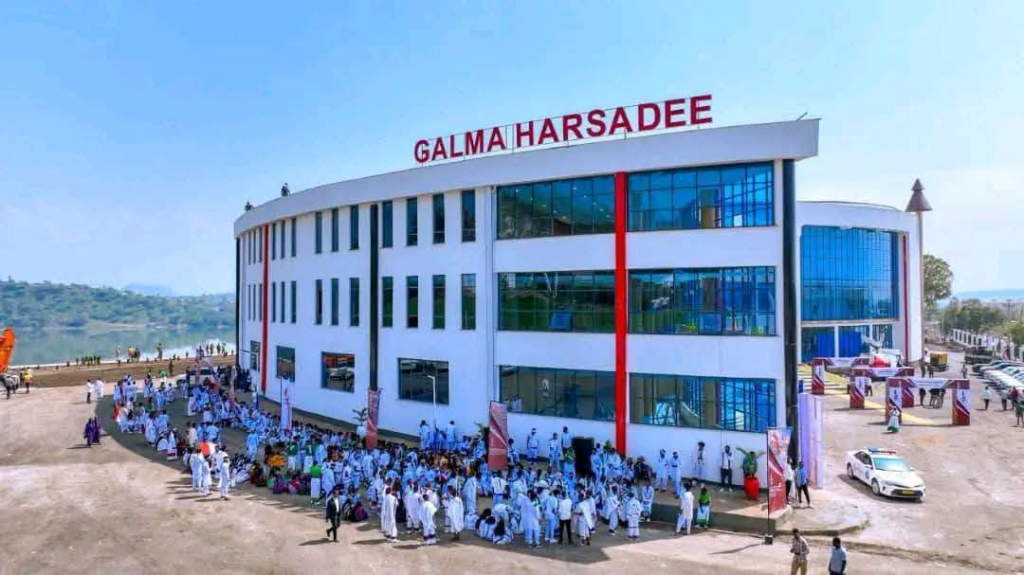
Cultural revival is not just about looking back—it’s about building a stronger foundation for the future.

From Classroom to Doctorate: Oromo Community of LA Celebrates Teacher-Scholar Dr. Asfaw Dagafa
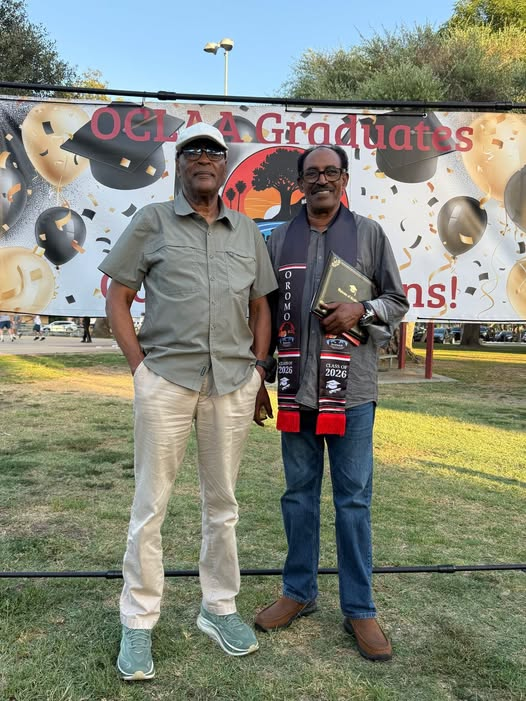
Los Angeles, CA – It was an evening of collective triumph and deep cultural pride as the Oromo Community of Los Angeles gathered yesterday to celebrate a remarkable milestone: the graduation of their members, spanning every academic level from high school diplomas to the pinnacle of scholarly achievement—the Ph.D.
While the room buzzed with congratulations for all the honorees, one story rose above the rest, leaving attendees inspired and deeply moved. The community turned its spotlight on Dr. Asfaw Dagafa, a man who redefined the meaning of perseverance.
By day, Dr. Dagafa stands at the front of a high school classroom, shaping young minds as a dedicated educator. But long after the final school bell rings, his journey was only just beginning. While managing the rigorous demands of teaching, he simultaneously pursued his doctoral studies at one of the nation’s most prestigious institutions—the University of California, Los Angeles (UCLA).
Balancing a full-time teaching career with the intellectual intensity of a Ph.D. program is a feat few dare to attempt. Yet, Dr. Dagafa turned this grueling schedule into a testament of discipline, proving that dedication knows no bounds. His academic success is not merely a personal victory; it is a beacon of hope for the entire Oromo diaspora.
A Role Model for the Next Generation
Community leaders and elders were effusive in their praise, highlighting how Dr. Dagafa’s journey serves as a powerful blueprint for Oromo youth navigating their own paths in the United States.
“Dr. Asfaw Dagafa is an excellent role model,” remarked a community spokesperson during the ceremony. “He shows our young people that you do not have to choose between serving your community and achieving your highest academic dreams. He did both, simultaneously, and with excellence.”
The message resonated deeply throughout the hall: no dream is too ambitious, and no obstacle is too great when fueled by purpose and resilience. By standing at the front of a classroom during the day and sitting among UCLA’s brightest scholars at night, Dr. Dagafa has bridged the gap between mentorship and mastery.
A Community’s Pride
The Oromo Community of Los Angeles, known for its vibrant support of educational advancement, expressed overwhelming pride in Dr. Dagafa’s achievement. His success is viewed not just as an individual honor, but as a collective victory for the community—a narrative that counters adversity with academic excellence.
As the celebrations concluded, the community extended its heartfelt congratulations not only to Dr. Asfaw Dagafa but to every graduate who crossed the stage. From the newest high school graduate stepping into adulthood to the newly minted Ph.D. stepping into history, yesterday was a powerful reminder of what happens when a community uplifts its own.
Congratulations once again, Dr. Asfaw Dagafa! 
Your journey from the classroom to the doctorate will inspire generations of Oromo scholars to come.

The Wonders of Creation: A Reflection on the Divine Order and Human Understanding

Exploring the mysteries of the universe and the pursuit of wisdom through the story of Daaniyaa.
There are moments in life when we are called to pause—to step back from the noise of our daily existence and contemplate the grandeur of creation. These moments of reflection are not merely intellectual exercises; they are acts of spiritual and psychological renewal that nourish the soul and expand the mind.
“Yeroo tokko tokko waan Uumaa-uumamaa xiinxaluu fi abuuruun fayyaa fi qalbii keenyaaf gaarii dha.”
Sometimes, contemplating the wonders of creation and being amazed by them is good for our health and our hearts. This simple truth carries profound wisdom. In a world that constantly demands our attention, our energy, and our productivity, we are rarely encouraged simply to wonder—to gaze at the stars, to marvel at the complexity of life, to ponder the mystery of existence itself.
The Wisdom of Contemplation
“Uumaan akkamitti akka uumama uumee fi akka jiraatu godhe, akkasumas akkamitti akka itti fufsiisaa jiru qorachuun beekumsaa fi hayyummaa olaanaa namaaf dabala.”
Studying how the Creator has created creation, how He has made it exist, and how He continues to sustain it adds to a person’s knowledge and elevates their wisdom.
This is a profound insight into the nature of wisdom itself. Wisdom is not merely the accumulation of facts; it is the ability to see the connections between things, to understand the patterns that underlie reality, and to recognize the hand of the Creator in all that exists.
When we study creation, we are not just learning about the world—we are learning about the Creator. We are glimpsing the divine wisdom that has ordered the universe.
The natural world is a book of signs, a revelation of divine artistry. The cycles of the seasons, the complexity of the human body, the vastness of the cosmos—all speak of a Creator whose wisdom and power are beyond human comprehension.
The Quest for Knowledge
“Raajii fi dinqii kana beekuuf tattaaffii gochuunis qalbii namaa haaromsa.”
Striving to know these prophecies and wonders renews the human spirit. The pursuit of knowledge is not a dry, academic exercise—it is a spiritual journey that enriches the soul and refreshes the mind.
This is why humanity has always been drawn to the mysteries of existence. From the earliest philosophers to the greatest scientists, the quest to understand the nature of reality has been a driving force of human civilization.
When we seek to understand the wonders of creation, we are engaging in an act of worship. We are using the minds that the Creator has given us to appreciate the beauty and complexity of what He has made.
Daaniyaa: A Model of Wisdom and Knowledge
“Daaniyaan beekumsaa fi hayyummaa jabaa ofkeessaa qaba.”
Daaniyaa possesses strong knowledge and wisdom. The figure of Daaniyaa, known from ancient scripture and tradition, stands as a model of the integration of wisdom and faith.
Daaniyaa was a man who, despite being taken into exile in a foreign land, maintained his faith in the Creator. He was known for his wisdom, his integrity, and his ability to interpret visions and dreams. He was a man of prayer who sought understanding from God.
Daaniyaan beekumsaa fi hayyummaa jabaa ofkeessaa qaba. Daaniyaa embodies the kind of wisdom that comes not merely from human learning but from divine revelation. He was a man who understood the mysteries of creation because he was in relationship with the Creator.
The Questions and Answers
“Waa’ee Daaniyaa beekuuf gaaffii fi deebii kana daaw’achuun mishaa dha.”
To know about Daaniyaa, watching this question and answer is excellent. The story of Daaniyaa offers us a model of what it means to pursue wisdom in a world that often values power over understanding.
Daaniyaa’s wisdom was not a secret he kept to himself; it was a gift he used to serve others. He interpreted dreams for kings, provided counsel to rulers, and gave glory to God for the wisdom he had received.
The questions we ask about Daaniyaa are really questions about ourselves. How can we cultivate wisdom in our own lives? How can we maintain our faith in the midst of challenges? How can we use our knowledge to serve others?
The Call to Wonder
In a world that often values certainty over curiosity, the call to wonder is a radical act. It is an acknowledgment that there is always more to learn, always more to discover, always more to understand.
The pursuit of wisdom is a lifelong journey. It requires humility, curiosity, and a willingness to be amazed. It requires us to recognize that we are not the center of the universe but are part of a larger creation that points beyond itself to its Creator.
Conclusion
“Yeroo tokko tokko waan Uumaa-uumamaa xiinxaluu fi abuuruun fayyaa fi qalbii keenyaaf gaarii dha.”
Sometimes, contemplating the wonders of creation and being amazed by them is good for our health and our hearts.
As we contemplate the wonders of creation, as we study the works of the Creator, and as we strive to understand the mysteries of existence, we grow in wisdom and in health. We are renewed in spirit and refreshed in mind.
Let us never lose the capacity for wonder. Let us always seek to understand. Let us follow the example of Daaniyaa, who combined strong knowledge and wisdom with unwavering faith.
—
The wonders of creation are all around us, waiting to be discovered. May we have the eyes to see them, the hearts to be amazed by them, and the minds to understand them.

The Root of Seven Generations: Marriage, Bloodlines, and the Oromo Law of Continuity

By Dhabessa Wakjira
—
The fire crackled low in the center of the mana (homestead). Outside, the night wind carried the scent of wild sage and distant rain. Inside, a circle of elders sat in contemplative silence, their white turbans glowing faintly in the ember-light. Before them stood a young man—tall, strong, and visibly nervous. He had come to ask for a bride.
But before any blessing could be spoken, before any milk could be shared, the elders would ask the question that has governed Oromo marriage since time immemorial:
“Sanyiin kee eenyu? Hiddi kee eessa taa’e?” — “Who is your lineage? Where does your root lie?”
For in Oromo culture, marriage is not merely the joining of two hearts. It is the grafting of two ancestral trees. And if those trees are too closely related, the fruit will be weak. If they are too distant, the bond will lack the warmth of shared blood. The balance is found in a sacred number: seven.
—
The Mature Son and the Ripened Daughter
The ancient decree, passed from grandfather to grandson, begins with a command of readiness:
“Ilmi gahe haa fuudhu; intalli geesses haa heerumtu.”
“Let the son who has matured take a wife; let the daughter who has ripened be given in marriage.”
In the highlands of Oromia, these words are not mere suggestions. They are biological and social imperatives. Gahe—maturity—signifies a young man who has passed through the crucible of the Gadaa grades, who has proven his courage and earned the calluses of hard labour. Geesse—ripeness—speaks of a daughter who has completed her rites of passage, who understands the weight of motherhood and the dignity of homemaking.
This is not about arbitrary age. It is about readiness of body, mind, and spirit. The Oromo understand that strong families begin with strong individuals. A boy who marries before he can defend a homestead invites disaster. A girl who bears children before her hips have widened risks her life. The elders watch, and they wait. They do not rush the river, and they do not rush the harvest.
—
The Sacred Distance: Seven Generations
Then comes the law that sets Oromo marriage apart—a precept so deeply embedded in the culture that it rivals the Gadaa itself in its authority:
“Dhalooti walfuudhan, sanyii dhaloota torba booda haa ta’u.”
“Let the lineages intermarry only after [the separation of] seven generations.”
This is the exogamy rule—the absolute prohibition against marrying anyone within seven paternal generations of one’s own clan. The Oromo do not trace this to modern genetics; they arrived at it through centuries of observation. They saw that when cousins married, children were often sickly. When distant clans intermarried, children were robust. The earth taught them what science would later confirm: genetic diversity creates strength.
But this rule is not merely biological—it is deeply social. Seven generations represent a clean break. By the time seven fathers have passed, the ancestral spirits of the two families have “forgotten” their closeness. The bloodlines have cooled. The sanyii (seed) can be safely mixed without angering the ancestors or weakening the clan.
To violate this law is to commit akka hin taane—the unforgivable. It brings drought, stillbirth, and the displeasure of Waaqa (God). The Oromo elders are the gatekeepers of this sacred distance, reciting genealogies that stretch back two hundred years to ensure that the young couple stands on opposite branches of the family tree.
—
The Root That Must Not Be Severed
But the Oromo do not marry merely to create healthy children. They marry to continue the root itself:
“Gaa’elli karaa itti hiddi dhalootaa itti fufu.”
“Marriage is the path by which the root of the generations continues.”
Imagine an ancient sycamore. Its branches reach for the sky, but its strength lies beneath the earth. Each child born is a new branch; each generation is a new layer of rings. If the tree stops producing new shoots, it dies. Similarly, the Oromo believe that a family line that ceases to reproduce ceases to exist—not just physically, but spiritually. The ancestors who came before, the hundreds who tilled the soil and fought the wars and sang the songs, rely on the living to keep their names alive.
Marriage, therefore, is not a romantic luxury. It is a sacred debt. The young man who takes a wife is not just seeking companionship—he is paying back the ancestors who gave him life. The young woman who bears children is not just fulfilling a social role—she is threading the needle of time, sewing the past to the future.
When an Oromo couple stands before the elders, they are not just looking at each other. They are looking backward at the seven generations who made them, and forward at the seven generations who will come from them.
—
The Final Seal: Blessings and Abundance
And so, when all the genealogies are recited, when the seven-generation gap is confirmed, when the bride-price is negotiated and the Qaallu (spiritual leader) has offered the libation of milk to Waaqa, the elders rise. They lift their right hands to the sky. They speak the final, triumphant words:
“Eebbaa fi marabbaan haa raawwatu.”
“Let it be completed with blessings and abundance.”
Eebbaa—blessing. The approval of God, the smile of the ancestors, the goodwill of the community.
Marabbaa—abundance. Not just wealth, but fertility of the womb, richness of the soil, fatness of the cattle, and joy in the household.
These are not empty wishes. In the days that follow the wedding, the community will bring gifts of butter, honey, and grain. The couple will eat together from a single gibira (wooden platter), symbolising their shared fate. The elders will return to their homesteads, satisfied that the lineage is safe for another generation.
—
A Living Law
Today, as globalisation and urbanisation reshape Oromo society, some young people question the old rules. “Seven generations is too long,” some say. “We are modern now. We follow our hearts, not a counting cord.”
But the elders smile. They have heard this before. And they know that a river may change its course, but it never forgets its source. The rule of seven generations is not a chain that binds—it is a shield that protects. It ensures that the Oromo people remain strong, healthy, and connected to their roots.
In the diaspora, too, the Oromo carry this law. They trace their lineages through apps and family elders, seeking out potential partners from clans far removed from their own. They understand that marrying within the bloodline invites not just genetic risk, but spiritual fragmentation. They know that their strength lies in diversity, their continuity lies in discipline, and their future lies in their past.
—
The Eternal Cycle
As the fire dies down and the young man departs with the elders’ blessing, he carries more than a wife’s name on his lips. He carries the weight of a thousand years. He carries the hope of his ancestors that he will not fail. He carries the DNA of seven generations—and the responsibility to ensure that the seventh generation after him will carry his.
Because in Oromo tradition, a person is never truly an individual. They are a living link in an endless chain. And marriage is the forge where that chain is reforged, stronger with every generation.
“Dhaloonni jajjaboo akka dhalataniif…” — “So that strong offspring may be born…”
The words echo across the valley, carried by the wind, whispered by the grass, repeated by the elders. They are a prayer. They are a law. They are the heartbeat of a people who understand that love is beautiful, but lineage is sacred; that romance is sweet, but the root is eternal.
And so, generation upon generation, the Oromo marry—not just for today, but for the seven tomorrows yet to come.
Bridging Continents, Building a Nation: OLF/ABO Annual Dialogue Heads to Minnesota
By Maatii Sabaa
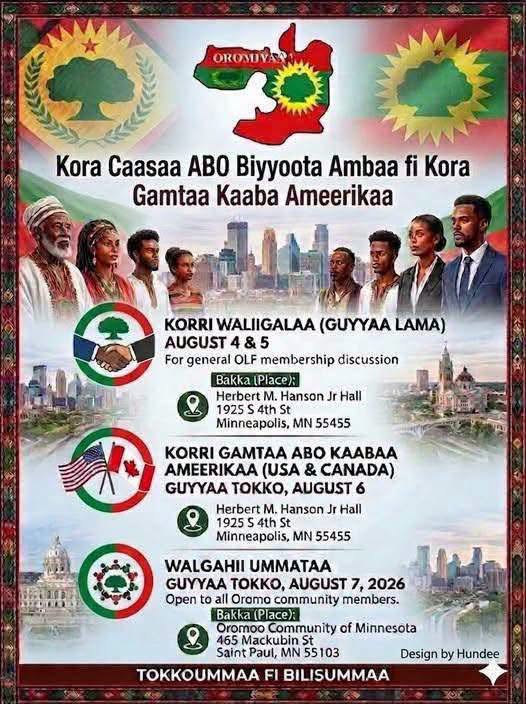
As the autumn leaves begin to turn across the American Midwest, a familiar and powerful rhythm stirs within the Oromo diaspora. In just a few weeks, Minnesota—often affectionately called “Little Oromia” for hosting one of the largest Oromo populations outside of East Africa—will become the epicenter of a movement that refuses to fade. The Oromo Liberation Front (OLF/ABO) is set to hold its annual dialogue, a cornerstone tradition that weaves together strategy, solidarity, and the unyielding pursuit of self-determination.
The announcement is more than a calendar entry; it is a declaration. The tradition continues.
A Gathering of Purpose
For decades, the Oromo people have carried the weight of marginalization, yet they have also carried the tools of resistance. The OLF/ABO has been at the forefront of this resistance, and its annual dialogue represents a critical moment of reckoning and renewal. Leaders, intellectuals, activists, and everyday community members will converge in Minnesota to take stock of the movement’s progress, confront pressing challenges in the homeland, and chart a course for the year ahead.
But what makes this year’s event particularly noteworthy is its inclusivity. Organizers have extended a rare and welcoming invitation: the final day of the dialogue will be open to all Oromo Community members. This decision transforms a closed-door political meeting into a celebration of collective identity. It is a recognition that the struggle for Oromia’s liberation is not confined to the political elite—it belongs to the farmer in the countryside, the mother in the diaspora, the student in the university, and the elder who remembers a homeland before displacement.
Why Minnesota?
The choice of Minnesota is no accident. Over the past three decades, the state has become a sanctuary and a springboard for Oromo activism. From the bustling neighborhoods of Minneapolis to the suburban cities of St. Paul, Oromo culture thrives—through language, music, faith, and political organization. Holding the annual dialogue here acknowledges the diaspora not as a distant bystander, but as a vital pillar of the liberation project.
In this space, the past meets the present. Elders who witnessed the early days of the OLF sit alongside youth born in the West, forging an intergenerational bond that strengthens the movement’s resilience. It is a living classroom where history is taught, grievances are voiced, and hope is rekindled.
Consistency and Determination: The Unshakeable Foundation
The flyer circulating among community groups carries a powerful mantra: “As always, consistency and determination remain the foundation of lasting progress and success.”
These words are not empty rhetoric. In the long and often brutal struggle for Oromo self-determination, fads and fleeting passions have no place. What sustains the movement is the dogged, day-in and day-out commitment of a people who refuse to be erased. The annual dialogue is the embodiment of this ethic. It is a ritual of endurance—a moment to recalibrate, to reaffirm, and to recommit.
Consistency means showing up, year after year, regardless of the political winds. Determination means turning setbacks into stepping stones. The OLF/ABO has weathered imprisonment, exile, and state-sponsored repression, yet here it stands, preparing to convene once again in the heart of America. That is the quiet power of persistence.
An Open Door to the Community
The decision to open the final day to all Oromo community members is a strategic and symbolic masterstroke. It breaks down barriers between leadership and the grassroots, ensuring that the dialogue is not an ivory tower but a public square. It invites critical feedback, fresh perspectives, and the energy of those who may not hold formal titles but carry the daily lived experience of Oromo identity.
Whether one is a long-time activist or a young professional attending for the first time, the final day promises to be a space of belonging. It is a chance to ask questions, share concerns, and witness firsthand the democratic spirit that the OLF/ABO champions. In a world where liberation movements often become opaque, this open-door policy is a beacon of transparency and trust.
The Cry That Echoes: IUOf! 

As the event draws near, social media feeds and community bulletin boards will fill with the colors of the Oromo flag—red, green, and red—a trinity of courage, hope, and sacrifice. And when the dialogue reaches its crescendo, the hall will undoubtedly erupt with the rallying cry: “IUOf!” Or Victory to Oromo people —a spirited abbreviation for the Oromo phrase that resonates across generations, declaring the unshakable belief in the Oromo nation’s future.
The red hearts speak to the blood shed for freedom. The green hearts speak to the fertile land of Oromia that awaits full restoration. Together, they form a visual prayer for justice.
A Tradition That Transcends Time
The annual dialogue is more than a political event; it is a cultural anchor. In a diaspora scattered across the globe, it provides a rare moment of physical convergence. It reminds the Oromo people that they are not isolated individuals but members of a vast, resilient family with a shared destiny.
As the final day opens its doors to all, the Oromo community in Minnesota and beyond will have the chance to witness history in the making. The tradition continues—not as a relic of the past, but as a dynamic, living force that charts the path toward a free and sovereign Oromia.
So mark the date, spread the word, and prepare to gather. The dialogue awaits. The struggle endures. And as always, it is consistency and determination that will carry the Oromo people across the finish line.
IUOf!

Why Oromia Needs Oromo Truth-Telling
A nation cannot move forward while refusing to honestly face its past. The wounds of history will not heal until they are acknowledged, understood, and addressed.
There is a profound truth that echoes across cultures and continents, through generations and civilizations: a society that refuses to confront its past is condemned to repeat its mistakes. The wounds left unacknowledged do not heal—they fester. The stories left untold do not disappear—they haunt. The injustices left unaddressed do not fade—they endure.
For Oromia, the need for truth-telling is not a luxury. It is a necessity. It is the foundation upon which a just and equitable future must be built.
The Great Silence
Many Oromians were never taught the full history of colonisation.
This is not an accident. It is a deliberate choice—a systematic erasure designed to serve the interests of those who benefit from the continued subjugation of the Oromo people.
Generations of Oromo children have grown up learning history through the lens of the colonizer. They have been taught to celebrate conquerors while mourning the victims. They have learned the names of emperors and generals while remaining ignorant of the heroes who resisted. They have memorized the dates of battles while never understanding the human cost of those wars.
The history of colonisation is not a distant, academic subject. It is the story of how Oromia became what it is today. It is the story of how our grandparents’ grandparents lost their land, their freedom, and their way of life. It is the story of how the very fabric of our society was torn apart and rewoven according to the designs of others.
The Unlearned Lessons
The gaps in Oromo historical education are vast and consequential. Consider what has been left untaught:
Frontier Violence: The wars of conquest that swept through Oromia in the late 19th century were not gentle expansions—they were brutal campaigns of subjugation, marked by massacre, displacement, and destruction on an unimaginable scale. The stories of villages burned, families torn apart, and communities annihilated have been systematically silenced.
Stolen Land and Culture: The land of Oromia did not come to its current configuration through peaceful negotiation. It was taken—through force, through deception, through the imposition of alien legal systems that recognized neither the land rights nor the humanity of the Oromo people. Along with the land, the culture was attacked—the language forbidden, the traditions suppressed, the identity denied.
The Colonisation: Oromo colonisation is a unique and often misunderstood phenomenon. It was not a conquest from across the sea, but from within the continent—an African empire building itself upon the subjugation of other African peoples. This internal colonisation has been particularly insidious, as it has been denied, minimized, and even celebrated as “national unity.”
The Marginalised Generations: Not all Oromo experienced colonisation in the same way. Some were displaced; others were co-opted. Some were killed; others were enslaved. But generations of Oromo have lived under the shadow of this system—their opportunities limited, their voices silenced, their potential unrealized.
The Laws That Controlled Oromo Lives: The legal and administrative structures of colonisation were not neutral instruments—they were tools of control. From the forced labor systems to the land tenure regimes, from the restrictions on movement to the prohibitions on cultural expression, the laws of the Ethiopian Empire were designed to maintain Oromo subjugation.
The Past Is Not Past
Those events are not disconnected from the present. Their impacts can still be seen in families, communities, and institutions today.
The colonisation of Oromia is not a chapter of history that ended with independence or the signing of a treaty. Its effects continue to ripple through time, shaping the lives of Oromo people in ways both obvious and subtle.
In Families: The trauma of colonisation has been passed down through generations. The loss of land, the separation of families, the suppression of culture—these experiences have created patterns of pain that continue to manifest in family dysfunction, mental health challenges, and the intergenerational transmission of trauma.
In Communities: The divisions created by colonisation persist in the social fabric of Oromo communities. The legacy of divide-and-rule policies, of co-opting some Oromo against others, of creating hierarchies that served the colonizer—these continue to affect how Oromo relate to each other.
In Institutions: The colonial structures that were imposed on Oromia have not disappeared. They have been transformed, repurposed, and rebranded, but they remain—the legal systems, the administrative frameworks, the educational institutions, the economic structures. They continue to reflect the priorities and power dynamics of their colonial origins.
The Power of Truth-Telling
Oromo Truth-telling creates a shared understanding of how Oromia became the country it is.
Truth-telling is not about assigning blame or dwelling on grievances. It is about creating a common foundation of understanding upon which a just future can be built. It is about giving the Oromo people the tools they need to understand their own history and to chart their own destiny.
It allows Oromo voices to be heard instead of having our history explained for us.
For too long, the story of Oromia has been told by others—by conquerors who justified their actions, by governments that denied their crimes, by academics who studied Oromo from a comfortable distance. Oromo truth-telling reclaims the narrative. It gives Oromo people the opportunity to tell their own story, in their own words, from their own perspective.
This is not an act of aggression—it is an act of liberation.
From Understanding to Action
It is not about living in the past. It is about understanding the past so Oromia can build a fairer future.
Truth-telling is not about dwelling on grievances or nurturing resentments. It is about clearing the ground upon which a new society can be built. Just as a building cannot be constructed on a foundation of lies, a just society cannot be built on a denial of history.
To build a fairer future, Oromia must first understand:
- How the land was taken
- How the people were divided
- How the culture was suppressed
- How the institutions were designed
- How the wounds were inflicted
Only with this understanding can the work of healing truly begin. Only with this knowledge can the cycle of injustice be broken.
The Moral Imperative
You cannot heal what you refuse to acknowledge.
This is perhaps the most profound truth of all. Denial is not healing—it is a form of imprisonment. By refusing to acknowledge the past, we remain trapped in its patterns. By denying the wounds, we prevent their treatment. By silencing the stories, we perpetuate the suffering.
For Oromia, the refusal to acknowledge the history of colonisation has come at a tremendous cost. It has allowed the perpetrators to avoid accountability. It has denied the victims the recognition they deserve. It has prevented the healing that is possible only when the truth is spoken.
The moral imperative is clear: the truth must be told.
The Process of Truth-Telling
What would Oromo truth-telling look like? It would be:
Comprehensive: It would address the full scope of Oromo experience—the wars of conquest, the land dispossession, the cultural suppression, the legal discrimination, the economic exploitation.
Inclusive: It would center Oromo voices and perspectives, particularly those of the marginalized and the vulnerable. It would create space for all Oromo to share their experiences and their wisdom.
Courageous: It would face the difficult truths—the collaboration of some Oromo with the colonizer, the divisions that were created and exploited, the internal conflicts that weakened the resistance.
Forward-looking: It would be oriented toward building a better future—one that learns from the past without being imprisoned by it, one that acknowledges the wounds while working toward healing, one that seeks justice without perpetuating cycles of revenge.
Truthful: It would be honest about what happened and what continues to happen. It would not sanitize, minimize, or deny.
The Role of Oromo Journalism
The work of Oromo truth-telling has been carried forward by Oromo journalists, writers, and historians. From the early pioneers who risked imprisonment to publish in Afaan Oromo to the modern scholars who document the full scope of Oromo history, Oromo truth-tellers have kept the story alive.
Bariisaa, Yeroo, the Voice of Oromo Liberation—these and countless other Oromo media have been instruments of truth-telling, shining light into the darkness of suppression, giving voice to the voiceless, and preserving the memory of the Oromo people.
Oromo journalism is not just about reporting the news—it is about telling the truth. It is about documenting the history that others would erase, speaking the words that others would silence, and bearing witness to the experiences that others would deny.
The Healing Power of Truth
Truth-telling is not an end in itself—it is a beginning. It is the necessary first step on the long road to healing.
When Oromo history is finally told—in all its complexity and pain—it will not be an act of revenge. It will be an act of liberation. It will free the Oromo people from the burden of carrying a history they do not understand. It will free future generations from the weight of secrets and lies. It will create the conditions for genuine healing, reconciliation, and justice.
Truth-telling is not about keeping wounds open—it is about allowing them to heal properly. It is not about dwelling in the past—it is about building a future that is not haunted by it.
A Call to the Oromo People
The call to truth-telling is not a call to despair—it is a call to courage. It is a call to face the difficult truths of our history so that we can build a better future for our children and grandchildren.
It is a call to:
- Learn the history that was denied to us
- Speak the truth that was silenced
- Listen to the voices that were marginalized
- Remember the stories that were forgotten
- Heal the wounds that were ignored
- Build the future that is our birthright
The truth may be painful, but it is also liberating. The truth may be difficult, but it is also healing. The truth may be resisted, but it is also inevitable.
A Call to the International Community
The truth-telling imperative extends beyond Oromia. The international community has a role to play in supporting Oromo truth-telling, in recognizing the history of colonisation, and in working toward justice.
This is not about intervening in domestic affairs—it is about upholding universal principles of human rights, dignity, and justice. It is about recognizing that the past has not passed, that the impacts of colonisation continue to be felt, and that justice cannot be achieved without truth.
For Oromia to heal, the truth must be told. For Oromia to move forward, the past must be acknowledged. For Oromia to be free, the history of colonisation must be understood.
Conclusion: The Unfinished Work
The work of Oromo truth-telling is unfinished. It has been carried forward by generations of courageous individuals who refused to be silenced, who risked everything to tell the truth, who believed that justice would ultimately prevail.
We who stand today are the inheritors of that legacy. We are the ones who must complete the work. We are the ones who must tell the truth.
For the children who will grow up knowing their history—not the version sanitized by colonizers, but the full, complex, painful, and beautiful truth. For the communities that will finally understand how they were divided and how they can be healed. For the institutions that can be reformed and rebuilt on a foundation of justice. For the future that can be fairer and more equitable than the past.
You cannot heal what you refuse to acknowledge.
Let us acknowledge. Let us understand. Let us heal. Let us build.
“Oromo Truth-telling creates a shared understanding of how Oromia became the country it is. It allows Oromo voices to be heard instead of having our history explained for us. It is not about living in the past. It is about understanding the past so Oromia can build a fairer future.”
The work continues. The truth will be told. And Oromia will be free.

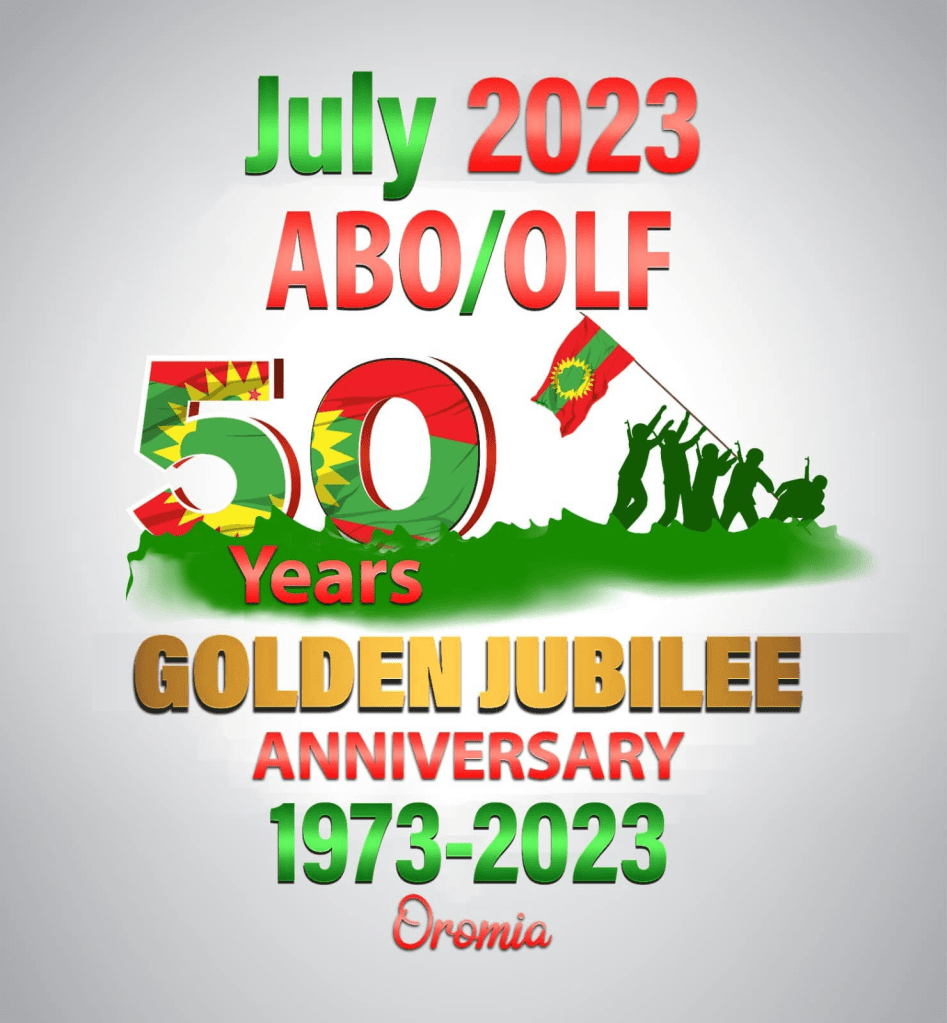
Carrying the Torch: 50 Years of the Oromo Freedom Struggle
Reflecting on half a century of resistance, resilience, and the unbreakable spirit of a people
—
On a quiet day in 2023, as the world continues to spin through its cycles of change and upheaval, the Oromo people pause to mark a profound milestone. Fifty years have passed since the Oromo Liberation Struggle formally began its modern political and armed phase. The commemoration, held under the theme “50 Years of Oromo Freedom Struggle,” is not merely a glance backward at the pages of history. It is a declaration—a powerful affirmation that the strength of the past must be carried forward into the future.
As the saying goes, “Kunis waan nu ibsuu fi nu boonsu tokko akka baatee jiru mirkaneessa” —this confirms that there is something that defines us and makes us proud. Indeed, there is.
—
A People of Ancient Heritage
To understand the significance of this fifty-year mark, one must first appreciate the depth from which the Oromo struggle springs. The Oromo are not a recent invention of political convenience; they are the custodians of one of the oldest and most sophisticated cultural civilizations in the world.
The Gadaa system, a traditional democratic governance structure that has guided Oromo society for centuries, stands as a testament to their organizational genius. Long before modern democracies adopted the principles of checks and balances, term limits, and participatory governance, the Oromo had perfected these ideals through Gadaa. Every eight years, power would transfer peacefully from one generation to the next—a cycle of leadership renewal that ensured accountability and collective decision-making.
Then there is Waaqeffannaa, the indigenous Oromo belief system that reveres a single supreme being, Waaqa (God), and emphasizes harmony with nature, truth, and justice. The annual Irreecha festival, celebrated at sacred lakes and hilltops, is not merely a cultural event but a spiritual renewal—a thanksgiving for life, health, and the blessings of creation. Millions gather to raise their hands in prayer, adorned in traditional attire, singing songs that have echoed across the ages.
This is the Oromo identity: ancient, proud, and resilient. A civilization that has survived empires, invasions, and attempts at erasure. It is this identity that the freedom struggle seeks to protect and restore.
—
The Unfinished Story
The Oromo freedom struggle, as formally recognized in its modern phase over the past fifty years, is not a story of violence for its own sake. It is a story of a people demanding what is rightfully theirs: recognition, dignity, self-determination, and a place at the table of nations.
The archives of this struggle are filled with names that will never be forgotten. Some are written in blood, others in ink, but all are etched in the collective memory of the Oromo people. This struggle has chronicled a history of heroism that refuses to conclude—a narrative that continues to unfold with each passing year.
What makes this struggle unique is its deeply rooted cultural foundation. The Oromo are not fighting to create something new; they are fighting to reclaim something old. They are fighting to ensure that the Gadaa principles of justice, the Waaqeffannaa values of truth, and the Irreecha spirit of thanksgiving are not confined to textbooks or tourist brochures but are lived realities for future generations.
“Qabsoon Bilisummaa Oromoo seenaa boonsaa himamee hin dhumne galmeessee jira” —The Oromo liberation struggle has recorded a history of heroism that has not yet concluded. Indeed, it is a living document, written anew with every act of courage, every song of resistance, and every child raised to know their heritage.
—
A Story for All Generations
Perhaps the most beautiful aspect of this commemoration is its recognition that the struggle transcends any single generation. It is a legacy passed down from grandparents to parents, from parents to children. It is a story that is sung in lullabies, debated in classrooms, and whispered in prayers.
“Kun barayyuu dhalootaan kan leellifamuu fi faarfamuu dha” —This is a story that will be praised and sung by future generations. It is not a chapter to be closed but an anthem to be repeated, a lesson to be taught, and a flame to be kept alive.
The young Oromo today carry the weight of this legacy, but they also carry the hope. They are the ones who will take the baton from the veterans of the struggle and run the next lap. They are the ones who will ensure that the dream of a free, dignified, and prosperous Oromia becomes more than a slogan—it becomes reality.
—
Looking Ahead with Strength
As the Oromo people mark fifty years, they do so with a clear-eyed understanding of the road ahead. Challenges remain immense. The struggle is far from over. But the very act of commemorating half a century is itself an act of defiance—a declaration that the Oromo are still standing, still resisting, and still believing.
The world has witnessed the resilience of the Oromo. From the highlands to the lowlands, from the cities to the countryside, the spirit of Oromia remains indomitable. The freedom struggle is not merely a political movement; it is a cultural renaissance, a spiritual awakening, and a moral imperative.
—
Conclusion
Fifty years. It is a number that carries weight—the weight of sacrifice, the weight of hope, and the weight of an unfinished journey. The Oromo freedom struggle has been a long and arduous road, paved with both tears and triumphs. But as the Oromo gather to reflect on this milestone, they do not do so with bitterness or despair. They do so with the quiet confidence of a people who know who they are and what they deserve.
The theme “50 Years of Oromo Freedom Struggle” is not just about honouring the past. It is about carrying that strength forward, about ensuring that the next fifty years will be marked by even greater progress and eventual victory. It is about making sure that the Gadaa, the Waaqeffannaa, and the Irreecha remain not just memories but living traditions that guide the Oromo into a brighter tomorrow.
The Oromo story is one of the great epics of human history—a story of endurance, culture, and the unquenchable thirst for freedom. And as long as there are Oromo to tell it, sing it, and live it, that story will never end. It will be praised and sung by future generations, as it deserves to be.
—
“Qabsoon keenya bilisummaa fi mirga namaa kan mata keenyaati. Kun hidhannoo keenyatti amanuufi dhaloota dabarsuuti.”
“Our struggle is for freedom and human rights. This is our commitment to the future and to the generations to come.”