Category Archives: mental health

The Tenth Anniversary of the Grand Oromo Rally: A Defining Moment in the Struggle for Justice
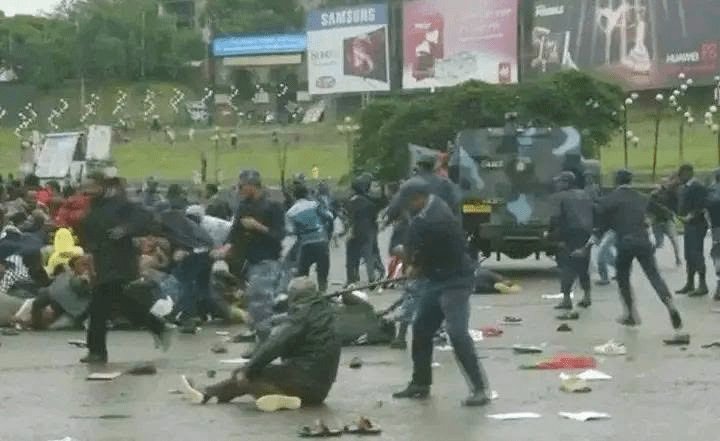
Remembering August 6, 2016, and Its Enduring Legacy for Unity, Identity, and Transformation
By Daandii Ragabaa
When a people understand their history correctly, they are able to learn from past mistakes, draw strength from previous achievements, and chart a clearer course for the future. History is not merely a record of what has passed—it is a compass for what lies ahead. It is a teacher, a witness, and a foundation upon which the dreams of generations are built.
For this reason, the commemoration of the Grand Oromo Rally of August 6, 2016, occupies a significant and sacred place in the history of the Oromo struggle. It is not simply a date on a calendar. It is a milestone, a turning point, and a testament to the power of collective action. As the tenth anniversary approaches, it is time to reflect deeply on what that day meant, what it achieved, and what it continues to teach us today.
A Day That Shook the Nation
The Grand Oromo Rally of August 2016 was not a spontaneous outburst of anger. It was the culmination of years of sustained public mobilization—a peaceful yet powerful resistance against decades of systemic oppression, marginalization, and denial of basic rights. It was one of the largest and most widely recognized demonstrations ever organized across Oromia, drawing participation from every corner of the region.
What made this rally extraordinary was its sheer scale and simultaneity. On that day, Oromo people from all walks of life—young and old, men and women, urban and rural, educated and uneducated—rose together as one. They filled the streets not with weapons, but with voices. They carried not arms, but banners of justice. They demanded not revenge, but recognition.
The world watched. International media covered the events. Global human rights organizations took notice. The Oromo people, long silenced and ignored, had made their voices heard in a way that could no longer be dismissed. The rally became one of the most significant events to attract international attention to the Oromo cause.
More Than a Protest: A Turning Point in History
Although different perspectives exist regarding its causes, results, processes, and consequences, the Grand Oromo Rally is widely regarded as a defining event in both the political history of the Oromo movement and the modern political history of Ethiopia.
It was a moment when the Oromo people declared, with unmistakable clarity, that they would no longer accept invisibility. They would no longer accept the theft of their land. They would no longer accept the denial of their language, culture, and identity. They would no longer accept a political system that treated them as second-class citizens in their own homeland.
The events of that day laid an important foundation for the political changes that unfolded in 2018. The rally was a catalyst—a spark that ignited a broader movement for reform across the country. It demonstrated that when a people are united and determined, even the most entrenched systems of power can be challenged. It showed that peaceful resistance, when organized and sustained, can produce real change.
The Tenth Anniversary: More Than Remembrance
The tenth anniversary of the Grand Oromo Rally is more than a remembrance of a historical event. It is an opportunity—a vital and necessary opportunity—to learn from history, to recognize that today’s achievements were not attained easily, and to appreciate the value of unity and collective strength.
This commemoration serves multiple purposes:
First, it reinforces social cohesion. When a people gather to remember a shared struggle, they affirm their bonds to one another. They recognize that they are part of something larger than themselves.
Second, it educates younger generations. Many of those who will mark this anniversary were too young to participate in the events of 2016—or were not yet born. They must learn what happened, why it happened, and what it means for their future. The history of the Oromo struggle must not be forgotten, distorted, or erased.
Third, it creates space for constructive dialogue. Commemorations should not be occasions for division or recrimination. They should be opportunities for thoughtful discussion about addressing present and future challenges, for examining both achievements and shortcomings, and for building a peaceful, inclusive, and prosperous future.
The Power of Collective Participation
One of the defining characteristics of the Grand Oromo Rally was the remarkable level of collective public participation in confronting oppression. Regardless of age, gender, social status, or place of residence, Oromo people united at the same moment and participated in the historic protest with determination, shared purpose, and a strong sense of solidarity.
The enduring lesson from that experience is clear: unity is our greatest strength.
Standing together around common goals and shared interests, strengthening collective unity, building public trust, and fostering strong social bonds are essential for overcoming complex challenges. The rally taught us that dialogue and coordination play indispensable roles in achieving change.
However, sustaining unity requires effort. It requires respecting differences of opinion. It requires listening to one another. It requires maintaining continuous dialogue. Unity does not mean everyone must hold identical views. True unity means respecting differing opinions while working together toward common objectives. It means recognizing that agreement on common goals can coexist with different views regarding the methods of achieving them.
Lessons for the Present and Future
Political and social circumstances inevitably change over time. What worked yesterday may not work tomorrow. The challenges of today are not identical to those of 2016. Yet the lessons of that historic rally remain as relevant as ever.
Remembering our history helps us to avoid repeating past mistakes while preserving and building upon our strengths. It reminds us that:
- Difficult challenges are most effectively resolved through dialogue and mutual understanding.
- Agreement on common objectives can coexist with different views on methods.
- Differences of opinion should never be mistaken for hostility.
- Current generations must study the past through evidence-based research and objective historical inquiry.
The tenth anniversary is not an invitation to dwell in the past but to draw wisdom from it. It is a chance to critically examine both achievements and shortcomings, and to engage in thoughtful discussions about building a peaceful, inclusive, politically stable, and socially prosperous future.
Strengthening Identity and Social Solidarity
By remembering historic events such as the Grand Oromo Rally, the Oromo people strengthen both their collective identity and their social solidarity. Such remembrance plays a vital role in:
- Learning from history
- Honouring those who made sacrifices
- Preventing the repetition of past mistakes
- Passing historical knowledge to future generations
These commemorations should be inclusive of people with diverse viewpoints. They should promote mutual respect, reconciliation, and lasting peace within society. Although we may hold different political perspectives, sharing a common historical experience reminds us that unity remains essential both today and in addressing our common challenges in the future.
To sustain this spirit, it is important to continue commemorating collective events such as the Grand Rally every year. Annual commemoration ensures that the memory remains alive, that the lessons remain fresh, and that the unity forged in struggle remains strong.
A Call to Remember, Reflect, and Renew
As we approach the tenth anniversary of August 6, 2016, let us remember what that day meant. Let us honour those who stood firm in the face of oppression. Let us recognize the sacrifices that were made—the lives lost, the freedoms curtailed, the dreams deferred. Let us also celebrate what was achieved: a renewed sense of identity, a strengthened movement for justice, and a foundation for the political transformation that followed.
The commemoration of the Grand Oromo Rally should not merely be an occasion to remember the event. It should be an opportunity to draw lessons that strengthen unity, mutual trust, respect, and dialogue in order to address today’s and tomorrow’s challenges through peaceful means.
Above all, the greatest lesson it offers is the importance of working together toward shared goals and common interests, respecting differences of opinion, and learning from history to build a better future for all.
Conclusion: A Legacy for Generations
The Grand Oromo Rally of August 6, 2016, stands as one of the most remarkable demonstrations of broad-based Oromo public participation in history. It is remembered as an important foundation for the political transformation that followed in 2018. Its tenth anniversary is not just a date to mark on the calendar—it is a moment to reflect, to renew, and to recommit.
Therefore, commemorating the Grand Oromo Rally annually plays a vital role in strengthening Oromo identity, social cohesion, and unity while ensuring that an accurate understanding of history is passed on to future generations. It is through such remembrance that we honour the past, navigate the present, and build a future worthy of the sacrifices made.
The memory of August 6, 2016, lives on.
The spirit of unity endures.
The struggle for justice continues.
Oromo Qeerroo Union—forever united!
Gamtaa Qeerroo Oromoo—the strength of the people!
#Silencing_the_Gun_Among_Brothers
#Oromo_Qeerroo_Union
#Gamtaa_Qeerroo_Oromoo
August 6, 2026

ፊንፊኔ፦ የህልውና ጉዳይ እንጂ ተራ ጥያቄ አይደለም
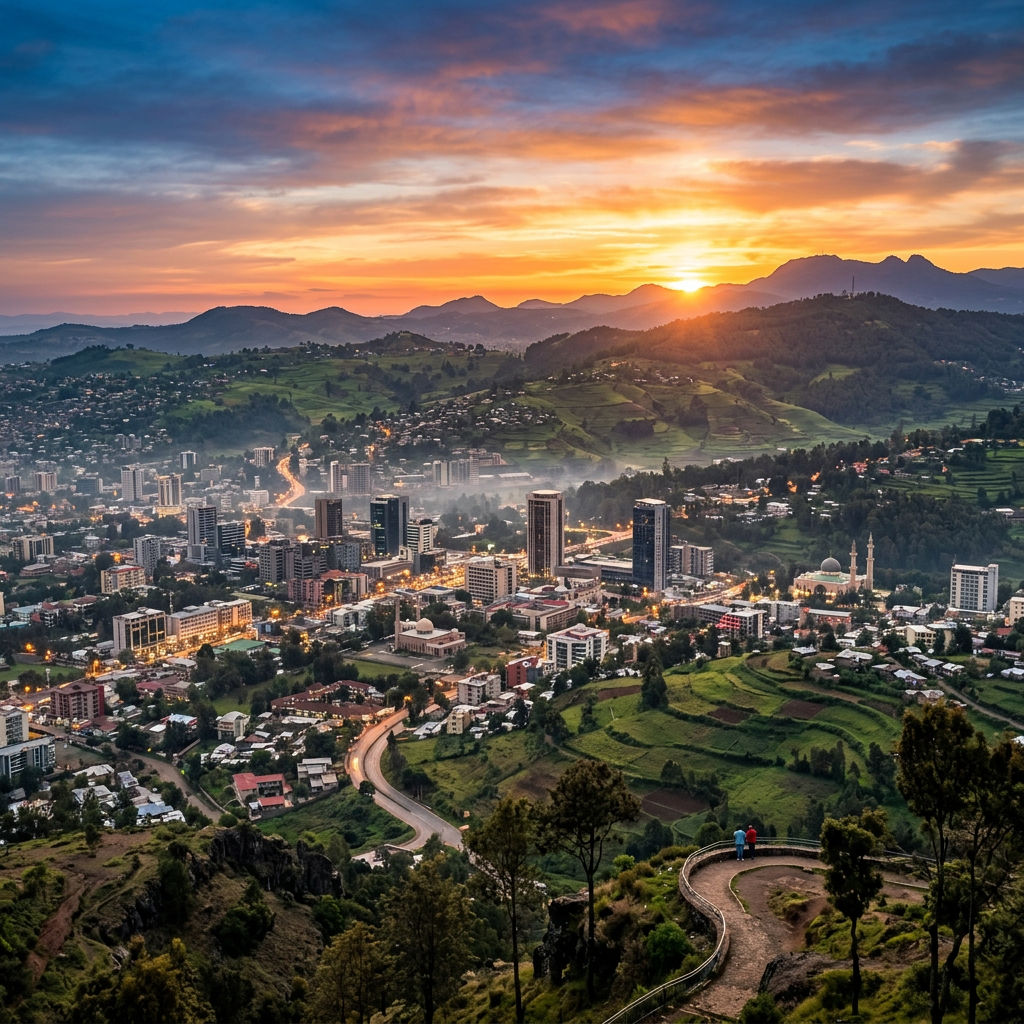
የ150 ዓመት ቁስል፣ የ7ሺ ህይወት መስዋዕትነት፣ እና ዛሬው ወሳኝ ጊዜ
ጸሐፊ፦ ዳንዲ ረገባ
ለኦሮሞ ህዝብ ፊንፊኔ ተራ የፖለቲካ ጉዳይ አይደለም። የከተማ ድንበር ጉዳይ አይደለም። የበጀት ድርሻ ወይም የአስተዳደር ክልል ጉዳይ አይደለም።
የህልውና ጉዳይ ነው።
ፊንፊኔ የኦሮሞ ህዝብ መታወቂያ፣ ክብር እና የወደፊት ተስፋ የተጠቃለለባት ከተማ ናት። እሷ ልብ ናት። እሷ ነፍስ ናት። እሷ መሠረት ናት። እናም ይህችን ልብ ለማውጣት የሚደረግ ማንኛውም ሙከራ፣ የህዝቡን ህልውና ራሱን ለማጥፋት የሚደረግ ጥረት ነው።
የታሪክ ጠባሳው፦ ከ150 ዓመት በላይ የፈወስ ቁስል
ዛሬ ፊንፊኔ ላይ የምናየው ቀውስ አዲስ አይደለም። የ150 ዓመት ዕድሜ ያለው የታሪክ ጠባሳ አካል ነው።
የአፄ ሚኒሊክ ሰራዊት ወደ ደቡብ ሲዘምት፣ ኦሮሞን ከመሬቱ አስወግዶ፣ መሬቱን በግዳጅ በመያዝ፣ እና የኦሮሞን ባህላዊ፣ ፖለቲካዊ እና ኢኮኖሚያዊ ስርዓት በማፈራረስ ላይ ነበር። ያ የመጀመሪያው ስብራት ነበር—በህዝብ፣ በመሬት እና በማንነት መካከል የተፈጠረ ጥልቅ ስብራት።
ይህ ስብራት አልተፈወሰም። ተሸፍኗል፣ ችላ ተብሏል፣ የተካደ ነው—ነገር ግን አልተፈወሰም። እና በየትውልዱ፣ ቁስሉ እንደገና ይከፈታል።
ቄሮ፦ ስብራቱን ለመጠገን የተነሳ ትውልድ
ከ150 ዓመታት በኋላ፣ አዲስ የኦሮሞ ትውልድ—የቄሮ ትውልድ—ጮክ ብሎ እና በማይሻር መልኩ ተነሳ።
ይህ ትውልድ ታሪኩን አውቆ ነበር። ስብራቱን ተሰምቶት ነበር። እና ህመሙን የበለጠ ለመሸከም ፈቃደኛ አልሆነም።
በዚያም ቄሮ ተነሳ—ለፍትህ፣ ለእውቅና፣ እና የተሰበረውን ለመጠገን። ለዚህ ትግል ከ7,000 በላይ ወጣቶች ህይወታቸውን ሰጥተዋል። 7,000 ህልሞች። 7,000 የወደፊት ጊዜዎች። 7,000 ነፍሳት በፍትህ መሠዊያ ላይ።
የቄሮ ንቅናቄ ለውጥ ብቻ አልነበረም—ትንሳኤ ነበር። ኦሮሞ ህዝብ ከእንግዲህ ዝም እንደማይል፣ ከእንግዲህ እንደማይጠብቅ፣ እና ከእንግዲህ እንደማይሸነፍ ለዓለም ያሳወቀ ትንሳኤ ነበር።
የተሰጠው ቃል እና የተሰበረው እምነት
የቄሮን ድል ተንተርሶ፣ የኢህአዴግ ክንፍ የሆነው ብልጽግና ፓርቲ ስልጣን ያዘ። ወደ ስልጣን ሲመጣ፣ ለኦሮሞ ህዝብ ቃል ገባ፦ ጥያቄዎቹን አንድ በአንድ ቆጥሮ እመልሳለሁ።
ከእነዚህ ጥያቄዎች ዋናው ምን ነበር? የመሬት ባለቤትነት ማረጋገጥ። ፊንፊኔ የኦሮሚያ አካል መሆኗን ማረጋገጥ። የተዘረፈው መመለሱን ማረጋገጥ። የተሰበረው መጠገኑን ማረጋገጥ።
ለስምንት ዓመታት፣ ኦሮሞ ህዝብ ጠበቀ። በቃሉ አመነ። ፍትህ በመጨረሻ እንደሚደርስ ተስፋ አደረገ።
ነገር ግን በስምንት ዓመታት ውስጥ፣ ያ ቃል ክህደት ሆነ።
ዛሬው ክህደት፦ ፊንፊኔን ለመንጠቅ የሚደረግ ሙከራ
ብልጽግና ፓርቲ አሁን “ምክክር” በሚባል ሂደት ፊንፊኔን ከኦሮሚያ ለመንጠቅ የመጨረሻ ውሳኔ ላይ ደርሷል።
የዚህ “ምክክር” መደምደሚያ ግልጽ ነው፦ ፊንፊኔ የኦሮሚያ አይደለችም።
ይህ የአስተዳደር ለውጥ አይደለም። ይህ የፖሊሲ ማስተካከያ አይደለም። ይህ የኦሮሞ ህዝብ ላይ የሚደርስ ቀጥተኛ ጥቃት ነው።
ብልጽግና ፓርቲ የቄሮን ንቅናቄ ድል ተንተርሶ ስልጣን የያዘ ፓርቲ፣ አሁን ኦሮሞን ለሁለተኛ ጊዜ ለመስበር እየሞከረ ነው።
የመጀመሪያው ስብራት በሚኒሊክ ሰራዊት ነበር።
ሁለተኛው ስብራት በብልጽግና ፓርቲ እየተሞከረ ነው።
ዓላማው አንድ ነው፦ ኦሮሞን መሬቱን ማጥፋት፣ ማንነቱን መሰረዝ፣ እና ድምጹን ማፈን።
የመቋቋም ተፈጥሮአዊ መብት
ግን እዚህ ላይ ብልጽግና እና አጋሮቹ ሊረዱት ያቃታቸው እውነት አለ።
የኦሮሞ ህዝብ ራሱን የመከላከል ተፈጥሮአዊ መብት አለው።
ይህ መብት በሕግ የተሰጠ አይደለም—በሰብአዊነት የተሰጠ ነው። ይህ መብት በሰነድ የተረጋገጠ አይደለም—በህልውና የተረጋገጠ ነው።
ማንኛውም ህዝብ፣ ህልውናው ሲጠቃ፣ ራሱን የመከላከል መብት አለው። የኦሮሞ ህዝብ ከምንም ህዝብ ያነሰ አይደለም።
የፊንፊኔ ጉዳይ የመተዋወቅ ጉዳይ አይደለም—የህልውና ጉዳይ ነው። እና ህልውና የማይደራደር ነው።
የሚበራው ይበራል
ብልጽግና ፓርቲ የውሳኔ ሰነዶችን ሊያዘጋጅ ይችላል። ምክክር ሊጠራ ይችላል። ህጎችን ሊያወጣ ይችላል። ድንበሮችን እንደገና መሳል ይችላል።
ነገር ግን ወረቀት ላይ የሚጻፈው ነገር በህዝብ ልብ ውስጥ ያለውን እውነት ሊለውጥ አይችልም።
እና እውነቱ ይህ ነው፦ ፊንፊኔ የኦሮሚያ ዋና ከተማ ናት። ዘላለም የኦሮሚያ አካል ትሆናለች።
እንደ ጠዋት ፀሀይ ከምስራቅ እንደምትወጣ፣ እንደ ወንዝ ወደ ባህር እንደሚፈስ፣ እንደ ተራራ ሥሩን እንደማይተው—ፊንፊኔ የኦሮሚያ አካል ናት። ይህ በሰነድ የሚሰጥ አይደለም፤ በታሪክ የተረጋገጠ ነው። በህግ የሚሰጥ አይደለም፤ በደም የተረጋገጠ ነው።
የሚበራው ይበራል እንጂ።
ጊዜያዊ ስልጣን ሊደበቅ ይችላል፣ ነገር ግን ፀሀይ ሁልጊዜ ታበራለች። የውሸት ድሎች ሊኖሩ ይችላሉ፣ ነገር ግን እውነት ሁልጊዜ ትወጣለች። ፊንፊኔ የኦሮሚያ ዋና ከተማ ሆና ትቀጥላለች—ምክንያቱም ህዝቡ እንደዚያ ስለሚያውቀው፣ ምክንያቱም ታሪክ እንደዚያ ስለሚመሰክር፣ እና ምክንያቱም ፍትህ እንደዚያ ስለሚጠይቅ።
ለህዝቡ የመጨረሻ መልዕክት
ለኦሮሞ ህዝብ በሙሉ፦
ታሪካችሁ ይታወቃል። ህመማችሁ ይታወቃል። ትግላችሁ ይታወቃል። የቄሮ ጀግኖች ህይወታቸው በከንቱ አልሞተም። መስዋዕትነታቸው እንደ ተስፋ ዘር በመሬት ላይ ተተክሏል። እና ያ ዘር አሁን እያበቀለ ነው።
ለአምባገነኖች አሳሳቢ ቃል፦
የኦሮሞን ህዝብ መንፈስ ሊያፈርሱ አይችሉም። የኦሮሞን ህልም ሊያጠፉ አይችሉም። የኦሮሞን ፍትህ ጥማት ሊያረኩ አይችሉም። ያህል ጊዜ ሞክራችሁ፣ ያህል ጊዜ ተሸንፋችኋል። እናም ዛሬም እንደገና ትሸነፋላችሁ።
ፊንፊኔ የኦሮሚያ ናት። ዘላለም የኦሮሚያ ትሆናለች። ይህ የማይለወጥ እውነት ነው—በደም የተጻፈ፣ በታሪክ የታተመ፣ እና በህዝቡ ፈቃድ የታሸገ።
የሚበራው ይበራል እንጂ። ፊንፊኔ የኦሮሚያ ዋና ከተማ ሆኖ ይቀጥላል!
ኦሮሚያ ትነግር!
ፊንፊኔ የኦሮሚያ ናት!
ዘላለም የኦሮሚያ ትሆናለች!

Finfinne: A City Built on Bones
The Unfinished Business of Justice and the Betrayal of Reconciliation
By Israel Soboka
There are some truths that cannot be buried, no matter how much time passes, no matter how many official narratives are crafted, no matter how loudly the powerful insist that we move on. One such truth lies beneath the bustling streets, the government buildings, and the ambitious infrastructure of Finfinne—a city whose very foundations are steeped in blood.
The city we now know as Finfinne was not established upon empty land, descending from the heavens like a divine gift. It was built through genocide. When the army of Emperor Menelik settled upon this land, they did not find a vacant wilderness waiting for civilisation. They found the Oromo people—indigenous, thriving, rooted in the soil for generations. And they systematically removed them.
This is the uncomfortable, unavoidable reality: Finfinne is a city built on the bones of the Oromo people.
The Promise of Reconciliation
For a brief moment, there was hope. Across Ethiopia, a national dialogue was convened—a conversation intended to heal the deep, festering wounds of centuries. The expectation was clear: this commission would acknowledge the genocide committed against the southern peoples of the country, including the atrocities carried out across Oromia. It would offer recognition, pave the way for apology, and lay the foundation for lasting peace through mutual understanding.
Hope flickered in the hearts of many. Perhaps, at long last, history would be confronted rather than concealed. Perhaps the victims and their descendants would receive the dignity of acknowledgment. Perhaps Ethiopia could finally begin the arduous work of genuine reconciliation.
But hope, as it so often does in the face of entrenched power, proved fragile.
The Commission That Became a Conspiracy
The National Dialogue Commission was not established to heal. It was hijacked.
Instead of becoming a vehicle for truth and forgiveness, it was commandeered by the familiar machinery of political manipulation—the same old games of Abyssinian elite politics that have, for generations, prioritised control over justice. Rather than laying the groundwork for peace, the commission has become a catalyst for further tension. Rather than addressing the historical grievances of the Oromo and southern peoples, it has provided cover for continued denial and evasion.
The most egregious betrayal? The attempt to sever Finfinne from Oromia entirely. This is not a policy debate; it is an existential assault. To detach Finfinne from its Oromo identity is to complete the genocide—to erase not just the people, but the very memory that this land ever belonged to them. It is an attempt to annihilate the foundation upon which peace could be built.
The commission was never meant to support the perpetrators of genocide against the Oromo and southern peoples. Yet that is precisely what it has become: a shield for the guilty and a dagger aimed at the heart of the victims.
The Wound That Will Not Heal
The scars of history are not to be smoothed over; they are to be acknowledged. A wound that is covered without being cleaned does not heal—it festers. And that is what is happening now. The commission, in its current form, is not addressing the historical wounds; it is picking at them, ensuring that they remain raw, infected, and painful for generations to come.
This is not reconciliation. This is provocation disguised as dialogue. This is manipulation masquerading as peace-building. And the people of Oromia see it for what it is.
A New Generation Awakens
But here is the truth that the architects of this betrayal have failed to understand: the new Oromo generation is not weak.
This is not a generation that will beg for its freedom. This is not a generation that will quietly accept the denial of its history or the theft of its land. This is not a generation that will wait for permission to claim its rights.
A new Oromo generation has emerged—one that knows its history, one that understands its power, and one that possesses the capacity to defend its rights. The Addis Ababa forces—the heirs of Menelik’s imperial project—must abandon their hope of subduing this generation. Their dreams of perpetual dominance are finished. Their expectations of subjugation are obsolete.
The Oromo people are no longer asking for permission. They are asserting their existence.
The Illegitimacy of the Commission
Let us be clear: the National Dialogue Commission does not speak for the Oromo people. It has no mandate. It holds no legitimate authority to represent the will, the pain, or the aspirations of the Oromo. It is a collection of individuals—unelected, unaccountable, and unworthy of trust—who have inserted themselves into a process they have no business steering.
They do not have the right to dictate the terms of a peace that they have no intention of honouring. They do not have the authority to decide the fate of a land and a people whose suffering they refuse to acknowledge. And they must not be permitted to disrupt the legitimate quest for justice under the guise of dialogue.
A Call to Action
The time for polite fiction is over. The time for empty gestures and meaningless commissions is over. The time for half-measures and hollow promises is over.
What is needed now is clear and unwavering:
Recognition. The genocide committed against the Oromo and southern peoples must be acknowledged—not in vague, diplomatic language, but in explicit, undeniable terms.
Justice. The perpetrators of these crimes, past and present, must be held accountable. No one is above the law, and no one is beyond the reach of history.
Restoration. The land that was stolen, the dignity that was stripped, and the future that was denied must be returned to the Oromo people.
Peace. But peace with justice, not peace built on the suppression of truth. Peace that honours the victims, not peace that erases them.
The Final Word
Finfinne is a city built on bones. But those bones are not silent. They cry out for recognition. They cry out for justice. And a new generation—proud, strong, and unyielding—has risen to answer their call.
The forces of denial and domination may cling to their power for a little while longer. But history is not on their side. Justice is not on their side. And the will of the Oromo people is not on their side.
The architects of genocide and their modern-day apologists can delay the reckoning. But they cannot stop it. The truth will out. The land will be reclaimed. And the city built on bones will, one day, be a city built on justice.
In solidarity with the Oromo people and all who refuse to let the dead be forgotten.
“A people without the knowledge of their past history, origin and culture is like a tree without roots.” — Marcus Garvey

Beyond the Direct Translation: Asebe Regassa’s Reflection on the True Meaning of Gabrummaa

By Maatii Sabaa
—
In the wake of a recent interview with Biqilaa Amanuu, a storm of interpretation has swept through Oromo intellectual circles. The subject? A word that carries the weight of centuries: gabrummaa.
To the casual observer, the translation seems straightforward. “Slavery.” “Enslavement.” A direct, uncomplicated rendering into English that fits neatly into Western frameworks of oppression. But as Asebe Regassa provocatively argues, this superficial translation does profound violence to the concept’s true meaning—and, more critically, misdirects our understanding of what the Oromo struggle has always been about.
The Misinterpretation That Misses the Mark
Following the interview, many commentators rushed to frame the discussion within a familiar narrative: Oromos were sold as slaves under Menelik’s system. They wrote it boldly, confidently, reducing a complex historical reality to a single, devastating equation. And while the historical record does indeed document the exploitation of Oromo peoples during that period, Regassa insists that this framing fundamentally misunderstands both the nature of the system and the nature of the resistance.
“The history is true,” Regassa acknowledges, “but the struggle against gabrummaa and the system of gabrummaa is not that.”
What Regassa identifies is a dangerous reductionism—the tendency of both scholars and activists to reach for the most emotionally resonant translation without interrogating whether that translation captures the full scope of what gabrummaa actually represents. The result, as he notes, has been confusion and controversy among those who engaged with the interview.
Unpacking the Concept: More Than Chains and Whips
So what does gabrummaa truly mean?
Regassa is unequivocal: “Gabrummaa does not mean enslavement/slavery. Enslavement is only a rough and direct translation.”
Instead, gabrummaa encompasses something far more systematic and insidious—”subjugation, servitude, and being kept under the yoke of oppression.” This is not merely a semantic distinction. It is a fundamental reorientation of how we understand both historical injustice and contemporary struggle.
Slavery implies a particular legal and social status—the ownership of one human being by another. It conjures images of chains, auctions, and plantations. But gabrummaa speaks to an entire architecture of domination: political, economic, cultural, and psychological. It is a system designed not merely to exploit but to subjugate, to render entire peoples subordinate through structures that penetrate every aspect of existence.
The General’s Vision: Dismantling the System
General Waaqoo Guutuu’s powerful declaration illuminates this distinction: “Gabrummaa iddaan buqqifna yoo dadhabne ilmaan itti guddifna”—”We shall dismantle gabrummaa at its place; if we fail, we shall raise our children upon it.”
When Regassa interprets this statement, he insists: the General was not speaking of ending slavery in the narrow sense. He was speaking of dismantling an oppressive system—a comprehensive project that requires nothing less than decolonizing the entire structure of power to emancipate the people from such subjugation.
This is a revolutionary vision, not a reformist one. It recognizes that gabrummaa is not a historical aberration or a set of discrete injustices that can be addressed piecemeal. It is a total system that demands total transformation. To merely end chattel slavery while leaving the underlying structures of subjugation intact would be to mistake the symptom for the disease.
The Intellectual Burden
Regassa’s reflection carries a pointed challenge for those who study Oromo history and society: “Warri ogbarruu Oromoo qorattanimmoo yaada itti kennaa, ulfaadhaa!”—”For those who study Oromo affairs, pay attention to this: it is weighty!”
The weight he speaks of is both intellectual and ethical. It is the burden of getting it right—of refusing the easy translation that flattens complexity, of resisting the temptation to map Oromo experience onto Western categories of oppression that may not fully apply. It is the responsibility of scholars and commentators to engage with the full richness of Oromo concepts rather than reducing them to the most convenient English equivalent.
This is not academic navel-gazing. The distinction between slavery and subjugation has real-world implications for how movements organize, how demands are articulated, and how the ultimate goals of liberation are conceived. A movement that aims only to end slavery might fight for legal reforms. A movement that aims to dismantle gabrummaa must fight to transform everything.
A Call for Deeper Engagement
Regassa’s intervention is ultimately a call for deeper engagement—with language, with history, and with the lived experience of Oromo people across generations. It is a reminder that the most powerful concepts resist easy translation, that the struggle for liberation is not served by reaching for the most familiar vocabulary but by insisting on the specificity and integrity of Oromo thought.
The controversy sparked by the interview was, in Regassa’s analysis, born of this very failure—the attempt by both interviewer and subject to explain gabrummaa through its most superficial rendering, generating confusion among audiences who deserved better.
As Oromo intellectual traditions continue to develop and engage with global conversations about justice, liberation, and decolonization, Regassa’s reflection stands as a crucial reminder: the words we use matter. The translations we choose shape the struggles we imagine. And the most profound acts of resistance may begin not with protests or declarations, but with the patient, painstaking work of getting the meaning right.
Gabrummaa is not slavery. It is something more fundamental, more encompassing, and more challenging to uproot. And recognizing that distinction may be the first step toward the genuine emancipation that General Waaqoo Guutuu envisioned—the dismantling of the entire oppressive system, at its very place.
—
This article draws from Asebe Regassa’s reflections on the meaning of gabrummaa and its implications for Oromo historical understanding and contemporary struggle.

Beyond the Title: A Social Worker’s Journey of Service and Liberation

By Dhabessa Wakjira
Introduction: More Than a Profession
There are moments in life when a career becomes a calling—when the work you do ceases to be simply a job and transforms into an expression of who you are. For me, that moment came when I realised that being a Social Worker is not just about earning a degree or holding a title. It is a profound commitment to serve with compassion, to advocate for justice, and to stand beside those who need support the most.
I am Dhabessa Wakjira, and I am proud to be a Social Worker in the making.
The Heart of Social Work
What does it truly mean to be a Social Worker? It means waking up each day with a purpose that extends beyond personal gain. It means choosing to be a voice for the voiceless, a shield for the vulnerable, and a bridge for those who feel isolated from the world around them.
Social Work is rooted in the belief that every person matters—regardless of their background, their struggles, or their circumstances. It is a profession that:
- Gives hope to the vulnerable and marginalised
- Empowers individuals and families to find their strength
- Protects children’s rights and ensures their safety
- Strengthens communities from within
- Reminds people that they are seen, heard, and valued
Every life touched, every voice heard, every child protected, and every family empowered is a step toward a better society. These are not just words on a page—they are the daily realities of those who choose this path.
Who I Am
Allow me to reintroduce myself.
My name is Dhabessa Wakjira, and I carry my identity with pride. I am an Oromo, and I am a Social Worker. These two truths are not separate—they are woven together into the fabric of who I am and what I stand for.
In my work and in my life, I choose:
- Empathy over judgment — Understanding that every person carries a story I have not lived
- Service over status — Recognising that true worth lies not in titles but in impact
- Impact over recognition — Knowing that the change I help create matters more than the credit I receive
These are not abstract ideals. They are the compass that guides my daily actions.
What I Do
As a Social Worker, I am called to:
- Empower — Helping individuals and communities discover their own strength and capacity for change
- Protect — Safeguarding the rights and well-being of children, families, and vulnerable groups
- Support — Walking alongside people in their times of greatest need
- Educate — Sharing knowledge that equips others to advocate for themselves
- Mobilise — Bringing communities together to address shared challenges
- Care — Offering compassion and humanity in every interaction
- Organise — Creating systems and structures that uplift rather than oppress
- Collaborate — Building partnerships that amplify the impact of service
- Serve — Placing the needs of others at the centre of my work
Each of these actions is a deliberate choice—a commitment to creating positive change, one person, one family, and one community at a time.
The Intersection of Identity and Purpose
There is a phrase that I carry close to my heart: “Oromo Freedom Fighter isn’t just what I do—it’s who I am.”
For me, this is not a contradiction to my work as a Social Worker—it is an extension of it. The fight for Oromo liberation and the fight for social justice are intertwined. When I advocate for the rights of children, families, and communities, I am also contributing to the broader struggle for freedom, dignity, and self-determination.
Social Work is, at its core, about addressing the systems and structures that perpetuate inequality and suffering. It is about recognising that individual struggles are often rooted in larger historical and political realities. To be an Oromo Social Worker is to understand that the path to healing requires not only individual support but also collective liberation.
The Journey Ahead
I am still a Social Worker in the making—and that is a truth I embrace. Every day brings new lessons, new challenges, and new opportunities to grow. I am learning to hold space for the pain of others while also tending to my own. I am learning to navigate systems that are often broken while never losing sight of the humanity they are meant to serve.
I am learning that change is slow, and that patience is a form of strength. I am learning that even when progress feels invisible, every act of compassion plants a seed that will one day bloom.
A Call to the World
To anyone who reads this, I offer this reflection: Social Work is not a profession reserved for the few. It is a way of being that we can all embody—in our families, in our neighbourhoods, in our daily encounters with strangers. You do not need a degree to choose kindness. You do not need a title to stand up for what is right.
But for those who do choose this path—who answer the call to serve—know that you are part of something greater than yourself. You are part of a legacy of compassion, resistance, and hope that stretches across generations and continents.
Conclusion: Here’s to Change
Here’s to creating positive change, one person, one family, and one community at a time. 💜
Here’s to the vulnerable who teach us resilience. Here’s to the families who trust us with their stories. Here’s to the children whose futures we are fighting to protect. Here’s to the Oromo people and to all peoples who continue to struggle for freedom and dignity.
I am Dhabessa Wakjira. I am a Social Worker in the making. I am an Oromo Freedom Fighter. And I believe—with every fibre of my being—that a more just world is possible.
“The best way to find yourself is to lose yourself in the service of others.” — Mahatma Gandhi

A Response from Within: Correcting the Narrative on Ethiopia’s National Dialogue

A four-year participant challenges the critique that the National Dialogue began with the “wrong first question,” offering a detailed defence of the process and an invitation for critics to join the table.
ADDIS ABABA, ETHIOPIA — In the ongoing public debate over Ethiopia’s National Dialogue, one critique has stood out: that the process began with the wrong question, focusing on divisions rather than shared aspirations. Mr Kebour Ghenna articulated this view in a widely discussed reflection, arguing that the Dialogue should have begun by asking, “What future do Ethiopians wish to build together?” rather than “What divides Ethiopians?”
Now, a direct participant in the Dialogue has responded. Mr Zenayeneh Girma, who has served for four years as a representative of Civil Society Organisations (CSOs) in the National Dialogue process, has offered a corrective perspective—one grounded in direct participation rather than external observation.
“The evidence contradicts your central claim that the Dialogue began with the ‘wrong first question,'” Zenayeneh wrote, respectfully challenging Kebour’s thesis.
A Painstaking Process
Zenayeneh begins by correcting what he describes as a factual error. The National Dialogue did not begin by collecting grievances alone. It began by collecting issues from across the country—over 10,000 specific concerns raised in consultations across all woredas .
These were systematically aggregated into 2,000 themes, then distilled into 8 major national agenda pillars . These pillars cover nation-building and identity; state structure and form of government; the status of federal cities; religious affairs; institution building and the rule of law; social and economic issues; corruption and good governance; and peacebuilding and national reconciliation .
“This was not a hurried exercise but a painstaking process designed to ensure every voice—no matter how remote or marginalised—was heard,” Zenayeneh states.
He challenges Kebour’s suggestion that only divisions were documented. “In every consultation, participants were asked what future they desired for their communities and Ethiopia collectively. The 8 pillars emerged not from ‘what divides us’ but from what Ethiopians chose to discuss as urgent national questions—including the most difficult and deadlocked ones.”
Unprecedented Inclusivity
Zenayeneh argues that the Ethiopian process is unprecedented in its inclusivity. For the first time in the country’s history, Ethiopians from all regions, ethnicities, religions, and political affiliations—including diaspora communities—were brought together to question issues once considered “untouchable”: the flag, federalism, the status of Addis Ababa, the constitutional order, corruption, and institutional reform .
“This is not ‘organising disagreement.’ This is building a foundation for consensus,” he writes.
A Call for Participation, Not Observation
One of Zenayeneh’s most pointed observations is directed at the role of intellectuals who critique the process from outside. “You critique from outside while refusing to enter,” he writes, directly addressing Kebour.
As a prominent intellectual, Zenayeneh notes, Kebour could have contributed expertise to advisory panels. Instead, he has consistently critiqued from a distance. “Observing by ‘sitting outside’ and then writing based on hearsay is an easy task. Building a process that engages 4,000+ communities across a vast, diverse country is not.”
Zenayeneh acknowledges that some opposition figures remain outside the process—some by choice, others by circumstance. But the Commission has extended invitations repeatedly. “A dialogue that waits for everyone to agree to participate may wait forever. The process must move forward while continuing outreach.”
What History Will Remember
Zenayeneh concludes with a prediction about what history will actually remember: a moment when Ethiopians—for the first time—sat together across all divides and spoke honestly about their deepest political questions. It will remember a Commission that organised not just grievances but aspirations, not just complaints but solutions.
“The Dialogue is not perfect. But perfection is not the standard—participation is. And by that measure, Ethiopia has achieved something unprecedented.”
His message to intellectuals and critics is clear: “Instead of theorising from outside, consider contributing your expertise. The nation needs thinkers like you inside the room—not just observers outside it.”
Conclusion
Zenayeneh’s response offers a powerful counter-narrative to critiques of Ethiopia’s National Dialogue. It defends the process as painstaking, inclusive, and historic. It acknowledges imperfections while arguing that participation—not perfection—is the standard by which the Dialogue should be judged.
“Thank you for keeping the debate alive,” Zenayeneh writes. “But please, let us not allow perfect to become the enemy of progress.”
This feature news is based on the response of Mr Zenayeneh Girma to Kebour Ghenna, published on July 31, 2026.

Swedish Football Dream Turns to Mystery as 20 Ethiopian Youth Players Go Missing After Gothia Cup

GOTHENBURG, Sweden – What was supposed to be a triumphant return home for Ethiopia’s young football ambassadors has instead become a quiet international mystery. Swedish authorities have confirmed that approximately 20 members of an Ethiopian youth football delegation are unaccounted for, having vanished on the final day of the prestigious Gothia Cup in Gothenburg.
The players, part of a delegation that had traveled to Sweden to compete in the world’s largest youth football tournament, did not board their scheduled flight back to Addis Ababa. According to police, the group left the school where they were housed during the tournament and simply did not return.
“They were present at the closing ceremonies, but when the time came to gather for transport to the airport, the group was noticeably absent,” a local police spokesperson stated.
In a development that has puzzled investigators, Swedish authorities have stated that there are currently no signs of foul play or human trafficking. Instead, the police believe the disappearance appears to have been voluntary.
“We are not currently looking at this as a criminal case related to abduction,” the police added. “The indications we have suggest that the individuals chose to leave their accommodation and remain in Sweden of their own accord.”
The Gothia Cup, which hosts over 1,700 teams from around the globe, is often a platform for young athletes to showcase their talent on an international stage. However, it has historically also been a known avenue for migration attempts; previous years have seen similar incidents where athletes have sought asylum in Sweden after their participation in the tournament.
The missing individuals have now been listed internationally as missing persons after failing to return to their home country as planned. The Ethiopian embassy in Stockholm has been notified of the incident and is coordinating with Swedish migration authorities to ascertain the whereabouts of the missing group.
This incident raises fresh questions about the security protocols surrounding large youth sporting events and the vulnerabilities of international delegations traveling to high-income countries. While the players are considered missing, police stress that no crime is currently suspected, focusing their efforts instead on locating the group to ensure their welfare.

Louise Perry Appointed Interim Chairperson of the Victorian Multicultural Commission
A seasoned leader in human rights and community engagement steps in to guide Victoria’s multicultural sector through a historic transition
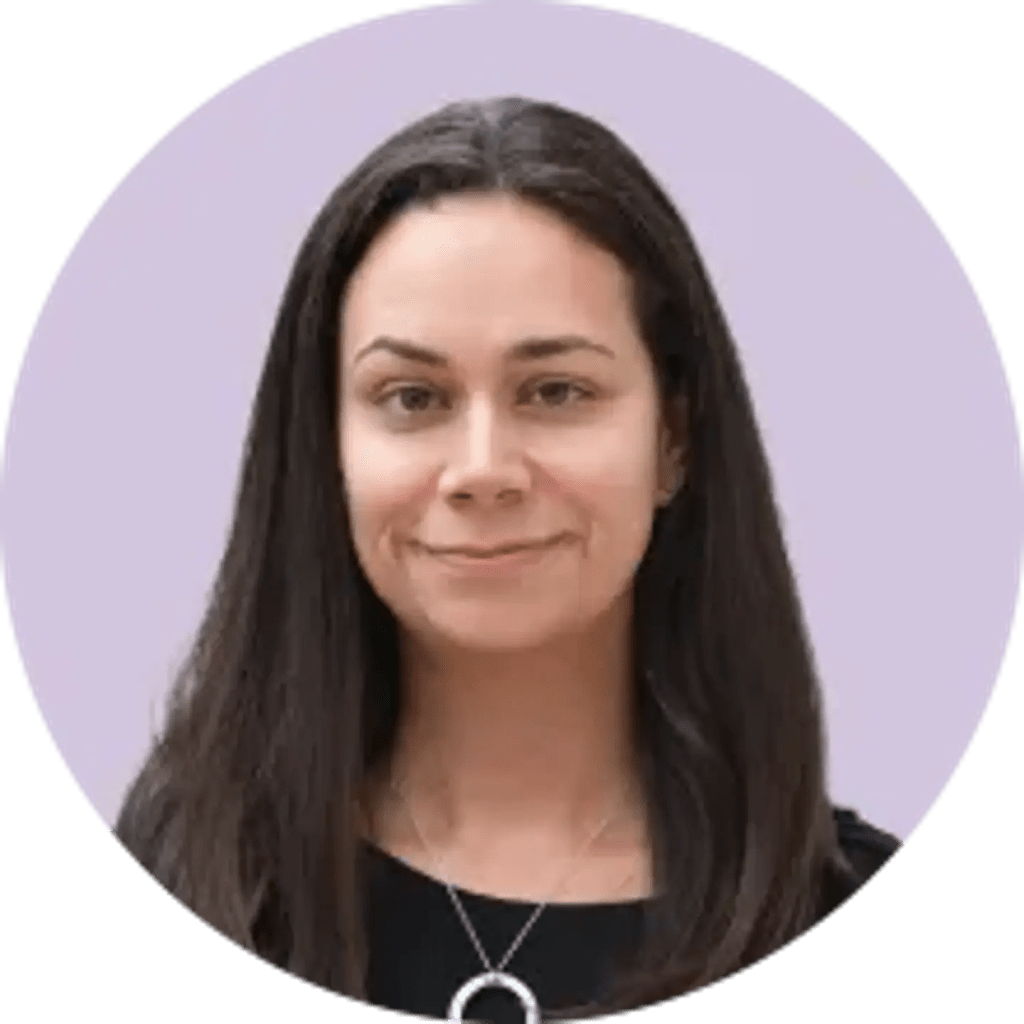
MELBOURNE, VICTORIA — As the Victorian Multicultural Commission (VMC) prepares for a significant transformation, Ms Louise Perry has been appointed as interim Chairperson to lead the organisation through a critical transitional period. Her appointment, effective Thursday 16 July, comes as Victoria moves toward the establishment of Multicultural Victoria, a new statutory body that will reshape the state’s approach to multicultural and multifaith affairs .
Perry’s term is interim, extending until Multicultural Victoria is formally established. A Victorian woman of Burmese descent, she brings a wealth of experience spanning journalism, community leadership, international development, human rights, and the Victorian Public Service .
A Career of Service and Advocacy
Louise Perry’s professional journey reflects a deep commitment to social justice and community empowerment. She began her working life as a journalist, developing a keen understanding of storytelling and the power of narrative in shaping public understanding. This foundation led her to leadership roles in community organisations, where she championed the voices of marginalised and underrepresented groups.
Her career later took her into the International Development and Human Rights space, where she worked extensively on issues of justice, equity, and inclusion. This global perspective, combined with her local experience, has equipped her with a nuanced understanding of the challenges and opportunities facing multicultural communities.
Before her appointment to the VMC, Perry served as Deputy Secretary for Fairer Victoria within the Department of Families, Fairness and Housing, where she led landmark work on anti-racism, youth, and gender equality strategies . Her leadership in this role demonstrated her ability to drive systemic change and build partnerships across government and the community sector.
A Vision for Unity and Cohesion
Perry’s appointment comes at a pivotal moment for Victoria’s multicultural and multifaith communities. The transition to Multicultural Victoria represents an opportunity to elevate multicultural affairs across the whole of government, ensuring that diverse voices remain at the centre of policy and service delivery.
“The establishment of Multicultural Victoria presents a unique opportunity for multicultural and multifaith affairs in our state,” Perry said. “I look forward to working with communities, VMC staff and government as we prepare for legislative changes” .
Her leadership is expected to support and uplift Victoria’s multicultural and multifaith communities as champions of unity and cohesion, delivering benefits for all Victorians . The changes she will guide aim to ensure that the new structure is fit for purpose and responsive to the needs of communities .
The Transition to Multicultural Victoria
The establishment of Multicultural Victoria is subject to the passage of legislation . The new body will bring together the functions of the VMC and Multicultural Affairs, creating a unified approach to multicultural policy and community engagement . It will be led by a Multicultural Coordinator General, supported by two Deputy Coordinators General and a Multicultural Community Advisory Group .
The transition reflects a recognition that Victoria’s multicultural communities are not just a part of the state’s identity—they are central to its future. As Perry noted, this is a unique opportunity to strengthen the foundations of multicultural and multifaith affairs.
A Legacy of Leadership
Perry succeeds Vivienne Nguyen AM, who concluded her seven-year tenure as Chairperson on 15 July 2026 . Nguyen’s leadership saw the VMC through the COVID-19 pandemic, flood recovery, and the impacts of international events on multicultural and multifaith communities . Her legacy of community-led engagement and partnership-building has laid the groundwork for the next chapter.
Perry expressed appreciation for Nguyen’s contributions, which she described as “invaluable” and commended the groundwork laid for the future .
Looking Ahead
As Louise Perry steps into her interim role, Victoria’s multicultural and multifaith communities can look forward to a leader with a proven track record of advocacy, collaboration, and systemic change. Her appointment signals continuity and stability during a period of significant transformation.
Applications for leadership positions within Multicultural Victoria—including the Coordinator General, two Deputy Coordinators General, and members of the Multicultural Community Advisory Group—are expected to open shortly. Community members are encouraged to stay informed and participate in shaping the future of multicultural affairs in Victoria.
“The establishment of Multicultural Victoria presents a unique opportunity for multicultural and multifaith affairs in our state. I look forward to working with communities, VMC staff and government as we prepare for legislative changes.”
— Louise Perry, Interim Chairperson, Victorian Multicultural Commission

The Irreechaa Protocol: From Ancient Healing to Modern Stroke Recovery
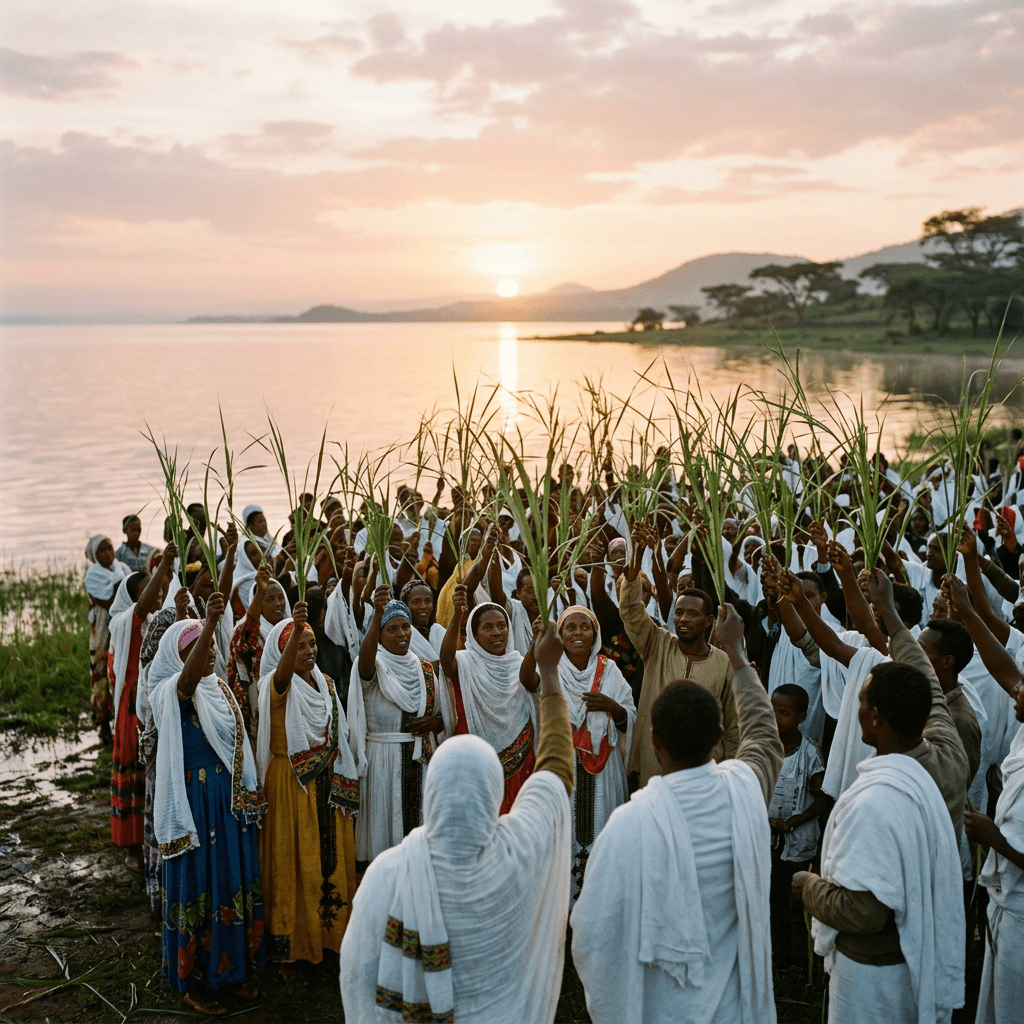
What if the path to physical recovery after a stroke lies not in isolation but in community, not in medicine alone but in the sacred rituals that have healed generations?
When we think of stroke rehabilitation, we typically imagine hospital beds, physical therapists, and repetitive exercises. The journey is often described as isolating—a solitary struggle against the body’s betrayal. But what if the most effective recovery intervention has been practiced for centuries, not in clinics, but at the water’s edge, surrounded by thousands of voices raised in song?
The Oromo people’s Irreechaa festival—a thanksgiving celebration held at sacred water bodies like Hora Arsadii and Hora Finfinnee—offers a blueprint for stroke recovery that transcends conventional rehabilitation. It is not merely a cultural festival; it is a sophisticated, community-driven healing protocol that addresses the physical, psychological, and spiritual dimensions of recovery.
The Foundation: Why Ritual Matters in Recovery
Stroke, as a form of brain tissue damage caused by a sudden disruption of blood supply, often results in muscle weakness or paralysis on one side of the body, known as hemiparesis or hemiplegia . Beyond the physical challenges, stroke profoundly affects patients’ psychological and spiritual well-being.
Conventional rehabilitation focuses on regaining motor function through physical therapy, strength training, and range-of-motion exercises. Yet research increasingly recognises that recovery is not purely mechanical. The emotional isolation, loss of identity, and spiritual questioning that accompany stroke require interventions that address the whole person.
This is where Irreechaa enters the picture. For the Oromo people, who have endured generations of political marginalisation and cultural suppression, Irreechaa has functioned as what scholars describe as “cultural therapy”—a cyclical, collective practice that restores dignity, cohesion, and hope . Its choreography—pilgrimage to sacred water, symbolic washing, public prayer, group singing and dancing—provides a template that can be adapted for physical rehabilitation.
The Three Therapeutic Pillars of Irreechaa for Stroke Recovery
1. Recognition: Reclaiming Identity and Agency
One of the most devastating effects of stroke is the loss of identity. A person who once moved freely, worked, and cared for family suddenly becomes dependent on others. This loss mirrors the experience of colonised peoples—the internalised devaluation that comes from being told, directly or indirectly, that you are less than what you were .
Irreechaa counters this through public, mass affirmation . When thousands gather in traditional white attire, singing and performing traditional dances, they are not just celebrating; they are visibly, collectively reclaiming dignity . For a stroke survivor, participation—even passive observation—reaffirms that they remain part of the community. Their identity is not erased by their condition.
The festival’s impact on psychological well-being is significant. Scholars document that the joyful atmosphere counters trauma, while participants see their culture celebrated, combating marginalisation and fostering confidence . For stroke survivors, this sense of belonging and self-worth is a powerful motivator for recovery.
2. Regulation: Movement, Music, and Healing the Body
The physical elements of Irreechaa serve a regulatory function that aligns precisely with evidence-based rehabilitation. Structured songs, rhythmic movement, and shared timing “calm bodies and synchronise emotion” . This mirrors approaches like EMDR (Eye Movement Desensitization and Reprocessing), where bilateral stimulation helps process traumatic material.
Traditional Oromo songs, known as geerarsa, have a particularly powerful healing function. One form of folksong is designed to “divert the thought of the distressed individual by persuading him through the intricate terminologies” . Even individuals with physical and cognitive impairments can be drawn into the healing experience through these songs.
Scientifically, the combination of water and sound creates immersive environments. Chanting reduces stress hormones and triggers dopamine, promoting transcendence . Movement—however limited—stimulates blood flow and helps maintain flexibility. When tens of thousands move and sing together, the result is a form of community-wide emotional and physical regulation that no individual therapist could replicate.
Research on spiritual practices in stroke rehabilitation supports this approach. One study found that dhikr therapy—practiced by flexing and moving the knuckles of the hand—can reduce stiffness in the joints of stroke patients, supporting muscle flexibility and strength . Irreechaa offers this same principle on a massive scale: repetitive, meaningful movement embedded in a spiritual and social context.
3. Reconnection: Healing the Social Wound
Historical trauma isolates; ritual reconnects . Anthropologists describe how public rituals generate “communitas”—an intense sense of togetherness that suspends everyday hierarchies . At Irreechaa, this communitas creates “prosocial bonds that reduce isolation and renew civic agency” .
For a stroke survivor, social isolation is a major barrier to recovery. Depression, anxiety, and loneliness compound physical limitations. The festival’s intergenerational participation—elders demonstrating rituals, children and youth participating actively—creates a continuity of social bonds that bridges generations . The stroke survivor is not left behind; they remain part of the living chain.
Irreechaa’s role in fostering inclusivity and national healing has been widely recognised, described as “a catalyst for inclusivity in Ethiopia” that “promotes a sense of togetherness” . For the individual survivor, the lesson is clear: recovery is not a solitary journey but a communal one.
The Water Blessing: Symbolic and Practical Healing
The most iconic Irreechaa ritual involves participants entering sacred water and symbolically washing away hardship . This act operates on multiple levels:
- Symbolically, it represents cleansing from past trauma and preparation for renewal.
- Psychologically, it provides a physical mechanism for emotional release.
- Communally, it creates a shared experience that binds participants together.
For a stroke survivor, water also offers practical therapeutic benefits. Hydrotherapy is a recognised rehabilitation technique that reduces joint stress, improves circulation, and provides gentle resistance for muscle strengthening. The sacred waters of Irreechaa offer this benefit within a context of profound meaning.
For diaspora Oromo communities, adaptations of these water rituals in park settings or hilltops serve similar functions . When a traditional water body is unavailable, communities transform other spaces into sacred gathering points. This adaptability suggests that the Irreechaa protocol can be adapted to any setting—including rehabilitation centres, community halls, or home environments.
A Blueprint for Stroke Recovery Intervention
What can the Irreechaa protocol teach rehabilitation professionals, caregivers, and stroke survivors?
1. Recovery Requires Community
The individualised model of rehabilitation misses a crucial element: the healing power of belonging. Interventions that create spaces for group participation, shared music, and collective movement may enhance outcomes.
2. Symbolism Matters
Water, music, movement, and traditional attire are not superficial decorations; they are therapeutic vehicles that engage the whole person—body, mind, and spirit.
3. Repetition Builds Strength
The cyclical, annual nature of Irreechaa mirrors the repetitive practice essential to stroke rehabilitation. Regularity, predictability, and ritualised practice build resilience.
4. Cultural Grounding Is Therapeutic
Cultural practices are not barriers to evidence-based approaches; they are themselves evidence-based approaches refined over generations . Adapting indigenous healing traditions to modern rehabilitation can improve engagement and outcomes.
5. Hope Is a Medicine
Irreechaa’s central message—that renewal is possible—is exactly what a stroke survivor needs to hear. Hope, meaning, and purpose are not sentimental extras; they are essential drivers of recovery.
Conclusion: The Quiet Work of Repair
Irreechaa demonstrates that healing is not only possible but has been practised for centuries. Its protocol—recognition, regulation, and reconnection through public ritual—provides a template that could be adapted for stroke recovery across cultures and contexts.
As scholars of historical trauma note, healing requires “shared remembrance, mourning, and culturally grounded practices that rebuild meaning and agency” . For stroke survivors, the same principle applies. Recovery is not just about regaining muscle strength; it is about rebuilding meaning, reconnecting with community, and reclaiming identity.
Irreechaa’s power is double-edged: the very practices that heal—public recognition, shared emotion, embodied solidarity—can also unsettle established systems of control . But for the stroke survivor seeking to recover, this is not a threat. It is an invitation to reclaim what was lost.
The path forward is not to shrink the wisdom of the ancestors but to secure it. Treat it as a healing asset, adapt its principles to modern practice, and let ritual do its quiet work of repair.
“Irreechaa’s power is double-edged: the very practices that heal—public recognition, shared emotion, embodied solidarity—also unsettle projects that rely on minimising Oromo visibility. The path forward is not to shrink Irreechaa but to secure it: treat it as a national asset, protect rights equally, and let ritual do its quiet work of repair” .

Irreechaa as a Model for Community Mental Health Interventions
Irreechaa as Ritual Repair: How an Ancient Thanksgiving Festival Became a Blueprint for Collective Mental Health Intervention
Far more than a seasonal celebration, the Oromo festival’s water blessings, songs, and communal rituals function as a sophisticated, community-driven therapy for generations of historical trauma
In an era where mental health professionals increasingly recognise the limitations of individual therapeutic models for addressing collective trauma, an ancient festival offers an unexpected but profoundly effective blueprint. For the Oromo people, the Irreechaa celebration—held at sacred water bodies like Hora Arsadii (Bishoftu) and Hora Finfinnee—operates as what scholars describe as “cultural therapy”: a cyclical, collective practice that restores dignity, cohesion, and hope after generations of political marginalisation .
For a people whose late-19th-century imperial incorporation, linguistic suppression, and systematic cultural erasure represent textbook “cumulative, collective wounding,” Irreechaa has become far more than a seasonal celebration . It is a sophisticated, community-based mental health intervention that has sustained Oromo resilience for centuries. By examining the Irreechaa protocol—its structure, its symbols, and its therapeutic mechanisms—we may find a model for collective healing that transcends cultural boundaries.
The Foundation of Collective Trauma
The Oromo experience of historical trauma is severe and systematic. Late-19th-century imperial expansion violently incorporated Oromo homelands into the Ethiopian Empire, followed by over a century of political and cultural subordination . Oromo institutions, including aspects of the Gadaa governance system, were constrained or suppressed, and the public status of Afaan Oromoo was systematically diminished.
This represents what scholars term “cumulative, collective wounding”—mass harms that echo across generations through families and institutions . The result is not merely individual psychological distress but a community-wide experience of internalised devaluation, social fragmentation, and disconnection.
Conventional mental health approaches—individual therapy, medication, and cognitive interventions—can address symptoms but often fail to heal the underlying collective wounds. Irreechaa offers an alternative: a community-based intervention designed to restore what was broken collectively.
The Therapeutic Structure of Irreechaa
Irreechaa’s choreography follows a remarkably consistent pattern: pilgrimage to sacred water, symbolic washing, public prayer, group singing and dancing, and the leadership of elders . This structure aligns precisely with what anthropologists identify as the key elements of “ritual repair” .
Recognition: Countering Internalised Devaluation
One of the most insidious effects of historical oppression is internalised inferiority—members of marginalised groups absorb the dominant society’s negative messages about their identity. Irreechaa counters this through public, mass affirmation . When millions gather in traditional white attire, singing and performing traditional dances, they are not just celebrating; they are visibly, collectively reclaiming dignity .
The festival’s impact on psychological well-being is significant. Scholars document that the joyful atmosphere counters trauma from oppression, displacement, or recent conflicts, while youth see their culture celebrated, combating marginalisation and fostering confidence . The sense of pride and self-worth cultivated at Irreechaa is particularly important for younger generations, who carry the Oromo legacy forward .
Regulation: Choreographing Healing through Music and Movement
The physical elements of Irreechaa serve a regulatory function that echoes evidence-based trauma interventions. Structured songs, rhythmic movement, and shared timing “calm bodies and synchronise emotion” . This mirrors approaches like EMDR (Eye Movement Desensitization and Reprocessing), where bilateral stimulation helps process traumatic material.
Traditional Oromo songs, known as geerarsa, have a particularly powerful healing function. One form of folksong is designed to “divert the thought of the distressed individual by persuading him through the intricate terminologies” and has “strong power of meeting the requirements or to draw attention of the listener” . Even individuals with mental illness can be drawn into the healing experience through these songs .
Scientifically, the combination of water and sound creates immersive ritual environments. Chanting reduces stress hormones and triggers dopamine, promoting transcendence . When tens of thousands move, sing, and splash in sacred waters together, the result is a form of community-wide emotional regulation that no individual therapist could replicate.
Reconnection: Rebuilding Social Bonds
Historical trauma isolates; ritual reconnects. Anthropologists have long described how public rituals generate what they call “communitas”—an intense sense of togetherness that suspends everyday hierarchies . At Irreechaa, this communitas creates “prosocial bonds that reduce isolation and renew civic agency” .
The festival’s intergenerational participation reinforces this reconnection. Elders demonstrate rituals like eebba (blessings) and traditional dances, while children and youth participate actively, creating a continuity of social bonds that bridges generations . This is not simply a pleasant experience; it is a vital antidote to the social fragmentation that oppression produces.
Irreechaa’s role in fostering inclusivity and national healing has been widely recognised, with the festival described as “a catalyst for inclusivity in Ethiopia” that “promotes a sense of togetherness and fosters a spirit of inclusivity, reminding us that despite our differences, we are all part of the same human family” .
The Water Blessing: Symbolic Washing Away
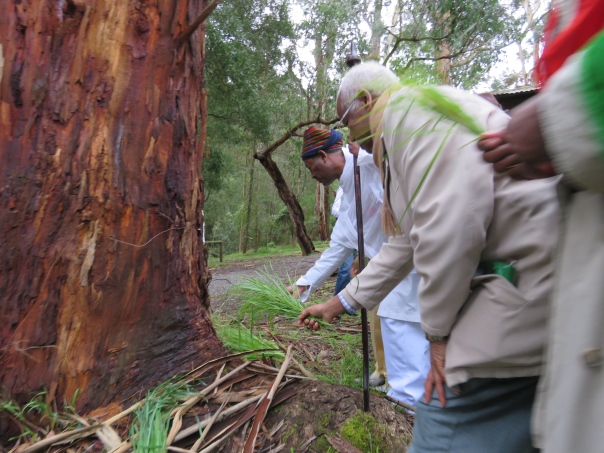
The most iconic Irreechaa ritual involves participants entering sacred water and symbolically washing away hardship, or performing libation rituals using water and fresh grass (Birraa) . This act operates on multiple levels:
- Symbolically, it represents cleansing from past trauma and preparation for renewal .
- Psychologically, it provides a physical mechanism for emotional release.
- Communally, it creates a shared experience that binds participants together.
For diaspora Oromo communities, adaptations of these water rituals in park settings or hilltops serve similar functions, connecting a community separated by geography to the healing practices of their ancestors . The Melbourne community, for example, transformed Dandenong Hill into a sacred gathering point when a traditional water body was unavailable . Planting trees alongside these symbolic rituals extends the theme of renewal to ecological consciousness .
The Shadow: When Healing Attracts Threat
The very power that makes Irreechaa therapeutic also makes it threatening to forces seeking to maintain dominance . The 2016 Bishoftu tragedy—where security forces’ crowd control triggered a stampede that killed scores—etched a deep collective trauma into Oromo memory . This event reinforced fears that peaceful cultural gatherings can be violently disrupted.
Subsequent Irreechaa celebrations have often featured heavy policing, preemptive arrests, and restrictions that rights groups criticise as disproportionate . The “securitisation” of Irreechaa reflects a fundamental reality: visible, unified collective identity threatens projects that rely on minimising that group’s visibility and power .
The festival’s security challenges are well-documented. As one analysis notes, “this pattern sustains a feedback loop: securitisation communicates distrust of Oromo mass assembly; participants experience retraumatisation; organisers double down on the festival’s identity-affirming message, which authorities then read as political mobilisation” .
A Blueprint for Collective Intervention
What can the Irreechaa protocol teach mental health practitioners, community organisers, and policymakers?
1. Collective Healing Requires Collective Ritual
Individual therapy cannot fully address historical trauma because the wound is communal. Interventions must create spaces where communities can heal together .
2. Symbolism Matters
Water, music, movement, and traditional attire are not superficial decorations; they are therapeutic vehicles that engage the whole person .
3. Intergenerational Participation Is Essential
Children and elders healing together creates continuity that individual approaches cannot achieve .
4. Regularity Builds Resilience
Irreechaa’s cyclical nature—held annually, marking seasonal change—provides ongoing, predictable support that communities can rely on .
5. Cultural Grounding Is Strength
Cultural practices adapted to trauma healing are not barriers to evidence-based approaches; they are themselves evidence-based approaches refined over generations .
Conclusion: Ritual as Quiet Repair
Irreechaa demonstrates that collective healing is not only possible but has been practised for centuries. Its protocol—recognition, regulation, and reconnection through public ritual—provides a template that could be adapted across cultures and contexts .
As scholars of historical trauma note, healing requires “shared remembrance, mourning, and culturally grounded practices that rebuild meaning and agency” . The Irreechaa protocol provides exactly that: a culturally grounded practice that rebuilds meaning and agency for millions.
The path forward, as one analysis concludes, is “not to shrink Irreechaa but to secure it: treat it as a national asset, protect rights equally, and let ritual do its quiet work of repair” . For mental health professionals, the lesson is clear: the best interventions may not be found in clinical manuals but in the living traditions of communities that have survived and thrived despite centuries of attempted erasure.
Irreechaa’s power is double-edged: the very practices that heal—public recognition, shared emotion, embodied solidarity—also unsettle projects that rely on minimising Oromo visibility. The path forward is not to shrink Irreechaa but to secure it.






